Featured HMI, PCBA & Component Integrations
From single-chip capacitive touch interfaces to high-density carrier boards, our turnkey manufacturing ecosystem bridges precision hardware engineering with comprehensive BOM component sourcing.
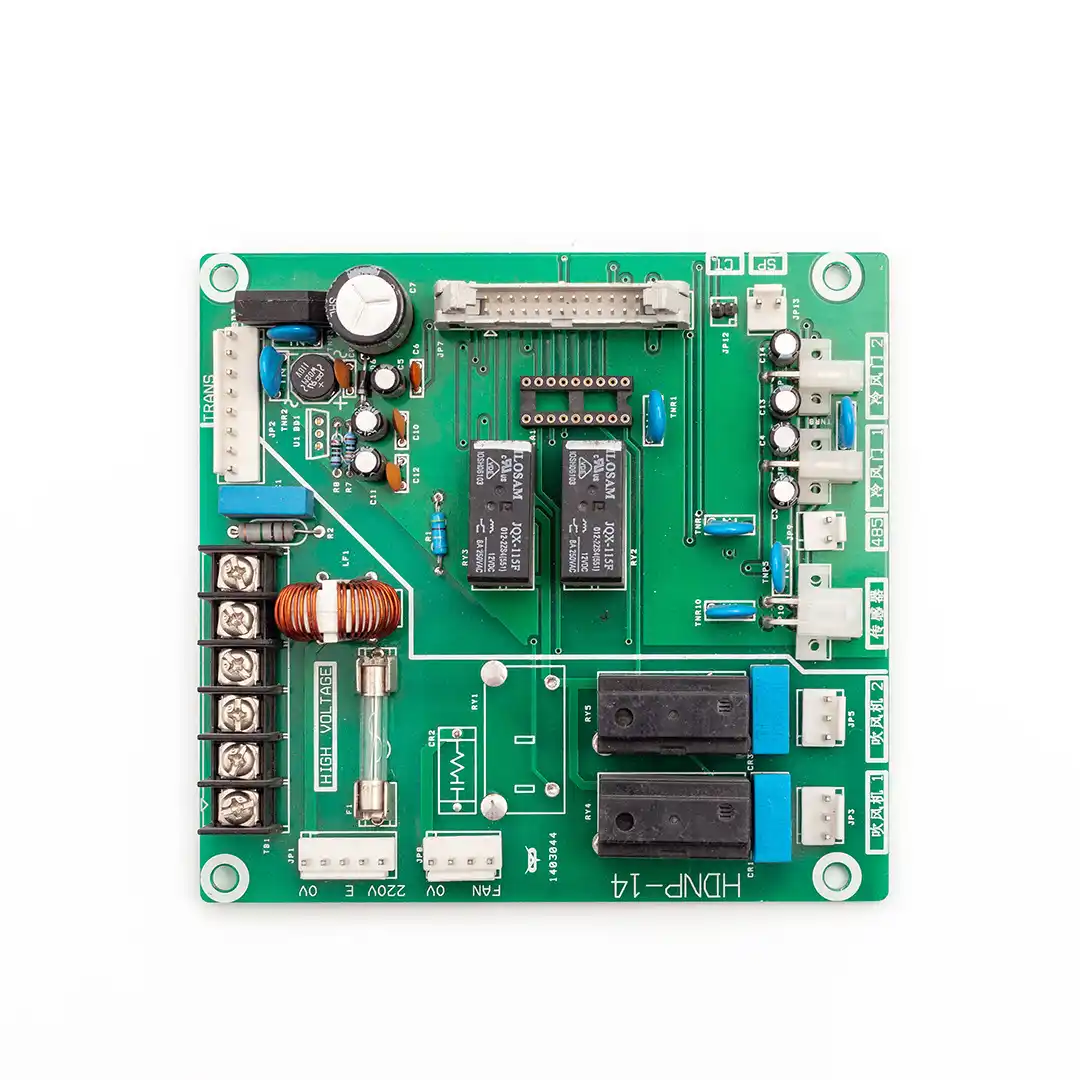
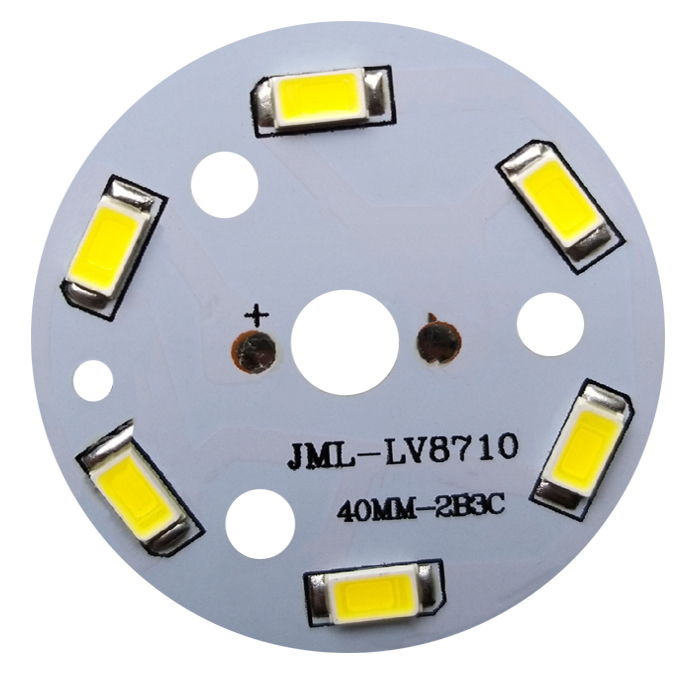
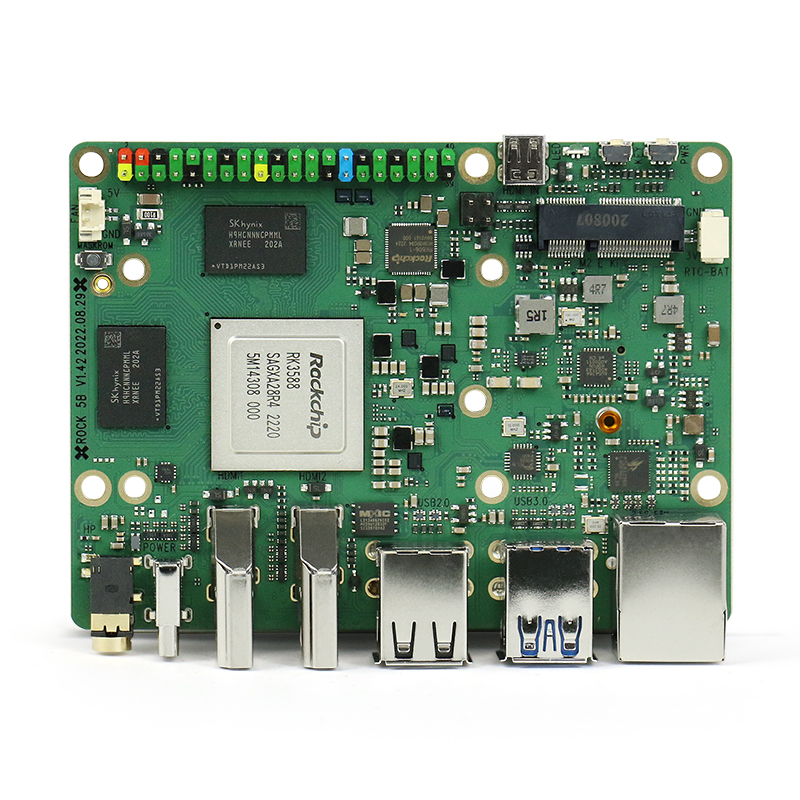
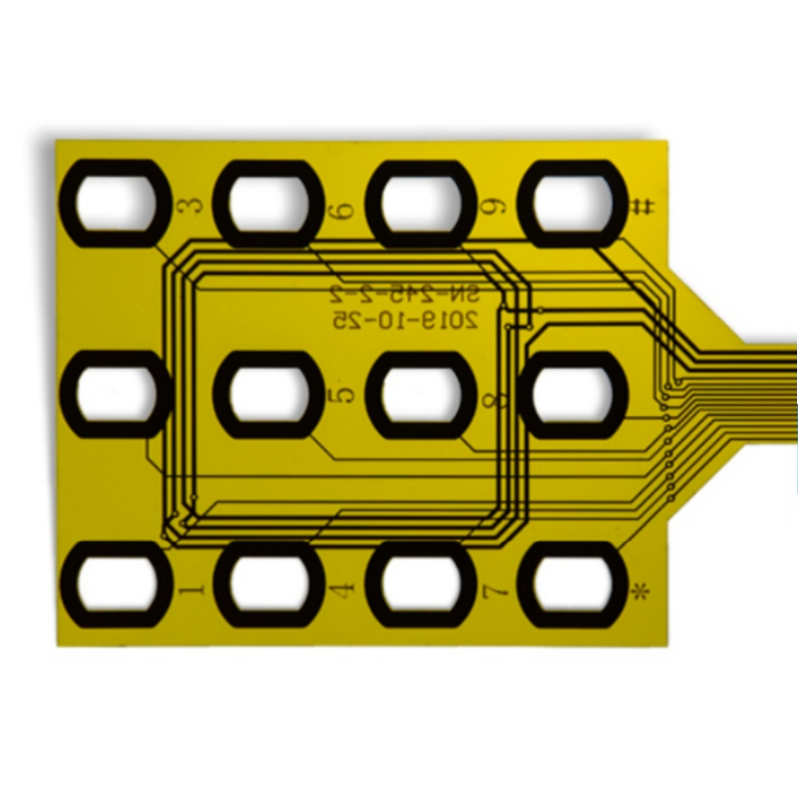
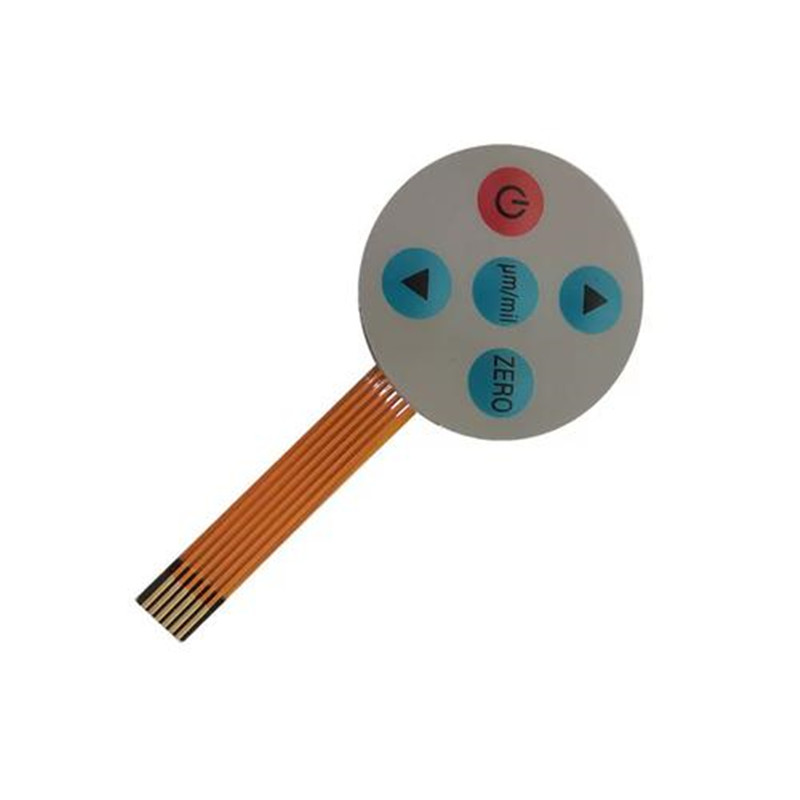
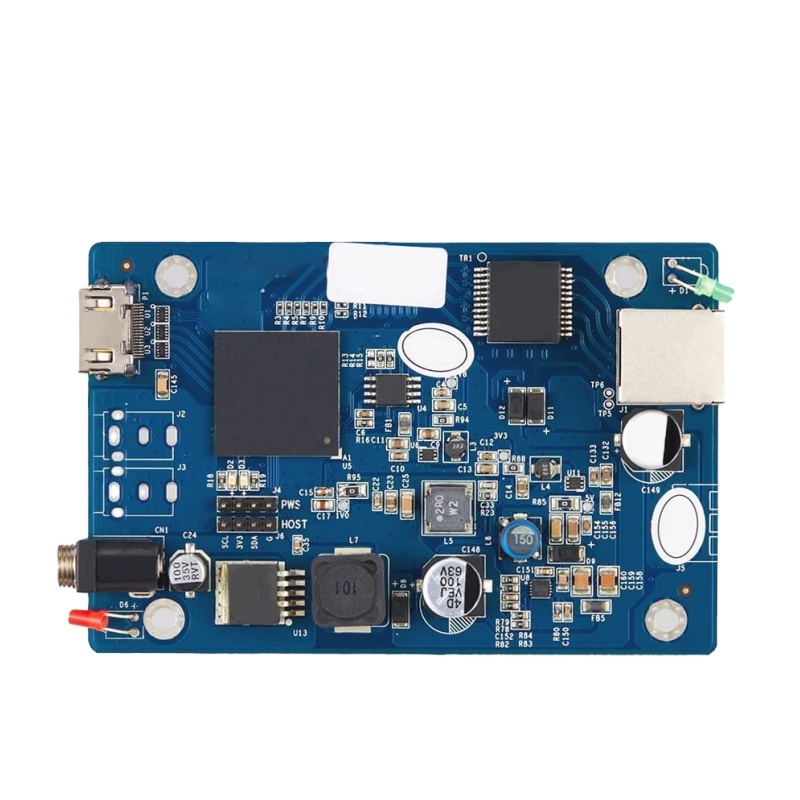
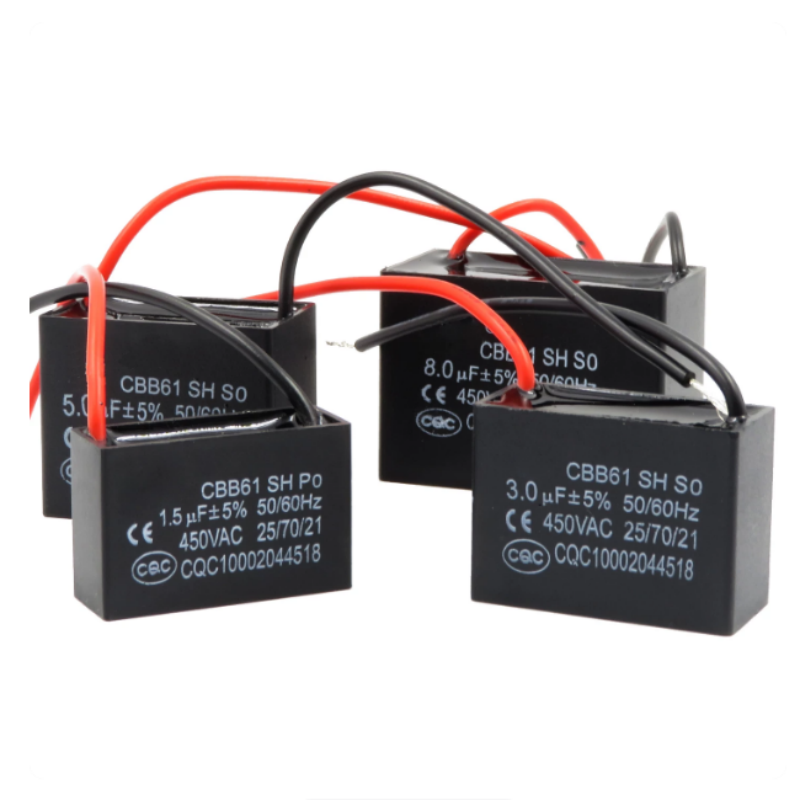
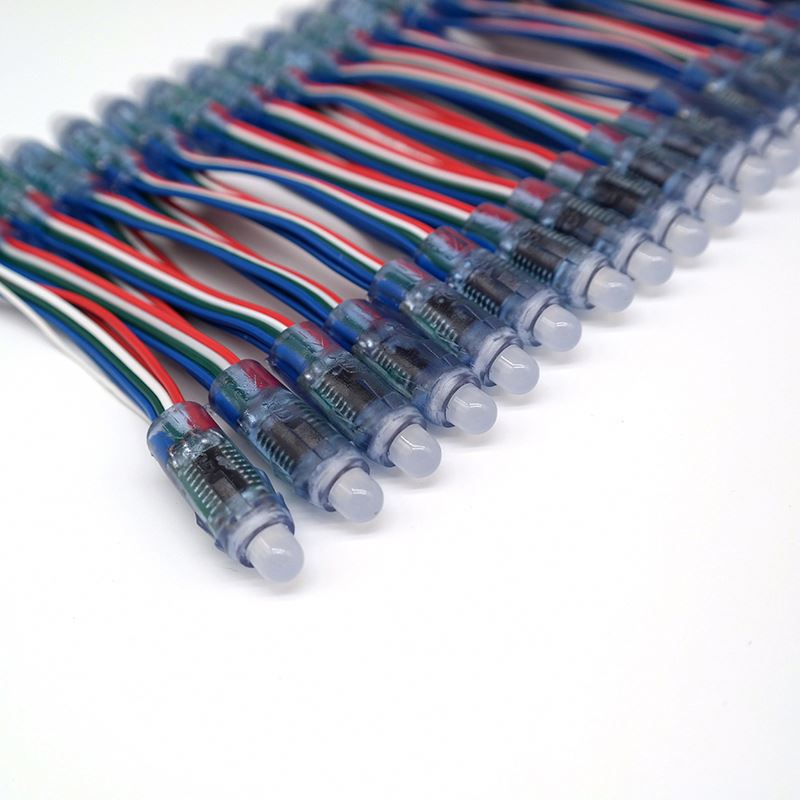
Architectural Reliability in CE Certified Capacitive Touch Keypads
In contemporary industrial control, medical diagnostic instruments, and smart building infrastructure, mechanical push-buttons are being aggressively superseded by solid-state Capacitive Touch Keypads. Designing and fabricating these subsystems to meet stringent European Conformity (CE) directives—specifically Electromagnetic Compatibility (EMC Directive 2014/30/EU) and Low Voltage Directive (LVD 2014/35/EU)—presents rigorous engineering challenges.
Shenzhen VUKO Electronics engineers capacitive sensor topologies utilizing specialized Indium Tin Oxide (ITO) layers, screened conductive silver nano-pastes, or flex-printed copper circuits (FPC). Parasitic capacitance compensation is calibrated directly at the board layer stack-up. By routing ground shielding planes (driven shield technique) tightly around touch electrode sensor pads, our capacitive interfaces completely decouple noise generated by variable RF fields, high-voltage switching transients, and electrostatic discharge (ESD air discharge up to 15kV conforming to IEC 61000-4-2).
Furthermore, front fascia substrates utilizing anti-glare, chemical-resistant Polycarbonate (PC) or Autotex Polyethylene Terephthalate (PET) guarantee an ingress protection rating of IP65/IP67. This hermetic barrier ensures uninterrupted actuation even under washdown protocols, oil mist exposure, or when operated with industrial safety gloves.
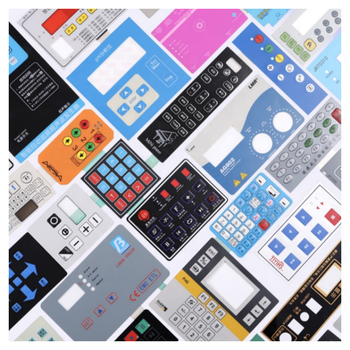
Future Procurement Trends in Industrial Capacitive Interfaces
Global OEM purchasing directors are navigating supply chain consolidation, environmental mandates, and localized hardware resilience.
Turnkey Subassembly Sourcing
Procurement managers are shifting away from disaggregated tier-3 buying. Instead of sourcing bare overlays, bare flex PCBs, active controller ICs, and plastic bezels from disparate vendors, OEMs increasingly procure verified, fully integrated touch subassemblies from single-source manufacturing partners to eliminate inter-supplier finger-pointing and yield losses.
Pre-Certified CE & UL Assurance
With tightening EU market surveillance, buyers demand certified compliance up front. Capacitive keypads must be backed by documented flammability compliance (UL 94V-0 recognized dielectric laminates) and RoHS/REACH chemical disclosures. Incorporating CE-certified sub-modules directly accelerates final product CE self-declaration and laboratory testing cycles.
BOM Lifecycle Risk Mitigation
Semiconductor lifecycle volatility has transformed procurement agreements. Smart sourcing strategies include designated secondary-source silicon footprints for capacitive touch controller microcontrollers (such as Microchip mTouch, Cypress/Infineon CapSense, or Nuvoton ICs), allowing seamless board revisions without redesigning the physical tooling layout.
Technological Trajectories Shaping Touch Control (2025–2030)
How mechanical, electrical, and optical breakthroughs are reinventing the conventional membrane keypad landscape.
In-Mold Electronics (IME) & Curved Fascias
Traditional planar sheet construction is evolving into 3D structural electronics. Through In-Mold Structural Electronics (IMSE), capacitive conductive inks, surface-mount LEDs, and flexible circuitry are printed directly onto thermoplastic films and thermoformed into curved housings, eliminating hollow interior dead space and reducing subassembly thickness by up to 70%.
Piezoelectric Haptic Feedback Integration
The principal human factors critique of planar touch controls has been the absence of tactile response. Modern high-reliability designs pair capacitive sensing electrodes with miniature linear resonant actuators (LRA) or thin-film piezoelectric transducers. Upon dielectric threshold trigger, an instantaneous localized vibration simulates the distinct tactile click of a mechanical dome switch.
Edge-AI Environmental Tracking & Rejection
Next-gen controller firmwares deploy machine learning state-machines directly at edge MCU registers. Environmental variables such as water droplets, conductive saline film washouts, grease accumulation, and electromagnetic common-mode hum are analyzed in real-time. Dynamic baseline calibration continuously adjusts touch threshold margins to prevent false triggers.
Integrated Manufacturing Excellence in Shenzhen
Direct factory production, engineering-led DFM verification, and seamless electronic component sourcing within China’s premier hardware cluster.
End-to-End In-House Manufacturing
Located at Jihua Road, Shenzhen, VUKO operates full-spectrum production lines spanning precision bare PCB fabrication (1–12+ layers, High-TG FR4, HDI), surface mount technology (SMT) with 01005 passive placement capability, DIP manual insertion lines, cleanroom membrane printing, and precision optical inspection stations.
Rigorous Multi-Stage Quality Assurance
Quality control is executed at every transformation milestone. We enforce 100% automated optical inspection (AOI), solder paste inspection (SPI), flying probe electrical testing for bare boards, automated continuity verification for FPC tails, and complete functional bed-of-nails or benchtop testing for all assembled PCBA batches.
Turnkey BOM Component Sourcing
Eliminate broker premiums and grey-market supply chain vulnerabilities. Our localized procurement network maintains authorized tier-1 supplier distribution ties for microcontrollers, passives, connectors, optoelectronic LEDs, and thermal management elements, backed by full manufacturer trace certificates and RoHS compliance declarations.
Frequently Asked Questions for Sourcing Managers
Key technical specifications, quotation prerequisites, and commercial guidelines for capacitive touch hardware procurement.
What design files and specifications are required to quote a capacitive touch keypad?
To provide an accurate engineering quote within 24 hours, our team requires: (1) Vector artwork for the graphic overlay (AI, PDF, DXF, or CorelDraw) detailing dimensions, key shapes, windows, and Pantone/RAL color codes; (2) Circuit layout files (Gerber RS-274X, ODB++, or DXF) defining the touch electrode dimensions, tail pinout, and FPC conductor stack-up; (3) Bill of Materials (BOM) detailing any onboard active controller ICs, filtering passives, and surface-mount LEDs; and (4) Operating environmental specifications (e.g., operating temperature range, required ESD rating, cover lens thickness, and target IP enclosure rating).
How does CE certification apply to capacitive touch keypads and assemblies?
Passive membrane switches and unpopulated FPC capacitive sensors are categorized as electromechanical components and do not carry a standalone CE marking. However, when capacitive touch subassemblies incorporate active driver ICs, microcontrollers, LED arrays, or are delivered as turnkey PCBA assemblies, they fall under the European EMC Directive 2014/30/EU and RoHS Directive 2011/65/EU. VUKO manufactures subassemblies strictly aligned with EN 61000-6-2 (immunity for industrial environments) and EN 61000-6-4 (emissions), facilitating effortless CE marking of your completed host system.
Can capacitive touch panels operate accurately through thick front overlay glass or acrylic?
Yes. By fine-tuning the geometry of the sensor pads, copper/silver layer thickness, and programming dynamic charging currents in the capacitive controller, our engineering team routinely achieves responsive touch detection through front overlays comprising 1.0mm to 6.0mm chemically strengthened cover glass, polycarbonate, or polymethyl methacrylate (PMMA). We optimize the RC time constant and mutual/self-capacitance matrices specifically tailored to your selected fascia material.
What is VUKO’s Minimum Order Quantity (MOQ) and sample prototyping lead time?
Understanding that new hardware development cycles require iterative physical verification, VUKO supports agile low-volume prototype builds starting at just 5 to 10 pieces for custom FPC capacitive keypads and turnkey PCBA. Quick-turn engineering prototypes are generally delivered within 7 to 12 working days following final DFM design sign-off, after which production seamlessly scales to batch quantities of 50,000+ units.
How are commercial transactions safeguarded against supply and manufacturing risks?
Shenzhen VUKO Electronics is an onsite-verified supplier on Alibaba.com with more than 14 years of verified export history. We support Alibaba.com Trade Assurance order processing, securing buyers with 100% payment protection, on-time shipment guarantees, and full refund coverage if components deviate from the engineering specifications mutually ratified on the drawing sheet.
Accelerate Your Custom Capacitive Touch Project
Connect directly with VUKO’s Shenzhen engineering team. Upload your Gerber files, mechanical CAD drawings, or BOM list for a complimentary DFM analysis and competitive factory quotation within 24 hours.
Inquire Now