Blog
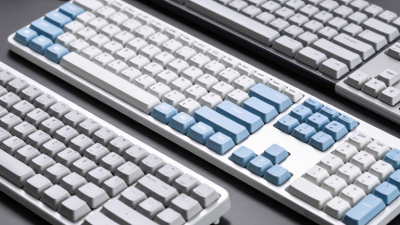
China Top 10 Membrane Keyboard Manufacturers for Buyers
A Membrane Keyboard can look simple from the outside: a printed overlay, a thin switch layer, and a flexible circuit beneath. Yet small design choices affect how it feels, how clearly its labels read, and how well it handles dust, moisture, and repeated use. Buyers comparing suppliers in China need more than attractive product photos. They need to understand what each manufacturer can produce and how it verifies quality.
This guide introduces ten China-based membrane keyboard manufacturers for buyers exploring custom or standard solutions. It offers a starting point, not a guarantee that every supplier will suit every project. Applications vary. A control panel used indoors may need different materials and sealing than equipment operated in a workshop. Ask about sample availability, tooling, minimum order quantities, production lead times, and inspection procedures. Request specifications in writing, and compare a physical sample with the drawings before approving production.
Look closely at the details. Are legends legible under the intended lighting? Do the keys respond consistently across the panel? Can the supplier explain material choices without relying only on broad claims? A polished catalog is not proof of dependable production, and even a careful review cannot replace direct evaluation. That is worth remembering. Use the manufacturer profiles to narrow your shortlist, then verify capabilities through clear questions, documented requirements, and practical testing.
Read more »
 By:Charlotte
- November 5, 2026
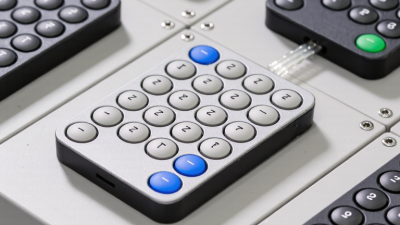
2026 Top Membrane Keypad Manufacturers for Global Buyers
Membrane Keypad selection is a technical decision, not just a price comparison. A keypad must fit its enclosure, withstand the cleaning agents and operating conditions it will face, and provide reliable feedback through repeated use. Grand View Research’s Membrane Switch Market report examines demand by product type, application, and region—useful context for buyers comparing materials, manufacturing capabilities, and supplier coverage. Market reports show broad trends, but they cannot confirm whether a specific factory can meet your drawing, tolerances, or quality requirements.
The interface matters. Don Norman, a design researcher and human-factors expert, wrote: “Good design is actually a lot harder to notice than poor design.” His observation applies to keypads, where clear legends, consistent key response, and thoughtful sealing can make everyday operation feel effortless. It is a design principle, not a membrane-keypad industry quotation.
This guide to 2026 manufacturers focuses on practical checks: engineering support, sample evaluation, customization, production consistency, and communication across regions. Ask for material specifications and test evidence. Inspect a sample under real operating conditions. Small details matter: a raised graphic, a connector position, or a seal that does not match the enclosure can affect the finished product. A direct quotation from a membrane-keypad specialist should be added only when its source and wording can be verified; inventing one would mislead buyers.
Read more »
 By:Evelyn
- November 5, 2026
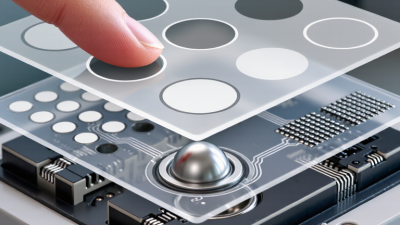
What Is a Membrane Switch and How Does It Work?
A Membrane Switch is a low-profile control interface built from thin, flexible layers. You may find one beneath the buttons on a microwave, medical instrument, or industrial panel. Its smooth surface can carry printed labels, icons, and indicator windows, while the switching components sit underneath.
A typical design includes a graphic overlay, spacer, and circuit layer. Pressing a marked area flexes the overlay and brings conductive contacts together, completing an electrical circuit. A connected controller then registers the input. Some switches use metal domes for a noticeable snap; others rely on printed conductive contacts and feel softer. Small details matter. Layer materials, adhesive, contact geometry, and sealing all influence performance. A sealed design may resist dust or moisture, but that protection depends on its construction and testing—not on the term “membrane switch” alone.
These interfaces are thin, customizable, and often easy to wipe clean. They can also have limits. A flat surface may offer less tactile feedback than a mechanical button, and repeated flexing can eventually affect performance. That trade-off is easy to overlook. The right design depends on where the switch will be used, how often people will press it, and what feedback they need. Understanding how the layers work makes it easier to assess durability, feel, and suitability before choosing a membrane switch for a product.
Read more »
By:Charlotte
- November 5, 2026