1. Transition Toward Micro-Power & Energy-Harvesting IoT
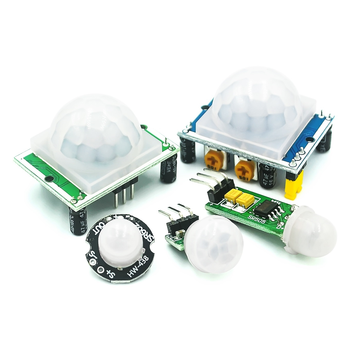
With corporate ESG targets and aggressive global decarbonization regulations (such as the EU Energy Performance of Buildings Directive and US ASHRAE 90.1), commercial automation buyers are demanding PIR modules that operate reliably on energy-harvesting mechanisms (indoor photovoltaic micro-cells, RF scavengers, or thermal generators) or achieve 10+ year operational lifespans on a single primary lithium coin cell. Sourcing strategies are moving away from legacy 5V discrete analog designs toward 1.8V–3.3V digital smart detectors with programmable sleep cycles that remain dormant until an infrared threshold interrupts the host microcontroller.
2. Multi-Sensor Fusion: Hybrid PIR + 24GHz/60GHz mmWave Radar
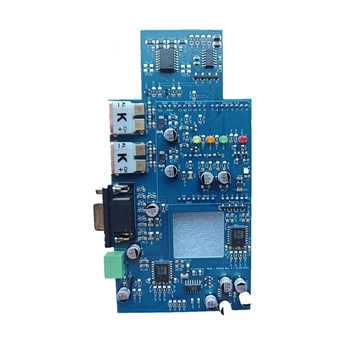
The single greatest operational complaint logged by building facilities and security system operators is false negatives caused by static human presence and false alarms triggered by air conditioning drafts or solar flares. To resolve this, future-proof product roadmaps are adopting dual-technology sensor modules that marry PIR with low-power 24GHz or 60GHz millimeter-wave (mmWave) radar. In this topology, the PIR module serves as an ultra-low-power "wake-up" trigger, firing in microseconds when a broad thermal profile moves. The micro-radar then engages to monitor micromotions (such as human respiration and typing) without excessive battery drain. Sourcing hybrid PCBA platforms simplifies hardware supply chains and eliminates field complaints.
3. Miniaturization and Surface-Mount Reflow Compatibility
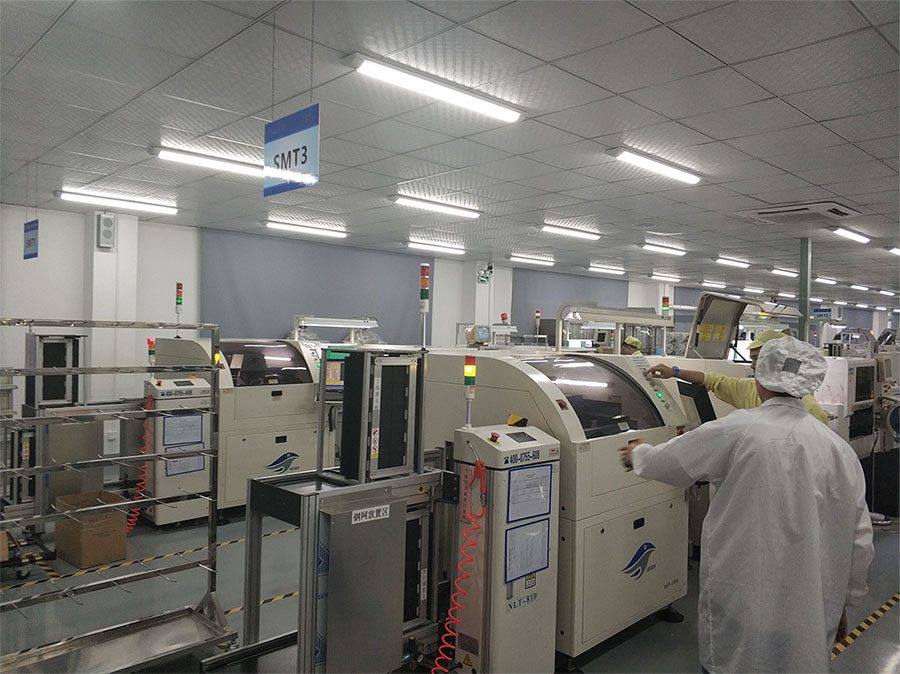
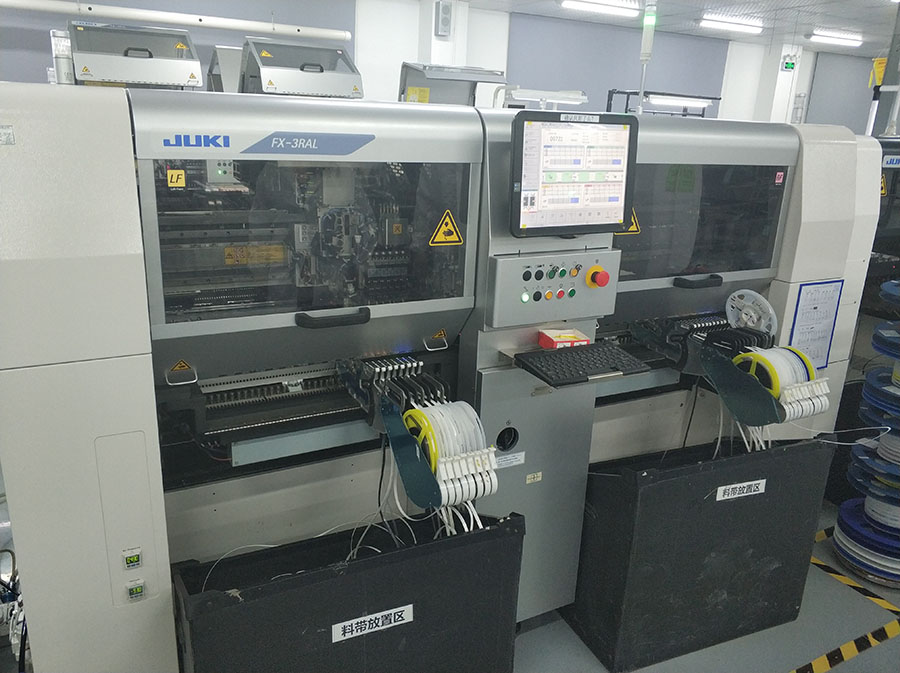
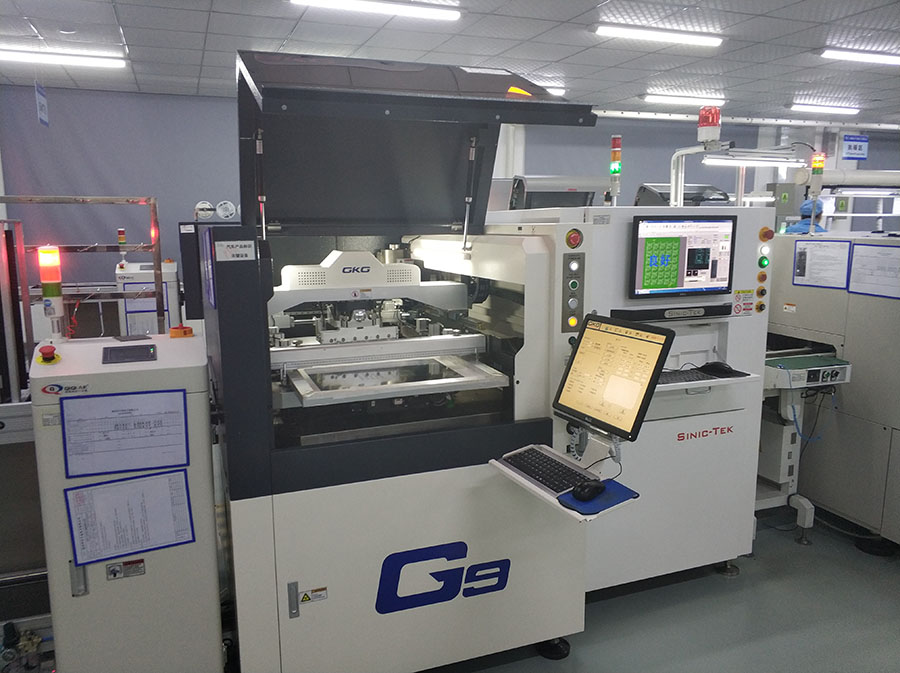
Historically, pyroelectric sensor elements required hand-soldering or selective wave soldering due to the thermal sensitivity of organic piezoelectric polymer films or crystalline structures. Today, automated electronics production relies on high-throughput surface-mount technology (SMT). Modern PIR sensors feature reflow-compatible SMD packaging with internal silicon lenses that can endure standard lead-free SAC305 reflow profiles. This trend reduces manual assembly labor costs, shrinks module profiles by over 60%, and enables complete PIR integration into sleek architectural light switches and smart home thermostats.
4. Supply Chain Resilience, Traceable BOM Sourcing & Component Verification
Geopolitical shifts and supply chain fluctuations have reinforced the necessity of resilient procurement practices. Tier-1 buyers avoid single-sourced, obsolete processing ICs in favor of pin-compatible microcontrollers or standardized ASIC footprints. At Shenzhen VUKO Electronics Co., Ltd., our engineering team supports customers with proactive BOM scrubbing, identifying end-of-life (EOL) passives and recommending drop-in alternatives before circuit printing commences, preventing costly line stoppages.