Alibaba.com Onsite-Verified Supplier Trade Assurance Order Protection [email protected]
🇺🇸 English🇩🇪 Deutsch 🇪🇸 Español🇫🇷 Français 🇵🇹 Português🇮🇹 Italiano 🇷🇺 Русский🇯🇵 日本語 🇰🇷 한국어🇸🇦 العربية 🇹🇷 Türkçe🇳🇱 Nederlands
Shenzhen VUKO Electronics Co., Ltd. Precision Thermal Engineering Facility
OEM Thermal Management Systems

Copper Flat Heat Pipe Cooling Tube: Engineering Guide & Sourcing Specifications

High-efficiency two-phase heat dissipation for ultra-thin laptops, 5G baseband units, automotive power stages, and high-density computing assemblies.

Automated copper tube vacuum sintering line
Proprietary Wick Sintering

Custom Sintered & Composite Capillary Wicks

Engineered to overcome gravitational resistance, maintaining optimal Qmax performance across varied equipment orientations.

Custom Thermal Envelope & Step Files Ready? Submit your 3D CAD (.STEP / .IGS) models and target TDP parameters. Our thermal team provides DFM reviews within 24 hours.
Send an Inquiry

Core Thermal Manufacturing Standards

C10200 Copper

Oxygen-free ≥ 99.95%

0.4mm Ultra-Thin

Precision flattened profiles

>5000 W/m·K

High thermal conductance

Helium Leak Tested

< 1×10⁻⁹ mbar·l/s

Zero NCG Build

High-temp degassing

Complex 3D Bends

CNC multi-axis forming

Agile Prototypes

Samples from 10 pcs

100k Hours Life

High reliability testing

Two-Phase Thermal Dynamics

Engineered Copper Flat Heat Pipe Cooling Tube Architecture

In ultra-compact, high-TDP electronic platforms, conventional solid copper heat spreaders (thermal conductivity ~385 W/m·K) create severe thermal bottlenecks. A sintered copper flat heat pipe cooling tube utilizes two-phase liquid-vapor transitions to yield equivalent thermal conductivities ranging between 5,000 W/m·K and 20,000 W/m·K depending on geometry, wick architecture, and working length.

Ultra-Thin Flat Heat Pipe

0.4mm – 1.0mm
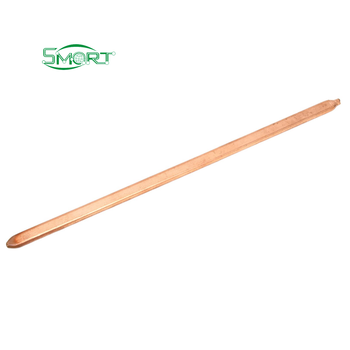
Ultra-thin copper flat heat pipe cooling tube

Designed for space-constrained electronics such as thin laptops, handheld tablets, and ultra-dense 5G optical transceivers. Sintered powder maintains capillarity under narrow vapor cross-sections.

Send an Inquiry

Standard Sintered Flat Pipe

1.0mm – 3.0mm
Industrial copper flat heat pipe cooling module

The core configuration for graphics processing units, enterprise server heatsinks, and LED drivers. Balanced vapor volume and liquid return rate maximize maximum heat transport capacity (Qmax).

Send an Inquiry

High-Power Composite Tube

>3.0mm & Multi-Bends
High power thermal cooling module

Composite grooved-sintered wicks for automotive EV powertrain controllers, IGBT inverters, and industrial motor drives requiring up to 150W+ heat transfer per channel over anti-gravity paths.

Send an Inquiry
Engineering Reference

Manufacturing Parameters & Performance Ceilings

Every copper flat heat pipe cooling tube manufactured by Shenzhen VUKO Electronics Co., Ltd. is dimensioned to prevent operational dry-out across varying thermal loads.

Raw Envelope MaterialC10200 Oxygen-Free High-Conductivity Copper (OFHC, ≥99.95%)
Working Liquid MediumUltra-pure double deionized water (Degassed, ≤0.1μS/cm conductivity)
Capillary Wick MatrixHigh-porosity sintered spherical copper powder (45%–55% porosity)
Flattened Thickness Range0.40 mm to 4.00 mm (±0.05 mm precision tolerance)
Effective Width Range3.0 mm to 32.0 mm (Derived from round stock Φ3mm to Φ12mm)
Operational Temperature-40°C to +150°C (Standard envelope limits)
Hermetic Seal Leak Rate≤ 1×10⁻⁹ mbar·l/s (Tested by Helium Mass Spectrometry)
Surface Treatment OptionsBright chemical pickling, anti-tarnish passivated, or electrolytic nickel plating
Anti-Gravity Capillarity Zero Delamination Bending Ultra-Thin Profile High Qmax Density
Send an Inquiry
Sintered copper flat heat pipe cooling tube prototype
Technical White Paper & Sourcing Logic

Two-Phase Fluid Physics: Avoiding Thermal Dry-Out

A copper flat heat pipe cooling tube functions through a hermetically enclosed thermodynamic closed-loop cycle. When local thermal dissipation sources (such as an AI accelerator core, CPU, or high-power MOSFET) apply heat flux to the evaporator zone, the internal saturated water converts to vapor by absorbing latent heat of vaporization (ΔH_vap ≈ 2,260 kJ/kg). Due to pressure differences, this high-pressure vapor travels rapidly along the unobstructed central vapor chamber to the condenser zone. Here, heat is rejected into cooling fin arrays, cooling blocks, or cold plates. The condensed working fluid is then pumped back to the evaporator through capillary action provided by the sintered copper micro-porous matrix.

Capillary Limit vs. Viscous Vapor Resistance in Flattened Profiles

When selecting or specifying a copper flat heat pipe cooling tube, thermal engineers must balance space savings against the capillary limit. Flattening a cylindrical tube (e.g., from Φ6.0 mm down to 1.2 mm thickness) alters the hydraulic diameter of both the central vapor core and the sintered wick layer. As thickness decreases below 1.0 mm:

  • Vapor Pressure Drop Increases: The cross-sectional vapor passage narrows significantly, which increases vapor shear stress against the counter-flowing condensed liquid.
  • Wick Compaction Risk: Excessive flattening pressure can crush sintered powder channels, reducing permeability and causing premature evaporator dry-out at lower heat flux thresholds.
  • Capillary Head Balancing: By controlling powder grain sizes (typically 75–150 μm) and utilizing mandrel-supported precision rolling, Shenzhen VUKO Electronics Co., Ltd. preserves internal fluid return channels. This allows flat profiles as thin as 0.6 mm to sustain 15W–22W Qmax without reaching dry-out.

Degassing, Vacuum Integrity, and Non-Condensable Gas (NCG) Management

A frequent failure mode for industrial two-phase cooling devices is the gradual buildup of Non-Condensable Gases (NCG), typically molecular hydrogen. NCG is generated when residual water impurities or dissolved oxygen react with the copper wall over extended thermal cycles (Cu + H₂O → Cu₂O + H₂↑). The generated hydrogen gas is swept by the vapor stream into the condenser tip, where it forms an inert gas blanket. This reduces the effective condensing surface area, degrades heat pipe conductance, and leads to device overheating.

To eliminate this failure mechanism, Shenzhen VUKO Electronics Co., Ltd. implements a multi-stage manufacturing procedure:

  1. Automated ultrasonic chemical cleaning of copper shells using deoxidizing formulations.
  2. High-vacuum thermal annealing and degassing at temperatures exceeding 400°C.
  3. Sub-micron precision fluid charging using deionized, deaerated water.
  4. Secondary degassing and pinch-off sealing post-thermal cycling, ensuring long-term thermal conductance without degradation over 10+ years of active field operation.

Send an Inquiry
Strategic Sourcing Insights

Key technological, material, and geopolitical supply chain trends shaping two-phase thermal procurement for global enterprise and OEM buyers.

Sub-0.4mm Ultra-Thin Vapor Convergence

As mobile hardware, AI tablets, and ultra-portable computing profiles narrow, traditional round heat pipes flattened to 0.8mm are giving way to 0.4mm and 0.35mm composite flattened tubes. These offer vapor-chamber-like heat spread while maintaining the structural yield strength and routing flexibility of linear tubes.

Hybrid Two-Phase System Integration

Procurement managers are increasingly sourcing integrated cooling sub-assemblies rather than standalone pipes. Heat pipes are soldered or thermally bonded directly into Aluminum Metal Core PCBs (MCPCB), liquid cold plates, and extruded aluminum or copper fin stacks by a single vendor to reduce thermal interface resistance.

Accelerated Reliability and Automotive Standards

With automotive electronics, ADAS processing units, and high-reliability industrial IoT platforms migrating to two-phase cooling, qualification standards now demand rigorous thermal shock testing (-40°C to 125°C, >1000 cycles), multi-axis random vibration testing, and bursting pressure ratings above 3.0 MPa.

Enterprise Capabilities

Shenzhen VUKO Electronics Co., Ltd. Manufacturing Infrastructure

Combining precision thermal engineering with comprehensive electronics assembly to streamline supply chains and reduce integration risk.

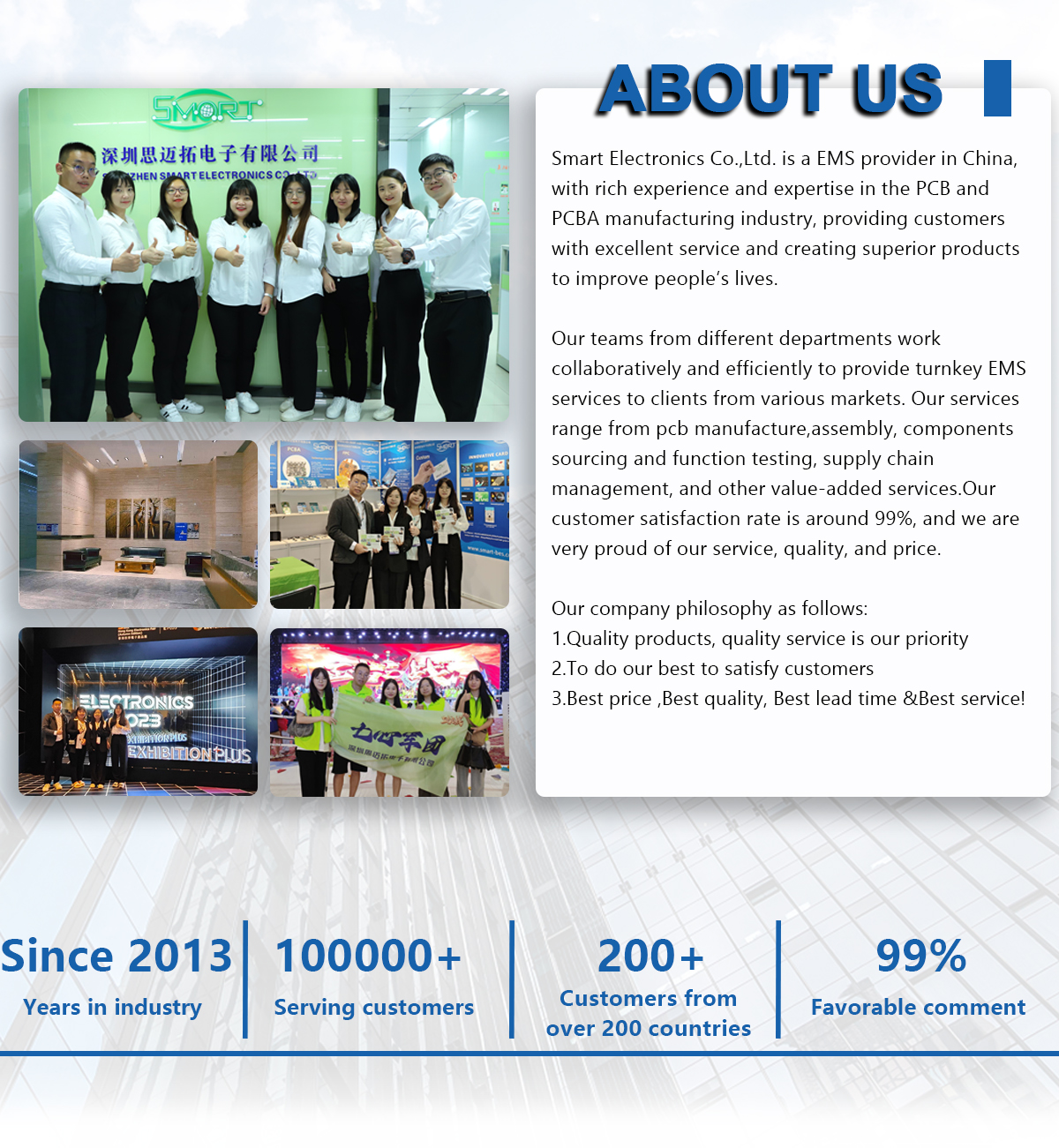
Shenzhen VUKO Electronics Co., Ltd. Engineering Team Shenzhen VUKO Electronics Co., Ltd. R&D and Sales Department Shenzhen VUKO Electronics Co., Ltd. Sample Display and Quality Showroom

Shenzhen VUKO Electronics Co., Ltd.

Strategically situated in Shenzhen's hardware and manufacturing hub, Shenzhen VUKO Electronics Co., Ltd. bridges thermal management manufacturing and electronics assembly under a unified quality system. Instead of managing separate contracts for thermal design, metal stamping, PCB production, and SMT assembly, OEM customers benefit from coordinated turnkey execution.

Our engineering team performs Design for Manufacturability (DFM) reviews on all CAD submissions, identifying potential bending strain points, flattened wall thinning, and component interference issues prior to tooling fabrication.

0Years Sourcing & Export
0He Leak Testing
0DFM Response Time
0Rapid Prototyping MOQ
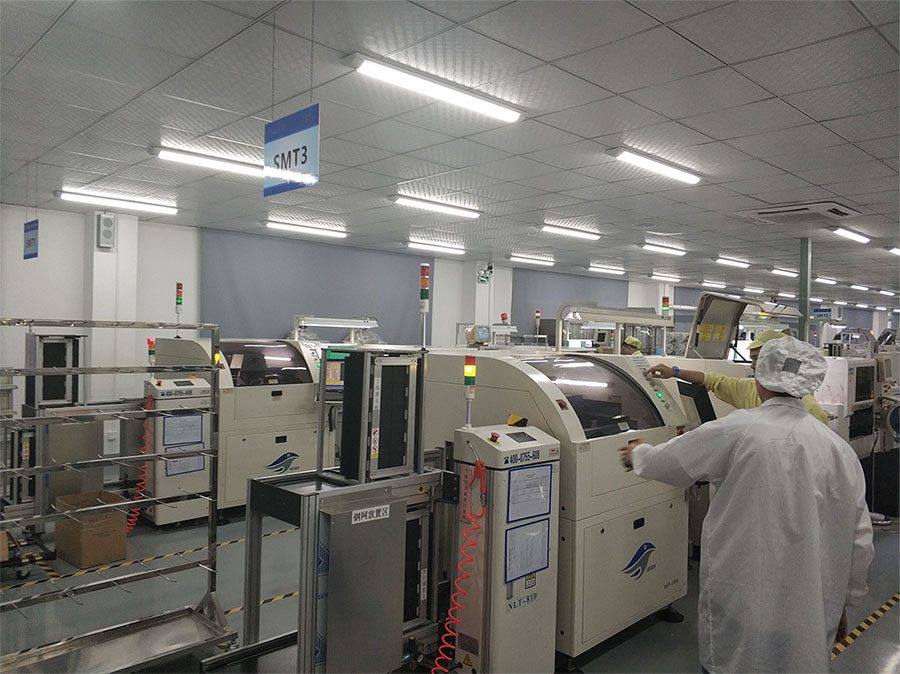
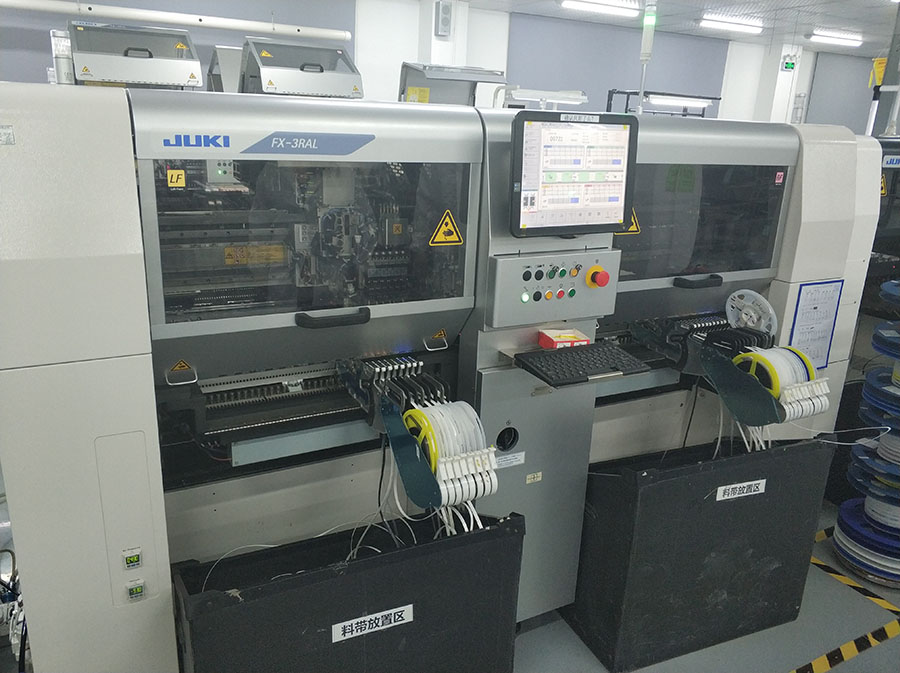
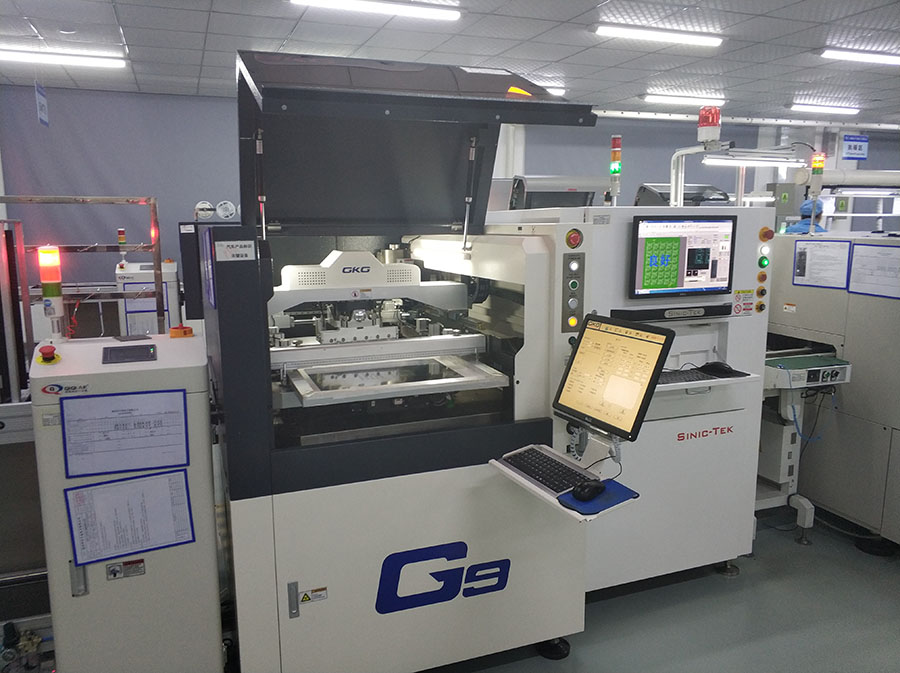
Shenzhen VUKO Electronics Co., Ltd. Factory Verification Advanced Sintering & SMT CleanroomsView our automated manufacturing cells
  • Thermal Simulation & Custom Tooling Comprehensive computational fluid dynamics (CFD) analysis, thermal resistance mapping, and custom bending/flattening dies.
  • Full Process Traceability & Testing 100% helium vacuum spectrometry leak testing, high-temperature aging chambers, and automated Qmax thermal resistance testers.
  • Integrated Sub-System Assembly Direct solder bonding of copper flat heat pipes onto Aluminum Core PCBs (MCPCB), copper bases, and stamped fin packs.
  • Global Supply Assurance Trade Assurance protection, low sample MOQs, RoHS/REACH compliance documentation, and export logistics support.
Quality-Controlled Fabrication

Copper Flat Heat Pipe Production Protocol

A step-by-step overview of our quality control pipeline, from raw oxygen-free copper tube selection to final vacuum packaging.

01 Copper pipe precision cutting

Tube Sizing

Precision saw cutting & chemical deburring of C10200 tubing

02 Chemical cleaning and deoxidation

Surface Cleanse

Ultrasonic solvent washing & acid pickling to eliminate oxides

03 Copper powder insertion with central mandrel

Wick Sintering

Mandrel insertion & high-temp hydrogen furnace sintering (>900°C)

04 Ultra-pure water evacuation and charging

Vacuum Evacuation

Degassing to 10⁻⁴ Torr & sub-milligram fluid filling

05 Multi-stage hydraulic precision flattening

Flattening & Bending

Servo-controlled progressive compression down to target thickness

06 Helium leak detection and thermal performance validation

Thermal QC

100% helium leak test, aging soak & Qmax parameter sign-off

Procurement & Engineering FAQ

Frequently Asked Questions: Copper Flat Heat Pipes

Direct technical answers to common queries regarding two-phase phase change coolers, testing parameters, and custom production.

How does flattening impact the thermal performance (Qmax) of a copper flat heat pipe cooling tube?

Flattening reduces the internal cross-sectional area of the vapor chamber and compresses the wick structure. For instance, flattening a standard 6.0mm round tube down to 2.0mm maintains roughly 80–90% of its initial Qmax. However, flattening down to 0.6mm or 0.4mm increases vapor shear stress and reduces vapor core volume, reducing maximum heat transport capacity from ~50W down to ~15W–18W. Shenzhen VUKO Electronics Co., Ltd. mitigates this trade-off by optimizing particle size distribution and sintering density to preserve fluid flow channels under high compression ratios.

What are the differences between sintered copper powder wicks, grooved wicks, and mesh wicks?

Sintered copper powder wicks generate the highest capillary pressure, enabling reliable operation against gravitational forces (such as vertical orientations where the evaporator is positioned above the condenser). Grooved wicks provide lower capillary pumping pressure but offer minimal liquid flow resistance, performing well in horizontal setups. Mesh screen wicks provide a balance of moderate capillary force and ease of manufacturing. For flat profiles below 2.0mm thickness, sintered copper powder wicks generally provide the most stable thermal performance across varied device orientations.

What is the maximum continuous operating temperature and freezing threshold?

Using high-purity deionized water as the working medium under vacuum, our standard copper flat heat pipes operate safely within an operating range of -40°C to +150°C. At sub-zero temperatures, the internal water freezes, and the pipe functions as a standard solid copper conductor until heat input melts the ice and restores two-phase operation. Freeze-thaw cycling stability is achieved by controlling fluid filling volume to accommodate volumetric expansion during solid-state phase transitions without bulging the oxygen-free copper wall.

Can Shenzhen VUKO Electronics Co., Ltd. customize bending radii and flattened profiles for compact assemblies?

Yes. We manufacture flat heat pipes with single or multiple continuous 2D/3D bends. The minimum bend radius typically scales at 3× the flattened pipe thickness. We provide DFM analysis, mockups, and cross-section validation to avoid wick cracking or internal delamination during secondary bending processes.

How does Shenzhen VUKO Electronics Co., Ltd. prevent non-condensable gas (NCG) generation over prolonged operational life?

Non-condensable gases degrade heat pipe vacuum over time. We utilize ultra-high-grade C10200 oxygen-free copper (OFC), multi-stage ultrasonic chemical degreasing, high-temperature vacuum degas baking at over 400°C, and secondary deaeration pinching processes to guarantee zero NCG formation over a typical 100,000-hour service life.

What design files and specifications are required to obtain a formal DFM review and quotation?

To provide a detailed DFM review and pricing schedule, our engineers require your 3D CAD envelope (.STEP / .STP / .IGS), target mechanical constraints, heat source dimensions, maximum thermal design power (TDP/Qmax in Watts), anticipated ambient operational temperature range, and estimated annual procurement volumes.

Accelerate Your Thermal Design Validation

Send your 3D mechanical models and heat dissipation requirements to Shenzhen VUKO Electronics Co., Ltd. Our thermal and manufacturing engineers provide comprehensive DFM feedback, Qmax validation, and quotation terms within 24 hours.

  • Custom flattening from 0.4mm to 4.0mm
  • 100% Helium Mass Spectrometry leak testing
  • C10200 Oxygen-free copper raw stock
  • Integrated MCPCB, PCBA, & heatsink assembly
Direct Engineering Support One-to-one consultation on thermal envelope constraints. Send an Inquiry