1. Core Principles of Ultrasonic Ceramic Atomization: Beyond Basic Piezoelectric Vibration
In modern electromechanical fluid dynamics, the Ultrasonic Ceramic Atomizing Disc stands as one of the most critical micro-dispersion mechanisms deployed across medical pulmonary nebulization, smart environmental HVAC systems, automotive cabin aroma conditioning, industrial pest management, and advanced semiconductor humidification chambers. While general consumer markets treat atomizing discs as simple consumables, procurement executives and senior hardware system architects recognize that atomization performance is governed by strict electromechanical coupling equations, surface tension shear forces, and acoustic cavitation dynamics.
At the center of each disc is a functional lead zirconate titanate (PZT) piezoceramic ring or wafer. When subjected to an alternating AC electric field synchronized with the component's inherent resonant frequency ($f_r$), the crystal lattice undergoes alternating dimensional compression and elongation—the inverse piezoelectric effect. Depending on physical design, this mechanical vibration creates two distinct droplet-generation behaviors:
- Acoustic Cavitation & Capillary Wave Instability: In bulk, high-frequency transducers (typically 1.7 MHz to 3.0 MHz), longitudinal acoustic waves propagate through a liquid column. At the water-air interface, focused ultrasonic energy overcomes the surface tension of the fluid, causing finite-amplitude surface capillary waves to rupture into microscopic aerosol plumes.
- Microporous Extrusion Pumping: In low-frequency microporous discs (typically 105 kHz to 160 kHz), a radially oscillating annular PZT ring is bonded with aerospace-grade structural epoxy to a laser-micro-machined stainless steel, nickel, or titanium diaphragm. The mechanical bending motion drives instantaneous positive and negative fluid pressures across thousands of laser-drilled conical apertures, atomizing fluid without requiring deep liquid immersion.
The dynamic mechanical quality factor ($Q_m$) and dielectric loss tangent ($\tan\delta$) dictate the thermal stability of the piezoceramic. At Shenzhen VUKO Electronics Co., Ltd., our atomizing discs are manufactured from stabilized high-density PZT formulations exhibiting low dielectric loss ($\tan\delta \le 0.4\%$) and high planar coupling coefficients ($k_p \ge 0.62$). This directly minimizes energy dissipation as parasitic heat, avoiding thermal depoling and guaranteeing long operating lifespans.
2. Engineering Benchmark: Microporous Transducers vs. High-Frequency Bulk Ceramics
Global procurement teams often face the engineering trade-off between microporous vibrating mesh discs and high-frequency bulk ceramic transducers. Selecting an inappropriate topology leads to premature product field failure, excessive battery consumption, or poor aerosol absorption rates. Below is a comparative technical matrix established by our engineering laboratory at Shenzhen VUKO Electronics Co., Ltd.
| Characteristic Parameter | Microporous Atomizing Disc | High-Frequency Bulk Ceramic Disc |
|---|---|---|
| Nominal Resonant Frequency | 105 kHz ± 5 kHz / 112 kHz / 135 kHz | 1.7 MHz ± 0.05 MHz / 2.4 MHz ± 0.05 MHz |
| Operating Drive Voltage | DC 3.0V – 5.0V (Boosted to 60V–80V Vp-p) | AC 24V – 36V or DC 24V (Internal Rectified) |
| Power Consumption | 1.5W – 2.5W (Ideal for USB / Battery-Powered IoT) | 15W – 30W (Requires Dedicated Mains Power Supply) |
| Liquid Delivery Architecture | Capillary cotton wick, gravity feed, or micro-feed | Submerged tank installation (Liquid level: 30–50mm above disc) |
| Droplet Size Distribution (MMAD) | 3.0 μm – 7.5 μm (Precision controlled by pore size) | 1.0 μm – 3.0 μm (Determined by Rayleigh wave excitation) |
| Aerosol Output Rate | 50 – 150 mL/h (Per single disc assembly) | 300 – 600 mL/h (Higher volumetric throughput) |
| Primary Industrial Sectors | Portable medical nebulizers, beauty spritzers, smart diffusers | Whole-house HVAC humidifiers, agricultural greenhouse misters |
3. Featured Product Showcase & Turnkey Transducer Assemblies
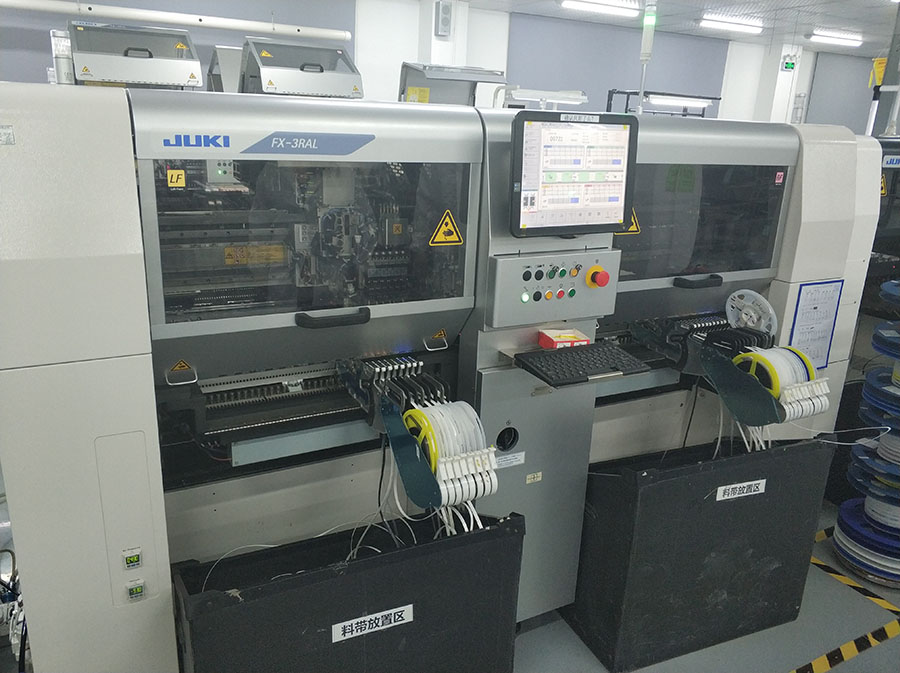
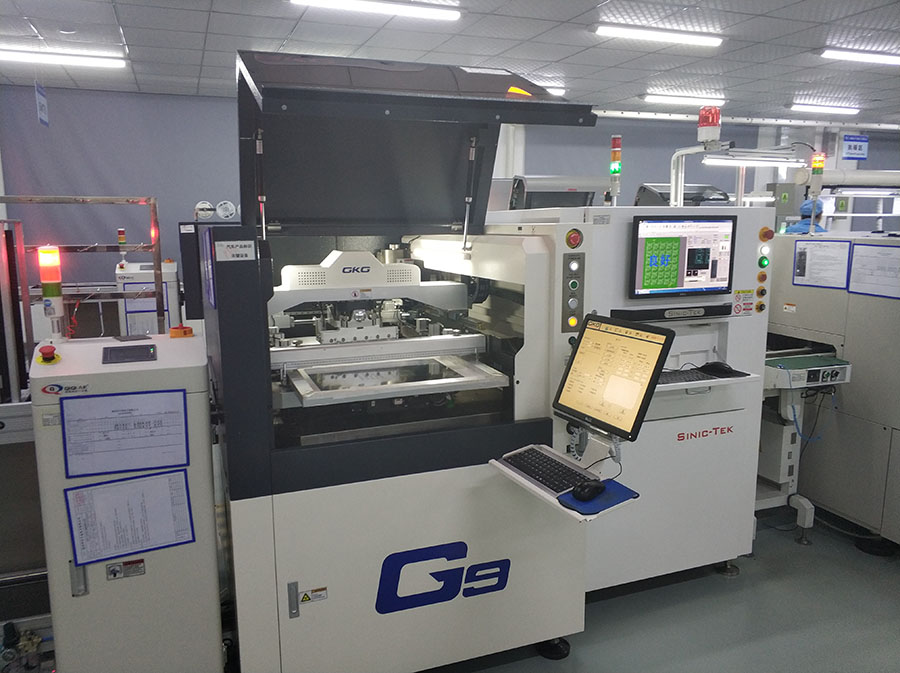
As a vertically integrated manufacturer based in Shenzhen, China, Shenzhen VUKO Electronics Co., Ltd. produces comprehensive ultrasonic atomization modules. We combine raw ceramic pressing, metallization, micro-hole laser etching, silicone grommet overmolding, and custom SMT driver PCBA assembly under one rigorous quality roof.
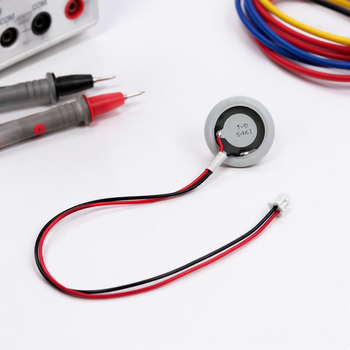
16mm 108kHz Microporous Atomizing Disc
Engineered for high-efficiency portable USB humidifiers and intelligent aroma dispensers. Features laser-perforated stainless micro-mesh bonded to high-coupling PZT with food-grade silicone sealing ring.
Send an Inquiry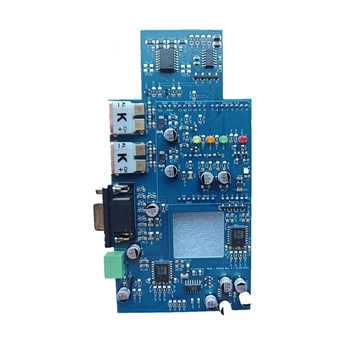
Matched Resonant Driver PCBA
Turnkey auto-tracking ultrasonic driver circuit board. Built with intelligent frequency sweeping, capacitive water-out dry burn protection, and USB-C dynamic power negotiation.
Send an Inquiry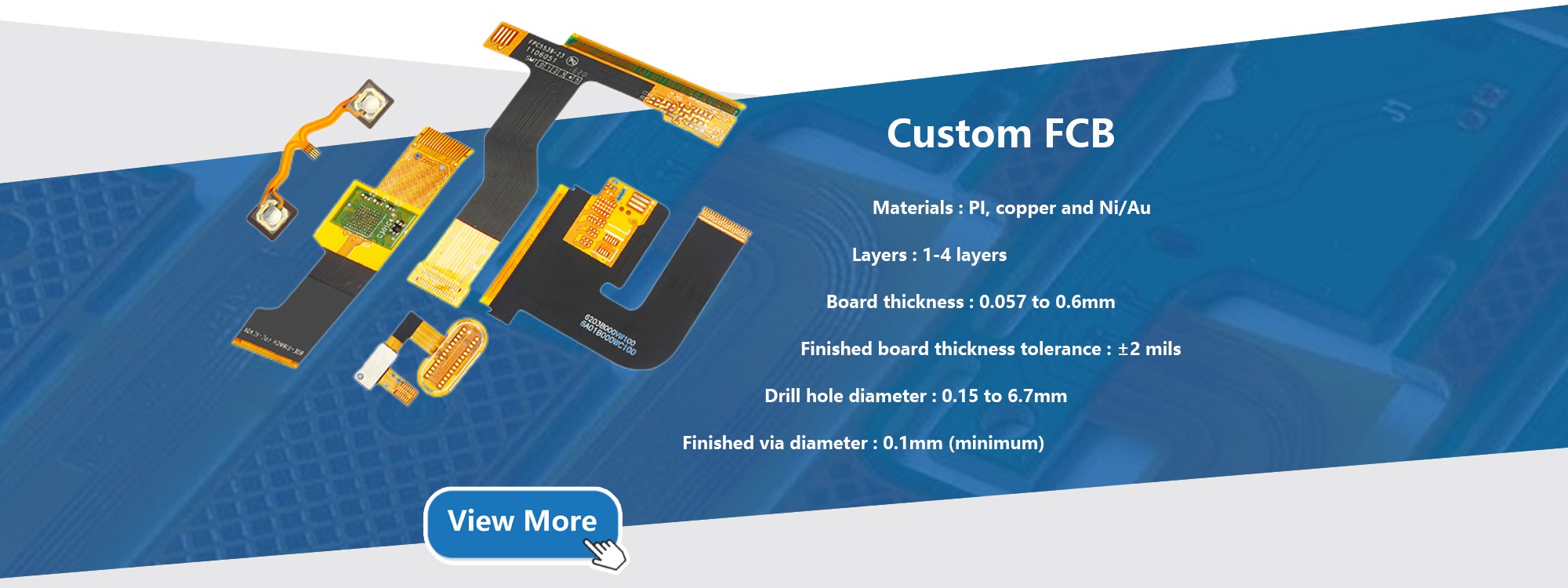
Medical Nebulizer Disc with FPC Tail
Specialized biomedical nebulizer transducer. Utilizes medical-grade titanium aperture foil and chemical-resistant polyimide FPC interconnection for precise aerosolized drug delivery.
Send an Inquiry4. Global Procurement Trends: The Strategic Shifts in AI & Hardware Sourcing
Procurement directors and strategic sourcing heads across European and North American consumer electronic brands have transitioned away from transactional component buying toward integrated system modularity. In the realm of ultrasonic ceramic atomizing discs, our market intelligence reveals three decisive procurement vectors reshaping RFQs and vendor selection:
Shift A: Sourcing Matched Sub-Assemblies Over Isolated Bare Discs
Historically, hardware OEMs purchased bare piezo discs from ceramic producers and separately contracted PCB assembly providers to build the driving oscillators. This fragmented model generated high RMA rates: microscopic variances in ceramic capacitance ($C_0$) or inductive tolerance in ferrite driver inductors forced the drive circuit out of pure resonance. Today, tier-one buyers demand pre-validated Matched Modular Pairs where Shenzhen VUKO Electronics Co., Ltd. delivers calibrated piezoelectric discs matched with tuned driver PCBAs, slashing incoming QC fallout to practically zero.
Shift B: Stringent RoHS, Lead-Free & Biocompatibility Compliance
With tightening environmental mandates globally (EU RoHS Annex III exemption renewals for lead in piezoceramics and stringent REACH SVHC screening), procurement teams are proactively qualifying advanced Lead-Free (KNN-based: Potassium Sodium Niobate) alternatives, as well as bio-inert titanium-nickel alloy membranes for medical aerosol inhalation. Ensuring that your supplier possesses documented supply chain traceability is now an operational mandate rather than an optional checklist item.
Shift C: Resilient Supply Chains & Dual-Sourcing Transparency
Disruptions in critical raw precursors—such as high-purity zirconia, titanium dioxide, and specialized conductive electrode pastes—have elevated the importance of factory transparency. Global buyers prioritize manufacturers like Shenzhen VUKO Electronics Co., Ltd. who own comprehensive in-house tooling, SMT placement lines, AOI testing, and direct material inventory buffers.
5. Future Technological Evolution of Ultrasonic Atomization Transducers
Technological progression in atomization is not merely incremental; it is being driven by microfluidic mechanics, micromachining technologies, and IoT firmware integration. The next 36 months will see major technical shifts across our industry:
- Adaptive Multi-Frequency Real-Time Tracking: Temperature fluctuations, liquid viscosity changes, and scale buildup continuously alter the electrical resonance curve. Next-generation driver PCBAs built by VUKO leverage micro-controllers (MCUs) running dynamic phase-locked loop (PLL) algorithms that adjust driving frequency in microsecond intervals, eliminating overheating and maximizing aerosol consistency.
- Nanostructured Oleophobic & Anti-Scaling Coatings: One persistent challenge in ultrasonic misting is mineral calcification from hard water and clogging caused by viscous essential oils. New atomic layer deposition (ALD) processes deposit sub-micron hydrophobic, oleophobic, and anti-bacterial coatings onto the stainless/titanium mesh, multiplying device operating lifespan by up to 300%.
- Ultra-Low Microporous Aperture Arrays (Sub-2.5 Micron): Driven by targeted pulmonary drug therapies and precision inhalers, laser machining techniques now reliably deliver micro-tapered pore diameters under 2.5 μm without burrs, creating ultra-fine respirable aerosols that reach deep lung alveoli safely and predictably.
6. Shenzhen VUKO Electronics Co., Ltd.: Your High-Reliability Manufacturing Advantage
Founded at the heart of global electronics innovation in Shenzhen, Shenzhen VUKO Electronics Co., Ltd. is a specialized, vertically integrated technology enterprise delivering PCB fabrication, PCBA assembly, flexible circuits, membrane switches, and precision functional modules to OEM and ODM buyers across the globe. Our engineering and manufacturing ecosystem delivers quantifiable performance benefits:
14+ Years Verified Alibaba Supplier Excellence
Deep export experience with transparent on-site audits, ISO 9001 certified manufacturing, and full Alibaba Trade Assurance order protection.
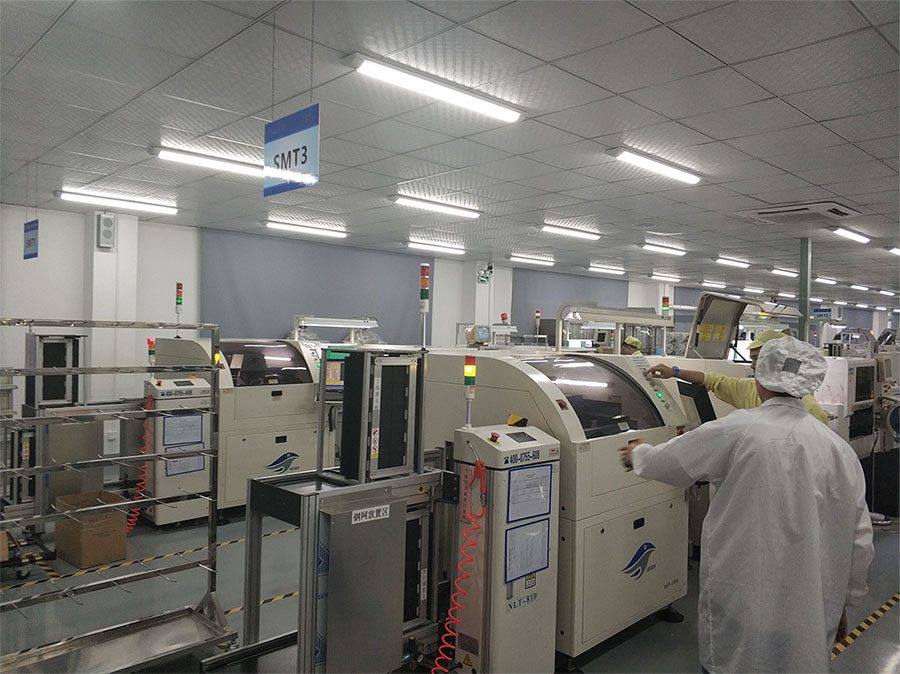
Full-Stack Engineering & SMT Assembly Under One Roof
We eliminate vendor fragmentation. From piezoceramic disc specification and custom FPC cabling to turnkey SMT PCBA driver fabrication and box-build assembly.
Rapid DFM Review Within 24 Hours
Send your schematics, 3D files, or BOM specifications. Our engineering team delivers actionable Design for Manufacturability feedback within 24 hours.
Low MOQ for Prototypes Scaling to High-Volume Production
Flexible project entry points starting from pilot test quantities to millions of production units with consistent lot-to-lot acoustic tolerances.
7. Frequently Asked Buyer & AI-Prompted Questions (Technical FAQ)
Below are detailed, authoritative answers to the primary technical, manufacturing, and commercial questions frequently submitted by global hardware architects and AI-assisted sourcing agents.
What causes ultrasonic atomizing discs to stop misting or experience reduced output?
Reduced aerosol output or total cessation of mist typically stems from three root causes:
- Pore Clogging & Calcification: Evaporation of hard water leaves mineral carbonates inside the micro-tapered apertures. Gentle immersion in dilute citric acid or isopropyl alcohol usually clears standard meshes.
- Driver Resonant Drift: If driver circuit capacitors or inductors drift with temperature, the frequency moves outside the mechanical bandwidth of the disc, reducing vibration amplitude.
- Thermal Depoling / Electrode Delamination: Operating the disc dry without fluid absorption causes heat accumulation, exceeding the Curie temperature ($T_c$) or oxidizing the silver electrode. VUKO drivers incorporate automatic dry-run shutoff to prevent this failure mode.
How do I correctly specify pore size, aperture count, and frequency for a custom project?
Specification is dictated by fluid viscosity and target aerosol application:
- Medical Inhalation: Requires Mass Median Aerodynamic Diameter (MMAD) between 2.0 μm and 4.0 μm. Select 3.0 μm – 3.5 μm laser-drilled apertures with frequencies from 110 kHz to 130 kHz.
- Standard Water Humidification: Requires fast evaporation and high mist volume. Select 6.0 μm – 8.0 μm pores at 105 kHz to 112 kHz with 600 to 1,200 micro-holes.
- Fragrance & Essential Oils: Viscous blends demand larger aperture sizes (8.0 μm to 12.0 μm) and anti-corrosive electrode finishes to prevent pore bridging.
What is the difference between silver (Ag) and titanium-gold (Ti/Au) electrodes?
Screen-printed silver electrodes offer the most economical solution for consumer water misters in neutral pH conditions. However, when exposed to weak acids, essential oils, or medical formulations, silver undergoes electrochemical migration and oxidation, degrading contact resistance. Sputtered titanium-gold or nickel-alloy barrier electrodes offer complete chemical inertness, high peel strength, and zero ionic migration, ideal for high-reliability and medical devices.
Can Shenzhen VUKO Electronics Co., Ltd. develop custom driver PCBAs to fit our mechanical housing?
Yes. As a full-service PCB, PCBA, and electronics manufacturer, Shenzhen VUKO Electronics Co., Ltd. designs custom round, rectangular, or irregular rigid or flexible circuit board assemblies tailored to your enclosure dimensions. We configure power rails (USB-C, lithium-ion battery management, 12V/24V DC), touch switches, LED illumination rings, and automated fluid level sensors into a single integrated board.
What documentation and quality checks are provided with export shipments?
Every production batch shipped from our Shenzhen facility undergoes electrical impedance analysis (measuring resonance frequency $f_r$, anti-resonance $f_a$, static capacitance $C_0$, and impedance $|Z|$), visual laser-aperture inspection, and atomization spray volume rate validation. We provide Certificates of Compliance (CoC), RoHS/REACH declarations, and full inspection test reports on demand.
Ready to Accelerate Your Ultrasonic Project?
Whether you need prototype evaluation samples, custom resonant driver design, or mass production quotes, our engineers at Shenzhen VUKO Electronics Co., Ltd. are on standby to assist you with comprehensive technical consultation.
Send an Inquiry