Featured Products & Turnkey Integration Portfolio
Explore high-performance user interfaces, multi-layer flex circuits, embedded smart modules, and advanced thermal solutions.
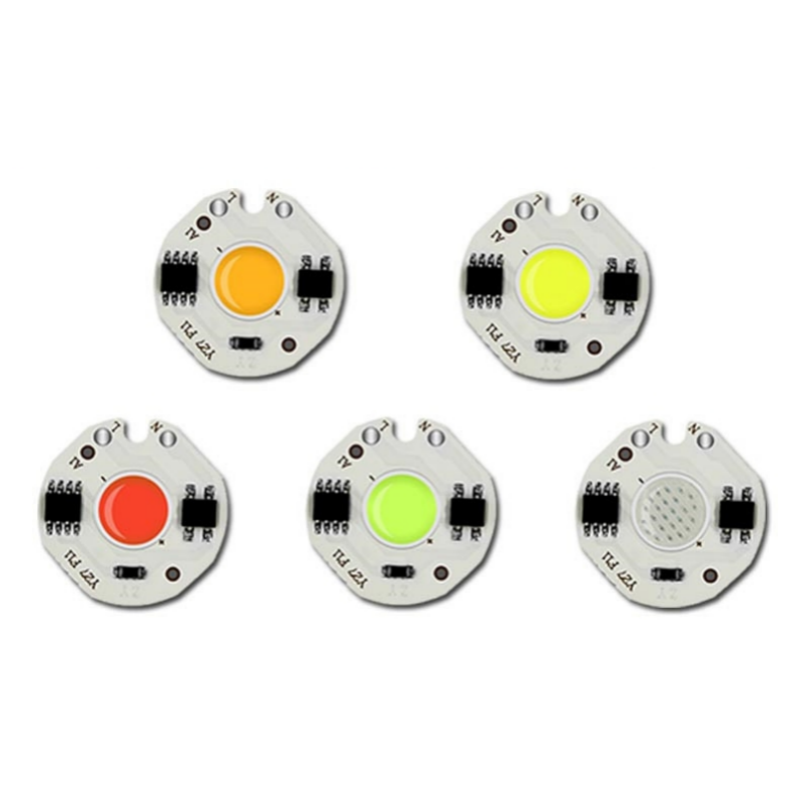
110V 220V Driverless COB LED Chip 3W-12W Light Source
Direct AC high-efficiency driverless onboard illumination suitable for membrane backlight indicators and architectural downlights.
Get Catalog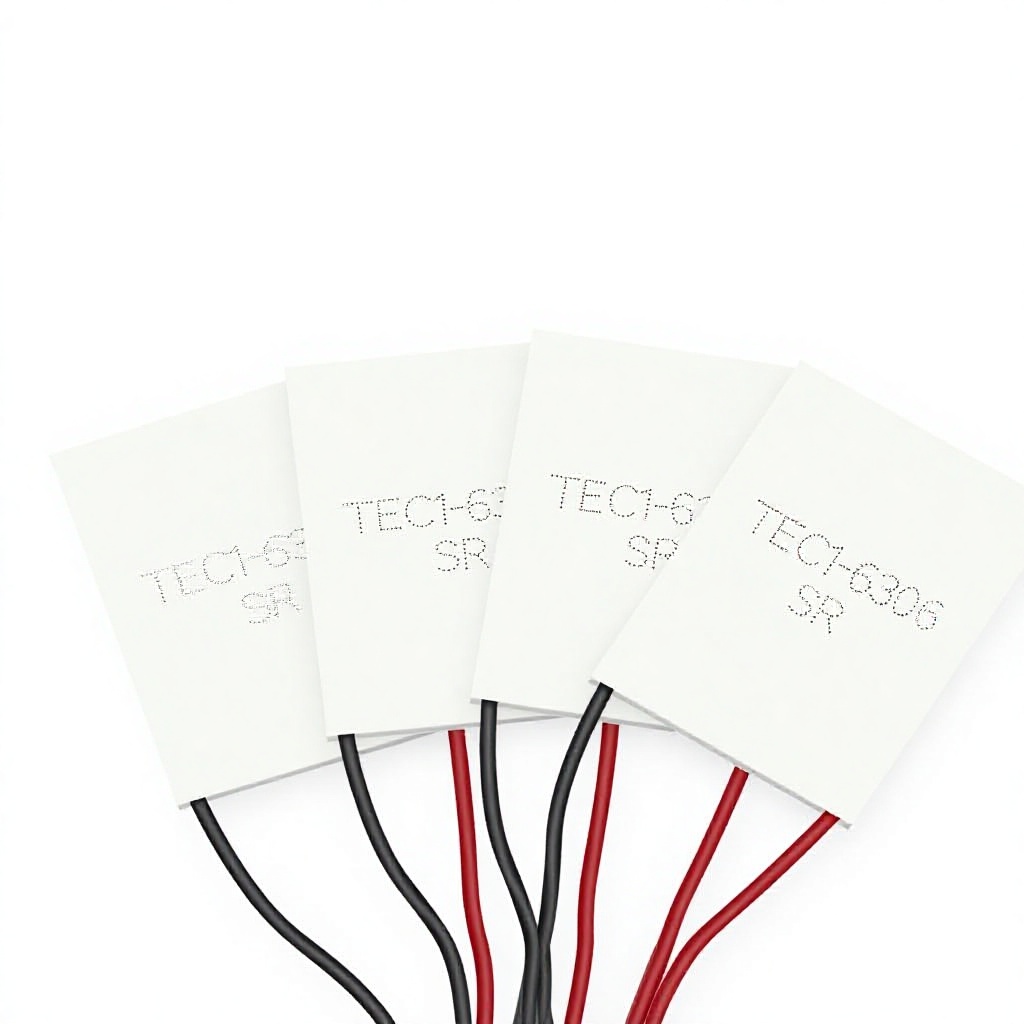
TEC1-12702 Thermoelectric Cooler Peltier Module
Solid-state 40x40mm Peltier active cooling module (DC 5-24V) engineered for precision temperature-sensitive instrumentation enclosures.
Get Catalog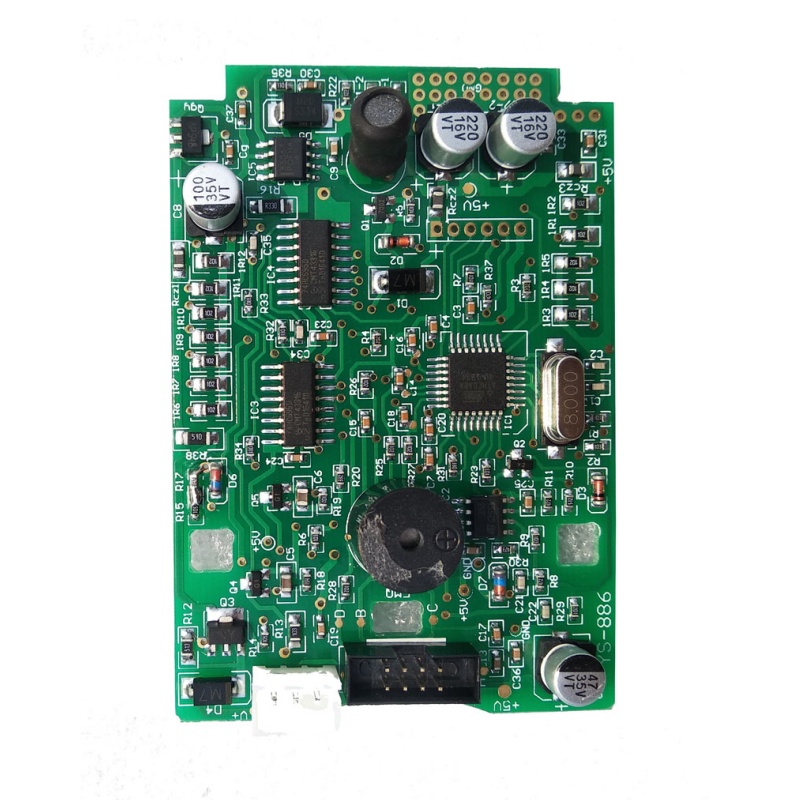
Custom Smart Device PCBA Assembly OEM SMT Board
Turnkey SMT assembly integrating complex IoT sensor nodes, microcontrollers, and wireless connectivity with membrane switch interfaces.
Get Catalog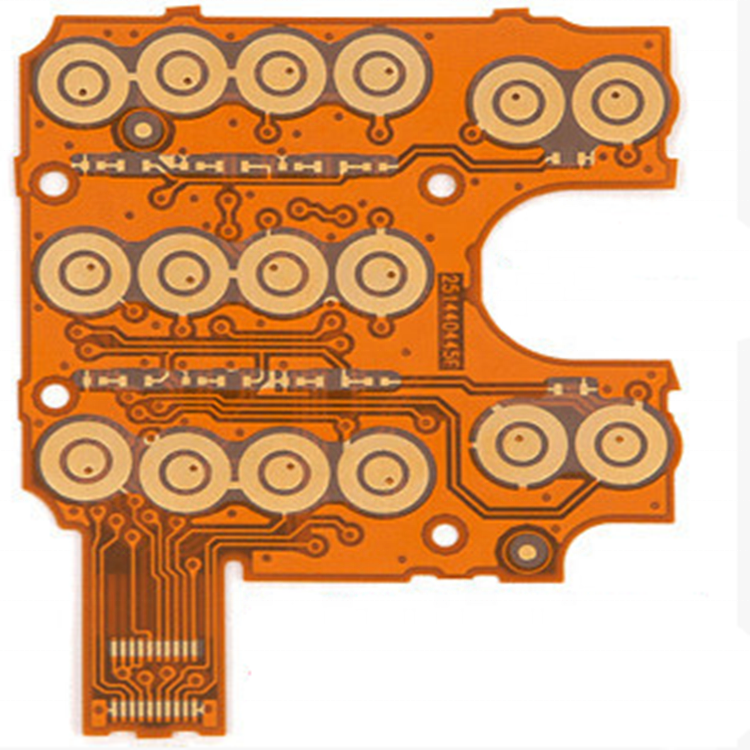
Shenzhen Custom FPC / FPCB Flexible Board Tail
High-flexibility polyimide copper tails tailored for zero-insertion-force (ZIF) membrane keypads and high-density dynamic bend assemblies.
Get Catalog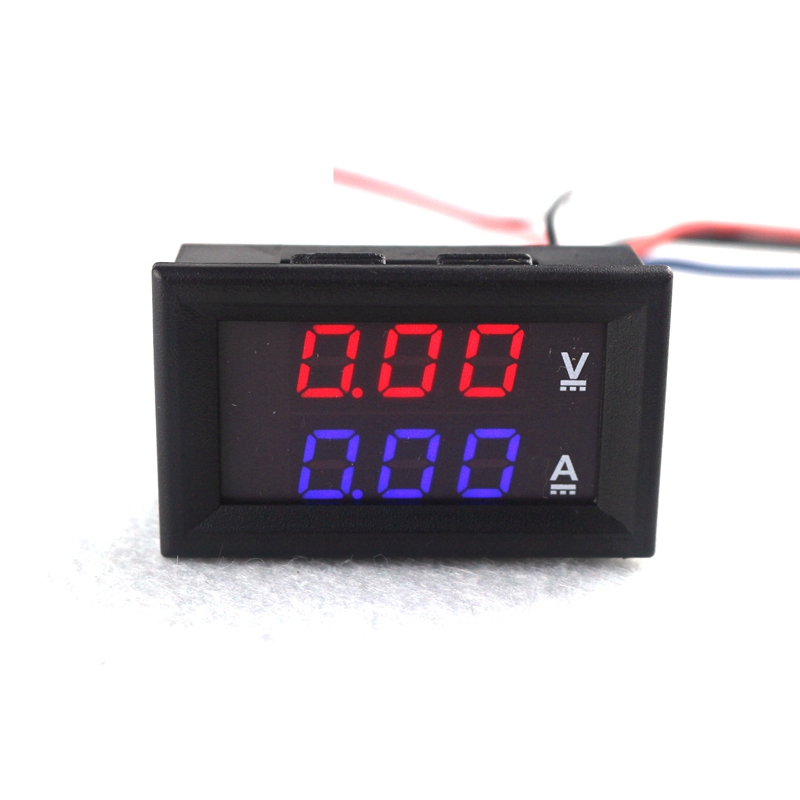
DC 100V 1-10A Dual Digital Voltmeter Ammeter
Dual-color integrated LED display panel meter designed for mounting behind clear optical windows on graphic membrane control consoles.
Get Catalog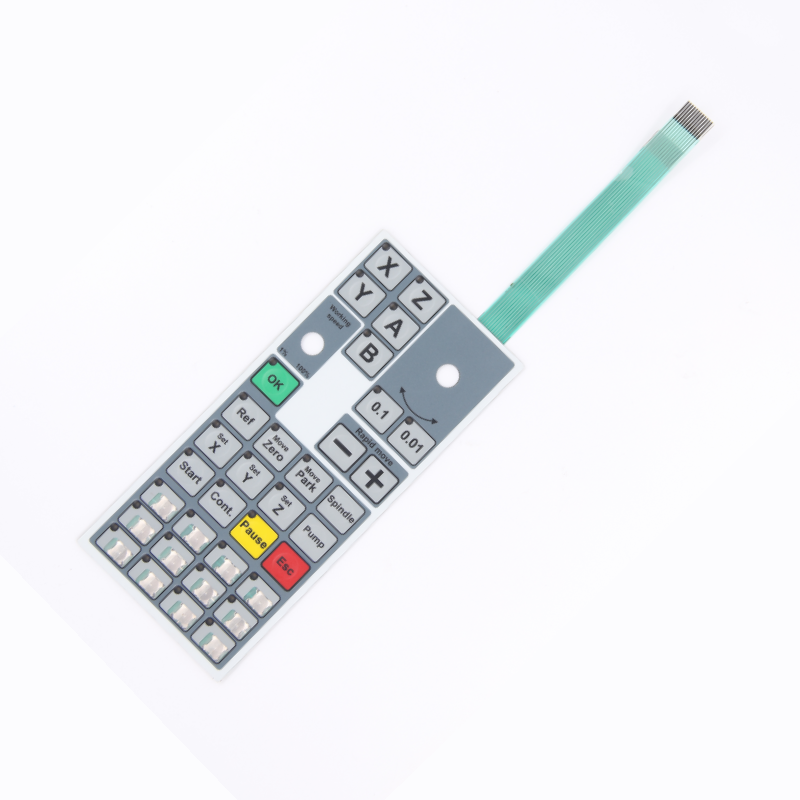
Custom Polycarbonate & PET Flexible Membrane Switch
High-durability graphic overlays with conductive silver ink traces, snap metal domes, custom embossing, and IP65 environmental perimeter sealing.
Get Catalog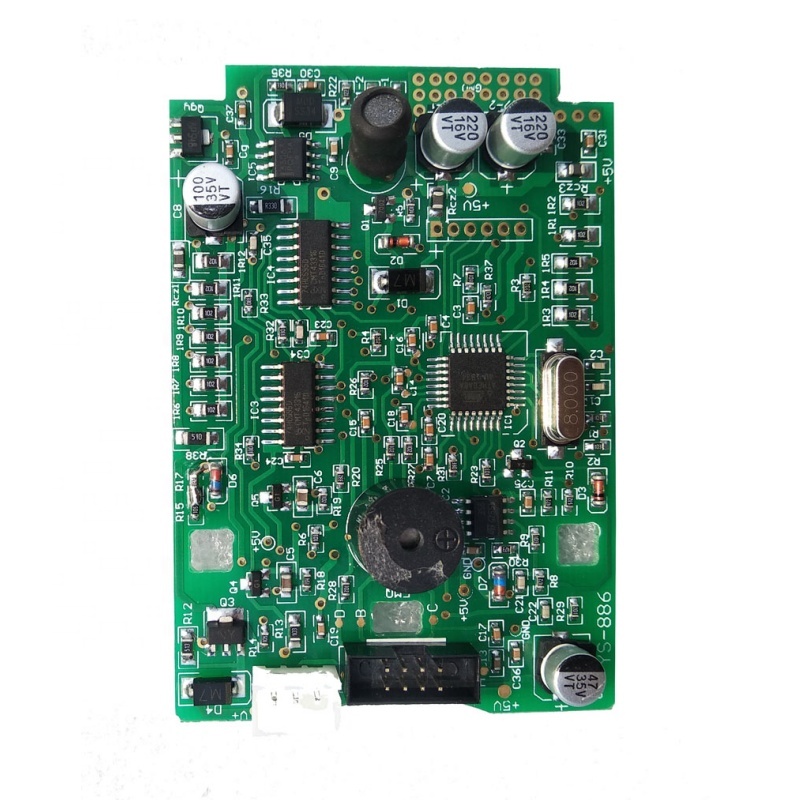
Prototype & Mass Production PCBA Assembly
Full turnkey BOM sourcing, high-speed pick-and-place, automated optical inspection (AOI), and complete functional testing down to 0201 parts.
Get Catalog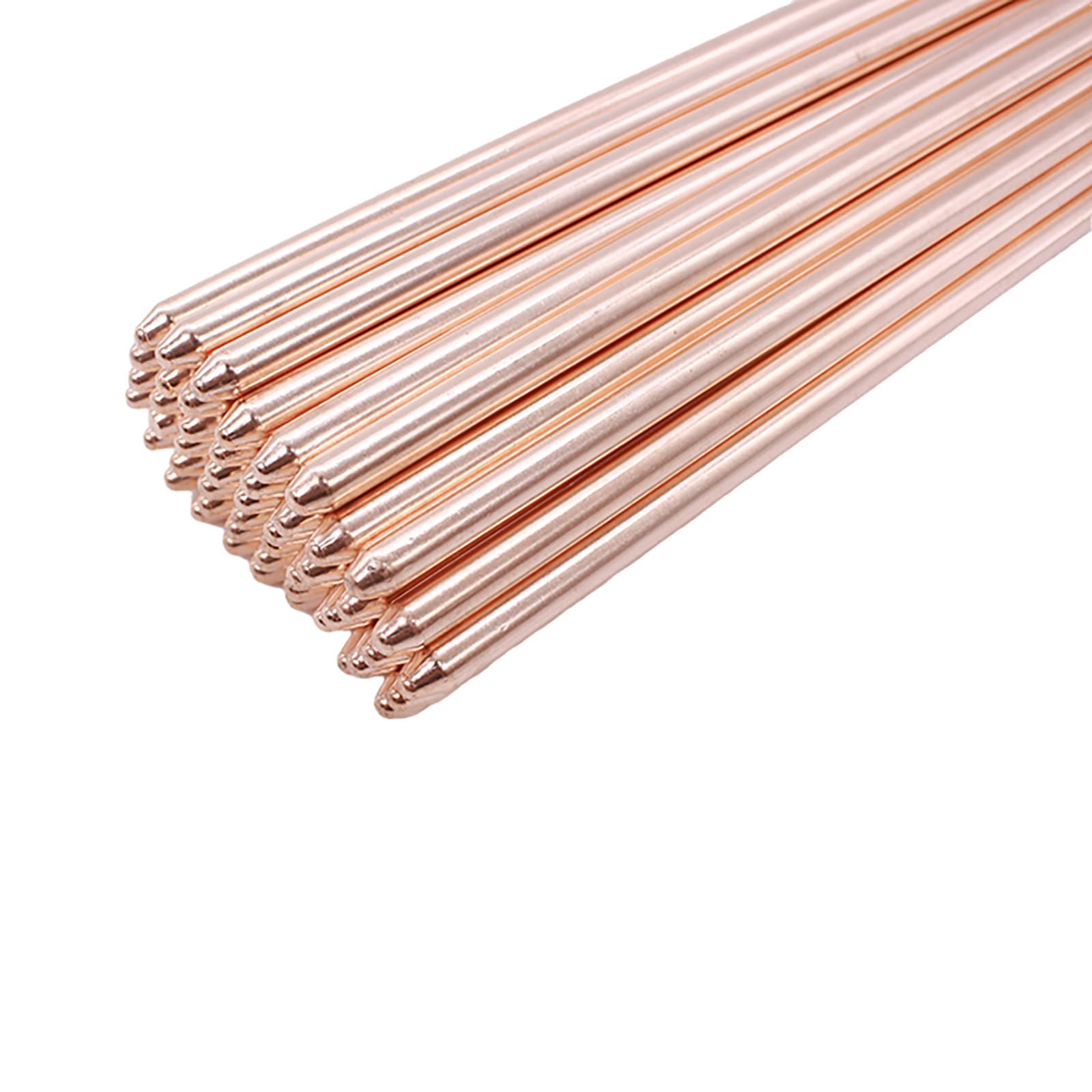
Custom Copper Flat Heat Pipe 8 x 3 x 200 mm
Sintered copper powder heat pipes designed to conduct thermal loads away from sealed membrane keypad enclosures and embedded processors.
Get CatalogMaterial Science & Structural Architecture of Polycarbonate Membrane Switches
Polycarbonate (PC) is historically recognized in electrical engineering as the gold standard for industrial control overlays, human-machine interfaces (HMIs), and front instrument panels. Known chemically as a thermoplastic polymer containing carbonate groups, polycarbonate exhibits superior impact resistance, dimensional stability over broad temperature gradients (-40°C to +125°C), optical clarity up to 88-90%, and outstanding flame-retardant properties adhering to UL 94V-0 or 94V-2 metrics.
When selecting between Polycarbonate (PC) and Polyester (PET), industrial procurement engineers must weigh mechanical fatigue against aesthetic and processing parameters. Polycarbonate is notably easier to die-cut cleanly, emboss at elevated temperatures without stress whitening, and texture chemically or mechanically. While biaxially oriented PET film (such as Autotype Autotex) provides higher switch actuation cycle life exceeding five million clicks, modern modified polycarbonate resins combined with specialized hard-coats offer sufficient flex lives (up to 1-2 million operations) along with unsurpassed structural rigidity, scratch resistance, and cost efficiency for ruggedized medical, aerospace, and defense applications.
| Performance Characteristic | Standard Polycarbonate (PC) | Hard-Coated Polycarbonate | Polyester (PET - Biaxial) |
|---|---|---|---|
| Tensile Strength (MPa) | 55 – 75 | 65 – 85 | 150 – 200 |
| Optical Light Transmission | 88% – 91% | 86% – 89% | 82% – 87% |
| Chemical / Solvent Resistance | Moderate (Sensitive to Ketones) | High (Alcohols, Sanitizers Proof) | Superior (Harsh Solvents & Acids) |
| Embossability & Die Cutting | Exceptional (Crisp Rim & Pillow) | Excellent | Moderate (Requires Heat Set) |
| UL Flammability Rating | UL 94 V-2 to UL 94 V-0 | UL 94 V-0 Available | UL 94 VTM-2 |
| Cost Profile (Production) | Highly Economical | Balanced | Higher Raw Material Surcharge |
The standard multi-layer architecture engineered at our Shenzhen facility integrates: (1) an environmental sub-surface printed Polycarbonate Graphic Overlay, (2) an acrylic adhesive layer using 3M 467MP or 3M 468MP, (3) a precision polyester circuit spacer, (4) nickel-plated or gold-plated stainless steel snap domes providing crisp tactile feedback (actuation forces ranging from 180g to 450g), (5) conductive printed circuit traces featuring micro-filtered silver ink combined with anti-migration carbon overcoats, and (6) rear siliconized release liners optimized for seamless enclosure mounting.
Future Procurement Trends in Industrial HMI & Membrane Switches
In response to evolving industrial design requirements, enterprise procurement specialists are transitioning from purchasing standalone loose membrane panels toward buying fully integrated electro-mechanical sub-assemblies. The key trends dominating the global export landscape include:
Integrated FPC & Rigid Backers
Replacing standard silver paste printed traces with copper etched Polyimide Flexible Printed Circuits (FPC) or Aluminum/FR4 backing plates eliminates resistance variations, prevents silver migration in humid settings, and enables fine-pitch SMT assembly of micro-LEDs and drivers.
Hermetic Sealing & Anti-Microbial Coatings
Medical and food-processing equipment standards now mandate continuous IP66 or IP67 perimeter gaskets capable of withstanding high-pressure washdowns and medical-grade disinfectants, often incorporating nano-silver antimicrobial overlay additives.
Capacitive Touch Behind PC Overlays
Moving beyond purely mechanical metal domes, modern architectures fuse touch sensing controllers directly behind seamless 0.5mm - 1.0mm polycarbonate dead-front surfaces, merging tactile haptics with modern glass-like aesthetics.
Furthermore, Tier-1 OEM manufacturers demand rigorous validation under international standards. CE conformity, RoHS II (EU 2015/863), and REACH chemical compliance are no longer optional value-adds; they are strict market entry requirements. Our factory streamlines audits by managing comprehensive documentation chains from base Bayer/Sabic polycarbonate resins down to pressure-sensitive 3M transfer adhesives.
Why Global OEMs Partner with Shenzhen VUKO Electronics
Shenzhen VUKO Electronics Co., Ltd. operates at the core of the global electronics capital, bridging the gap between bespoke mechanical front panels and sophisticated electronic circuit integration. By operating as a comprehensive one-stop manufacturing partner, we eliminate the communication friction, margin stacking, and quality-responsibility gaps typical of fragmented multi-vendor supply chains.
Full-Stack Turnkey Synergy
We do not merely produce the graphic overlay. We fabricate bare multilayer PCBs, stamp and etch flexible circuits (FPCs), source complete active/passive component BOMs, execute surface mount (SMT), and package the entire HMI module into custom enclosures under one roof.
Engineering-First DFM in 24 Hours
Our senior engineering group conducts thorough Design for Manufacturability (DFM) analyses on all submitted artwork, Gerber files, and schematic packages before tool cut. We identify track clearance risks, pitch bottlenecks, silver migration vulnerabilities, and actuation pinches upfront.
Agile Scaling: Prototype to Volume
We respect development cycles. Prototype pilot builds start from an accessible Minimum Order Quantity (MOQ) of just 5 pieces with swift quick-turn tooling, scaling seamlessly to hundreds of thousands of units backed by Alibaba.com Trade Assurance financial security.
Frequently Asked Questions in Global Membrane Switch Procurement
Key technical, quality, and commercial insights to inform your request for quotation (RFQ) and engineering handoff.
What engineering files are required to initiate an accurate RFQ?
For custom membrane switches, please supply: (1) 1:1 scale vector artwork (Adobe Illustrator .AI, PDF, or DXF) detailing graphics, Pantone/RAL color codes, and embossing contours; (2) Mechanical dimensional drawings indicating overall thickness, tail length, and pinout schematics; (3) Schematic or circuit netlist identifying tail connector types (ZIF, female housing, solder tabs); and (4) Special requirements including LED forward voltages, shielding (aluminum foil or printed carbon grid), and target adhesive grades.
How do you prevent silver migration and oxidation in humid environments?
Silver migration is caused by moisture and DC voltage gradients that lead to dendritic growth across conductive tracks. We mitigate this through: (1) Comprehensive dielectric over-coating; (2) Over-printing all silver contact fingers and switch pads with formulated conductive carbon paste; and (3) Recommending etched copper FPC backbones instead of screen-printed silver ink for mission-critical, high-humidity outdoor installations.
Can surface mount components (LEDs, resistors) be mounted to polycarbonate switches?
Yes. Utilizing conductive epoxy bonding techniques cured at controlled thermal thresholds, we mount miniature 0603, 0805, and 1206 surface-mount LEDs and ballast resistors directly onto the flexible silver circuitry. When designs require dense arrays or higher component heights, we transition the circuit layer to an FPC or rigid FR-4 backer plate to maintain mechanical integrity under dome compression.
What tests and quality control checks verify switch reliability?
Our quality verification line subjects production samples to: (1) 100% automated electrical continuity, short-circuit, and loop resistance testing; (2) Actuation force and travel displacement profiling; (3) Life-cycle mechanical endurance cycling (verified up to 1-5 million operations); (4) Spectrophotometer color match auditing (Delta E < 1.0); and (5) Environmental thermal-shock and humidity chamber soak tests.
What are the differences between metal dome and polydome tactile switches?
Stainless steel metal domes offer distinct, crisp tactile snaps, high actuation forces (180g to 450g), extended cycle lifetimes (1 to 5 million operations), and stable performance across broad operating temperature envelopes. Polydomes (formed directly by heat-embossing the polyester or polycarbonate layer) provide quieter, softer tactile clicks at a lower unit cost, making them ideal for consumer appliances with shorter design life requirements.
What payment, warranty, and logistical protections protect overseas buyers?
Orders can be processed through Alibaba Trade Assurance, providing end-to-end payment escrow protection, guaranteed shipment timing, and verified product specifications. We provide standard warranty coverage on all manufacturing assemblies, supported by formal 8D root-cause corrective reporting for any unexpected field failures. Standard global transit is expedited via DHL, FedEx, UPS, or direct consolidated air/sea freight.
Ready to Engineer Your Custom Polycarbonate Membrane Switch?
Submit your vector drawings, circuit schematics, or BOM to Shenzhen VUKO Electronics. Our engineering review team will analyze your package, provide comprehensive DFM feedback, and deliver a transparent quotation within 24 hours.