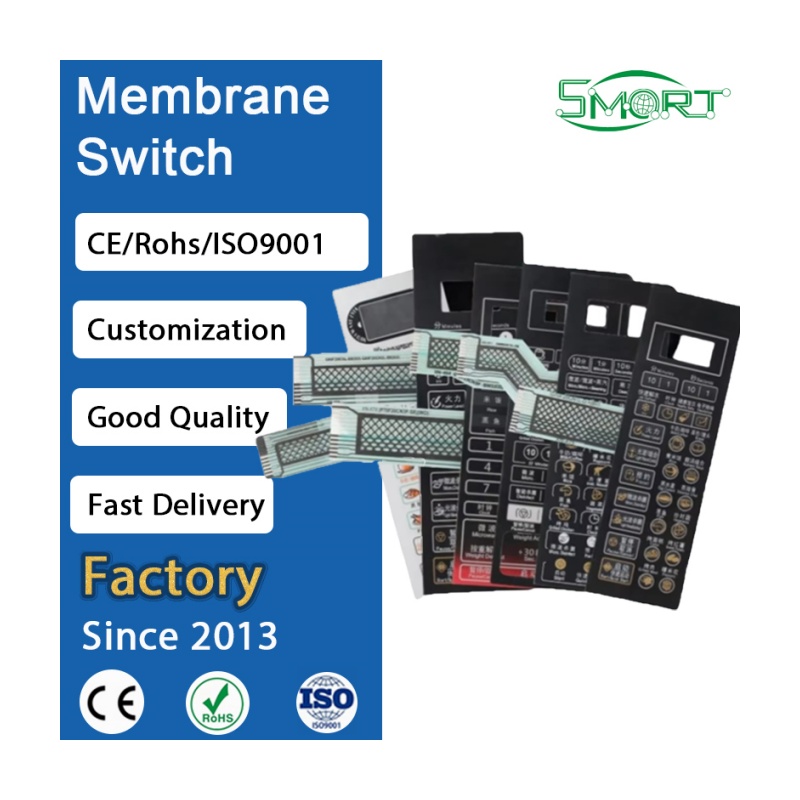
Recommended HMI & Electronic Subsystem Solutions
Explore our export-certified switches, bare substrate fabrications, and PCBA controllers built under rigorous ISO 9001 and CE directives.
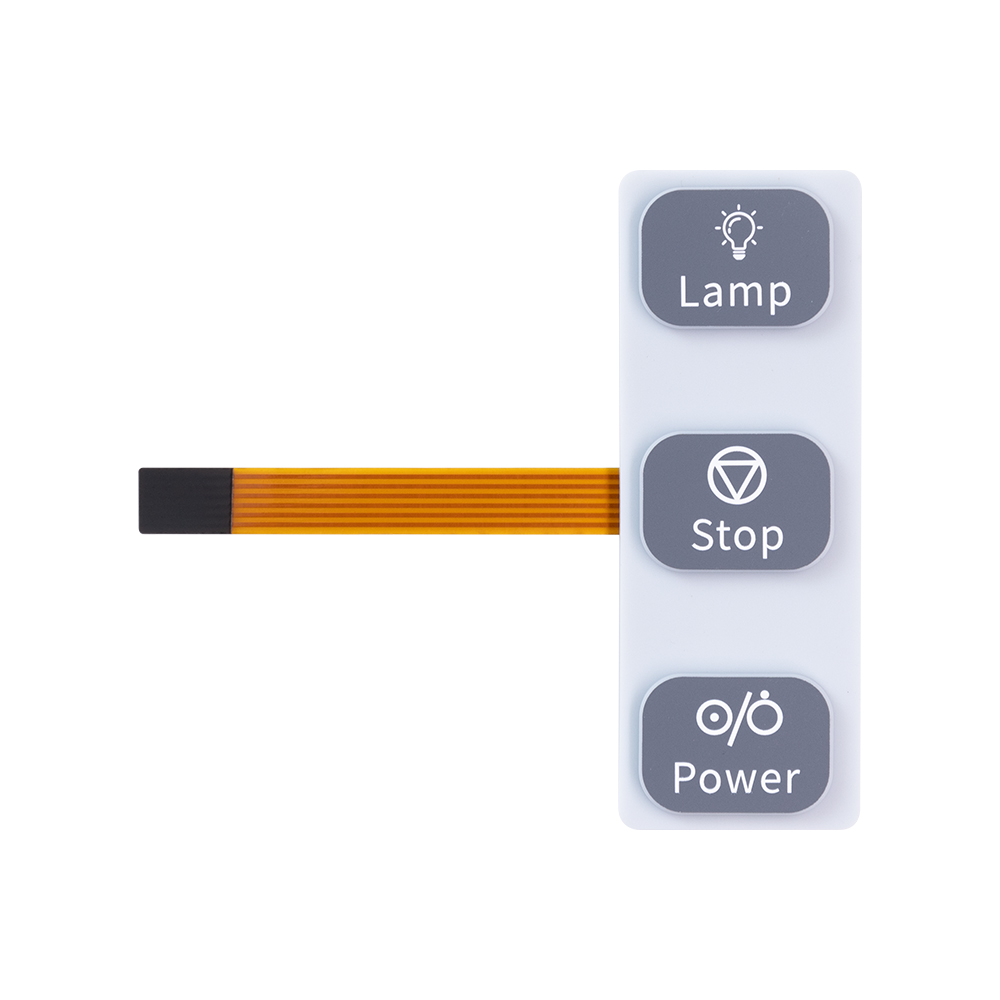
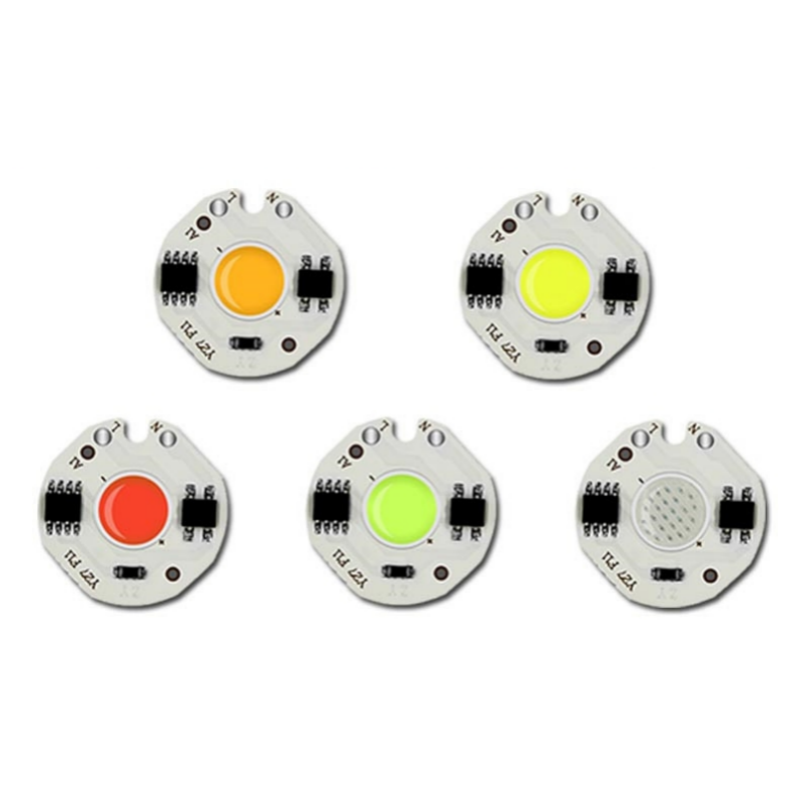
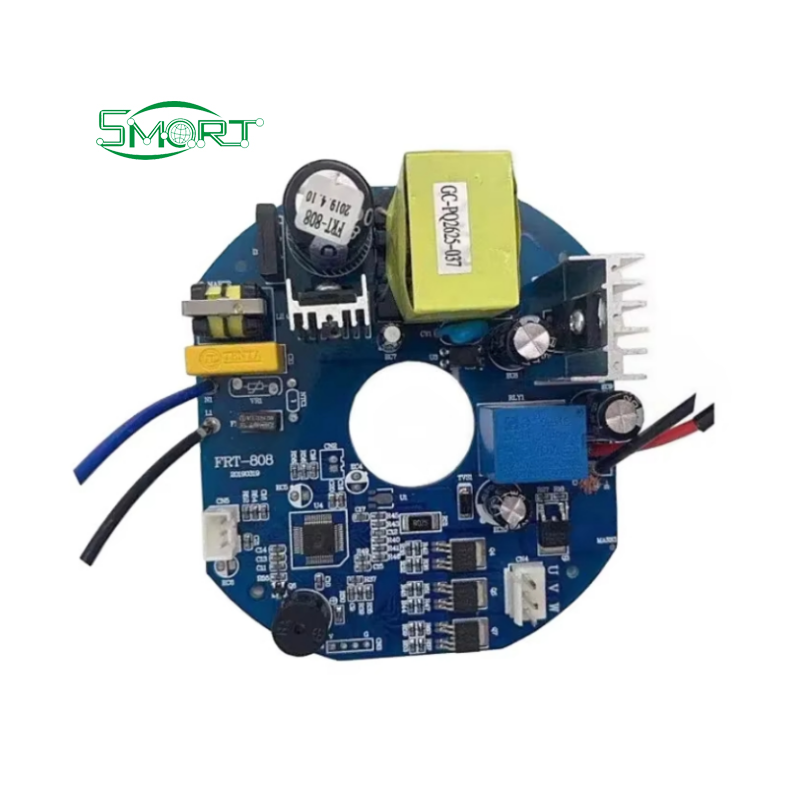
1,000,000+
Tactile Actuation Lifecycles
< 100 ms
Contact Bounce Duration
IP65–IP67
Ingress Protection Rating
24 Hours
DFM & Technical Proposal Turnaround
Engineering Deep-Dive: Architectural Anatomy of Tactile Membrane Switches
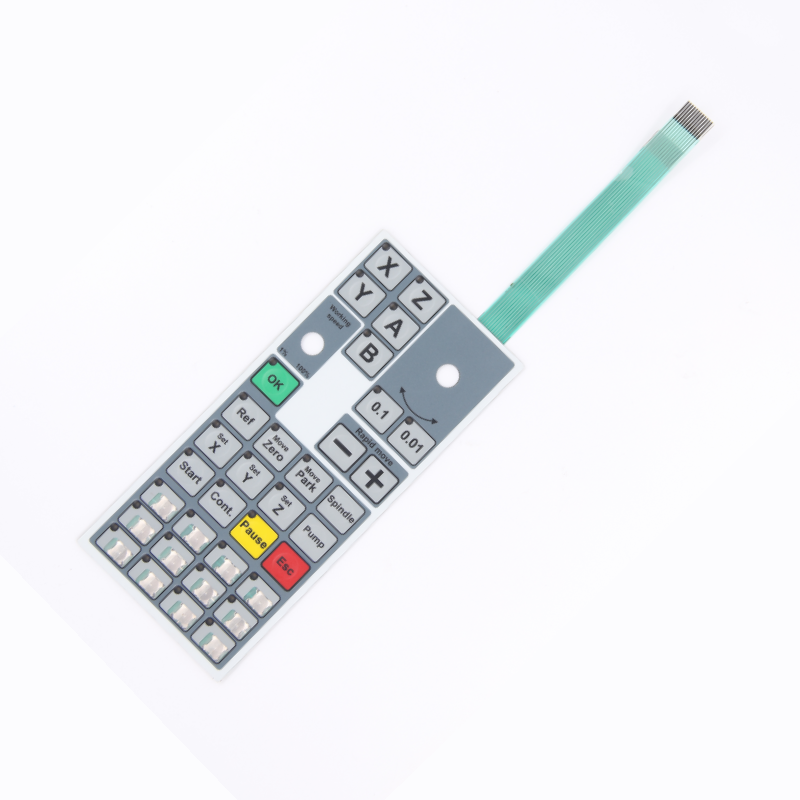
A tactile membrane switch is not merely a graphical overlay resting on a circuit; it is an intricately balanced, multilayer optoelectronic assembly engineered to deliver reliable switching dynamics, acoustic confirmation, and total electrical isolation. Modern industrial equipment, high-reliability commercial electronics, and CE-certified medical apparatus rely extensively on tactile switches to achieve unmistakable physical response in challenging, noisy environments where touchscreens fail or provide insufficient tactile confirmation.
The physical anatomy of an export-grade membrane keypad manufactured by Shenzhen VUKO Electronics comprises a sandwich of highly specialized functional layers:
1. Graphic Overlay & Textures
Fabricated from biaxially-oriented premium polyester (Autotype PET) or polycarbonate (PC). Screen printed reverse-side (sub-surface) using UV-curable, chemically inert inks to ensure absolute rub and chemical abrasion resistance.
2. Tactile Metal Dome Array
Composed of nickel-plated or gold-plated stainless steel alloy domes (diameters from 6mm to 20mm). Actuation force is precisely calibrated (250g to 500g) to deliver crisp tactile snap ratio (>40%) and tactile longevity surpassing 1,000,000 cycles.
3. Conductive Substrates (PET vs. FPC)
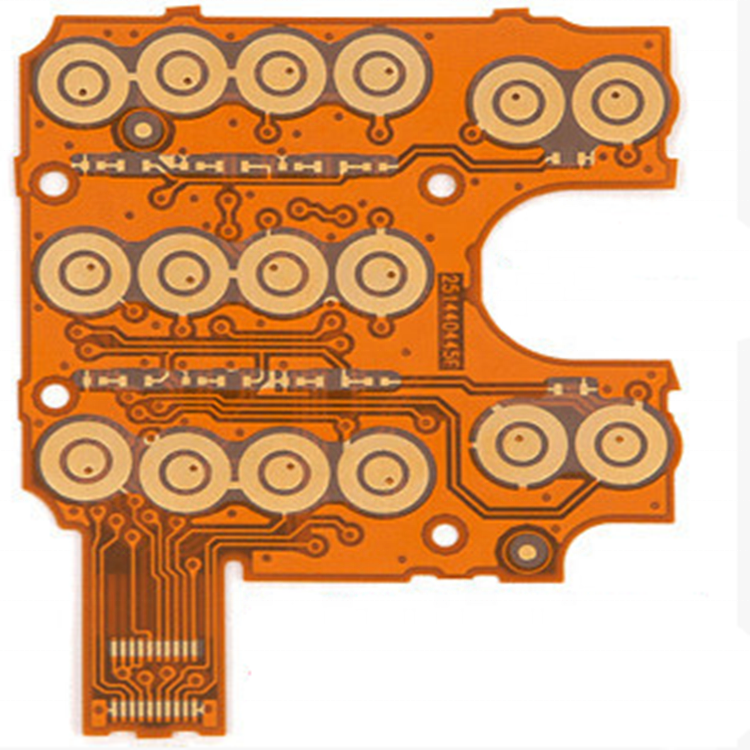
Utilizes ultra-low-resistance conductive silver ink silk-screened onto heat-stabilized polyester film or, for mission-critical instruments, high-density rolled annealed copper etched onto Polyimide Flexible Printed Circuits (FPC) with surface-mount LEDs.
| Performance Characteristic | Silver Printed Screened PET | Polyimide Flexible Printed Circuit (FPC) | Rigid FR4 Backed Membrane Board |
|---|---|---|---|
| Trace Resistance | Moderate (~10 Ω to 50 Ω depending on length) | Ultra-Low (< 1 Ω), ideal for high current LED traces | Negligible (< 0.1 Ω), robust power handling |
| SMD Component Pitch | Conductive epoxy bonding (min 0805 components) | Standard reflow soldering (0402, 0201, Fine Pitch ICs) | Standard SMT assembly lines (BGA, QFN, High-Density) |
| Flexural Durability | High bend radius (R > 5mm) | Extreme cyclic flexibility (Dynamic flexing qualified) | Rigid structural backer (No flex, serves as chassis) |
| Harsh Media Sealing | Standard peripheral 3M 467/468MP acrylic adhesive | Direct gasket bonding with continuous vapor barriers | Integrated perimeter O-ring groove or IP67 potting |
Procurement & Engineering Trends Shaping Next-Gen HMI Architectures
As European and North American industrial designers seek to merge consumer-grade sleekness with military-grade ruggedness, the procurement paradigm for tactile switches is experiencing structural evolutions. Strategic procurement officers must anticipate three defining trends to optimize supply chains and lifecycle total cost of ownership (TCO):
1. Hybrid Touch & Tactile Fusion
Modern smart home devices and surgical consoles no longer choose strictly between capacitive touchscreens and mechanical switches. Instead, engineers specify hybrid control fascias: capacitive gesture sliders for fluid menu control coupled with distinct physical metal-dome tactile pushbuttons for emergency abort, high-voltage interlocks, or mission-critical actuation.
2. Uniform LED Backlighting & Light Guides
Standard edge-lit point LEDs often cause hot-spots and glaring bleed-through. The trend favors micro-etched acrylic light-guide plates (LGP) and integrated side-firing SMD LEDs. This produces whisper-thin, perfectly homogenized day/night symbol illumination across all keys, fully compliant with automotive safety specifications.
3. Stringent EMI / RFI Shielding
With the rapid proliferation of high-frequency wireless communications (Wi-Fi 6E, Bluetooth 5.3, Sub-GHz IoT), tactile switch panels act as direct antenna entry points. Incorporating vacuum-sputtered aluminum layers or continuous grid-printed graphite shielding connected directly to chassis ground is essential to clear CE and FCC radiation and immunity thresholds.
Comprehensive Electrical, Mechanical & Environmental Specifications
To ensure precision execution of your design package, refer to our baseline manufacturing parameters. Every switch batch manufactured in our Shenzhen production line undergoes rigorous automated optical and electrical verification against these parameters:
| Evaluation Parameter | Standard Baseline Specification | Advanced / Custom Industrial Grade |
|---|---|---|
| Operating Voltage / Current | 0.5V – 30V DC / 10mA – 100mA | Custom power rating up to 50V DC / 500mA |
| Contact Loop Resistance | < 100 Ω (Silver Ink Circuit) | < 1 Ω (FPC Pure Copper Traces) |
| Insulation Resistance | ≥ 100 MΩ @ 250V DC | ≥ 500 MΩ @ 500V DC (High dielectric spacer) |
| Contact Bounce Duration | < 5 ms (Milliseconds) | < 1 ms (High-snap stainless steel domes) |
| Operating Temperature | -20°C to +70°C | -40°C to +85°C (Automotive / Outdoor Grade) |
| Tactile Actuation Force | 280g – 350g standard snap | 160g (Gentle Medical) to 600g (Heavy Industrial Gloves) |
| Tail Pitch & Connectors | 2.54mm or 1.0mm ZIF pitch | 0.5mm ultra-fine pitch or Amphenol / Nicomatic crimp housings |
Frequently Asked Questions: Membrane Switch Procurement & Engineering
Clear engineering answers addressing the most common technical, compliance, and logistical inquiries raised by global procurement departments:
What design files and documentation are required to get an exact quotation?
To generate an accurate engineering proposal and DFM review, provide:
1. Graphic Overlay Vector: Adobe Illustrator (.AI), CorelDRAW (.CDR), or vector PDF specifying Pantone/RAL color codes, key embossing heights, and display window positions.
2. Circuit Schematic & Routing: Gerber files (RS-274X), DXF mechanical layout, or CAD drawing showing pin-out definitions, tail length, and connector pitch.
3. BOM Requirements: Detailed specs for surface-mount LEDs (wavelength/color, Vf, If), tactile dome dimensions, backer adhesive brand (e.g., 3M 467MP, 468MP, or 300LSE for low surface energy plastics), and testing criteria.
How do you guarantee CE certification and international compliance?
All materials used—from Autotype PET film to conductive silver paste, dielectric barriers, and pressure-sensitive acrylic adhesives—comply strictly with RoHS 2.0 (Directive 2011/65/EU) and REACH (EC 1907/2006) regulations. Integrated electronic components meet Low Voltage Directive (LVD) and Electromagnetic Compatibility (EMC) standards. We provide complete material test declarations, UL 94V-0 flammability ratings, and Certificate of Conformance (CoC) reports with every mass production batch.
What is your Minimum Order Quantity (MOQ) and sample prototyping timeline?
We strongly support agile engineering cycles. Our prototype MOQ starts from just 5 pieces for engineering validation testing (EVT). Laser cutting and digital printing processes eliminate costly hard tooling for rapid iterative prototypes, allowing samples to ship within 5 to 7 working days. Mass production hard-tooled orders scale smoothly from hundreds to hundreds of thousands of units.
What makes the difference between IP65, IP67, and standard membrane switches?
Standard switches rely on perimeter adhesive rings that may permit moisture ingress over time in humid environments. Our IP65 to IP67 waterproof membrane switches incorporate an unbroken peripheral silicone gasket or proprietary waterproof hydrophobic perimeter ring, sealed FFC tails with potting dams, and integrated micro-vent breather filters. These breathers equalize internal air pressure under fluctuating temperatures while completely blocking water, cleaning agents, alcohol, and particulate entry.
Can you integrate FPC, rigid PCBs, and turnkey electronic sub-assemblies?
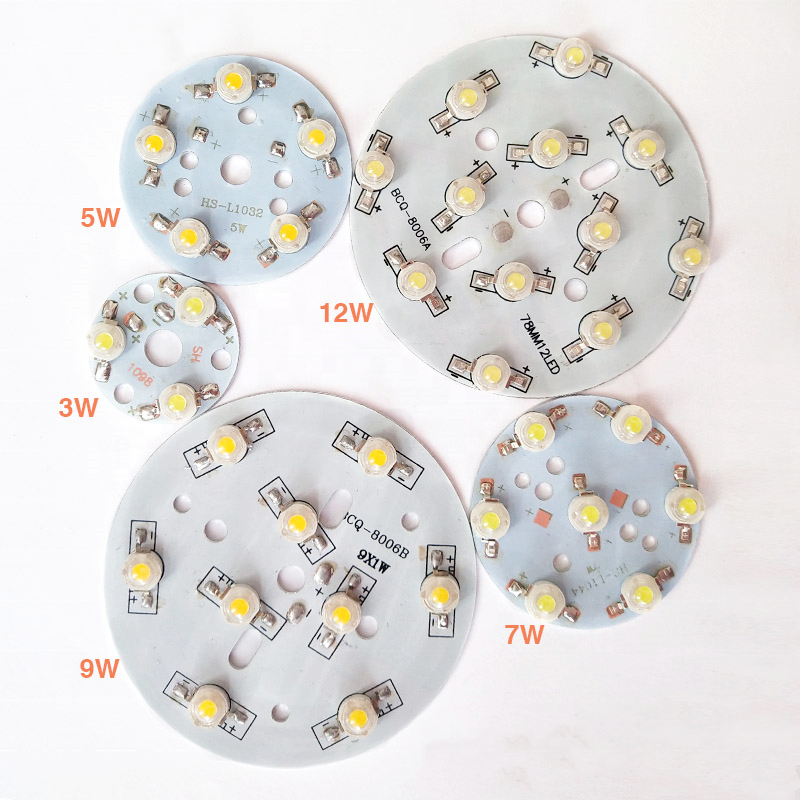
Yes. As an end-to-end electronics manufacturing partner based in Shenzhen, our core capability lies in mechatronic integration. We supply not only the top membrane keypad, but also complete rigid-flex assemblies, metal-core aluminum LED backplates, SMT populated PCBA controllers, and custom BLDC motor controllers under one unified, fully-tested purchase order.
Why Global OEMs Partner With Shenzhen VUKO Electronics
Decades of combined manufacturing discipline, verified onsite credentials, and turnkey PCB assembly integration in the heart of Shenzhen.
Alibaba Verified Supplier
14+ years established international export presence with continuous onsite factory auditing and comprehensive credit underwriting.
Full Electronics Ecosystem
Eliminate vendor fragmentation. We unify PCB fabrication, turnkey SMT assembly, FPC, aluminum boards, and membrane panels under one roof.
Automated 100% E-Testing
Every switch panel passes computerized flying probe, short/open matrix tests, tactile actuation curve measurements, and visual AOI inspection.
24h Rapid DFM Engineering
Direct communication with experienced bilingual electronics engineers who flag footprint errors, layer mismatches, and material issues before production.