Featured Membrane Keypads & Integrated Electronics
Precision-engineered capacitive keypads, rigid-flex substrates, LED control assemblies, and ruggedized edge modules directly exported from Shenzhen.
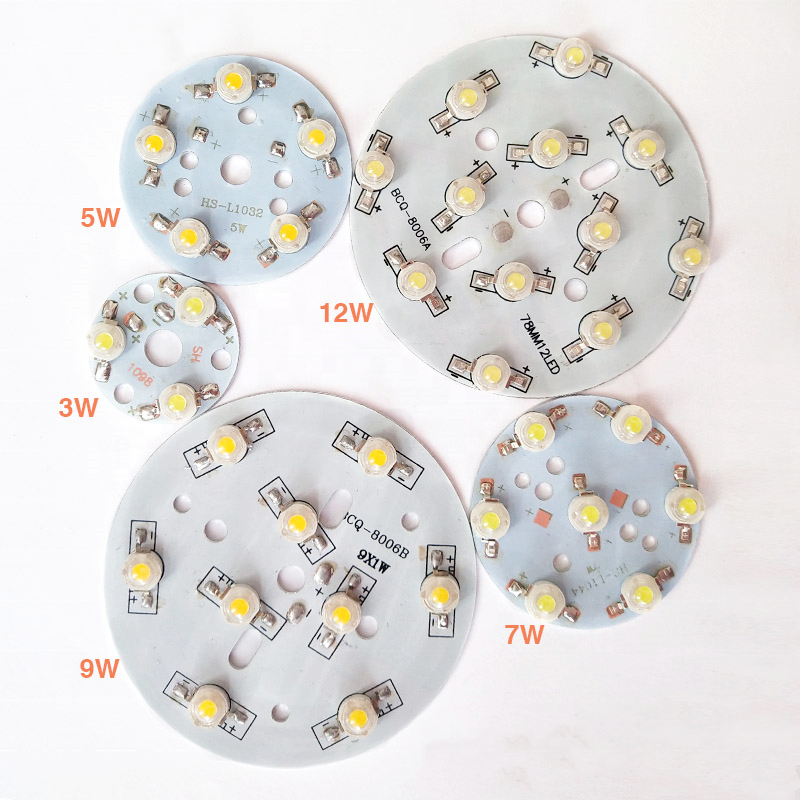
Custom Size Aluminum LED PCB PCBA Circular Bulb Lighting Board 0.5oz to 3oz Copper HASL OSP
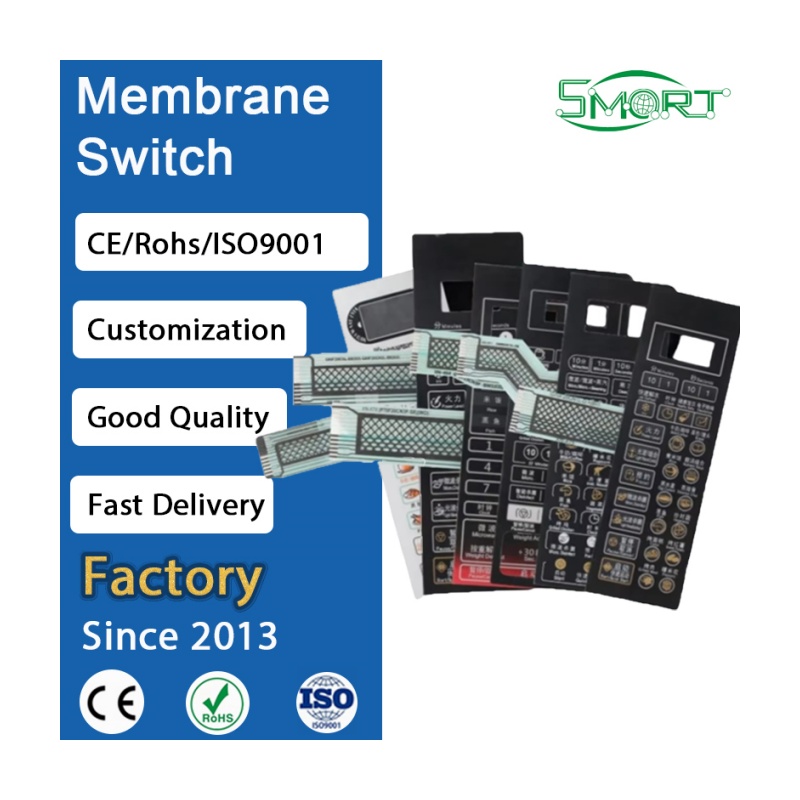
Custom Waterproof Membrane Switch Touch Panel Keypad for Home Appliances Electronic Equipment
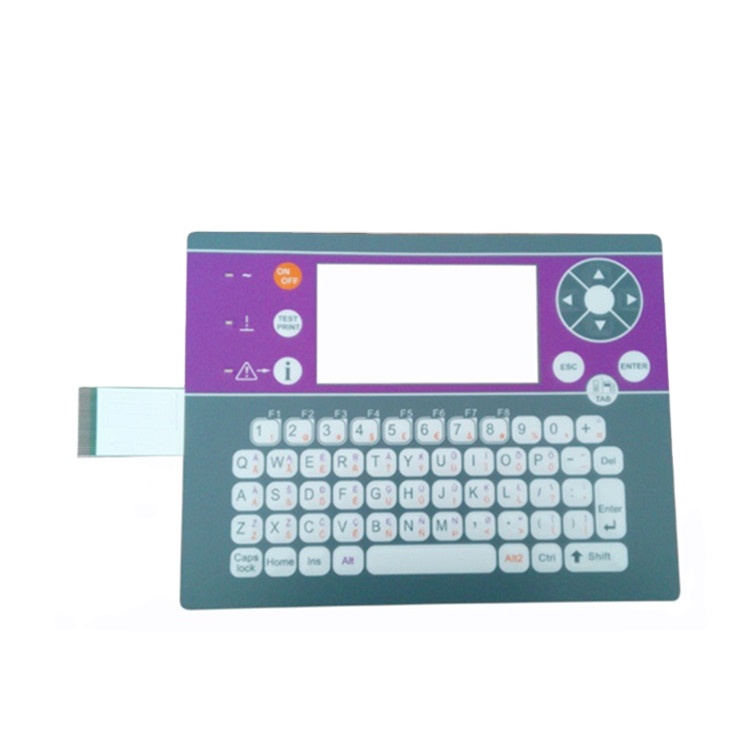
Custom Membrane Switch Keypad, Embossed Tactile Metal Dome, IP67 Waterproof 3M Adhesive Graphic Overlay
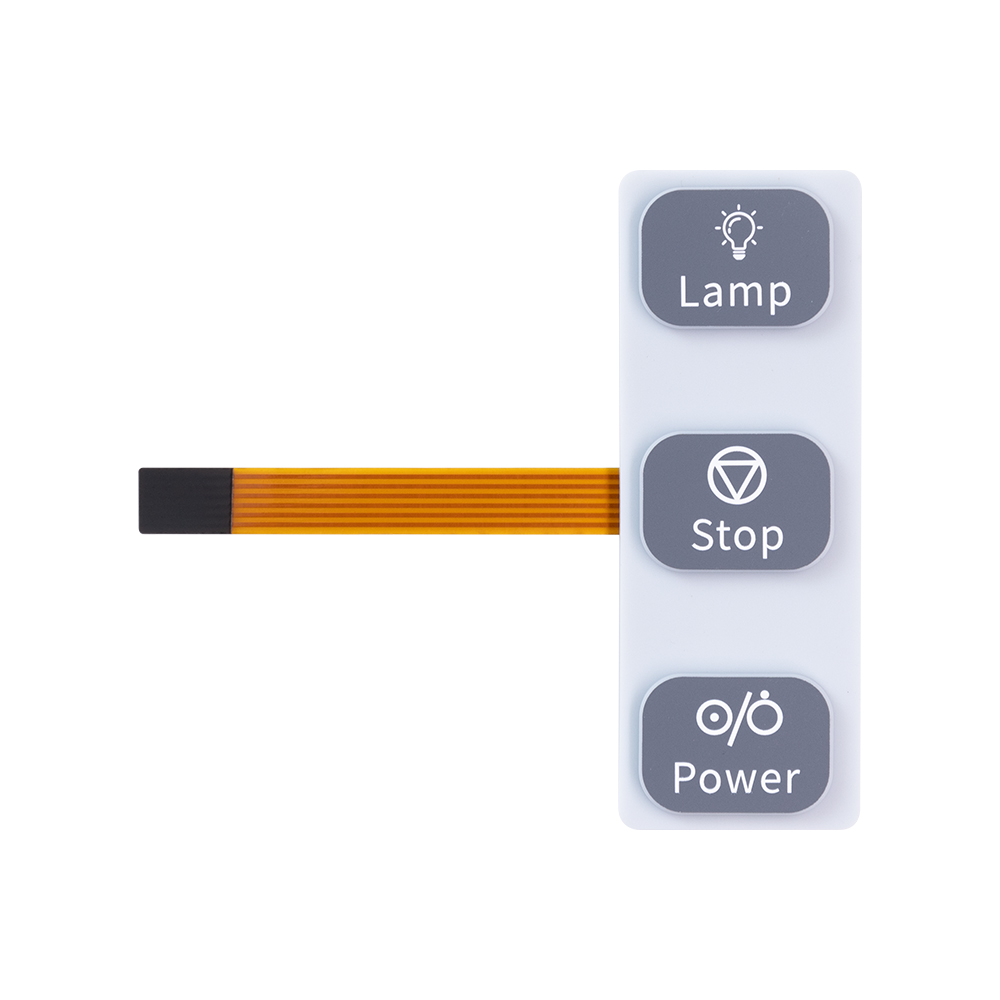
Custom FPC Membrane Switch, Flexible Printed Circuit Keypad, Metal Dome Tactile Button Low Resistance
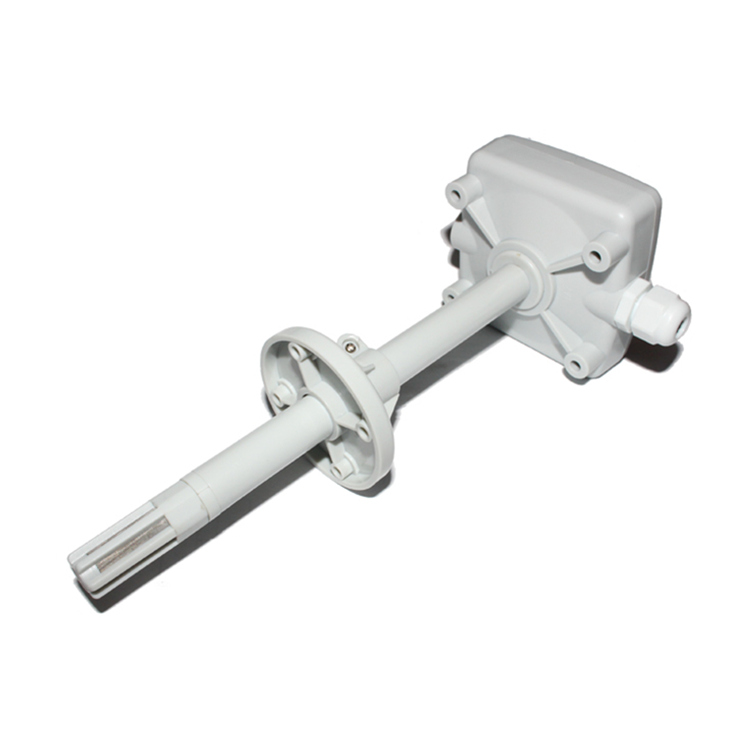
Smart Duct Type Humidity Sensor Housing Standard Accuracy Environmental Monitoring
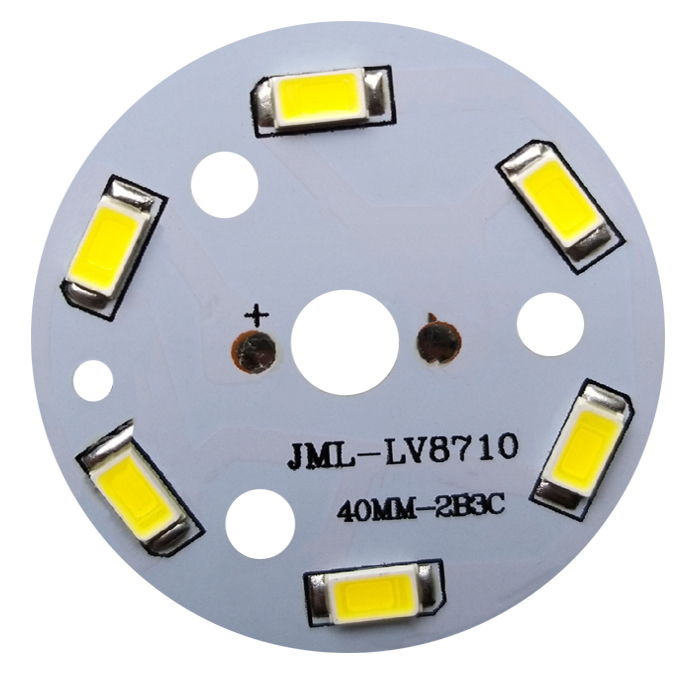
5730 SMD LED Light PCB Board FR-4 40mm Round 3W 5W 7W 9W 12W 15W 18W Bulb Lighting
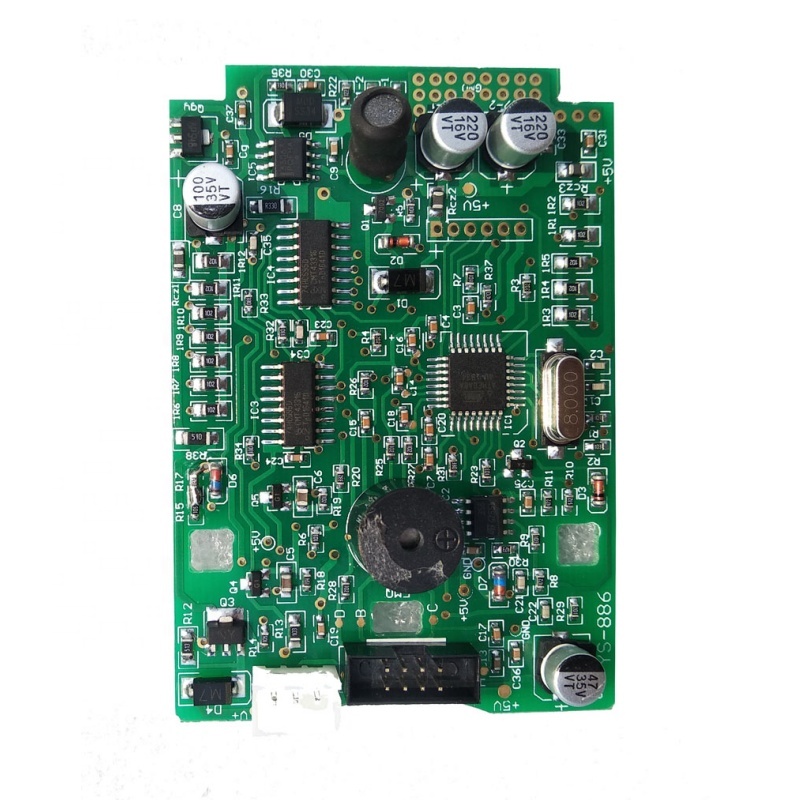
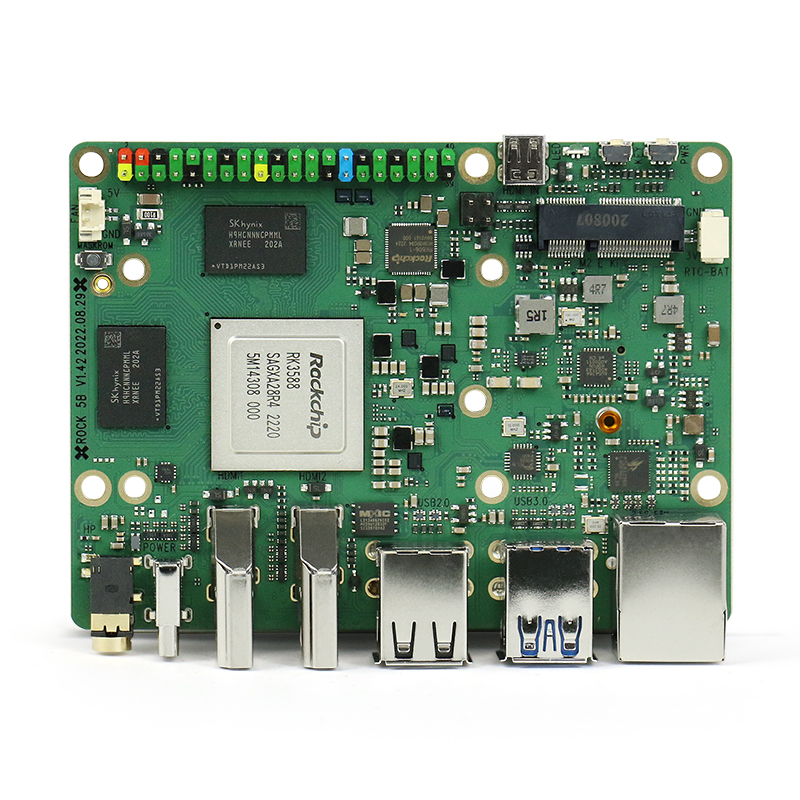
The Engineering Paradigm of Capacitive Membrane Keypads
Traditional electromechanical switches rely on physical travel and metallic deformation to bridge circuit traces. While cost-effective, standard mechanical switches and tactile metal domes face inherent fatigue limits (typically 1 to 5 million cycles) and risk catastrophic failure in environments exposed to moisture, airborne corrosive gases, and harsh chemical washdowns.
As China’s foremost capacitive membrane switch manufacturer and exporter, Shenzhen VUKO Electronics engineers high-sensitivity projected capacitive (PCAP) and surface capacitive sensor matrices built upon treated Polyimide (PI) or optical-grade Polyethylene Terephthalate (PET) films. By detecting microscopic fluctuations in dielectric fields caused by human touch through solid cover surfaces (such as tempered glass, polymethyl methacrylate [PMMA], or chemical-resistant polycarbonate [PC]), capacitive membrane switches offer an impenetrable, zero-wear user interface capable of exceeding 50 million actuations without physical contact degradation.
- True Hermetic Sealing: Certified up to IP68/IP69K against pressure jet sanitization and liquid ingress.
- Zero Mechanical Fatigue: Eliminates physical metal domes for near-infinite operational lifespan.
- Custom Optical Finishes: Anti-glare (AG), anti-reflective (AR), and anti-microbial surface treatments.
Capacitive vs. Traditional Tactile Membrane Matrix
Understanding the structural differences in layer stack-ups allows engineering teams to balance unit costs against lifetime field reliability.
Engineering Standards: Capacitive Membrane Keypads
Shenzhen VUKO Electronics adheres to stringent IPC, ISO, and MIL-STD specifications, providing global clients with certified manufacturing transparency.
| Parameter / Specification | Standard Industrial Grade | VUKO High-Reliability Specification | Testing Standard / Compliance |
|---|---|---|---|
| Substrate Base Material | PET (Polyester) Film (0.125mm - 0.188mm) | Optical Polyimide (PI) / Thermally Stabilized Autotex PET | ASTM D882 / IPC-TM-650 |
| Conductor Technology | Screen-printed Silver Flake Paste | High-Conductivity Micro-Silver Paste or Photolithographic FPC Copper | IPC-4202 / IPC-6013 |
| Circuit Loop Resistance | < 100 Ω (layout dependent) | < 10 Ω (Ultra-low noise signal integrity) | ASTM F1689 |
| Actuation Lifetime | > 5,000,000 touches | > 50,000,000 continuous touches (zero wear) | ASTM F1578 Mechanical Endurance |
| Dielectric Strength | 500 VDC @ 100 Megohms | 1,500 VDC isolation barrier (Spark gap protected) | ASTM F1458 |
| Environmental Sealing | IP65 Standard | IP67 / IP68 / IP69K (Hermetic perimeter seal) | IEC 60529 / DIN 40050-9 |
| Operating Temperature | -20°C to +65°C | -40°C to +85°C (Extended Automotive/Aviation grade) | MIL-STD-810G Method 501.5 / 502.5 |
| Adhesive Systems | Standard Acrylic Transfer Tape | 3M 467MP / 3M 468MP / 3M 300LSE (LSE Plastic & Powder Coated Metal) | ASTM D3330 Peel Adhesion |
Future Procurement Trends in Capacitive Membrane Keypads
Strategic hardware procurement teams are shifting how they source user-interface assemblies. Discover key shifts transforming supply-chain dynamics over the next 3 to 5 years.
1. Consolidation into Turnkey HMI Modules
B2B OEM buyers are abandoning multi-vendor sourcing where overlay printers, FPC fabricators, and PCBA factories operate independently. Leading brands now demand turnkey modules combining capacitive sensor foils, controller IC assembly (SMT), aluminum stiffeners, and display integration under a single warranty, reducing inventory carrying costs and file translation defects.
2. Shift from Silver Inks to Flexible Copper (FPC)
While screen-printed conductive silver ink remains economical, high-vibration applications and fine-pitch capacitive controller ICs (QFN/BGA down to 0.4mm pitch) increasingly require rolled annealed copper-clad polyimide (FPC). Copper circuits eliminate silver migration risks in humid climates and deliver ultra-low resistance essential for complex multiplexed touch matrices.
3. Demand for Dynamic Active Shielding
Modern medical devices and outdoor EV chargers must operate flawlessly under water drops, fluid sprays, and heavy EMI noise. Sourcing trends prioritize capacitive sensors engineered with dynamic driven shield layers that continuously counteract stray parasitic capacitance, ensuring immediate touch responsiveness even when touched by latex- or nitrile-gloved operators.
Key Technological Innovations Transforming Keypads
From smart household appliances to military aerospace panels, capacitive membrane technology is evolving from passive switches into smart, multi-sensory interfaces.
Curved 3D In-Mold Structural Electronics (IMSE)
By marrying printed capacitive traces directly with plastic injection molding, 3D structural electronic parts eliminate internal brackets and mechanical fasteners. This produces ultra-lightweight, aerodynamically contoured panels with integrated touch keys, capacitive sliders, and embedded LEDs sealed entirely within structural resin.
Localized Piezoelectric & LRA Haptic Feedback
The sole historical disadvantage of capacitive touch interfaces—the lack of kinesthetic confirmation—has been eliminated. Modern capacitive membrane keypads incorporate microscopic piezoelectric actuators or Linear Resonant Actuators (LRAs) directly behind specific graphic touch zones, delivering localized mechanical pulses that simulate tactile button presses.
Uniform Backlighting with Micro-Diffusion Films
Gone are spotty, uneven LEDs. Next-generation membrane interfaces utilize side-firing ultra-compact SMD LEDs coupled with ultra-thin (0.1mm) light-guide films (LGF) and optical micro-prisms. This provides razor-sharp, uniform icon illumination, discrete capacitive status rings, and day/night contrast while consuming 70% less current than traditional EL backlighting lamps.
Your Premier Manufacturing & Export Partner in Shenzhen
Strategically situated in Shenzhen's hardware innovation core, VUKO Electronics provides end-to-end manufacturing reliability, eliminating the risks of fragmented subcontracting chains.
One-Stop Turnkey Fabrication
We eliminate friction by managing bare PCB/FPC etching, precision SMT assembly, full BOM component procurement, graphic overlay printing, and custom lamination under one roof in Shenzhen. One file package, one vendor accountability, zero finger-pointing.
Rigorous E-Test & AOI Verification
Every single capacitive keypad undergoes 100% electrical continuity testing, flying probe dielectric verification, automated optical inspection (AOI) for trace accuracy, and touch sensitivity calibration before vacuum packaging and export dispatch.
Verified Trade Assurance & Low MOQ
Prototyping should never require unreasonable financial commitments. We accept initial custom runs from as few as 5 pieces. Furthermore, international buyers enjoy full order payment and on-time shipment security via verified Alibaba Trade Assurance protocols.
Key Technical & Sourcing FAQ for Capacitive Keypads
Addressing the core technical, logistical, and commercial inquiries engineering and purchasing departments face during project onboarding.
What design files and specifications are needed to receive a formal quotation?
- Graphic Overlay Vector Artwork: Adobe Illustrator (.AI), CorelDraw (.CDR), or Vector PDF files detailing colors (Pantone or RAL codes), window transparencies, and embossed boundaries.
- Circuit Schematics & Traces: Gerber files (RS-274X format), ODB++, or DXF/DWG layer packages showing tail pitch, pin assignments, and shielding tracks.
- Turnkey PCBA Requirements: Bill of Materials (BOM) in Excel with clear Manufacturer Part Numbers (MPN), Pick-and-Place (Centroid) data, and test procedures.
How do capacitive membrane switches perform in outdoor or high-moisture environments?
Can capacitive switches detect touch through thick front panels or heavy safety gloves?
What is your minimum order quantity (MOQ) and production turnaround timeline?
- Prototypes & Pilot Runs: Minimum Order Quantity starts from just 5 to 10 pieces. Turnaround for custom prototypes is typically 7 to 10 business days depending on tooling complexity.
- Mass Production Volumes: Standard production runs of 500 to 50,000+ units generally ship within 15 to 20 working days, with complete batch traceability and compliance reports (RoHS, REACH, UL 94V-0).
What adhesive systems are recommended to prevent delamination on textured surfaces?
Accelerate Your Next-Generation HMI Development
Direct factory engineering support, rapid DFM feedback within 24 hours, and competitive export pricing from Shenzhen VUKO Electronics Co., Ltd. Talk to our senior interface engineers today.