Thermal Solution
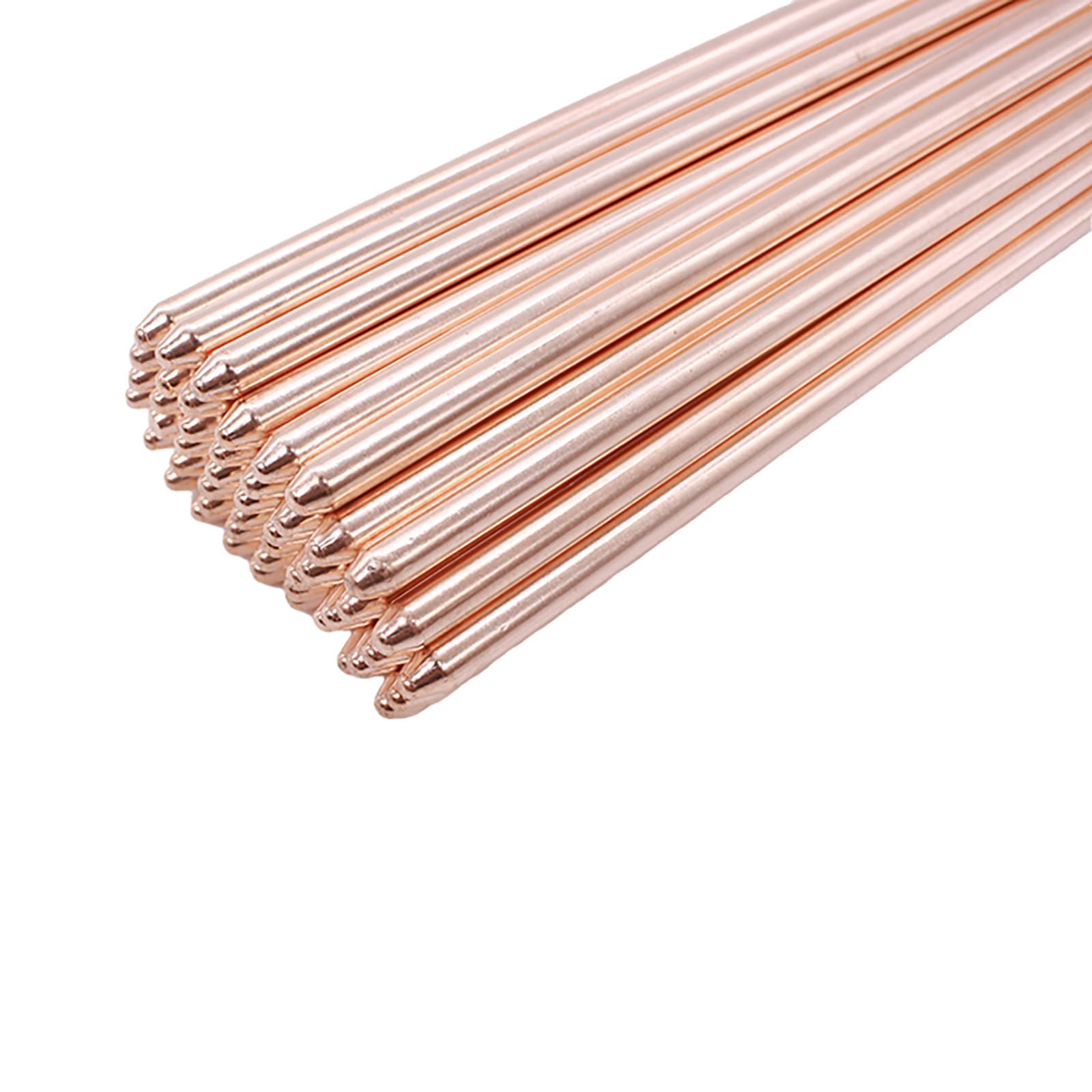
Engineered to withstand rigorous mechanical cycling, harsh chemical washdowns, and extreme thermal dynamics. Browse our core OEM interface components below.
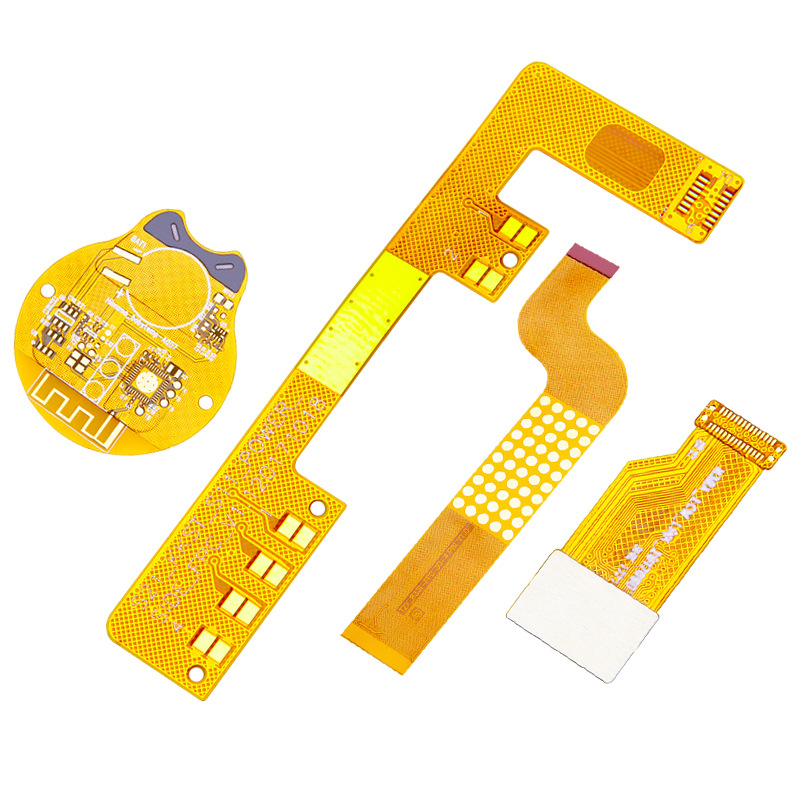
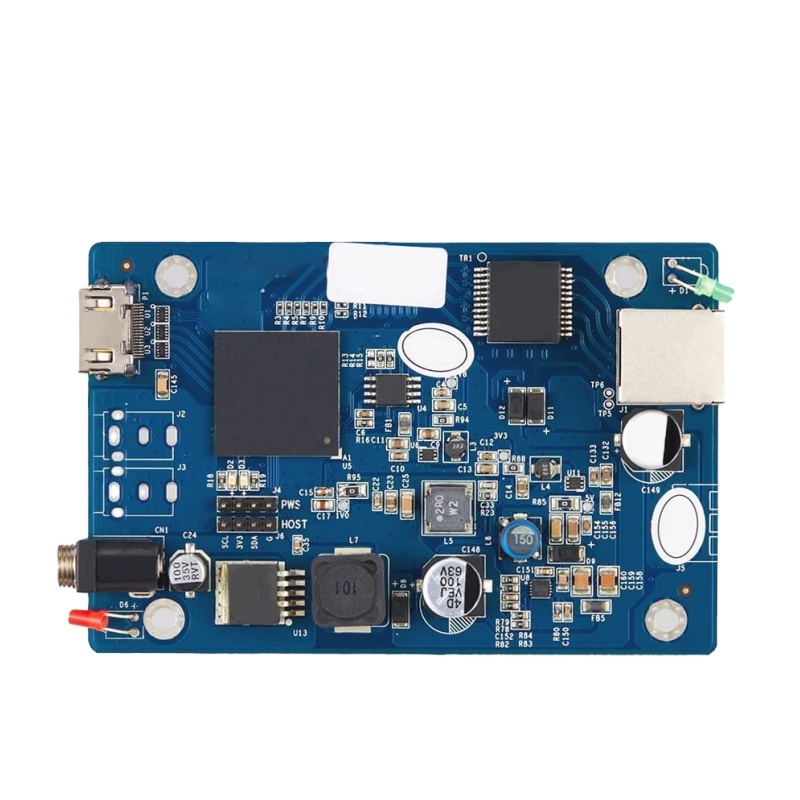
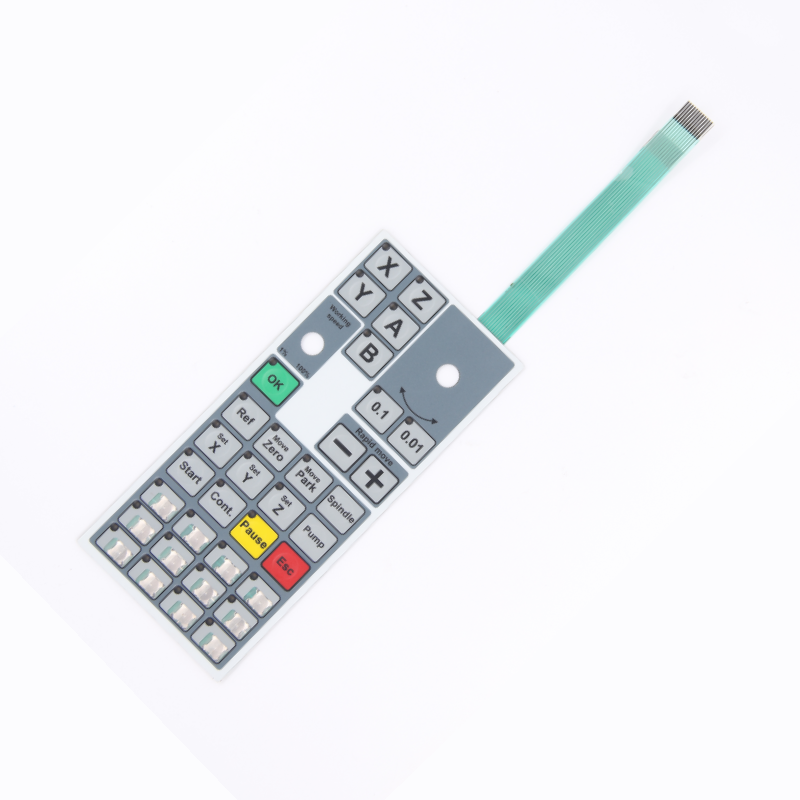
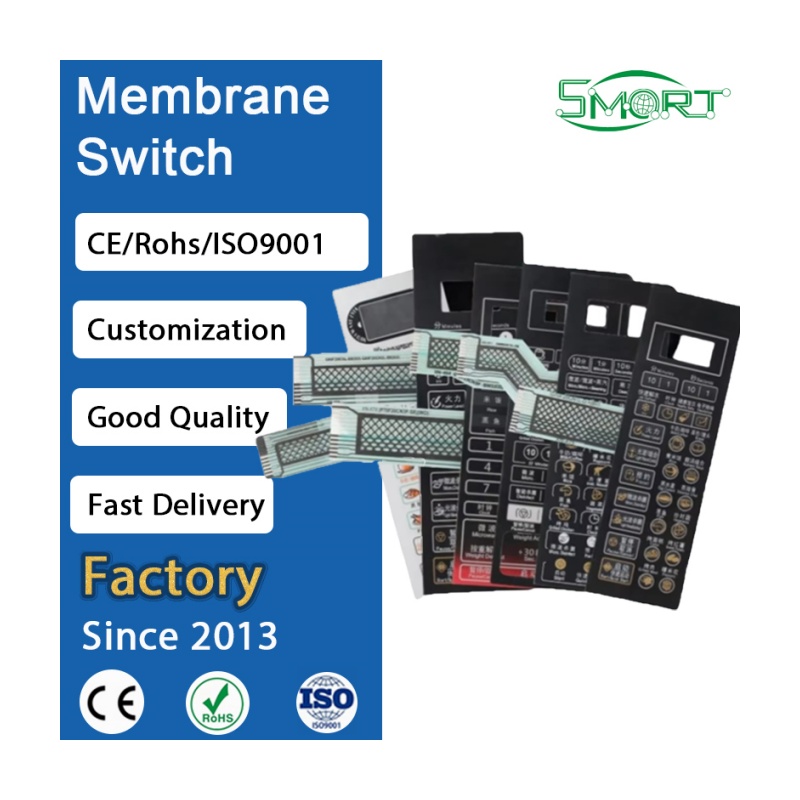
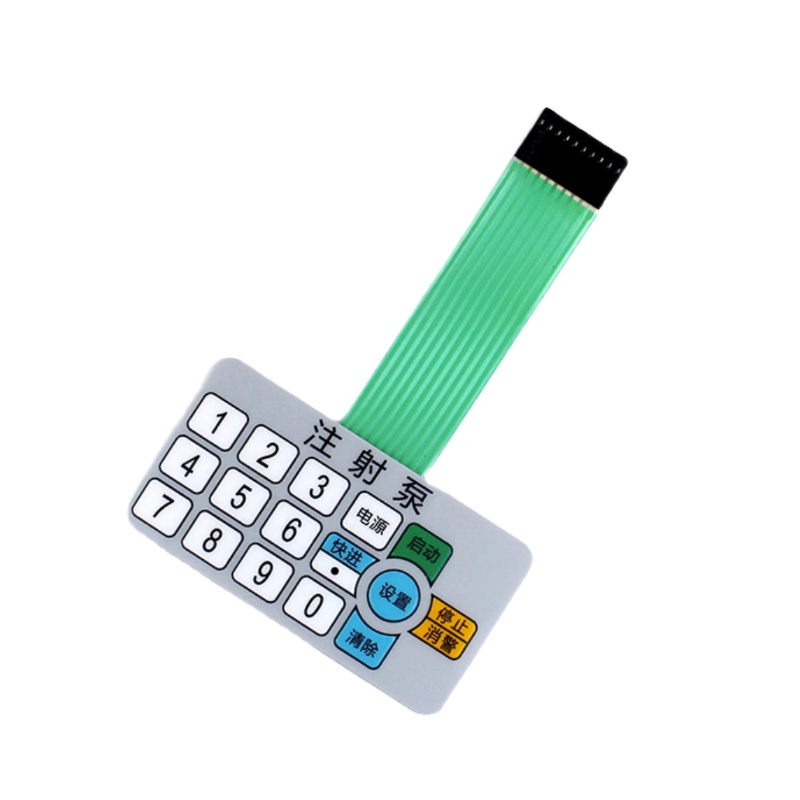
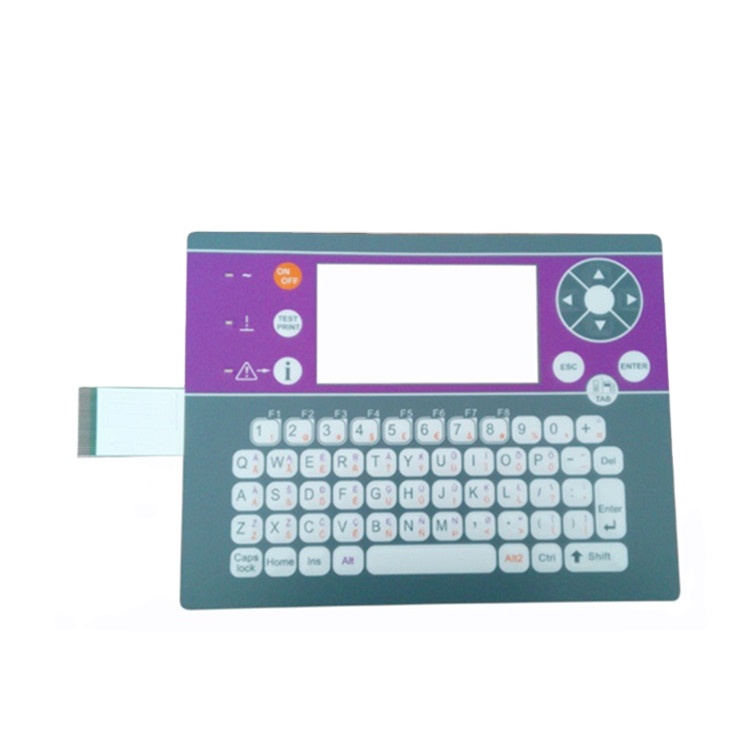
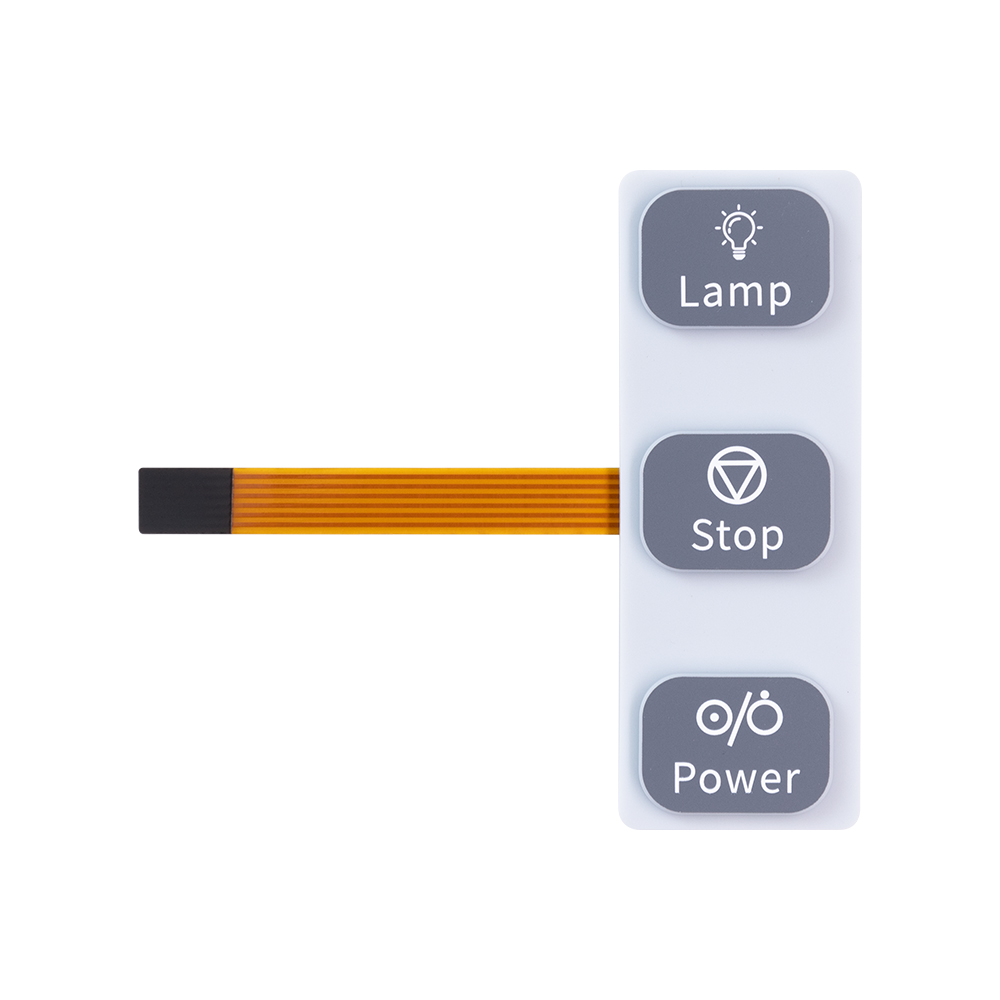
In human-machine interface (HMI) engineering, the graphic panel overlay serves as the direct physical interface between the user and electronic hardware. Far more than a decorative front plate, it provides functional environmental sealing, optical filtering for digital displays, tactile user guidance, and electrostatic discharge (ESD) suppression. As a premier Chinese manufacturing partner rooted in Shenzhen's electronics ecosystem, Shenzhen VUKO Electronics engineers high-spec overlays that resolve the common failure modes of field delamination, chromatic shift, adhesive creeping, and tactile dome fatigue.
The choice between biaxially-oriented polyethylene terephthalate (PET) and polycarbonate (PC) defines the operational boundary of the entire overlay system. While polycarbonate is revered for its high optical clarity (up to 89-91% light transmission), high flame retardance ratings (UL 94 V-0 options), and cost efficacy in flat-panel configurations, it falls short in dynamic actuation environments. Repeated mechanical flexing of PC switches results in micro-fracturing and premature surface embrittlement within approximately 50,000 to 100,000 cycles.
For demanding industrial, outdoor, and medical devices, premium heat-stabilized polyester films (such as MacDermid Autotex XE or fine-grain PET) provide superior flexural fatigue strength exceeding 5,000,000 continuous switch actuations without plastic failure. Furthermore, PET exhibits outstanding chemical resistance against aggressive solvent wipe-downs, isopropyl alcohol (IPA), bleach, and industrial petrochemicals that would instantly cause crazing or yellowing on unstabilized polycarbonate.
| Engineering Property | Polycarbonate (Lexan 8010/HP92W) | Biaxially-Oriented PET (Autotex XE) | PMMA / Cast Acrylic (Rigid Overlays) |
|---|---|---|---|
| Flexural Fatigue Life | ∼ 50,000 – 100,000 cycles | > 5,000,000 cycles (Embossed) | Brittle / Zero Dynamic Flex |
| Chemical & Solvent Resistance | Moderate; prone to crazing from acetone/IPA | Exceptional against solvents, oils, acids | Fair; damaged by aromatic solvents |
| Continuous Temperature Range | -40°C to +125°C | -40°C to +140°C (Heat-stabilized) | -20°C to +80°C |
| Optical Transparency (Windows) | Up to 90% (Water-clear) | 86% – 89% (requires clear-print window) | Up to 92% (Superior clarity) |
| Embossing Retention | Fair (relaxes under high heat) | Superior hydro-formed retention | Not applicable (CNC milled only) |
| UL Flame Class Rating | UL 94 V-2 to V-0 (Available) | UL 94 VTM-2 to HB | UL 94 HB |
A catastrophic failure encountered by global sourcing teams is overlay lifting or bubbling caused by inappropriate pressure-sensitive adhesive (PSA) selection. High surface energy (HSE) plastics such as ABS, polycarbonate enclosures, and sheet metal respond exceptionally well to standard 3M 467MP (2.3 mil) or 3M 468MP (5.2 mil) high-performance acrylic adhesive. However, modern industrial and automotive housings frequently utilize low surface energy (LSE) materials like polypropylene (PP), polyethylene (PE), or powder-coated cast aluminum.
For these LSE substrates, VUKO specifies modified acrylic adhesive systems such as 3M 300LSE or 3M 200MP series. 3M 300LSE develops an aggressive initial tack and reaches full bond strength even on oily or low-energy polymers, mitigating peel risks across thermal swings ranging from -40°C to +150°C. Where severe vibration or uneven casting tolerances are present, foam-core acrylic tapes (3M VHB series) provide both joint compliance and IP67 hermetic sealing.
As smart factories, medical telehealth, and IoT instrumentation evolve, component buyers are shifting their sourcing metrics. Here is how international engineering and procurement teams are adapting.
Global OEMs are moving away from disaggregated buying (purchasing the overlay from one printer, the FPC tail from a PCB shop, and the PCBA from an EMS provider). Fragmented sourcing causes assembly misalignment, tolerance stack-ups, and warranty finger-pointing. Leading exporters provide full-stack integration: overlay printing, metal dome staking, backplate CNC milling, and turnkey SMT board integration under a single unified warranty.
In the post-pandemic medical and food processing sectors, procurement specifications mandate continuous bio-resistance. Overlays now incorporate textured, textured-UV, and antimicrobial hardcoats (e.g., silver-ion micro-matrices) that actively destroy 99.9% of bacteria on contact while enduring thousands of pressurized steam, bleach, and quaternary ammonium wipes without degradation.
Industrial designers increasingly demand clean, sleek black glass aesthetics. "Dead-front" graphics conceal status icons, warning indicators, and secondary menus behind semi-translucent smoke coatings until backlit by high-lumen SMD LEDs. Sourcing teams also specify optically clear adhesives (OCA) to laminate overlays directly onto TFT-LCDs and capacitive touch sensors without air gaps, eliminating ambient sunlight reflections.
Western regulatory compliance (EU RoHS 3, REACH, and California Prop 65) has escalated scrutiny on screen-printing chemistry. Procurement guidelines now strictly exclude solvent-heavy inks containing aromatic hydrocarbons. Water-based and 100% solid UV-curable conductive silver pastes are becoming mandatory baseline requirements to fulfill corporate sustainability audits.
Touchscreens lack tactile validation, causing operator error in high-vibration aerospace and machinery environments. Modern specifications mandate precise force-displacement curves (measured in Gram-Force and click ratios). Overlays feature hydro-formed rim or pillow embossing combined with four-leg stainless steel domes rated at 280g to 450g actuation force for crisp, indisputable user confirmation.
While screen-printed conductive silver ink remains cost-effective for static keypads, high-pinout applications and vibrating equipment face silver migration risks under high humidity. Sourcing leads are upgrading critical circuitry layers to flexible printed circuits (copper-clad polyimide), dropping loop resistance to under 1 Ohm and facilitating high-pitch ZIF connector mating.
The convergence of printed electronics, capacitive sensing, and in-mold structural electronics (IMSE) is reinventing the industrial front panel. Rather than acting as inert labels, next-generation overlays are dynamic, highly integrated mechatronic components.
Traditional overlays require multi-layer adhesive lamination onto a rigid plastic or metal carrier. Emerging IME workflows print conductive silver traces, capacitive sensor electrodes, and SMD LEDs directly onto a flat 2D polyester sheet, which is subsequently thermoformed into complex three-dimensional contours and injection-molded behind clear resin. This fuses the structural bezel, user graphic, touch circuit, and lighting into a single sealed monolithic shell—cutting part count by 70%, eradicating all ingress pathways, and slashing product weight.
Mechanical metal domes are increasingly augmented by solid-state capacitive touch zones built directly into the sub-surface film layers. To mitigate the loss of mechanical feedback, miniature piezoelectric or eccentric rotating mass (ERM) vibrotactile actuators are anchored to the internal backing plate. Tuning the resonant driver allows the overlay to provide tactile "virtual clicks," slider increments, or alert pulses through the continuous sealed faceplate.
High-voltage medical equipment, motor frequency inverters, and wireless radio transmitters create potent electromagnetic interference. Contemporary graphic overlay construction integrates continuous vapor-deposited aluminum film, vacuum-sputtered ITO (Indium Tin Oxide), or printed conductive silver grid meshes grounded directly to the chassis through dedicated perimeter contact tabs. This creates a full Faraday shield behind the graphic film, deflecting static discharges up to 15kV – 25kV (air discharge) away from sensitive logic microcontrollers.
Addressing the technical, logistical, and commercial inquiries routinely posed by international hardware engineers and procurement directors.
Combining 14+ years of cross-border manufacturing discipline with deep vertical integration. We eliminate the middleman and ensure your hardware specifications are met without compromise.
We manufacture bare PCBs, flexible circuits (FPC), metal-core aluminum boards, and graphic overlay panels in-house. A single engineering team supervises your entire HMI stack-up from inception to box build.
All graphic printing, sub-surface adhesive lamination, and window assembly are conducted within temperature- and humidity-controlled cleanrooms, guaranteeing zero dust entrapment, pinholes, or optical flaws.
Certified to ISO 9001:2015 quality standards. Materials used (raw films, adhesives, and inks) strictly satisfy RoHS 3, REACH, and UL 94V-0 flammability criteria. Inspection records ship with every production batch.
Our bilingual senior electrical and mechanical engineers evaluate your Gerber and artwork files upon receipt, highlighting design pitfalls, trace resistance bottlenecks, and footprint errors before steel is cut.
Whether you require a rapid 5-piece prototype validation run or high-volume industrial production scaling to 100,000 units, Shenzhen VUKO Electronics delivers unyielding quality, responsive engineering, and factory-direct pricing.