Precision HMI & Electronic Hardware Portfolio
Explore our core engineering catalog comprising custom flexible keypads, high-temperature FPCs, display modules, thermal solutions, and turnkey PCBA.
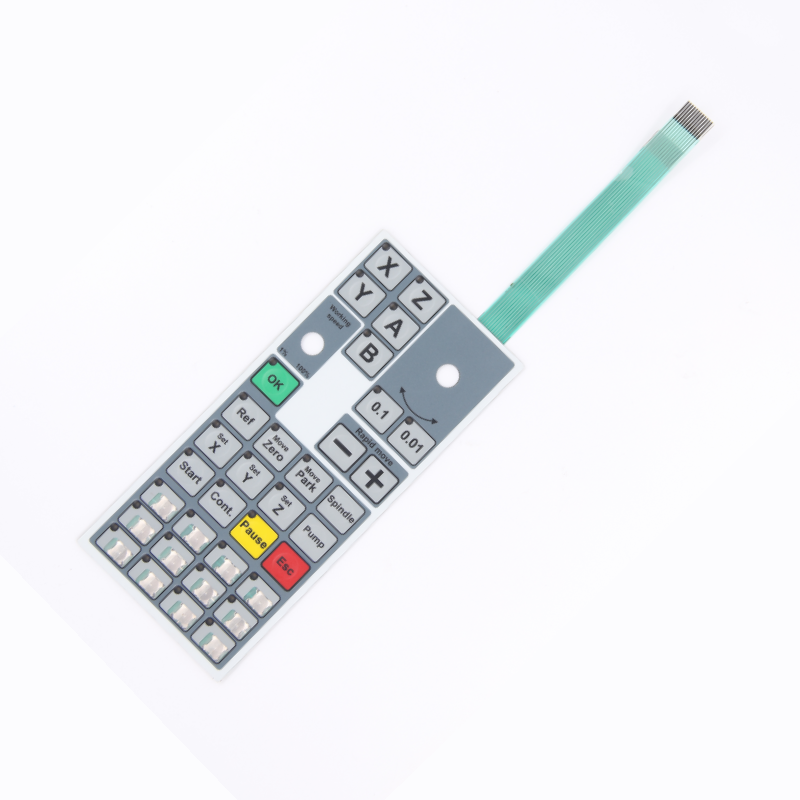
Custom Membrane Switch Keypad & Panel
Screen-printed silver ink circuits with polyester/polycarbonate overlays, tail interconnects, and embossed snap domes.
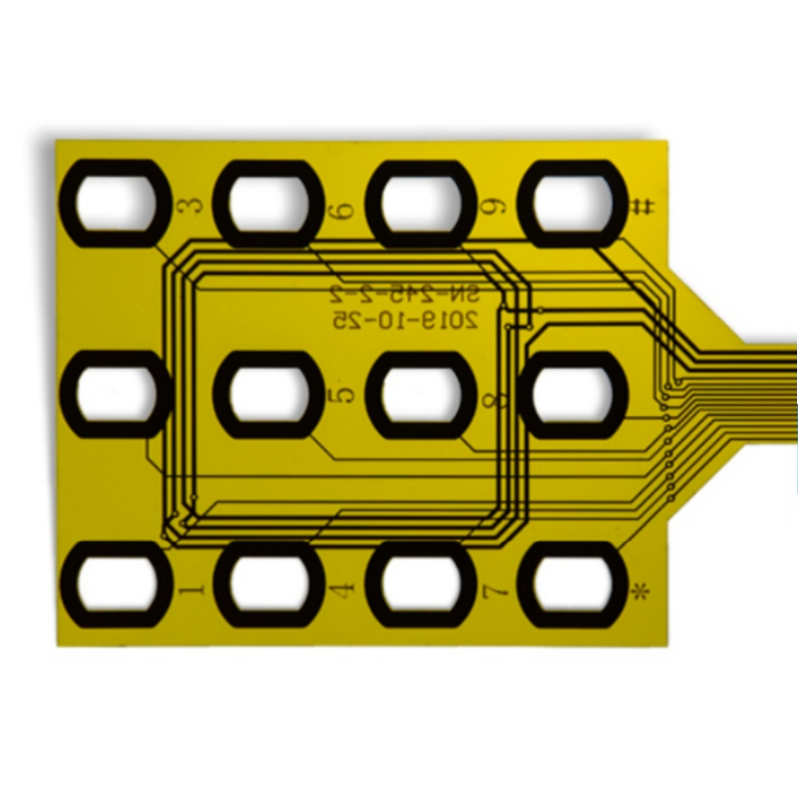
Multilayer FPC Flex Circuit Boards
Single/double and multilayer flexible circuits featuring polyimide stiffeners, ENIG gold finishes, and tight trace pitches.
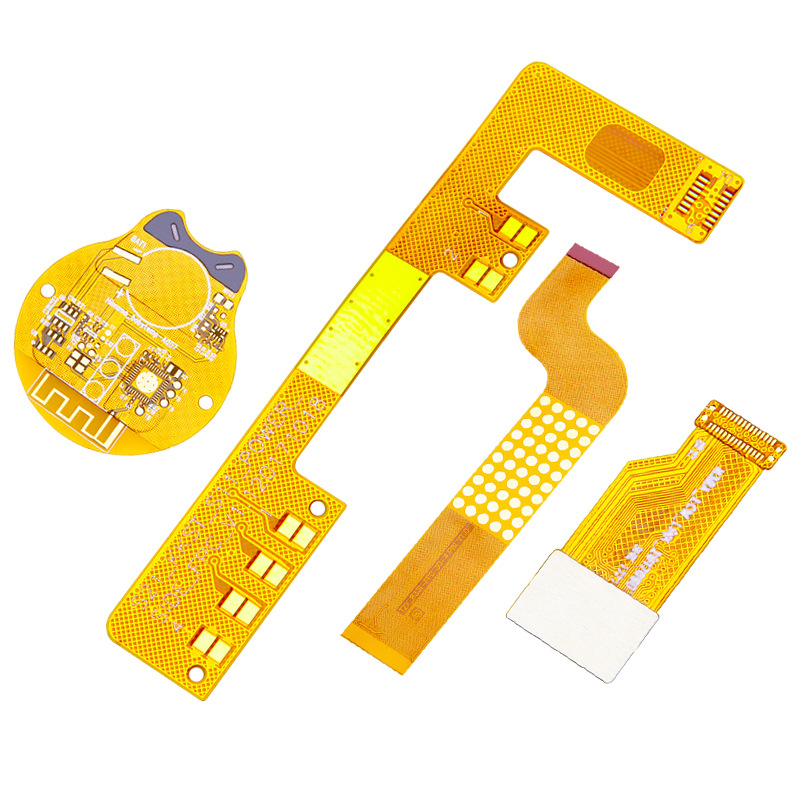
High-Temperature Resistant FPC Circuit
Engineered on specialized PI substrates for harsh environment automotive, aerospace sensors, and clinical medical electronics.
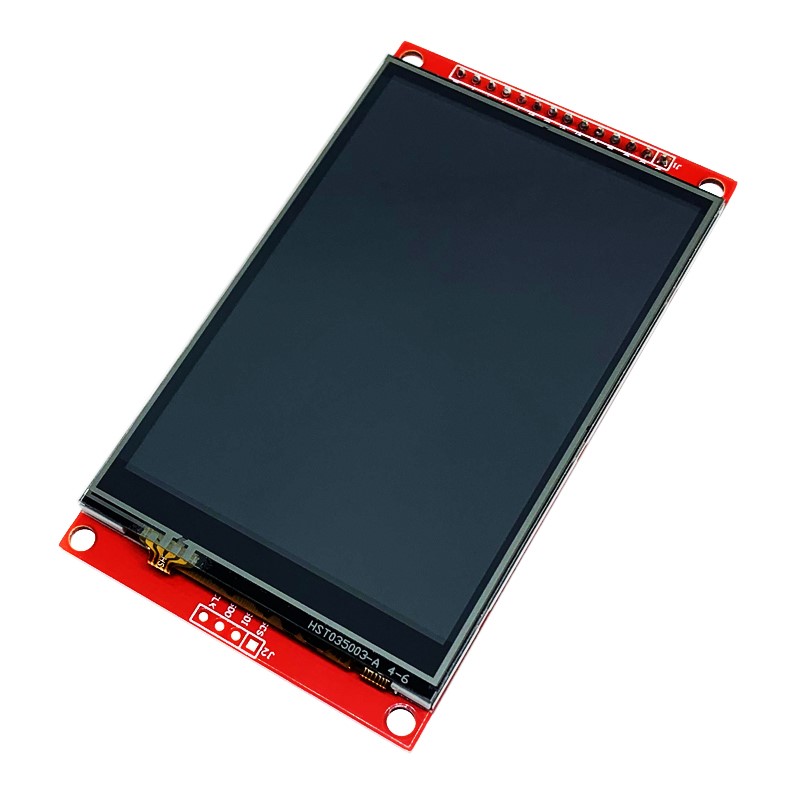
3.5 Inch TFT LCD SPI Display Module
320x480 resolution SPI serial interface driven by ILI9488/ILI9486 ICs; 3.3V to 5V compatibility for seamless integration with HMI keypads.
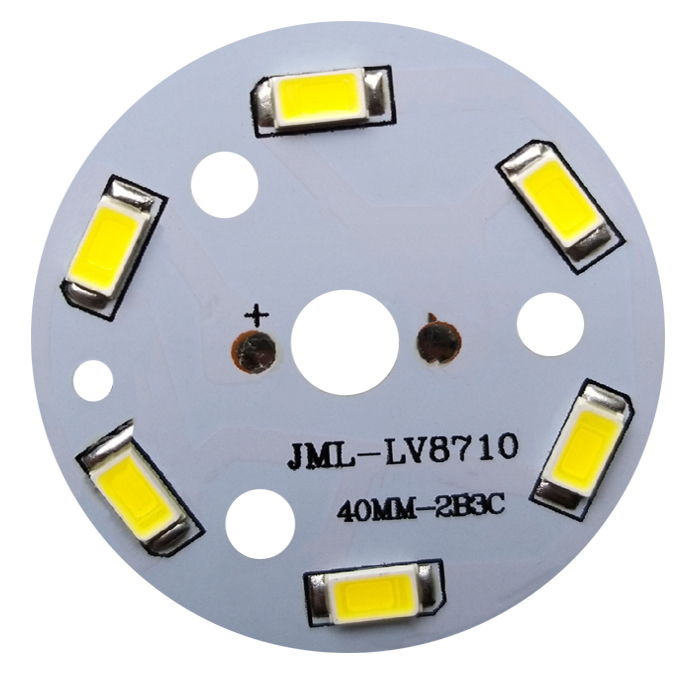
5730 SMD LED Circular Light Board
FR-4 aluminum hybrid substrate circular light engine boards spanning 3W to 18W configurations for uniform backlighting and luminaires.
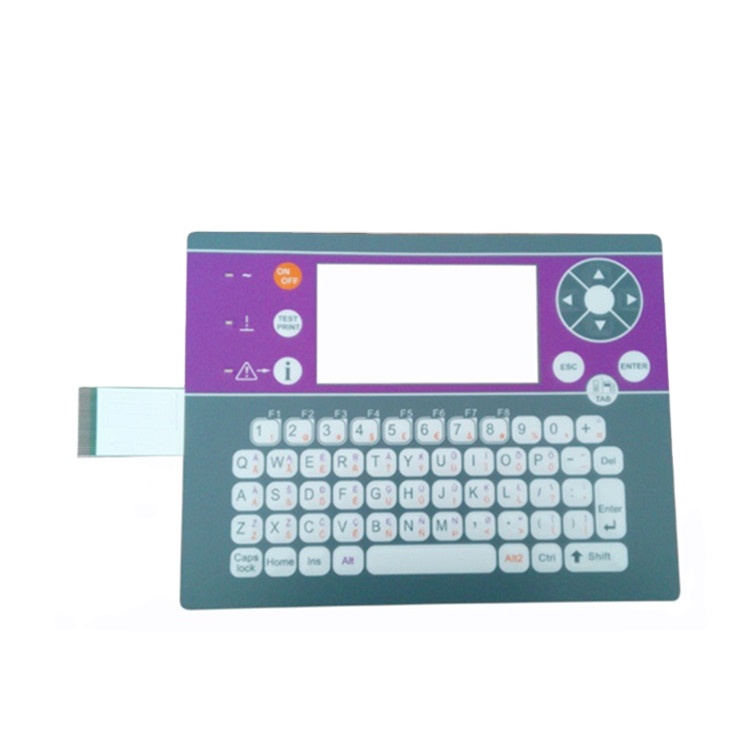
IP67 Waterproof Membrane Switch
Sealed tactile metal dome arrays with 3M 467/468MP high-tack backing adhesives, chemical-resistant graphic overlays, and LED windows.
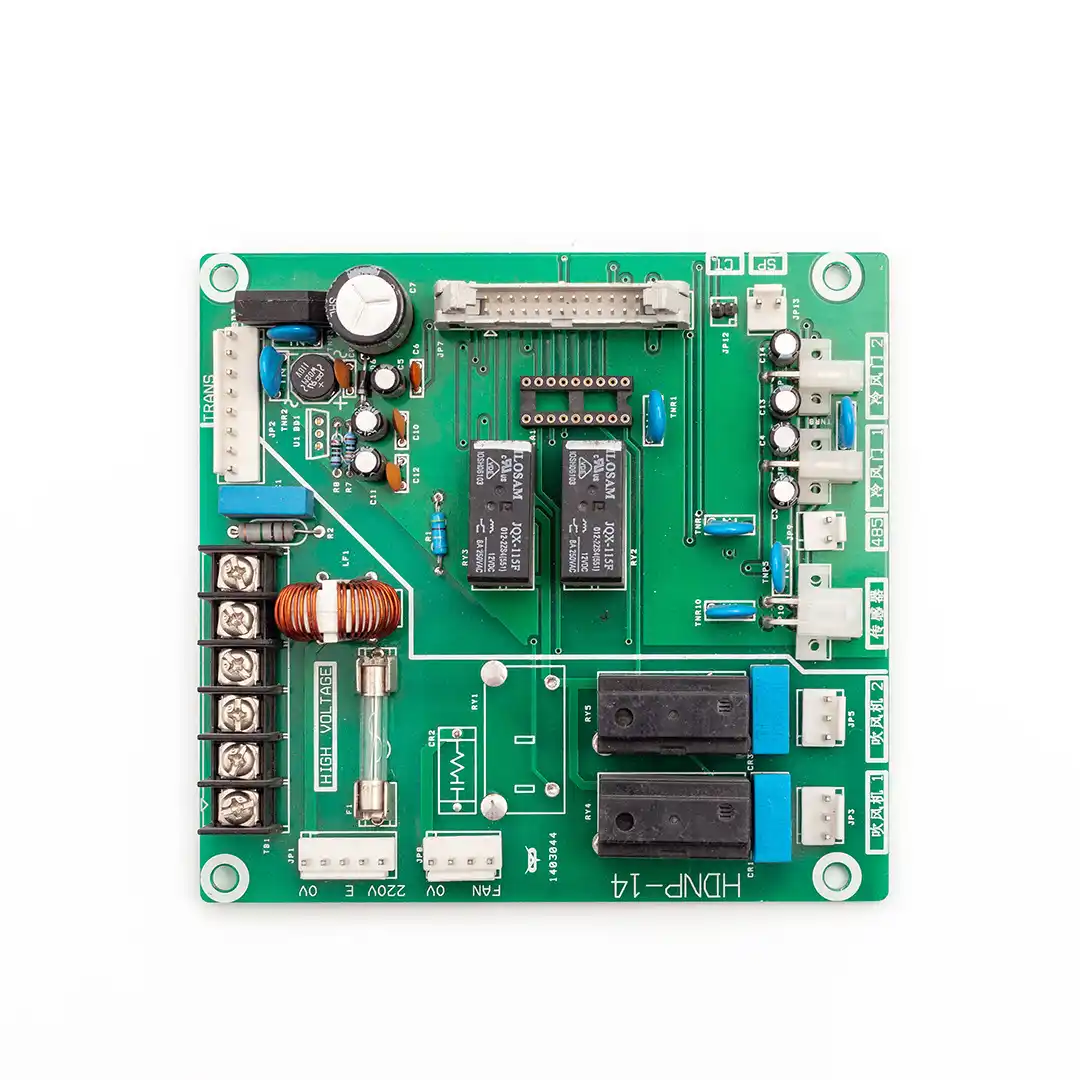
Turnkey PCBA SMT & DIP Assembly
End-to-end BOM component sourcing, high-speed Surface Mount Technology placement, automated optical inspection, and functional verification.
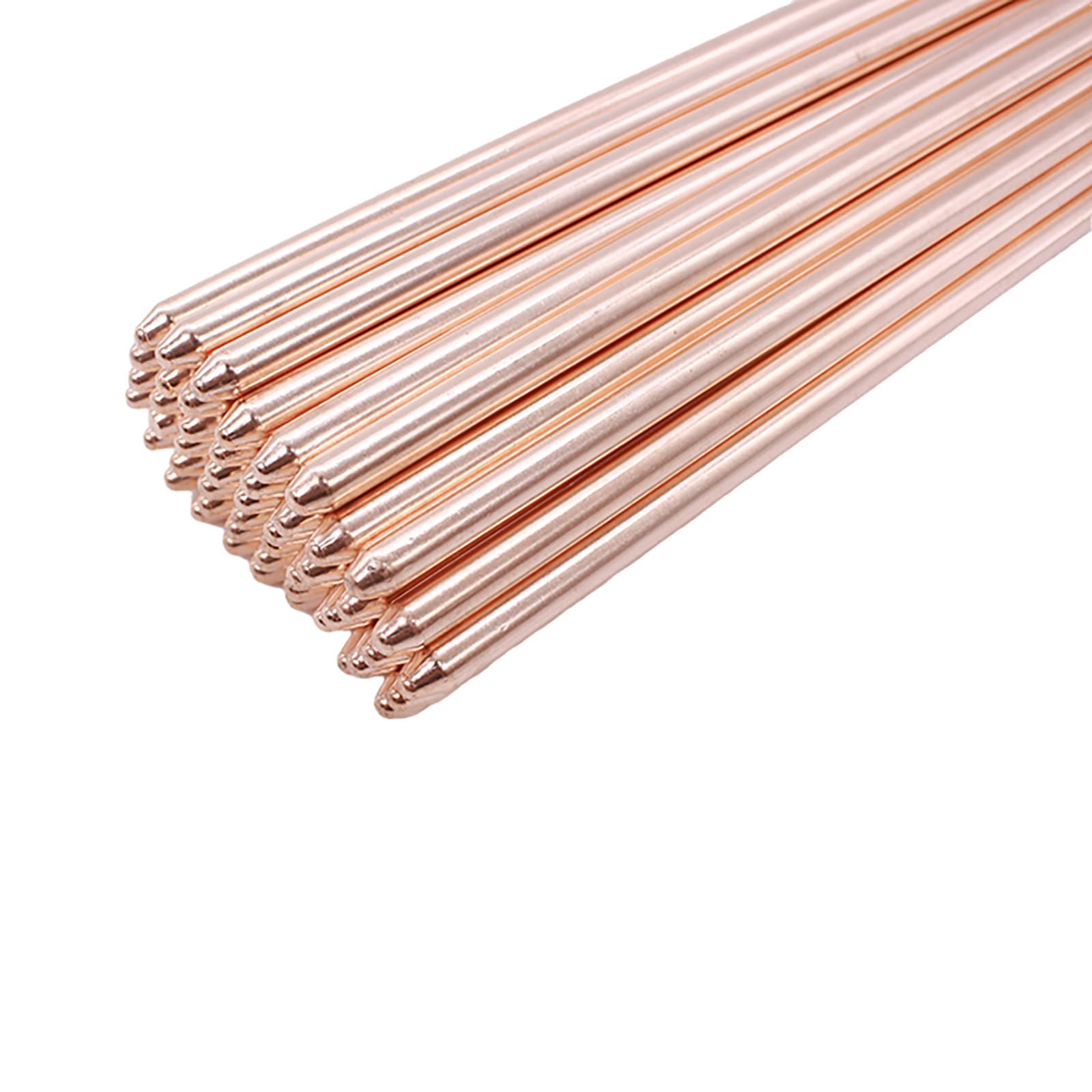
Custom Sintered Copper Heat Pipe
8 x 3 x 200 mm flattened copper thermal dissipation tubes designed for embedded computing enclosures, compact HMIs, and power electronics.
Comprehensive Engineering Guide to Wholesale Backlit Membrane Switches
In modern industrial automation, clinical medical machinery, avionics control, and mission-critical consumer electronics, the Human-Machine Interface (HMI) serves as the primary operational link between human operators and embedded processors. Among the various interface technologies available, the backlit membrane switch has evolved into an indispensable component due to its ultra-low profile, complete front-panel IP-rated sealing, high vibration tolerance, and exceptional ergonomic tactile feedback under degraded ambient lighting conditions. Sourcing these specialized interfaces requires a rigorous understanding of the underlying optoelectronic layers, illumination methodologies, conductive inks, substrate polymers, and mechanical actuation principles.
Shenzhen VUKO Electronics Co., Ltd. has established itself as an authoritative leader across the Greater Bay Area manufacturing ecosystem, uniting advanced bare-board fabrication, precision screen printing, surface-mount component kitting, and rigorous multi-stage quality assurance under a unified quality management framework. Whether your engineering team requires ultra-thin Electroluminescent (EL) panels for aviation avionics, Fiber Optic Weave illumination for medical diagnostics, or high-luminance Light Guide Film (LGF) arrays driven by side-firing surface-mount diodes (SMDs), selecting the correct mechanical stack-up directly dictates operational lifespan, chemical resistance, and photometric uniformity.
1. Architectural Anatomy of Backlit Membrane Keypads
A precision-manufactured backlit membrane switch comprises a multi-tier laminated composite engineered to balance photometric consistency with electrical continuity and mechanical longevity. The typical stack-up includes:
- Graphic Overlay Film: Premium Autotex® or Melinex® Polyethylene Terephthalate (PET) or Lexan® Polycarbonate (PC) ranging from 0.125mm to 0.25mm. PET provides superior flexural endurance (>5 million cycles) and resistance against harsh chemicals, alcohols, and caustic cleaning agents, whereas PC offers exceptional optical clarity for display windows.
- Graphic Adhesive & Light Blocking Layer: High-tack optical adhesives combined with opaque blackout screen print layers around keys and windows to eliminate optical cross-talk and light bleeding between adjacent illuminated legends.
- Illumination Plane (LGF / LEDs / Fiber): Light Guide Films micro-etched via laser or molded optical extraction dots that steer light emitted from lateral surface-mount LEDs uniformly across key graphic perimeters.
- Circuit Spacer & Metal Dome Layer: Laser-cut polyester adhesive films hosting gold or nickel-plated stainless steel snap domes (actuation forces ranging from 220g to 450g) providing definitive tactile travel and crisp snap action.
- Conductive Circuit Layer: Flexible silver paste printed on heat-stabilized PET substrate, or alternatively, a double-sided Polyimide (PI) Flexible Printed Circuit (FPC) with ENIG gold plating for ultra-fine trace spacing and integrated SMT driver electronics.
- Rear Mounting Adhesive: High-performance acrylic transfer tapes (typically 3M 467MP, 3M 468MP, or 3M 300LSE for low surface energy plastics) designed to ensure IP65, IP67, or NEMA 4X hermetic perimeter seals against moisture, dust, and corrosive aerosols.
| Illumination Technology | Thickness Profile | Luminance Uniformity | Power Consumption | Operating Lifespan | Recommended Applications |
|---|---|---|---|---|---|
| Light Guide Film (LGF) + SMT LEDs | 0.125 mm – 0.35 mm | Very High (>88%) | Low (15–20mA per LED) | >50,000 Hours | Medical monitors, handheld rugged scanners, portable test meters |
| Direct Surface-Mount SMT LEDs | 0.50 mm – 1.20 mm | Localized Spot / Ring | Very Low (5–20mA per point) | >70,000 Hours | Industrial automation panels, status indicators, cleanroom controllers |
| Fiber Optic Weave Panels | 0.25 mm – 0.40 mm | Exceptional (>92%) | Moderate (Driven by remote LEDs) | >50,000 Hours | Military communications, aerospace consoles, intrinsically safe setups |
| Electroluminescent (EL) Foil | 0.10 mm – 0.20 mm | Uniform Surface Glow | High (Requires AC Inverter) | 3,000 – 8,000 Hours (Half-Life) | Aviation backlighting, nighttime marine instruments, automotive cabins |
2. Actuation Physics and Environmental Sealing Dynamics
The tactile feedback profile of a membrane switch is defined by its switch travel distance (typically 0.3mm to 0.6mm) and snap ratio. A snap ratio of 40% to 60% yields the optimal ergonomic tactile signature required for mission-critical operations where machine operators wear gloves or work in high-vibration vehicular environments. VUKO utilizes high-purity stainless-steel tactile domes rated for over one to five million actuations without mechanical relaxation. When hermeticity is mandatory, our precision CNC die-cutting and rotary laser processes maintain continuous peripheral gasket perimeters, achieving true IP67 ingress protection against fluid submersion and aggressive sterile washdowns.
IP67 / NEMA 4X Fluid Hermeticity
Engineered with 3M 300LSE adhesive matrices and vulcanized perimeter sealing beads, preventing moisture, aggressive sanitizing chemicals, and industrial lubricants from compromising internal contact pins.
Photometric Dot-Matrix Uniformity
Utilizing micro-molded Light Guide Film (LGF) extraction dots calibrated via optical spectrometers to distribute side-firing LED photons evenly without hotspot artifacts or high-angle light falloff.
Integrated Hybrid SMT & Rigid-Flex Backing
Direct integration of surface-mount resistors, microcontrollers, shift registers, and status buzzers directly onto polyimide FPC or rigid FR4 backplanes to eliminate costly wiring harness assemblies.
Future Trends & Sourcing Vectors in Backlit HMI Systems
Strategic analysis for enterprise procurement teams, supply chain directors, and systems engineers evaluating next-generation membrane keypads.
1. The Transition from Silver Ink Screen-Printing to Polyimide FPC Backbones
While screen-printed polymer thick film (PTF) silver ink remains the industry baseline for cost-sensitive high-volume membrane keyboards, international OEM buyers are increasingly migrating toward Polyimide (PI) copper-clad flexible printed circuits. FPC backplanes support tighter trace routing pitches (down to 0.1mm/0.1mm line and space), provide zero risk of silver migration under high humidity conditions, and allow lead-free reflow soldering of miniature 0201 passives and ultra-bright side-view LEDs. This paradigm shift dramatically increases field MTBF (Mean Time Between Failures) in demanding applications such as surgical monitors, off-highway vehicle dashes, and cleanroom automation equipment.
2. Capacitive Touch Integration within Backlit Architectures
Traditional tactile domes are increasingly co-located with solid-state capacitive sensing arrays. By embedding mutual or self-capacitance sensor electrodes behind high-dielectric polycarbonate front panels, manufacturers can support water-rejection multi-touch, slider controls, and proximity wake-up functionality alongside physical tactile push buttons. Coupled with dynamic RGB backlighting that shifts color profiles based on operational state (e.g., green for standby, amber for warning, pulsing red for emergency stop), smart HMI devices deliver intuitive feedback that drastically minimizes operator input errors.
3. Supply Chain Resiliency & DFM-Led Turnkey Procurement
Modern hardware procurement mandates consolidating sub-tier vendors to mitigate supply chain disruption. Procuring bare membrane panels from one shop, backer metal brackets from another, display screens from a third, and SMT PCB assembly elsewhere introduces dimensional stacking errors, signal integrity mismatches, and complicated warranty disputes. Shenzhen VUKO solves this bottleneck through unified turnkey manufacturing: we produce the multilayer PCB/FPC, mount active driver ICs, assemble custom heat-pipe cooling channels, integrate TFT LCD serial screens, and validate the fully sealed backlit membrane switch assembly inside an integrated cleanroom environment.
Why Tier-1 OEMs Partner with Shenzhen VUKO Electronics
Operating from Shenzhen's premier electronics manufacturing corridor, we unite advanced toolmaking, automated cleanroom screen printing, and certified IPC-A-610 Class 2/3 assembly under one roof.
Zero-Defect Quality Control (E-Test & AOI)
Every membrane circuit undergoes 100% computer-controlled open/short electrical continuity verification, contact loop resistance characterization (<100Ω typical), insulation resistance checks (>100MΩ at 250V DC), and automated optical inspection of graphics overlays.
Rapid DFM & Prototype Engineering
Our senior HMI and flex-circuit engineers conduct thorough Design-for-Manufacturability (DFM) reviews on your CAD, Gerber, and vector artwork within 24 hours, catching dimensional conflicts, trace neckdowns, and tail termination tolerances before hard tooling commences.
Low MOQ Prototyping to High-Volume Scaling
With agile NPI lines starting at just 5 pieces for initial functional verification, we eliminate prohibitive financial barriers to entry, seamlessly transitioning into high-capacity automated reel-to-reel and semi-automatic press runs exceeding 500,000 units monthly.
Frequently Asked Questions on Backlit Membrane Keypad Sourcing
In-depth responses covering design engineering, material selection, photometric performance, and international logistics.