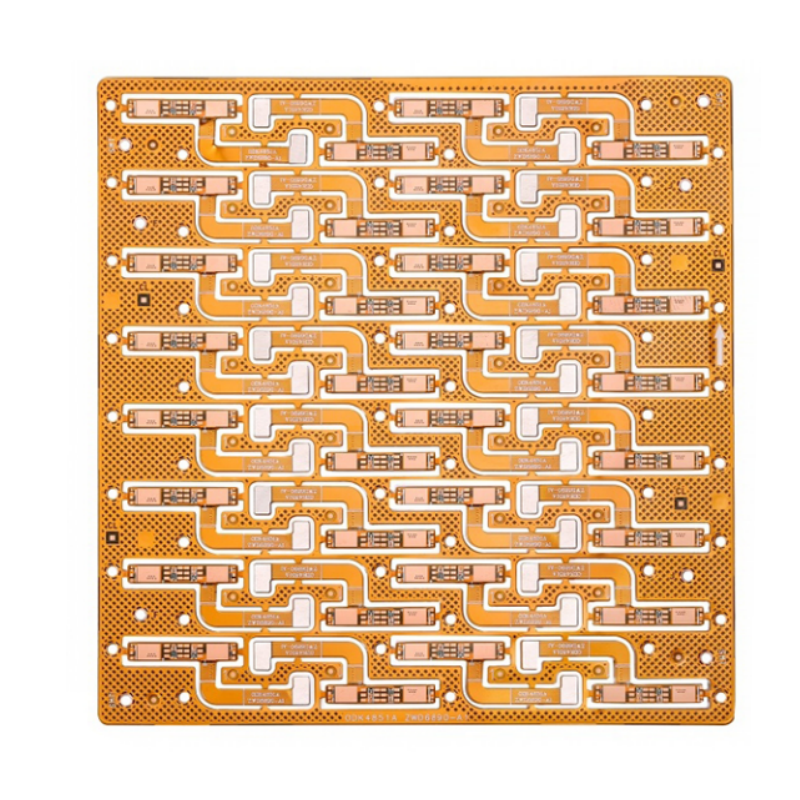
Featured Touch & Embedded Hardware Portfolio
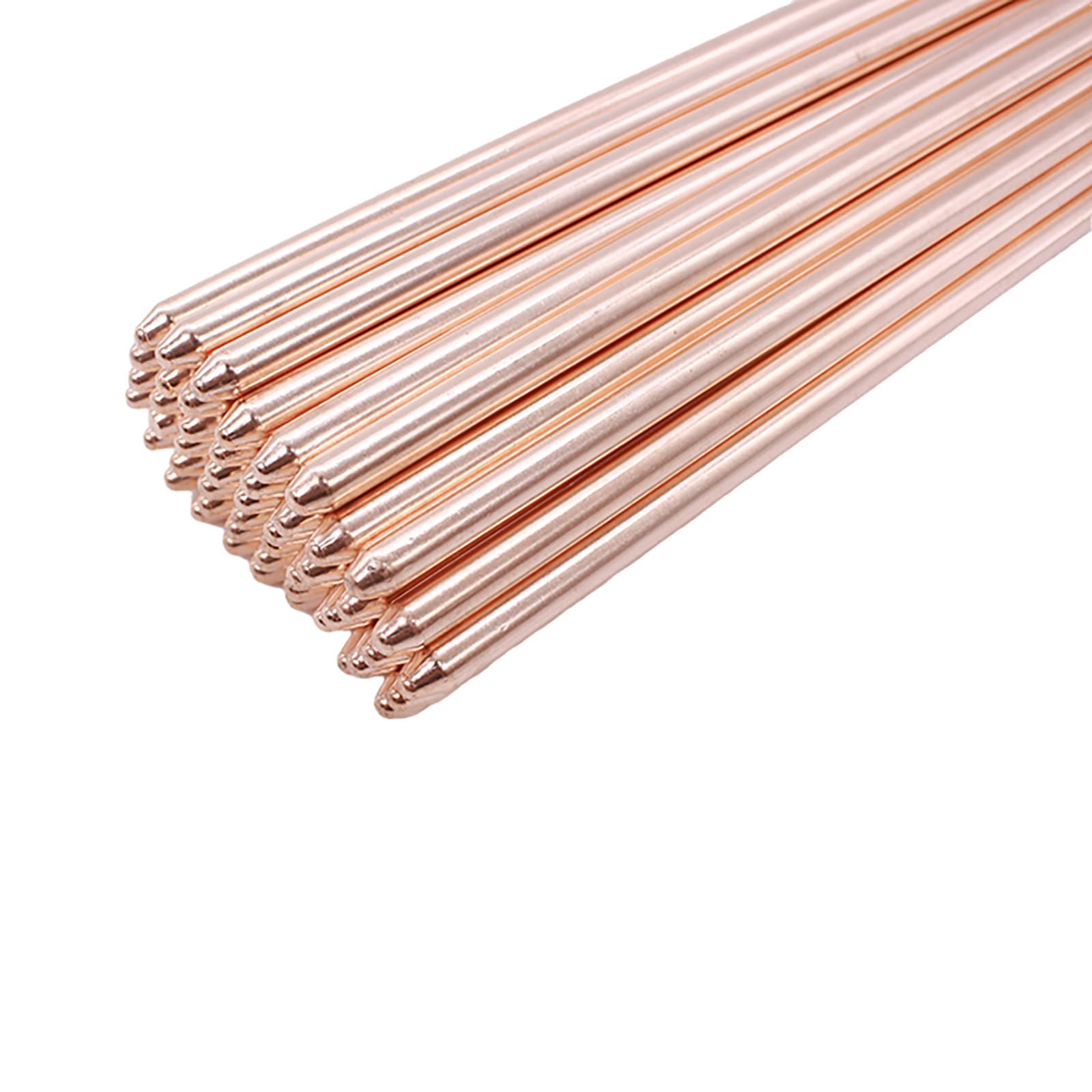
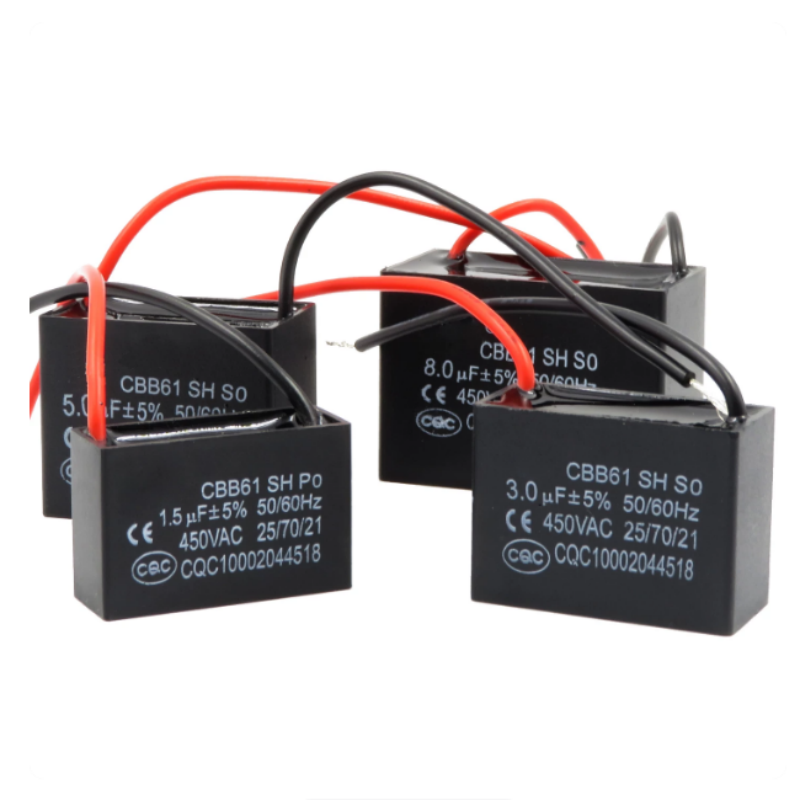
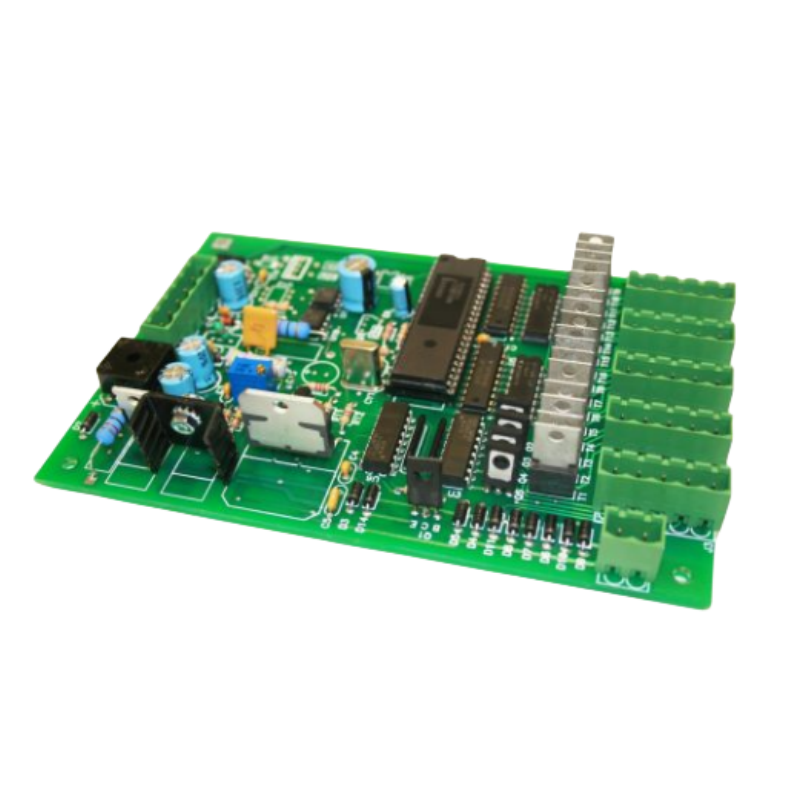
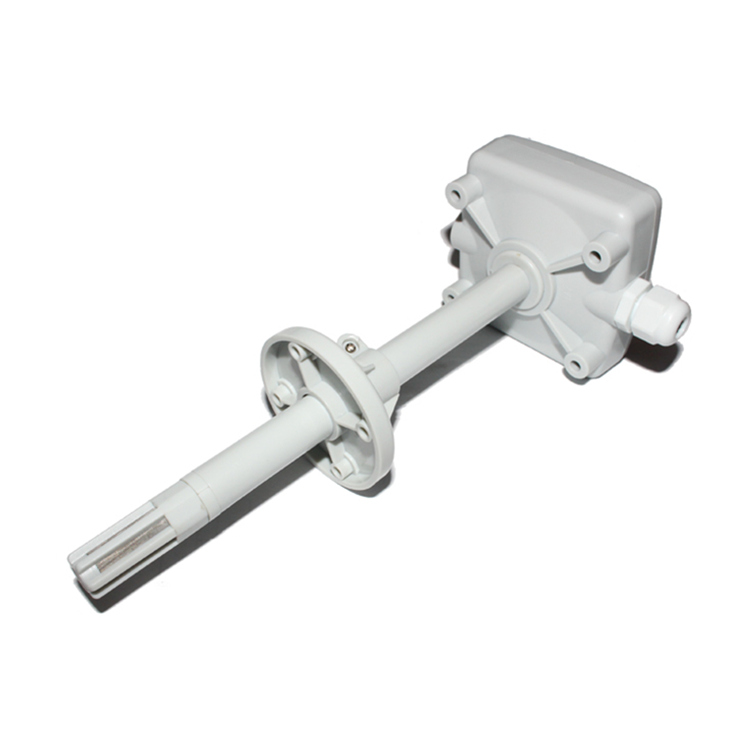
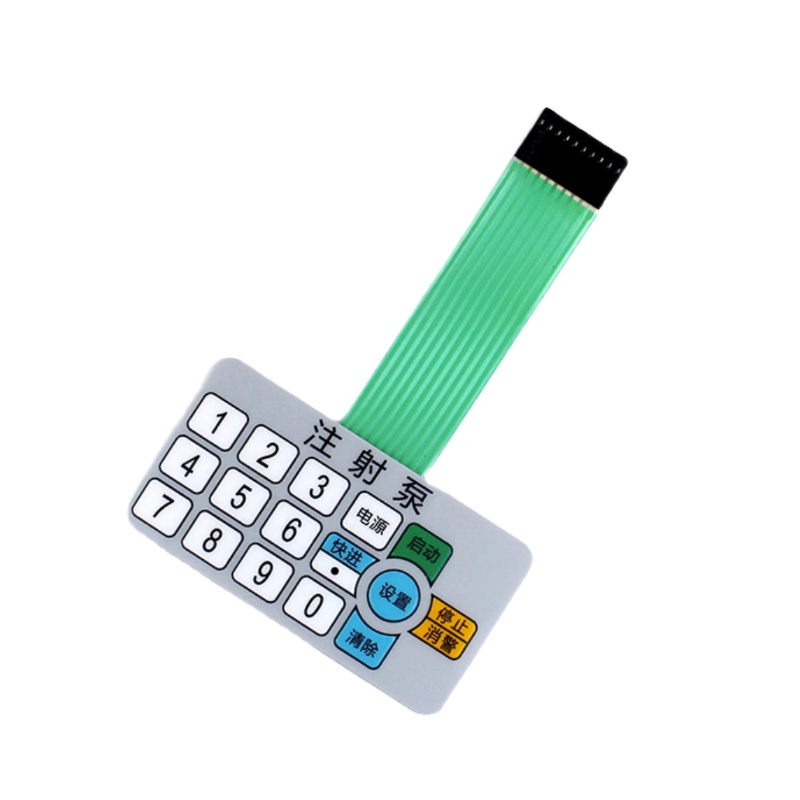
Explore our integrated manufacturing capabilities spanning flexible printed circuit assemblies (PCBA), thermal mitigation components, intelligent sensor housings, and durable user-interface membrane systems.
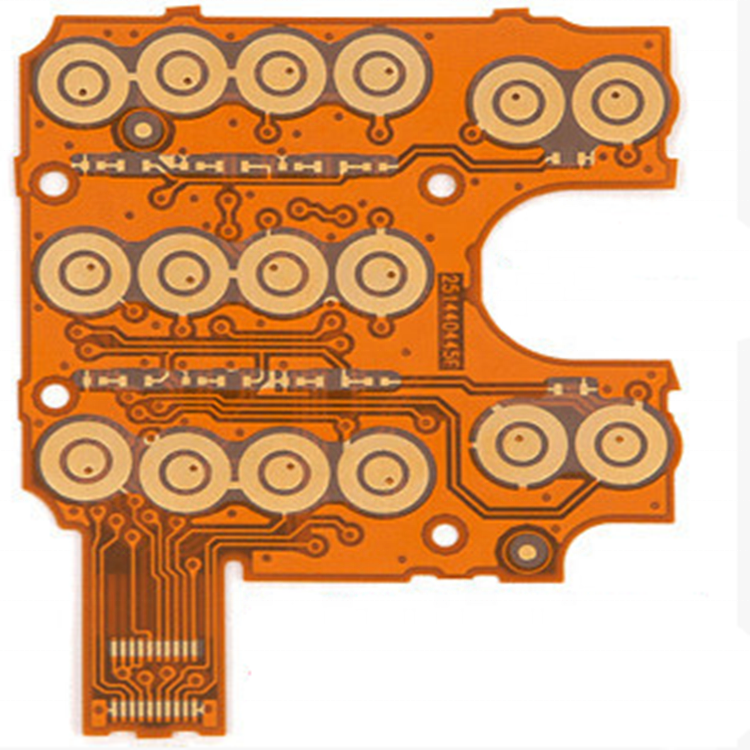
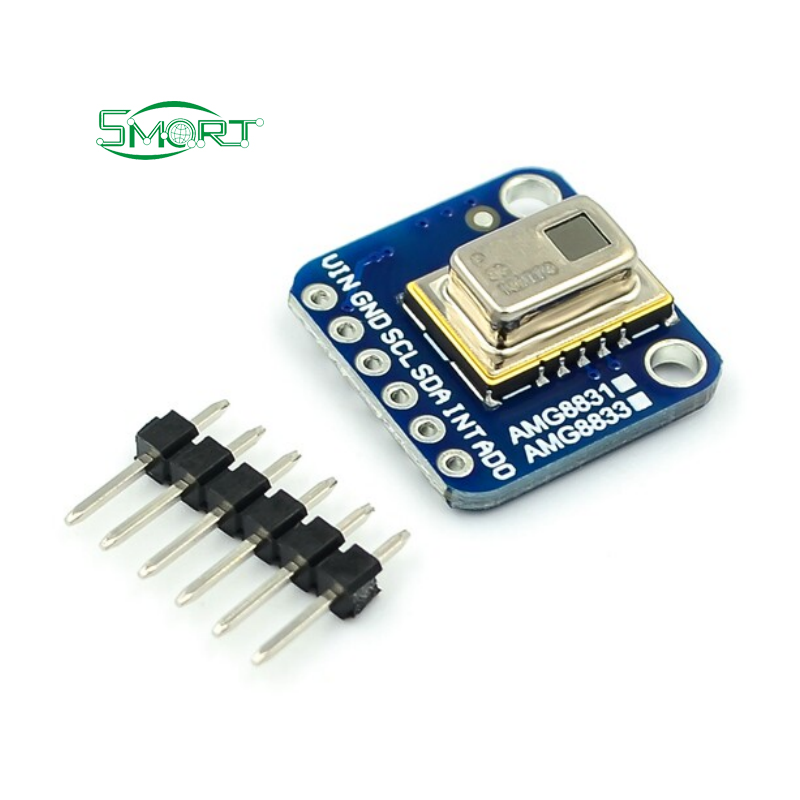
Touch Sensor Switch Architectures & Selection Criteria
When evaluating touch sensor switch manufacturers, hardware designers must weigh dielectric permittivity, EMI susceptibility, environmental exposure, and mechanical durability. Our engineering department synthesizes three foundational sensor switch topologies to match rigorous OEM operational envelopes.
Capacitive Touch Matrices
Operating via mutual or self-capacitance sensing, these solid-state panels measure electrostatic field fluctuations when a conductive object (such as a bare or gloved finger) alters dielectric field lines. Engineered on copper-clad FR-4, polyimide FPC, or conductive ITO/PEDOT films, they eliminate mechanical fatigue, achieving over 10 million touch cycles without mechanical wear.
Zero Mechanical Wear · IP67+ Sealed
Resistive & Membrane Hybrids
Combining screen-printed conductive silver-carbon traces with elastomeric or metal-dome contact springs, these assemblies deliver positive haptic tactile feedback (250g to 450g actuation force). They provide fail-safe operational fidelity in heavy industrial settings where operators wear thick leather gloves or where electromagnetic interference (EMI) makes high-gain capacitive sensing challenging.
Tactile Snap · High EMI Immunity
Piezoelectric & Solid-Metal
Milled from monolithic anodized aluminum or stainless steel panels, piezoelectric sensor switches convert micro-deflection pressure pulses into voltage transients via polarized ceramic elements. Featuring zero moving parts and hermetic resin potting, they withstand harsh outdoor washdowns, extreme vandalism, explosive ATEX environments, and aggressive chemical sterilizations.
Hermetic IK10 · Chemical Proof
Engineering Matrix: Touch Switch Performance Benchmarks
Quantitative comparison of core physical and electrical parameters across high-volume OEM touch interface constructions.
| Evaluation Parameter | Capacitive FPC Sensor | Tactile Metal Dome Membrane | Solid Metal Piezoelectric | In-Mold Electronics (IME) |
|---|---|---|---|---|
| Operating Life Cycle | > 10,000,000 Touches | 1,000,000 – 3,000,000 Cycles | > 20,000,000 Cycles | > 5,000,000 Touches |
| Cover Material Thickness | 0.5 mm – 10 mm (Glass/PMMA) | 0.125 mm – 0.25 mm (PET/PC) | 1.5 mm – 3.0 mm (Al/Steel) | 1.0 mm – 3.5 mm (Resin) |
| Ingress Protection (IP Rating) | IP65 to IP68 (Front Sealed) | IP65 to IP67 (Gasketed) | IP68 / IP69K Hermetic | IP67 Integrated |
| Glove Actuation Support | Requires Dynamic Algorithmic Tuning | Native (Force Dependent) | Native (Force > 2.5N) | Configurable Sensitivity |
| Operating Temperature | -40°C to +85°C | -25°C to +70°C | -40°C to +125°C | -30°C to +85°C |
| EMI/RFI Shielding | Silver Mesh / ITO / Ground Guard | Printed Carbon or Aluminum Foil | Inherent Metallic Faraday Cage | Conductive Printed Shield Layer |
Future Procurement Trends for Touch Sensor Switches
Strategic sourcing managers face a shifting regulatory and technological landscape. Navigating international electronics manufacturing requires understanding major material and supply-chain evolutions.
Turnkey Sourcing Aggregation
OEM procurement teams are shifting away from fragmented sub-assembly suppliers. Sourcing bare sensor films, PCB backer boards, SMT active controller chips, and graphic overlays from separate vendors introduces compounding yield loss. Modern programs favor turnkey contract manufacturers capable of handling bare fabrication, SMD pick-and-place, and final potting under one roof.
RoHS, REACH & Halogen-Free
Stricter European and North American chemical compliance directives mandate verifiable supply chain documentation. Sourcing touch sensor switches now requires full declarations on flame-retardant chemistries (UL 94V-0), non-halogenated adhesives, phthalate-free graphic overlay substrates, and lead-free soldering alloy stability (SAC305 reflow profiles).
Component Lifecycle & Second-Sourcing
Capacitive sensing controller ICs (Microchip, Cypress/Infineon, Azoteq, or Nordic) frequently encounter lead-time fluctuations. Leading manufacturers perform proactive Bill-of-Materials (BOM) scrubbing during initial Design-for-Manufacturing (DFM) reviews to establish pin-compatible or firmware-adaptable alternate microcontrollers, mitigating sudden factory line-down risks.
Total Landed Cost vs. Piece-Part Price
Forward-thinking procurement evaluates full landed cost rather than nominal unit pricing. This accounts for prototype tooling charges, automated optical inspection (AOI) test coverage, custom functional testing (FCT) jigs, custom blister ESD packaging, ocean/air logistics handling, and low-scrap assembly yield assurances secured through verified factory warranties.
Technological & Manufacturing Development Trends
The frontier of Human-Machine Interface (HMI) engineering is progressing beyond planar buttons. Modern touch sensor switch manufacturing integrates deep mechanical molding, high-speed digital communications, and advanced material science.
In-Mold Electronics (IME) 3D Integration
In-Mold Electronics combines functional screen printing with high-pressure thermoforming and injection molding. By printing conductive silver traces, capacitive sensor pads, and SMD LEDs directly onto a polycarbonate film before forming it into a 3D contoured surface, manufacturers eliminate internal brackets, screws, and secondary PCB carriers. This slashes final assembly weight by up to 70% and reduces profile depth to mere millimeters.
Seamless 3D Topography · Weight Reduction
Micro-Haptics & Localized Feedback
A common limitation of planar capacitive switches is the lack of physical tactility. Next-generation touch controls incorporate low-profile Piezoelectric Haptic Actuators or Linear Resonant Actuators (LRAs) driven by dedicated haptic controller ICs. When a touch threshold is crossed, the panel generates sub-millisecond tactile pulses that emulate mechanical switch clicks, confirming user input while maintaining a completely smooth, liquid-impermeable front surface.
Zero-Leakage Surface · Tactile Confirmation
Water-Immunity & Adaptive Tracking
Uncontrolled conductive water film accumulation often triggers false touches on standard capacitive arrays. Modern touch microcontrollers integrate advanced firmware algorithms that combine differential mutual capacitance sensing with driven shield planes. This dynamic baseline tracking monitors environmental temperature drifts, airborne humidity shifts, and standing moisture, ensuring accurate actuation even under saline washdown conditions.
False-Trigger Rejection · Driven Shields
Shenzhen VUKO Electronics Co., Ltd. Advantage
Operating in Shenzhen's Bao'an and Longgang manufacturing clusters, Shenzhen VUKO Electronics Co., Ltd. provides global B2B clients with comprehensive printed circuit manufacturing, component sourcing, and membrane keypad integration. We eliminate supply chain middlemen, ensuring full technical accountability from Gerber layout to packaged product.
Capability 01
Turnkey SMT & FPC Bonding
High-speed surface-mount technology lines handling 0201 passives, micro-BGAs, capacitive sensor ICs, and ultra-fine pitch flexible printed circuit tails (FFC/FPC) with hot-bar soldering or anisotropic conductive film (ACF) bonding.
Capability 02
BOM Component Sourcing
Direct supply agreements with authorized global distributors ensure genuine microcontrollers, sensors, passives, and discrete semiconductors. We identify end-of-life (EOL) risks early and suggest qualified drop-in replacements.
Capability 03
Rigorous In-House QA
Every production batch undergoes automated optical inspection (AOI), flying probe electrical continuity verification, dielectric breakdown voltage stress tests, and environmental thermal cycling between -40°C and +85°C.
Capability 04
Protected Transactions
Full support for Trade Assurance payment programs, standard ISO 9001 quality management procedures, UL 94V-0 certified flame retardant materials, and RoHS/REACH compliance documentation for every delivered shipment.
B2B Procurement & Technical Engineering FAQ
Detailed technical guidance addressing the common challenges procurement specialists and lead system architects encounter when specifying custom touch sensor switches.
How do you prevent false triggering caused by surface moisture or spray in capacitive switches?
Liquid immersion and water droplets create parasitic capacitive coupling that can mimic a human finger touch. Our engineering team counters this through a two-fold design approach:
1. Hardware Shielding: We lay down a driven guard or shield electrode around each sensing pad on the flexible printed circuit. Driven guards maintain the same electrical potential as the sensing pad, neutralizing the electric field across the water droplet and preventing current from flowing through the liquid.
2. Firmware Algorithms: We program sensing ICs to monitor both mutual capacitance (which decreases during a valid touch) and self-capacitance (which increases). In contrast, water droplets generally increase capacitance on both metrics across multiple pads simultaneously. This clear signature allows our firmware to reject false activations and maintain normal touch detection even when wet.
What design files and specifications are required to receive an accurate OEM quotation?
To provide a comprehensive Design-for-Manufacturing (DFM) review and accurate piece-part pricing within 24 hours, our engineering office requires:
• Circuit Files: Gerber RS-274X or ODB++ files defining trace routing, layer stackups, drill holes, and stiffener outlines.
• Bill of Materials (BOM): Standardized spreadsheet detailing reference designators, manufacturer part numbers (MPNs), preferred component footprints, and acceptable alternates.
• Graphic Artwork: 1:1 vector files (Adobe Illustrator .AI, PDF, or DXF) with Pantone/RAL color codes, key embossing heights, and display window dimensions.
• Environmental Specifications: Intended operating temperature range, outdoor UV exposure requirements, target IP rating, and chemical resistance parameters (e.g., medical disinfectants, oils).
What are the mechanical and electrical trade-offs between PET silver ink printing and Copper FPC circuits?
While screen-printed conductive silver paste on polyester (PET) film offers low upfront tooling costs for basic, high-volume membrane switches, it presents several key technical constraints:
• Silver Migration: Under conditions of high humidity combined with continuous DC voltage bias, silver particles can migrate across dielectric barriers, forming dendritic shorts. Copper circuits etched on polyimide (PI) FPC are completely immune to silver migration.
• Component Assembly: Standard reflow soldering temperatures (240°C–260°C) melt PET films (melting point ~150°C), requiring specialized, lower-conductivity conductive epoxy pastes for SMD LEDs. Polyimide FPCs easily withstand lead-free reflow, allowing standard SMT assembly of complex controller ICs, dense connectors, and LEDs.
• Trace Resistance: Copper traces offer electrical sheet resistance under 0.5 mΩ/sq, compared to 10–50 mΩ/sq for printed silver ink, making copper ideal for high-speed I2C/SPI touch sensor routing.
How thick can non-conductive overlay materials be before capacitive touch response degrades?
Overlay thickness limits depend on the dielectric constant (εr) of the chosen cover material, the surface area of the sensing pad, and the signal-to-noise ratio (SNR) of the controller IC:
• Standard Chemically Strengthened Glass (εr ≈ 7.0): Accommodates cover thicknesses up to 8 mm to 10 mm while maintaining responsive touch tracking.
• Polycarbonate (PC) & Acrylic (PMMA) (εr ≈ 2.8 – 3.2): Effective thickness generally tops out at 3 mm to 5 mm for standard pad geometries.
• Air Gaps: Air has a dielectric constant of 1.0. Even a tiny 0.1 mm unbonded air gap between the sensor pad and the overlay substantially weakens the capacitive field. We prevent this by laminating the FPC to the cover plate using optically clear adhesives (OCA) under vacuum chamber conditions.
What strategies are used to protect touch sensor switches from high ESD discharges?
Touch sensor switches frequently serve as the primary external touch point on equipment, exposing internal circuitry to electrostatic discharges (up to ±8kV contact / ±15kV air discharge per IEC 61000-4-2). We employ three protective measures:
1. Physical Dielectric Isolation: Maintaining a continuous, unpunctured front overlay extending at least 5 mm beyond the underlying circuit edges prevents air sparks from jumping directly to sensor traces.
2. Perimeter Ground Shielding: A dedicated ground ring runs around the periphery of the sensor array to intercept and safely divert lateral arc discharges to the system chassis ground.
3. Board-Level TVS Diodes: We place ultra-low-capacitance (< 0.5 pF) transient voltage suppression (TVS) diode arrays on every active sensing line near the microcontroller to clamp transient voltage spikes without attenuating delicate capacitive signals.
What is the typical prototype lead time and minimum order quantity (MOQ)?
Unlike large conglomerate suppliers that demand thousands of units per run, Shenzhen VUKO Electronics Co., Ltd. supports agile product launches:
• Prototypes & Pilot Builds: MOQ begins at just 5 pieces for custom FPC and membrane switch prototypes. Standard turnarounds range from 7 to 12 working days following complete engineering file approvals.
• Mass Production Scalability: Typical lead times for volume manufacturing (1,000 to 100,000+ units) run between 3 to 4 weeks, with dedicated buffer stocking agreements available for recurring scheduled orders.
Accelerate Your Custom Touch Sensor Project
Consult with our senior application engineers today. Send your Gerber files, mechanical envelopes, or functional block diagrams for a detailed DFM review, stackup recommendation, and firm quotation within 24 hours.