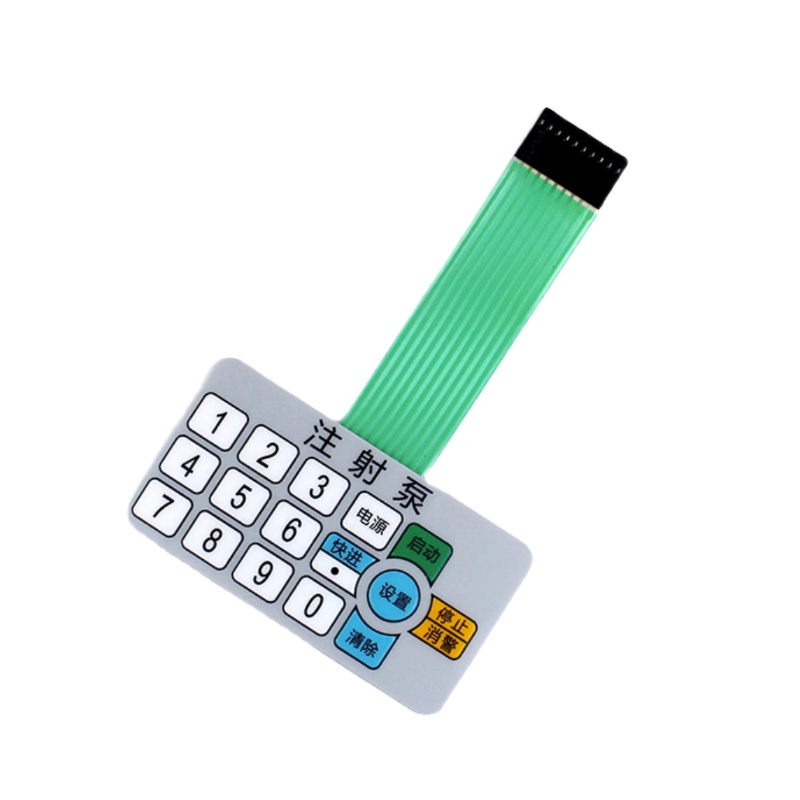
Custom LED Membrane Switch, Tactile Push Button Keypad
Waterproof control panel overlay designed for medical instrumentation and commercial appliances. Integrated surface LEDs with tactile snap-dome action.
Explore our core OEM/ODM human-machine interfaces, specialized sensor housings, and advanced carrier boards engineered for industrial, medical, and appliance deployments.
Waterproof control panel overlay designed for medical instrumentation and commercial appliances. Integrated surface LEDs with tactile snap-dome action.
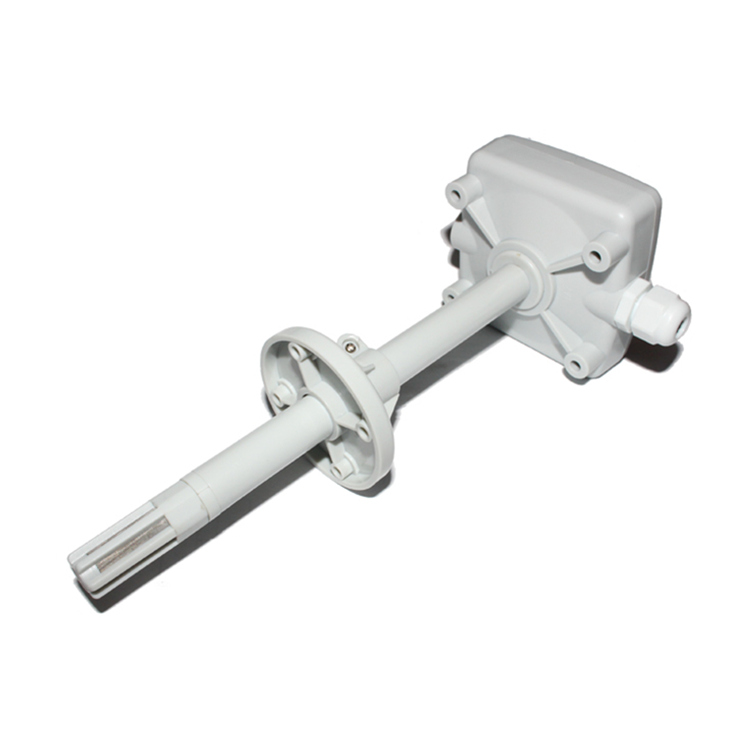
Standard accuracy enclosure for HVAC duct installations, building automation, and environmental sensing assemblies requiring anti-condensation pathways.
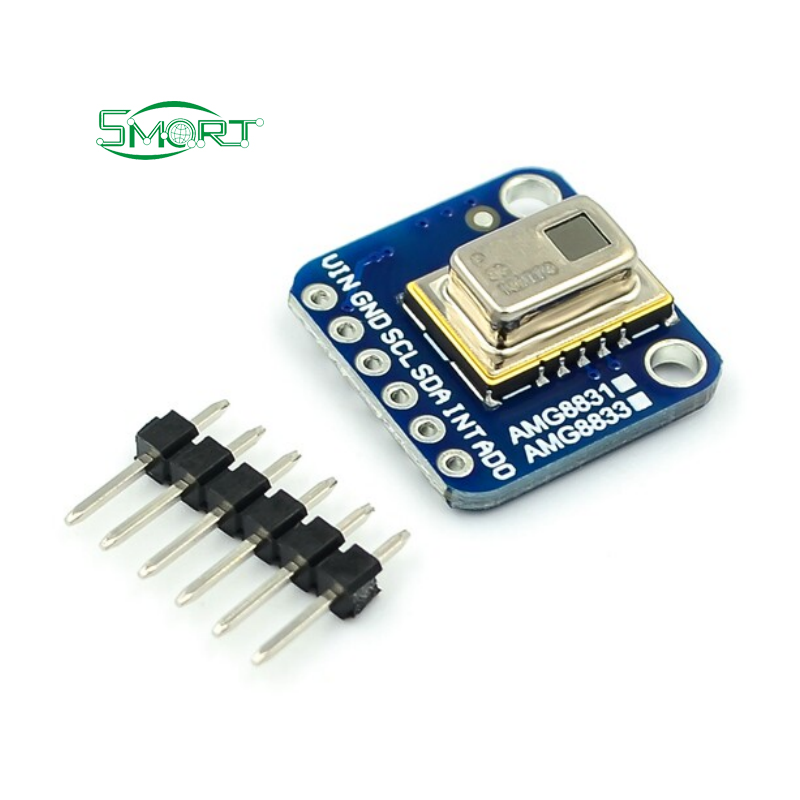
Thermopile array temperature measurement module tailored for non-contact thermal detection, occupancy tracking, and machine health telemetry.
Resistant to harsh chemicals, steam, and abrasive detergents. Ideal for commercial food service, laboratory instrumentation, and smart home appliances.
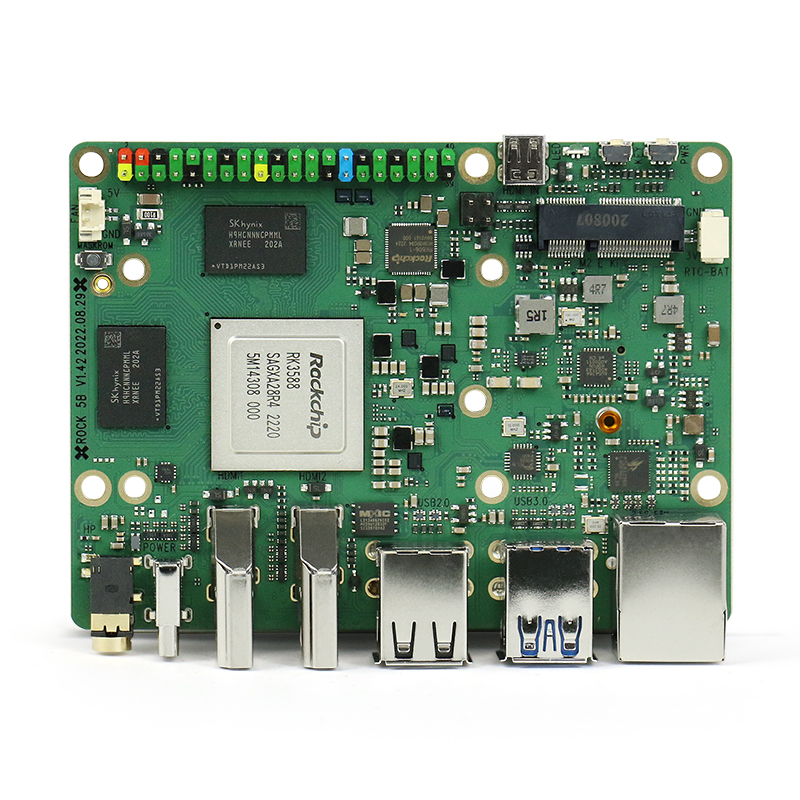
64-bit Octa-Core edge computational engine featuring 8K video output, 6 TOPS NPU, WiFi 6E, and multiple MIPI CSI/DSI channels for high-end interactive touch consoles.

0.5oz to 3oz finished copper with dielectric conductivity up to 3.0 W/m·K. Built to disperse critical heat loads in concentrated luminaire arrays and controllers.
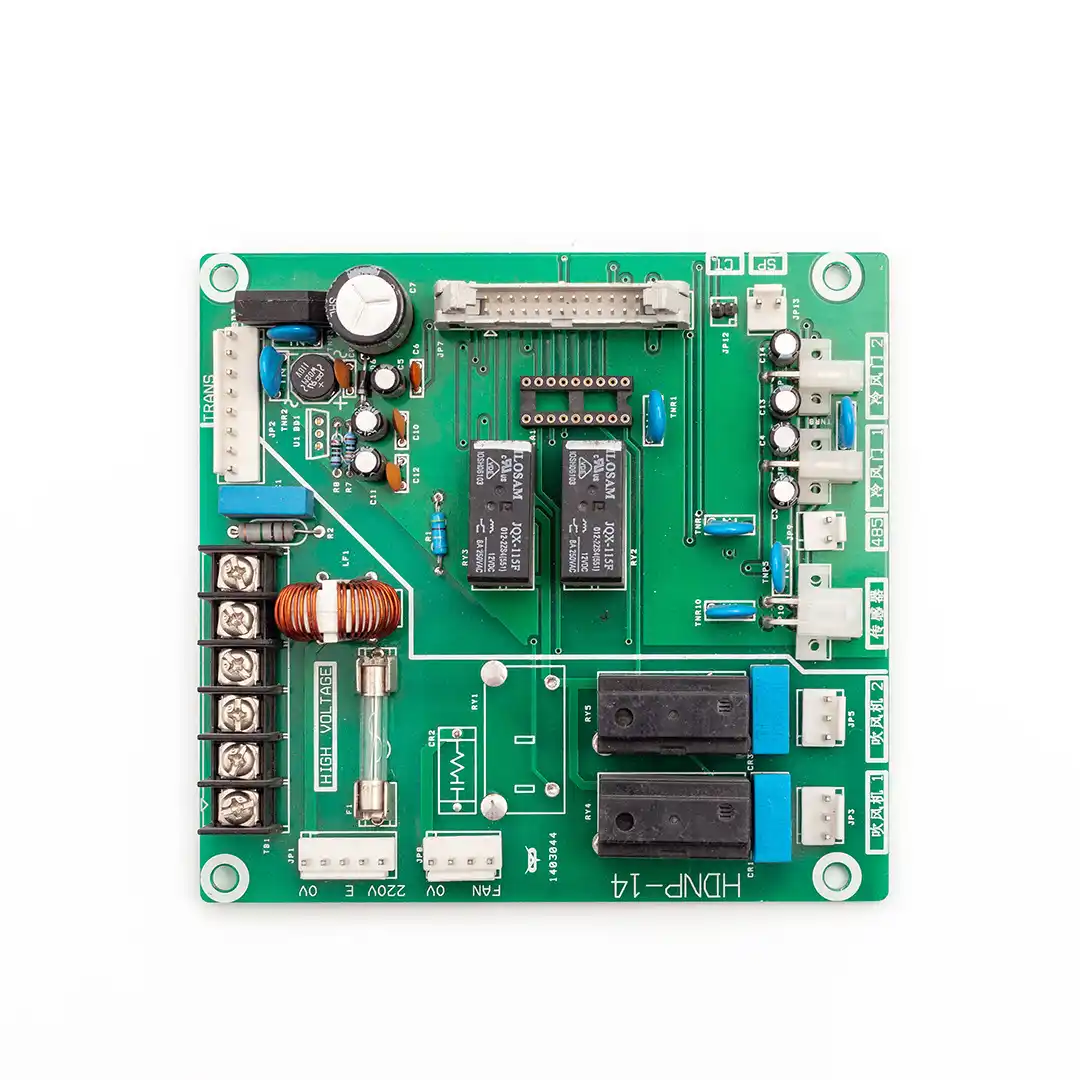
End-to-end SMT + DIP line integration directly from Gerber & BOM. Includes active part verification, automated optical inspection, and flying-probe e-testing.
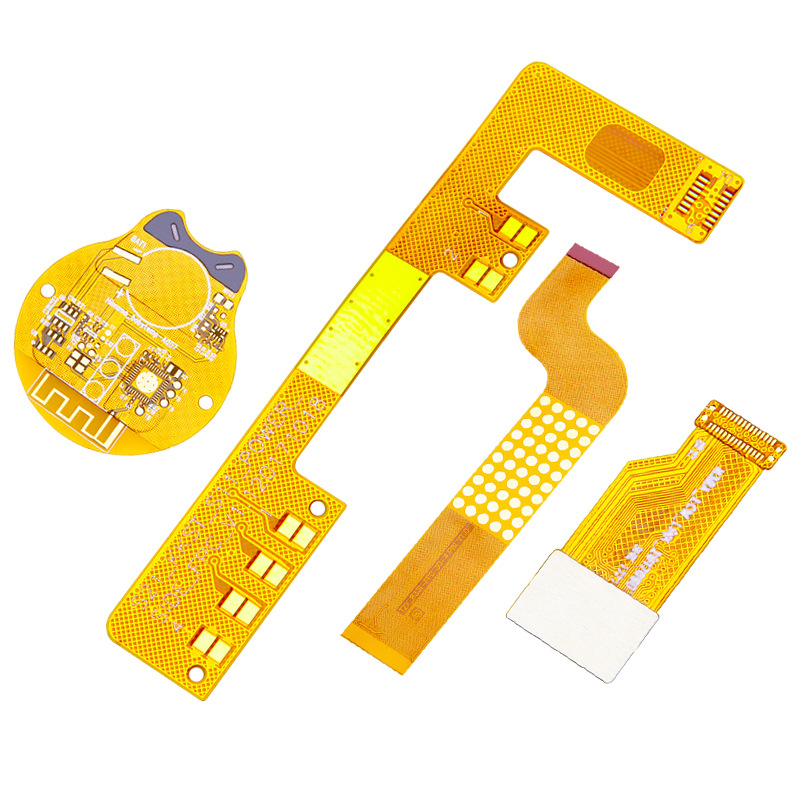
Polyimide (PI) substrate flexible circuits rated for thermal cycling, tight dynamic bending radiuses, and compact display-to-motherboard interconnection routing.
A rigorous review of capacitive (PCAP), resistive, and membrane switch technologies for mission-critical industrial, medical, and appliance human-machine interfaces.
In modern industrial machinery, medical monitors, and smart connected consumer appliances, the touch control panel has transitioned from a superficial decorative keypad into a highly unified electro-mechanical subsystem. Today's industrial control interfaces integrate surface touch sensing, embedded MCU-driven logic, capacitive proximity detection, and dynamic LED feedback into a single, tightly packaged laminate structure. Selecting an OEM/ODM manufacturing partner requires a deep technical comprehension of substrate behavior under environmental stress, electromagnetic compatibility (EMC) design rules, optical bonding methods, and long-term supply chain reliability.
| Evaluation Parameter | Projected Capacitive (PCAP) | Analog Resistive (4/5-Wire) | Tactile Membrane Switch |
|---|---|---|---|
| Operating Mechanism | Capacitance delta via ITO/Metal-mesh grid | Mechanical contact of flexible PET on glass | Collapsing metal snap dome on silver/FPC circuit |
| Glove & Water Operability | High (requires custom FW tuning) | Exceptional (pressure-driven actuation) | Exceptional (unaffected by liquid film) |
| Surface Hardness & Impact | 7H to 9H (Tempered Cover Glass) | 2H to 3H (Polycarbonate/PET surface) | 3H (Textured Autotex/PET Overlay) |
| Actuation Lifespan | > 50 Million touch events | ~ 1 to 5 Million actuations per point | > 1 to 3 Million mechanical cycles |
| Chemical & Steam Seal | Total hermetic optical adhesive bond | Gasket edge sealed (susceptible to permeation) | IP65 to IP67 perimeter acrylic adhesive barrier |
| Tooling & NRE Overhead | Moderate to High (Sensor masks & Glass dies) | Low (Standard mechanical dies) | Extremely Low (Digital/Silk screen tooling) |
Variable frequency drives and switching power units introduce extreme conducted and radiated RF noise. Modern PCAP controllers utilize multi-frequency hopping and differential signal processing to prevent false triggers, validated under IEC 61000-4-3 and IEC 61000-4-6 testing protocols.
Eliminating the internal air gap between cover glass, touch sensor, and LCD eliminates internal reflections. Using refractive-index matched optically clear adhesives (LOCA or OCA) preserves contrast ratios in direct outdoor sunlight while maximizing structural shock absorption.
Medical disinfection agents and industrial cutting oils degrade standard adhesives. OEM panel construction demands closed-cell acrylic foams, die-cut 3M 467MP/300LSE transfer adhesives, and anti-glare, anti-microbial textured polyester graphic overlays.
How global procurement directors and hardware engineering leads are mitigating component volatility, accelerating prototyping cycles, and ensuring regulatory resilience.
Leading enterprises are retiring fragmented supply chains where touch overlays, flex tails, and mainboard assemblies were sourced from separate suppliers. Full-stack consolidation reduces dimensional tolerance stacking, streamlines BOM management, and lowers incoming inspection expenses.
Due to sudden component deprecations, turnkey manufacturers now run automated BOM health scans during initial file evaluation. Identifying active lifecycle equivalents for legacy touch controller ICs, LED indicators, and passives prevents multi-month redesign holdups.
Global environmental mandates—including strict RoHS recast, REACH SVHC limits, and halogen-free substrate demands—now govern panel adhesives and solder fluxes. Sourcing teams prioritize factories with documented batch-level trace analysis and verified material declarations.
Hardware iteration speed defines market leadership. Factory lines optimized for low prototype MOQs (starting at 5 pieces) permit physical validation of tactile force, backlighting luminance, and housing fit before committing capital to mass-production steel tooling.
The convergence of embedded computing, localized haptic feedback, and printed functional electronics is redefining control panel capabilities.
Flat glass capacitive surfaces lack the tactile confirmation demanded in high-stress surgical theaters or machinery operation. Integrating solid-state ceramic piezo actuators provides localized, millisecond haptic pulses that confirm keystrokes without compromising hermetic surface seals.
Control panels are migrating from dumb input terminals to self-contained computing units. Coupling high-performance multi-core SBC architectures (such as the Rock 5 RK3588) directly behind touch stacks enables onboard computer vision, local voice parsing, and predictive maintenance algorithms.
By screen-printing conductive capacitive traces and surface-mounting subminiature LEDs directly onto planar films before thermoforming and injection molding, three-dimensional control surfaces emerge as a single, lightweight structural part devoid of internal wiring harness bulk.
Located in the heart of Shenzhen's elite electronics corridor, we merge multi-disciplinary PCB fabrication, turnkey SMT lines, and cleanroom HMI assembly under one rigorous quality ceiling.
Direct proximity to Huaqiangbei components and local raw substrate laminators grants our purchasing division unparalleled turnaround on hard-to-find components and rapid tool delivery.
Our dedicated engineering department checks all Gerber, drill, overlay art, and centroid files within 24 hours, actively spotting clearance, impedance, and solder mask anomalies before production begins.
Every bare panel, flex substrate, and populated PCBA undergoes automated optical inspection (AOI), 100% electrical continuity and isolation testing, and full functional actuation audits.
We empower innovative engineering startups and enterprise pilot programs by supporting custom fabrication starting from just 5 pieces, transitioning smoothly to multi-hundred-thousand-piece runs.
Clear, direct engineering answers addressing file preparation, testing regimens, environmental resilience, and payment security.
Submit your Gerber designs, mechanical housing files, and target BOM directly to our senior engineering review desk. Receive an exhaustive DFM analysis, component availability forecast, and formal manufacturing quotation within 24 hours.