14+
Years International OEM Supply
≤24h
Engineering DFM Review Turnaround
5 Pcs
Ultra-Low Prototyping MOQ
100%
AOI & Flying Probe Pre-Test
Direct Factory Inventory & Custom Prototyping
Engineered Capacitive Touch, FPC & PCBA Deployments
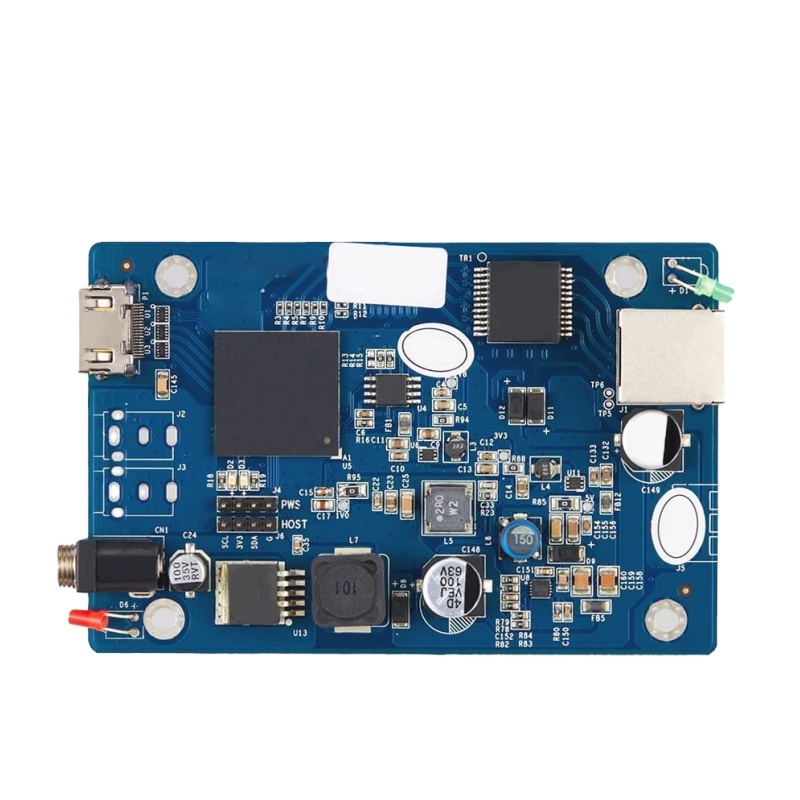
From etched copper-clad PI substrates and printed conductive silver traces to turnkey integrated surface-mount driver assemblies, explore our turnkey manufacturing capabilities.
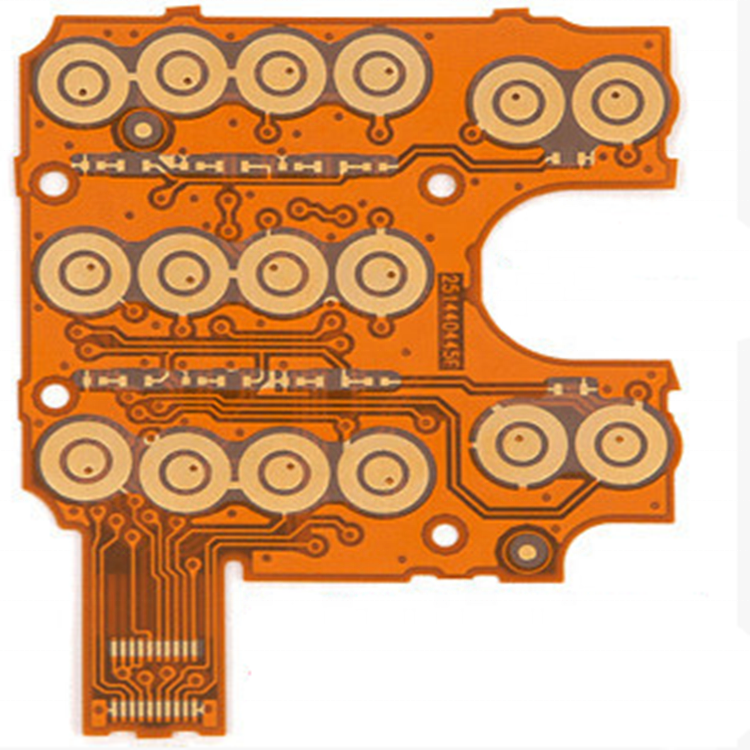
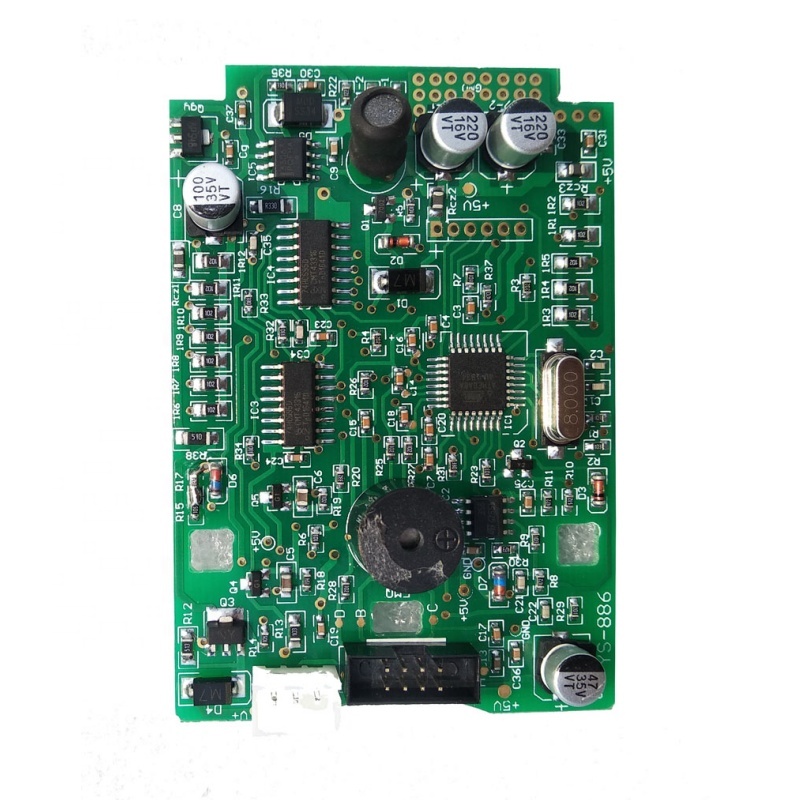
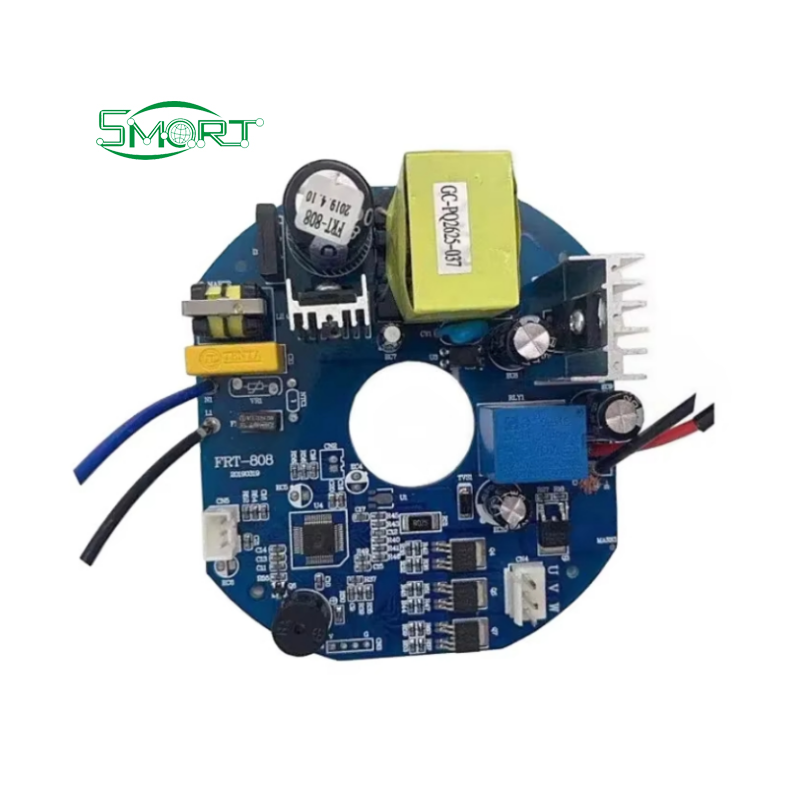
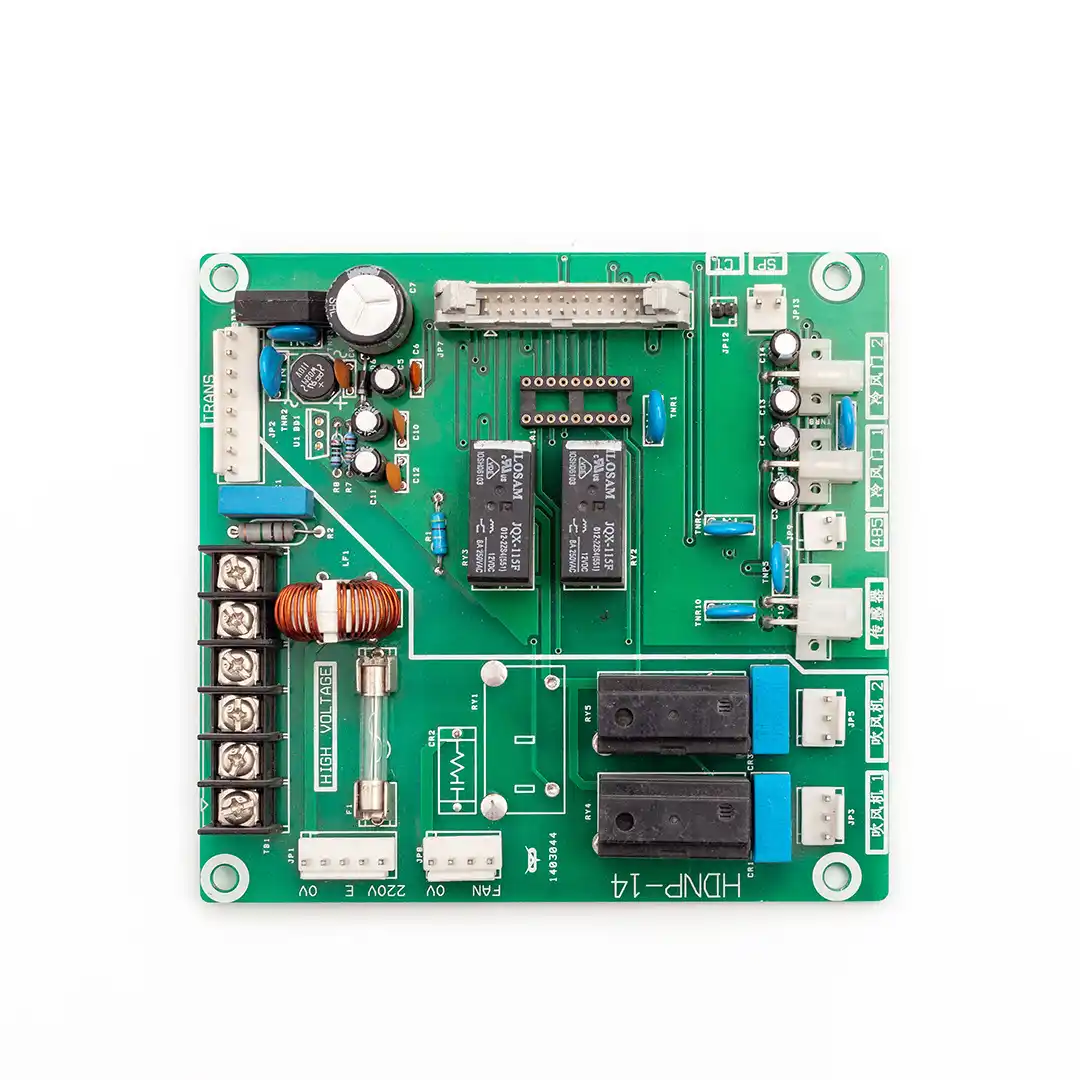
State of the Art: The Global Capacitive Touch Sensing Ecosystem
Capacitive touch sensing has evolved well beyond standard projected capacitive (PCAP) glass interfaces into highly integrated, three-dimensional physical surfaces. Modern hardware engineering demands that touch control interfaces eliminate mechanical wear, provide IP67 or IP68 ingress sealing against moisture and aggressive detergents, and maintain high signal-to-noise ratios (SNR) through heavy dielectric front panels such as chemically strengthened glass, polycarbonates, acrylics, and structural polymers.
When evaluating the world's Top 10 Capacitive Touch Sensor Manufacturers & Suppliers, hardware system architects must distinguish between high-volume semiconductor IC fabricators (e.g., Microchip, Texas Instruments, Cypress/Infineon, Azoteq) and end-to-end custom physical transducer and PCBA manufacturers like Shenzhen VUKO Electronics Co., Ltd. The sensor's real-world operational integrity is governed entirely by the physical dielectric stack-up, parasitic capacitance management on Flexible Printed Circuits (FPC), silver migration barrier reliability, and precise SMT placement of high-resolution analog front-end (AFE) controllers.
| Evaluation Parameter | Self-Capacitance Sensing | Mutual Capacitance Matrix | VUKO Hybrid Flex-Sensor Engineering |
|---|---|---|---|
| Electrode Routing | Single continuous pin per electrode channel | Orthogonal intersecting Drive (Tx) & Sense (Rx) lines | Multi-layer shielded FPC / Silver ink printed PET matrix |
| Multi-Touch Capability | Single-touch & low-order slider detection | True multi-finger tracking (unlimited touch nodes) | Configurable up to 10 simultaneous touches with gesture control |
| Moisture / Water Immunity | Susceptible to ground drop caused by pooling water | High differentiation between water layer & finger coupling | Integrated active-shield trace driven at identical potential |
| Thick Dielectric Penetration | Strong fringe field; up to 15mm glass/acrylic | Confined localized field; optimized up to 6mm | Custom-tuned electrode geometry for thick overlay integration |
| Mechanical Conformance | Standard rigid FR4 or single-plane panels | Planar ITO glass or clear conductive films | Ultra-thin PI/PET substrates enabling complex 3D curved surfaces |
Upcoming Procurement & Engineering Trends in Capacitive Touch
Procurement engineers and hardware category managers face shifts in global electronics manufacturing. When sourcing capacitive touch switchboards, membrane keypads, and touch sensor controller PCBAs, the following market dynamics dictate vendor selection:
1. In-Mold Electronics (IME) & 3D Contouring
The industry is transitioning from rigid flat touch interfaces toward printed capacitive circuits thermoformed directly into functional structural plastics, slashing assembly time and weight.
2. Integrated Force Sensing (Capacitive + Piezo)
To eliminate accidental triggering from fluids or vibrations, systems combine standard capacitive proximity sensing with active haptic and tactile force actuation layers.
3. Turnkey Multi-Tier BOM Consolidation
Supply chain security requires consolidating bare board fabrication, flexible printed circuits, component sourcing, and SMT assembly under a single Tier-1 or audited OEM factory umbrella.
4. Extreme EMI/EMC Harsh Environment Tolerance
With industrial automation and medical motor drives generating massive high-frequency common-mode noise, capacitive sensors now require on-board DSP filtering and shielded layer stack-ups.
5. Low-Power Proximity Wake-Up Architectures
Battery-powered IoT nodes demand microamp-level current consumption in idle, polling capacitive fields at 10-50Hz until human presence triggers a sub-millisecond full-system wake sequence.
6. Polyimide vs. PET Cost-Performance Bifurcation
While PET with printed conductive silver remains the cost-effective choice for consumer membrane switches, Polyimide (PI) copper-etched FPC dominates automotive and medical reliability tiers.
Evaluating the Top 10 Capacitive Touch Suppliers: OEM Selection Framework
A complete capacitive touch solution requires harmony between raw IC silicon performance and the downstream physical transducer engineering. When benchmarking suppliers, enterprise procurement teams classify vendors across three distinct tiers:
Tier 1: Controller IC Fabricators
Global semiconductor titans focusing on mixed-signal microcontrollers and touch AFEs. They deliver reference firmware and IC silicon, leaving physical overlay lamination, PCB assembly, and harness fabrication to external EMS partners.
Tier 2: Glass Sensor Laminators
Specialized optical glass bonders serving smartphone, tablet, and POS terminal displays. They excel in high-transparency Indium Tin Oxide (ITO) sputtering on glass, but lack agile support for custom form-factor industrial switch panels.
Tier 3: Turnkey HMI & EMS Pioneers
Integrated manufacturing powerhouses such as VUKO Electronics. They bridge the gap by producing bare FR4/MCPCB/FPC boards, sourcing active BOM components, printing custom capacitive overlays, and running SMT/DIP lines in-house.
For custom industrial controllers, medical appliances, smart consumer consoles, and automotive switches, Tier 3 turnkey manufacturers offer superior agility, zero IP communication friction, rapid DFM corrections, and lower Total Cost of Ownership (TCO).
Manufacturing Excellence
Why Global Hardware Leaders Partner with VUKO Electronics
Located in the epicenter of the Shenzhen supply chain, Shenzhen VUKO Electronics Co., Ltd. delivers one-stop electronics manufacturing services (EMS) optimized for high reliability, fast prototyping, and complex HMI integration.
Verified Supplier
Audited onsite by Alibaba.com with trade assurance protection guarantee on every purchase order.
Engineering DFM Check
Pre-production verification covering trace/space, pad geometry, impedance calculation, and component clearance within 24 hours.
One-Stop Supply Chain
End-to-end integration: Bare PCB, flexible circuits (FPC), metal-core aluminum boards, graphic overlays, and full BOM kitting.
Zero Defect Inspection
100% Electrical Flying Probe Testing, Automated Optical Inspection (AOI), SPI solder paste inspection, and functional verification fixtures.
Technical Q&A
Frequently Asked Questions for Touch Sensor & PCBA Sourcing
Key technical and contractual questions answered to de-risk your upcoming custom HMI procurement.
What engineering files are necessary to receive an accurate capacitive sensor and PCBA quote?
For bare capacitive PCB or FPC sensor substrates, provide industry-standard RS-274X Gerber files and drill charts specifying copper weight, dielectric thickness, and surface finish (e.g., ENIG for gold-plated contact reliability). For complete turnkey PCBA builds, also submit a structured Bill of Materials (BOM) including original manufacturer part numbers (MPN), reference designators, and pick-and-place centroid coordinates. If you require custom graphic membrane overlays, supply vector artwork in CAD, Adobe Illustrator, or PDF formats indicating pantone colors and window transparencies.
How does VUKO mitigate false triggers from water droplets or moisture on capacitive touch panels?
Moisture immunity is established through a dual-prong approach: layout engineering and firmware calibration. In our physical FPC and PCB design, we implement dedicated "driven shield" electrode patterns surrounding sensitive sensing pads. This shield is maintained at the identical phase and voltage potential as the sensing electrode, canceling parasitic coupling between water pools and the ground reference plane. Combined with differential mutual capacitance scanning, droplets are ignored while high-dielectric human finger touches are reliably detected.
Can VUKO handle component shortages or obsolete ICs for our touch controller BOM?
Yes. Our turnkey component procurement division operates within the central Shenzhen electronic components exchange. We maintain established relationships with direct silicon manufacturers, franchised distributors, and vetted stockists. When a touch microcontroller or passive analog part enters long lead-time or end-of-life status, our hardware engineering team reviews pin-compatible alternatives, recommends active substitutions, and can perform PCBA cloning or circuit re-spins to keep your production schedule uninterrupted.
What is your minimum order quantity (MOQ) and rapid prototype turnaround schedule?
We support agile hardware development with prototype runs starting as low as 5 pieces for custom PCB, PCBA, FPC, and membrane keypad assemblies. Typical lead times range from 24-48 hours for engineering DFM feedback, 5-7 working days for prototype FPC/PCB manufacturing, and quick-turn SMT placement within 3-5 days after component arrival, scaling smoothly into mass volume orders through automated surface-mount lines.
How are overseas payments protected and product quality verified before export release?
All customer purchase orders can be processed via Alibaba.com Trade Assurance, providing end-to-end payment escrow and on-time shipment guarantees. Every production batch undergoes comprehensive quality screening: 100% electrical flying probe or bed-of-nails E-testing on bare flex and rigid boards, Automated Optical Inspection (AOI) on solder joints, X-ray inspection for bottom-terminated QFN/BGA packages, and custom functional testing using client-supplied test jigs or simulated MCU firmware routines.
Accelerate Your Capacitive Touch & HMI Project Today
Connect directly with our senior application engineers. Share your schematics, Gerber archives, or target functional requirements for a thorough DFM analysis and quotation within 24 hours.