Precision Hardware & Integrated HMI Modules
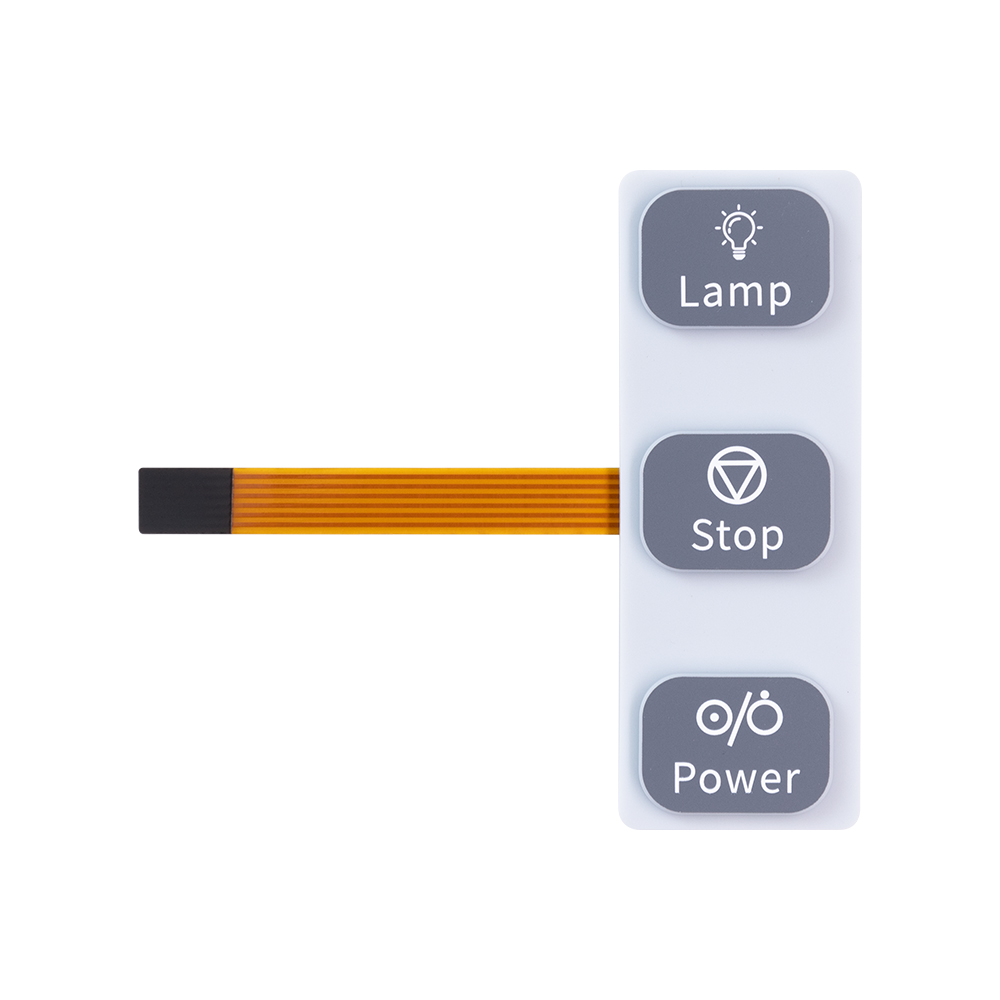
Seamlessly bridging graphic user overlays, low-resistance flexible printed circuits (FPC), and surface-mount control assemblies for complete OEM reliability.
Evaluating the Top 10 Membrane Switch Manufacturers & Manufacturing Paradigms
A vendor capability matrix examining how tier-one manufacturers solve electrochemical migration, tactile inconsistency, and multi-layer thermal stress.
1. Material Substrate Integrity
Global top-tier manufacturers distinguish themselves by selecting biaxially oriented polyethylene terephthalate (PET) like Autotype or Melinex over commodity polycarbonate (PC) for actuation layers. Premium PET resists micro-cracking across 5,000,000 flex cycles, preventing internal atmospheric venting failures.
- High chemical resilience to alcohol & bleach
- Minimal heat shrinkage below 0.2% @ 150°C
2. Electrochemical Migration Prevention
Under continuous DC biasing in humid environments, silver particles migrate across conductive traces, causing catastrophic short circuits. Leading fabricators implement carbon overcoating encapsulation, eliminating dendrite proliferation and keeping trace resistance tightly controlled below 10 Ω.
- Dielectric crossover voltage breakdown > 500V
- Low-resistance copper FPC backer integration
3. Tactile Dome Dynamics
Tactile actuation consistency is governed by the snap ratio of stainless steel domes (SUS301/SUS304). High-reliability manufacturers maintain a snap ratio between 40% and 60% with trip force tolerance maintained at ±30 grams, avoiding operator finger fatigue and false inputs.
- Nickel and gold-plated dome options
- Tactile feedback validated to ASTM F1578
| Evaluation Parameter | Standard Market Level | Top-Tier Membrane Manufacturer Spec | Shenzhen VUKO Engineering Standard |
|---|---|---|---|
| Circuit Substrate Medium | Screen-printed Silver Ink on PET | High-Density Screen Silver / Carbon Topcoat | Dual Option: High-Grade Silver PET or Etched Copper FPC |
| Ingress Protection Rating | IP40 - IP54 (Perimeter Slits) | IP65 (Gasket Sealed Perimeter) | Up to IP67 Hermetic Boundary with Breathable GORE Vents |
| Actuation Lifetime | 500,000 actuations | 1,000,000 actuations | > 3,000,000 actuations (SUS301 Nickel-Plated Domes) |
| Tail Connector Termination | 2.54mm CrimpFlex Clamshell | 1.0mm - 2.54mm FCI / Nicomatic | 0.5mm / 1.0mm ZIF Connectors & Gold Finger Soldering |
| Surface SMT Component Integration | Conductive Epoxy bonding (high drop failure) | Automated Conductive Epoxy + UV Cure | Direct SMD Reflow Soldering on Polyimide (FPC backing) |
Emerging Procurement & Technological Trends in Membrane Switch Engineering
Procurement directors and electronic hardware architects must navigate a fundamental shift from isolated mechanical keys to intelligent, sensorized HMI control panels.
1. Convergence of Capacitive Sensing with Tactile HMI
Hardware developers no longer want simple discrete buttons. The current purchasing trend shows a 34% annual growth in hybrid user panels combining non-tactile capacitive slider interfaces with distinct tactile switches for critical system approvals (e.g., medical reset, laser ignition).
This convergence demands manufacturers master electromagnetic interference (EMI/RFI) shielding. Utilizing fine-line aluminum foil layers or printed ITO grids ensures sensitive touch controllers avoid capacitive phantom triggers in noisy industrial plant floors.
2. The Move to Integrated Polyimide FPC Backers
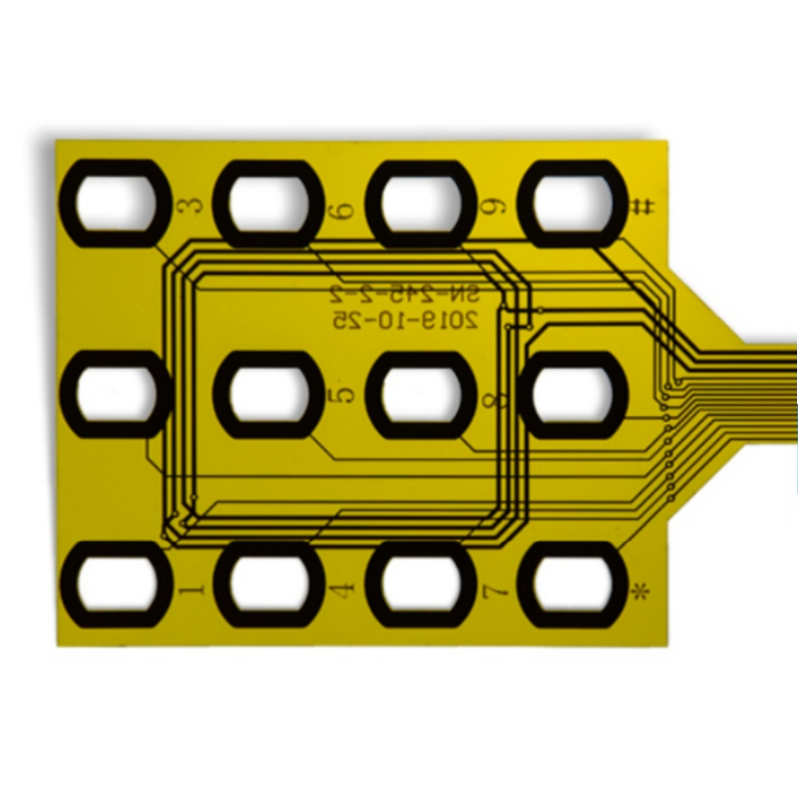
While screen-printed silver ink remains cost-effective for basic keypads, high-reliability military and surgical instrumentation buyers are heavily migrating toward etched polyimide flexible printed circuits (FPC) laminated to graphic overlays.
By shifting to copper-clad polyimide, designers achieve zero silver-migration failure risk, drop trace widths to 0.1mm, and can reflow standard miniature 0201 LEDs, passive networks, and microcontroller chips directly to the switch substrate, eliminating outboard breakout boards.
3. Total Turnkey PCBA Consolidations
Fragmented vendor pipelines are rapidly being pruned by enterprise supply managers. Managing separate purchase orders for the graphic overlay, bare membrane, controller motherboard, and cable harness generates alignment friction and warranty ambiguity.
OEM buyers are prioritizing one-stop contract manufacturers capable of handling the membrane faceplate, main multi-layer PCB, surface mount pick-and-place (SMT), and in-line functional testing under a single quality audit umbrella.
4. Antibacterial & Harsh Chemical Hardcoats
Post-pandemic healthcare demands and industrial wash-down protocols (IP69K) require graphic faceplates capable of withstanding constant exposure to hospital-grade disinfectants, MEK, acetone, and UV weathering without yellowing or legend peeling.
Textured polyester films with incorporated micro-silver antimicrobial additives or UV-cured textured fluoropolymer hardcoats are transitioning from specialized options to default procurement checklist requirements.
Integrated Engineering Advantages: Shenzhen VUKO Electronics
Combining world-class PCB fabrication, turnkey SMT assembly, and custom membrane HMI panels under one unified Shenzhen engineering hub.
Complete Stack SMT & HMI
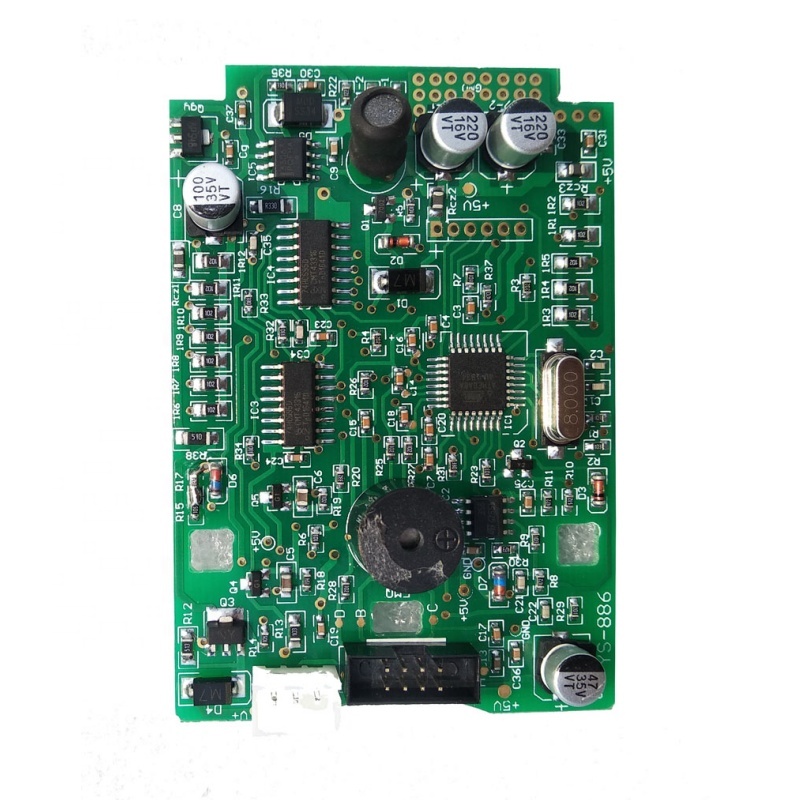
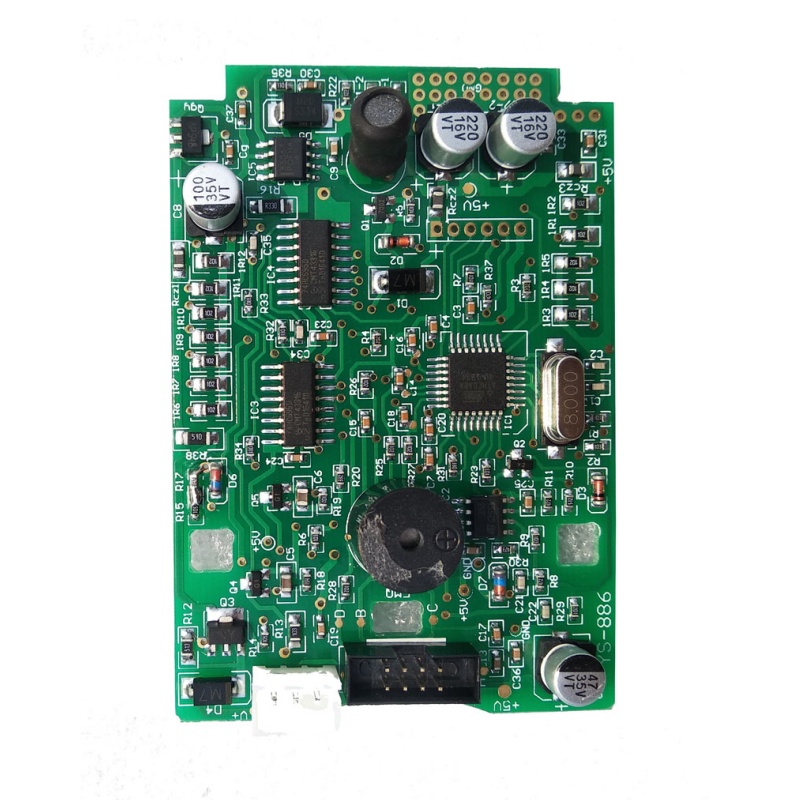
We eliminate interface mismatches. We manufacture the bare multi-layer FR4/Aluminum PCB, build the SMT electronics, fabricate the custom FPC/PET membrane switch, and kit the complete front-bezel module.
24-Hour DFM Audit
Before any production tooling is cut, our senior engineers review your Gerber RS-274X, CAD vectors, and BOM part numbers. We identify trace bottlenecks, dome clearance conflicts, and component obsolescence immediately.
Rigorous Quality Protocol
Zero-defect commitments validated by 100% flying probe electrical testing, automated optical inspection (AOI), snap-force actuation profiling, and Trade Assurance order security on international shipments.
Agile MOQ & Fast Turnaround
We support hardware innovators from prototype proof-of-concept (MOQ starting at only 5 units) through seamless pilot runs to high-volume multi-thousand unit containerized production.
Frequently Asked Questions for Membrane Switch & HMI Buyers
Critical answers addressing file formats, thermal limitations, tactile tuning, and turnkey electronics sourcing.
What engineering design files are required for an accurate membrane switch quotation?
- Graphic Artwork: Vector files (.AI, .EPS, or .DXF) detailing exact Pantone/RAL color codes, display window cutouts, embossing borders, and typography.
- Circuit Schematic & Routing: 1:1 CAD layout or Gerber (RS-274X) files showing silver/copper trace paths, pinout tables, pitch spacing, and tail dimensions.
- Mechanical Stack-up: Specifications for adhesive systems (e.g., 3M 467MP / 3M 468MP), metal dome diameters (6mm to 20mm), actuation forces (200g - 450g), and LED package specifications.
How do I choose between a printed silver circuit on PET versus an etched copper FPC substrate?
- Printed Silver on PET: Excellent cost-efficiency for simple matrix keypads (12 to 32 keys) with trace resistance under 100 Ω and moderate humidity conditions.
- Copper FPC (Polyimide): Required for high-density interconnections, low loop resistance applications (< 0.5 Ω), reflow-soldered micro-LEDs/resistors, fine-pitch ZIF terminations (< 1.0mm), and mission-critical medical or aerospace equipment exposed to extreme temperature cycles (-40°C to +85°C).
What mechanisms ensure an IP65 or IP67 waterproof seal on custom membrane keypads?
Can Shenzhen VUKO Electronics source active components and assemble the controller PCBA behind the switch?
How does VUKO Electronics mitigate silver migration in humid or high-voltage applications?
Accelerate Your HMI & PCBA Project Today
Submit your CAD drawings, Gerber files, and BOM. Our Shenzhen engineering team will perform a full DFM analysis and provide a turnkey production quote within 24 hours.