Engineered Sub-Assemblies & Interface Solutions
Seamlessly bridging custom printed graphic overlays with ruggedized flexible printed circuits (FPC), surface-mount PCBA modules, and intelligent electro-mechanical controls.
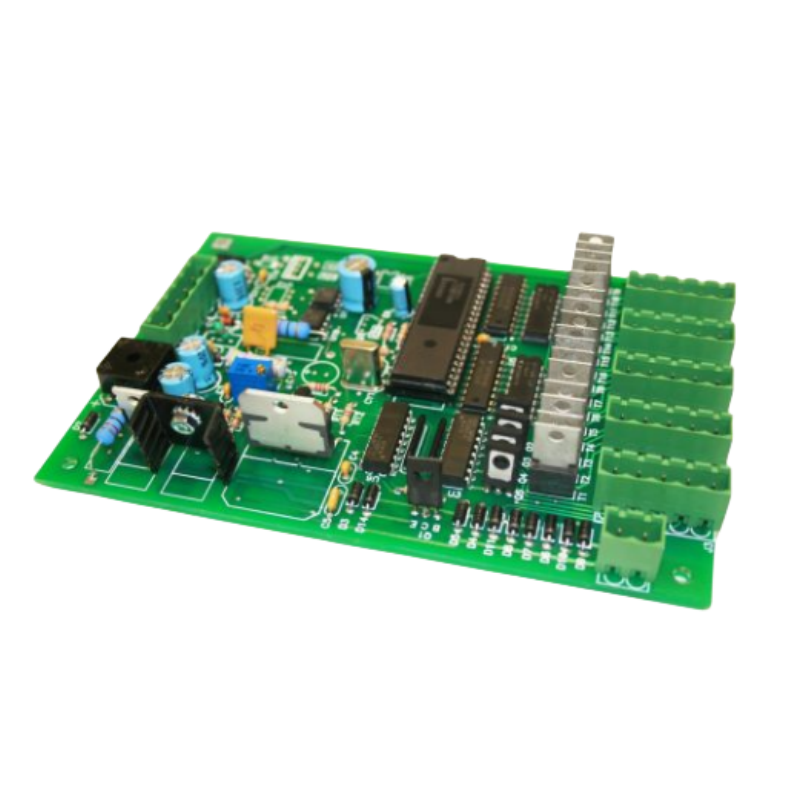
One-Stop Turnkey OEM PCBA Assembly Service
High-precision SMT & DIP soldering for complex industrial and consumer electronics, featuring 100% AOI, automated optical inspection, and flying-probe functional checks.
Explore Assembly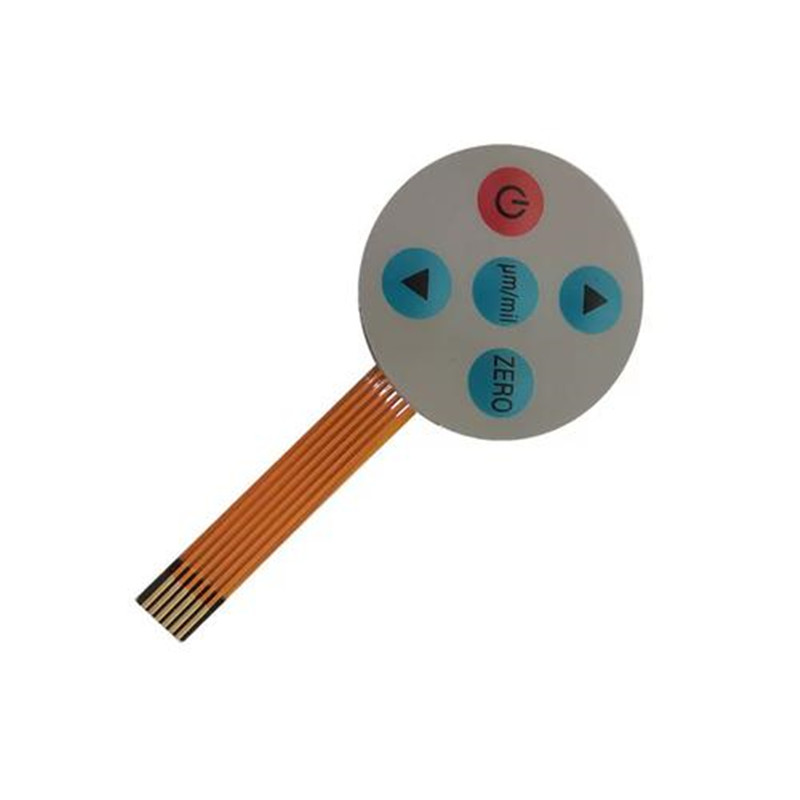
FPC Tail Custom Flexible Membrane Keypad
Ultra-thin polyimide tail architecture integrated with screen-printed silver circuitry, precision tactile metal domes, and IP65-sealed environmental barriers for IoT controllers.
View FPC Keypad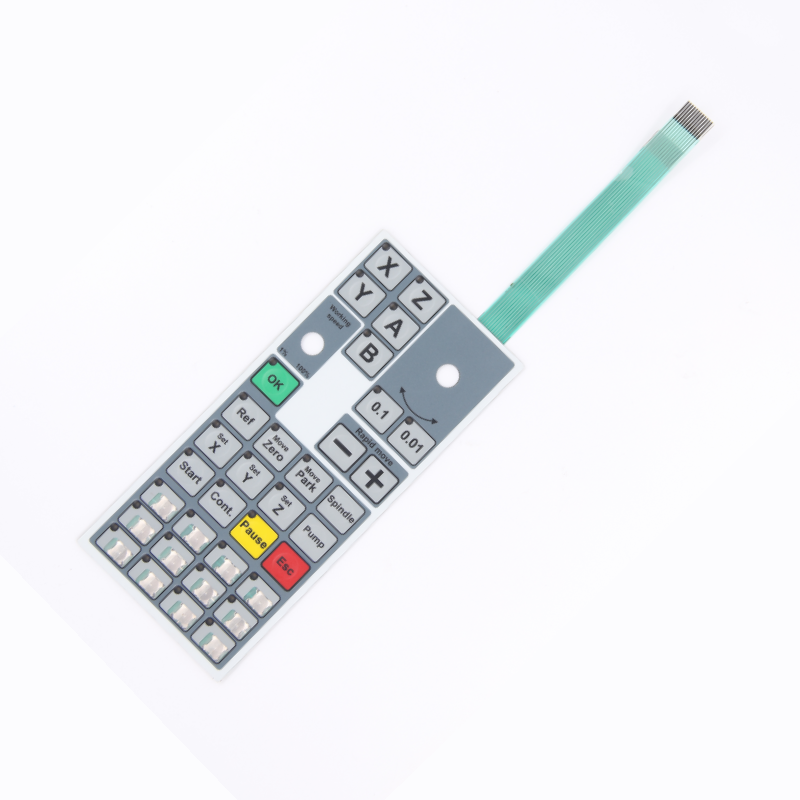
Custom Industrial PET / PC Membrane Switch
Multi-color sub-surface screen-printed graphic overlays built with Autotype anti-glare polyester, selective embossing, and conductive carbon-stabilized circuit layers.
Configure Overlay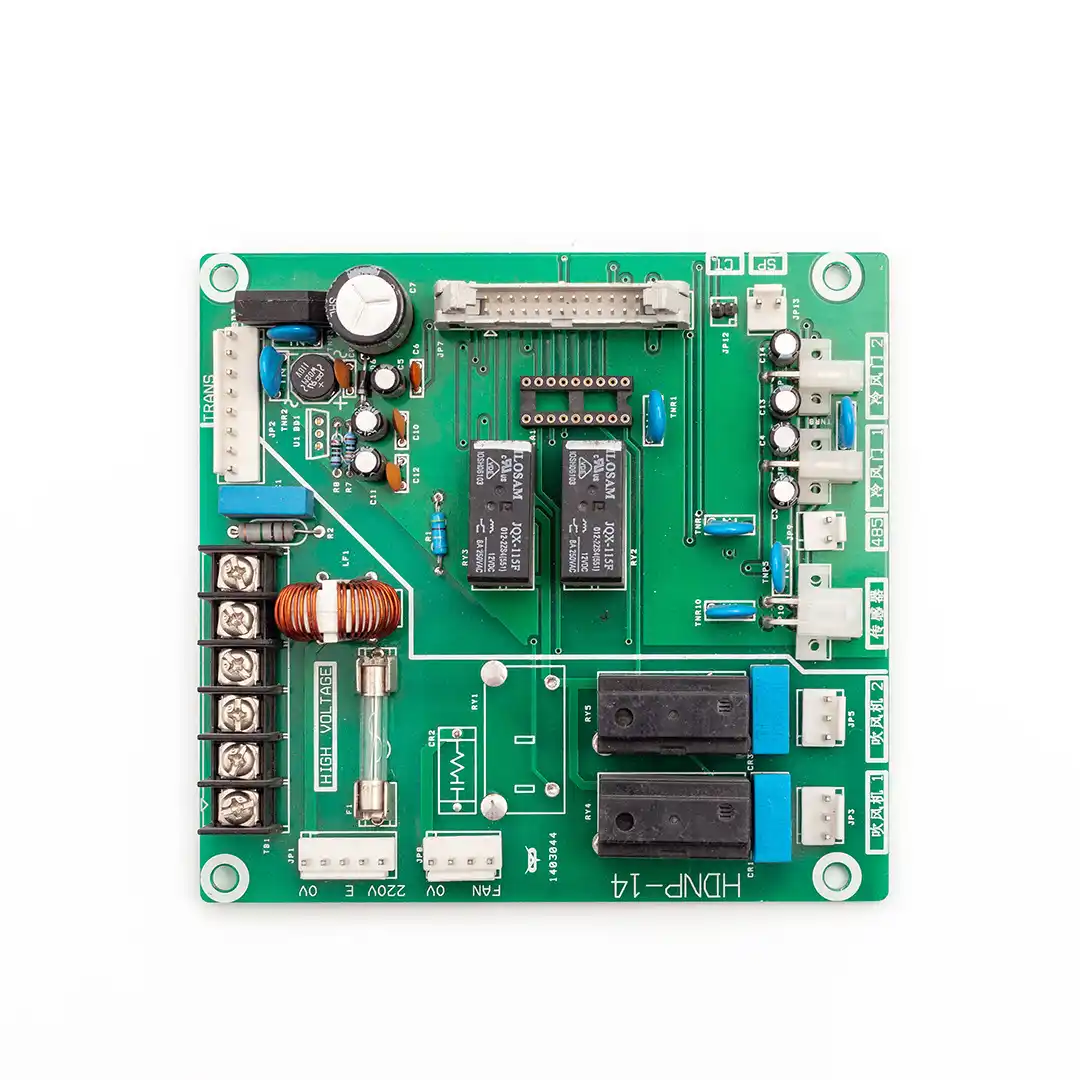
Gerber & BOM Full Turnkey PCBA Production
Comprehensive component kitting, trace impedance control, and fast-turn board fabrication with UL 94V-0 certification for industrial automation motherboards.
Request SMT Quote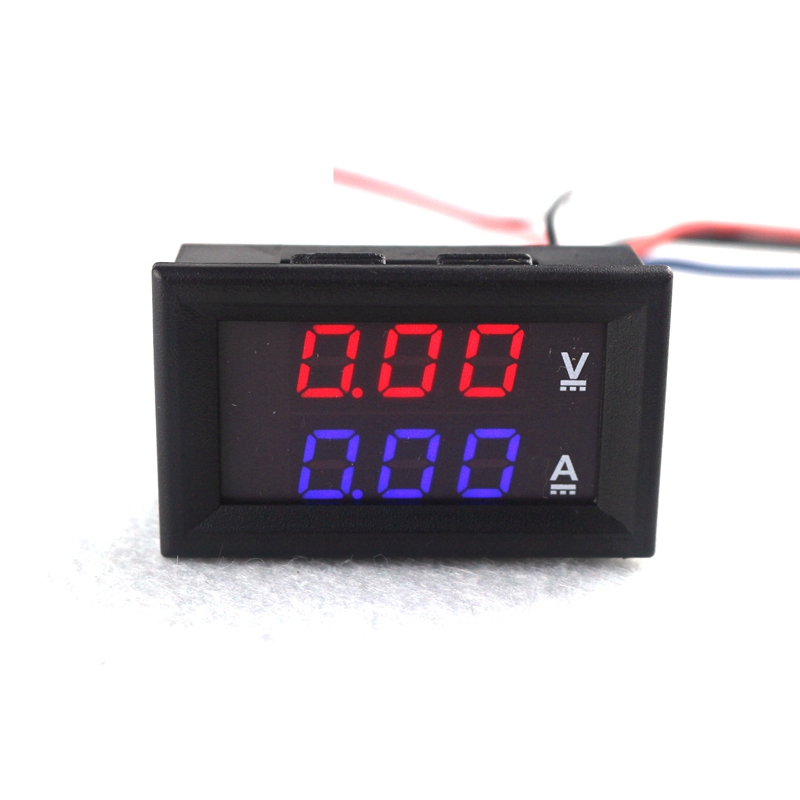
Dual-Color LED Display Digital Voltage & Current Meter
Engineered for control panel integration behind transparent dead-front overlay windows, providing crisp DC 100V 10A monitoring with built-in shunt calibration.
Product Details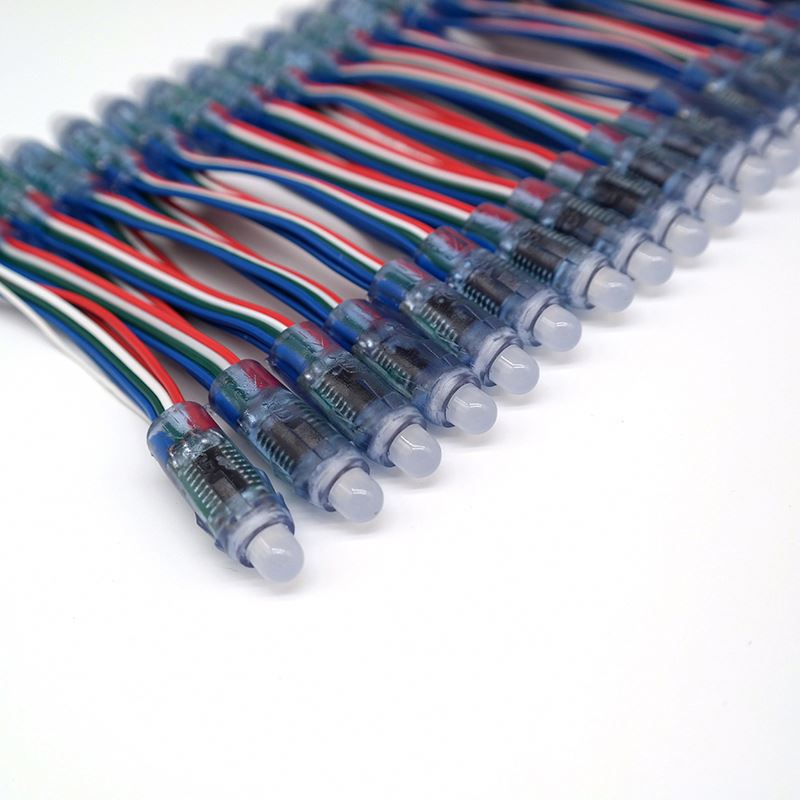
Submersible IP68 Addressable RGB LED Clusters
Versatile 5V/12V digital LED units configured for backlighting extensive graphic overlay zones, peripheral annunciators, and interactive architectural HMI panels.
View LED Specs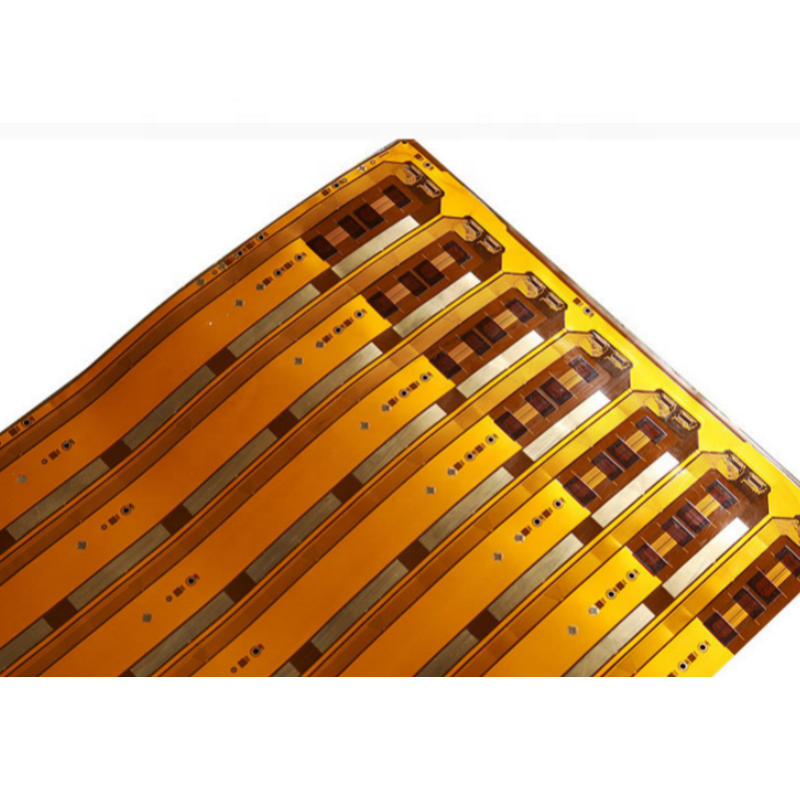
Quick-Turn Prototype Flexible Printed Circuits (FPC)
Single- and double-sided ultra-thin polyimide substrates with immersion gold (ENIG) plating, laser die-cut contours, and tailored FR4 or stainless steel stiffener ribs.
Order Prototype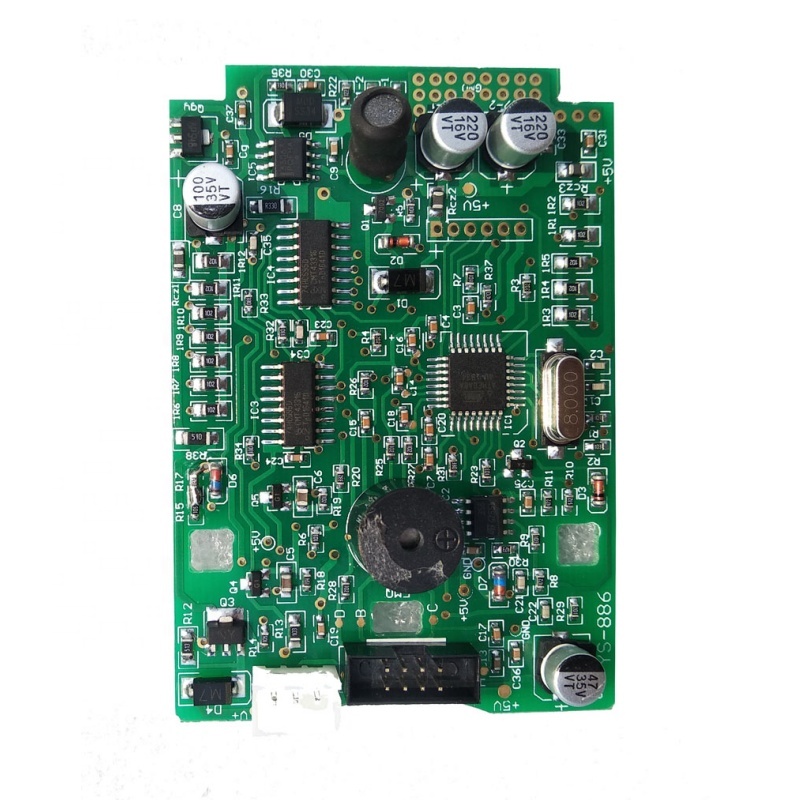
Multilayer Rigid-Flex & High-TG Board Assembly
High-density interconnect (HDI) printed circuit assemblies equipped with blind and buried vias, conformal anti-fungal coating, and box-build mechanical integration.
Mass ProductionThe Global Landscape of Printed Graphic Overlay Manufacturing
In precision Human-Machine Interfaces (HMI), printed graphic overlays represent far more than protective aesthetic fascias. They serve as the mission-critical boundary where tactile ergonomics, visual feedback, chemical shielding, and electrostatic discharge (ESD) mitigation converge. As enterprise hardware shifts toward sophisticated industrial IoT terminals, high-reliability clinical devices, and rugged off-highway vehicle dashes, original equipment manufacturers (OEMs) and contract electronics manufacturers (CEMs) face escalating technical pressures. Selecting an elite partner from among the top global manufacturers dictates system longevity, field service rates, and total cost of ownership (TCO).
The international tier of printed graphic overlay manufacturers and exporters is split into two primary operational models: capital-intensive Western integration houses prioritizing hyper-specialized defense certifications, and advanced Asian agile manufacturing epicenters that combine rapid prototyping, vertically integrated electronics fabrication, and low unit economics. Among global leaders, players like Shenzhen VUKO Electronics Co., Ltd. (China), GGI Solutions (Canada), Nelson-Miller Inc. (USA), Bito Switch (Germany), Dyna-Graphics Corp (USA), Synergy Electronics (Taiwan), Moxsa Industrial (UK), KEE Group (Hong Kong), Cixi Mengda Electronics (China), and Hoffmann Kryotherm (Austria) dominate diverse sectors of the global supply matrix.
| Manufacturer / Exporter | Regional Headquarters | Primary Substrate Focus | Circuit Backing Competencies | Key International Accreditations | Optimal Order Profile |
|---|---|---|---|---|---|
| Shenzhen VUKO Electronics Co., Ltd. | Shenzhen, China | Autotype PET, Lexan PC, TPU, PMMA | Turnkey Silver Screen, PI FPC, Rigid PCBA | ISO 9001 / UL 94V-0 / RoHS | Prototypes from 5 pcs to 500k Mass Volume |
| GGI Solutions | Montreal, Canada | Medical-grade Polyester, Antimicrobial films | Printed Silver Circuits, High-reliability Domes | ISO 13485 / AS9100D | High-Mix, Low-Volume Aerospace & Medical |
| Nelson-Miller Inc. | California, USA | UV-stabilized Polycarbonate, Textured Finishes | Membrane Matrices, Capacitive Sensing ITO | ISO 9001 / AS9100 | North American Defense, Industrial Controls |
| Bito Switch GmbH | Munich, Germany | Hard-coated Polyester, Silicone Hybrids | Polymer Thick Film (PTF), Gold-plated domes | ISO 9001 / DIN EN ISO 14001 | Automotive Tier-1 & Laboratory Instrumentation |
| Dyna-Graphics Corporation | California, USA | Polyester, Polycarbonate, Specialty Elastomers | Flex silver tails, Z-axis conductive adhesives | ISO 9001:2015 | Mid-to-High Run Commercial & Agricultural HMI |
Modern procurement engineers no longer evaluate graphic overlay vendors solely on screen printing registration tolerances. The decisive technical separator is cross-disciplinary integration. When a graphic overlay fabricator also controls the fabrication of flexible printed circuits (FPCs), SMT component placement, surface impedance tuning, and environmental potting, design iterations collapse from weeks to days, eliminating liability handoffs between disconnected vendors.
Substrate Selection Criteria: Polyester (PET) vs. Polycarbonate (PC) vs. TPU
The functional core of every graphic overlay lies in the polymeric film substrate selected during early Design for Manufacturability (DFM) reviews. Misjudging the chemical atmosphere, expected duty cycle actuations, or ambient ultraviolet index inevitably leads to embrittlement, visual haze, delamination, or tactile fatigue failure.
Biaxially Oriented PET (Polyester)
The pinnacle choice for dynamic flex-life and chemical defense. Utilizing premium films like MacDermid Autotype (Autotex/Autoflex), polyester delivers over 5 million actuations without micro-cracking. Highly resistant to methyl ethyl ketone (MEK), IPA, household cleaners, and industrial lubricants, making it indispensable for medical diagnostic panels and heavy machinery keypads.
Optical-Grade Polycarbonate (PC)
Celebrated for exceptional dimensional stability, flame retardance ratings (UL 94V-0 compliant grades), and visual clarity. Polycarbonate films (such as SABIC Lexan) are readily thermoformed, hydroformed, and embossed at room temperature. Recommended for dead-front instrument readouts, digital meter windows, and stationary appliance housings where flexure fatigue is negligible.
TPU & Specialty Acrylic Blends
Emerging elastomeric polyurethane (TPU) and polymethyl methacrylate (PMMA) laminates engineered for extreme impact absorption, self-healing exterior surfaces, and seamless curved displays. These substrates provide superior compatibility with back injection molding (In-Mold Labeling/In-Mold Electronics) and tolerate sustained UV exposure without ambering or crazing.
Equally vital is the pressure-sensitive adhesive (PSA) chemistry anchoring the overlay to the chassis. Tier-1 exporters deploy precision transfer tapes from the 3M™ High Performance Acrylic Adhesive family. For smooth, high-surface-energy (HSE) metals, 3M 467MP or 468MP provides 200MP shear resistance. Conversely, for low-surface-energy (LSE) polymers such as polypropylene, powder-coated enclosures, or textured ABS, 3M 300LSE is mandatory to mitigate peel back along perimeter bevels under extreme thermal gradients (-40°C to +105°C).
Emerging Technological Trends Transforming HMI Sub-Assemblies
The humble graphic overlay is undergoing a paradigm shift, transitioning from passive decorative skins to active, multi-sensory electro-mechanical structures. Global engineering departments must monitor four pivotal architectural trends to maintain product competitive advantage:
In-Mold Electronics (IME) & 3D Curvature
Fusing screen-printed conductive circuits and surface-mount micro-LEDs directly onto thermoformed graphic films before injection molding resin back-fill. The result is a fully consolidated, hollow-free 3D structural component that eradicates secondary fasteners, cuts structural weight by up to 70%, and delivers native IP69K ingress protection.
Intelligent Dead-Front & Vanity Backlighting
Eliminating unlit clutter via sub-surface dead-front selective printing. Icons and legends remain completely invisible until actuated by back-mounted micro-SMD LEDs or light-guide films (LGF). By utilizing light diffusion layers and light-blocking opaque black inks, cross-bleed between adjacent indicators is suppressed down to absolute zero lux leakage.
Antimicrobial & Nano-Textured Barrier Coatings
Post-pandemic hospital operating environments require resilience against harsh chlorhexidine, bleach, and quaternary ammonium biocides. Next-gen overlays incorporate inorganic silver-ion nanotechnologies integrated into the hard-coat lacquer, reducing MRSA, E. coli, and fungal colony proliferation by 99.9% while retaining anti-fingerprint surface tension.
Future Procurement Trends: Consolidating Overlay, FPC, and SMT Sourcing
Procurement leadership within Tier-1 industrial and electronic OEMs is rapidly moving away from fragmented vendor arrangements. Historically, an enterprise buyer sourced the printed graphic overlay from a local commercial screen printer, the bare flexible printed circuit from a specialized board house, passive electronic components via catalog distributors, and final assembly from a contract manufacturer.
This legacy procurement model introduces massive systemic frictions:
- Tolerance Stack-Up Errors: Small mismatches between the overlay’s embossed dome cavity diameter and the FPC contact footprint lead to off-axis actuation, premature dome failure, and inconsistent tactile feedback (snap ratios varying below the acceptable 40–60% standard).
- Liability Fragmentation: When an assembled HMI fails intermittent environmental seal testing (e.g., thermal-shock cycling or salt spray fog), the overlay printer blames adhesive selection, the adhesive converter blames the housing tolerances, and the CEM points to flex tail crimp crimping degradation.
- Working Capital & Tariff Drag: Maintaining independent safety stocks of raw films, discrete dome arrays, and connectors ties up liquid balance sheets while multiplying freight expenditures across international borders.
Consequently, the prevailing procurement trend centers on single-source turnkey accountability. Strategic buyers are actively routing requests for quotation (RFQs) to vertically aligned manufacturers like Shenzhen VUKO Electronics Co., Ltd., where high-definition cleanroom graphic screen printing, multilayer FPC production, SMT pick-and-place automation, functional module fabrication, and environmental stress screening operate inside one integrated quality envelope.
Enterprise Advantages of Partnering with Shenzhen VUKO Electronics
Established in the heart of Shenzhen’s world-renowned hardware innovation ecosystem, Shenzhen VUKO Electronics Co., Ltd. stands as a premier global manufacturer and verified exporter of high-spec printed graphic overlays, membrane switches, and complete electronic sub-systems. Serving OEM clients across 40+ countries in North America, Europe, Australia, and East Asia, VUKO delivers comprehensive manufacturing breadth backed by deep engineering pedigree.
Full Vertical Integration
From custom graphic printing and precision laser die-cutting to multilayer bare PCB manufacturing, FPC fabrication, SMT/DIP component placement, and functional testing—eliminating multi-vendor markup and compressing lead-times from weeks to single days.
24-Hour DFM Engineering Triage
Our dedicated hardware engineering staff reviews customer Gerber packages, CAD mechanical files, and BOM assemblies within 24 hours. We identify copper trace spacing limits, ink curing constraints, window optical clearances, and connector pitch challenges before cutting steel tooling.
Agile Scaling from 5 Pcs to High Volume
We empower emerging hardware startups and enterprise R&D laboratories by supporting custom prototype builds starting from just 5 pieces, backed by Trade Assurance safeguards and seamless scale-up capability to millions of units in mass production.
Frequently Asked Questions on Graphic Overlay Sourcing
Actuation lifespan depends heavily on substrate chemistry and tooling geometry. A high-quality biaxially oriented polyester film (PET) combined with stainless steel metal domes (typically nickel- or gold-plated) achieves between 1,000,000 and 5,000,000 actuations without loss of tactile ratio. Polycarbonate overlays with non-tactile flat keys or cold-formed poly-domes generally withstand 100,000 to 500,000 cycles before fatigue manifests.
Ingress protection is realized through continuous, uninterrupted perimeter adhesive gaskets (utilizing high-cohesion acrylic systems such as 3M 467MP/300LSE). The cut-out must include an internal air venting channel routed safely through the flex tail or through an interior labyrinth back into the dry compartment of the chassis, preventing atmospheric pressure differentials from forcing moisture past the perimeter bond line during thermal cycling.
Yes. Screen printing is performed under ISO Class 7 cleanroom controls using spectrophotometer-calibrated ink dispensing systems. We precisely hit tight delta-E targets (ΔE < 1.0) against PMS (Pantone Matching System) and RAL codes. By selectively applying transparent gloss window lacquers onto an overall textured, velvet, or anti-glare matte sheet, LCD, LED, and OLED display viewports achieve full optical clarity without perimeter bleeding.
To safeguard sensitive microcontrollers and sub-surface PCBA boards from 15kV to 25kV human-body discharges, a conductive shielding layer is integrated directly beneath the graphic overlay. This is typically achieved via a screen-printed full-coverage carbon or silver grid, or a laminated aluminum foil layer terminated to a dedicated chassis ground pin through the flex connector tail.
We require 1:1 vector graphic artwork (Adobe Illustrator .AI, vector .PDF, or CorelDraw files with text outlines converted to curves and specified Pantone references), a mechanical dimensional drawing (.DXF, .DWG, or .STEP) indicating embossing profiles, window positions, and cutout dimensions, plus schematic/Gerber files if integrating silver trace circuitry, FPC tails, or SMT embedded LED components.
Following full DFM file sign-off, functional graphic overlay and membrane switch prototypes are manufactured in as fast as 5 to 7 working days via precision digital plotting and laser-cut die tooling. Hard-tooled mass production volumes typically require 12 to 18 working days, backed by Trade Assurance logistics tracking via DHL, FedEx, UPS, or direct air freight forwarders.
Accelerate Your Next-Gen Interface Project
Request our comprehensive Industrial Printed Graphic Overlay & HMI Engineering Design Guide, material sample swatches, and complete product catalog. Our technical team is standing by to evaluate your custom Gerber drawings and mechanical specifications.