Factory Direct Portfolio
Featured Engineering Assemblies & HMI Overlays
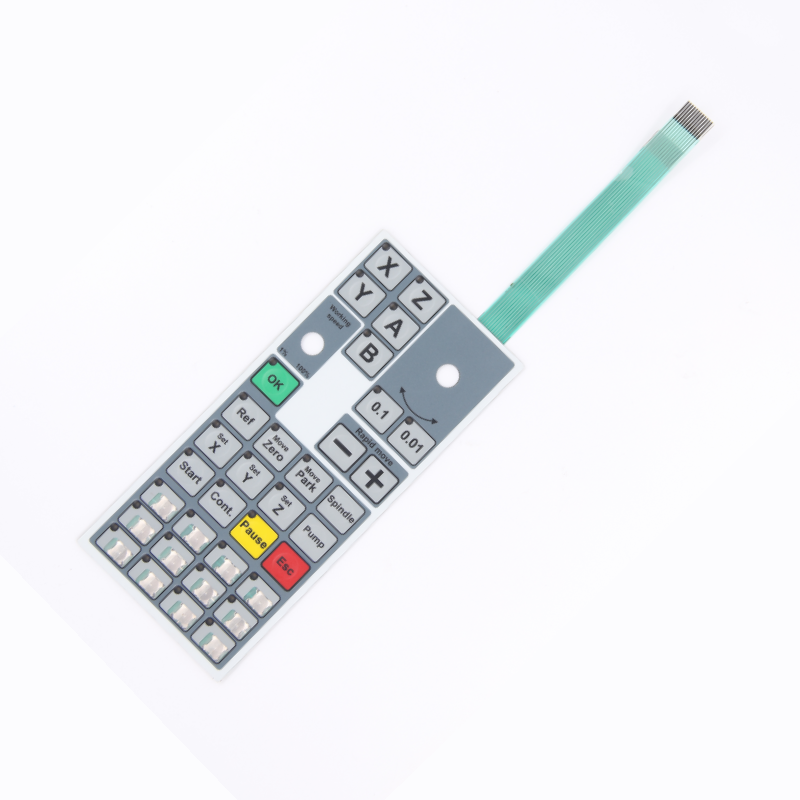
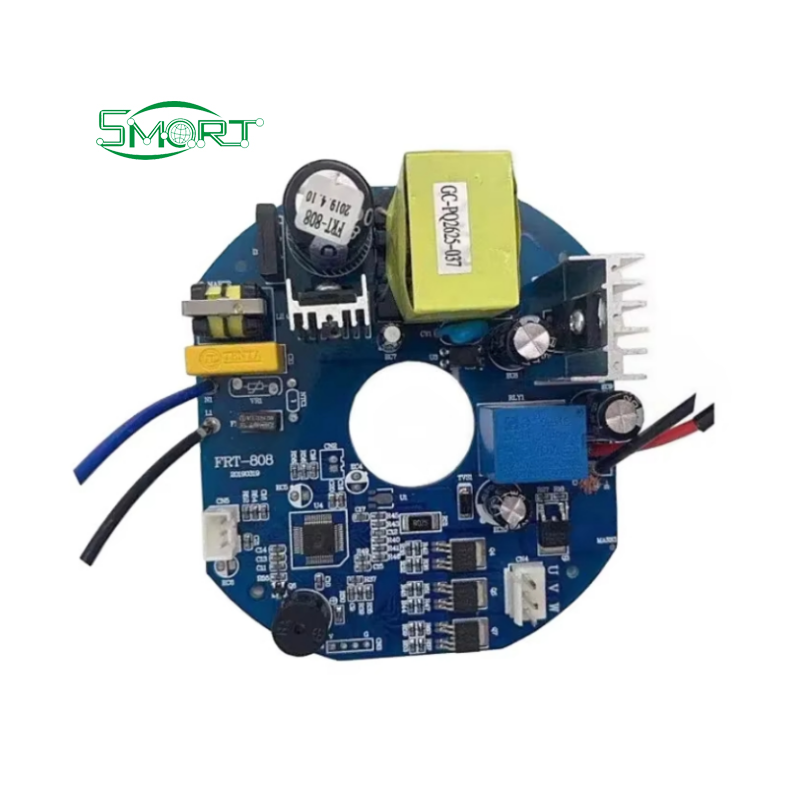
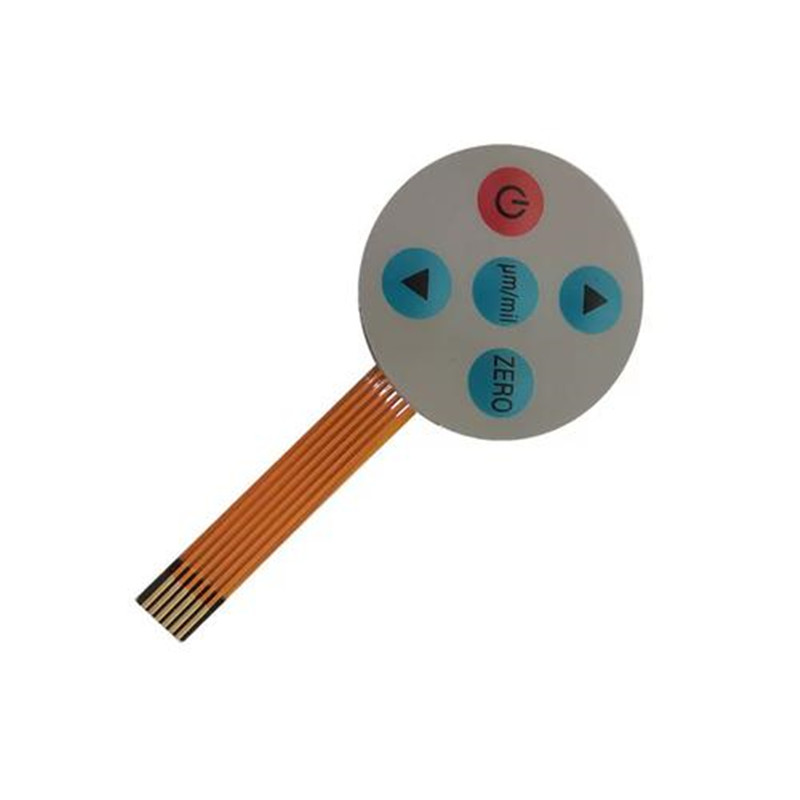
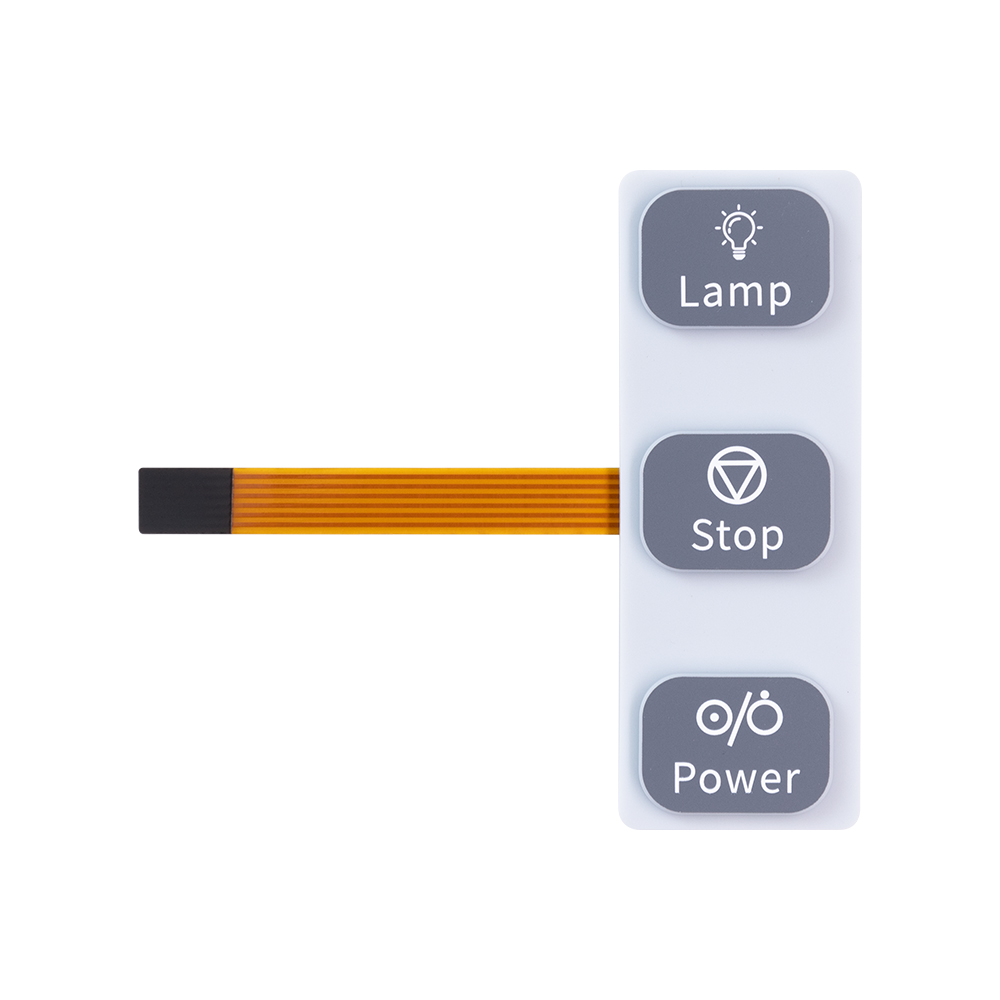
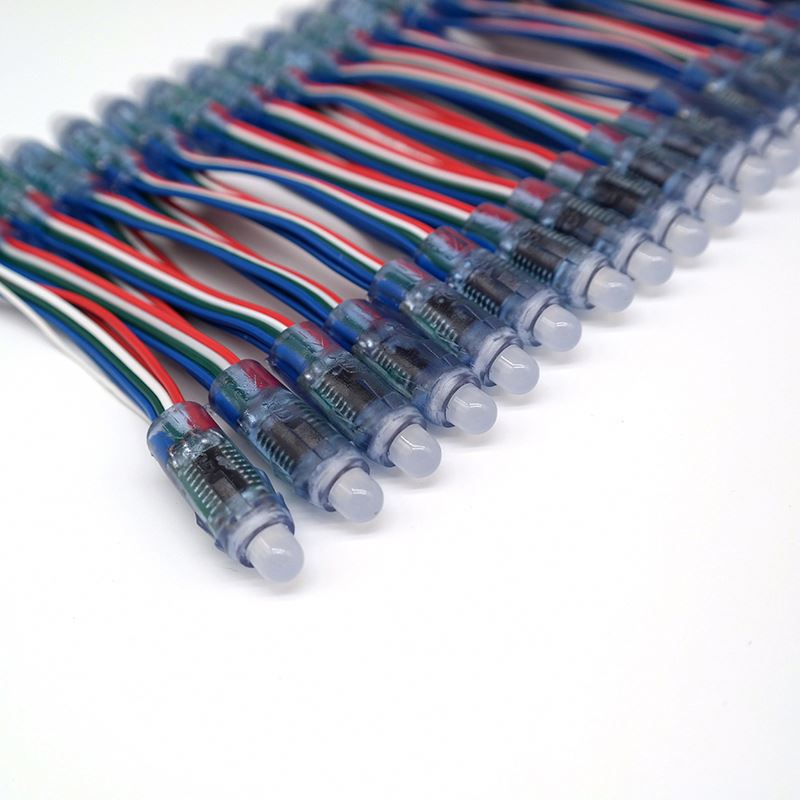
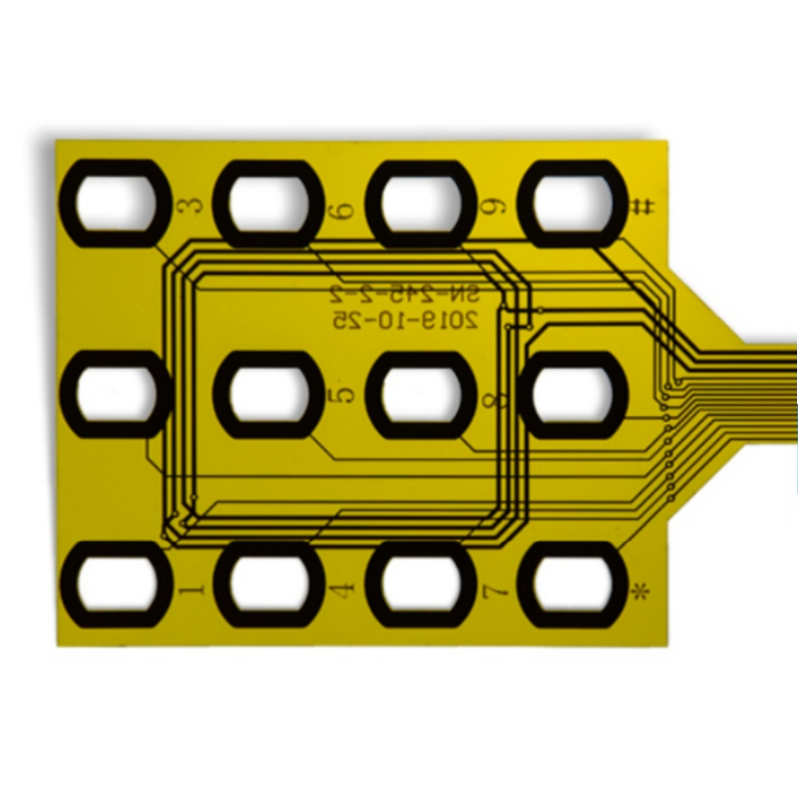
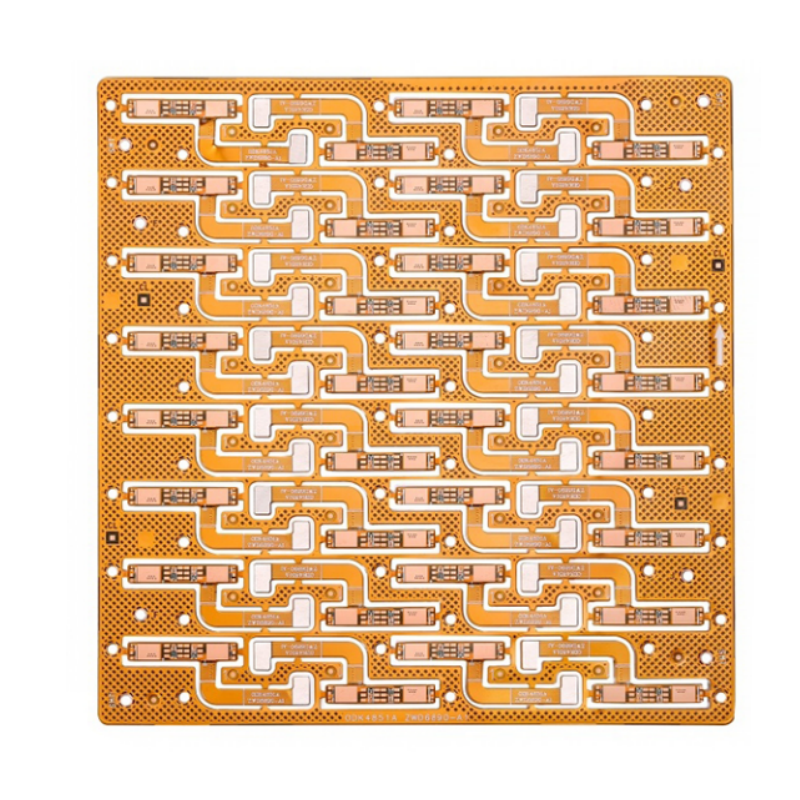
From micro-tolerance polyester front panels to multilayer flex circuitry and turnkey surface-mount controllers, discover our core manufacturing competencies.
14+
Years Global Exporting
5 Pcs
Ultra-Low Prototyping MOQ
24h
DFM Engineering Review
100%
AOI & Electrical Testing
Engineering Whitepaper & Procurement Compendium
Precision Human-Machine Interfaces: The Definitive Guide to Industrial Keyboard Overlays
An exhaustive operational and technical analysis covering substrate chemistry, tactile mechanics, electromagnetic shielding, and end-to-end supply chain integration.
In high-reliability electronic systems—from surgical diagnostic consoles and industrial computerized numerical control (CNC) terminals to aerospace cockpits and agricultural automated vehicles—the keyboard overlay serves as the critical physical bridge between human operator intent and digital execution. Also categorized under graphic faceplates, membrane keypad skins, and human-machine interface (HMI) front panels, these multilayer polymer assemblies endure millions of dynamic actuations, harsh chemical wipe-downs, extreme thermal cycling, and stringent electromagnetic interference (EMI) pressures. Sourcing high-performance overlays demands far more than basic color matching: it necessitates rigorous design for manufacturability (DFM), micro-precision sub-surface graphic printing, and cohesive electromechanical integration with flexible circuits and rigid PCBA motherboards.
1. Substrate Science: Autotype PET vs. Polycarbonate (PC) vs. High-Performance PMMA
The baseline integrity of an industrial keyboard overlay depends on the molecular composition of its topmost carrier film. At Shenzhen VUKO Electronics, every production lot is matched to client environmental specifications, ensuring long-term resistance against embrittlement, UV discoloration, and chemical degradation.
| Substrate Type | Flexural Actuation Life | Chemical & Solvent Resistance | Thermal Stability Window | Primary Application Profile |
|---|---|---|---|---|
| Biaxially Oriented PET (e.g., MacDermid Autotype EBG/EBA) |
> 5,000,000 switch cycles | Exceptional: Alcohols, ketones, mild acids, industrial degreasers, bleach | -40°C to +105°C continuous | Medical devices, pharmaceutical labs, heavy industrial controllers, cleanrooms |
| Optical Polycarbonate (PC) (e.g., Sabic Lexan 8B35 / 8010) |
Approx. 100,000 switch cycles (Lower fatigue limit) | Moderate: Sensitive to aromatic hydrocarbons and harsh cleanants | -30°C to +125°C continuous | Flat non-tactile fascia, instrumentation bezels, LED windows requiring water-clear transparency |
| Hard-Coated Acrylic (PMMA) (Up to 6H pencil hardness) |
Rigid only (Not suitable for tactile embossing) | High surface abrasion resistance, scratch impervious | -20°C to +85°C continuous | Protective display lenses, dead-front status overlays, outdoor EV chargers |
For tactile keys with perimeter or pillow embossing, our engineering protocol mandates premium polyester (PET). Polycarbonate, while offering superior clarity and ease of deep thermoforming, exhibits mechanical strain hardening under repetitive micro-deformations, ultimately leading to stress fractures at the key perimeter. PET substrates incorporate proprietary texturing that disperses ambient glare while maintaining high optical transmittance for underlying backlit alphanumeric legends and seven-segment displays.
2. Multilayer Anatomy, Dome Dynamics & 3M Adhesive Chemistry
A true industrial-grade keyboard overlay is a precisely laminated composite engineered to sub-millimeter stackup tolerances. Below the sub-surface printed graphic layer, a complex matrix of structural adhesives, venting channels, snap-acting metal domes, and printed conductive traces execute the mechanical-to-electrical signal transition.
Engineering Stack-up Architecture (Top to Bottom):
- Graphic Overlay: 0.125mm – 0.20mm textured PET/PC with reverse screen or digital HD sub-surface printing (ink never contacts hands).
- Overlay Adhesive: High-cohesion acrylic adhesive transfer tape (3M 467MP or 468MP) precision die-cut with dome-relief cavities.
- Dome Retainer / Spacer Layer: 0.10mm – 0.188mm polyester carrier retaining precision stainless-steel metal domes (nickel or gold plated, 12mm – 20mm diameter, 250g – 450g actuation trip force).
- Integrated Micro-Air Venting Channels: Anti-airlock breathing pathways cut into the spacer layer, preventing seal blowout and tactile hysteresis during rapid operator keystrokes or atmospheric pressure swings.
- Circuit Layer: Flexible Printed Circuit (FPC) with rolled annealed (RA) copper or screen-printed conductive polymer thick-film silver ink with carbon overcoat protection.
- Rear Mounting Adhesive: Selective adhesive tailored to target housing substrate—3M 300LSE for low surface energy (LSE) molded plastics (polypropylene, ABS, powder-coated aluminum) or 3M VHB for rugged outdoor IP67 environmental sealing.
The tactile sensation—defined by tactile ratio (F1 - F2) / F1, where F1 is actuation force and F2 is contact bottoming force—is calibrated between 40% to 60%. This yields a crisp, unmistakable physical snap, eliminating operator data-entry errors even when wearing protective nitrile or insulated leather work gloves.
3. Future Procurement & Technological Trends in Keyboard Overlays
Procurement teams are shifting away from standalone mechanical switches toward smart, consolidated user interface modules. Integrating lighting, capacitive touch, and biological resistance directly into the overlay stackup optimizes supply chains and slashes final bill-of-materials (BOM) assembly time.
Trend 01
Dead-Front & Dynamic Illumination
Icons and readouts remain invisible until backlit by integrated SMD LEDs or micro-optical fiber guides, creating sleek, modern aesthetic panels that reduce operator cockpit confusion in high-stress conditions.
Trend 02
Ionic Antimicrobial Topcoats
Incorporating silver-ion and nano-zinc additives directly into the hard-coat matrix to disrupt bacterial cell walls, achieving a 99.9% reduction in bio-burden across medical diagnostics and commercial food prep machinery.
Trend 03
Hybrid Capacitive + Tactile Keys
Combining the sleek, wipe-clean profile of projected capacitive touch (PCAP) with snap-acting tactile metal domes on mission-critical emergency stops (E-stop), satisfying safety compliance protocols.
Trend 04
Active EMI / RFI Grid Shielding
Applying vacuum-sputtered aluminum, continuous conductive silver grids, or indium tin oxide (ITO) layers within the overlay sandwich to ground high-frequency noise and safeguard internal microcontrollers.
4. Precision Production Flow in VUKO's Shenzhen Facility
Quality control at VUKO is built into every station. From climate-regulated class 10,000 cleanrooms to automatic optical inspection (AOI), here is how your keyboard overlays move from Gerber/CAD to the shipping container:
1
Vector & DFM Review
Gerber, AI, and DXF verification; tolerance analysis for traces, punch radii, and embossing borders within 24 hours.
2
Cleanroom Printing
Class 10,000 cleanroom multi-pass screen printing and digital flatbed printing with exact Pantone/RAL color matching.
3
Thermo-Embossing
Precision CNC male/female tooling creates rim, pillow, or LED dome reliefs with tight tactile registration tolerances.
4
Robotic Lamination
Automated dome placement and bubble-free roller lamination of 3M adhesives, spacers, and shielding films.
5
100% Final Inspection
Electrical continuity, contact resistance (<100Ω), actuation force profiling, and anti-static moisture-barrier packaging.
Why Work With VUKO
Turnkey Manufacturing Strengths: Beyond the Standard Overlay
Shenzhen VUKO Electronics Co., Ltd. eliminates multi-tier supplier headaches by unifying overlay design, FPC flex printing, rigid PCB fabrication, component kitting, and SMT assembly under one roof.
Alibaba.com Verified 14-Year Supplier
Onsite audited manufacturing facilities in Shenzhen, offering Trade Assurance transaction protection, transparent trade histories, and credit-backed delivery guarantees to over 80 countries worldwide.
One-Stop Electronics Vertical Stack
Avoid finger-pointing between mechanical skin printers and PCBA shops. We manufacture the overlay, fabricate the rigid/flex PCB, assemble SMT components, and deliver a fully tested, ready-to-mount sub-system.
Low MOQ Prototyping (From 5 Pcs)
Accelerate your NPI (New Product Introduction) cycles. We support fast-turn engineering prototypes with laser-cut profiling—minimizing hard tooling charges during pilot validation runs.
Full BOM Sourcing & Obsolescence Mitigation
Direct supply partnerships with tier-1 semiconductor and passive component manufacturers. We identify end-of-life (EOL) or long-lead items immediately and present validated drop-in alternates.
PCBA Cloning & Legacy Redesign
Have an aging machine missing original CAD schematics? Our reverse engineering group recovers circuit traces, decodes MCU firmware, updates obsolete packages, and produces drop-in modern replacements.
Global Compliance & Traceability
Fully compliant with ISO 9001:2015, RoHS (EU 2015/863), REACH, and CE directives. Flammability-rated laminates with UL 94V-0 certification accompany every export shipment.
B2B Buyer Knowledge Base
Frequently Asked Questions for Sourcing & Quality Teams
Clear answers regarding file formats, tooling amortization, IP environmental sealing, and lead-time scheduling.
What graphic and mechanical files are required for an exact quote?
For the graphic keyboard overlay, we require vector artwork in Adobe Illustrator (.AI), CorelDraw (.CDR), or vector .PDF format with all typography converted to outlines. Colors must reference standard Pantone Matching System (PMS) codes or RAL values. For the dimensional outline, key embossing locations, display window cutouts, and rear adhesive selective zones, provide a 1:1 scale .DXF or .DWG CAD file. If quoting an integrated membrane switch with circuit tail, please include your circuit pinout schematic and connector pitch details.
What is your minimum order quantity (MOQ) and sample lead time?
We welcome low-volume, high-mix OEM engineering projects. Standard prototype MOQs start at just 5 pieces to facilitate design verification and field testing. Prototyping lead times typically range from 5 to 7 working days once artwork and dimensional drawings are approved. Mass production runs scale efficiently from 500 to 500,000+ pieces with typical 12-to-15 working day factory cycles.
How do you achieve reliable IP65 or IP67 waterproof ingress sealing?
Waterproof sealing is achieved by engineering a continuous adhesive gasket around the outer perimeter of the overlay that is wider than 3.0mm, completely enclosing the active switch cavities and display cutouts. We utilize specialized high-tack acrylic adhesives such as 3M 300LSE or 3M VHB that form hermetic bonds against high-pressure washdowns, oil mists, and cleaning sprays. Internal venting channels are designed to exhaust backward through the tail or via filtered microporous GORE® membranes rather than through the perimeter edge.
What are the key trade-offs between Silver Ink and FPC circuits?
Screen-printed silver ink circuits on PET film provide an exceptionally cost-effective solution for standard matrix keyboards with trace pitches > 1.0mm and operating currents < 100mA. However, when your interface requires high-density pitch (< 0.5mm for fine-pitch ZIF connectors), surface-mount soldered micro-LEDs, resistors, or harsh vibration resistance, Flexible Printed Circuits (FPC) with etched polyimide copper are strongly recommended. FPC traces offer lower loop resistance (< 1Ω vs. 10–50Ω for silver), zero risk of silver migration under high humidity, and greater fatigue life.
Can you manufacture transparent windows for LCD, OLED, and LED readouts?
Yes. We provide crystal-clear transparent windows, smoked transparent windows for dead-front effects, and tinted translucent windows (red, green, blue) that match specific LED emission wavelengths. On textured polyester films, we selectively print a glossy optical clearing ink over the display aperture to eliminate haze, restoring complete optical transparency without requiring costly mechanical die-cut punch holes.
How does VUKO protect payments and guarantee export shipment quality?
Orders can be securely placed via Alibaba Trade Assurance, which guarantees your payment, shipment release dates, and product quality specifications. Every production lot undergoes rigorous electrical testing (open/short circuit detection), actuation force profiling on test stands, cross-hatch ink adhesion testing (ASTM D3359), and environmental chamber soak verification. Comprehensive inspection reports and material certificates of conformance (CoC) accompany every export carton.