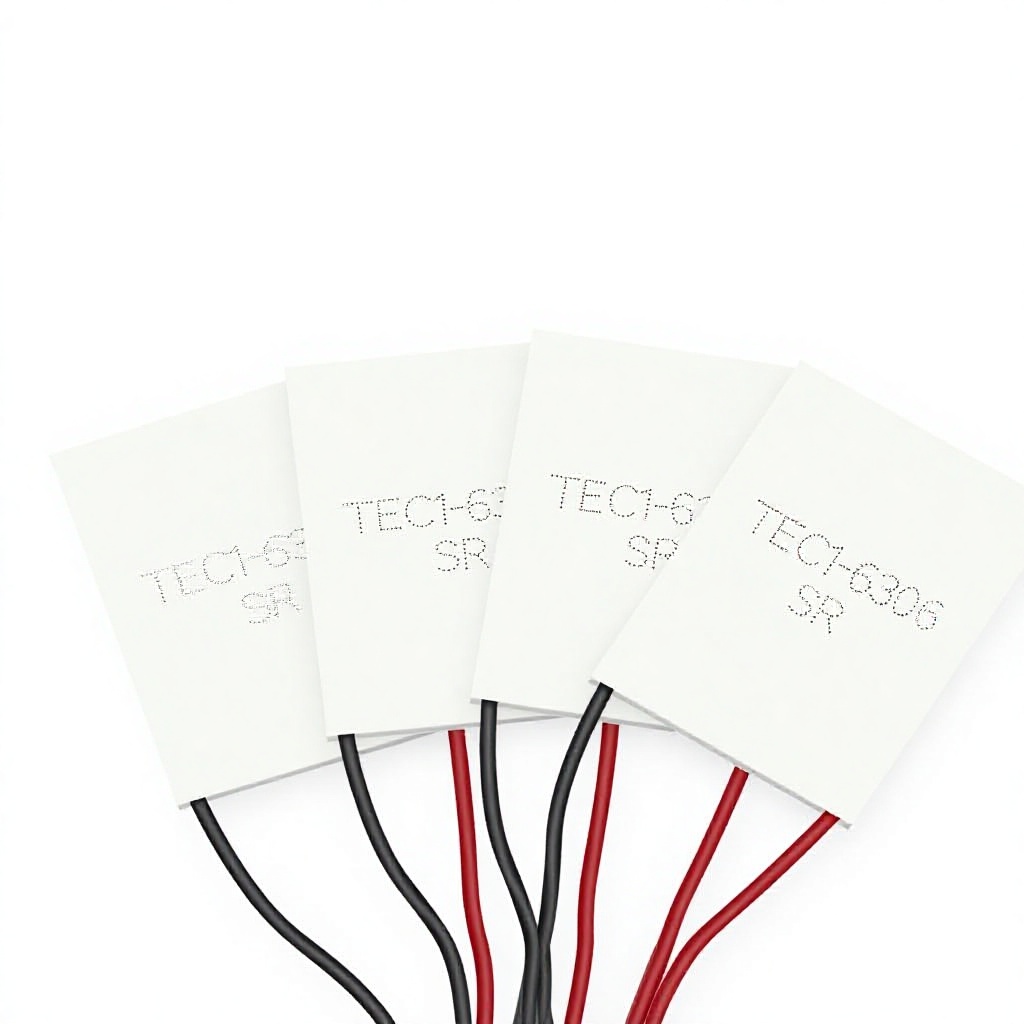
Featured Hardware & Integrated Control Modules
Procure application-ready components designed to interface directly with industrial membrane control panels, flexible printed circuits, and embedded human-machine interfaces.
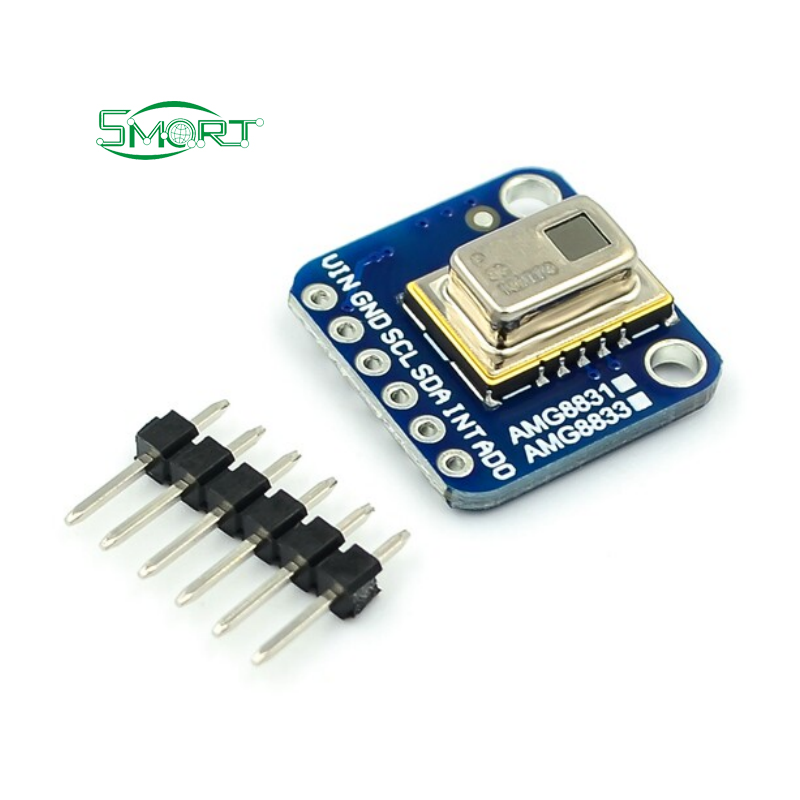
GY-AMG8833 8x8 Infrared Thermal Imager Array Temperature Measurement Sensor Module
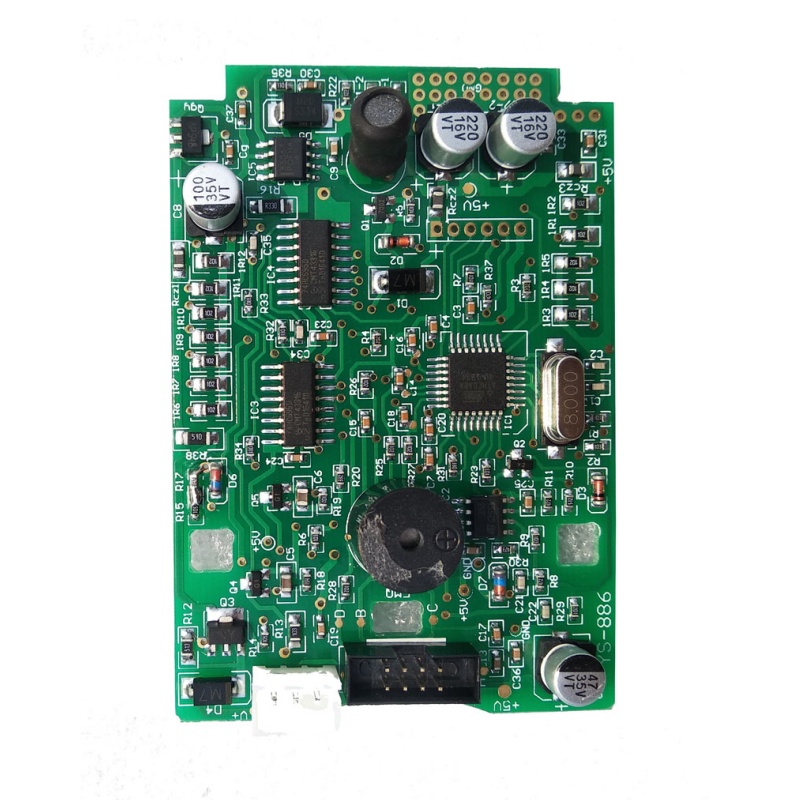
Custom Smart Device PCBA Assembly OEM PCB Board SMT Assembly for IoT Sensor Home Appliance
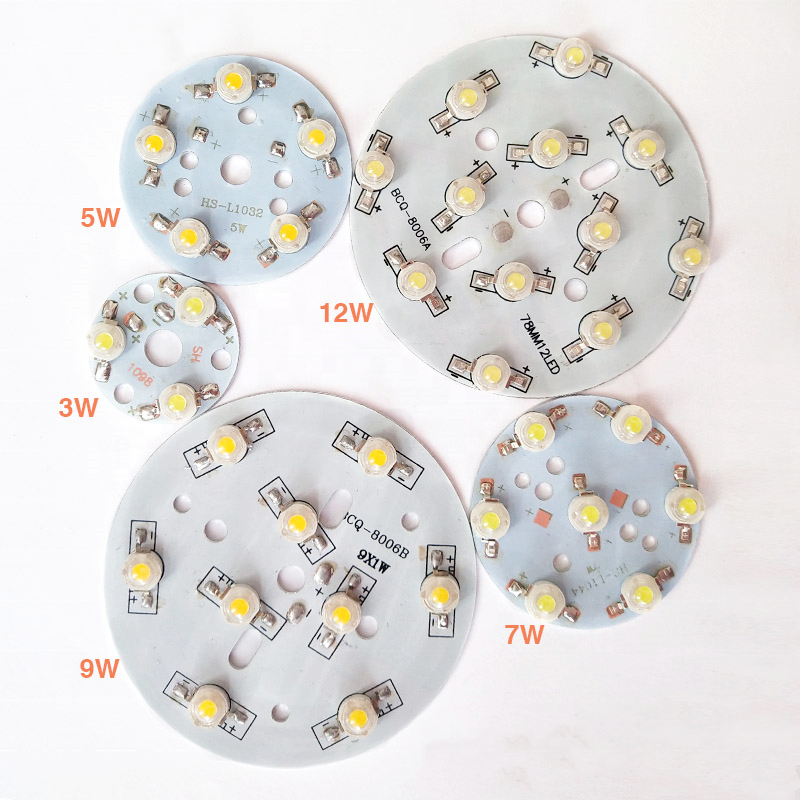
Custom Size Aluminum LED PCB PCBA Circular Bulb Lighting Board 0.5oz to 3oz Copper HASL OSP
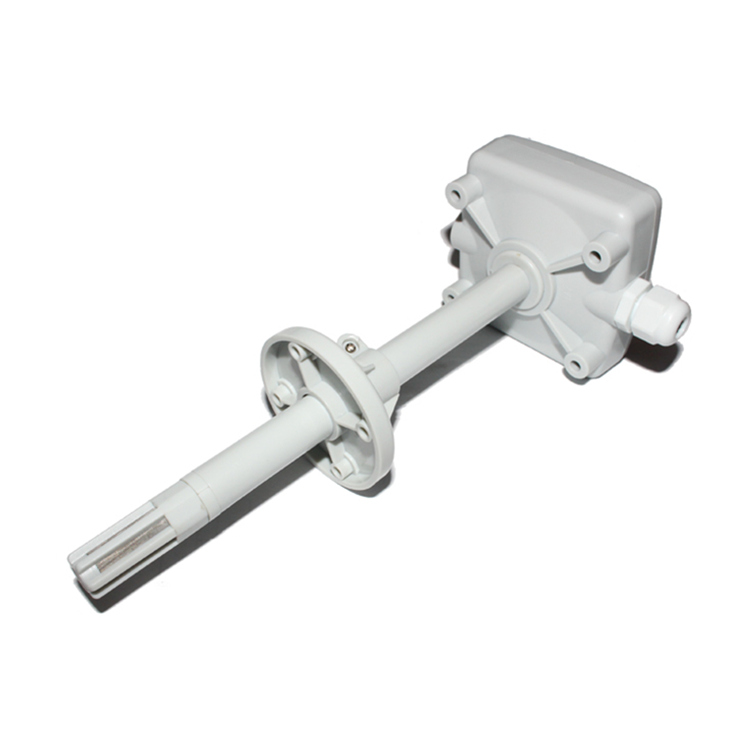
Smart Duct Type Humidity Sensor Housing Standard Accuracy Environmental Monitoring
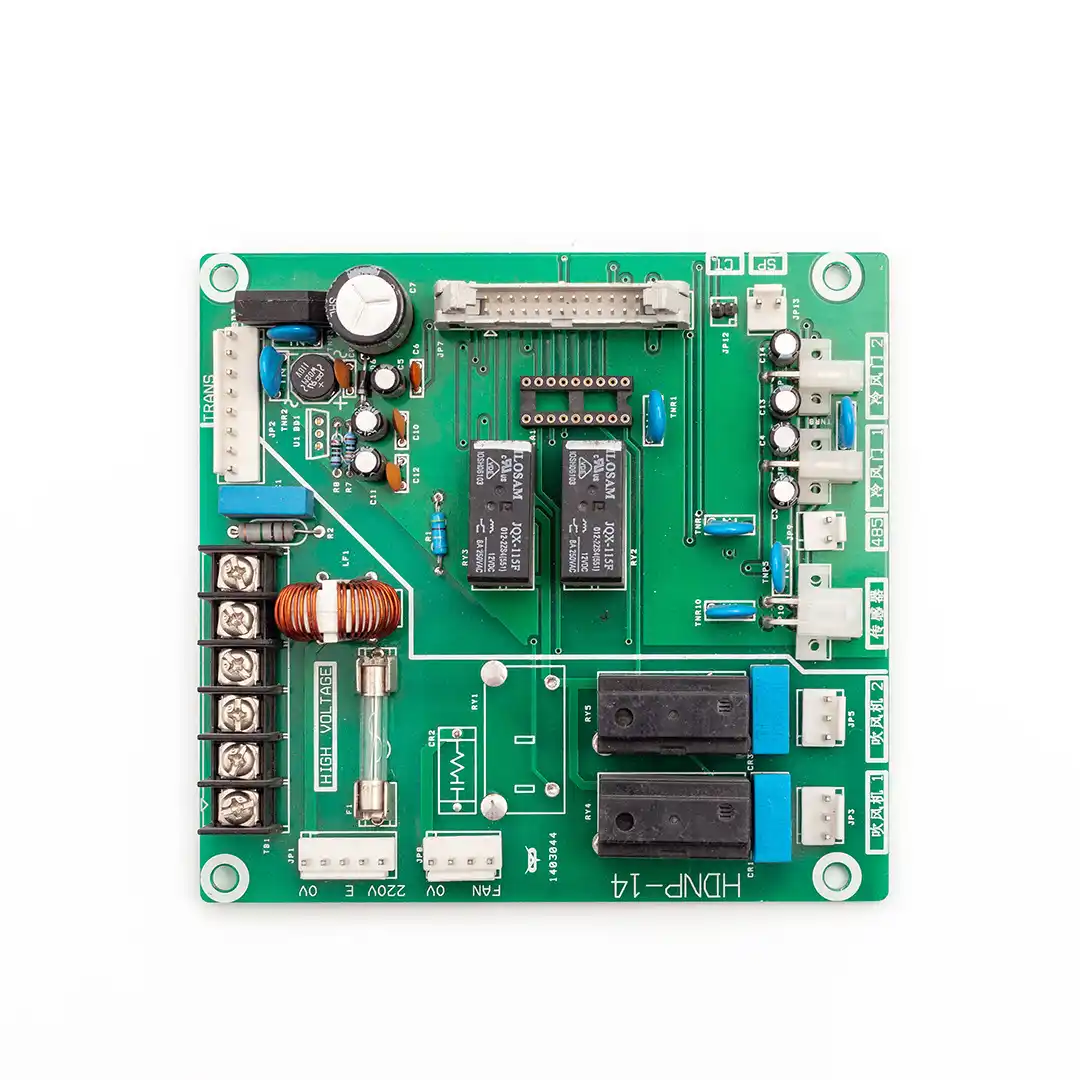
Custom PCBA Assembly OEM ODM One Stop SMT DIP PCB Assembly Service with Gerber BOM Sourcing
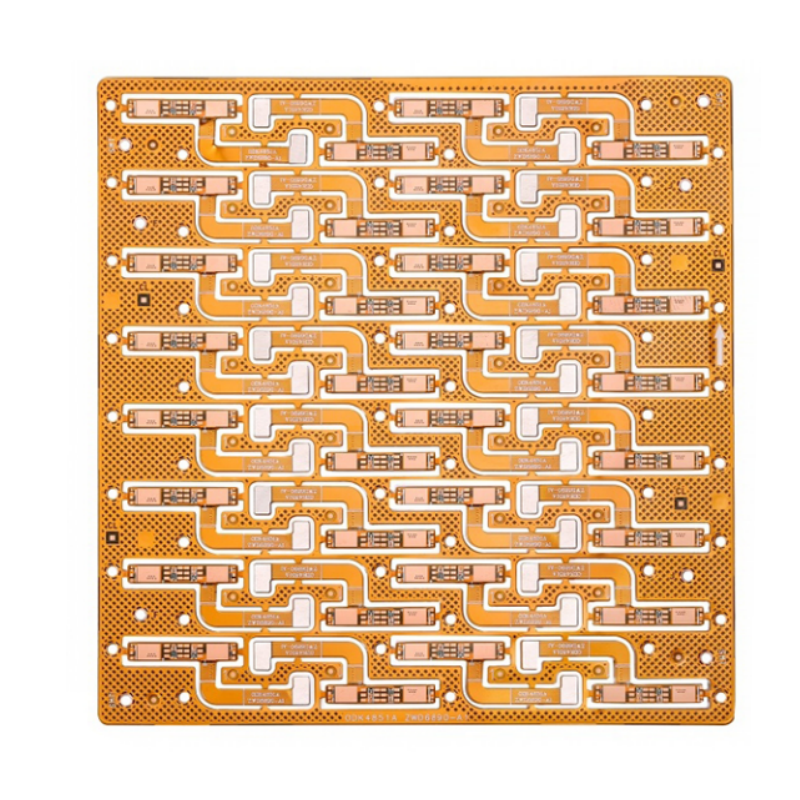
Custom FPC PCBA Service, Flexible Printed Circuit Board SMT Assembly, One Stop OEM Flex PCB
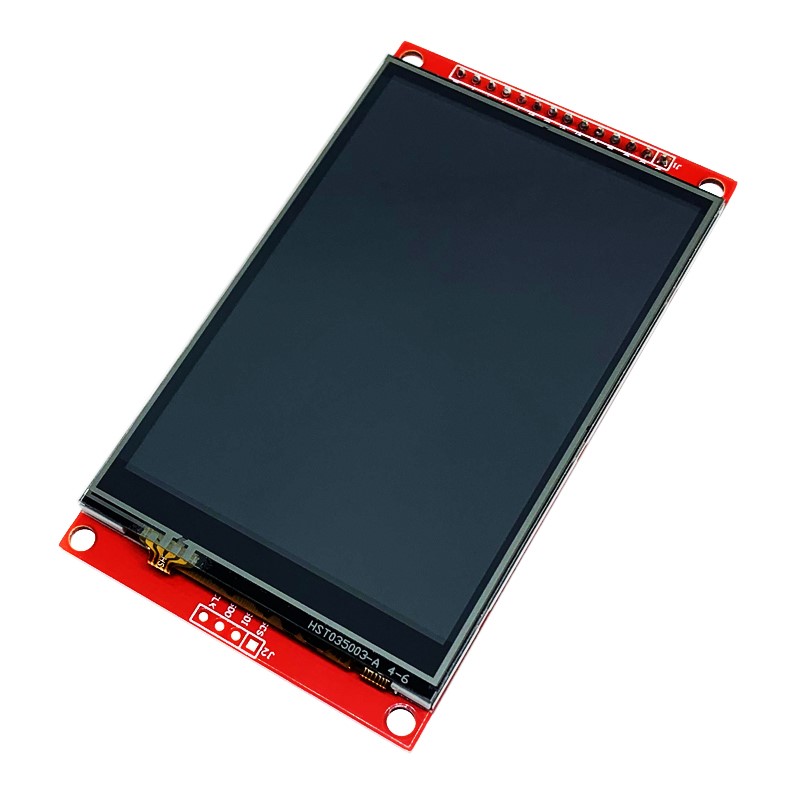
3.5 Inch TFT LCD Display Module 320x480 SPI Serial Screen ILI9488 ILI9486 3.3V to 5V
Engineering Architecture of Modern China Membrane Control Panels
In high-reliability industrial automation, medical instrumentation, commercial avionics, and harsh-environment consumer goods, the human-machine interface (HMI) serves as the primary operational gateway. When evaluating a top China membrane control panel manufacturer and supplier, procurement directors and hardware engineering leads require insight extending far beyond graphic film screening. A truly ruggedized membrane switch represents an electro-mechanical laminate comprising chemical-resistant graphic overlays, conductive silver or carbon ink circuitry, precision metal domes, embedded surface-mount LEDs, and sealed barrier adhesives.
Shenzhen's electronics manufacturing ecosystem represents the world's most concentrated cluster for advanced membrane interface fabrication. By unifying graphic overlay production, precision laser cutting, clean-room surface mount technology (SMT), and flexible printed circuit (FPC) bonding within a single industrial perimeter, top-tier Chinese manufacturers drastically compress development cycles from initial Gerber/DXF prototype validation to multi-thousand-unit production runs.
1,000,000+
Actuation Switch Cycles
<100 mΩ
Contact Circuit Resistance
IP67 / NEMA 4X
Ingress Sealing Rating
24 Hours
DFM & RFQ Engineering Turnaround
Layer-by-Layer Material Science & Substrate Selection
The operational longevity of a membrane control panel is dictated by the thermal, tensile, and chemical stability of its underlying polymer layers. Engineering specifications must balance flex fatigue, solvent exposure (e.g., isopropyl alcohol, chemical washdowns, petroleum distillates), optical clarity for embedded digital displays, and tactile responsiveness.
| Layer Component | Material Substrate | Technical Characteristics | Engineering Applications |
|---|---|---|---|
| Graphic Overlay | Autotex Textured Polyester (PET) / Polycarbonate (PC) | High flex-life (>5M cycles), chemical resistance to caustic cleaners, selective gloss/matte textures, UV resistance. | Industrial HMIs, medical diagnostics, laboratory autoclaves, marine controllers. |
| Tactile Dome Layer | SUS301 Stainless Steel (Nickel/Gold-Plated) / Poly-dome | Actuation forces from 180g to 450g; crisp tactile feedback snap ratio of 40%–60%; high mechanical bounce stability (<5ms). | Tactile keypads, access control terminals, machine tool operators, hand controllers. |
| Circuit Layer | Silver Conductive Ink on PET / Flexible Polyimide FPC | Screen-printed low-migration polymer silver traces (<0.05 Ω/sq/mil); carbon overcoat to prevent dendritic silver migration. | Matrix keyboard interconnects, analog sensor grids, high-density tail routing. |
| Adhesive Spacers | 3M 467MP / 3M 468MP High-Performance Acrylic | Shear strength up to 150 psi; continuous thermal stability (-40°C to +150°C); resistance to humidity and degassing. | Internal chamber seal, exterior bezel mounting, gasket perimeter isolation. |
| Integrated Rigid Backer | FR-4 PCB / Anodized Aluminum 6061-T6 / Acrylic Sheet | Provides structural stiffness, supports direct surface-mount soldering of microcontrollers, connectors, and display bezels. | Turnkey PCBA control assemblies, direct chassis screw integration, rackmount panels. |
A critical engineering failure mode observed in substandard panels is dendritic silver migration caused by prolonged moisture exposure combined with direct current bias. Tier-1 Shenzhen suppliers resolve this via screen-printed carbon over-varnishes and microscopic hydrophobic perimeter gaskets, guaranteeing electrical isolation even in condensing maritime or agricultural installations.
Tactile vs. Capacitive Sensing vs. Hybrid Rigid-Flex HMI
Modern equipment designers are no longer limited to basic push-button matrix circuits. The industry has diverged into three primary interface topologies:
Metal Dome Tactile Panels
Utilizes chrome or gold-plated stainless steel snap domes embedded beneath embossed graphic keys. Delivers positive, unmistakable sensory confirmation for heavy-glove operators in CNC machining, emergency systems, and defense consoles where mis-keying introduces catastrophic operational hazard.
Planar Capacitive Touch HMI
Features complete solid-state reliability with zero moving parts. Printed conductive sensor pads detect dielectric changes across front-surface tempered glass, acrylic, or sealed PET overlays. Completely flat profiles eliminate bacterial harborage cracks in medical hygiene suites and food processing cleanrooms.
Rigid-Flex PCBA Hybrid Panels
Integrates high-density multilayer FR4/Polyimide circuitry directly behind the graphic overlay. Enables direct soldering of SMT active ICs, I2C/SPI bus controllers, buzzer sounders, integrated TFT/OLED displays, and backlighting LEDs, condensing the entire electronics housing into an ultra-thin 3mm profile.
Future Procurement & Technology Trends (2025–2030)
As global hardware companies accelerate supply chain rationalization, procurement protocols for membrane switches and HMI panels are evolving rapidly. Technical buyers should monitor four critical industry trajectories:
1. In-Mold Electronics (IME) and 3D Structural HMIs
The standard multi-layer flat laminated switch is increasingly augmented by 3D Thermoformed In-Mold Electronics. In IME architectures, conductive silver ink traces and subminiature 0201/0402 LEDs are printed directly onto planar plastic film, which is subsequently thermoformed and injection-molded into a solid, single-piece ergonomic shell. This eliminates mechanical fasteners, reduces part count by up to 70%, and provides hermetic IP69K sealing against pressurized steam cleaning.
2. Antibacterial and Virucidal Surface Coatings
Following post-pandemic biosecurity demands, hospital patient monitors, public vending terminals, and commercial food equipment panels now require micro-textured films impregnated with inorganic silver ion (Ag+) antimicrobial agents. These coatings actively rupture bacterial cell walls, maintaining a 99.9% reduction in bio-burden per ISO 22196 testing without degrading optical transmission over a decade of detergent abrasion.
3. Unified Display & Sensor Fusion (Optical Bonding)
Modern HMI specifications frequently demand seamless integration of daylight-readable color TFT screens (such as 3.5-inch SPI/RGB serial modules) directly behind the graphic overlay window. Leading Chinese manufacturers now deploy class 10,000 cleanroom vacuum optical bonding using optically clear adhesives (OCA). This eliminates the air gap between LCD and overlay, preventing condensation, eliminating internal reflections, and maximizing sunlight readability.
4. Near-Field Communication (NFC) & RF Antenna Co-Lamination
Industrial IoT demands authentication and field parameter flashing through contactless protocols. Advanced FPC membrane panels incorporate etched copper or conductive silver planar loop antennas directly within the sandwich layers, allowing technicians to flash device firmware or authenticate operator security clearance using standard mobile devices or RFID fobs directly against the control faceplate.
Shenzhen VUKO Electronics: End-to-End Enterprise Advantages
For more than 14 years on global procurement platforms, Shenzhen VUKO Electronics Co., Ltd. has established an international reputation as an engineering-driven manufacturer spanning PCB fabrication, turnkey PCBA assembly, precision flexible printed circuits (FPC), aluminum MCPCB boards, and custom membrane control panels.
24-Hour DFM Engineering Audits
Every design package (Gerber RS-274X, CAD DXF/DWG, BOM) undergoes comprehensive Design for Manufacturability analysis prior to tooling. Engineers inspect trace clearances, tail bend radii, conductor resistance tolerances, and embossing offsets to ensure zero production yield loss.
Complete Turnkey Hardware Sourcing
Eliminate the friction of managing fragmented suppliers. VUKO manufactures the bare boards, sources genuine BOM active/passive components through certified supply chains, mounts ICs on precision SMT lines, builds custom membrane overlays, and ships 100% pre-tested assemblies ready for box installation.
Exacting Quality & Traceability
Our ISO 9001 certified operations maintain automated optical inspection (AOI), in-circuit flying probe electrical tests, actuation force curve analyzers, and environmental thermal cycling chambers. Laminates comply strictly with UL 94V-0 flame retardancy and RoHS/REACH environmental standards.
Inside the Production Facility: Verification & QC Floor
Complete traceability from incoming resin and raw copper laminates to final anti-static export packaging guarantees that your mass-production runs preserve identical electrical and mechanical characteristics across recurring batches.




Strategic Procurement & Engineering FAQ
Essential considerations when structuring contracts, designing stack-ups, and auditing membrane control panel manufacturers in China.
What specific design files are required to obtain a comprehensive DFM audit and tooling quote?
For custom membrane switch panels, provide vector artwork files (Adobe Illustrator .AI, CorelDraw .CDR, or vector .PDF) specifying Pantone PMS or RAL color codes, window cutouts, and embossing zones. For internal electrical circuits, supply Gerber RS-274X files or 1:1 DXF/DWG layer schematics indicating conductor widths, tail pinout assignments, and connector terminal pitches (typically 1.0mm, 1.27mm, or 2.54mm pitch). If opting for integrated PCBA/Rigid-Flex assemblies, a full Bill of Materials (BOM) detailing exact Manufacturer Part Numbers (MPNs) is required.
How do engineers prevent silver ink migration and trace oxidation in high-humidity climates?
Silver migration occurs when moisture droplets dissolve silver ions, which then redeposit along electrical field gradients, causing micro-shorts between adjacent tracks. Top manufacturers mitigate this by maintaining minimum track spaces of >0.5mm, screen-printing a continuous protective carbon ink overcoat over all conductive silver traces, and applying an edge-sealed, pressure-sensitive 3M adhesive border that forms a hermetically sealed barrier against atmospheric moisture.
What is the typical lifecycle comparison between stainless steel metal domes and printed polydomes?
SUS301 stainless steel domes (nickel- or gold-plated) provide an operational lifespan exceeding 1,000,000 to 5,000,000 actuations with consistent snap ratios and acoustic tactile response across -40°C to +85°C. Polydomes (thermoformed directly into the polyester overlay) offer a lower unit cost and softer tactile response, but typically exhibit mechanical fatigue and reduced rebound force after 100,000 to 500,000 actuations, making metal domes the engineering benchmark for mission-critical industrial applications.
How are ingress protection (IP65, IP66, IP67) ratings achieved along the flexible tail egress?
The flex tail egress point is historically the most vulnerable site for liquid ingress. To achieve verifiable IP67 compliance, panels utilize continuous die-cut silicone perimeter gaskets, specialized closed-cell acrylic foam adhesives (3M VHB series), and rear-exit tail configurations where the interconnect ribbons exit through an inner gasket boundary rather than a raw perimeter edge gap.
What are standard tooling lead times, prototype turnaround, and minimum order quantities?
Standard engineering prototype iterations (including hard tooling for laser-cut adhesive dies and screen-printing plates) generally ship within 7 to 10 working days following DFM file approval. Mass-production volume runs require approximately 15 to 20 business days. While mass production scales economically into tens of thousands of units, prototype pilot runs can start from as low as 5 to 10 pieces through flexible digital printing and CNC plotter cutting.
Accelerate Your Control Panel Development
Send your Gerber files, vector artwork, or BOM to our Shenzhen engineering center for an exhaustive DFM analysis, stack-up optimization, and factory-direct quotation within 24 hours.