Featured Solid-State & Thermal Electronic Solutions
Engineered to eliminate dielectric thermal bottlenecks and resist electrolytic salt-mist degradation across atoll industrial zones, from Betio Port installations to Bonriki airport lighting arrays.
Engineering Aluminum Core Substrates for Pacific Atoll Climatology
Evaluating thermodynamic dissipation, dielectric junction kinetics, and electrochemical salt-spray mitigation in isolated coral atoll deployments.
Deploying critical power electronics, solid-state LED fixtures, and telecommunication hardware in South Tarawa, Kiribati presents some of the most rigorous operational challenges in the global electronics sector. Unlike standard temperate installations, South Tarawa experiences a strict equatorial maritime climate characterized by continuous high ambient temperatures (ranging between 28°C and 35°C), ambient relative humidity regularly exceeding 85%, and extreme atmospheric salinity driven by trade winds aerosolizing seawater across narrow strips of coral atoll land.
Under these conditions, standard FR-4 epoxy-glass laminates (with a pitiful thermal conductivity of approximately 0.25 to 0.3 W/m·K) trigger severe thermal bottlenecks. When junction temperatures ($T_j$) of high-output luminaires, power MOSFETs, or solar charge controller rectifiers exceed critical thresholds, semiconductor degradation follows the Arrhenius model: for every 10°C rise in operational temperature above optimal ratings, component longevity and mean time between failures (MTBF) drop precipitously by 50%.
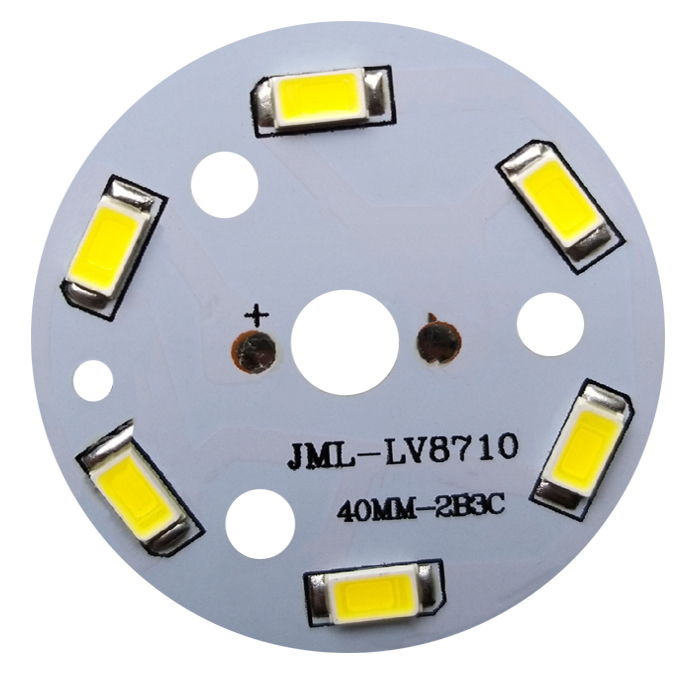
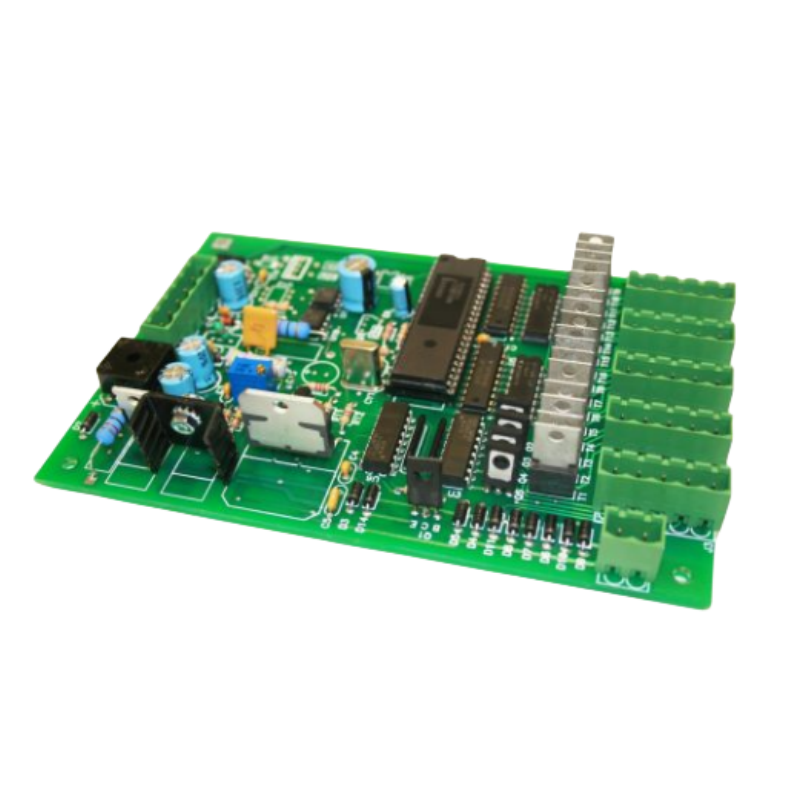
As a leading Aluminum Core PCB manufacturer serving South Tarawa and the greater Pacific Basin, Shenzhen VUKO Electronics engineers specialized Insulated Metal Substrate (IMS) circuit boards. Utilizing an alloyed 5052 or 6061 structural aluminum base bonded to a specialized ceramic-filled thermally conductive polymer dielectric (offering conductivities from 1.0 W/m·K up to 5.0 W/m·K), our boards transfer high heat flux instantly from the copper foil circuit layer down to external heat-sinking structures.
On an atoll where maximum elevation rarely exceeds three meters above sea level, cooling mechanisms are predominantly convective and conductive. Standard heat sinks easily choke with salt crustaceans if the primary dielectric cannot rapidly conduit heat away from power semiconductor junctions. Aluminum Core PCBs provide a 10× to 15× improvement in thermal conduction relative to FR-4.
Saline atmospheres containing micro-droplets of sodium chloride (NaCl) trigger accelerated galvanic corrosion when dissimilar metals make unprotected contact. Our South Tarawa-targeted bare boards feature Electroless Nickel Immersion Gold (ENIG) surface finishes, hydrophobic solder masks, and specialized passivation layers that neutralize cathodic delamination.
| Thermal & Mechanical Parameter | Standard FR-4 Substrate | VUKO High-Performance Aluminum PCB | Direct Benefit in South Tarawa Deployments |
|---|---|---|---|
| Thermal Conductivity (Dielectric) | 0.25 – 0.35 W/m·K | 1.0 – 5.0 W/m·K (Ceramic-Polymer Filled) | Prevents thermal runaway in high-power LED solar lights during calm equatorial nights. |
| Base Plate Material & Thickness | None (Woven Glass Fabric) | Alloy 5052 / 6061 (0.8mm – 3.0mm) | Substantial structural rigidity against wind vibrations and marine structural flexing. |
| Dielectric Breakdown Voltage | 15 – 20 kV/mm | > 3.0 kV to 6.0 kV AC Hi-Pot Tested | Withstands seasonal grid spikes and lightning surges common to equatorial storm fronts. |
| Copper Layer Weight | 0.5 oz – 2.0 oz | 1.0 oz – 6.0 oz Heavy Clad | Accommodates high DC current paths from off-grid battery arrays without resistive heating. |
| Surface Finish Options | HASL, Lead-free HASL | ENIG (Immersion Gold), OSP, Hard Gold | Exceptional resistance to halogen and marine salt fog oxidation across switchgear. |
| Flammability & Environmental Rating | UL 94V-0 | UL 94V-0, RoHS & REACH Compliant | Zero outgassing, non-hazardous composition safe for delicate coral atoll ecosystems. |
Deployments Across South Tarawa's Micro-Ecosystems
From Betio’s commercial maritime shipping docks to the administrative hub of Bairiki and the critical transit hub at Bonriki International Airport.
Solar-Powered Municipal Street Lighting
Under the Kiribati Integrated Energy Roadmap (KIER), South Tarawa continues transitioning toward 100% renewable public lighting. Autonomous solar LED poles operating along the Betio-Bairiki causeway rely on our round and linear aluminum core PCBs. Because high humidity inhibits natural air cooling, our low-thermal-resistance aluminum boards prevent phosphor burnout and LED luminous decay, extending system life beyond 50,000 continuous hours without maintenance.
Betio Port Logistics & Marine Navigation
Betio Port represents the maritime lifeline of the Republic of Kiribati. Marine beacon lanterns, harbor navigation buoys, and vessel loading floodlights require continuous illumination under driving salt-spray and high mechanical vibrations. Custom single- and double-sided aluminum MCPCBs provide the structural backbone and thermal conduit necessary for 50W–200W marine luminaires equipped with IP68 hermetic optical covers.
Solar Photovoltaic Inverters & Battery Storage (BMS)
Distributed solar microgrids across South Tarawa rely heavily on lithium iron phosphate (LiFePO4) storage banks managed by solid-state Battery Management Systems. Our heavy-copper aluminum PCBs function as heat sinks for balancing transistors, high-current busbars, and power shunts, eliminating thermal hot spots that frequently cause catastrophic inverter failures in enclosed atoll battery sheds.
Reverse Osmosis & Water Desalination Systems
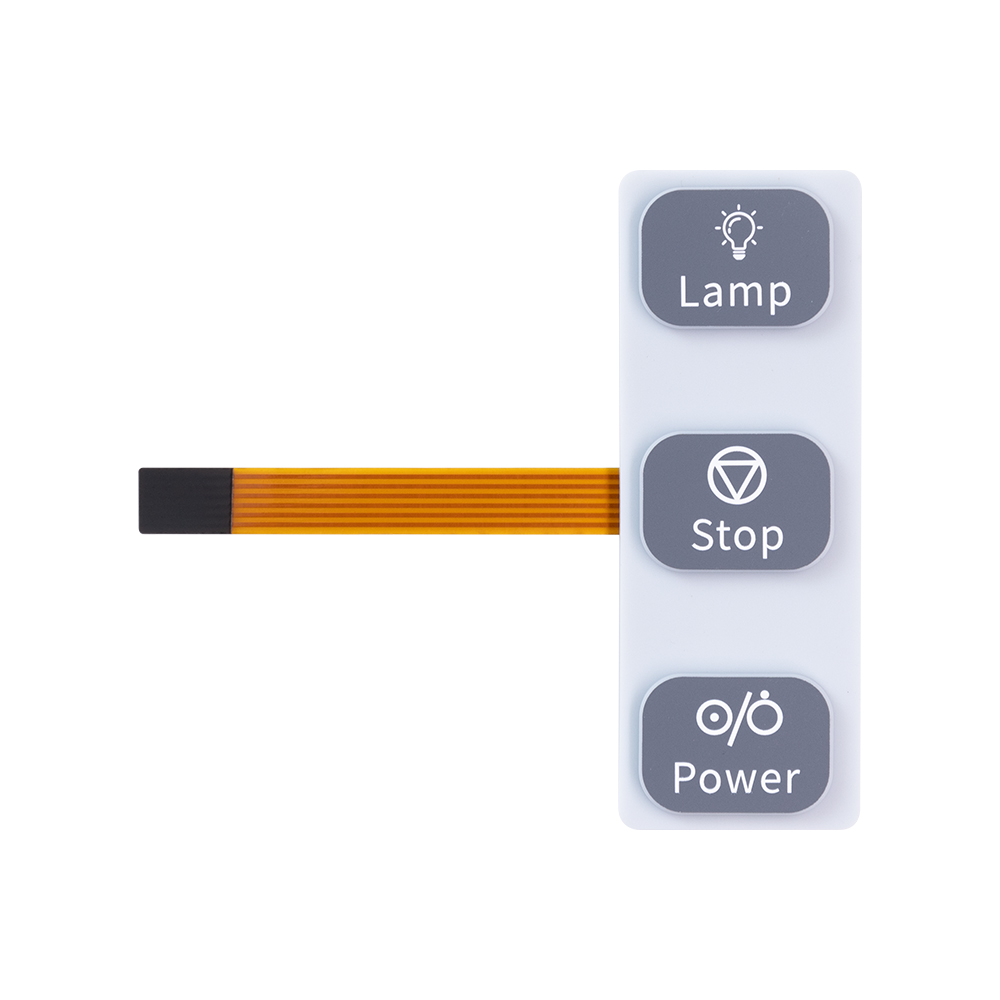
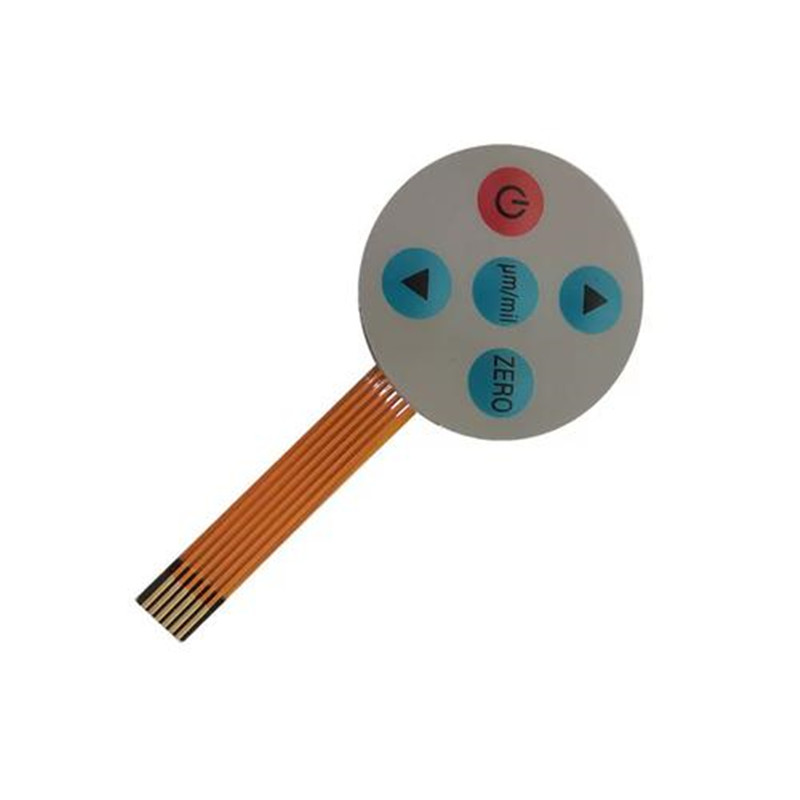
South Tarawa’s fragile freshwater lens requires continuous supplementation via solar-powered brackish and seawater reverse osmosis (SWRO) facilities. Motor drives, ultrasonic sensors, and pressure switch controllers utilize our custom aluminum core PCB assemblies coupled with waterproof tactile membrane keypads to protect delicate switching circuitry from persistent electrolytic humidity.
Telecommunications & Remote IoT Sensor Nodes
Maintaining stable 4G/LTE cellular nodes, emergency HF radios, and satellite transceivers across remote coral islands demands uncompromised thermal management inside sealed NEMA 4X / IP66 outdoor enclosures. Our aluminum backplane PCBs conduct heat directly into the metallic chassis walls, allowing fanless, maintenance-free RF power amplifier operation in tropical heat.
Artisanal Tuna Fisheries & Cold-Chain Monitoring
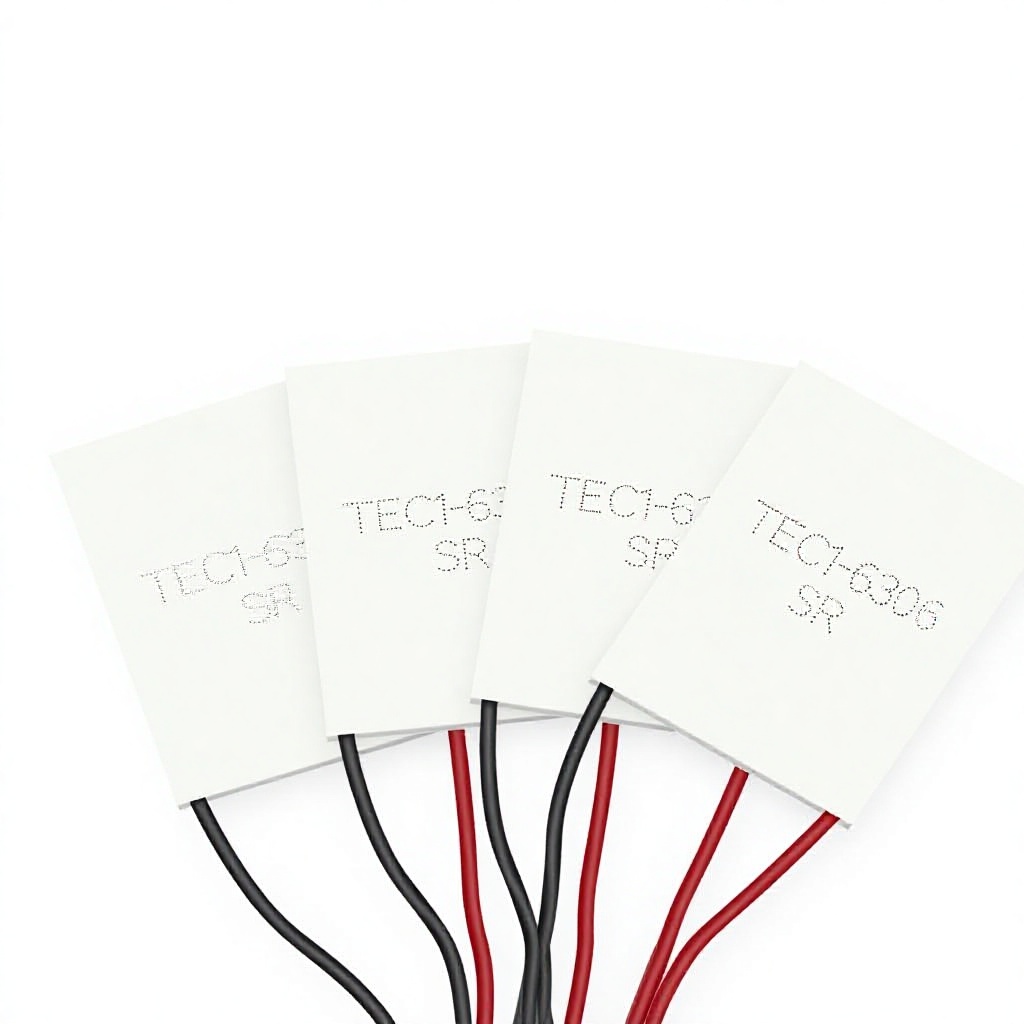
Fisheries are central to the economy of Kiribati. Compact solar-assisted ice generators, refrigeration telemetry units, and temperature-logging devices deployed at fish processing centers utilize our Peltier thermoelectric coolers and aluminum boards to monitor and sustain critical cooling chain logistics with minimum parasitic power drain.
Technological Horizons: Smart Microgrids & Modular Resilience
Analyzing the architectural shifts in Pacific Island electronics procurement and sustainable engineering.
1. Elimination of Active Cooling Fans
In the airborne saline atmosphere of Tarawa Lagoon, mechanical cooling fans represent an immediate single-point-of-failure. Salt accumulation seizes mechanical bearings within months, and incoming humid air deposits corrosive electrolyte films directly onto circuit traces. The future belongs entirely to passive thermal conductive architectures, where multi-watt semiconductor dissipation is routed purely through aluminum-core substrates to external finned marine-grade chassis.
2. Transition to Driverless AC/DC Solid-State Topologies
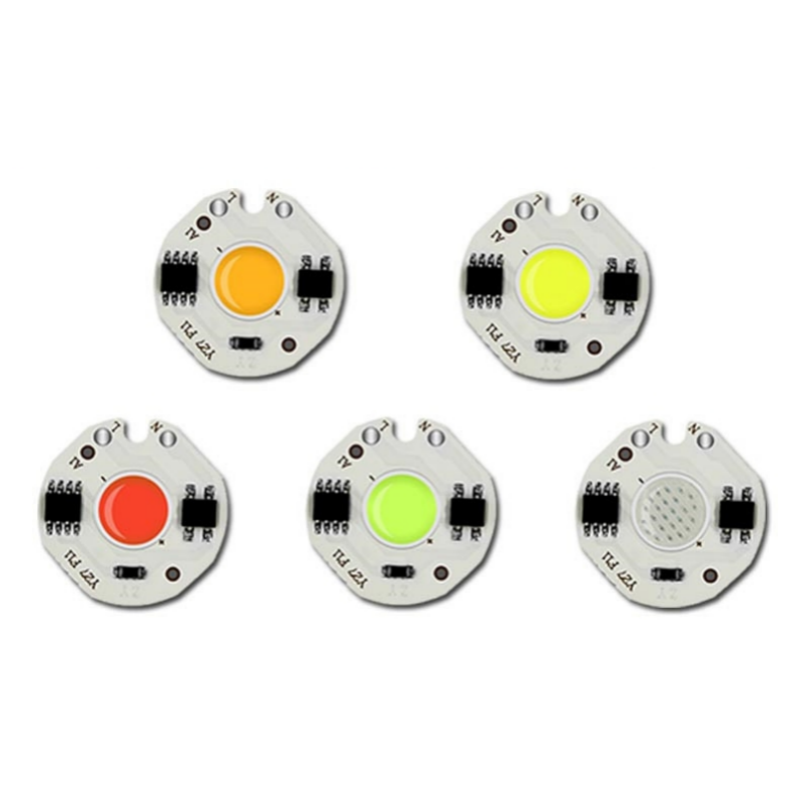
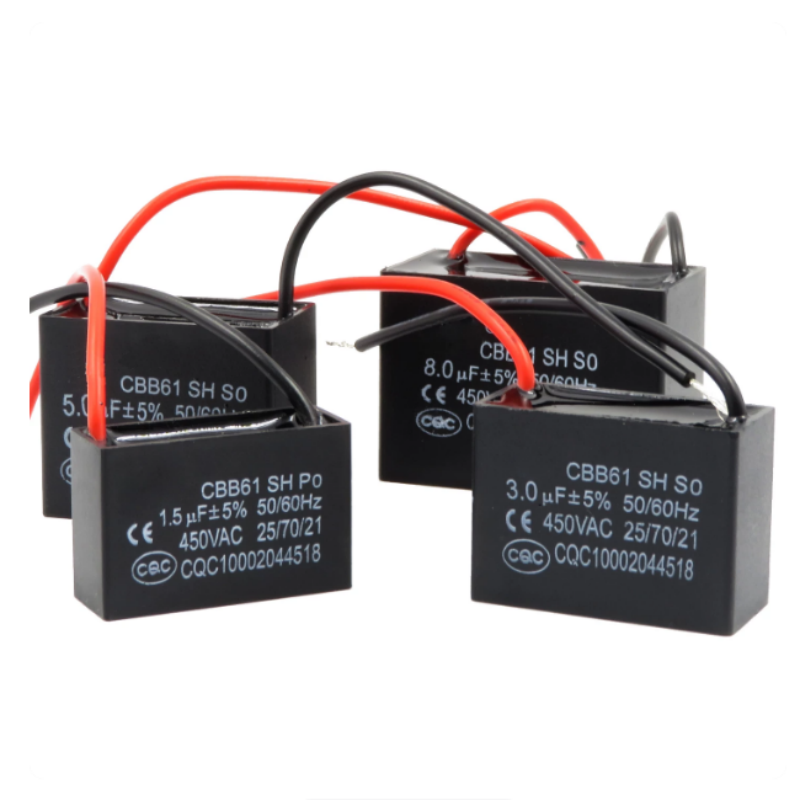
Electrolytic capacitors inside traditional AC-to-DC driver boxes dry out rapidly under sustained 35°C equatorial heat. By shifting toward driverless high-voltage linear ICs integrated directly on our aluminum PCBs, municipal lighting contractors and building engineers throughout South Tarawa achieve solid-state reliability with zero electrolytic degradation, lowering maintenance cycles across remote out-island operations.
3. Monolithic Multi-Functional Substrates
Modern infrastructure installations in South Tarawa are increasingly adopting hybrid boards that combine heavy power-dissipating aluminum cores with flexible FPC interconnects and hermetic membrane keypad panels. This consolidation eliminates brittle wire-to-board pin connectors, which are notoriously vulnerable to galvanic fretting corrosion in high-salinity maritime microclimates.
4. Environmental Compliance and Circular Life Cycles
Given the fragile nature of atoll groundwater reservoirs and lack of industrial landfill capacity on South Tarawa, electrical products must adhere strictly to RoHS and REACH certifications. VUKO Electronics guarantees lead-free surface finishes, non-brominated flame-retardant laminates (UL 94V-0), and high-grade 100% recyclable structural aluminum bases that protect delicate oceanic habitats.
Why Pacific Basin Procurement Teams Partner with VUKO
Direct-from-factory manufacturing in Shenzhen’s premier electronics corridor, combining comprehensive quality assurance with specialized overseas logistics support.
Alibaba.com Onsite-Verified Supplier
Shenzhen VUKO Electronics Co., Ltd. operates with total corporate transparency. Independently audited onsite by leading international inspection authorities, our production lines, cleanrooms, and testing facilities adhere strictly to ISO 9001 quality management benchmarks, backed by Trade Assurance order protection.
Comprehensive DFM Engineering Review
Every Gerber package, mechanical CAD drawing, and BOM submitted for quotation undergoes rigorous 24-hour Design for Manufacturability (DFM) analysis. We identify potential footprint mismatches, solder-mask bridge limitations, dielectric creepage issues, and thermal path bottlenecks before raw material cutting begins.
Low Prototype MOQ Scaling to Volume
We understand the practical realities of island maintenance and pilot microgrid installations. Our low Minimum Order Quantity (MOQ) starts from just 5 pieces for prototype verification, scaling seamlessly into container-load volume production as project requirements expand across the Gilbert Islands.
Turnkey BOM Component Procurement
Avoid coordinating with multiple fragmented suppliers. VUKO manages end-to-end component sourcing for ICs, discrete power semiconductors, passive components, IP-rated connectors, and custom thermal heat pipes. Counterfeit prevention and batch-traceable authentic parts guaranteed.
100% Quality & Electrical Verification
Bare aluminum core PCBs are 100% electrically tested via flying probe and dedicated fixture testers to eliminate opens, shorts, and dielectric leakage. Turnkey SMT/DIP assemblies undergo Automated Optical Inspection (AOI), X-ray inspection for BGA packages, and rigorous functional testing before export boxing.
Climate-Optimized Packaging & Ocean Logistics
Export goods destined for South Tarawa require superior transit packing. All shipments feature heavy vacuum sealing with industrial desiccant sachets, multi-layer anti-static ESD shielding, and shock-reinforced corrugated master cartons engineered to withstand extended maritime container transit and equatorial moisture penetration.
Frequently Asked Questions: Aluminum PCB Sourcing for South Tarawa
Clear, authoritative technical answers addressing shipping routes, environmental durability, dielectric ratings, and custom tooling.
How do aluminum core PCBs handle the high salinity and coastal humidity of South Tarawa?
What is the difference between standard FR-4 and Aluminum Core PCBs for solar street lighting?
What logistics and shipping channels are available for delivery to South Tarawa?
1. Express Air Freight: Delivered via DHL, FedEx, or UPS arriving through Bonriki International Airport (TRW) for urgent prototype runs, replacement assemblies, and fast-track government emergency works (typical transit: 7–12 business days depending on Pacific flight connections).
2. Consolidated Ocean Sea Freight: Ocean container shipping routed through major Pacific hubs directly to the Port of Betio for larger infrastructure production batches, solar street lighting projects, and heavy-gauge aluminum raw materials.
Can VUKO provide turnkey assembly (PCBA) including electronic component sourcing?
What dielectric breakdown voltage rating should we specify for atoll grid installations?
What minimum files are required to obtain a DFM review and formal quotation?
• Gerber files in RS-274X format (including copper layers, soldermask, silkscreen, mechanical outline, and Excellon drill files).
• Substrate specifications (aluminum alloy type, board thickness e.g., 1.6mm, copper weight e.g., 1oz or 2oz, dielectric thermal conductivity rating).
• SMT Assembly BOM (if assembly is required) with exact manufacturer part numbers and package outlines.
• Target quantity and project delivery timeline.
Ready to Engineer High-Reliability Aluminum Core Circuitry for South Tarawa?
Upload your Gerber files and BOM specifications today. Our experienced engineering team will return a thorough DFM thermal review, material stack-up proposal, and transparent direct-from-factory quotation within 24 hours.