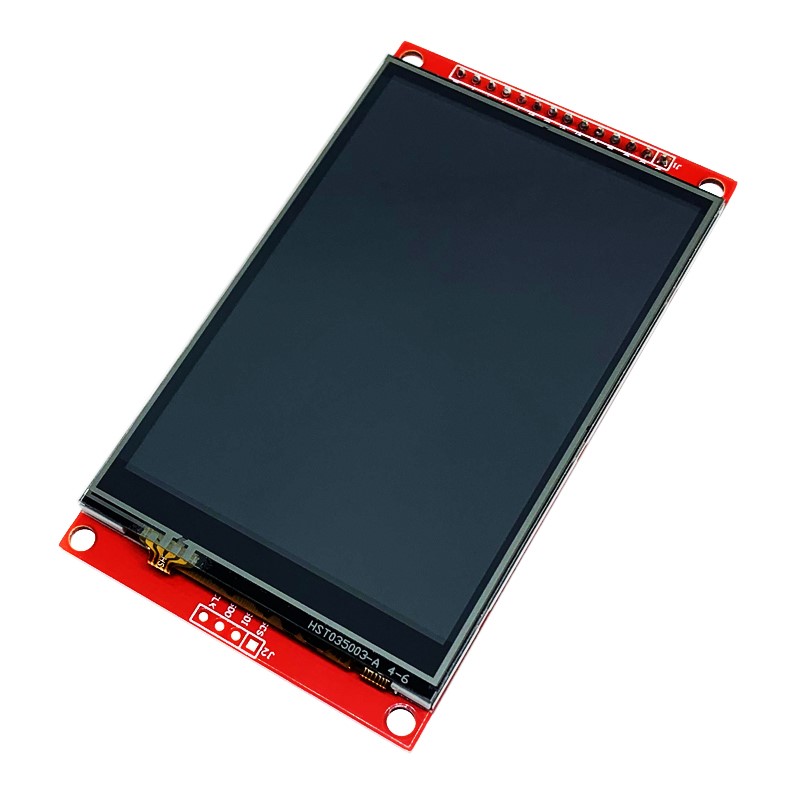
Precision Hardware & Modular Architecture
Integrated thermal substrates, control modules, membrane switches, and custom flexible printed circuits engineered to operate reliably under extreme physical and industrial conditions.
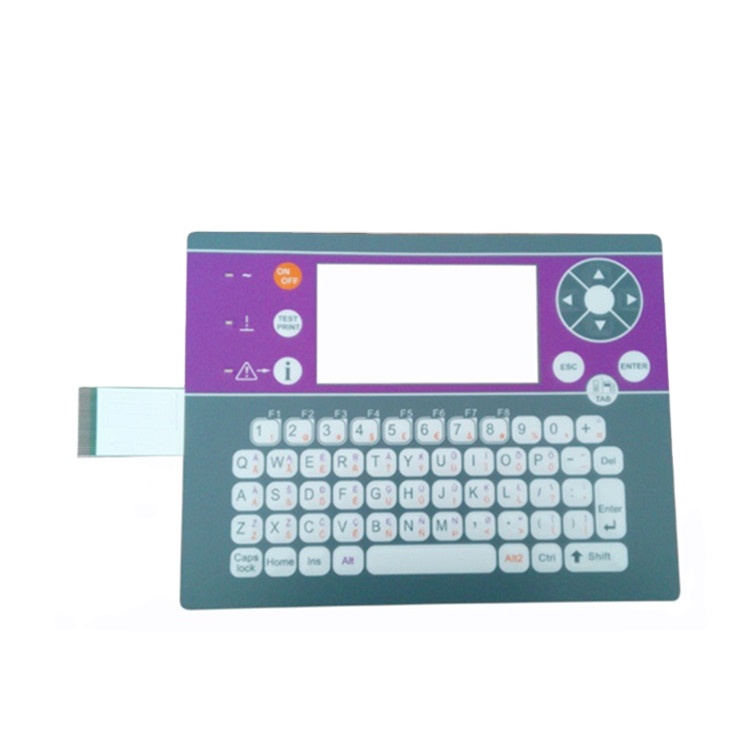
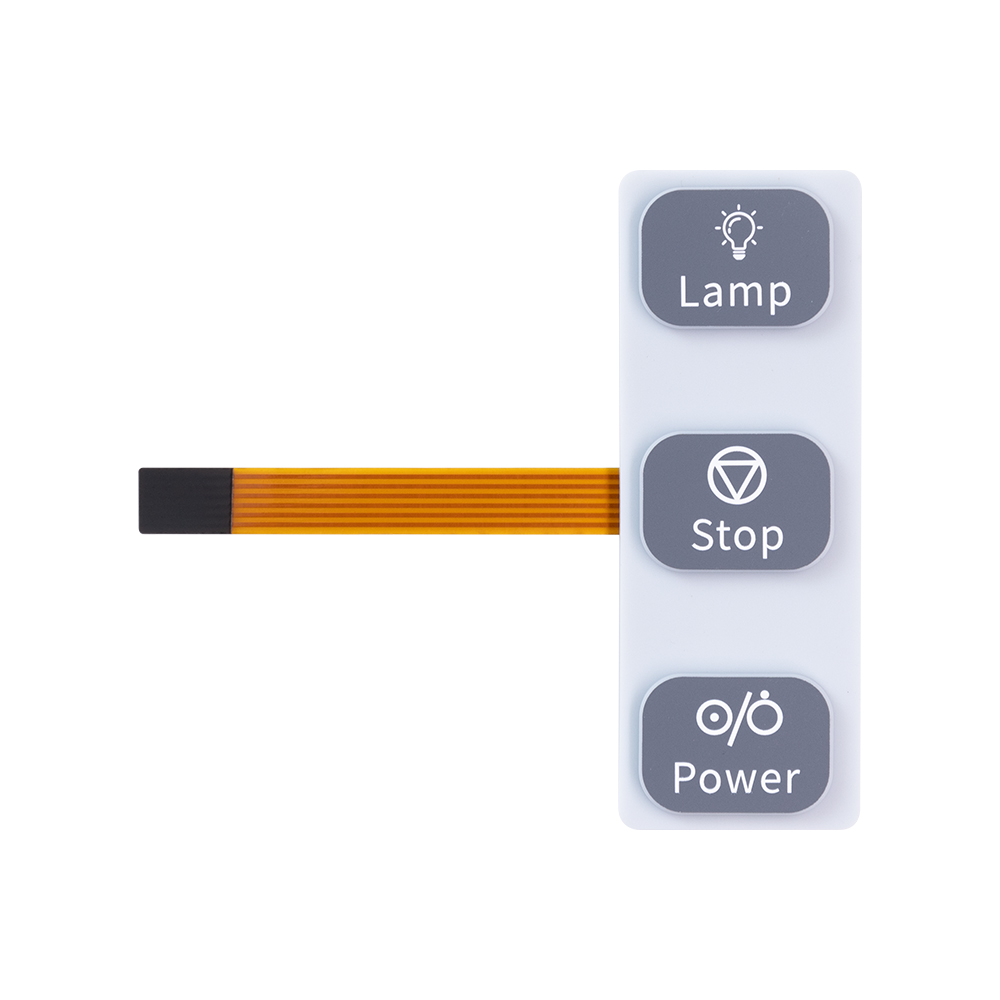
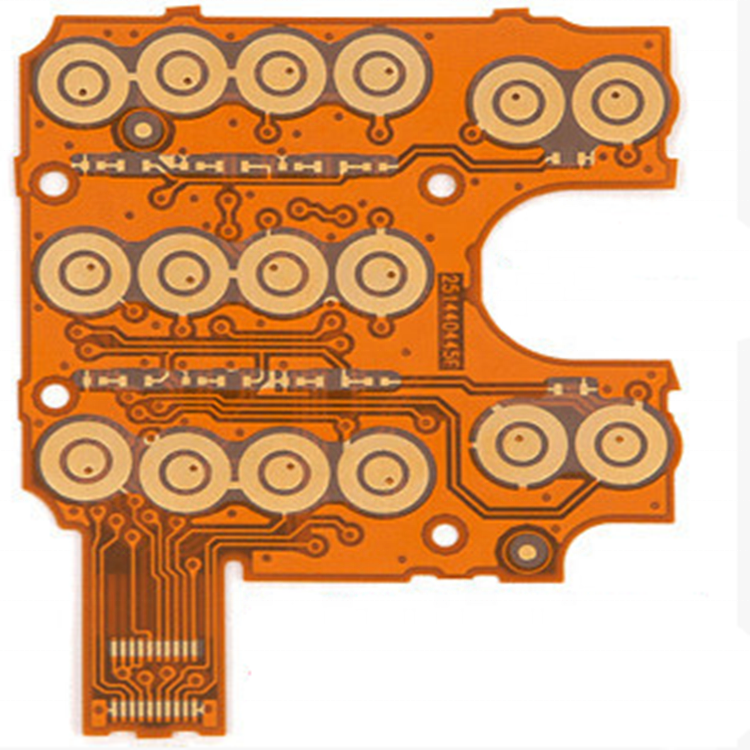
Advanced Thermal Engineering: Aluminum MCPCB Fabrication for High-Demand Environments
As electronic systems shrink while power densities surge, traditional FR4 laminates frequently fail due to their poor intrinsic thermal conductivity (~0.25 W/m·K). For high-performance industrial equipment, outdoor commercial luminaires, and automotive motor control units operating across Nouvelle-Aquitaine, metal core printed circuit boards (MCPCBs)—predominantly aluminum PCBs—have emerged as the definitive hardware backbone.
Shenzhen VUKO Electronics Co., Ltd. operates a high-precision manufacturing facility delivering specialized single-layer, dual-layer, and hybrid rigid-flex aluminum printed circuits. Our process focuses on reducing thermal resistance across three critical boundaries: the copper trace layer, the thermally conductive dielectric polymer layer, and the aluminum base plate. Utilizing premium 5052 and 6061 aluminum alloy substrates combined with advanced dielectric formulations ranging from 1.0 W/m·K to ultra-efficient 5.0 W/m·K ratings, our boards efficiently channel junction heat directly to system heat sinks, preventing thermal runaway and maximizing component lifespans.
| Technical Parameters | Standard Specification | Advanced / Custom Capabilities |
|---|---|---|
| Base Metal Core Material | Aluminum Alloy 5052 (High mechanical ductility) | Aluminum Alloy 6061, Copper Core Substrate |
| Dielectric Thermal Conductivity | 1.0 W/m·K – 2.0 W/m·K | 3.0 W/m·K – 5.0 W/m·K (Nano-ceramic filled) |
| Dielectric Breakdown Voltage | ≥ 3.0 kV AC / 4.0 kV DC | ≥ 6.0 kV AC (Reinforced insulation layers) |
| Finished Board Thickness | 0.8 mm – 1.6 mm (±10%) | 0.5 mm – 3.2 mm (±0.08 mm) |
| Copper Clad Weight | 1.0 oz (35 µm) – 2.0 oz (70 µm) | 3.0 oz – 6.0 oz (Heavy copper applications) |
| Surface Finishing Options | Lead-Free HASL, OSP | Electroless Nickel Immersion Gold (ENIG), Hard Gold |
| Solder Mask Performance | Super White (Reflectivity > 85%) | High-Reflectivity Non-Yellowing Matte/Gloss White |
| Fabrication Profiling | V-Scoring (±0.1 mm), CNC Milling | Punching/Die-cutting, Beveling, Countersunk holes |
By carefully balancing mechanical rigidity with dielectric thickness (typically 75 µm to 150 µm), our factory ensures that every substrate passes comprehensive electrical open/short tests, automated optical inspection (AOI), and rigorous Hi-Pot dielectric breakdown evaluations before international packaging.
Localized Industrial Applications in the Greater Bordeaux Ecosystem
The Bordeaux metropolitan area and the broader Gironde department represent one of Western Europe's most dynamic regional industrial ecosystems. Ranging from world-renowned precision viticulture to high-tier aerospace clusters (Aerospace Valley) and maritime maritime installations, engineers in Bordeaux demand electronics that withstand rigorous environmental factors including saline ambient air, high-pressure washdowns, and continuous heavy-duty cycles.
Agritech & Viniculture Automation
Autonomous harvesting machinery, laser-sorting lines, and climate-controlled winery fermentation sensors demand IP67-rated user interfaces and heat-dissipating motor controllers capable of running 24/7 during harvest seasons.
Aerospace & Defense Sub-Assemblies
Serving defense, civil avionics, and optical research hubs centered around Mérignac and Pessac. Our rigid-flex designs and High-TG MCPCBs provide dimensional stability under continuous mechanical vibration and thermal cycling.
Green Harbor & Maritime Systems
Port de Bordeaux electrification, offshore wind monitoring arrays, and marine logistics vessels require heavy copper substrates and salt-fog-resistant conformal coatings to eliminate failure risks in humid maritime environments.
Technological Synergy: Combining MCPCBs, FPC, and HMI Membrane Panels
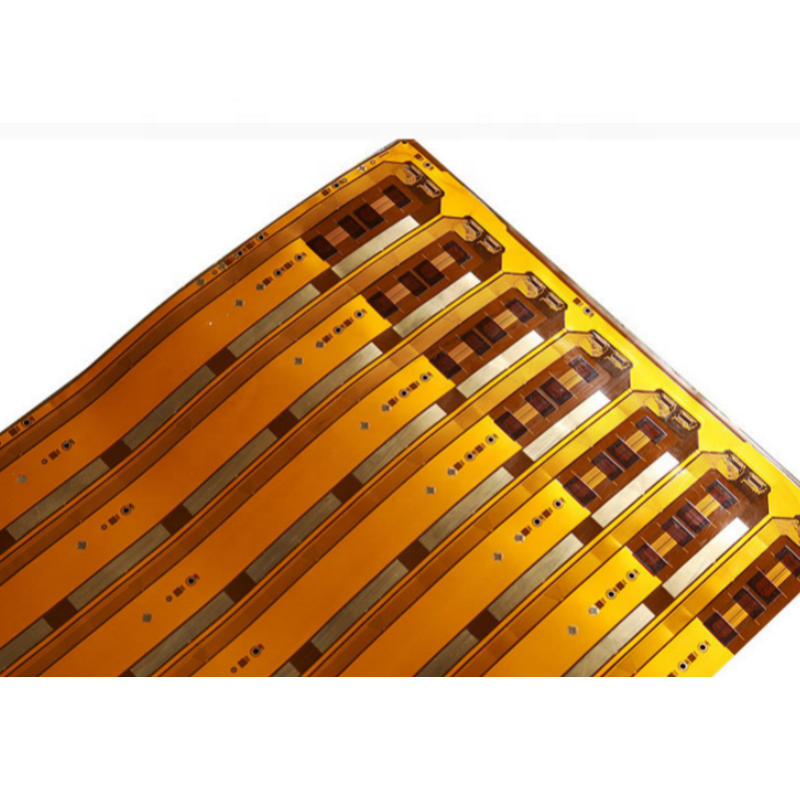
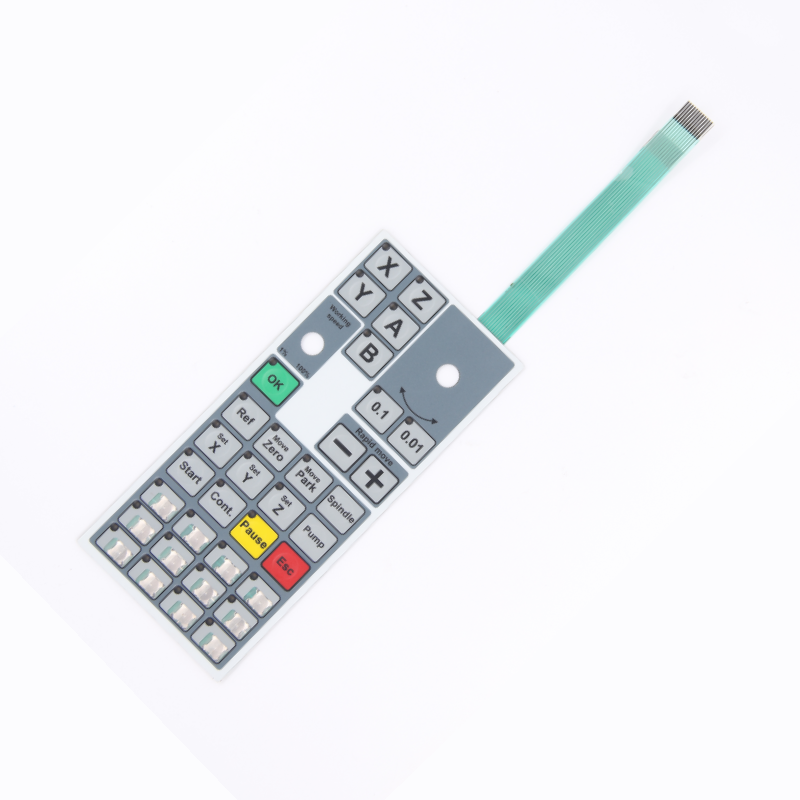
Engineers rarely build electronics in isolation. An automated winery bottling line, for example, combines a high-voltage BLDC motor driver built on a 2.0 W/m·K aluminum PCB, an internal sensor harness routed via ultra-flexible polyimide (FPC) circuits, and an exterior washdown-proof IP67 tactile membrane keypad. VUKO Electronics coordinates the design and fabrication across these interconnected domains under one engineering management umbrella. Our clients in Bordeaux receive integrated hardware subsystems that plug together flawlessly without trace mismatches, connector mismatches, or mismatched supplier delivery timelines.
Emerging Regional Trends: Electrification and Green Industry Across Nouvelle-Aquitaine
The manufacturing fabric across Southwest France is accelerating its transition toward decarbonization, high-efficiency lighting, and Industry 4.0 IoT deployment. This regional economic transformation drives three clear technological trends in circuit board specifications:
1. Architectural and Commercial Horticultural LED Modernization: The Gironde basin's eco-urbanization plans demand high-lumen, high-efficiency municipal lighting fixtures. Concurrently, greenhouse and indoor vertical agriculture operations deploy targeted spectrum LED arrays (combining deep red, far-red, and UV-A channels). These setups generate substantial localized thermal density. Our super-white solder mask MCPCBs offer greater than 85% surface reflectance and low junction thermal resistance, maintaining lumen maintenance standards across 50,000+ hours of operation.
2. EV Charging Infrastructure & High-Voltage Conversion: The rapid expansion of electric vehicle charging networks along the Atlantic transit corridors necessitates compact DC-DC converters, on-board battery management systems (BMS), and rugged power supplies. Heavy-copper aluminum boards (2 oz to 4 oz copper) dissipate heat produced by high-current switching MOSFETs directly through the baseplate, eliminating the need for bulky, fan-based cooling enclosures.
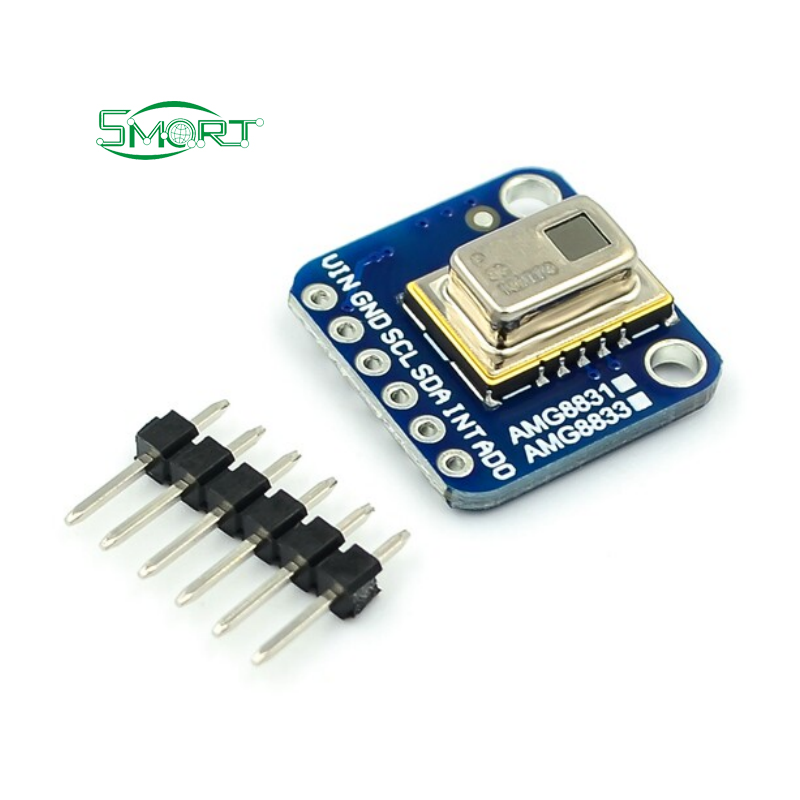
3. Edge Computing & Embedded Sensory Hardware: Distributed sensor nodes for environmental monitoring, forestry fire risk assessments, and soil telemetry increasingly rely on integrated functional thermal modules, such as our infrared array modules (GY-AMG8833) and micro-power Li-ion protection circuits. High-efficiency heat dissipation ensures baseline measurement fidelity and prevents thermal drift in precision analog front-ends.
Why Bordeaux Engineers & Global OEM Buyers Partner with VUKO Electronics
Shenzhen VUKO Electronics Co., Ltd. provides turn-key electronic manufacturing services (EMS) that bridge rapid prototype innovation with industrial mass production. Operating from the world's most agile electronic development center in Shenzhen, we eliminate the friction commonly experienced when managing multiple fabrication and assembly vendors.
Front-End DFM Review in 24 Hours
Every Gerber package, pick-and-place centroid file, and BOM is reviewed by our Senior Hardware Engineers prior to quoting. We catch panelization defects, isolation boundary errors, trace bottlenecks, and obsolete part numbers before production begins.
BOM Kitting & Turnkey Sourcing
We source 100% genuine electronic components—from discrete micro-passives to specialized MCUs, thermal sensors, connectors, and display drivers—leveraging authorized distribution networks with full lot traceability.
Certified Compliance & Trade Assurance
All fabricated substrates use UL 94V-0 rated laminates and comply strictly with EU RoHS and REACH directives. We support transparent export logistics with door-to-door DDP air express directly to facilities across Gironde.
Whether you require a pilot batch of 5 custom aluminum prototypes for laboratory trials or volume runs of 50,000 assembled units, our production lines maintain strict repeatability through computerized SMT placement, reflow temperature zoning, flying-probe electrical checks, and AOI inspection.
Procurement FAQ: Sourcing Aluminum PCBs from Bordeaux
What specific design files are required to receive an accurate DFM review and quotation?
For bare aluminum PCB fabrication, please upload industry-standard Gerber RS-274X or ODB++ files along with NC drill files, mechanical outline drawings (including scoring, profiling, or countersink details), copper thickness specifications, and target dielectric thermal conductivity (e.g., 1.5 W/m·K vs. 3.0 W/m·K). If requesting turnkey PCBA assembly, also include an Excel BOM containing full manufacturer part numbers (MPNs), reference designators, package footprints, and pick-and-place centroid coordinate files.
How does VUKO Electronics handle lead times and customs shipping to Bordeaux, France?
Our rapid-prototyping lines fabricate single- and double-sided aluminum circuit boards in as fast as 3 to 5 business days. Once assembled and 100% verified, we dispatch consignments via air priority couriers (DHL, FedEx, UPS) directly to Bordeaux–Mérignac Airport customs terminals or directly to your doorstep. Typical transit time is 3 to 5 working days, accompanied by complete commercial invoices, packing lists, HS code declarations (8534.00), and RoHS certificates of conformity to ensure rapid EU customs release.
What are the key differences between Aluminum 5052 and 6061 for circuit board applications?
Aluminum 5052 features exceptional mechanical workability, superior bending resilience, and enhanced natural corrosion resistance, making it the most cost-effective and versatile choice for standard planar lighting strips, display backlights, and CNC-cut enclosures. In contrast, Aluminum 6061 provides higher mechanical hardness, tensile strength, and structural rigidity. It is preferred when circuit boards serve as an integral structural load-bearing member or require complex thread tapping and countersinking.
How do you verify the electrical insulation and dielectric reliability of your MCPCBs?
Dielectric reliability is vital when handling high operational voltages. Every batch undergoes Hi-Pot (High Potential) insulation testing in accordance with IPC-4101 standards, applying testing voltages between 1,500V AC and 3,000V AC (or DC equivalents) between the circuit copper layer and the metal baseplate to ensure zero breakdown or leakage current. We also execute 100% automated optical inspection (AOI) to eliminate shorts and micro-nicks on trace runs.
Can VUKO produce hybrid stackups incorporating both FR4 and Aluminum layers?
Yes. For complex control boards requiring both dense digital signal processing (such as fine-pitch microcontrollers) and high-power dissipation zones (such as power MOSFETs or LED drive arrays), we fabricate multi-layer hybrid stackups. These combine conventional FR4 multi-layer circuitry laminated directly over a thermally conductive dielectric bond layer and an aluminum backing plate.