Precision Electronics & Subsystems
Core Engineering Products & Interconnect Assemblies
Explore our turnkey PCAP touchscreen layers, flexible printed circuitry, high-dielectric motor starting capacitors, thermoelectric modules, and solid-state sensors built for heavy-duty industrial and maritime duty cycles.
14+
Years Global OEM & Export Track Record
5 Pcs
Ultra-Low MOQ for Prototyping & Pilot Runs
<24h
Engineering DFM Review & Quotation Turnaround
IP68
Hermetic Waterproof & Salt Mist Protection Grade
Projected Capacitive (PCAP) Engineering Architecture in High-Salinity Environments
Teaoraereke, located along the urbanized central corridor of South Tarawa in the Republic of Kiribati, represents one of the most operationally demanding maritime environments in the Central Pacific. Characterized by continuous high relative humidity (averaging 78% to 92%), pervasive airborne chloride ions (salt spray deposition), intense ultraviolet solar irradiance, and elevated tropical ambient temperatures, off-the-shelf control interfaces degrade rapidly. Conventional resistive touchscreens and standard open-frame mechanical membrane switches suffer from premature plasticizer breakdown, trace oxidation, and conductive silver migration within 6 to 18 months of installation.
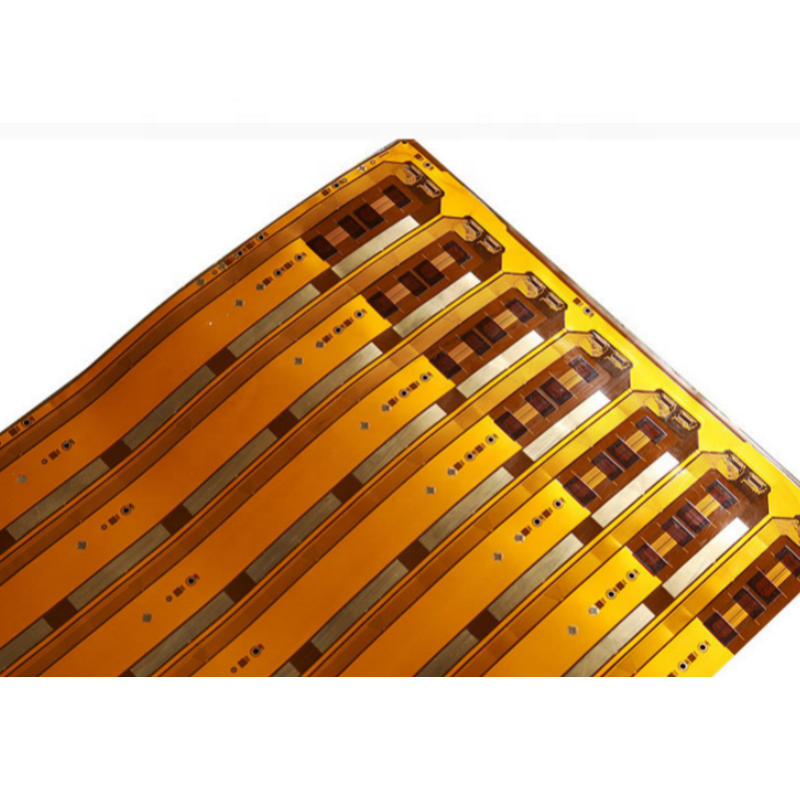
As a tier-one manufacturing partner based in Shenzhen, Shenzhen VUKO Electronics Co., Ltd. bridges this reliability gap by delivering custom-engineered Projected Capacitive (PCAP) touch control panels and ruggedized human-machine interfaces (HMIs). Built on aerospace-grade Polyimide (PI) Flexible Printed Circuits (FPCs), chemically strengthened cover glass (7H to 9H Mohs hardness), and ITO (Indium Tin Oxide) or metal-mesh sensor matrices, our capacitive panels are calibrated specifically to reject water droplet noise, ignore saline films, and operate flawlessly even under heavy glove actuation.
True Hermetic IP67/IP68 Sealing
Multi-tier gasket channels utilizing 3M 300LSE/VHB high-tack acrylic adhesives and custom-molded silicone gaskets prevent saline moisture ingress, protecting core FPC traces and IC controllers from electrolytic corrosion.
Advanced Wet-Finger & Glove Algorithms
Integrated micro-controllers running specialized mutual and self-capacitance firmware algorithms filter false touches caused by condensation pools, salt crusts, and sea spray common across Tarawa lagoon operations.
Anti-Glare, Anti-Reflective & UV Block
Equatorial sunlight readability is guaranteed through optical bonding (LOCA/OCA) paired with high-efficiency AR/AG/AF etched coatings and UV-blocking PET/PC decorative films that resist yellowing up to 100,000+ hours.
Localized Application Scenarios in South Tarawa's Critical Infrastructure
Teaoraereke serves as a administrative, commercial, and educational hub in South Tarawa, adjacent to critical government infrastructure, public utilities, maritime landing points, and small-scale manufacturing facilities. Standard consumer-grade touchscreens deployed in this microclimate quickly succumb to trace delamination and erratic capacitive behavior. Below are the core localized engineering environments where VUKO's custom capacitive control panels deliver verified uptime and system survival:
1. Desalination Plants & Brackish Water Purification Terminals
Drinking water across South Tarawa relies heavily on reverse osmosis (RO) desalination units, solar stills, and deep rainwater catchment filtration systems operated by public utility boards and local cooperatives in Teaoraereke. The human-machine interfaces on these treatment plants operate in constant proximity to high-pressure saltwater lines, ozone generation modules, and caustic cleaning cycles. VUKO supplies capacitive panels laminated with chemical-resistant Corning Gorilla Glass overlays, utilizing chemically inert ceramic frit border printing that withstands chlorine, cleaning bleach, and ambient brine mist without graphic degradation.
2. Off-Grid Solar Photovoltaic (PV) & Lithium-Ion BESS Microgrids
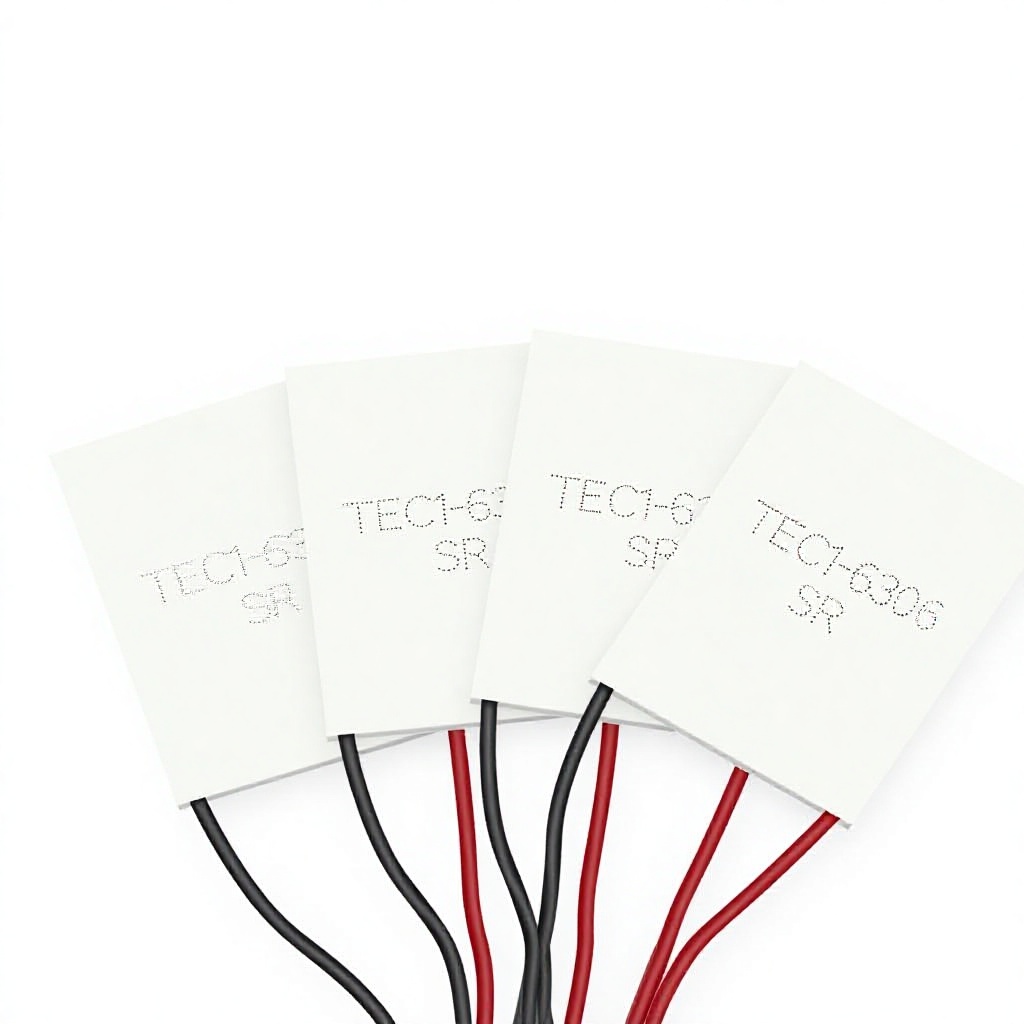
With Kiribati's national commitment to transitioning toward renewable power, community microgrids combining solar PV arrays with battery energy storage systems (BESS) are installed across Teaoraereke and neighboring villages. Control cabinets endure extreme heat accumulation inside non-air-conditioned enclosures exposed to ambient temperatures exceeding 35°C with solar thermal loading up to 60°C. VUKO integrates high-TG FR4 circuit layers, aluminum-backed cooling plates, and thermal management components like our TEC1-12702 Peltier cooling modules to maintain stable touch controller junction temperatures under continuous equatorial solar bombardment.
3. Inter-Island Maritime Navigation, Outboard Engine Monitoring & Cold-Chain Loggers
Betio port, situated just west of Teaoraereke, anchors the inter-island passenger transport, artisanal tuna fishing, and maritime logistics routes connecting Tarawa to the outer Gilbert Islands. Modernized diesel fishing skiffs, surveillance patrol craft, and refrigerated transport vessels require capacitive switch consoles to monitor GPS position, bilge pumps, engine telemetry, and catch hold temperatures. Our capacitive touch assemblies feature wide-operating-temperature driver ICs (-40°C to +85°C), EMI/RFI shielding silver mesh to prevent radio interference on VHF marine transceivers, and IP68 sealed polyimide tails directly bonded to motherboard PCBAs.
4. Municipal Telecommunications & Remote IoT Meteorological Stations
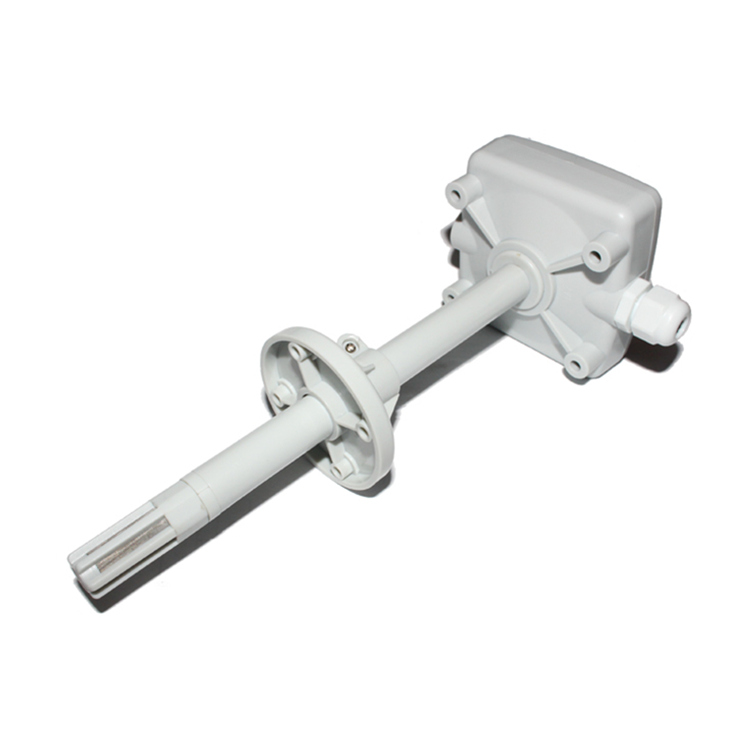
Telecom towers, weather stations, and sea-level rise monitoring arrays installed along the South Tarawa reef flat demand ultra-low-power capacitive switch inputs. Using specialized sleep-mode scanning algorithms, VUKO's capacitive touch controllers draw micro-amp currents during standby, awakening instantly upon human finger approach. Coupled with our smart duct type environmental monitoring sensor housings, field controllers log relative humidity, air temperature, and barometric pressure without risk of condensation shorting.
Engineering Specification Matrix: Standard vs. Maritime-Grade Capacitive Panels
| Performance Parameter | Commercial Grade (Standard) | VUKO Marine/Tropical Grade (Custom OEM) | Technical Impact in Teaoraereke |
|---|---|---|---|
| Operating Temperature | 0°C to +50°C | -40°C to +85°C (Extended Industrial) | Eliminates controller freeze-up in direct tropical sun-trap enclosures. |
| Salt Spray Resistance | ASTM B117 < 24 Hours | IEC 60068-2-52 Kb Salt Mist > 168–500 Hours | Guarantees zero silver migration or connector trace oxidation across South Tarawa. |
| Optical Bonding | Air Gap (Double-Sided Tape) | Full Optical Liquid (LOCA) / Dry (OCA) Bonding | Prevents internal condensation fogging between LCD and touch panel permanently. |
| Water Rejection Algorithm | Uncalibrated (False touches on droplets) | Differential Mutual Capacitance Firmware | Ensures precision touch input while wet with rain, seawater spray, or high sweat. |
| Cover Lens Hardness | 3H–4H Acrylic / PET Plastic | 7H–9H Chemically Strengthened Glass / Hardcoated PC | Immune to abrasion from airborne coral dust, fine lagoon sand, and heavy impact. |
| Substrate Material | Standard FR4 / Polyester Circuit | High-TG Polyimide (PI) Flex / Silver-Carbon Alloy | Maintains flexible trace integrity under long-term thermal expansion cycles. |
Macro Trends, Supply Chain Logistics & Procurement Trajectories for Kiribati
Procuring precision electronic components and custom capacitive HMI hardware into Teaoraereke presents geographic and logistical challenges typical of remote Pacific Island nations. With no indigenous semiconductor manufacturing or precision electro-mechanical fabrication facilities within Kiribati, engineering projects rely 100% on imported assemblies. Over the past five years, four decisive procurement patterns have reshaped how local municipal agencies, private contractors, and international development initiatives source electronic control panels:
1. Shift from Component Assembly to Pre-Tested Turnkey Subsystems
Due to the acute scarcity of SMD rework benches, microscopic solder inspection stations, and precision reflow ovens in South Tarawa, project engineers avoid ordering bare components. Instead, buyers require fully assembled, pre-programmed, and optically bonded sub-assemblies. Shenzhen VUKO Electronics delivers end-to-end integration: we manufacture the bare PCB or FPC, source active and passive BOM components, place fine-pitch ICs via automated high-speed SMT lines, bond the capacitive glass overlay, and perform 100% flying-probe and functional fixture testing before dispatch.
2. Resilience-Driven DFM (Design for Manufacturing) Optimization
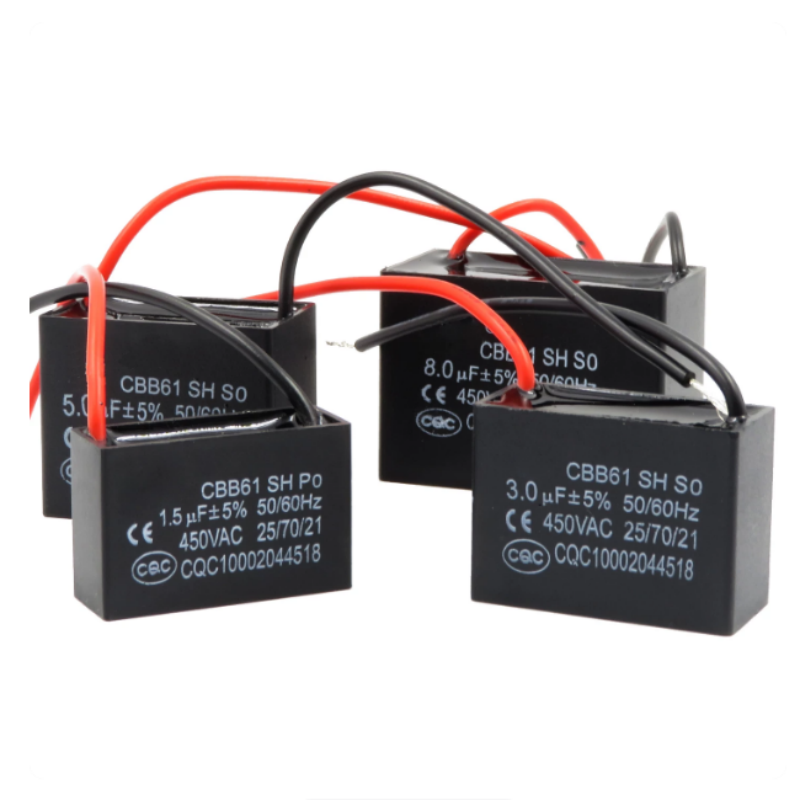
A failed component in Teaoraereke cannot be replaced overnight. Spare parts often take weeks to arrive via air freight or months via consolidated ocean freight to Betio Port. Consequently, local engineering briefs prioritize redundancy: incorporating transient voltage suppression (TVS) diodes against lightning-induced grid surges, conformal silicone or polyurethane coatings against saline humidity, and broad operating tolerance capacitors like our CBB61 450VAC starting capacitors to handle unstable island voltage fluctuating between 200V and 260V.
3. Optimized Logistics Corridors: Air Courier vs. Ocean Freight Consolidation
Procurement into Teaoraereke typically follows two logistical lanes routed out of Shenzhen's logistics hub:
- Express Air Courier (via Fiji/Nadi or Brisbane to Bonriki International Airport - TRW): Ideal for rapid-turn prototypes (MOQ 5 pieces) and mission-critical emergency replacement panels. Transit time averages 7 to 12 business days, enabling swift engineering iteration.
- Consolidated LCL Ocean Freight (via Port of Suva to Betio Port, South Tarawa): The primary economical freight corridor for volume production runs, municipal street-lighting upgrades, and large-scale solar infrastructure rollouts. Transit spans 30 to 50 days, where anti-static, hermetically vacuum-sealed packing with humidity indicator cards is mandatory to prevent moisture ingress during equatorial sea transit.
4. Demand for Modular Lighting & Mechanical Integration
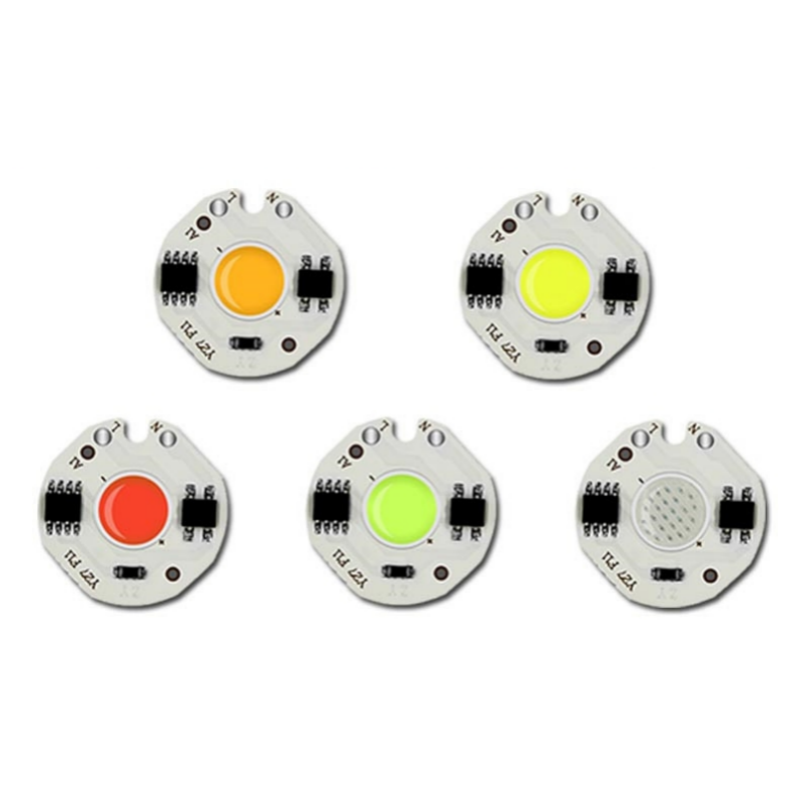
Energy efficiency standards across the Pacific promote the adoption of high-efficiency solid-state illumination. VUKO supplies integrated assemblies that merge capacitive power control switches with direct-drive illumination platforms, such as our 110V/220V driverless COB LED chips and high-thermal-conductivity metal-core aluminum PCBs, allowing municipal installers to eliminate external driver boxes that frequently burn out in tropical attics.
Shenzhen VUKO Electronics Co., Ltd. — Your Direct Manufacturing Factory Partner
Based in the epicenter of the global hardware ecosystem—Shenzhen, China—Shenzhen VUKO Electronics Co., Ltd. eliminates intermediate trading brokers by providing global OEM buyers with direct factory engineering access. With over 14 years of verified manufacturing track record on Alibaba.com, an onsite-verified facility, and thousands of successfully deployed PCB, PCBA, FPC, and HMI projects worldwide, we guarantee precision manufacturing backed by comprehensive quality certifications.
One-Stop Complete BOM Integration
Fabricate bare PCBs (1-12+ layers), flexible printed circuits (FPC), and metal-core aluminum boards while our turnkey procurement division sources genuine ICs, connectors, and passive parts with complete lot traceability.
24-Hour Engineering DFM Review
Every Gerber file, circuit schematic, CAD drawing, and BOM submitted undergoes rigorous Design for Manufacturing (DFM) verification within 24 hours, catching footprint errors, trace clearance risks, and obsolete parts prior to toolmaking.
Low MOQ Prototyping from 5 Pcs
We eliminate steep volume hurdles for Pacific Island hardware developers. Prototypes, proof-of-concept builds, and low-volume pilot runs start from just 5 pieces before scaling seamlessly into full automated mass production.
Multi-Tier Inspection Protocol
Quality is verified at every station: Solder Paste Inspection (SPI), Automated Optical Inspection (AOI), X-ray BGA alignment, flying probe electrical continuity testing, and custom functional testing fixtures build zero-defect confidence.
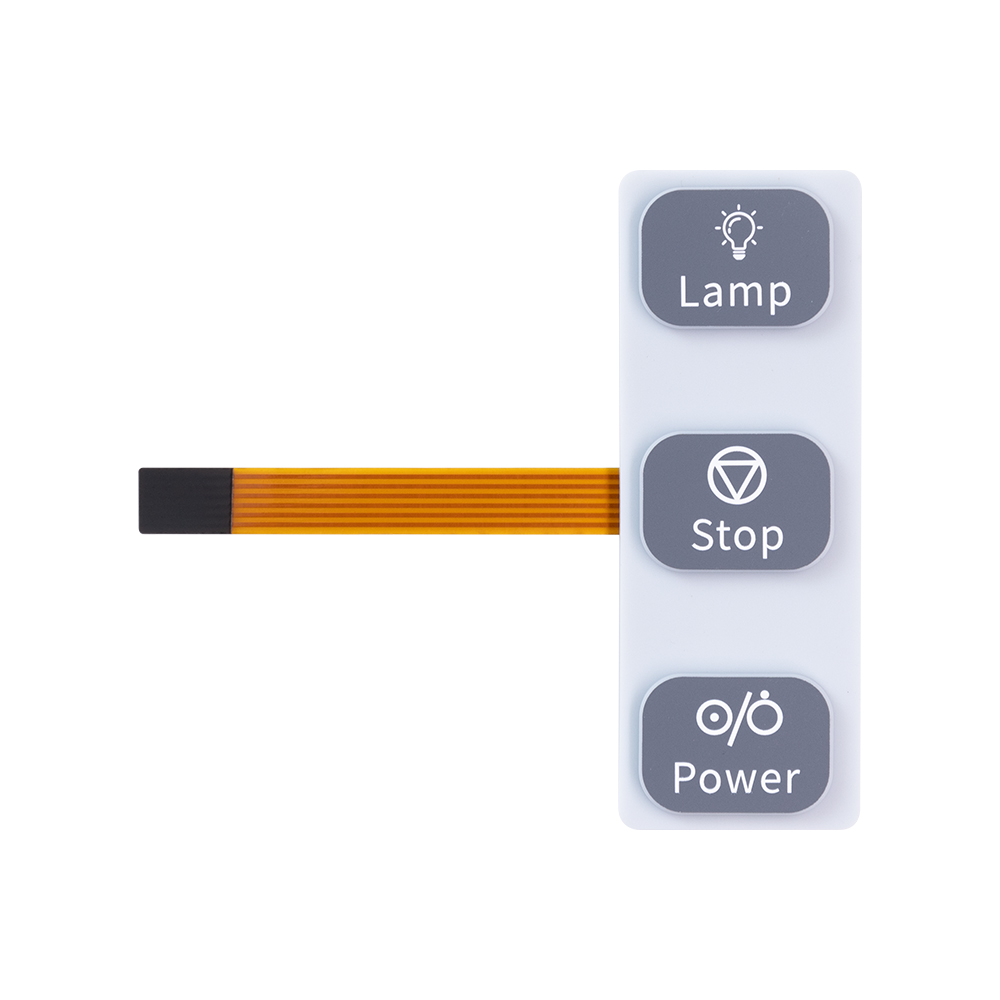
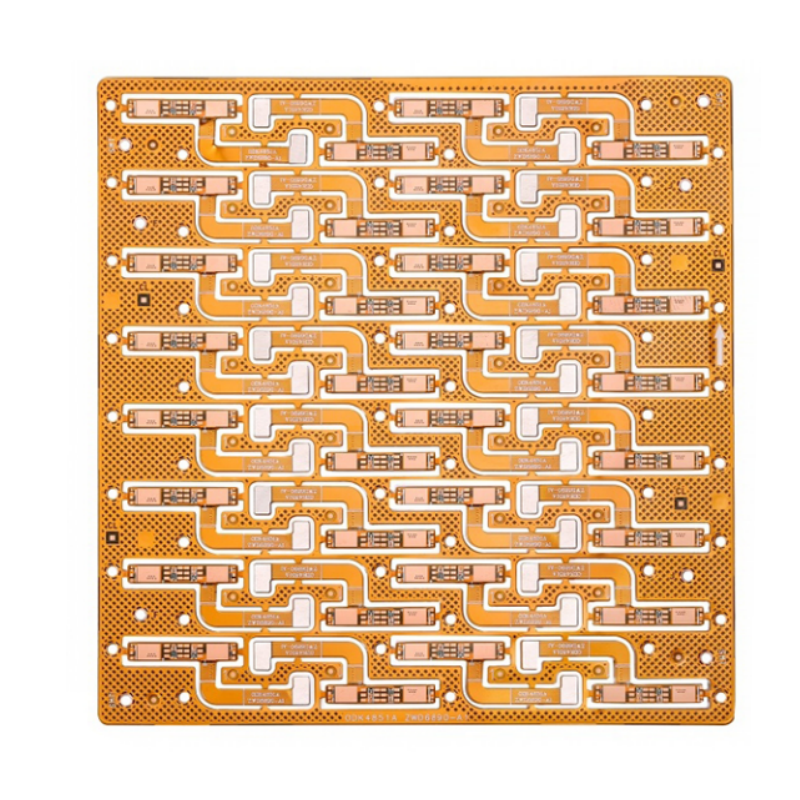
Whether you require custom tactile metal-dome overlays, ultra-thin polyimide circuits via our fast-turn custom flex PCB prototyping service, or full turnkey assemblies via our one-stop custom flex PCB SMT assembly, VUKO's unified production facilities ensure consistent mechanical tolerances and uncompromised electrical integrity.
Comprehensive Procurement FAQ for Buyers in Teaoraereke & Pacific Rim
Navigating cross-border electronic hardware manufacturing requires clarity regarding design deliverables, environmental hardening, commercial warranties, and shipping logistics. Below are the most frequent technical inquiries submitted by regional procurement directors and design engineers:
What engineering design files are required to obtain a firm quotation for a custom capacitive control panel?
To provide an accurate technical assessment and quotation within 24 hours, our engineering department requires: (1) Vector graphic artwork (in Adobe Illustrator .AI, CorelDraw .CDR, or vector .PDF format) defining graphic overlay colors, key borders, clear window cutouts, and LED indicator zones; (2) Mechanical enclosure 2D/3D CAD drawings (.DXF, .DWG, or .STEP) indicating overall dimensions, cutouts, panel bevels, and mounting stud locations; (3) Circuit Gerber files (RS-274X) for the underlying FPC or PCB sensor layer; and (4) Communication interface specifications (I2C, USB, UART, or matrix output) along with desired touch controller IC brands (e.g., Microchip, Ilitek, Goodix, FocalTech).
How do VUKO's capacitive panels resist salt spray corrosion and airborne salt mist along South Tarawa?
Unlike standard membrane switches that use exposed silver conductive inks printed on untreated polyester film—which undergo rapid electrochemical silver dendritic migration in humid saline air—VUKO employs hermetically sealed Polyimide (PI) substrates with gold-plated (ENIG) or carbon-overprinted traces. Furthermore, our capacitive panels are optically bonded to cover lenses using solid optical clear adhesives (OCA) or liquid UV-curable resins (LOCA), eliminating micro-air gaps where humid saline air could condense. Internal connectors are treated with anti-corrosive conformal coatings compliant with IEC 60068-2-52 Kb severe salt mist cycling standards.
Can capacitive control panels function properly if operators have wet hands or are wearing gloves?
Yes. We implement mutual-capacitance sensor grid architectures combined with proprietary firmware tuning. Mutual capacitance measures the change in electrical coupling between intersecting X and Y electrode nodes rather than capacitance to ground (self-capacitance). This allows the firmware to differentiate between a localized high-dielectric human finger press and a broad pool of conductive saline water standing on the glass surface. For outdoor applications in Kiribati, we tune the controller sensitivity thresholds to accommodate latex, nitrile, neoprene, or heavy leather work gloves without false triggering or touch blindness.
What is the minimum order quantity (MOQ) for custom-molded capacitive glass panels and FPC tails?
Recognizing the specialized nature of municipal utilities and regional infrastructure projects in Kiribati, VUKO supports low-MOQ development cycles starting from only 5 to 10 pieces for custom prototypes and engineering qualification samples. Once field trials in Teaoraereke confirm optical and electrical performance, production can transition effortlessly to batches of 50, 500, or 10,000+ units without requiring re-tooling or file re-validation.
How are shipments packed to prevent transit degradation across tropical maritime shipping routes?
All VUKO products scheduled for Pacific transit undergo export-grade tropicalized packaging. Assemblies are individually packed in anti-static ESD shielding bags, vacuum-sealed with active silica gel desiccant packs and cobalt-free humidity indicator cards, and enclosed within heavy-duty double-wall corrugated cartons reinforced with edge protectors. For sea-freight consolidations heading to Betio Port, cartons are shrink-wrapped and strapped onto heat-treated ISPM-15 export pallets to prevent moisture absorption and physical crushing during equatorial container transit.
What payment protection mechanisms are available for international buyers in Kiribati?
Orders can be transacted directly via Alibaba.com Trade Assurance, providing end-to-end commercial protection. Trade Assurance secures your capital by ensuring money is released only after pre-shipment quality inspection standards and scheduled dispatch deadlines are fulfilled. We also accept standard commercial payment mechanisms including Telegraphic Transfer (T/T), PayPal for prototype tooling, and irrevocable Letters of Credit (L/C) for municipal container-load contracts.
Can VUKO reverse-engineer an obsolete or failed mechanical membrane panel into a modern capacitive glass interface?
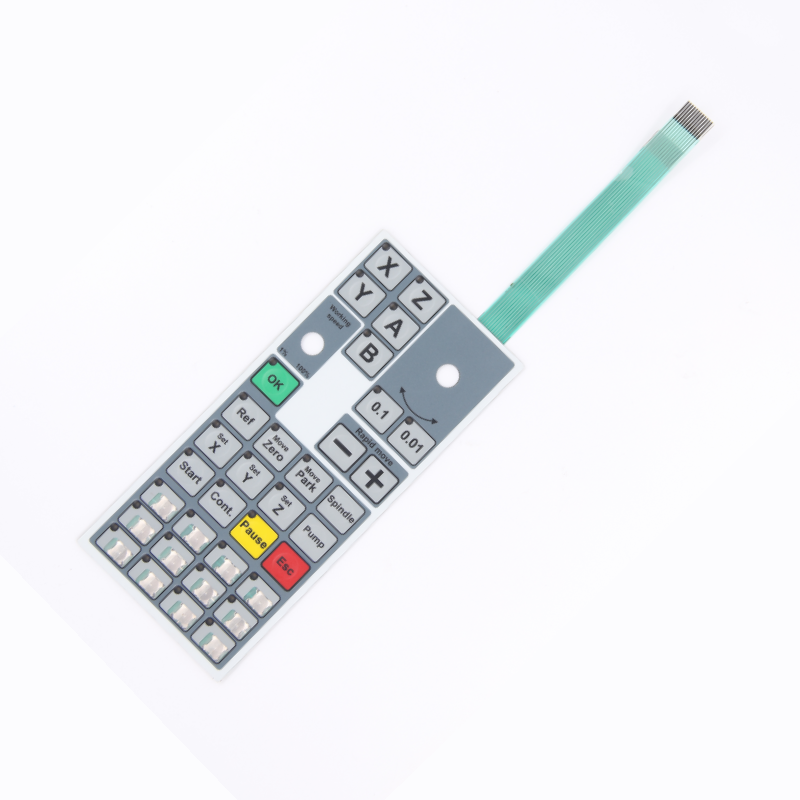
Yes. If you have legacy machinery or marine consoles in Teaoraereke where the original manufacturer has ceased support, you can courier the physical failed keypad to our Shenzhen engineering lab. Our reverse engineering team extracts the schematic circuit layout, pinout definitions, and enclosure tolerances, rebuilding the interface into a state-of-the-art solid-state capacitive panel or upgraded metal-dome FPC switch that fits perfectly into the existing enclosure cutout.
Ready to Engineer Your Ruggedized Capacitive Control Panel?
Submit your CAD drawings, Gerber files, or BOM specifications today. Our Shenzhen-based engineering team will deliver a comprehensive Design for Manufacturing (DFM) analysis and transparent quotation within 24 hours.
Inquire Now