Featured Engineering Solutions
Explore our verified high-reliability electronic assemblies, interconnects, capacitive systems, and membrane switch accessories tailored for industrial integration in Gonaïves.
Engineering Architecture of Non-Tactile Membrane Switches
Comprehensive analysis of non-tactile switch topologies, ingress protection ratings, mechanical durability, and international CE compliance standards.
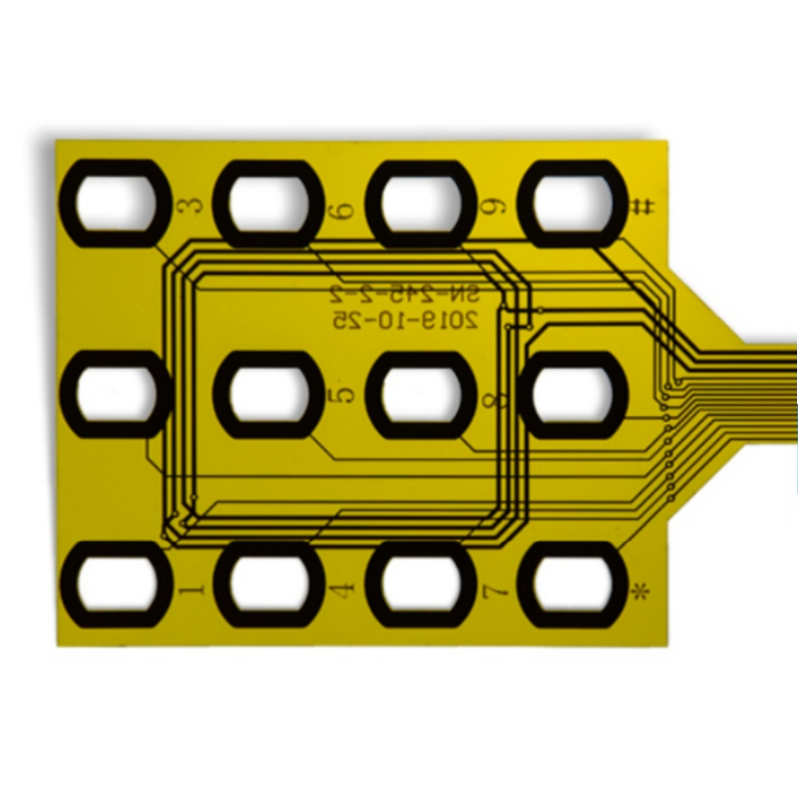
A non-tactile membrane switch represents a sophisticated, completely flat Human-Machine Interface (HMI) assembly engineered without the mechanical metallic snap domes or tactile poly domes typically found in tactile switches. By removing internal moving mechanical elements, non-tactile switches eliminate mechanical fatigue, extending standard switch actuations beyond five million continuous cycles under strict environmental conditions. Operating on a simple, ultra-thin contact closure principle, these devices feature two conductive layers—conventionally screen-printed with pure conductive silver ink, carbon paste, or executed on flexible copper polyimide (FPC)—separated by a thin, precisely die-cut adhesive spacer layer.
When physical finger pressure is exerted across the specified graphic overlay actuation zone, the flexible upper conductive pad deflects across a tiny spacer gap (typically 0.125mm to 0.25mm) to bridge the lower circuit contact. Because there is no mechanical feedback, non-tactile switches are universally coupled with integrated optical indicators (embedded ultra-thin SMD LEDs), integrated transparent LCD windows, or external acoustic signals from an onboard microcontroller (MCU) to confirm actuation to the operator.
Polyester Graphic Overlay
Autotex XE or fine-matte polyester film (PET) reverse-printed to resist UV yellowing, chemical washes, mechanical scuffing, and industrial solvents common in processing facilities.
Polyimide / Silver Circuitry
High-conductivity screened silver circuit or double-sided FPC flex core ensuring loop resistances below 100 ohms, anti-silver migration carbon barriers, and stable logic switching.
Hermetic Ingress Sealing
Utilizing 3M 467MP/468MP laminating adhesives and perimeter sealing gaskets to achieve continuous IP65, IP66, and optional IP67 ingress protection against liquid and particulate saturation.
Industrial & Environmental Use Cases in Gonaïves
Engineered specifically to solve the mechanical reliability, electrical continuity, and environmental exposure challenges unique to the Artibonite regional market.
Gonaïves, serving as the commercial capital of the Artibonite department, hosts critical industrial hubs ranging from agricultural processing facilities and rice milling stations to marine port terminal infrastructure, solar microgrid sub-stations, and water purification utilities. HMIs deployed in Gonaïves face severe environmental stressors: constant airborne dust and grain particulates, high tropical humidity, intense ultraviolet exposure, and frequent power transients caused by off-grid electrical generation systems.
Agro-Processing & Grain Mills
Traditional mechanical pushbuttons fail in rice mills due to airborne husk dust clogging internal contact springs. Completely sealed non-tactile surfaces offer zero gaps, allowing easy washdowns and impervious dust resistance.
Solar Inverters & Off-Grid Power
With regional reliance on microgrids and diesel generator backups, solar charge controllers and power conditioning racks rely on UV-stabilized non-tactile overlays with embedded display windows to prevent heat warping.
Medical Dispensaries & Labs
Artibonite healthcare centers require sanitized operator panels on diagnostic gear. Non-tactile antimicrobial polyester interfaces easily tolerate frequent wipe-downs with bleach, isopropyl alcohol, and antiseptic detergents.
Hardware Architecture Shifts in Regional Haitian Manufacturing
How modernization in the Artibonite valley is shaping component specifications, longevity mandates, and supply-chain criteria.
In past decades, industrial repairs and OEM installations across Gonaïves relied heavily on imported second-hand machinery equipped with electromechanical rocker switches and tactile domes. However, high repair downtime and humidity-induced galvanic corrosion rapidly degraded those assemblies. Today, industrial buyers and technical procurement teams in the Artibonite region are systematically transitioning toward monolithic non-tactile systems and integrated capacitive HMI control surfaces.
Key technological shifts currently unfolding in the Gonaïves industrial ecosystem include:
FPC Substrate Substitution
Moving away from traditional screen-printed silver ink toward polyimide copper FPC backbones. Copper traces eliminate the risk of silver migration under high relative humidity and 40°C ambient heat cycles.
Integrated Thermal Dissipation
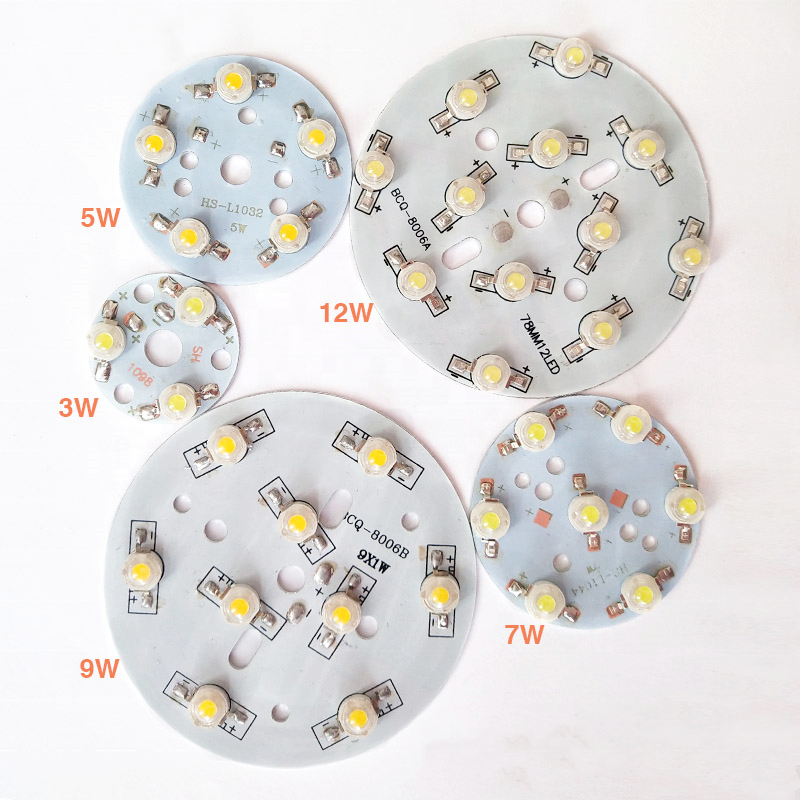
Combining non-tactile switch assemblies with aluminum PCB backplates (MCPCB) to handle dual roles: providing rigid mechanical backing for the keypad while transferring heat away from power electronics.
CE Certification Mandates
With expanded funding from multinational infrastructure agencies, industrial retrofits in Gonaïves increasingly demand strict compliance documentation, including CE, RoHS, and ISO 9001 certifications.
Why Engineering Teams Partner With Shenzhen VUKO
Consolidating bare board fabrication, PCBA assembly, precision flex circuits, and custom HMI membrane switches under a single ISO-certified roof.
Full BOM & Turnkey Supply
We source genuine ICs, passives, connectors, and sensors directly from qualified component manufacturers, running comprehensive counterfeiting checks before SMT placement.
Advanced Optical & Flying Probe Testing
Every switch array undergoes automated continuity, contact resistance, and breakdown voltage verification alongside automated optical inspection (AOI) for overlay printing integrity.
Complete File DFM Reviews
Our engineering staff checks your Gerber files, mechanical CAD outlines, pinout schematics, and color pantones within 24 hours, addressing tooling issues before metal stamping and screen runs.
Frequently Asked Questions for Buyers in Gonaïves
Essential technical and logistical answers regarding sample prototyping, freight delivery, customs documentation, and harsh environment specifications.
Why should an industrial plant in Gonaïves specify non-tactile over tactile switches?
Non-tactile membrane switches feature a completely sealed, continuous structure without internal metal domes. In high-dust environments (such as grain mills) and high-humidity saline coastal areas near the Gulf of Gonâve, metal domes can trap air pockets that oxidize or gather condensation. Non-tactile switches offer unbroken flat seals with IP65-IP67 ratings, extending operational life beyond five million cycles without particulate jamming.
How does non-tactile actuation confirm keypresses to equipment operators?
Because non-tactile switches lack mechanical click feedback, feedback is delivered through visual indicators (integrated surface-mount LEDs beneath transparent graphic windows) or external acoustic buzzers managed by the host control board. We can embed ultra-thin SMD LEDs directly into the circuit layer or integrate clear display windows for back-mounted digital readouts.
What file formats and design documentation are needed to begin custom production?
We require vector artwork files (AI, CDR, or high-resolution PDF) for graphic overlays detailing Pantone or RAL colors, alongside vector CAD/DXF files for perimeter dimensions, connector tail length, and pinout schematics. If integrating FPC circuit layers or PCB backers, standard RS-274X Gerber files and drill files are necessary.
What is your Minimum Order Quantity (MOQ) for prototypes and pilot deployments?
To support engineering validation and custom OEM development, our prototype MOQ starts from just 5 pieces. Once sample builds pass your bench testing, orders seamlessly scale to small-batch pilot runs or full volume container shipments.
What are the air-freight options and shipping timelines to northern Haiti and Gonaïves?
We partner with DHL, FedEx, and air-cargo forwarders offering regular routes into Port-au-Prince (PAP) or Cap-Haïtien (CAP), from which overland bonded logistics forward shipments directly to Gonaïves. Typical air express delivery from our Shenzhen production facility takes 5 to 9 business days following factory inspection and anti-static vacuum packaging.
How are commercial transactions protected for international procurement?
Orders are processed via Alibaba.com Trade Assurance, providing complete escrow protection over both upfront payments and agreed dispatch schedules. Standard wire transfer (T/T), PayPal, and verified Letter of Credit (L/C) options are fully supported under strict compliance protocols.