Precision Flexible Circuits & Electro-Mechanical Sub-Assemblies
Tailored for European Tier-1 hardware builders: ultra-thin bend profiles, custom tactile interfaces, and rapid turnaround SMT kitting tested for harsh operating environments.
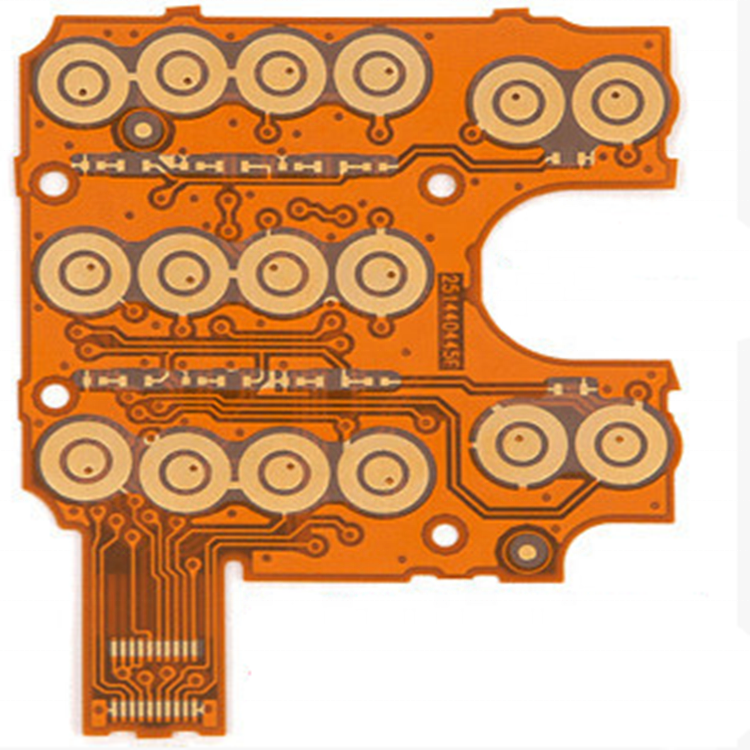
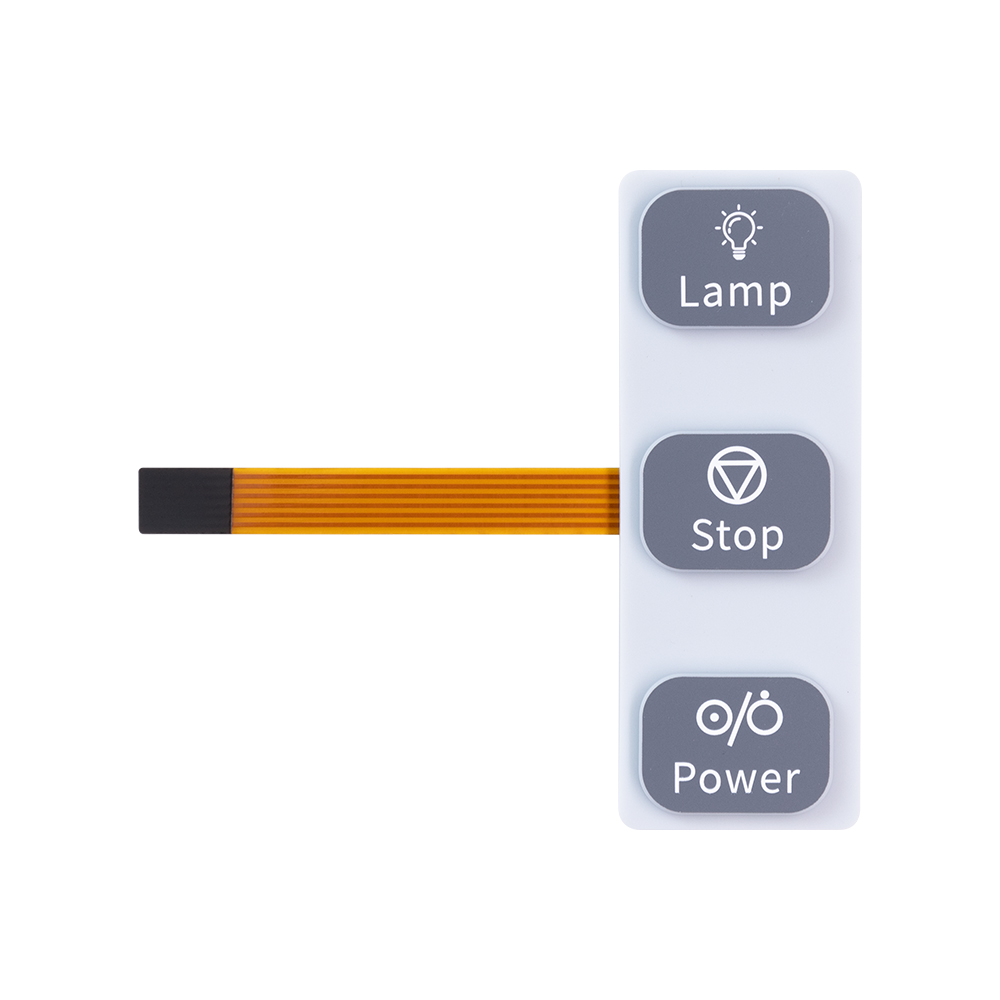
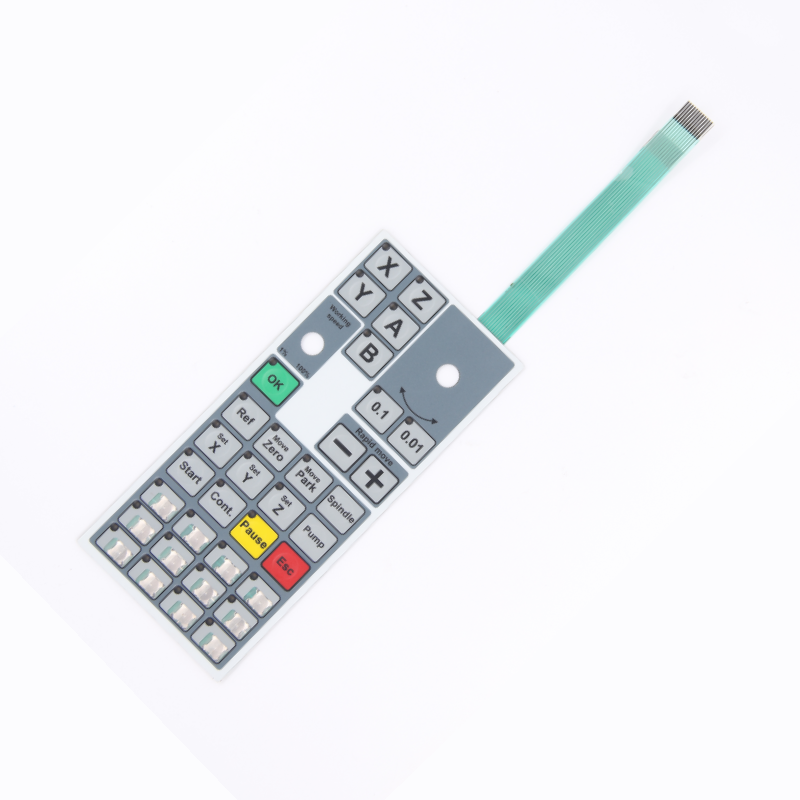
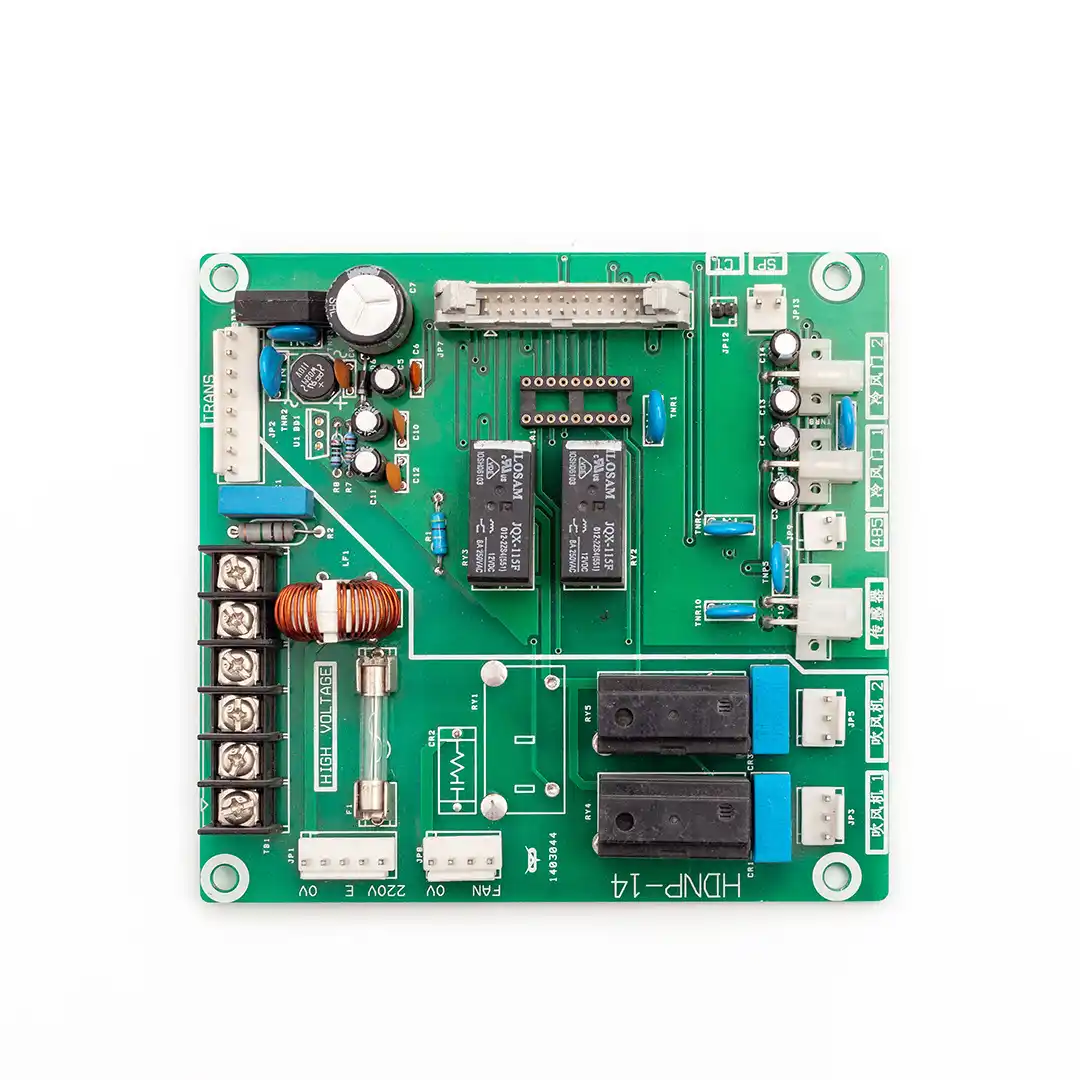
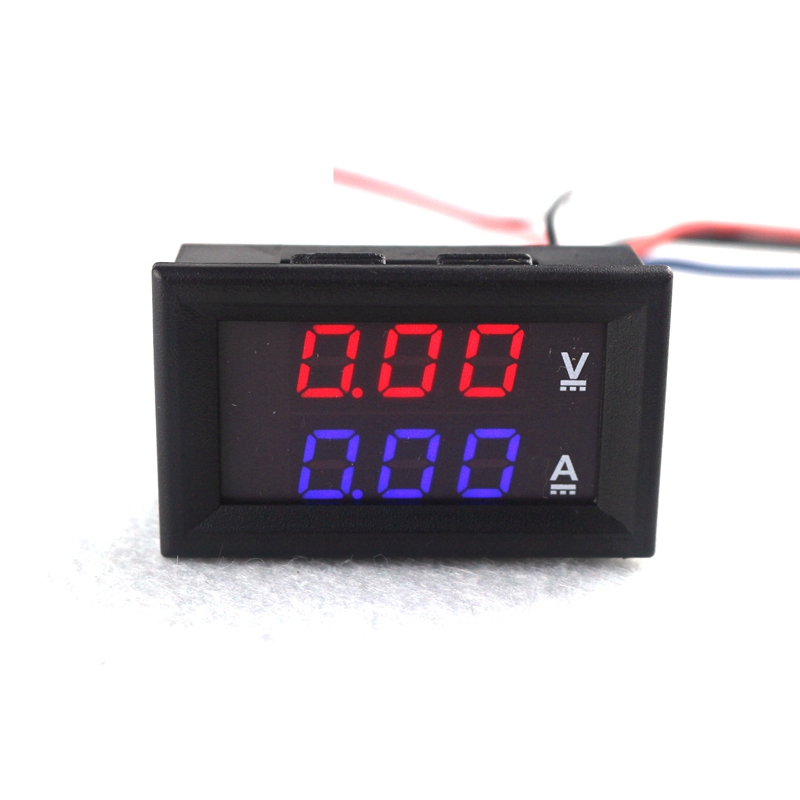
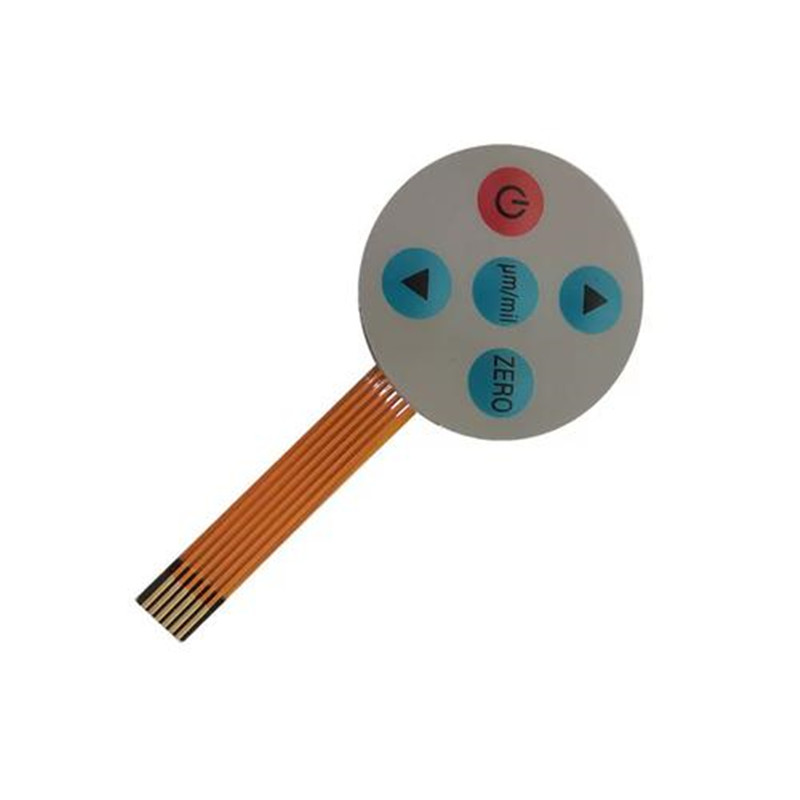
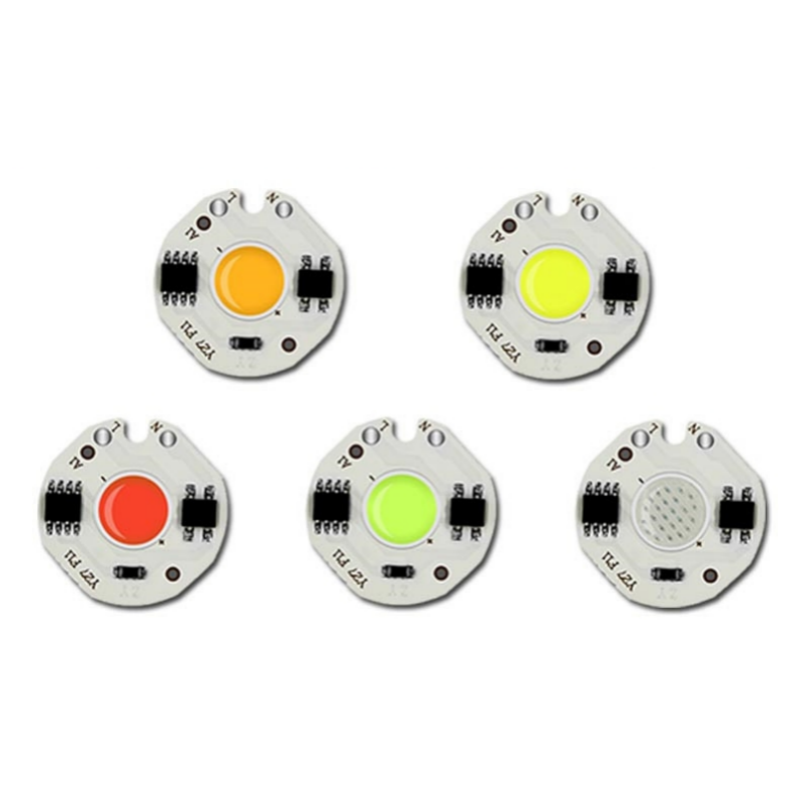
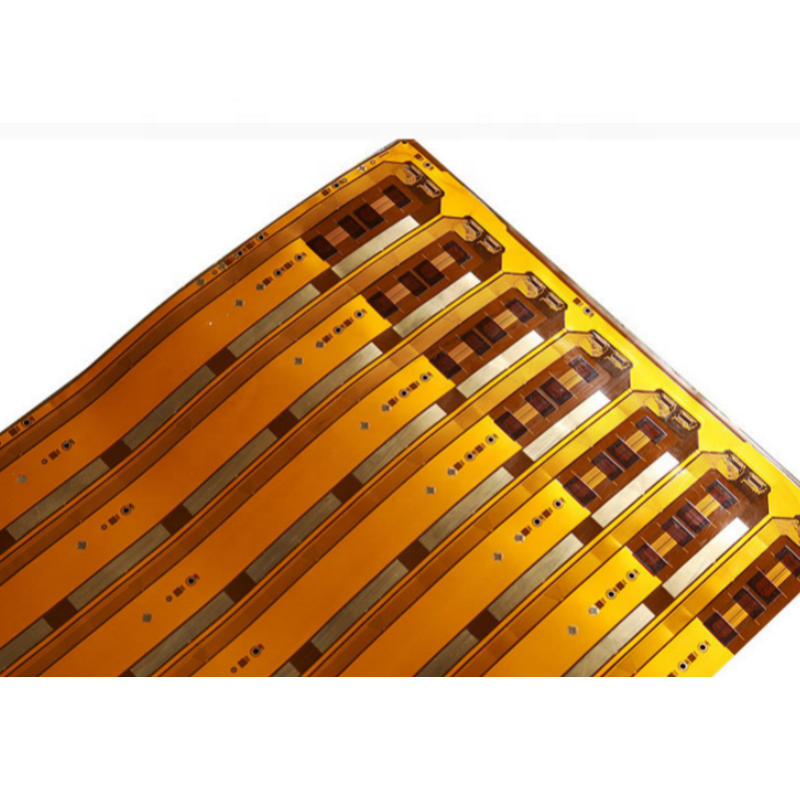
As Hungary fortifies its position as the premier automotive battery, e-mobility, and biomedical engineering hub of Central and Eastern Europe (CEE), European design teams in the Budapest metropolitan area require specialized Flexible Printed Circuit (FPC) and Rigid-Flex partners capable of bridging sub-millimeter dynamic mechanical tolerances with rigorous IPC Class 3 and automotive reliability standards.
Engineering Whitepaper: Advanced Flex Circuit Architecture for Central European OEMs
Modern electronic system design across Budapest’s R&D quarters—spanning Graphisoft Park, Infopark, and the academic laboratories around the Budapest University of Technology and Economics (BME)—is characterized by an urgent demand for spatial miniaturization and dynamic thermal survival. Conventional rigid printed circuit boards (FR-4) paired with mechanical wire harnesses frequently introduce unmanageable weight, assembly bottlenecks, and high failure rates in dynamic or vibration-intensive environments.
Shenzhen VUKO Electronics Co., Ltd. serves this precision engineering demand. By leveraging Shenzhen's vertically integrated supply chain, we deliver multi-layer flexible printed circuits, polyimide-based FPC tails for human-machine interfaces (HMI), and high-reliability rigid-flex hybrid assemblies directly into Budapest (BUD Cargo City) and the broader Pest County manufacturing perimeter.
Substrate Metallurgy and Dynamic Flex Fatigue Resistance
Choosing the correct raw copper laminate is the fundamental divergence point between static flex-to-fit circuits and dynamic flex circuits that withstand millions of bending cycles. For dynamic applications—such as robotic end-effectors, automotive steering wheel sensors, or folding medical diagnostic probes—we strictly utilize Rolled Annealed (RA) copper foils over Electro-Deposited (ED) alternatives. The horizontal crystal grain structure of RA copper provides elastic elongation performance exceeding 15%, preventing micro-fractures under continuous mechanical stress.
Furthermore, our advanced builds utilize adhesiveless Flexible Copper Clad Laminates (FCCL). Unlike traditional adhesive-bonded laminates that suffer from adhesive layer degradation, outgassing, and thermal expansion mismatches during lead-free reflow, adhesiveless FCCL offers superior dimensional stability, enhanced electrical breakdown strength, and thinner overall cross-sections (down to 0.05 mm total thickness). This architectural choice directly mitigates the risk of barrel cracking inside plated through-holes (PTH) during repeated thermal shock cycles (-40°C to +125°C).
| Engineering Parameter | Standard Capability | Advanced / High-Density Interconnect (HDI) |
|---|---|---|
| Layer Count (Pure Flex & Rigid-Flex) | 1 – 6 Layers | Up to 16 Layers (Rigid-Flex Stacks) |
| Base Dielectric Substrate | Polyimide (PI) 12.5µm – 50µm, PET | Ultra-thin 7.5µm PI / Modified Polyimide (MPI) |
| Copper Thickness (Finished) | 1/3 oz (12µm), 1/2 oz (18µm), 1 oz (35µm) | 2 oz (70µm) High-Current BMS Lines |
| Min. Line Width / Spacing (Trace/Gap) | 0.075 mm / 0.075 mm (3/3 mil) | 0.035 mm / 0.035 mm (1.4/1.4 mil, LDI Process) |
| Min. Laser Drilled Micro-Via Diameter | 0.15 mm (6 mil) | 0.05 mm (2 mil) Blind/Buried Micro-Vias |
| Surface Finish Metallization | Electroless Nickel Immersion Gold (ENIG), OSP | ENEPIG, Immersion Tin, Hard Gold Finger Plating |
| Integrated Stiffener Options | FR-4, Polyimide Tape, 3M VHB Series | Stainless Steel (SUS), Aluminum Sheet (Heatsinking) |
| Solder Mask / Coverlay System | Thermosetting Polyimide Coverlay (Yellow/Amber) | LPI Flexible Solder Mask (Matte Black, Green, White) |
Impedance Control and Shielding in High-Frequency Signal Transmission
With Budapest's expansion into industrial IoT hubs and automotive radar components, signal integrity along the flexible harness cannot be left to chance. VUKO implements tight single-ended (50Ω ±10%) and differential (90Ω or 100Ω ±10%) controlled impedance routing on polyimide substrates. To counter severe electromagnetic interference (EMI) generated by high-power inverter switching in electric vehicles or hospital imaging rooms, our production line provides dual-side silver-ink printing, copper mesh cross-hatching, or vacuum-sputtered black EMI film shielding (such as TATSUTA or equivalent) laminated over the coverlay.
Budapest & Central Hungarian Strategic Application Sectors
How Shenzhen VUKO's customized flex and electro-mechanical sub-assemblies drive core technological operations across the Danube river basin and surrounding manufacturing clusters.
EV Battery Management Systems (BMS) & Powertrain
Hungary is rapidly solidifying as the European epicenter of lithium-ion gigafactories (spanning Göd, Komárom, and Debrecen). High-reliability FPCs replace heavy copper cable looms between prismatic or pouch battery cells. Our copper-heavy multi-layer flex boards incorporate embedded NTC thermistors, nickel contact tags, and UL 94V-0 flame-retardant polyimide layers for real-time voltage and temperature monitoring inside high-voltage battery modules.
Medical Instrumentation & Diagnostic Hardware
Anchored by historical biomedical enterprises and modern medical tech start-ups in Budapest (such as diagnostic analyzers, patient monitoring consoles, and optical equipment), devices require non-magnetic, biocompatible, ultra-miniaturized interconnects. We supply double-sided and rigid-flex boards with gold-plated pads for ultrasound probes, portable blood gas analyzers, and sealed IP65/IP67 membrane switch control panels resistant to hospital disinfectant cleansers.
Industrial Automation & Process Measurement
Budapest’s legacy of precision instrument assembly—ranging from smart energy meters to high-torque electric drive systems—demands robust user interfaces. We fabricate heavy-duty tactile membrane switches paired with custom FPC tails, integrating stainless-steel metal domes rated for over 1,000,000 actuations. Integrated graphic overlays utilize scratch-resistant autotex polyester capable of operating under heavy industrial grease and humidity.
Telecommunications, IoT & Precision Optics
With major telecom infrastructure and R&D labs operating in Budapest's XI and IX districts, high-frequency signal transmission within compact smart city sensors is mandatory. Our FPC antenna circuits (supporting 5G NR sub-6GHz and Wi-Fi 6E/7 bands) utilize low-loss dielectric polyimide substrates with controlled dielectric constant (Dk < 3.2), enabling antenna array integration directly into contoured plastic enclosures without bulky coaxial cabling.
Procurement & Supply Chain Dynamics: The Budapest Engineering Vector
European Union supply chain regulations, including the Carbon Border Adjustment Mechanism (CBAM) and stringent Corporate Sustainability Due Diligence, are reshaping how purchasing directors in Hungary source mission-critical active and passive electronic components. Over the past five years, the Budapest electronics ecosystem has transitioned from spot-buying standard off-the-shelf parts to establishing direct engineering partnerships with specialized Chinese fabricators who offer transparency, full material traceability, and consolidated manufacturing services.
1. Turnkey Consolidation to Eliminate Vendor Fragmentation
Historically, an electronics manufacturer based around Budapest or Székesfehérvár was forced to manage multiple suppliers: an FPC etching house in Asia, an SMT assembly plant in Eastern Europe, a graphic overlay printer in Germany, and component distributors across Europe. This fragmented approach created severe quality vulnerabilities—especially when FPC tail pitch tolerances (0.5 mm or 1.0 mm) did not mate properly with ZIF connectors due to thermal contraction differences.
Shenzhen VUKO Electronics solves this systemic inefficiency through a One-Stop Manufacturing Model. By manufacturing the bare flexible circuit, sourcing authenticated active ICs and passives directly through Shenzhen's component ecosystem, executing SMT pick-and-place assembly, and laminating custom tactile membrane switches in-house, we eliminate intermediate margin stacking and guarantee pin-to-pin alignment before the sub-assembly ships.
2. Mitigating Global Component Volatility
Unpredictable lead times for automotive-grade microcontrollers and power management ICs have plagued European manufacturing lines. VUKO's experienced sourcing engineering team works directly with global semiconductor franchised distributors and vetted factory lines in China. During our initial DFM (Design for Manufacturing) review within 24 hours of Gerber submission, our engineers systematically flag end-of-life (EOL) or lengthy lead-time components on your BOM, recommending pin-compatible, drop-in AEC-Q200 or commercial equivalents that preserve circuit functionality without requiring a PCB re-spin.
3. Rapid Transit via BUD Cargo City & Central European Rail Links
Logistical predictability between Shenzhen and Budapest is superior to almost any other European lane. Utilizing direct air cargo freight into Budapest Liszt Ferenc International Airport (BUD Cargo City), prototype runs and urgent production batches clear Hungarian customs (NAV) and reach customer receiving docks in Pest, Győr, or Debrecen within 3 to 5 business days after factory release. For high-volume, cost-sensitive production, freight can be routed through regular maritime-rail multimodal links or the China-Europe Railway Express, providing predictable containerized delivery right to the Budapest BILK intermodal terminal.
Our Precision Manufacturing & Quality Assurance Framework
Built upon 14+ years of audited international export performance, technical compliance, and customer-verified manufacturing integrity.
ISO 9001 & UL 94V-0 Certified
Production operations operate strictly under ISO 9001 quality management systems. All polyimide and FR-4 substrates carry certified UL 94V-0 flammability ratings, meeting critical safety mandates required for CE and European Union electrical compliance.
Comprehensive 100% Electrical & AOI Testing
Zero escaped defects. Every single FPC and PCBA lot undergoes automated optical inspection (AOI), flying probe electrical continuity verification, and high-voltage isolation breakdown tests to prevent opens, micro-shorts, or pad delamination.
Low Prototype MOQ (From 5 Pieces)
Hardware innovation should not be locked behind massive batch commitments. We support Budapest research institutes and hardware startups with engineering pilot builds starting from just 5 pieces, scaling frictionlessly to tens of thousands of panels.
24-Hour DFM Engineering Feedback
Avoid expensive factory tooling delays. Our English-speaking CAM and process engineers audit your Gerber (RS-274X), ODB++, and CAD files within 24 hours, evaluating annular rings, copper balancing, bend radiuses, and stiffener transitions.
Trade Assurance & Alibaba Onsite-Verified
Capital security is guaranteed. As a premier 14-year verified exporter on Alibaba.com, every transaction can be secured via Trade Assurance, safeguarding your advance payments, order specs, and delivery schedule under international commercial terms.
Full Material Traceability & RoHS Compliance
All delivered FPCs, adhesive laminations, and solder pastes strictly comply with EU Directive 2011/65/EU (RoHS 3) and REACH Regulation (EC No 1907/2006). Comprehensive material declarations and certificates of conformity (CoC) accompany every export carton.
Frequently Asked Questions by Hungarian Procurement Specialists
Direct answers addressing technical constraints, logistics, customs clearance, and quality standards for hardware engineers and purchasing teams across Hungary.
What specific design files are required to initiate an FPC or PCBA quotation?
For custom bare Flexible Printed Circuits, please upload your Gerber files (RS-274X format) or ODB++ directory containing all trace layers, coverlay openings, silkscreen, drill files, outline profile, and stiffener location layers. Make sure to specify substrate thickness (typically 12.5µm or 25µm PI), copper foil weight (0.5 oz or 1 oz), surface finish (such as ENIG for gold fingers), and stiffener materials (FR-4, PI, or Stainless Steel).
If your project requires full turnkey assembly (PCBA) or custom membrane switches, also include your Bill of Materials (BOM) in Excel format with exact Manufacturer Part Numbers (MPN), component package descriptions, reference designators, and pick-and-place (centroid / XY coordinate) data. Our engineering team returns a DFM review and formal quotation within 24 hours.
How does VUKO handle shipments, customs duty (VTSZ), and import VAT into Budapest?
We routinely export to Budapest, Debrecen, Győr, and Székesfehérvár under standard Incoterms (EXW, FOB, DAP, or DDP). For air courier delivery via DHL, FedEx, or UPS, transit from our Shenzhen facility to Budapest Liszt Ferenc Airport (BUD) takes approximately 3 to 5 business days.
Standard Harmonized Tariff System (VTSZ) codes for bare flexible printed circuits typically fall under HS 8534.00 ("Printed circuits"), while assembled boards fall under HS 8538.90 or 8543.70 depending on final functionality. If your Hungarian entity prefers DDP terms, our freight forwarders manage complete customs clearance and import handling, delivering duty-paid parcels directly to your production facility.
What is the minimum order quantity (MOQ) and production turnaround for prototypes?
To support early-stage hardware prototyping, European university research, and engineering pilots, our MOQ starts from just 5 to 10 pieces for custom single-sided, double-sided, and multi-layer flexible circuits. Rapid-turn prototype manufacturing for double-sided FPCs takes as little as 3 to 5 working days from engineering approval.
When transitioning into mass volume production (thousands to tens of thousands of panels), we establish dedicated hard-tooling dies to minimize unit costs, achieving scale economies that reduce individual piece prices significantly compared to laser-cut prototypes.
How do you guarantee bend reliability and avoid trace cracking in dynamic flex applications?
Trace cracking is avoided through strict Design for Manufacturing (DFM) discipline and material selection. First, we mandate Rolled Annealed (RA) copper for dynamic flexing. Second, we ensure that copper traces are positioned on the neutral mechanical bending axis—avoiding multi-layer stacks in areas subjected to acute radius bends.
Third, we implement curved, radiused trace layouts (avoiding 90° or 45° sharp corners) and incorporate tear-drop fillets where traces meet soldering pads. Lastly, we apply staggered trace configurations on double-sided flex layers to avoid the "I-beam effect," ensuring our flex circuits exceed 100,000 to 1,000,000 continuous bend cycles depending on the bend radius (minimum recommended radius is 6x to 10x total FPC thickness).
Are your flexible circuits fully compliant with European Union environmental standards?
Yes. 100% of the raw laminates, coverlays, adhesives, solders, and stiffeners used in our fabrication facilities comply with the EU RoHS 3 Directive (2015/863/EU amending 2011/65/EU) and the EU REACH Regulation (EC 1907/2006) concerning Substances of Very High Concern (SVHC). We provide comprehensive Chemical Declaration Sheets, RoHS Test Reports, and UL 94V-0 flammability certificates upon request for technical audit files.
Can you integrate metal domes, LEDs, and graphic overlays onto the FPC?
Absolutely. One of our primary competitive advantages is complete electro-mechanical human-machine interface (HMI) integration. We assemble micro-SMD LEDs (0402, 0603, 0805 packages), tactile nickel or gold-plated metal domes (providing distinct tactile feedback with actuation forces from 180g to 450g), and embedded resistors directly onto the flexible circuit backer.
We then laminate screen-printed or digitally printed polycarbonate (PC) / polyester (PET) graphic overlays with selective adhesive patterns (3M 467MP, 3M 468MP, or 3M VHB series) to deliver plug-and-play, IP65-rated front panel modules ready for direct chassis mounting.
Accelerate Your Hardware Build for the Hungarian Market
Submit your Gerber package, BOM, and assembly drawings today. Our senior engineering team will conduct a comprehensive DFM file check and return a transparent, factory-direct quotation within 24 hours.