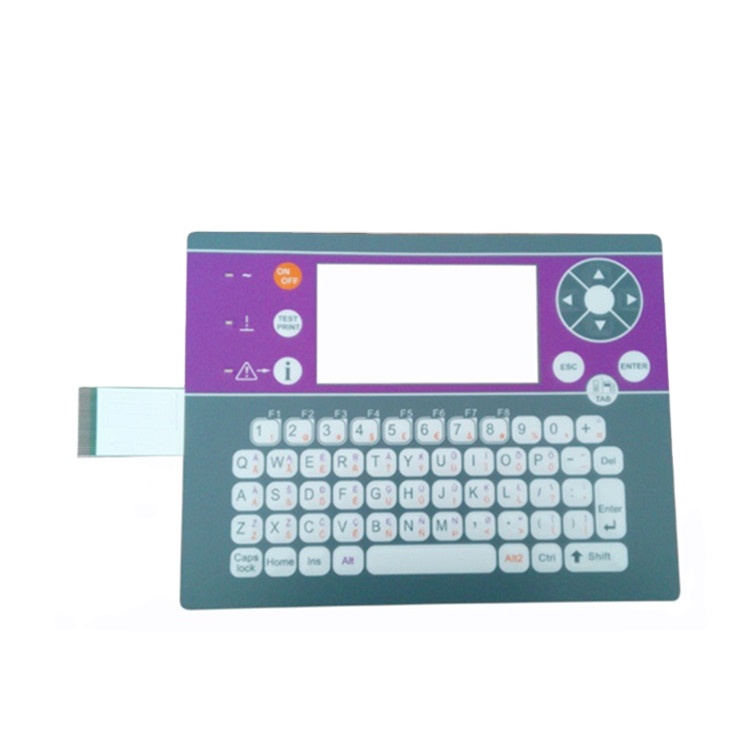
Custom Membrane Switch Keypad, Embossed Tactile Metal Dome
IP67 waterproof rating with authentic 3M adhesive graphic overlay engineered for heavy industrial automation control panels.
Explore our core multilayer flex assemblies, engineered tactile interfaces, and thermal substrates manufactured with verified DFM discipline in Shenzhen.
IP67 waterproof rating with authentic 3M adhesive graphic overlay engineered for heavy industrial automation control panels.
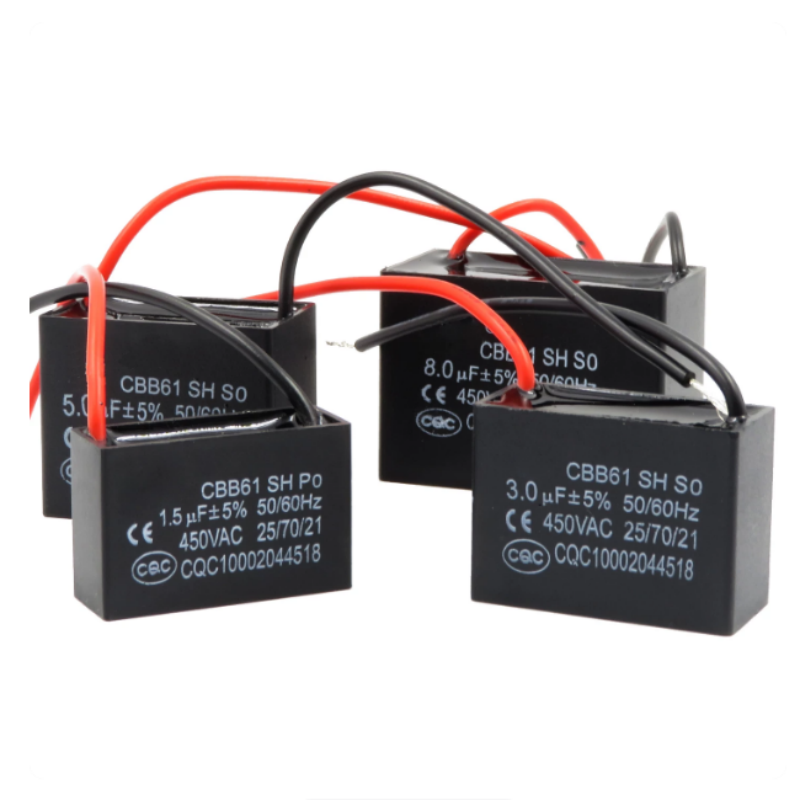
Metallized polypropylene film dielectric for electric fans, industrial extraction blowers, and domestic HVAC circulating drives.
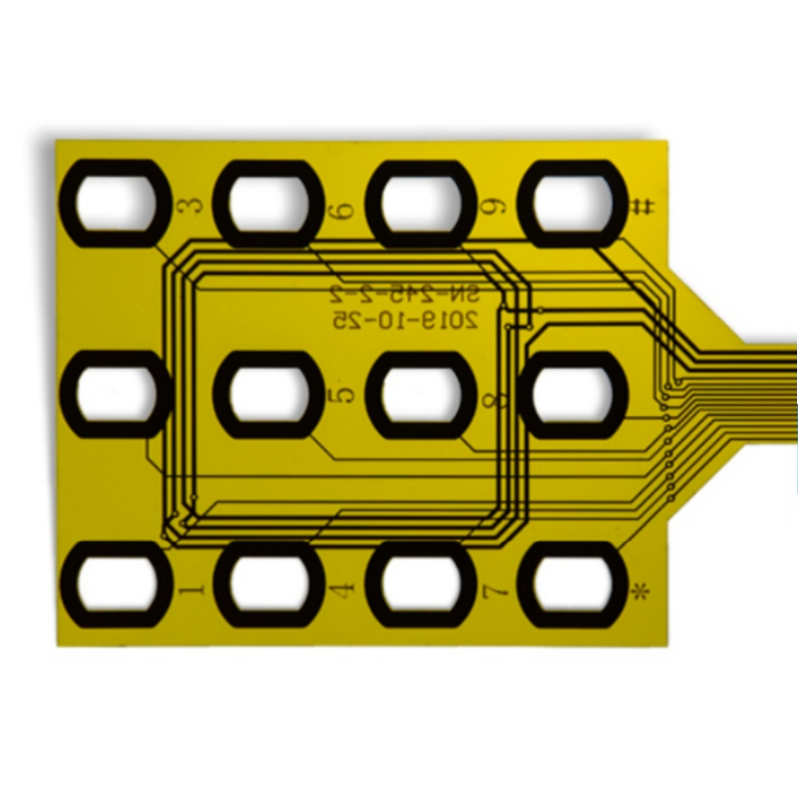
High-Tg polyimide substrate featuring localized FR4/SS stiffeners, blind/buried microvias, and ENIG surface chemistry.
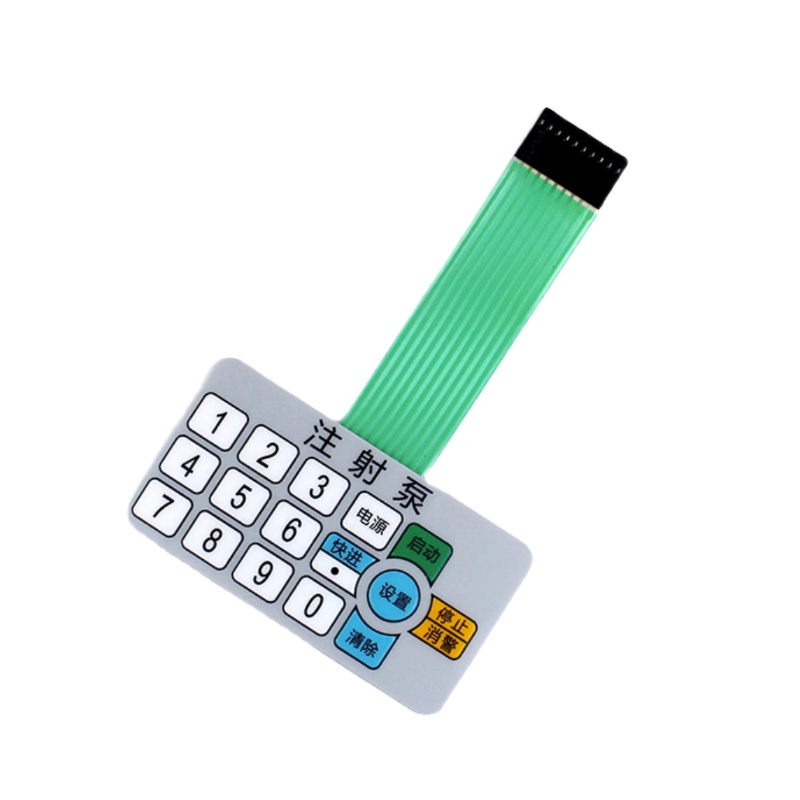
Integrated surface-mounted chip LEDs, custom backlighting windows, and sealed tactile feel designed for medical diagnostics.
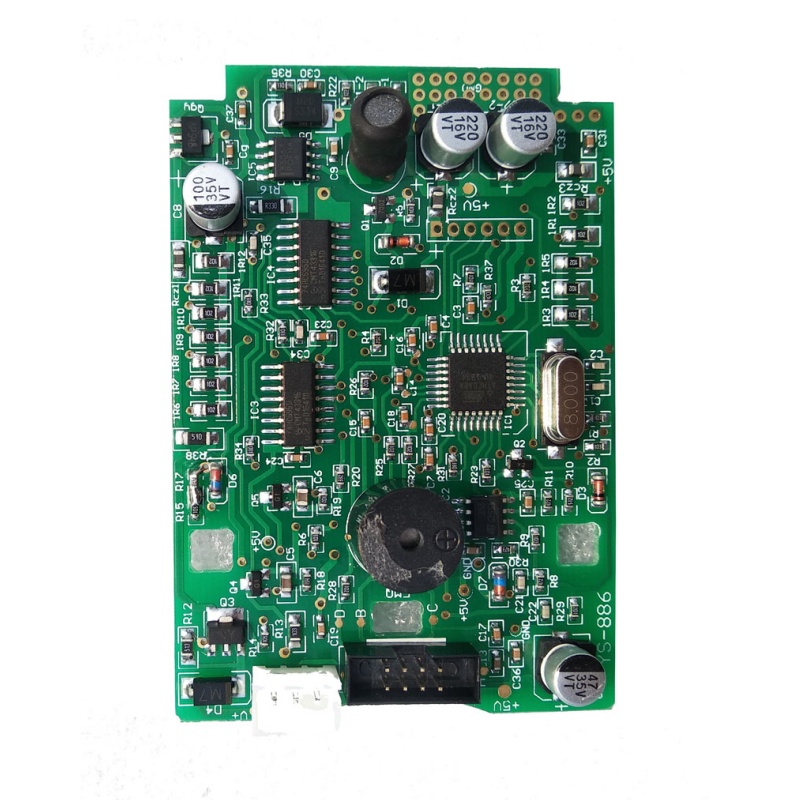
Complete turnkey SMT kitting, precision placement of 0201 passives and fine-pitch BGAs for intelligent IoT telematics.
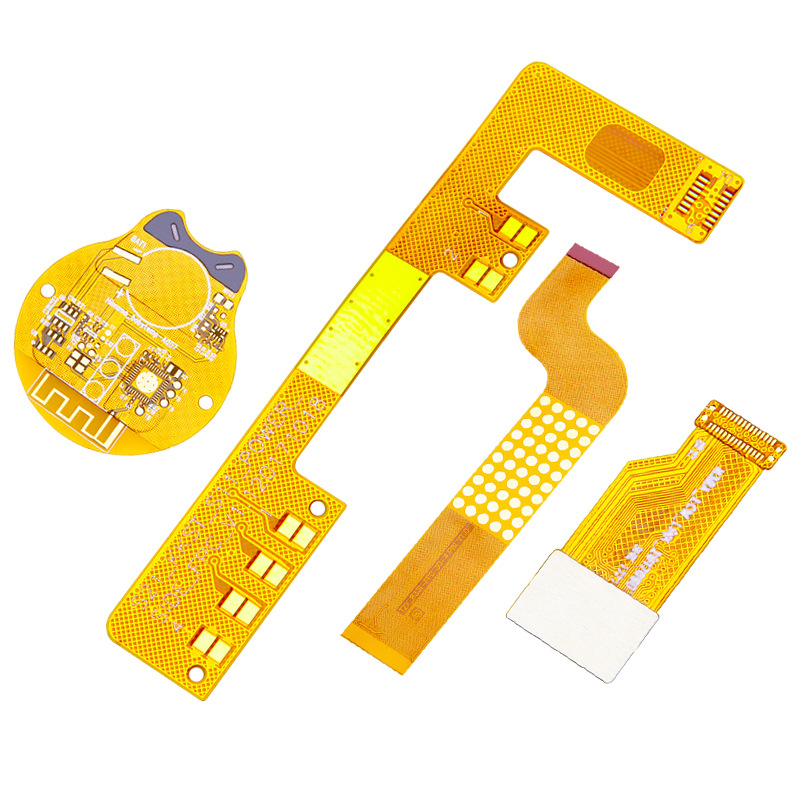
Continuous dynamic flexing resistance from -40°C to +150°C, custom coverlay registration for automotive under-hood setups.
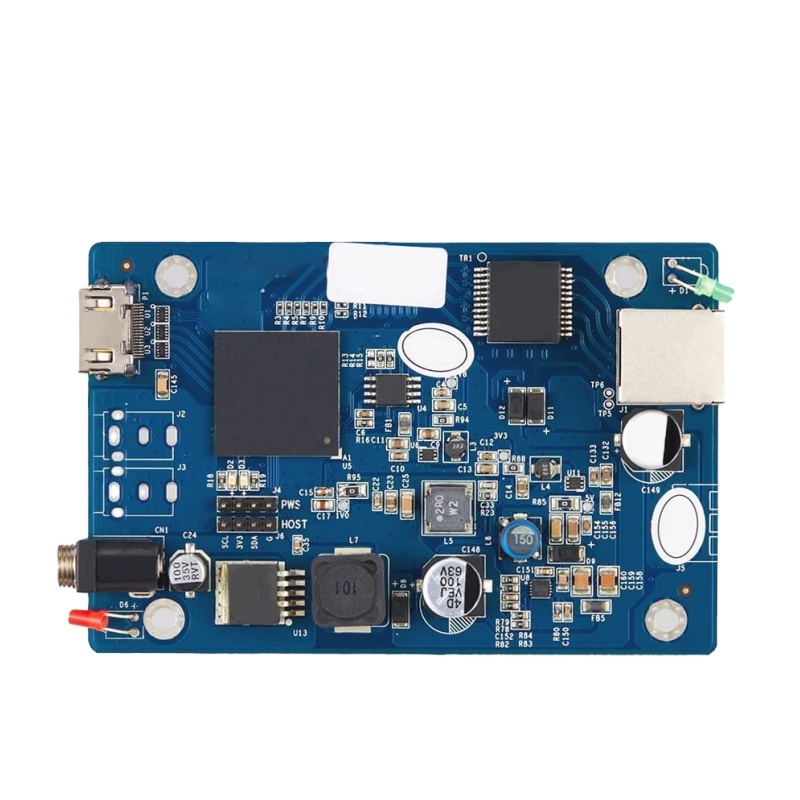
Rigorous automated optical inspection (AOI), in-circuit E-testing, and conformal coating for industrial-grade motherboards.
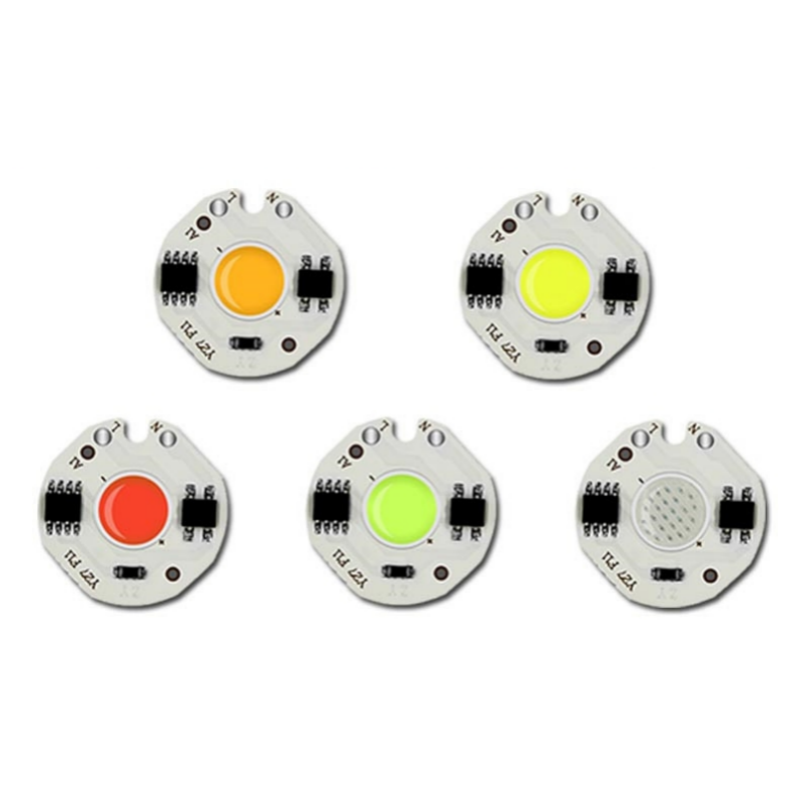
Integrated onboard IC linear regulation on high-conductivity aluminum core MCPCB for direct mains spotlighting solutions.
In modern electronic system design, spatial volume constraints and vibration survivability demand radical alternatives to conventional rigid circuit boards and complex wire harnesses. Multilayer Flexible Printed Circuits (Multilayer FPCs)—predominantly configured in 3 to 8 conductive layer stack-ups utilizing adhesiveless polyimide (PI) base copper-clad laminates—represent the pinnacle of geometric adaptability. For engineering hubs across Warsaw, Piaseczno, and the Mazovia technology corridor, selecting an offshore fabrication partner capable of adhering to IPC-6013 Class 3 standards while keeping prototype iteration cycles within tight budget envelopes is a mission-critical strategic decision.
Shenzhen VUKO Electronics operates advanced chemical line controls that resolve differential thermal expansion issues between rigid FR4 glass-epoxy cores and thin polyimide films. Below is an engineering overview of parameters evaluated during our mandatory pre-production DFM (Design for Manufacturability) review:
| Engineering Attribute | Multilayer Flexible PCB (3–6 Layers) | Rigid-Flex Hybrid Integration | Standard Multilayer FR4 (Rigid) |
|---|---|---|---|
| Base Dielectric Substrate | Adhesiveless Polyimide (PI) (12.5µm – 25µm) | Polyimide Core + TG170+ FR4 Prepreg | Woven E-Glass Epoxy (FR-4) |
| Dynamic Flex Endurance | Exceeds 150,000 to 500,000 bending cycles | Restricted to static installation bends | Zero dynamic bending capacity (Rigid) |
| Trace/Spacing Capability | Up to 2.5 mil / 2.5 mil (0.063mm) | 3.0 mil / 3.0 mil (flex transition zone) | 3.5 mil / 3.5 mil standard |
| Interconnection Density | Laser microvias, blind/buried via configurations | Staggered PTH, blind microvias | Mechanically drilled PTH / Laser HDI |
| Vibration & Shock Survival | Exceptional (Low inertial mass absorption) | High (Connectorless mechanical coupling) | Subject to connector pin fretting corrosion |
Our technical team coordinates with Mazovian hardware developers right at the Altium or Cadence layout phase, advising on tear-drop conductor fillets, staggered overlapping vias, cross-hatched shield planes for controlled characteristic impedance (50Ω single-ended, 90/100Ω differential), and optimal selective coverlay windows that preserve flexural longevity.
The Mazovian industrial landscape has rapidly transformed into one of Central and Eastern Europe's preeminent engineering and mechatronics powerhouses. Rather than commoditized consumer devices, the Warsaw market demands specialized, high-reliability circuit assemblies engineered for rigorous operating parameters:
Warsaw's medical research clusters develop specialized ultrasound transducers, endoscopic cameras, and telemetry wearables requiring biocompatible, thin-profile (0.1mm) multilayer FPCs with gold immersion (ENIG) contact fingers resistant to sterilization chemicals.
Subcontractors and equipment builders in Ożarów Mazowiecki and Pruszków leverage our sealed IP67 membrane switch panels and multilayer flex harnesses to connect DIN-rail terminal controls without bulky, maintenance-prone ribbon cables.
From battery management system (BMS) cell-monitoring sensor flex circuits to vibration-proof inverter interconnects, our high-temperature polyimide substrates ensure operational stability across Poland's winter sub-zero drops and high summer thermal cycling.
How the shift toward Industry 4.0, defense mechatronics, and supply chain nearshoring dictates modern PCB and flex circuit procurement.
Polish embedded systems designers are actively engineering out discrete wire bundles and hand-soldered terminal blocks. Space envelope reductions in smart utility meters, automated drone gimbals, and automated optical sorting equipment demand integrated 4-to-6 layer rigid-flex circuits. By combining structural PCB breakout blocks with flexible interconnect arms, mechanical assembly time is slashed by up to 60%, while eliminating line assembly wiring errors completely.
Operating inside the European Single Market requires uncompromised environmental compliance. Warsaw procurement specialists require verified declarations of conformity regarding EU Directive 2011/65/EU (RoHS 3) and Regulation (EC) No 1907/2006 (REACH). At VUKO Electronics, every raw copper foil, coverlay adhesive layer, and lead-free solder paste undergoes systematic incoming lot controls, supported by complete material test reports.
The contemporary electronics ecosystem relies on parallel prototyping and scalable volume ramps. Hardware incubators in Warsaw cannot afford standard 8-week domestic turnaround times for high-density flex samples. By leveraging our 24-hour engineering review, prototype fabrication turnaround in 5–7 working days, and expedited air transport straight into Warsaw Chopin Airport (WAW), Polish OEM teams achieve domestic development agility combined with Shenzhen's economies of scale.
End-to-end integration: From bare board fabrication and BOM component procurement to finished, tested electronic modules.
Our dedicated CAM engineers review your RS-274X or ODB++ datasets directly. We flag etching limitations, drill-to-copper clearances, stiffener transitions, and stack-up dielectric balances before tool fabrication begins.
Tired of supply disruptions? We maintain audited factory-direct ties with tier-1 semiconductor distributors and passives makers. We identify long lead times and recommend active drop-in equivalents for your bill of materials.
Every single multilayer flex circuit is 100% netlist electrically tested via dual-sided flying probe systems. SMT assemblies pass automated 3D optical inspection and functional testing according to customer test specifications.
Clear, direct answers regarding technical requirements, file submissions, customs clearance, and delivery timelines.
To produce an accurate DFM review and quotation within 24 hours, please supply RS-274X or ODB++ datasets containing: all copper trace layers, solder mask/coverlay openings, mechanical outline profile, NC drill file (PTH & NPTH), stiffener definition layer (indicating thickness and material: PI, FR4, or Stainless Steel), and adhesive bonding locations. If SMT assembly is requested, kindly attach your Bill of Materials (BOM) with complete manufacturer part numbers (MPNs) and pick-and-place centroid files.
Our production model is specifically tailored to support high-tech R&D incubation. We accept prototyping and pilot validation runs starting from just 5 pieces. Once your hardware design is validated in your Warsaw or European lab, our automated line setups seamlessly scale into batch volumes of tens of thousands of units with consistent yield performance.
We routinely dispatch high-priority orders via premier international express carriers (DHL Express, FedEx, UPS) directly from Shenzhen to Warsaw Chopin Airport (WAW), achieving a transit time of typically 3 to 5 business days. We provide comprehensive commercial invoices, packing lists with tariff codes (HS Codes), and Certificate of Origin documentation to enable rapid, frictionless customs processing by your designated broker in Poland.
Yes. We utilize premium adhesiveless polyimide laminates paired with rolled annealed (RA) copper foil, which significantly outperforms standard electro-deposited (ED) copper in dynamic continuous flex conditions. Our high-temperature flex builds safely sustain operating parameters between -40°C and +150°C, rendering them ideal for automotive under-hood electronics and industrial furnace controls.
All circuit materials, solder finishes (Electroless Nickel Immersion Gold - ENIG, Lead-Free HASL, Immersion Silver), and coverlays utilized in our Shenzhen manufacturing plants strictly satisfy EU RoHS 3 Directive (2015/863) and REACH requirements. Furthermore, our flame-retardant substrates carry standard UL 94V-0 flammability certification.
To counter counterfeit components in the global spot market, our centralized BOM kitting operations procure active ICs, passive chips, and connectors exclusively through original component manufacturers or verified franchise distributors (such as Mouser, DigiKey, Arrow, and authorized domestic tier-1 agents). All incoming batches undergo microscopic visual inspection and date-code verification prior to SMT reel loading.
Submit your Gerber design files and BOM specifications today. Our senior engineering team will evaluate your panel utilization, conduct an exhaustive DFM check, and return a competitive manufacturer quotation within 24 hours.