Specialized Products Supporting Šiauliai’s Advanced Manufacturing
From custom polycarbonate graphic overlays and high-flex circuits to multi-layer thermal management boards and single-board computers, explore our high-yield product lines crafted for European industrial standards.
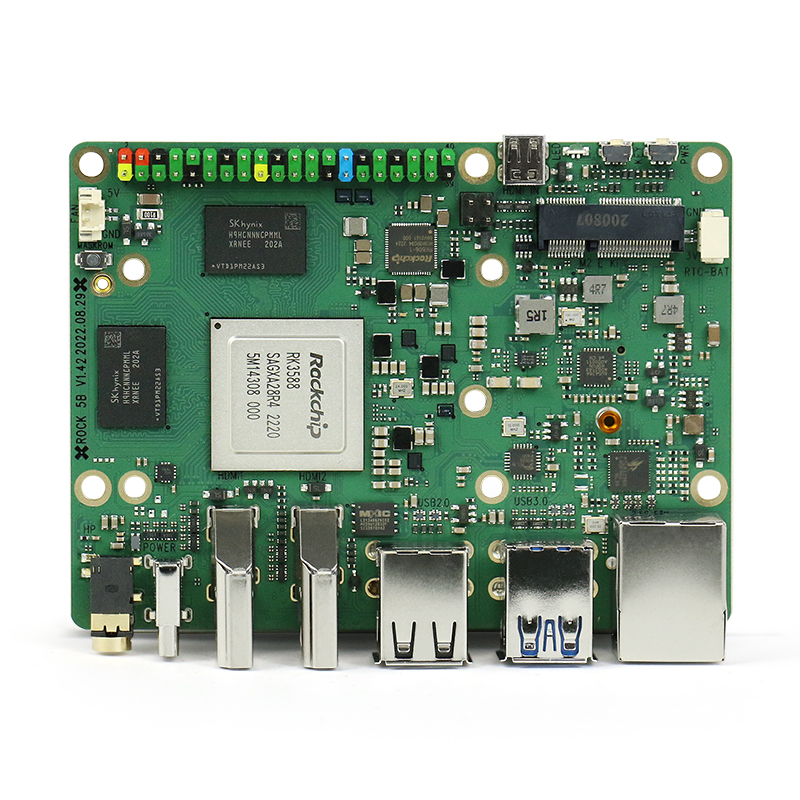
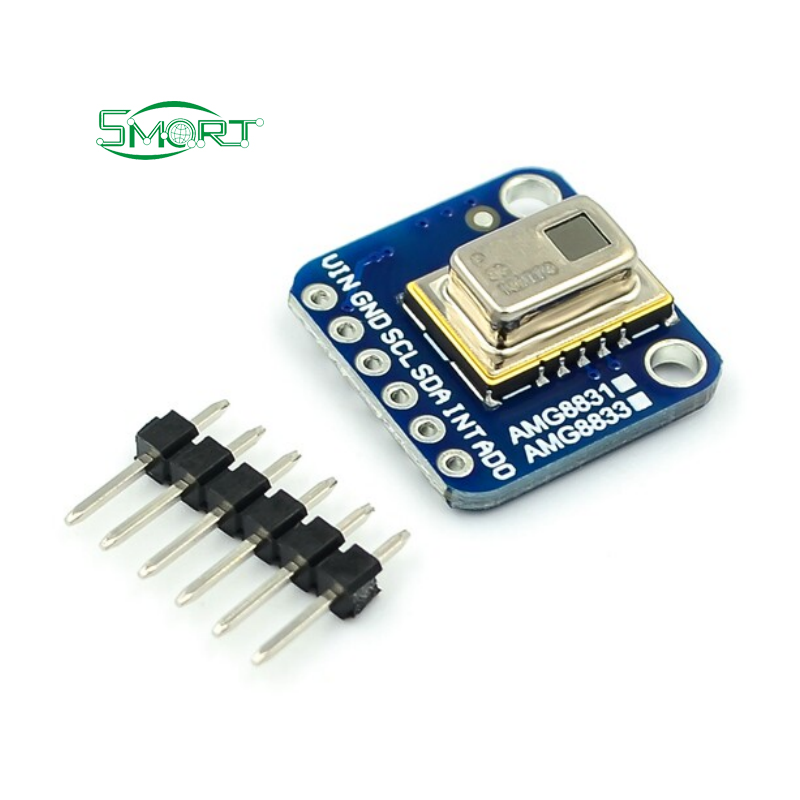
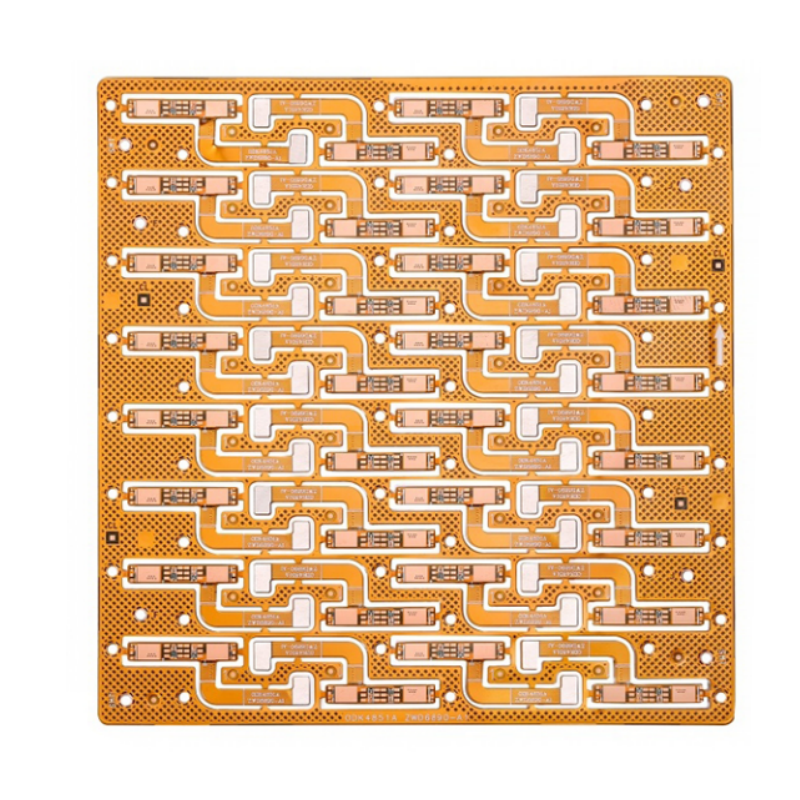
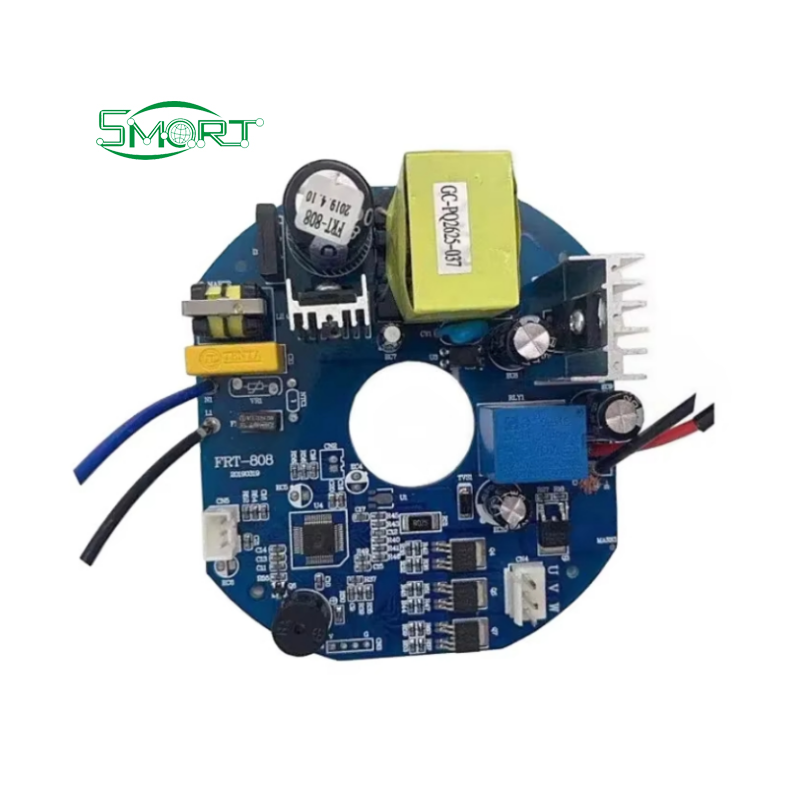
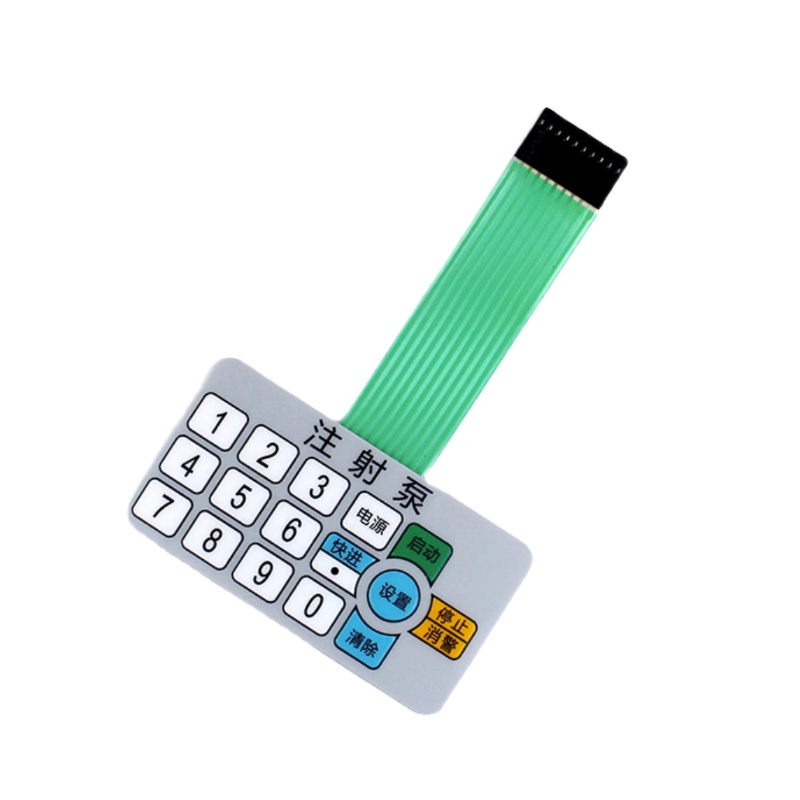
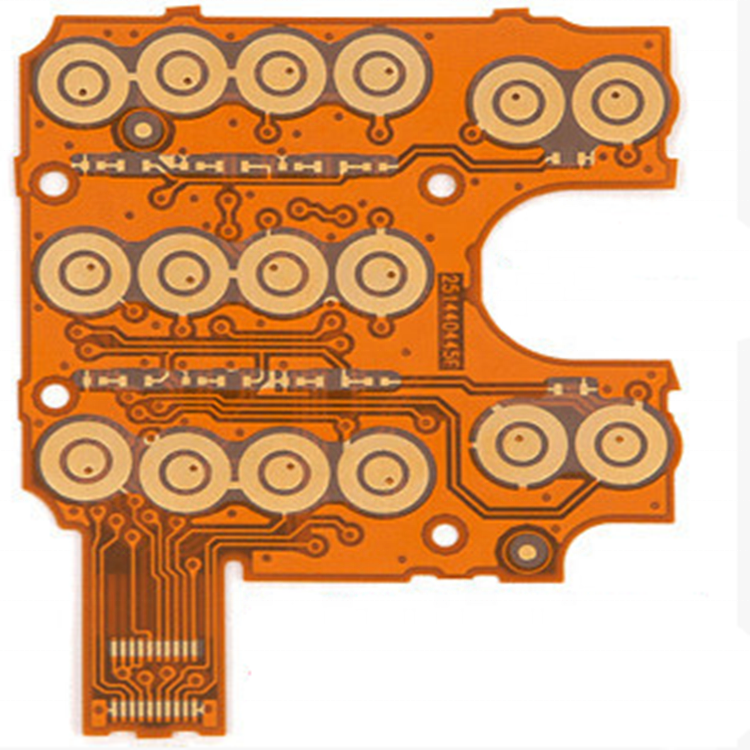
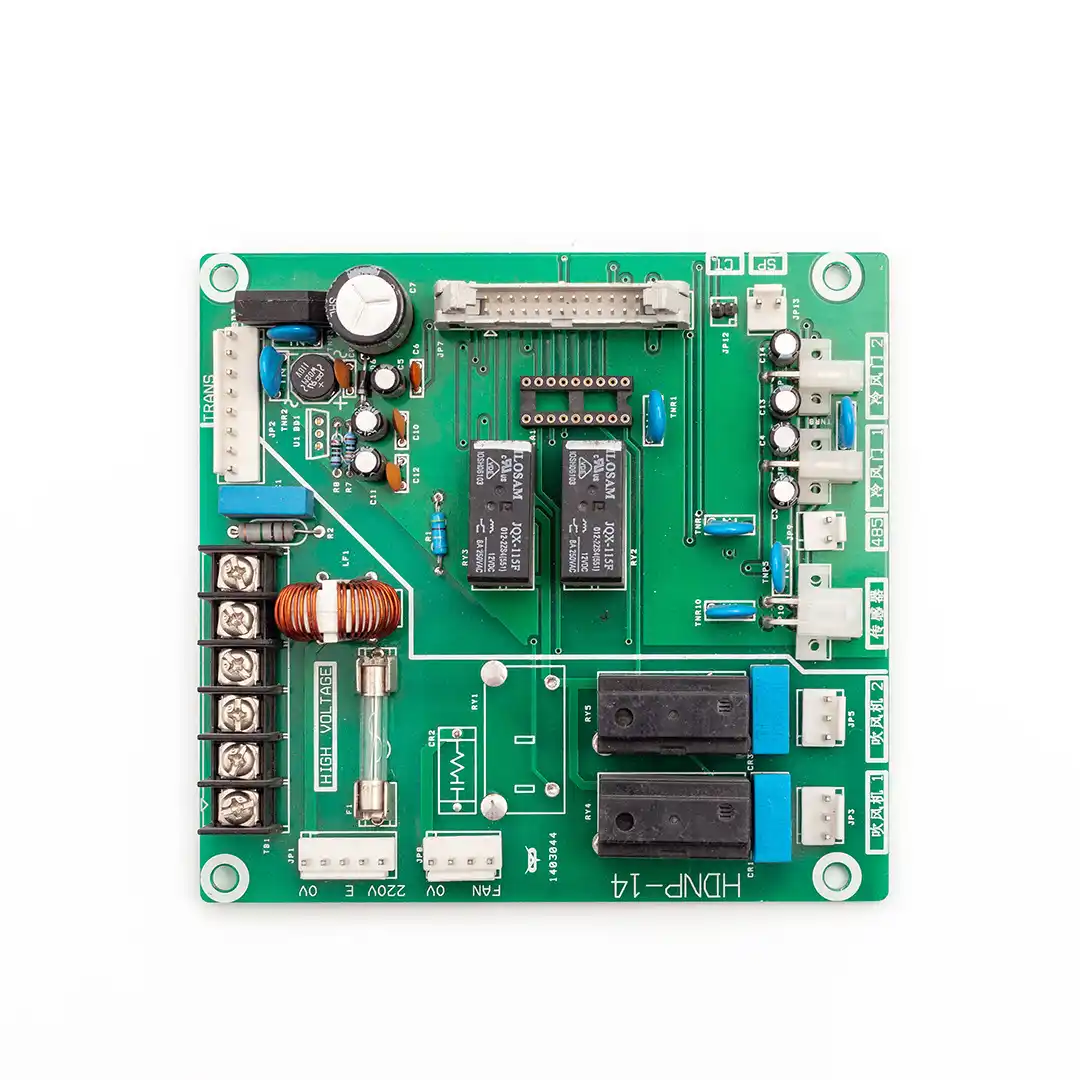
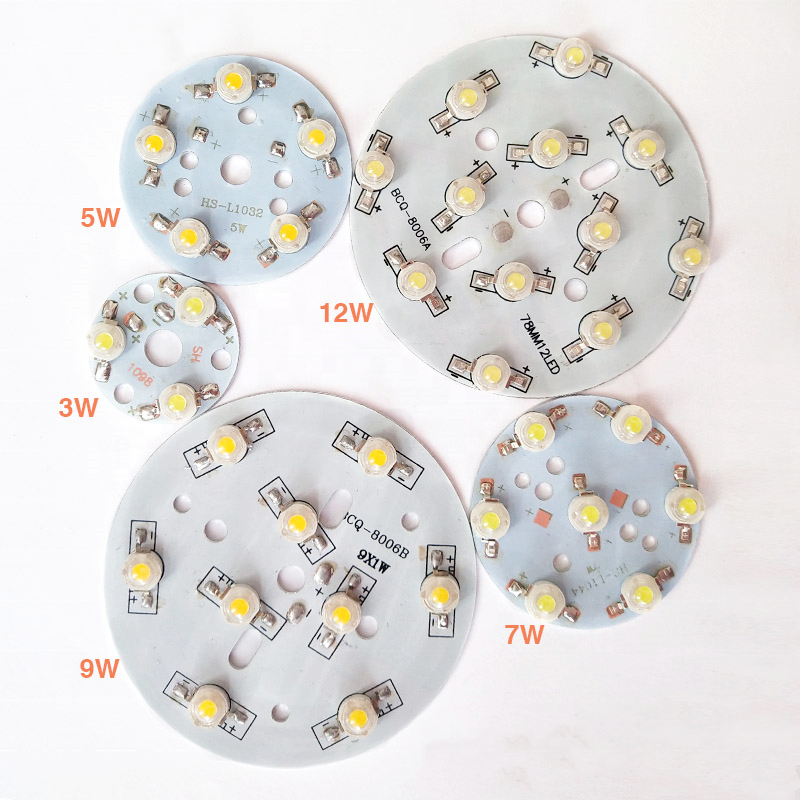
Polycarbonate (PC) Membrane Switch Engineering Whitepaper: Material Integrity & Functional Layers
In human-machine interface (HMI) design, material selection dictates mechanical longevity, environmental survivability, and user tactile response. For industrial original equipment manufacturers across Šiauliai and the wider Baltic region, polycarbonate (optical-grade Lexan™) membrane switches represent the gold standard for structural rigidity, flame retardancy (UL 94V-0 ratings), and high impact resistance. Unlike commercial consumer switches, industrial-grade polycarbonate overlays withstand cyclic mechanical stress exceeding five million actuations while maintaining dimensional stability from -40°C to +105°C.
Shenzhen VUKO Electronics Co., Ltd. applies screen and sub-surface digital graphic printing directly on the underside of premium textured or velvet polycarbonate films (thickness ranging from 0.125mm to 0.50mm). This reverse-printing approach protects typography, key legends, and optical display windows from surface abrasion, aggressive cleaning chemicals, petroleum solvents, and persistent UV exposure commonly encountered on modern factory floors and agricultural machinery cabs.
| Performance Characteristic | Polycarbonate (Lexan™ PC) | Polyester (Autotex™ PET) | Engineering Benefit for Šiauliai Applications |
|---|---|---|---|
| Tensile Strength & Rigidity | Very High (9,000–10,500 psi) | Moderate to High | Prevents buckling under intense mechanical pressing in CNC tooling |
| Operating Temperature | -40°C to +105°C | -40°C to +85°C | Guarantees tactile responsiveness in unheated Baltic winter storage |
| Flame Retardancy | UL 94V-0 Available | UL 94VTM-2 | Meets strict European industrial machinery fire safety protocols |
| Dielectric Strength | 15–20 kV/mm | 17–23 kV/mm | Protects sensitive microcontrollers from electrostatic discharge (ESD) |
| Surface Textures & Windows | Gloss, Matte, Velvet, Selective Texturing | Anti-glare, Fine Texture | Enables crystal-clear dead-front LCD/LED windows without haze |
| Chemical Resistance | Resistant to alcohols, oils, diluted acids | Superior against harsh organic solvents | Ideal for automated warehouse controllers and medical diagnostic interfaces |
B2B Localized Application Scenarios Across Šiauliai’s Core Industries
As Northern Lithuania’s industrial crossroad and an epicenter for precision mechanics, automotive components, and food technology, Šiauliai demands rugged, compliant, and zero-defect HMI panels.
Šiauliai FEZ Machinery & CNC Robotics
Within the Šiauliai Free Economic Zone (LEZ), mechanical engineering firms require IP65-sealed polycarbonate keypad consoles resistant to industrial lubricants, cutting coolants, and vibrational shock. Integrated metal domes deliver snappy tactile feedback for gloved operators running multi-axis turning and packaging apparatus.
Baltic Agricultural Equipment & Tractors
Agricultural processing plants and farm machinery builders across the Šiauliai county depend on UV-stabilized Lexan overlays. Featuring closed-cell 3M 467MP/468MP adhesive laminations, our switches prevent ingress of fine chaff, moisture, and road salt while surviving abrupt sub-zero winter temperatures.
Medical Diagnostics & Healthcare Devices
Lithuanian medical device innovators leverage our cleanroom-manufactured antimicrobial polycarbonate interfaces. Complete planar surfaces prevent microbial colonization and withstand clinical-grade sterilization (isopropyl alcohol, chlorhexidine, and bleach wash-downs) without discoloration or graphic degradation.
Cold-Chain Logistics & Transport Fleets
Positioned along the Via Hanseatica and Rail Baltica freight corridors, Šiauliai’s logistics operators utilize handheld telemetry and warehouse scaling hardware fitted with tactile snap-dome membrane switches engineered for high duty cycles in refrigerated (-25°C) distribution centers.
Future-Proofing Baltic HMIs: Industry 4.0, Capacitive Hybrids & ESG Directives
Lithuania’s rapid evolution into a Baltic high-tech engineering powerhouse is driving demand for advanced Human-Machine Interfaces that merge traditional mechanical reliability with digital sensory feedback. Industrial design trends across Šiauliai reflect three distinct engineering shifts:
1. Capacitive Touch & Haptic Fusion
Modern Lithuanian machine interfaces are moving beyond pure mechanical domes. By coupling our thin-profile polycarbonate overlays with copper-etched FPC backplanes, capacitive proximity sensors, and micro-vibration haptic drivers, OEMs achieve modern flat aesthetics with unmistakable physical acknowledgment.
2. Integrated Smart Illumination
Energy-efficient LED backlighting embedded directly into the circuit layer (side-firing LEDs, uniform optical light guide films, and selective dead-front indicators) enables intelligent operator guidance in low-light industrial automation cabins, reducing user error rates during critical operations.
3. Strict European ESG & REACH Compliance
European environmental oversight under REACH (EC 1907/2006) and RoHS 3 (Directive 2011/65/EU) requires 100% lead-free, non-toxic, and halogen-free construction. VUKO guarantees full material traceability, offering certified documentation packages for seamless European customs clearance and audit trail readiness.
Why Šiauliai Engineers Partner with Shenzhen VUKO Electronics
With more than 14 years of verified global export success, Shenzhen VUKO Electronics Co., Ltd. bridges advanced Shenzhen manufacturing agility with European engineering rigor.
Navigating overseas contract manufacturing often introduces friction in communication, specification alignment, and lead times. VUKO eliminates this friction through a unified one-stop manufacturing ecosystem. Located in the core of Shenzhen’s electronics production corridor, we integrate precision membrane switch printing, bare PCB fabrication (1–12+ layers), flexible printed circuit (FPC) routing, turnkey SMT/DIP assembly, and full BOM component kitting under one certified roof.
Design for Manufacturability (DFM)
Every engineering package (Gerbers, CAD drawings, circuit schematics, vector graphic files) is thoroughly verified by our senior application engineers within 24 hours. We identify tail trace bottlenecks, dome placement conflicts, and spacer clearance limits prior to hard tooling.
In-House Precision Tooling
Using laser-die cutting, steel-rule tooling, and CNC routing machines, we achieve dimensional tolerances within ±0.05 mm. Whether your enclosure calls for custom debossed perimeter tracks, pillow embossing, or rim-embossed tactile keys, our tooling delivers clean tactile travel.
Rigorous Multi-Stage QC
Every membrane switch panel undergoes 100% automated electrical continuity checks, contact resistance measurement (<100Ω standard), dielectric insulation testing (>100MΩ at 100V DC), switch actuation force measurement, and life-cycle durability stress testing.
Frequently Asked Questions by B2B Buyers in Šiauliai & Lithuania
Direct answers to technical specifications, import tariffs, European compliance standards, and lead-time expectations.
What graphic and engineering files do I need to send for a rapid quotation?
For custom polycarbonate membrane switches, please provide your graphic artwork in vector formats (Adobe Illustrator .AI, PDF, CorelDraw, or DXF) with Pantone or RAL color codes specified. For the underlying circuit, include your Gerber files (RS-274X) or circuit layout drawings showing pinout configurations, tail length, pitch (1.0mm, 2.54mm), connector types (Nicomatic, FCI, CJT, ZIF), and any embedded LED footprints. If requesting turnkey PCBA or rigid-flex integration, also submit your complete Bill of Materials (BOM) with manufacturer part numbers.
How do you handle shipping, customs clearance, and logistics to Šiauliai?
We routinely supply engineering clients throughout Lithuania and the Baltic states. For expedited prototype verification (3–5 working days transit), we dispatch via DHL, FedEx, or UPS directly to your facility in Šiauliai. For medium to large production batches, we arrange consolidated air freight to Vilnius International Airport (VNO) or Kaunas Airport (KUN), as well as cost-effective sea/rail freight routes terminating at the Port of Klaipėda with final truck freight inland to Šiauliai. We provide all necessary commercial invoices, packing lists, HS codes (8537.10 / 8534.00), and Certificates of Origin for straightforward EU customs clearance.
Are VUKO membrane switches compliant with EU RoHS, REACH, and CE regulations?
Yes. All materials utilized in our manufacturing—including polycarbonate base films (SABIC Lexan™), conductive silver inks, dielectric insulation layers, conductive carbon pastings, spacer adhesives (3M 200MP / 300LSE series), and solder pastes—comply fully with EU RoHS 3 Directive (2011/65/EU) and REACH (EC 1907/2006) regulations. Complete declarations of conformity, material test reports, and UL 94 flame retardancy certificates can be provided with first-article inspection reports (FAIR).
Can you manufacture membrane switches suited for sub-zero outdoor Baltic environments?
Absolutely. For Baltic winters where temperatures drop to -25°C or lower, we engineer switches utilizing cold-resistant polycarbonate with customized glass transition temperatures or specialized Autotex polyester blends. We specify cold-rated high-tack acrylic adhesives (such as 3M 300LSE or 3M 467MP) that prevent delamination under freeze-thaw cycles, paired with stainless steel metal domes plated in gold or nickel to prevent oxidation and contact bounce.
What is the Minimum Order Quantity (MOQ) for prototypes vs. production runs?
To support Baltic hardware startups, R&D departments, and custom machinery builders, we offer a prototype MOQ starting from just 5 pieces. This low barrier allows your engineers to validate mechanical fit, tactile actuation, and optical color accuracy on functional prototypes before committing to mass production. Once approved, production can scale seamlessly from hundreds to tens of thousands of units with volume price tiering.
How do you ensure ESD and EMI shielding in high-interference machinery?
For industrial automation machinery, VFD motor controllers, and welding environments prone to electromagnetic interference, we incorporate full-coverage aluminum foil, printed carbon grids, or solid silver shielding layers laminated directly behind the graphic overlay. These layers terminate to a dedicated grounding trace or chassis contact, shielding your logic circuitry from electrostatic discharges up to 15kV.