Precision Flexible Circuits, Thermal Substrates & Hardware Assemblies
From prototype validation to mass deployment, our Shenzhen manufacturing facility produces high-grade interconnects and electronic modules strictly tailored for oceanic and equatorial endurance.
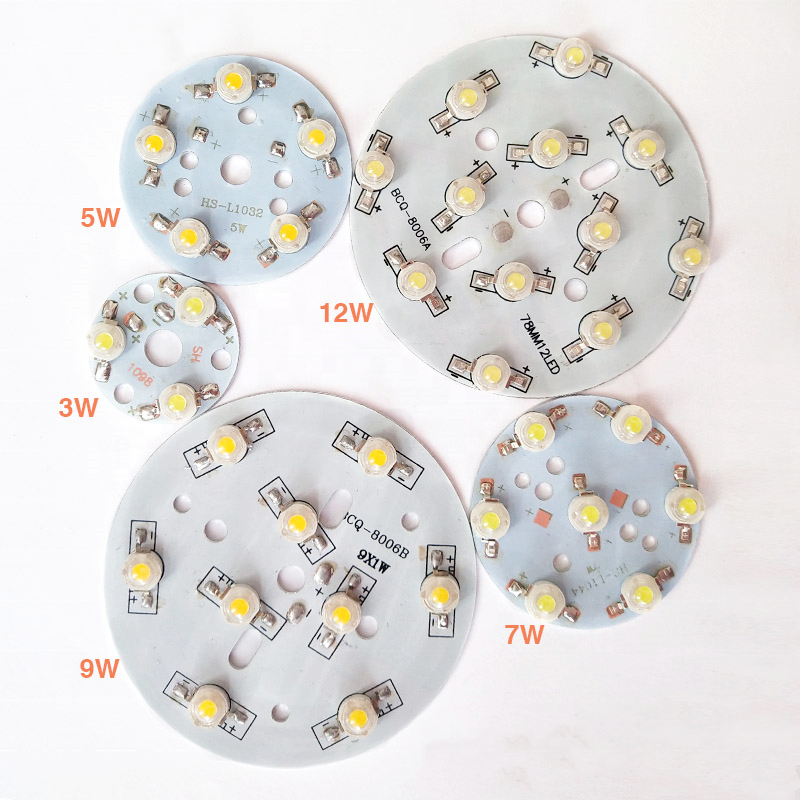
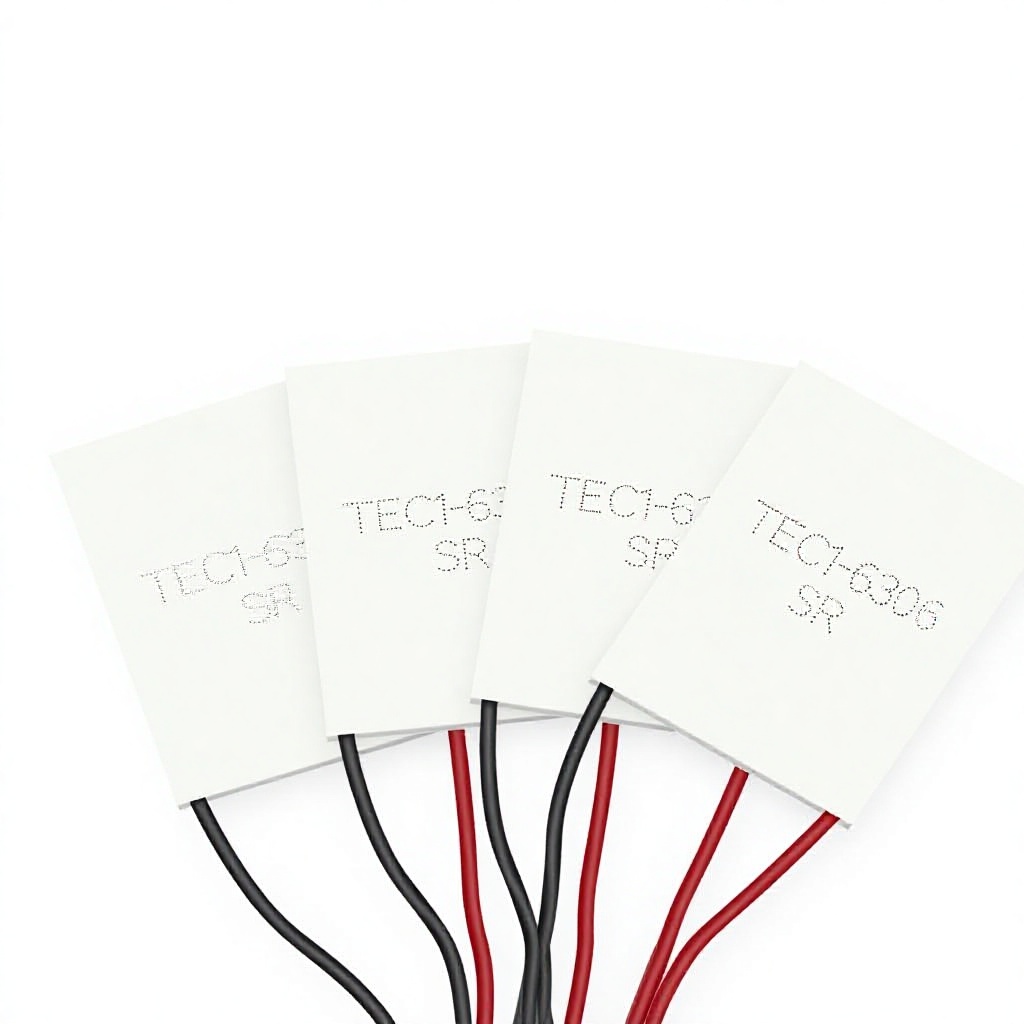
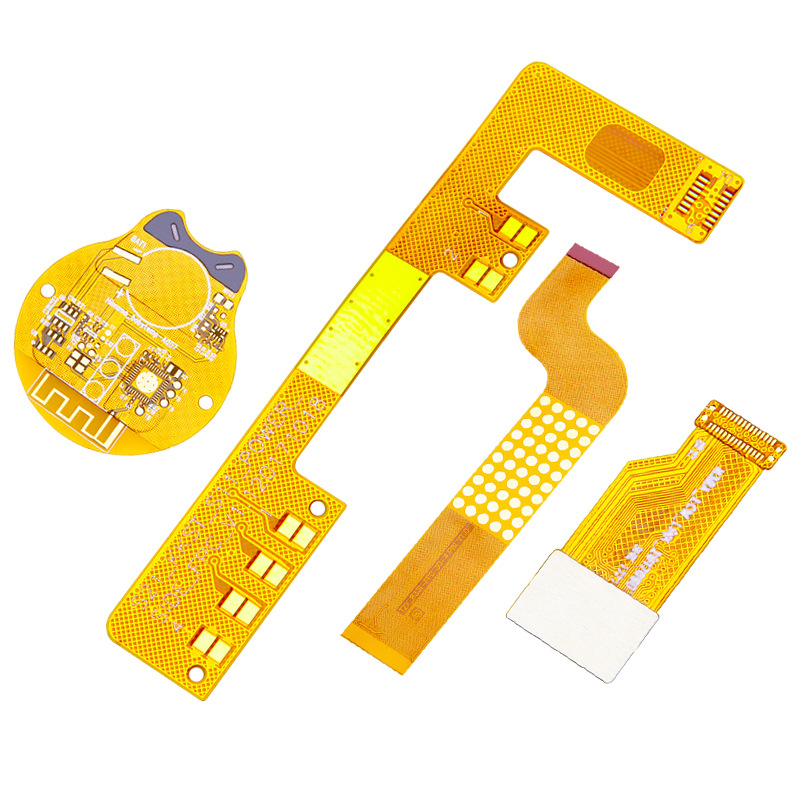
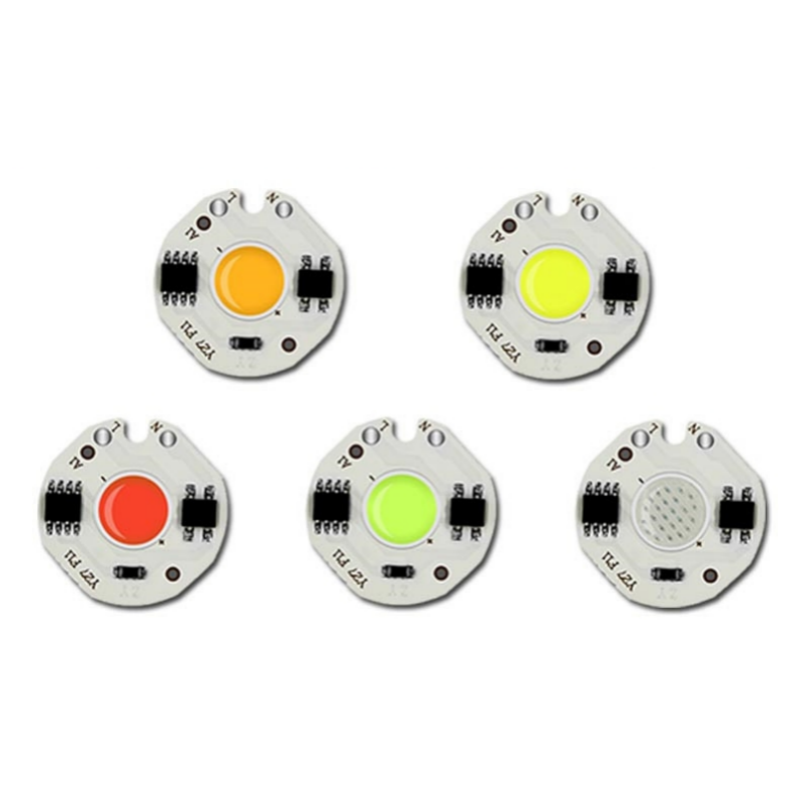
Mitigating Environmental Degradation: Flexible Printed Circuitry in Tropical Ocean Environments
Operating electronics in the Independent State of Samoa (encompassing Upolu, Savai'i, and surrounding maritime territories) introduces severe stressors: relative ambient humidity exceeding 85%, continuous airborne aerosolized salt (NaCl), persistent high ambient temperatures, and torrential monsoon exposure. Bare copper and standard adhesive-based laminates suffer catastrophic failure through delamination, electrochemical migration (ECM), and contact oxidation if not engineered specifically for tropicalized performance.
Adhesiveless Polyimide (FCCL)
Traditional FPCs use acrylic or epoxy adhesive films to bond rolled annealed (RA) copper foil to base polyimide cores. In equatorial Pacific climates, these adhesives absorb moisture, drop insulation resistance, and suffer hydro-thermal delamination. We specify adhesiveless Polyimide Flexible Copper-Clad Laminates (FCCL) with direct cast or sputtered metallization, ensuring zero adhesive voids, superior dimensional stability, and operating endurance exceeding 150°C.
Electroless Nickel / Immersion Gold
Atmospheric salinity accelerates galvanic corrosion across copper traces. We mandate thick Electroless Nickel Immersion Gold (ENIG: 3-5 μm Nickel, 0.05-0.1 μm Gold) or Electrolytic Soft/Hard Gold on exposed pads and connector fingers. This metallurgical barrier inhibits whisker formation, resists sulfur and chloride contamination, and guarantees ultra-low contact resistance across thousands of insertion cycles in outdoor field gear.
Thermoset Polyimide Coverlay
Liquid photo-imageable (LPI) solder masks often micro-crack under dynamic cyclical bending in high humidity. Our specialized FPC assemblies utilize solid-film polyimide coverlays laminated with high-grade thermosetting phenolic-butyral systems. This provides complete encapsulation, breakdown voltages > 3.0 kV/mil, and an impermeable moisture barrier shielding traces against saline ocean spray.
Dynamic Flex Bending Fatigue
For wearable diagnostics, marine rudders, and fold-out solar sensor deployments, we implement Rolled Annealed (RA) copper foils with horizontal grain orientation aligned to the bend axis. Coupled with symmetrical neutral-axis trace layouts, our flexible circuits withstand over 200,000 continuous flexure cycles at bend radii below 3.0 mm without trace rupture or impedance shifts.
Rigid-Flex Hybrid Transitions
Eliminating cable harnesses and friction connectors directly mitigates the primary failure vector in marine and vibration-heavy environments. By bonding high-Tg FR-4 rigid sections to internal polyimide flex cores, our rigid-flex boards allow dense component placement (BGA, QFN, MCUs) alongside lightweight, flexible 3D folded interconnects.
Conformal Coating & Potting Readiness
For electronics deployed directly aboard naval craft or offshore telemetry buoys in Apia Harbour, our FPC tail assemblies, membrane panels, and SMT assemblies are chemically treated for total compatibility with moisture-curing silicones, parylene, and polyurethane conformal coatings meeting MIL-I-46058C and IPC-CC-830 standards.
Application Scenarios Across Samoa's Developing Technological Ecosystem
Samoa's geographical positioning in the South Pacific presents unique infrastructural priorities. Our custom flexible circuits and turnkey PCBA solutions are engineered to support mission-critical installations across the Samoan islands.
Off-Grid Solar Microgrids & Battery Storage (BMS)
Across Savai'i, Manono, and rural Upolu villages, renewable solar-diesel hybrid microgrids are vital. Our multilayer flexible circuits and high-thermal aluminum PCBAs integrate directly into Lithium Iron Phosphate (LiFePO4) Battery Management Systems (BMS). The flexible interconnects snake through compact battery cells to provide real-time thermal sensing, voltage balancing, and vibration-proof telemetry with zero bulk wiring.
Maritime Navigation, Fleet Telemetry & Fisheries IoT
Samoa's Exclusive Economic Zone (EEZ) spans over 120,000 square kilometers. Tuna longliners, commercial ferries crossing the Apolima Strait, and small-craft artisanal vessels depend on GPS tracking beacons, sonar finders, and emergency EPIRB distress transmitters. Our IP67-sealed FPC antennas, tactile membrane switches, and ruggedized rigid-flex boards resist continuous sea-spray immersion and salt fog degradation.
Subsea Cable Terrestrial Stations & Telecom Towers
With high-speed connectivity routed via the Tui Samoa Cable and the Manatua Cable landing near Apia, domestic backhaul networks require high-frequency low-loss transmission. Our customized impedance-controlled Polyimide FPC jumpers link RF amplifier modules to high-gain microwave antenna feeds, eliminating parasitic capacitance and preserving signal integrity under severe temperature swings.
Decentralized Healthcare & Portable Medical Diagnostics
Rural district hospitals and mobile health clinics across Samoa require ruggedized diagnostic devices—from portable blood glucose meters to ultrasound probes and vital monitor tablets. Our ultra-thin 0.08 mm medical-grade FPCs and tactile membrane keypads provide sterile, wipe-down sanitizable surfaces immune to moisture ingress, dust, and dynamic repeated flexing.
Smart Agriculture & Cyclone Early Warning Sensors
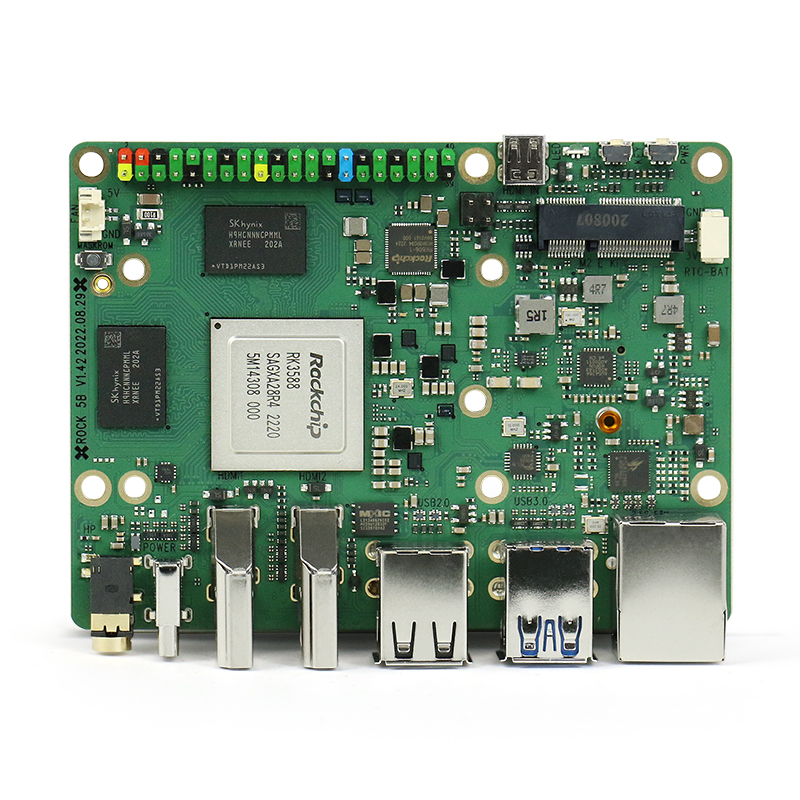
Precision monitoring of soil salinity, humidity, and rainfall patterns in taro plantations, alongside remote meteorological weather stations tracking barometric shifts across the Samoan ridge lines, requires low-power embedded computing. We build integrated sensor FPCs combined with compact Rockchip RK3588 boards to power ruggedized solar-driven field nodes.
Government Digital Infrastructure & Commercial Terminals
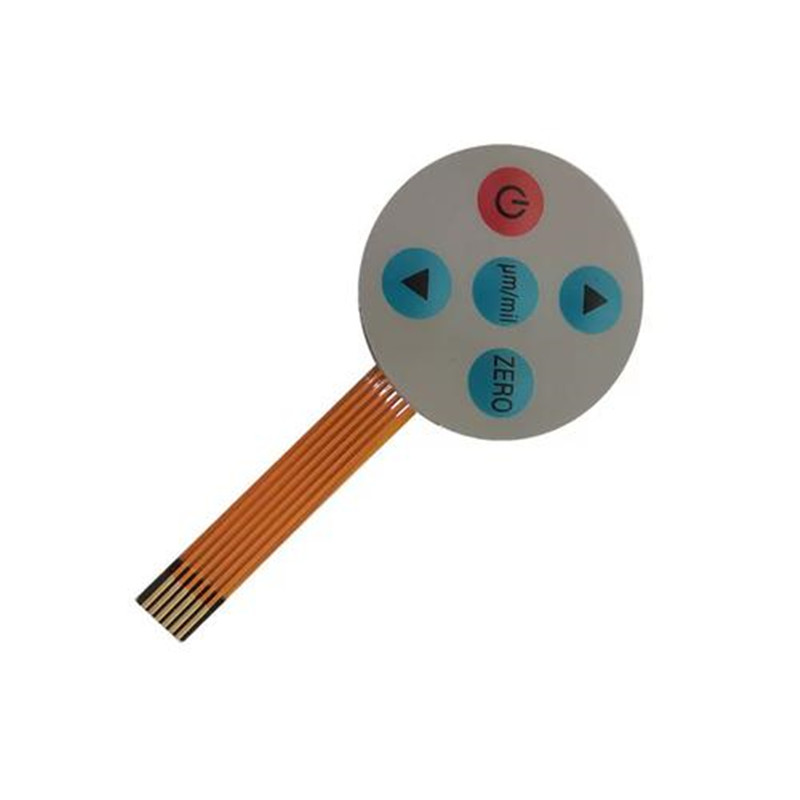
The modernization of the Samoan public sector, port authority logistics at Matautu Wharf, and banking networks in Apia requires durable interface panels. Our custom-engineered FPC membrane switches deliver tactile feedback, integrated backlighting, EMI/RFI shielding, and complete protection against accidental liquid spills and humid air infiltration.
Technological Modernization & Hardware Demand in Samoa
Strategic initiatives like the Samoa 2040 Vision are transforming the domestic economy into a resilient digital hub. Procuring advanced hardware components directly from specialized Chinese manufacturing hubs is driving accelerated local capability.
Decarbonization & 100% Renewable Energy Targets
The Electric Power Corporation (EPC) of Samoa and independent power producers are rapidly migrating toward 100% renewable generation across Upolu and Savai'i. This drives acute demand for specialized power electronics, high-current aluminum substrates for LED municipal lighting, and flexible sensor interconnects embedded in solar inverter telemetry systems capable of continuous 24/7 heat dissipation.
Resilient Telecommunications & Remote IoT Backhaul
As cellular operators expand 4G LTE and prepare for localized 5G deployments across the islands, base stations require weather-sealed antenna arrays and miniaturized transceiver boards. Hardware architects are transitioning away from bulky wiring harnesses toward lightweight, low-mass rigid-flex printed circuits that resist cyclone-induced vibration and mechanical shock.
Direct Sourcing & Supply Chain Optimization
Historically dependent on multi-tier third-party distributors in Australia and New Zealand, Samoan engineering firms, infrastructure contractors, and utility operators now establish direct relationships with Shenzhen original equipment manufacturers (OEMs). This bypasses massive regional markups, shortens revision turnaround times, and guarantees custom DFM validation directly at the factory floor level.
Why Engineering & Procurement Teams Trust VUKO Electronics
Shenzhen VUKO Electronics Co., Ltd. serves as an end-to-end manufacturing partner, combining cutting-edge fabrication, automated assembly, full BOM sourcing, and rigorous quality inspection under one roof.
14+ Years Global Export Experience
With an audited onsite-verified footprint and over a decade of international trade, our logistics protocols ensure rapid, customs-cleared transit to ocean terminals and air cargo hubs worldwide.
Complete One-Stop Hardware Ecosystem
Eliminate multi-vendor coordination overhead. We handle bare FPC, rigid PCB (1-16+ layers), aluminum core boards, SMT/DIP placement, component sourcing, membrane switch panels, and functional testing.
Comprehensive 24-Hour DFM Validation
Our senior engineering staff conducts rigorous Design for Manufacturability (DFM) audits on every Gerber, drill, and BOM package, catching trace spacing violations, via ring limits, and obsolete silicon before tooling begins.
Ultra-Low MOQ Prototyping
Accelerating product development cycles with prototype orders starting from just 5 pieces, providing accessible entry for pilot trials and field deployments without capital-intensive commitments.
100% Electrical Flying Probe Testing
Every bare flexible circuit and rigid-flex board undergoes automated continuity, insulation resistance, and dielectric breakdown testing. Open-circuit or micro-short faults are completely eliminated.
Turnkey BOM Procurement & Kitting
Leveraging deep relationships with original component makers and authorized distributors to source genuine active ICs, passive MLCCs, connectors, and power FETs with full lot traceability.
IPC & International Standards Compliance
Fabrication and automated assembly operations adhere to IPC-A-600, IPC-A-610 Class 2 and Class 3, ISO 9001 quality management, RoHS environmental compliance, and UL 94V-0 flammability ratings.
Dedicated Engineering Account Manager
Seamless technical communication in fluent technical English. You work directly with assigned project engineers who coordinate CAD changes, BOM lifecycle adjustments, and production schedules.
Frequently Asked Questions for Buyers in Samoa
Key engineering, logistical, and commercial inquiries addressed for industrial purchasers, infrastructure contractors, and technical project managers in Samoa.
What specific materials and finishes are recommended for FPCs deployed in Samoa's maritime environment?
How are electronics and flexible circuits shipped to Apia, and what are typical lead times?
What protective packaging is used to prevent moisture damage during transpacific transit?
Can VUKO handle turnkey SMT assembly on flexible circuits (FPCBA)?
What files are required to obtain a detailed DFM analysis and formal quotation?
What is the minimum order quantity (MOQ) for custom FPC and membrane switch production?
Can you assist with component substitution if parts on our BOM are obsolete or long-lead?
How does VUKO ensure compliance with international environmental and flammability regulations?
What payment terms and transaction security are provided for international buyers?
Launch Your Custom FPC & Hardware Project Today
Connect directly with our senior application engineering team in Shenzhen. Share your Gerber files, schematic diagrams, or project requirements for an immediate DFM review, stack-up consultation, and factory-direct quotation within 24 hours.