Verified Supply Chain Partner
Precision-Engineered Rigid-Flex Solutions for Australian Hardware Innovators
From rapid prototyping across Macquarie Park, Ultimo, and Western Sydney's industrial hubs to full-scale containerized wholesale shipments. Combining polyimide flexibility, high-density interconnects, and strict turnkey assembly.
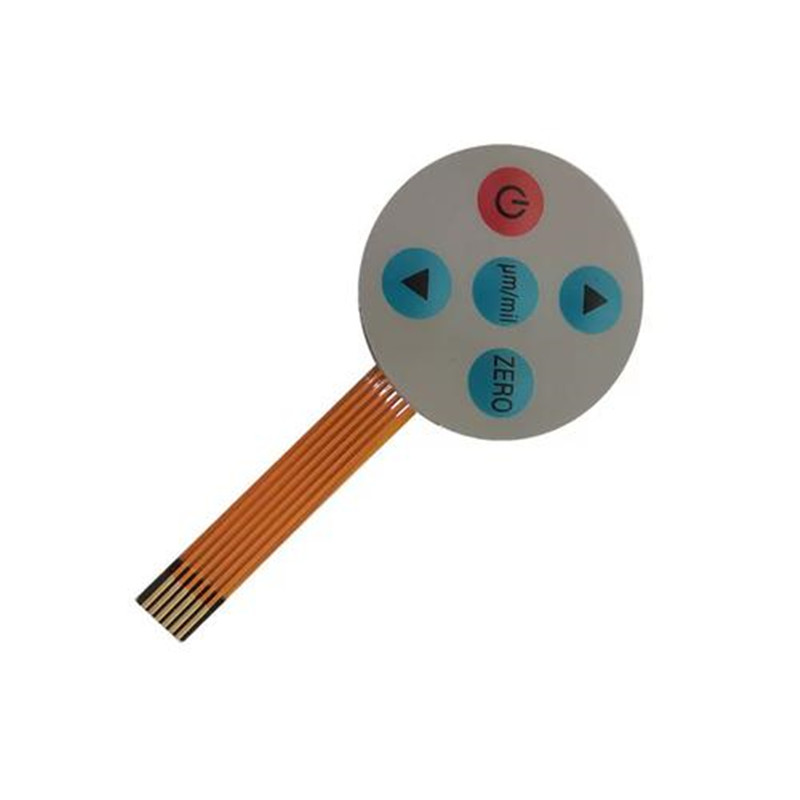
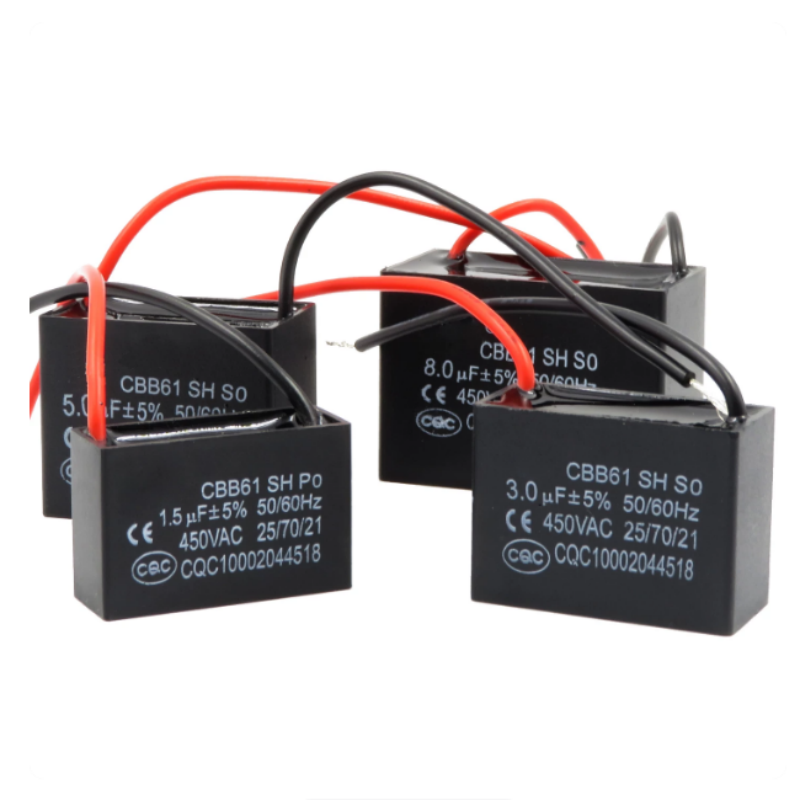
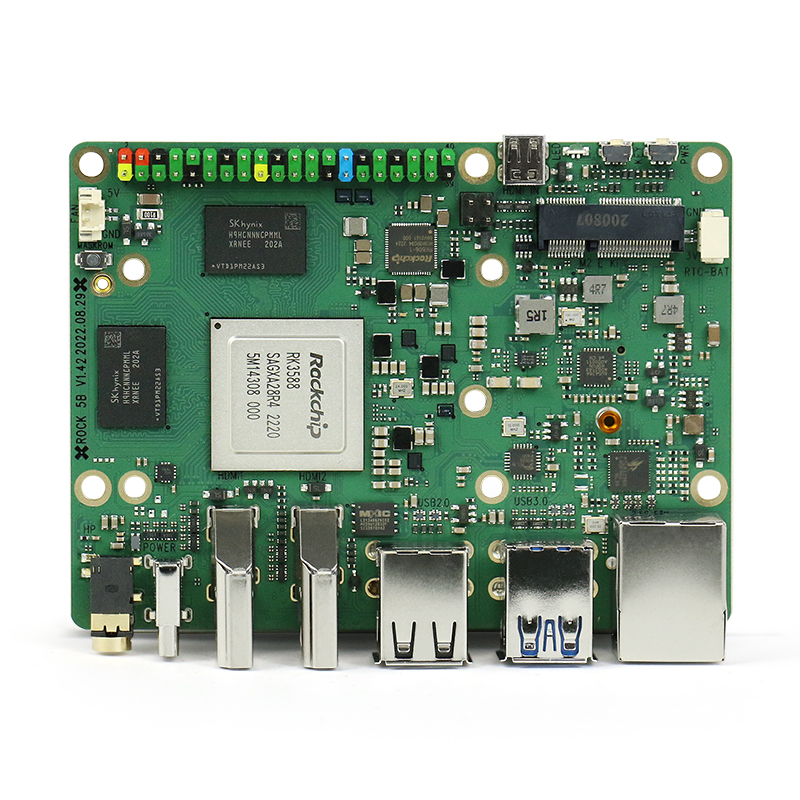
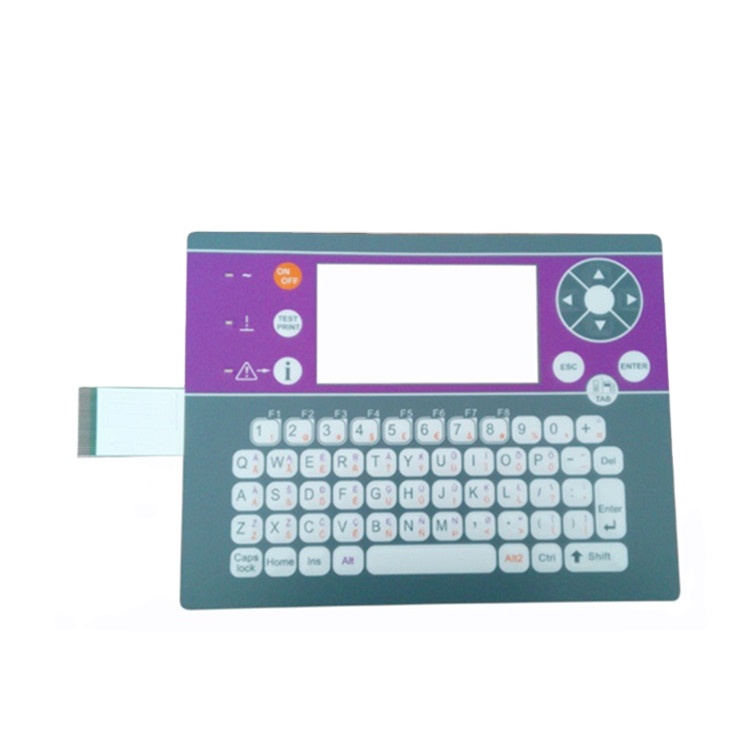
Rigid-Flex Interconnect Architecture: Engineering Guide for Sydney Procurement Engineers
In modern high-reliability electronics, planar FR4 boards interconnected with ribbon cables or standard board-to-board connectors present systemic failure risks: mechanical crimping faults, high contact resistance under vibration, and volumetric inefficiency. Rigid-flex printed circuit boards eliminate discrete wire harnesses by integrating polyimide (PI) flexible substrates and rigid glass-epoxy laminates (FR4/High-TG) into a unified, monolithic multilayer architecture. For hardware technology enterprises operating within the Sydney innovation ecosystem—ranging from biomedical telemetry instrumentation in the North Ryde corridor to harsh-environment subsea acoustic transducers along Botany Bay—rigid-flex technology serves as the foundational design paradigm for spatial compaction and mechanical integrity.
Key Engineering Fact: Combining adhesive-less copper-clad polyimide cores with modified acrylic or no-flow prepregs reduces board thickness by up to 68% while completely mitigating connection failure modes under repetitive flexural stress cycles exceeding 100,000 operations.
Material Stack-up Dynamics & Impedance Integrity
A standard 4-layer to 12-layer rigid-flex design built by Shenzhen VUKO Electronics utilizes adhesiveless Polyimide (PI) films varying from 12.5µm to 50µm, laminated with electro-deposited (ED) or rolled-annealed (RA) copper foil. For dynamic bending applications common in medical robotic end-effectors developed in Sydney research facilities, RA copper is strictly mandated due to its elongated grain boundary structure, which provides superior ductility and prevents micro-fracturing along the neutral bending axis.
Signal integrity across the flexible-to-rigid transition zone requires meticulous DFM control. Differential pair routing at 90Ω or 100Ω impedance tolerances for USB 3.2, PCIe, or MIPI camera serial interfaces requires hatched copper shielding planes instead of solid copper planes on flexible tails to maintain mechanical bendability while containing electromagnetic emissions (EMI).
| Technical Parameter | Standard Capability (Wholesale Production) | Advanced / High-Density Interconnect (HDI) |
|---|---|---|
| Layer Count | 2 – 8 Layers (Rigid-Flex Combination) | Up to 16 Layers (Multi-Zone Stiffened & Blind/Buried Vias) |
| Base Polyimide Film | 12.5µm, 25µm, 50µm (DuPont Pyralux / Shengyi) | Adhesiveless Polyimide Cores (Halogen-Free) |
| Copper Types & Foil Weight | ED Copper & RA Copper (1/3 oz, 1/2 oz, 1 oz, 2 oz) | Ultra-thin RA Copper (9µm) for Dynamic Deflection |
| Min. Line Width / Space | 0.075mm / 0.075mm (3 mil / 3 mil) | 0.050mm / 0.050mm (2 mil / 2 mil) via LDI |
| Transition Zone Prepreg | Low-Flow / No-Flow Prepreg (IT-180GN / Panasonic) | Laser-Skived Coverlay with Precision Laser Depth Routing |
| Surface Finishes | Electroless Nickel Immersion Gold (ENIG), OSP | Hard Gold Plating (30u"), Immersion Silver, ENEPIG |
| Stiffener Configurations | FR4, Polyimide, Stainless Steel (SUS), Aluminum | Bonded with 3M 467MP, 9077 or Thermosetting Prepreg |
| Quality & Cleanliness Standards | IPC-6013 Class 2, IPC-A-600 Class 2, RoHS | IPC-6013 Class 3, AS9100 / ISO 13485 Compliant Cleanrooms |
NSW Industrial Landscape
Rigid-Flex Applications in the Sydney Economy
Sydney’s hardware landscape is marked by high-value, high-reliability engineering across medtech, maritime, infrastructure, and green agritech.
Biomedical & Patient Telemetry
Concentrated around the Macquarie Park tech precinct and Camperdown health hub, Sydney MedTech companies demand miniature IPC Class 3 rigid-flex circuits for wearable electrocardiographs, non-invasive ultrasound scanners, and cochlear-adjacent sensor arrays requiring bio-compatible encapsulation and high-frequency stability.
Aerospace, Defence & Subsea Systems
With naval contractors situated in Garden Island and defence tech hubs in Western Sydney's Aerotropolis, harsh environment resilience is non-negotiable. Rigid-flex assemblies withstand extreme shock, saline corrosion, and thermal cycling from -40°C to +125°C without inter-layer delamination or micro-crack formation.
Mining Telemetry & Remote IoT Gateways
Headquartered in Sydney, mining instrumentation firms deploy autonomous vibration-sensing pods and environmental telemetry units into remote NSW and Pilbara mining basins. Eliminating connectors with rigid-flex boards ensures long-term operational up-time under intense continuous vibration profiles.
Strategic Manufacturing Trends Shaping Sydney's Electronics Procurement
Australian electronics engineering is undergoing a pronounced shift toward advanced miniaturization and supply-chain sovereignty. With initiatives like the NSW Modern Manufacturing Strategy and expanding technology hubs around the Western Sydney Aerotropolis, hardware OEMs are transitioning from traditional prototyping to distributed mass manufacture.
1. The Shift to 3D Mechatronic Packaging
Sydney's industrial designers are eliminating bulky rectangular aluminum enclosures in favor of organic, contoured ergonomics. Rigid-flex PCB architecture serves as the 3D framework, allowing electronic component population across multiple rigid planes connected by flexible fingers that fold seamlessly into curved handheld enclosures, eliminating the physical volume occupied by wire bundles and crimp terminal blocks.
2. Demand for Complete Turnkey Box-Build Integration
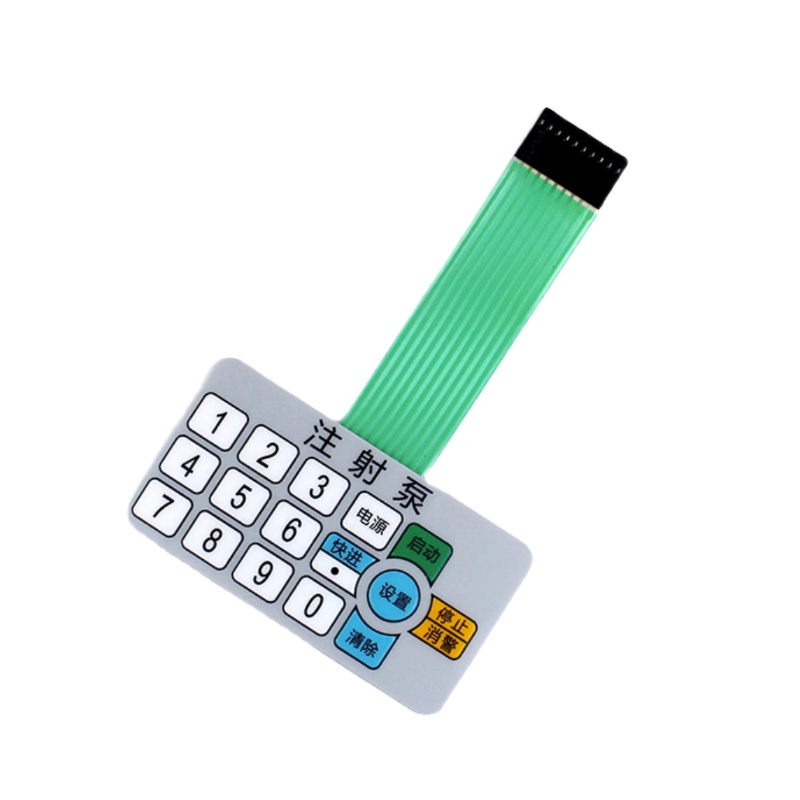
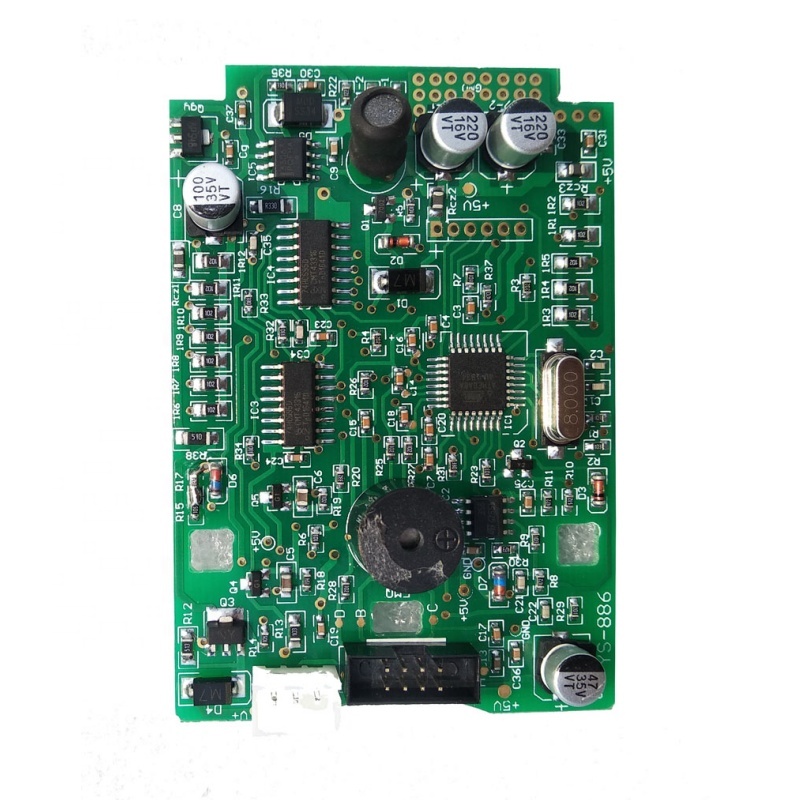
Due to high domestic assembly labor costs in New South Wales, Sydney engineering directors increasingly procure end-to-end integrated modules. Rather than buying bare boards from one factory, sourcing passives from catalog distributors, and sending them to local pick-and-place houses, companies partner with Shenzhen VUKO Electronics for complete PCBA, membrane switch integration, cable kitting, and functional test execution under a single consolidated purchase order.
3. Low-Lead-Time Air Couriers Direct to Kingsford Smith Airport
Prototyping velocity is critical for Sydney startups competing globally. With scheduled direct air cargo flights from Shenzhen Bao'an (SZX) and Hong Kong (HKG) directly into Sydney Airport (SYD), procurement cycles for tested rigid-flex prototypes are compressed to 5 to 7 working days, allowing local teams to iterate hardware with the speed of pure software teams.
Shenzhen VUKO Electronics Edge
Why Global Tier-1 Brands & Sydney Engineers Rely on Us
Direct factory fabrication with an engineer-led culture located in Shenzhen's core industrial district.
Strict IPC Quality Protocol
Every multilayer rigid-flex board undergoes 100% Flying Probe E-Test, Automated Optical Inspection (AOI), thermal stress solder float testing, and microsectioning analysis to ensure zero PTH barrel separation.
Full BOM Component Sourcing
Direct supply partnerships with authorized global distributors (TI, ST, ADI, Murata, TDK). Our in-house component engineers audit parts for obsolescence, long lead-times, and counterfeit mitigation.
Transparent DFM within 24h
We don't just execute Gerber files; our senior CAM engineers evaluate trace/space clearances, transition radius zones, copper tear-drop reinforcements, and stiffener overlaps before initiating copper clad drilling.
Alibaba Verified & Protected
Over 14 consecutive years of export credibility, on-site verified production facilities, and full Alibaba Trade Assurance protection, giving Australian procurement officers total financial and quality confidence.
Buyer Knowledge Base
Frequently Asked Questions by Sydney Sourcing Teams
Practical technical and logistical answers for Australian electronic engineers, supply managers, and startup founders.
How do you handle Australian GST and customs clearance into Sydney (Kingsford Smith)?
We routinely supply goods under Incoterms DDP (Delivered Duty Paid) or DAP. Shipments via express couriers (DHL, FedEx, UPS) process through Australian Border Force customs smoothly. For consignments over AUD $1,000, all relevant commercial invoices and tariff classifications (HS Code 8534.00 for bare circuit boards) are structured clearly to ensure rapid clearance without warehouse retention delays.
What is the recommended minimum bend radius for dynamic vs static flex zones?
For static (flex-to-install) applications, the IPC-2223 standard recommends a minimum bend radius of 10× the overall flex circuit thickness for 1–2 layers, and 20× for multilayer flex tails. For dynamic applications (such as hinges or sliding scanner heads), the bend radius must exceed 40× to 100× thickness using single-layer RA copper with balanced polyimide coverlays on both sides.
Can Shenzhen VUKO provide full turnkey PCBA if we have high mix, low volume (HMLV) orders?
Yes. Our manufacturing infrastructure is specifically optimized for agile production runs starting from just 5 pieces for prototyping and pilot clinical trials, scaling seamlessly to 50,000+ units. We maintain automated Yamaha and Panasonic SMT lines capable of placing 01005 passives, 0.3mm pitch BGAs, and fine-pitch FPC ZIF connectors with automated nitrogen reflow soldering.
What design files are required to quote a rigid-flex board with stiffeners and SMT assembly?
To provide a definitive engineering review and pricing within 24 hours, we require: (1) RS-274X or ODB++ Gerber files including drill maps and layer stack-up documentation; (2) Mechanical layer detailing the rigid zones, flex zones, coverlay openings, and stiffeners (FR4/SUS); (3) Complete Bill of Materials (BOM) in Excel with MPNs, manufacturers, and package footprints; and (4) Pick-and-Place (centroid) coordinate files.
Accelerate Your Hardware Roadmap with Shenzhen VUKO
Send your Gerber files and BOM today. Our engineering desk operates on Australian Eastern Standard Time (AEST) overlap, providing DFM reviews, impedance simulation, and instant wholesale pricing.