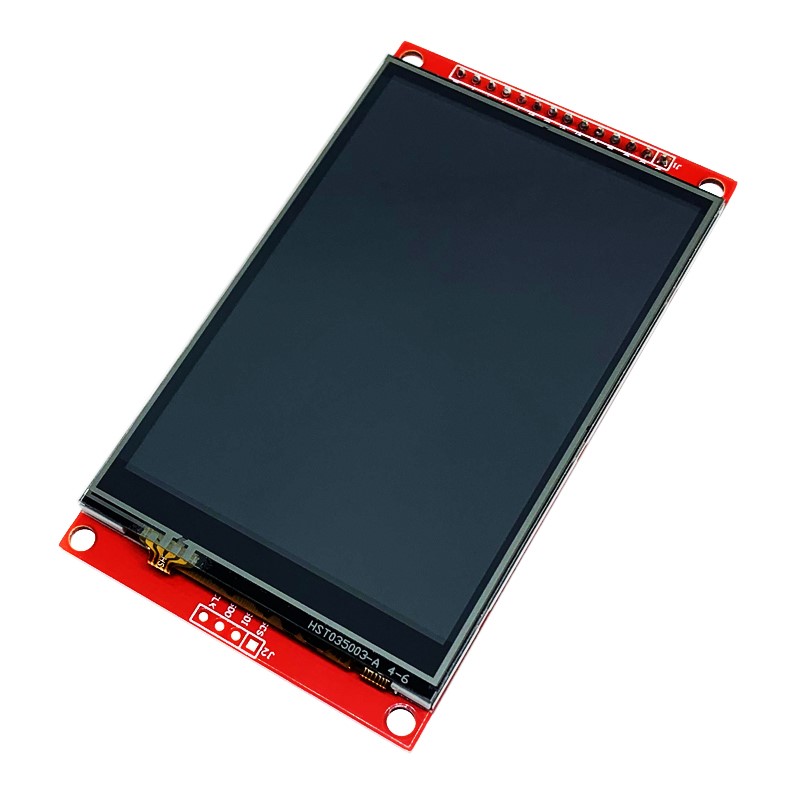
3.5 Inch TFT LCD Display Module 320x480 SPI Serial Screen ILI9488 ILI9486 3.3V to 5V
Engineered for high-contrast viewing under custom acrylic and anti-glare graphic overlay windows with wide-voltage compatibility.
Seamlessly integrate high-performance graphic overlays with custom TFT displays, high-thermal MCPCBs, multi-layer PCBA assemblies, and responsive tactile arrays.
Engineered for high-contrast viewing under custom acrylic and anti-glare graphic overlay windows with wide-voltage compatibility.
High-flux sintered copper phase-change cooling solutions designed for compact HMI chassis, embedded systems, and ruggedized kiosks.
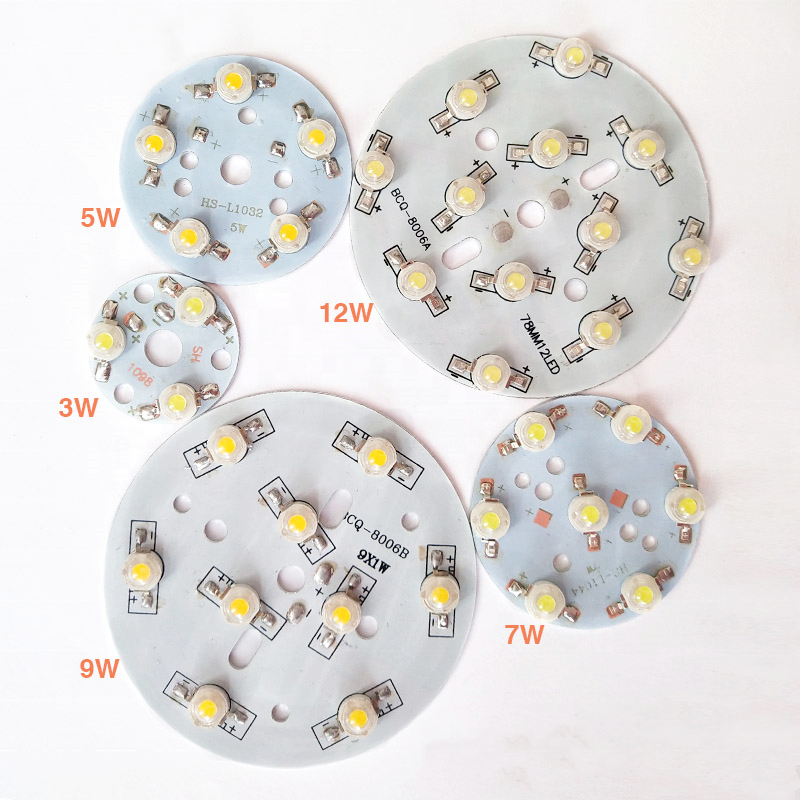
Optimized 1.0–3.0 W/m·K thermal dielectric MCPCBs engineered for backlight modules and rugged instrumentation control arrays.
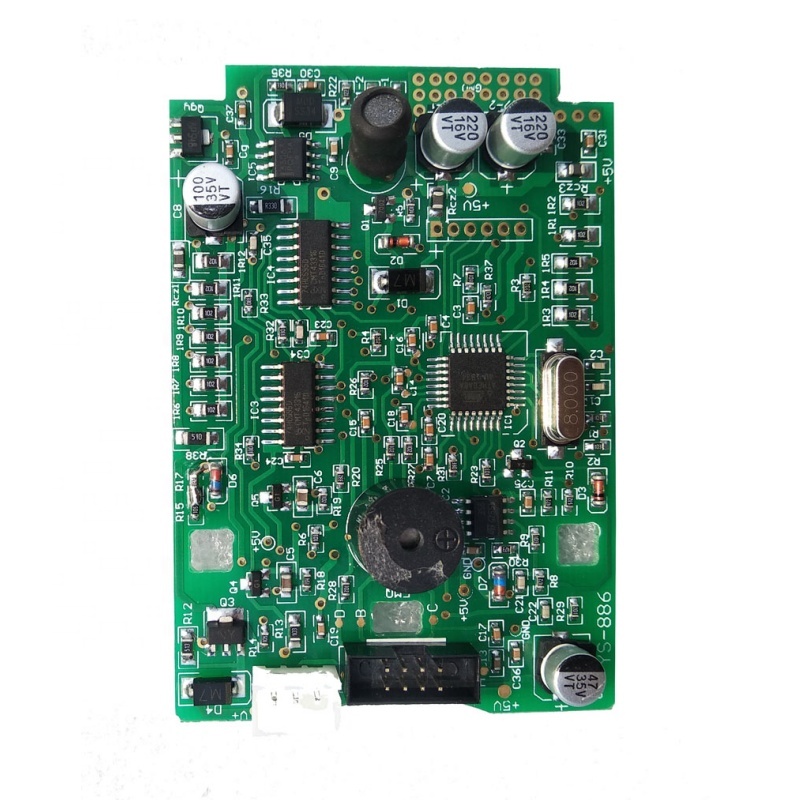
High-yield surface mount assembly supporting 01005 passives, multi-layer rigid boards, automated optical inspection, and flying probe tests.
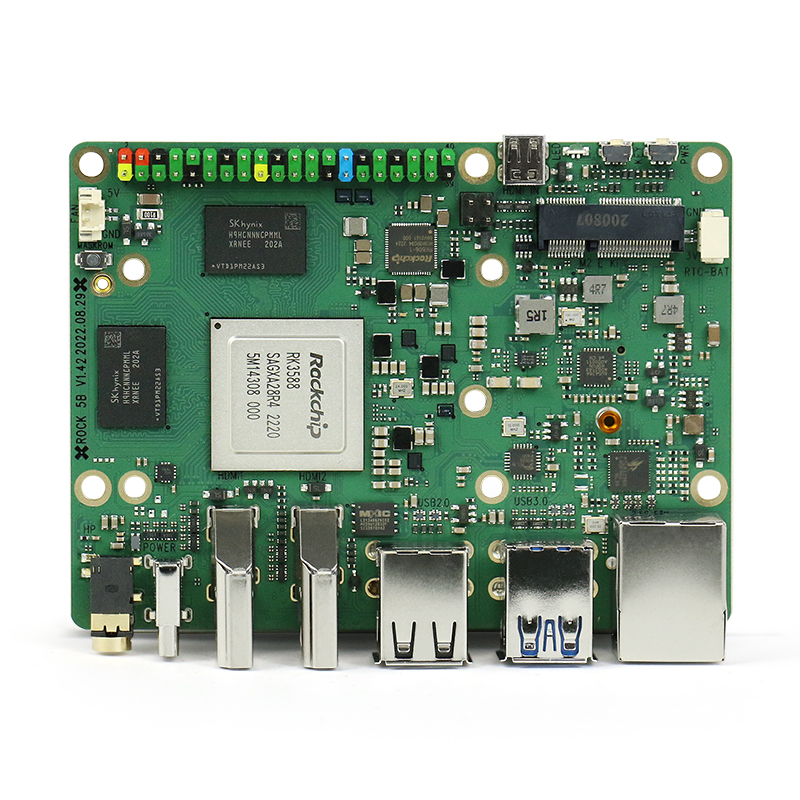
Next-gen octa-core edge computing motherboard driving sophisticated user interfaces, industrial AI vision, and high-definition kiosks.
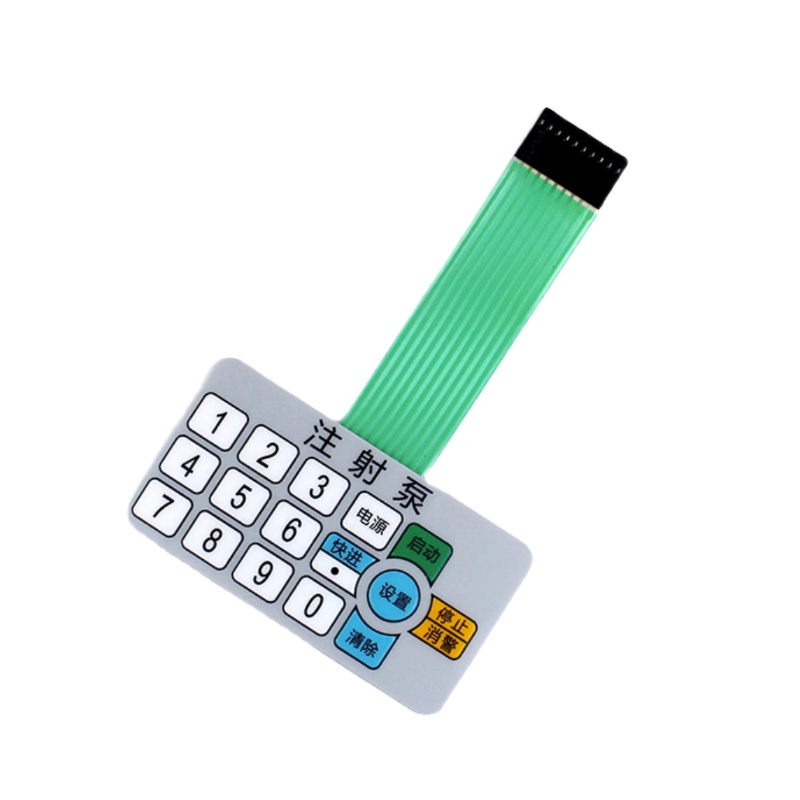
IP65/IP67 ingress-protected graphic overlays built with embossed metal domes, embedded chip LEDs, and chemical-resistant Autotex PET film.
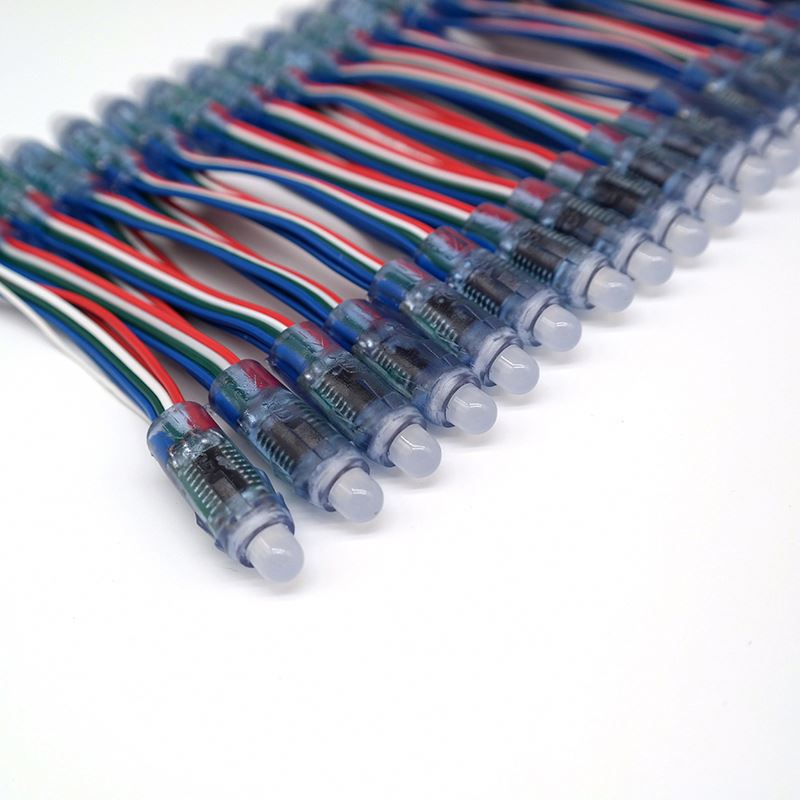
Sealed architectural and status-indication lighting strings engineered with robust silicon resin potting for humid, outdoor, and commercial installations.
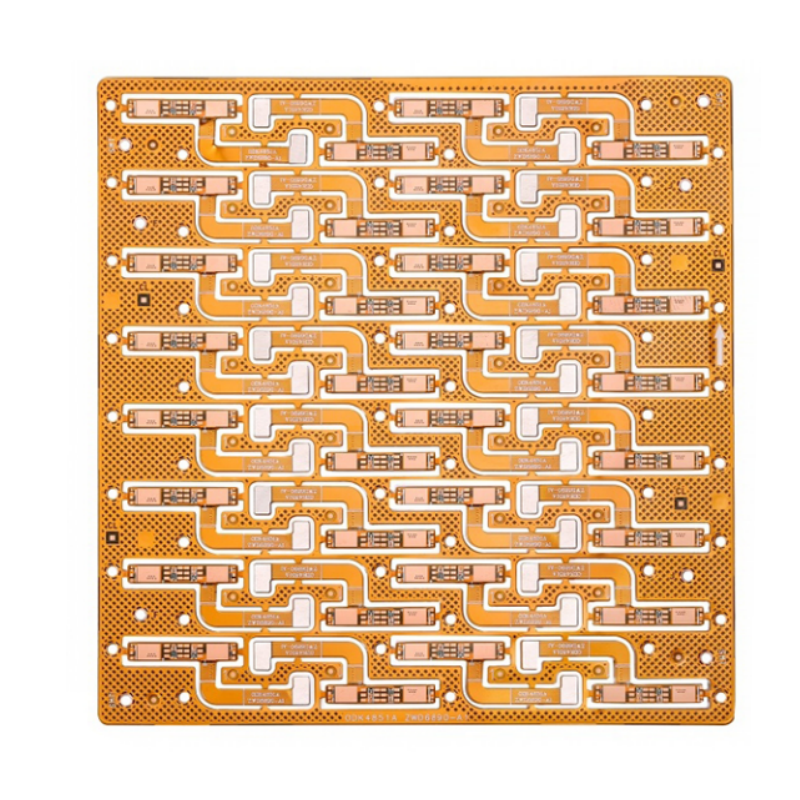
Ultra-thin polyimide (PI) flex circuits featuring gold immersion pads and stiffener options, designed for high-density graphic overlay interconnection.
A comprehensive technical evaluation of polymer selection, die-cutting precision, environmental resilience, and functional bonding systems for West End original equipment manufacturers.
The operational longevity of an interface starts with base film physics. Polycarbonate (Lexan™) provides exceptional dimensional stability, flame retardancy (UL 94V-0), and superior impact resistance, making it suitable for thick structural bezels and indoor display faceplates.
However, when cyclic actuation is mandatory, oriented Polyester (Autotex™ / Melinex™ PET) becomes the required choice. PET delivers exceptional flexural fatigue endurance—rated well beyond 5,000,000 continuous switch actuations without micro-cracking.
Precision HMI manufacturing requires combining tactile grip with optical clarity. Utilizing optical-grade clear films alongside UV-curable selective matte lacquer allows manufacturers to create crystal-clear LCD/OLED windows while maintaining a textured, fingerprint-resistant peripheral fascia.
Dead-front graphics conceal hidden status indicators until illuminated by back-mounted SMD LEDs on flexible or aluminum PCB layers, delivering a modern aesthetic for high-end medical equipment and consumer controls.
The failure point in many industrial overlays is delamination under moisture or heat cycles. We partner directly with 3M™ and Nitto™ to specify high-performance acrylic transfer tapes (such as 3M 467MP, 468MP, and 300LSE) specifically suited for the target chassis substrate.
For low surface energy (LSE) materials like powder-coated metals, polypropylene, and polyethylene, 300LSE adhesive ensures permanent adhesion, resisting thermal shear up to 150°C and offering waterproof ingress protection up to IP67.
Rather than treating the graphic overlay as an isolated cosmetic label, modern engineering teams treat the faceplate as the front line of an integrated electromechanical assembly. A standard turnkey interface stack-up designed by Shenzhen VUKO Electronics integrates five critical layers: (1) First-surface textured Autotex PET film with sub-surface reverse screen-printing to eliminate graphic wear; (2) Spacer adhesive containing anti-fatigue stainless steel tactile snap domes with gold flash plating; (3) Printed silver-paste or copper FPC circuit layer routing key signals to zero-insertion-force (ZIF) headers; (4) Rigid backing plate or aluminum core MCPCB for structural stiffness and heat dissipation; and (5) Custom sub-surface silicone rubber keymats providing dampening and ergonomic feedback.
By engineering all interconnected subassemblies—from bare bare-board circuit design to final optical inspection—under one ISO 9001 certified roof, dimensional variances are eliminated, and supply chains for industrial clients are greatly simplified.
Review standard manufacturing tolerances and material specifications for custom overlays, membrane keypads, and control bezels.
| Parameter | Polyester (PET - Autotex/Melinex) | Polycarbonate (PC - Lexan) | Silicone Rubber Composite |
|---|---|---|---|
| Standard Thickness | 0.125 mm, 0.150 mm, 0.180 mm, 0.250 mm | 0.175 mm, 0.250 mm, 0.380 mm, 0.500 mm | 0.500 mm to 3.500 mm (Molded) |
| Actuation Life | >5,000,000 cycles (with metal domes) | ~100,000 to 500,000 cycles | >1,000,000 cycles |
| Operating Temperature | -40°C to +85°C (-40°F to 185°F) | -30°C to +105°C (-22°F to 221°F) | -50°C to +200°C (-58°F to 392°F) |
| Chemical Resistance | Excellent (Bleach, IPA, MEK, cutting fluids) | Moderate (Sensitive to aromatic hydrocarbons) | Excellent (Ozone, UV, weathering resistance) |
| Die-Cutting Tolerance | ±0.10 mm (Laser / CNC Steel Rule) | ±0.12 mm | ±0.15 mm |
| Printing Technology | High-precision screen print & digital hybrid | Sub-surface screen & UV direct jet | Compression mold pigments & laser etching |
Precision-engineered human interface systems built specifically to meet the high operational standards of West End equipment manufacturers, research labs, and transit hubs.
West End diagnostic labs and cleanrooms require sealed HMI panels resistant to aggressive hospital-grade cleaners such as quaternary ammonium and sodium hypochlorite. Our textured PET overlays prevent microbial accumulation, feature seamless gasket sealing to IP65 standards, and incorporate anti-microbial coatings for patient-side monitors.
Heavy kitchen equipment and industrial food processing units face steam, hot oil splash, and high-pressure washdowns. Our dead-front capacitive touch overlays and embossed tactile switches deliver waterproof performance that will not peel, haze, or discolor over years of continuous service.
West End logistics depots and transit fleets utilize rugged vehicle-mounted control consoles. Integrating UV-stabilized Lexan overlays with high-temp acrylic adhesives prevents adhesive weeping and color fading, maintaining legibility and key tactile response across fluctuating cabin temperatures.
Industrial manufacturing centers demand control panels that withstand shop floor hazards like stray tooling, hydraulic oils, and abrasive dust. Metal-dome keypads with rim-embossed buttons provide crisp tactile feedback through operator work gloves, minimizing input errors.
Key technological and supply chain shifts observed among industrial buyers, hardware engineers, and procurement directors.
Procurement teams are moving away from managing separate vendors for graphic overlays, bare PCBs, SMT components, and chassis machining. Sourcing unified assemblies from an integrated partner reduces internal overhead, eliminates mechanical stacking tolerances between mating parts, and accelerates production schedules.
While tactile metal domes remain essential for safety-critical inputs, modern designs increasingly adopt flat capacitive touch sensors. Capacitive systems integrated on flexible printed circuit (FPC) layers behind smooth overlays simplify surface cleaning, extend switch life, and enable sleek back-lit sliders and wheel controls.
With hardware release cycles narrowing, engineering teams require functional prototypes in days rather than weeks. Using digital hybrid printing and laser cutter profiling eliminates initial hard-tooling expenses, allowing design validation with 5 to 50 pieces before committing to high-speed die-cut tooling.
Combining world-class Shenzhen supply chain integration with stringent engineering management and comprehensive trade protections.
Onsite verified by international inspection bodies. Every project can be backed by Alibaba Trade Assurance, safeguarding payments, tracking production milestones, and guaranteeing on-time global air shipment.
Our senior engineers review your Gerber files, vector artwork (AI/DXF), and BOM within 24 hours. We identify potential pinout conflicts, circuit impedance issues, and tooling constraints before material cutting begins.
We do not broker your parts. We operate dedicated facilities for bare PCB manufacturing, SMT pick-and-place lines, cleanroom screen-printing bays, automated die-cutters, and climatic testing chambers under ISO 9001 guidelines.
Support your product through every lifecycle stage: launch pilot runs with an accessible minimum order quantity starting from just 5 pieces, then scale to monthly production batches of tens of thousands seamlessly.
Direct technical answers addressing files, tooling, material durability, and international logistics.
For the aesthetic overlay, we require vector artwork saved in Adobe Illustrator (.AI), CorelDraw (.CDR), or AutoCAD (.DXF/.DWG) formats with all fonts converted to outlines. Color standards must reference Pantone Matching System (PMS) codes or RAL values. If your overlay incorporates an active circuit layer or membrane switch, please provide Gerber RS-274X files along with a dimensional drawing specifying tail length, pin pitch (typically 1.0mm, 1.27mm, or 2.54mm), connector part numbers, and target actuation force (grams).
We utilize precision spectrophotometers to measure color consistency against target Pantone or physical customer-provided master swatches. Color inks are mixed under controlled lighting booths (D65 standard illuminant). First-article approval swatches printed on the actual production substrate (PET or PC) are provided to the client for sign-off prior to running the main print run.
Rim embossing elevates only the perimeter ridge surrounding the button graphic, leaving the center flat—ideal when fitting flat silicone keypads or surface-mounted LEDs underneath. Pillow embossing raises the entire key surface evenly, providing a defined tactile footprint. Dome embossing forms a spherical curve across the switch area, often utilized to provide snap tactile action in non-metal-dome switch arrays.
Yes. Our cleanroom facilities produce optical display windows with customized selective textures. We can print transparent colored tints (such as smoke gray, green, or red) to optimize contrast for LED/vacuum fluorescent displays, or leave windows untreated with >92% clear light transmission. Dead-front graphic areas are precision-printed with calibrated half-tone layers so the icon stays invisible until back-lit by an integrated LED.
Every graphic overlay is protected by low-tack protective masking film on both first and adhesive-liner surfaces to eliminate scratches, abrasion, and static buildup. Finished parts are vacuum-sealed in moisture-barrier bags with desiccant packs, separated by protective cardstock, and packed into reinforced double-wall corrugated cartons. Air shipments are dispatched via DHL, FedEx, or UPS with full end-to-end tracking provided.
Send your drawings, Gerber files, and specifications to our Shenzhen engineering team. We deliver a comprehensive DFM manufacturability check, BOM component sourcing review, and competitive quotation within 24 hours.