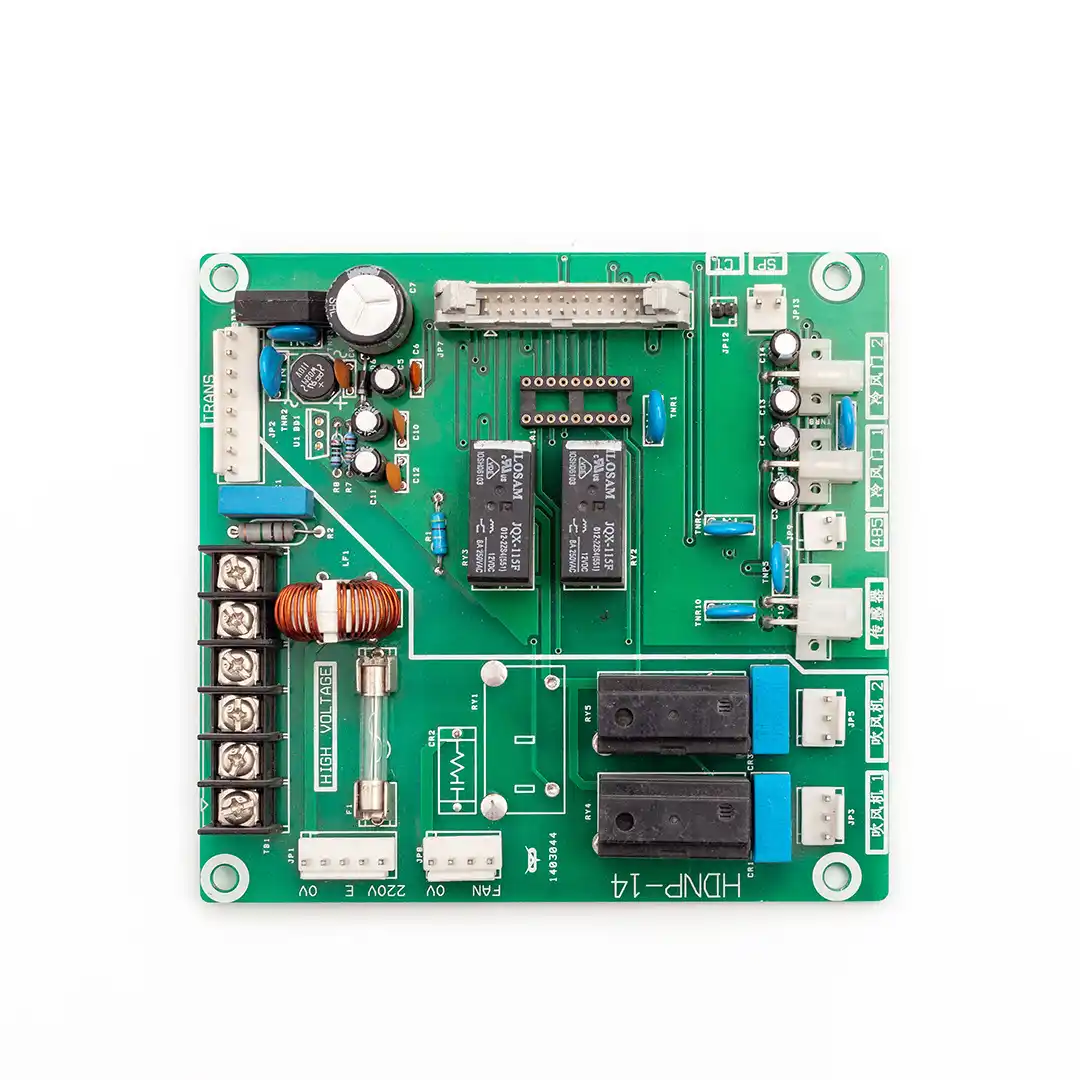
Enterprise Product Catalog
Featured PCB, PCBA, FPC & Component Solutions
From single-board prototypes to multi-layer mass fabrication, examine our vetted product lines built to strict IPC Class 2/3 and ISO 9001 quality benchmarks.
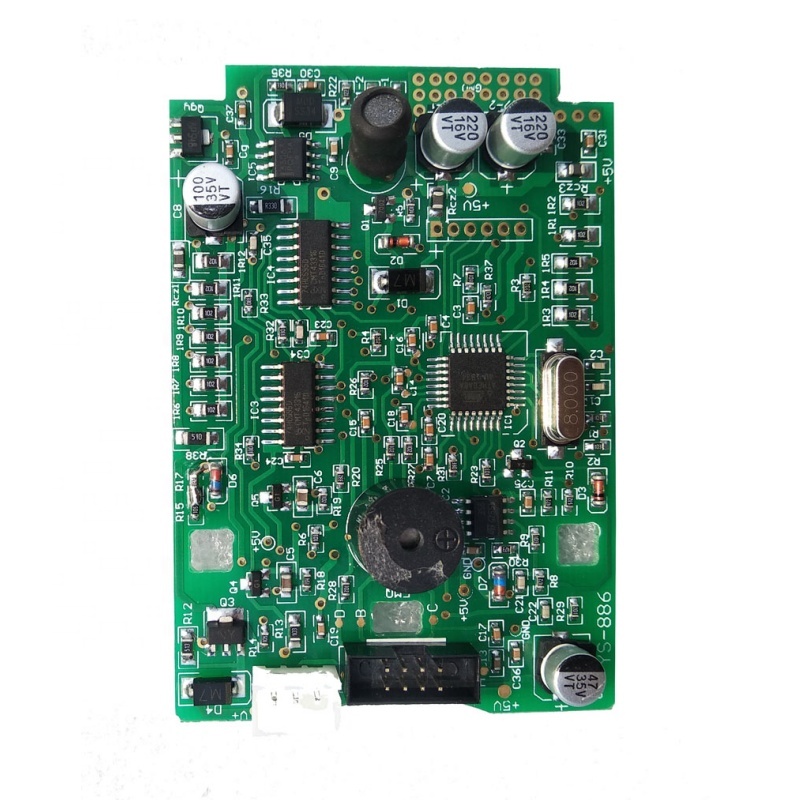
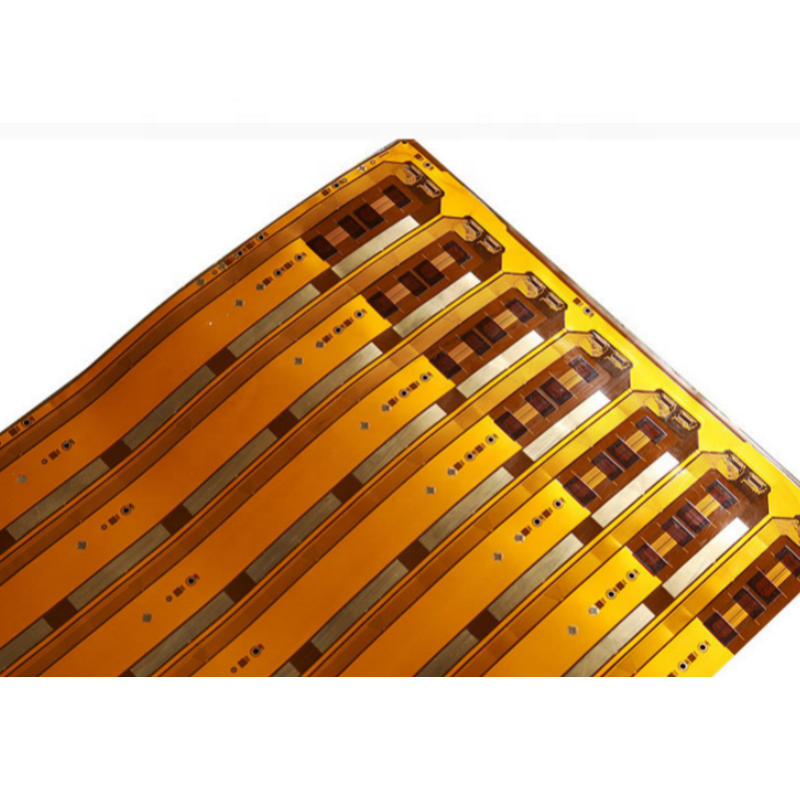
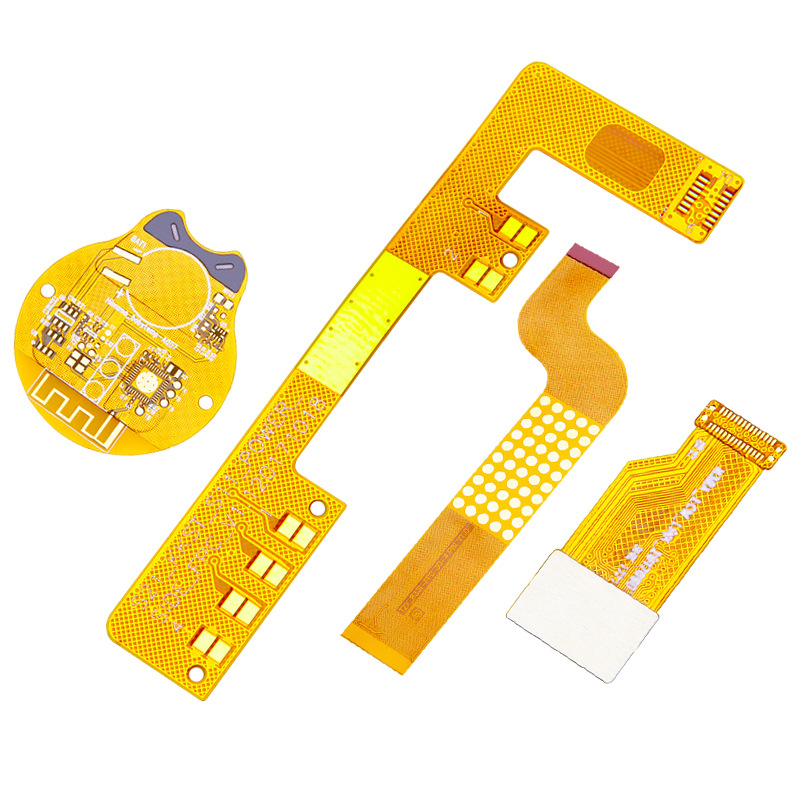
Technical Architecture & Signal Integrity
Engineering High-Frequency Multilayer PCBs for the Encamp Market
Addressing complex dielectric loss, thermal cycling, and high-altitude RF performance in ruggedized telecommunications, alpine resort telemetry, and off-grid renewable microgrids.
Substrate Selection: Rogers, Teflon, and High-Tg Hybrid Stackups
Operating electronics in extreme conditions—such as the alpine corridors and high-elevation valleys characterizing Encamp and the broader mountain terrain—presents acute challenges in signal propagation and impedance stability. Standard FR-4 laminates undergo unacceptable changes in Dielectric Constant (Dk) and Loss Tangent (Df) across shifting ambient temperatures. In sub-zero environments followed by rapid internal solar or resistive heating, FR-4's dissipation factor expands significantly, causing severe attenuation in microwave and millimeter-wave communication nodes.
Shenzhen VUKO Electronics engineers hybrid multilayer stackups combining standard high-Tg FR-4 (Tg > 170°C) with specialized hydrocarbon ceramic or PTFE-based laminates (such as Rogers RO4350B, RO4003C, or Taconic RF series). By strategically placing high-frequency laminates on the outer microstrip and coplanar waveguide layers while reserving economical FR-4 for non-critical power and inner digital ground planes, we deliver optimal Phase Stability and minimal Insertion Loss without exceeding project budgets.
| Laminate Material | Dielectric Constant (Dk @ 10GHz) | Dissipation Factor (Df @ 10GHz) | Thermal Conductivity (W/m-K) | Recommended Application |
|---|---|---|---|---|
| Rogers RO4350B | 3.48 ± 0.05 | 0.0037 | 0.69 | Cellular repeaters, 5G NR alpine base stations, radar transceivers |
| Rogers RO4003C | 3.38 ± 0.05 | 0.0027 | 0.71 | High-speed telemetry, microwave backhaul links, satellite receivers |
| Taconic TLX-8 | 2.55 ± 0.04 | 0.0019 | 0.24 | High-vibration aerospace probes, snow-level RF sensors |
| High-Tg Isola 370HR | 3.92 | 0.0250 | 0.40 | Inner digital layers, power distribution, thermal balancing planes |
Controlled Impedance & Skin Effect Mitigation
At frequencies exceeding 5 GHz, electrical current migrates almost entirely toward the outermost perimeter of copper conductors—a phenomenon known as the Skin Effect. Surface copper roughness, which is typically advantageous for copper-to-dielectric mechanical peel strength, introduces parasitic inductance and signal phase jitter at high microwave bands. Our manufacturing facility employs VLP (Very Low Profile) and HVLP (Hyper Very Low Profile) treated copper foils, lowering surface roughness (Rz < 1.5 µm) to mitigate signal attenuation along sensitive traces.
Furthermore, all multilayer high-frequency boards undergo Time Domain Reflectometry (TDR) testing to enforce tight impedance tolerances (±5% or ±10% depending on schematic criteria). Whether implementing 50Ω single-ended RF feeds or 100Ω differential pairs for high-speed LVDS and gigabit optical backplanes, our Shenzhen-based engineering team validates trace-to-reference spacing, prepreg resin flows, and soldermask dielectric impacts before running copper deposition.
Deployment Matrix
Localized Application Scenarios in Encamp & Regional Alpine Corridors
Alpine Cellular & Microwave Relays
Elevated topographical conditions demand low-loss RF distribution networks. Our high-frequency multilayer boards serve as backbone transceivers for line-of-sight relays, emergency avalanche communication towers, and remote weather station nodes traversing the mountain passes of Andorra and the Pyrenees.
- Substrate: Rogers Hybrid Stack (4 to 12 Layers)
- Operating Temperature: -45°C to +85°C continuous
- Surface Finish: ENIG / Immersion Silver for low insertion loss
Ski Resort Automation & Lift Telemetry
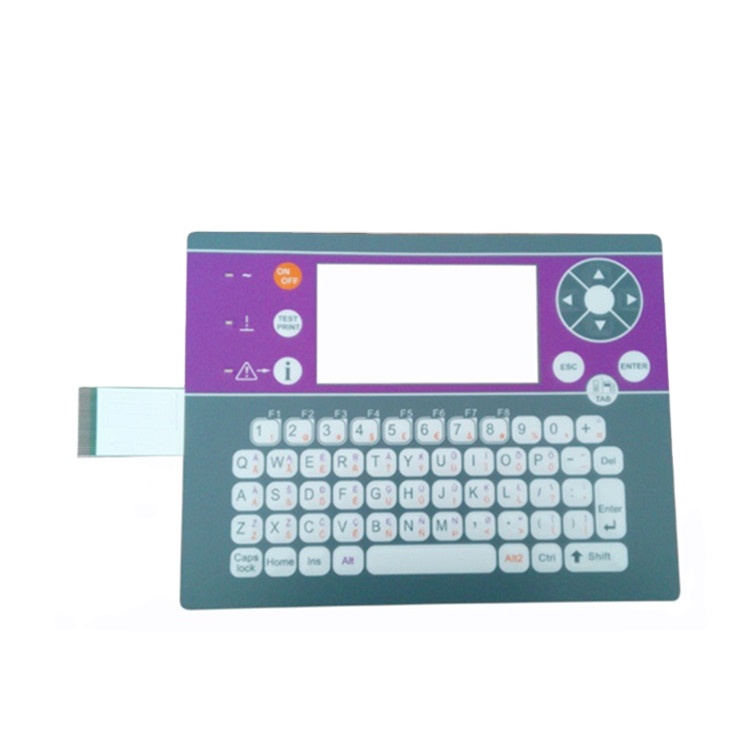
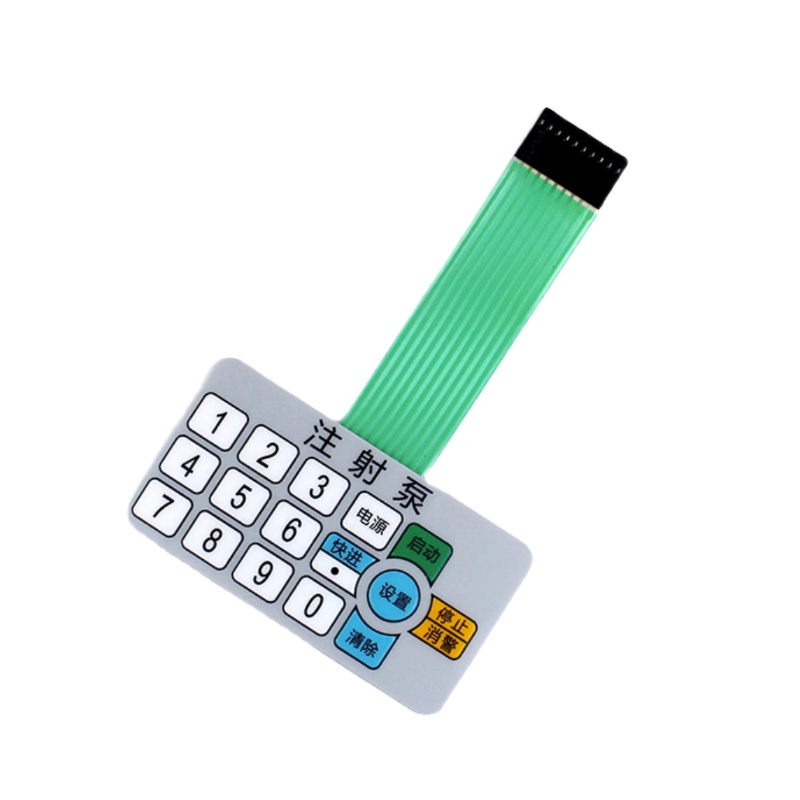
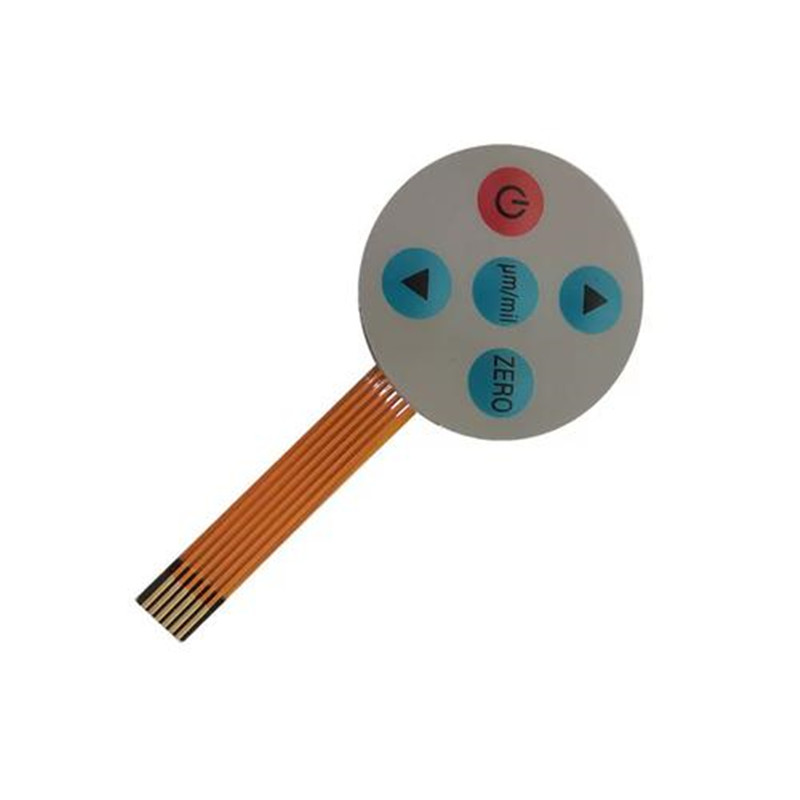
Encamp's status as a gateway to major ski sectors relies heavily on synchronized lift automation, wireless ticketing gates, and motor safety interlocks. Our PCBA and sealed membrane switches operate reliably under freeze-thaw cycles, high mechanical vibration, and constant passenger throughput.
- Heavy Copper: 2oz to 4oz inner/outer power layers
- Protection: UL 94V-0 rated fire safety laminates
- Conformal Coating: Polyurethane/Silicone anti-condensation
Off-Grid Solar & Hydro Microgrids
Isolated alpine chalets and municipal power installations depend on high-efficiency MPPT controllers and battery storage systems. Our metal-core aluminum PCBs and high-frequency multilayer boards manage thermal dissipation while handling rapid inverter switching frequencies.
- Thermal Dielectric: 2.0 - 5.0 W/m-K conductivity
- High Voltage Isolation: Creepage compliance up to 1.5kV
- Component Sourcing: Turnkey BMS active/passive parts
Strategic Market Evolution
Electronics Manufacturing & Procurement Trends in Encamp
How European hardware developers and regional procurement leads are transforming their supply chains to accommodate cold-climate IoT, edge computing, and strict environmental mandates.
Transition to Sub-Zero Resilient IoT Arrays
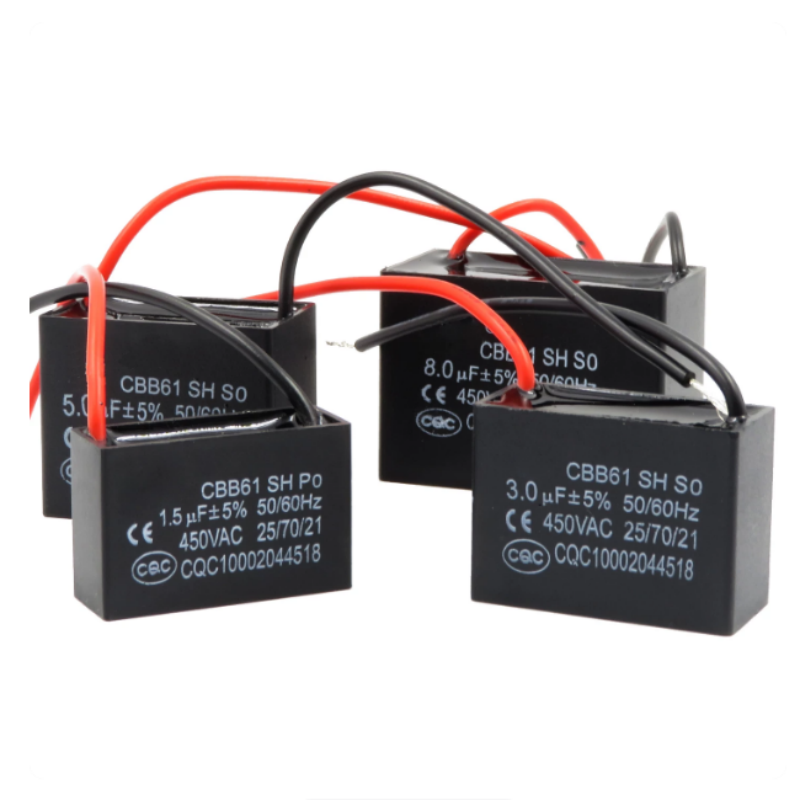
Hardware teams serving Encamp and neighboring high-altitude zones are pivoting away from standard consumer-grade IoT components. In alpine winter environments, ground temperatures regularly plummet, resulting in electrolyte freezing in standard capacitors and cracked solder joints due to mismatched Coefficients of Thermal Expansion (CTE). Regional engineers increasingly demand PCBs manufactured with glass transition temperatures (Tg) exceeding 170°C, paired with low-CTE polyimide substrates and industrial-grade MLCC capacitors qualified to -40°C.
Turnkey BOM Consolidation from Shenzhen
Given Andorra's landlocked geography between France and Spain, regional developers face compounded logistics overhead if bare boards, active semiconductors, and HMI switches are sourced from fragmented suppliers. The trend among Encamp purchasing specialists favors single-source turnkey partners in Shenzhen. By bundling bare high-frequency board fabrication, original component procurement (ICs, inductors, sensors), and SMT/DIP placement under one roof, buyers reduce customs clearance friction, eliminate duplicate shipping duties, and protect themselves against supply chain shortages.
European Ecodesign & RoHS Compliance Rigor
Environmental preservation within mountain ecosystems has heightened scrutiny over hazardous chemical substances. High-frequency PCBs destined for the Encamp market must rigorously align with EU RoHS directive standards (lead-free, hexavalent chromium-free) and REACH protocols. Electronics OEMs prioritize suppliers utilizing halogen-free base materials and lead-free surface finishes (such as Lead-Free HASL, ENIG, or Immersion Silver), ensuring long-term ecological compliance and end-of-life recyclability.
Enterprise Manufacturing Authority
Why Engineering Teams Choose Shenzhen VUKO Electronics
Leveraging Shenzhen's advanced manufacturing ecosystem to deliver military-grade precision, transparent engineering reviews, and agile production from 5-piece prototypes to volume production.
14+
Years Alibaba Export History
100%
E-Test & Flying Probe Verification
5 Pcs
Low MOQ Prototype Threshold
< 24h
DFM & BOM Engineering Response
Rigorous Pre-Production DFM Checks
Before releasing artwork to the photo-plotter, our front-end CAM engineers execute a granular Design for Manufacturability (DFM) analysis. We audit trace widths, annular ring tolerances, acid traps, solder mask clearances, and RF impedance geometry, preemptively preventing re-spins.
Turnkey BOM & Genuine Component Sourcing
Avoid counterfeit parts and prolonged lead times. Our Shenzhen centralized supply chain network directly procures original ICs, passive chips, power modules, and connectors from certified global distributors and direct silicon foundries, providing complete batch traceability.
Automated Surface Mount (SMT) & Optical Quality
Our assembly floor features high-precision pick-and-place robotics capable of placing 01005 passives, 0.3mm fine-pitch BGAs, and QFNs with pin-point repeatability. Production lots are checked via 3D Automated Optical Inspection (AOI) and real-time X-ray inspection for void-free solder joints.
Trade Assurance & Protected Global Shipping
As an Alibaba.com onsite-verified gold partner with 14+ years of international export pedigree, every purchase order can be placed through Trade Assurance for total capital security, on-time delivery guarantees, and door-to-door express courier support via DHL, FedEx, and air cargo.
Procurement Knowledge Base
Frequently Asked Questions for Encamp Hardware Engineers
Clear answers regarding technical tolerances, export mechanics, cold-weather reliability, and turnkey order procedures.
How do high-frequency boards behave under Encamp's severe freezing and winter temperature shifts?
Alpine thermal swings can introduce trace delamination and impedance drift when non-compatible substrates are used. To counter this, VUKO specifies low-CTE (Coefficient of Thermal Expansion) high-frequency laminates such as Rogers RO4000 series, where the z-axis expansion is closely matched to electrodeposited copper (approx. 46 ppm/°C). This matching prevents plated through-hole (PTH) via barrel cracking during severe -30°C to +40°C thermal cycles. Furthermore, our multilayer lamination utilizes high-Tg bondplies to prevent micro-voiding and moisture adsorption.
What design files and specifications must I submit for a rapid bare board or PCBA quotation?
For bare multilayer high-frequency boards, please provide standard RS-274X or ODB++ Gerber files along with an NC drill file, stackup definition specifying layer dielectric thicknesses, copper weight, surface finish requirement (ENIG is highly recommended for high frequency), and impedance control tables. If you require complete turnkey PCBA, please attach an Excel BOM including manufacturer part numbers (MPNs), reference designators, package footprints, and pick-and-place centroid (XY data) coordinates.
Can VUKO handle small prototype builds for local pilot testing in Andorra before volume production?
Yes. We recognize that hardware innovation requires progressive field testing. Our minimum order quantity (MOQ) begins at just 5 pieces for bare prototype circuit boards, flexible FPC strips, and complete SMT/DIP PCB assemblies. Once your field trials in Encamp or surrounding European test tracks validate the circuit performance, our manufacturing facility seamlessly scales production up to tens of thousands of units with complete process continuity.
What testing procedures do you execute to guarantee zero out-of-box failures?
All bare multilayer boards undergo 100% electrical testing using high-speed flying probe machines or dedicated test fixtures to verify netlist continuity and isolation. Controlled impedance tracks are verified using Time Domain Reflectometry (TDR) coupons on the fabrication panel. For assembled boards (PCBA), we run automatic 3D optical inspection (AOI), X-ray inspection for hidden BGA/QFN solder spheres, and functional testing (FCT) if test procedures and programming firmware are supplied by the customer.
How are international shipments, customs declarations, and payments handled for Encamp buyers?
We handle export packing using vacuum-sealed anti-static shielding bags with internal desiccant packs and impact-resistant cartons. Consignments destined for Encamp can be dispatched via express air couriers (DHL, FedEx, UPS) directly to your facility or transit forwarders in Barcelona/Toulouse. We accept secure payment via Alibaba Trade Assurance, wire transfer (T/T), PayPal, and L/C, offering transparent commercial invoices and export documentation to simplify regional import processing.
How do you prevent component obsolescence and supply chain disruptions for BOM sourcing?
Our procurement team conducts a real-time lifecycle analysis of every line item on your Bill of Materials during the quotation stage. If a microchip, sensor, or passive component is designated End-of-Life (EOL), has an unacceptable factory lead time, or carries prohibitive broker premiums, our component engineering staff flags the risk immediately and proposes pin-to-pin drop-in replacements or alternative footprints for your review before board fabrication starts.