High-Density & Embedded Assemblies for Maritime & Industrial Deployments
Explore our core assemblies, high-density development engines, custom flex interconnects, and heavy-duty interface modules engineered for Split's harsh Mediterranean coastal operating environments.
High-TG HDI PCB Architecture: Mastering Thermal Realities in Split
Why modern embedded hardware in Dalmatia demands high glass transition temperatures (Tg ≥ 170°C) coupled with High Density Interconnect microvia laser structuring.
Thermal Expansion Control
Standard FR-4 laminates undergo dramatic Z-axis thermal expansion when temperatures exceed 130°C. In maritime engine rooms or sealed outdoor PV solar enclosures along Split's Adriatic coastline, ambient temperatures soar. Using High-TG substrates (Tg ≥ 170°C) ensures the board maintains mechanical rigidity, preventing microvia shear and plated through-hole (PTH) barrel fatigue under cyclic heat loads.
High Density Laser Microvias
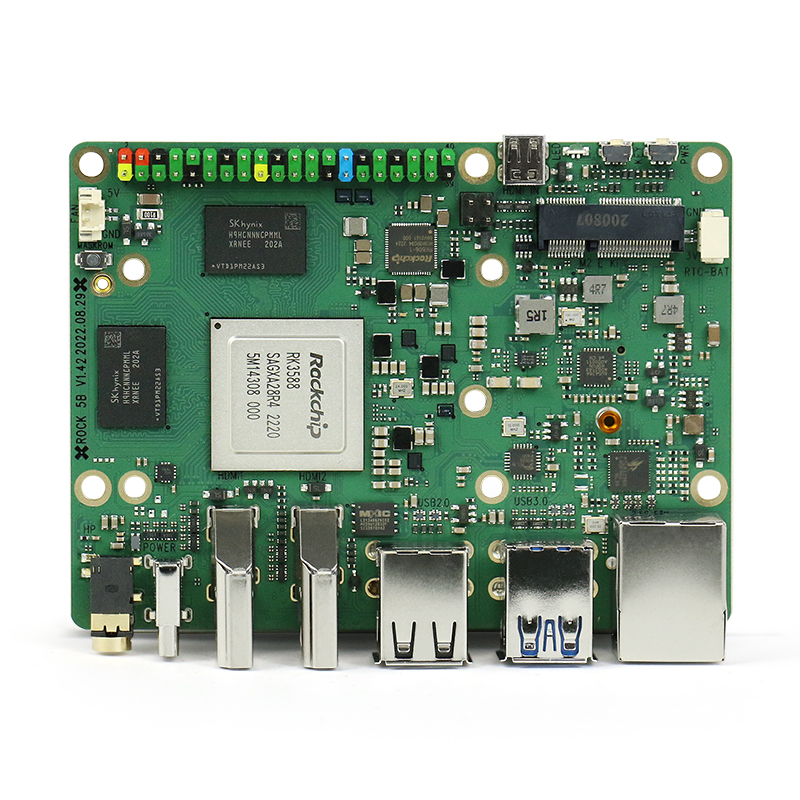
Modern microprocessors like the RK3588 require ultra-tight pitch ball grid arrays (BGA ≤ 0.4mm). HDI technology utilizes CO2 or UV laser microvias (0.1mm drill diameter), stacked or staggered microvia architectures, and Via-in-Pad Plated Over (VIPPO) processes to drastically reduce layer counts while maximizing signal integrity for high-speed differential pairs.
Salt Spray & Humidity Defense
Split's distinct coastal microclimate exposes electronics to high atmospheric salinity and condensation. VUKO applies precision IPC-CC-830 certified conformal coatings (polyurethane, acrylic, or silicone) alongside Electroless Nickel Immersion Gold (ENIG) surface finishes to effectively inhibit galvanic corrosion and inter-metallic solder whiskering over multi-year deployments.
| Critical Engineering Metric | Standard FR-4 Spec | VUKO High-TG HDI Manufacturing Benchmark | Operational Advantage in Split Region |
|---|---|---|---|
| Glass Transition Temp (Tg) | 130°C – 140°C | 170°C – 180°C (Shengyi S1000-2 / Isola 370HR) | Withstands extreme summer heat in unventilated solar combiner boxes. |
| Decomposition Temp (Td) | ≤ 300°C | ≥ 345°C (ASTM D3850) | Guarantees multi-cycle lead-free SAC305 reflow survival. |
| Z-Axis Thermal Expansion | 4.5% – 6.0% | ≤ 2.5% (50–260°C) | Prevents via corner cracks and internal delamination during thermal cycling. |
| HDI Structure Capability | Through-hole only (>0.2mm) | Any-Layer HDI, 1+N+1 to 3+N+3, VIPPO | Saves up to 45% PCB footprint for compact IoT marine sensor enclosures. |
| Surface Finish Stability | Standard HASL | ENIG (Au: 1-3 μin, Ni: 120-200 μin) / ENEPIG | Resists Adriatic coastal salt-spray oxidization and enhances BGA planarity. |
Localized Applications Across Split-Dalmatia’s Core Industries
From the Port of Split and Brodosplit shipbuilding yards to the rugged solar corridors of the Zagora hinterland, our circuit board manufacturing aligns with local operational conditions.
Maritime Navigation & Smart Port Logistics
Modern vessels, charter yachts, and harbour cranes operating in Split require advanced telemetry, AIS transceivers, and radar processing modules. Our High-TG HDI boards provide the high vibration resistance and micro-clearance pitch needed to execute compute-heavy tasks within compact, IP68 marinized enclosures.
Dalmatian Solar Farms & Energy Storage
The Dalmatian coast boasts over 2,700 hours of annual sunshine, driving large utility-scale PV and hybrid storage installs. Power electronics like battery management systems (BMS), high-power MPPT inverters, and switch controllers face sustained peak temperatures. VUKO’s High-TG FR4 and heavy-copper aluminum substrates deliver safe, continuous energy throughput without dielectric failure.
Hospitality & Smart Facility Infrastructure
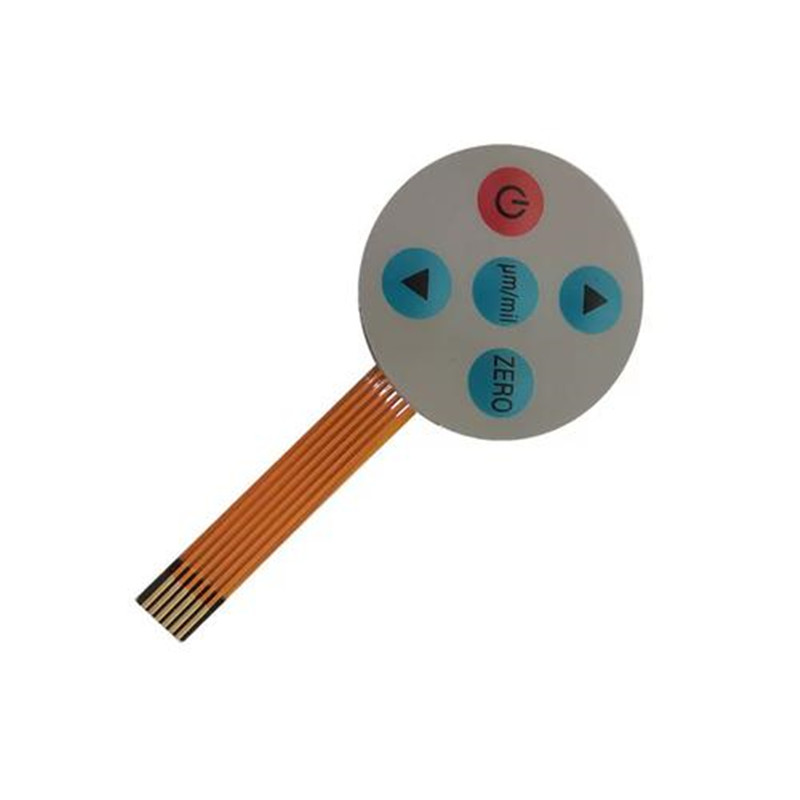
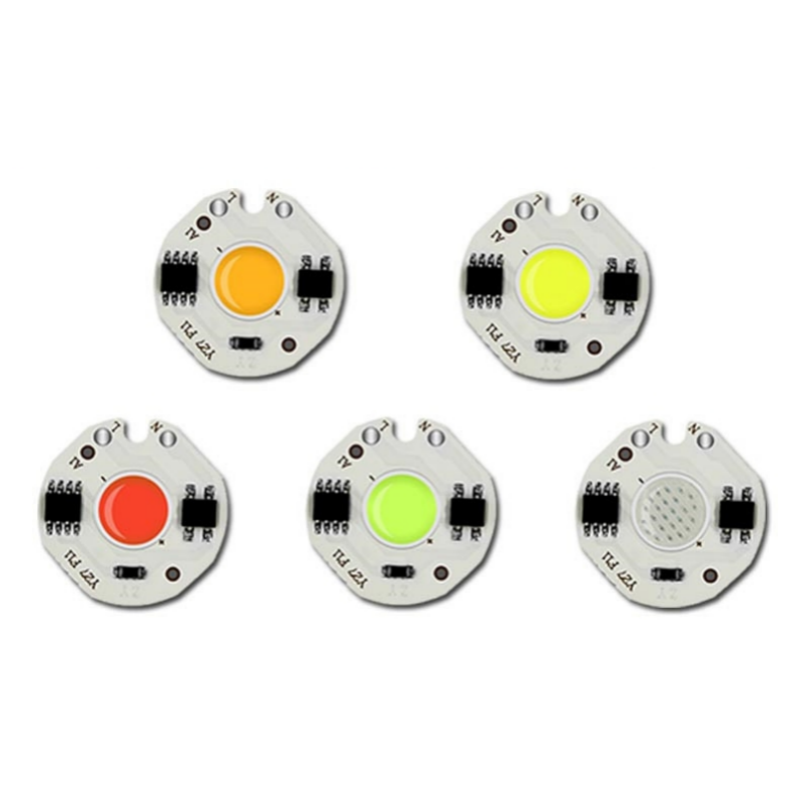
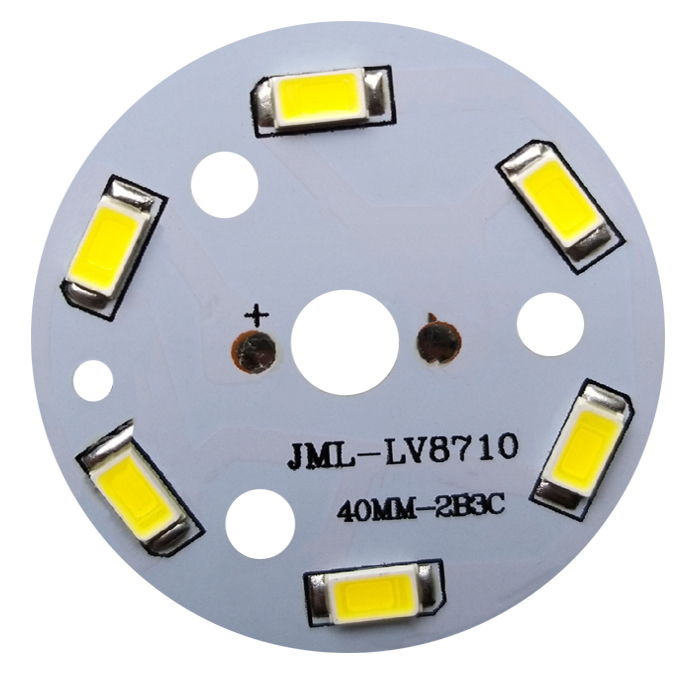
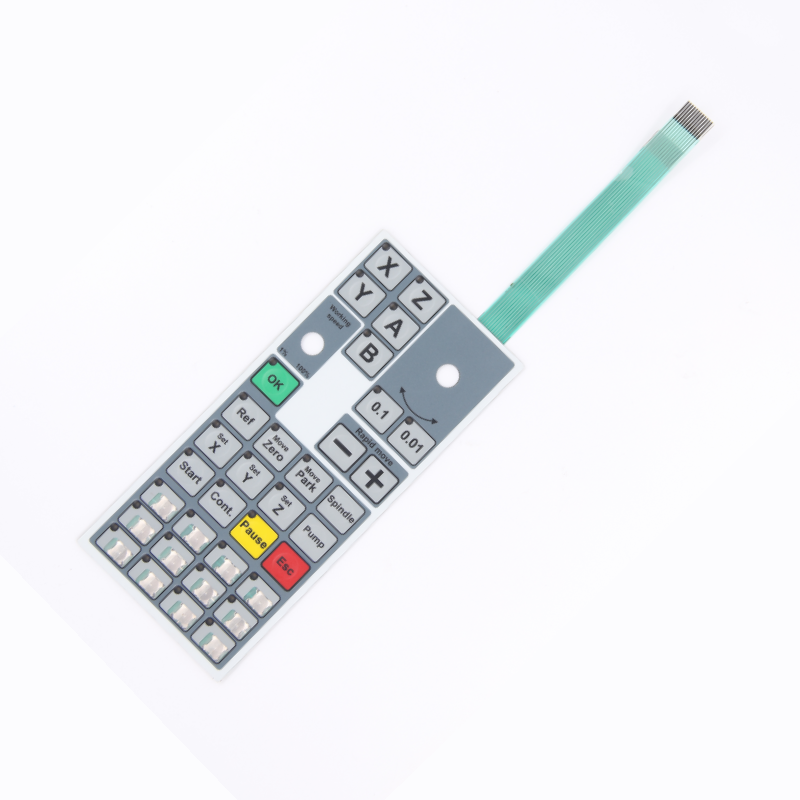
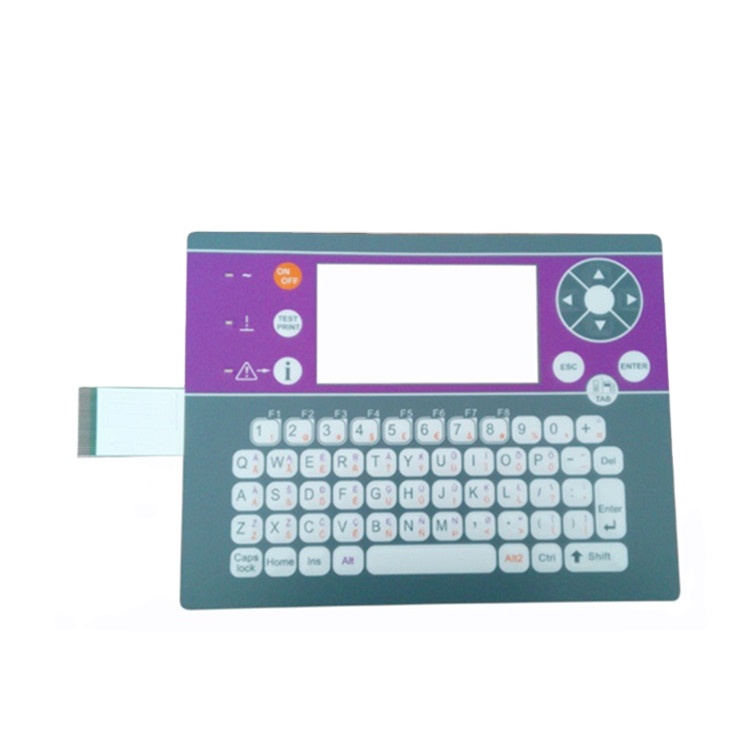
Split's booming luxury resort sector requires robust building management systems (BMS), intelligent access control keypads, and architectural lighting. Our combined custom membrane switch keypads, backlit graphic overlays, and driverless COB LED sub-assemblies provide tamper-proof, aesthetic, and weather-resistant performance.
Emerging Hardware Trends in Croatia & the Adriatic Tech Ecosystem
Strategic technological shifts driving hardware design requirements for regional engineering firms over the next decade.
Edge AI in Marine Autonomous Vessels
Croatia’s maritime research initiatives are pioneering autonomous surface vessels (ASVs) for coastal monitoring and aquaculture inspections. Implementing on-board neural networks (using system-on-modules like RK3588) demands multi-layer HDI with low dielectric loss and high peel strength to manage continuous 8K camera processing and LiDAR inputs.
Decentralized Microgrid Infrastructure
Islands off Split (such as Brač, Hvar, and Vis) are upgrading their self-sufficiency with localized microgrids. These remote smart-grid controllers rely on High-TG boards that operate autonomously in unconditioned substations, demanding zero maintenance over 10-to-15-year lifecycle windows.
Adoption of Rigid-Flex & FPC Architectures
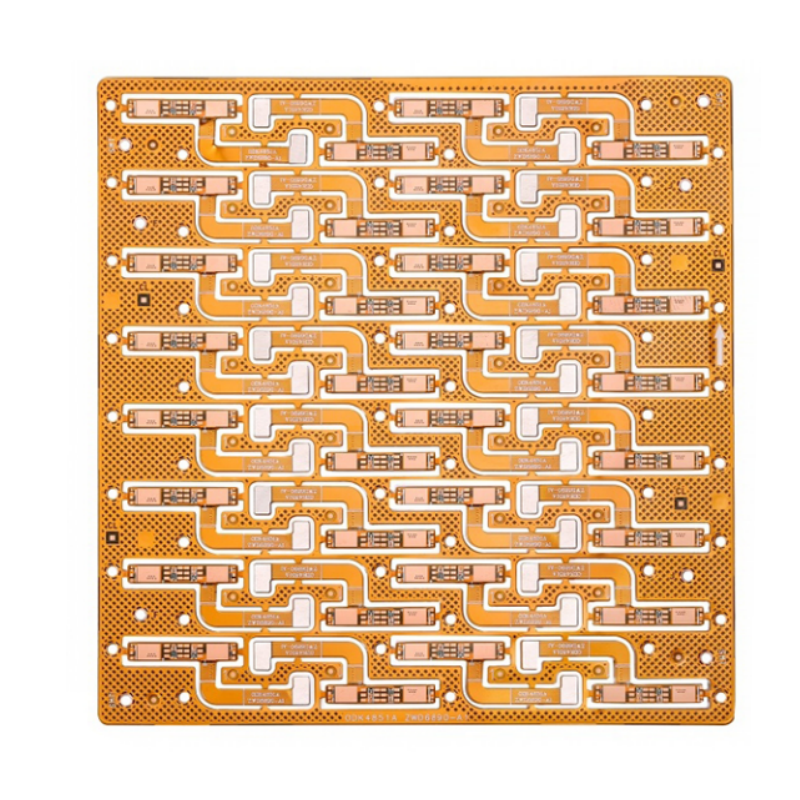
Bulky wiring harnesses and multiple board-to-board connectors are being engineered out of naval navigation electronics. By transitioning to rigid-flex constructions with polyimide (PI) backbones, Dalmatian hardware teams decrease assembly errors, cut enclosure weight by up to 60%, and eliminate loose cable faults caused by sea wave chop.
Why Split Engineering Teams Partner with Shenzhen VUKO Electronics
Combining world-class Shenzhen manufacturing speed and complete component ecosystem control with dedicated, transparent international trade governance.
24-Hour DFM & Quotation
Our senior engineers review your Gerber RS-274X, ODB++, and BOM files within 24 hours, actively spotting trace neck-downs, insufficient solder dams, and long-lead components before manufacturing starts.
Turnkey Component Sourcing
Stop dealing with broker risks. We leverage Shenzhen’s primary supply lines to procure authentic active ICs, passive components, pass-through connectors, sensors, and displays, with strict traceability and counterfeit prevention.
Rigorous In-House Testing
100% Flying Probe or Bed-of-Nails E-testing for bare boards, paired with 3D Solder Paste Inspection (SPI), Automated Optical Inspection (AOI), X-ray for BGA joints, and functional testing fixtures prior to export packaging.
Low MOQ & Trade Assurance
Start your prototype builds with as few as 5 pieces before scaling into volume production. All orders are backed by Trade Assurance, ensuring absolute fiscal security, on-time air delivery to Split Airport (SPU), and clear EU customs paperwork.
Frequently Asked Questions for Split Procurement Teams
Everything you need to know about lead times, EU compliance, DFM specifications, and logistics delivery into Croatia.
What are standard transit times and logistics routes from Shenzhen to Split, Croatia?
What technical documentation do your engineers need to produce a turnkey PCBA quote?
Can VUKO provide conformal coating to protect against coastal salt air in Dalmatia?
Do you accommodate low-volume prototype builds for startups and R&D labs in Split?
How do you ensure component authenticity and mitigate counterfeit silicon risks?
Ready to Build Your High-TG HDI Assembly?
Submit your design files today. Our engineering and procurement team will deliver a comprehensive DFM manufacturability audit and factory-direct quotation within 24 hours.