Export-Grade Microelectronics
Precision Engineered Matrix Panels & Interconnect Assemblies
Direct OEM manufacturing and assembly solutions supporting smart machinery builders, automation systems integrators, and industrial innovators throughout Eastern Croatia.
IP67 / IP68
Hermetic Ingress Protection
> 1,000,000
Actuation Cycles (Snap Dome)
24 Hours
Engineering DFM Feedback
5 Pcs
Low Minimum Order Quantity
Osijek & Eastern Croatia: The Industrial Renaissance & HMI Modernization
The City of Osijek, anchored on the banks of the Drava River and serving as the administrative, academic, and economic heart of Osijek-Baranja County (Osječko-baranjska županija), is experiencing a structural evolution toward advanced manufacturing and software-driven industrial electronics. Long recognized as the premier agricultural powerhouse of the Pannonian Basin, the broader Slavonian region has expanded beyond commodity agriculture into smart Agritech machinery, specialized automated food-processing equipment, dynamic river-port logistical interfaces, and biomedical instrumentation.
In contemporary industrial environments, the interface between the human operator and machine logic (the Human-Machine Interface, or HMI) dictates systemic reliability. Mechanical keyboards, unprotected tact switches, and unsealed capacitive touchscreens consistently fail when subjected to the ambient environmental stressors typical of continental Eastern Croatia: high seasonal temperature swings ranging from sub-zero winter freezes (-15°C) to scorching mid-summer harvest peaks (+38°C), airborne alluvial dust, abrasive grain particulate, moisture saturation in food wash-down rooms, and aggressive cleaning solvents. As industrial design houses and embedded electronics startups in Osijek’s Business Zone Nemetin and the IT Park Osijek develop next-generation smart infrastructure, sourcing robust, customized Matrix Membrane Keypads with certified moisture barriers and tactile feedback has emerged as an engineering prerequisite.
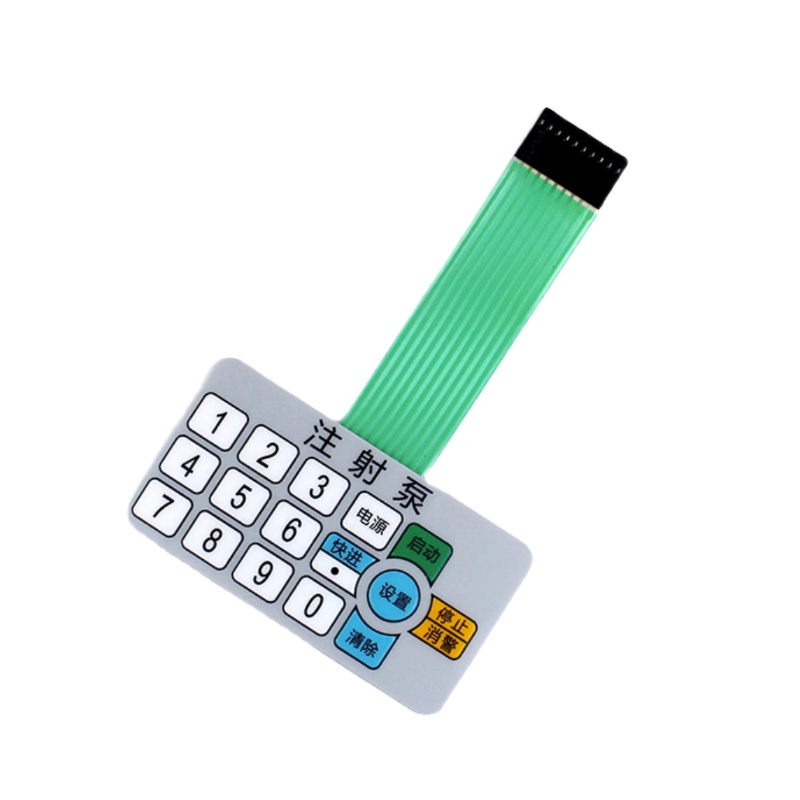
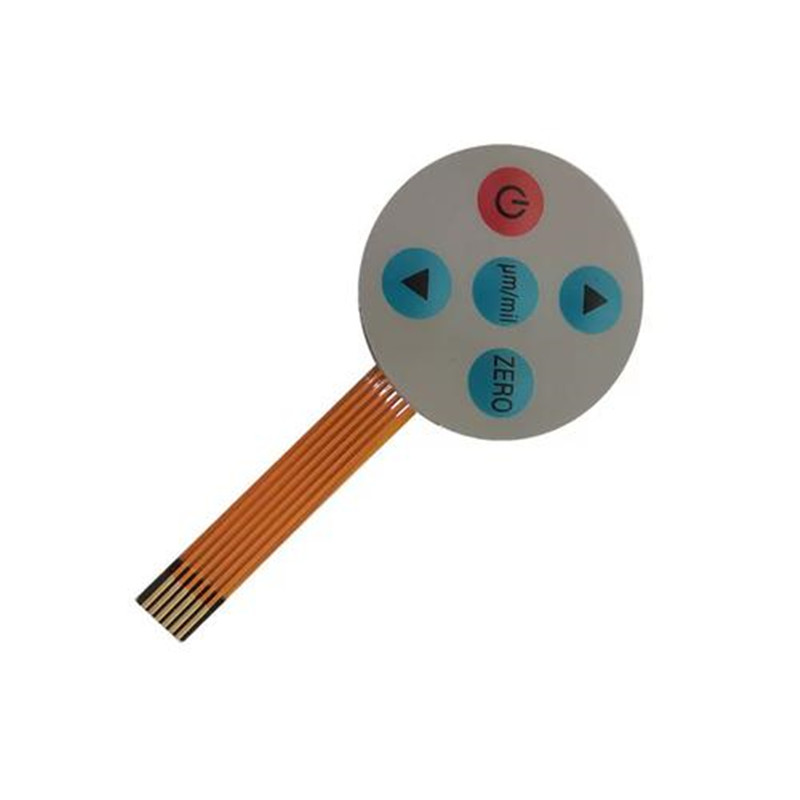
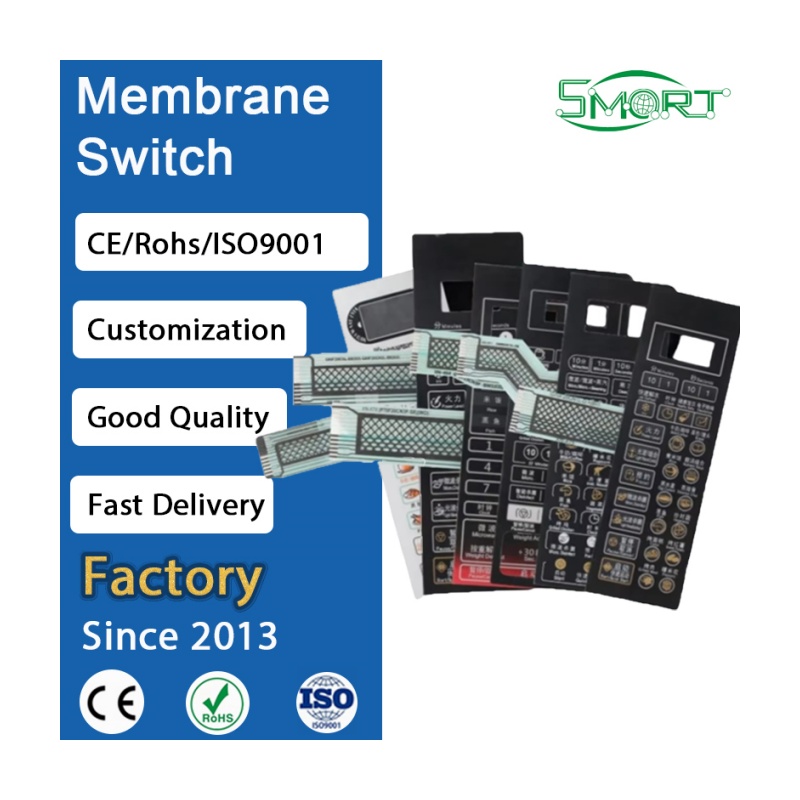
Shenzhen VUKO Electronics delivers an unbroken bridge between Chinese high-precision printed electronic manufacturing and Croatian OEM hardware designers. By combining high-stability polyester (PET) graphic overlays, precision silver-conductive matrix circuit routing, gold-plated stainless steel metal snap domes, and tailored flexible printed circuit (FPC) tails, our assemblies provide absolute mechanical isolation from harsh operating environments while preserving razor-sharp tactile response.
Application Vectors
Mission-Critical Deployments Across Osijek’s Industrial Ecosystem
Analyzing key structural use cases where matrix membrane switch assemblies deliver indispensable mechanical protection and intuitive functional interaction.
Agritech & Heavy Agricultural Field Instrumentation
Slavonia’s sprawling arable plains demand tractor telemetry consoles, automated seed-drill controllers, combine-harvester field computers, and silo ventilation monitors capable of continuous exposure to airborne chaff, chemical fertilizers, hydraulic fluid splatters, and relentless UV solar degradation. Our matrix membrane switches leverage Autotex XE exterior-grade textured polyester, resisting micro-cracking and yellowing while maintaining IP67 water/dust seal integrity across multiple years of heavy fieldwork.
Food & Beverage Processing (HACCP Wash-Down Lines)
Meatpacking facilities, dairy processing plants, and craft oil refineries across Eastern Croatia enforce strict HACCP sanitation regimens utilizing pressurized hot water jets and caustic chlorinated alkaline cleaners. Standard pushbuttons entrap organic debris in crevice rings. Our customized membrane overlays feature flush, continuous polyester surfaces without seams or microbial traps, integrated with chemical-grade 3M 468MP acrylic adhesive transfer tapes that guarantee zero fluid penetration into the internal trace matrix.
Drava River Logistics & Port Automation Terminals
The Port of Osijek, as Croatia's vital inland river cargo hub linking Pan-European Transport Corridor Vc with the Danube waterway, employs specialized gantry crane pendants, bulk grain weighing systems, and conveyor control panels. These outdoor interfaces endure humid, condensation-heavy microclimates. We engineer internal venting channels through the spacer layer, equipped with semi-permeable hydrophobic membrane filters that equalize internal pneumatic pressure without ingesting atmospheric moisture.
Engineering Insight: Eliminating Silver Migration in Humid Environments
In typical continental microclimates such as the Drava River Valley, prolonged atmospheric relative humidity exceeding 80% creates an environment ripe for silver dendrite electromigration across traditional silver-ink conductor traces under continuous DC bias voltage. Shenzhen VUKO Electronics eliminates this catastrophic failure mode by screen-printing conductive carbon overcoats over the trace contacts and offering full Copper-Clad Flexible Printed Circuit (FPC) core layers. FPC backbones feature etched copper circuitry isolated with thermoset polyimide film coverlays, completely neutralizing ionic migration risks.
Engineering Specifications & Material Science
Multi-Layer Membrane Topology: Mechanical and Chemical Composition
Comprehensive comparative breakdowns of our membrane switch stacks, tactile response dynamics, and electromagnetic shielding options for European CE compliance.
Stack-Up Engineering: Layer-by-Layer Cross Section
A matrix membrane keypad is not a superficial label; it is a precision micro-engineered electronic sandwich consisting of six to nine discreetly laminated technical films. Each substrate serves a distinct mechanical, electrical, or environmental function:
| Layer Level | Material Substrate | Standard Thickness | Functional Contribution & Specification Parameters |
|---|---|---|---|
| 01. Graphic Overlay | Autotex / MacDermid Autotype Fine-Grain PET | 150µm – 200µm | Reverse-side multi-pass screen or digital CMYK+White printing; UV-stabilized, chemical-resistant to oils, sanitizers, and hydrocarbons; anti-glare finish. |
| 02. Overlay Adhesive | 3M 467MP / 200MP High-Performance Acrylic | 50µm (2.0 mil) | High-shear bonding between the graphic overlay and upper circuit layer; dampens micro-vibrations and maintains peel resistance across -40°C to +105°C. |
| 03. Retainer / Dome Sheet | Optically clear polyester film with cutouts | 75µm – 100µm | Positions and holds four-leg nickel- or gold-plated stainless steel snap domes precisely above circuit contact pads; prevents dome shifting during repetitive actuation. |
| 04. Tactile Metal Domes | Stainless Steel (SUS301) with Ni/Au plating | 8.4mm – 12.2mm Ø | Provides tactile feedback with crisp trip action; actuation forces from 220g to 450g; contact resistance < 1.0Ω; rated for > 1,000,000 actuations. |
| 05. Spacer Dielectric | High-tensile PET with dual-sided adhesive | 125µm – 175µm | Defines the air gap travel distance between switch contacts; engineered with precision laser-routed micro-ventilation channels to prevent airlock phenomena. |
| 06. Matrix Circuit Layer | Silver-conductive PET or Polyimide FPC | 100µm – 125µm | Conductive matrix trace layout (Rows × Columns) printed with low-resistance Acheson conductive silver pastes, coated with carbon protective wear pads. |
| 07. Rear Mounting Adhesive | 3M 468MP / 300LSE Low Surface Energy Tape | 130µm (5.0 mil) | Bonds the finished keypad assembly to the final host chassis (powder-coated cast aluminum, milled stainless steel, ABS, or polycarbonate enclosure). |
In modern European OEM development, especially when addressing electromagnetic compatibility (EMC) according to CE standards (EN 61000-6-2 / EN 61000-6-4), matrix switches often suffer from capacitive coupling or electro-static discharge (ESD) arc-over through keypad edges. VUKO Electronics integrates an optional grounded aluminum foil or selective carbon-printed shield layer directly under the graphic overlay, shunting ESD surges up to 15kV away from sensitive microcontroller inputs to the machine frame ground.
Market Evolution
Emerging Technology Trends in the Croatian Electronics Sector
How the shift toward IoT integration and compact mechatronics is reshaping matrix switch demand across Slavonia.
FPC Backbones Replacing Silver-Printed Traces
While screen-printed silver paste on flexible polyester represents a cost-effective standard, Osijek’s advanced instrument makers increasingly specify Flexible Printed Circuit (FPC) tails with solderable copper pads. FPCs allow the ultra-dense integration of surface-mount components (0402 LEDs, photo-sensors, resistors, and passive Zener protection diodes) directly onto the membrane tail, terminating in industry-standard 0.5mm or 1.0mm pitch ZIF connectors.
Custom Rim & Pillow Keypad Embossing
Operators in agricultural machinery or outdoor freight yards often wear heavy insulated gloves. Flat membrane panels lack blind tactile feedback, leading to operator distraction and errant input strokes. Modern tooling employs hydropneumatic thermoforming to create crisp 0.3mm to 0.6mm rim embossing, pillow embossing, or customized braille indicators, giving operators intuitive finger location confirmation without looking directly at the interface.
Integrated Low-Power Backlighting Solutions
Field monitoring units operating during night shifts (harvest operations or 24-hour logistics facilities) require illumination. VUKO implements discrete micro-LED side-illumination embedded within light-guide film (LGF) layers. This enables uniform illumination across key legends with power draws under 20mA per illuminated cluster, preserving minimal energy footprints for battery-powered or solar-backed field devices.
Electrical Matrix Theory: Pin Optimization for Microcontroller Integration
A primary technological advantage of the matrix membrane keypad over discrete momentary pushbuttons is the dramatic reduction in required General-Purpose Input/Output (GPIO) pins on the host microcontroller (such as STM32, ESP32, or Microchip PIC units favored by regional R&D groups). By arranging switches into an interconnected electrical grid of rows (m) and columns (n), the total required electrical tracing lines drops from (m × n) + 1 down to m + n.
| Configuration Format | Total Keys Supported | Discrete Lines Required | Matrix Lines Required | GPIO Conservation Gain |
|---|---|---|---|---|
| 3 × 4 Numeric Keypad | 12 Function Keys | 13 Pin Leads | 7 Pin Leads (3R + 4C) | 46.1% I/O Reduction |
| 4 × 4 Full Alpha/Numeric | 16 Function Keys | 17 Pin Leads | 8 Pin Leads (4R + 4C) | 52.9% I/O Reduction |
| 5 × 5 Industrial Terminal | 25 Function Keys | 26 Pin Leads | 10 Pin Leads (5R + 5C) | 61.5% I/O Reduction |
| 6 × 8 Master Console | 48 Function Keys | 49 Pin Leads | 14 Pin Leads (6R + 8C) | 71.4% I/O Reduction |
When specifying a matrix keypad for dynamic environments, ghosting and key jamming become critical engineering concerns. If an operator depresses three intersecting keys simultaneously within an unprotected passive matrix, the microcontroller logic may detect a false "ghost" key actuation at the unpressed fourth junction. VUKO engineers resolve this for mission-critical medical or industrial controllers by integrating surface-mount decoupling diodes (typically Schottky SOD-323 or SOD-523 packages) directly within the flexible tail or rigid-flex PCB substrate, enabling true N-Key Rollover (NKRO) performance across harsh operating sequences.
Procurement & Technical Support
Frequently Asked Questions from Osijek Engineers & Buyers
Addressing essential questions regarding specifications, minimum batch runs, testing parameters, and direct shipping logistics to Osijek-Baranja County.
What technical design files are required to initiate tooling and prototyping? +
To produce a full matrix membrane switch prototype, our engineering team requires vector artwork for the graphic overlay (Adobe Illustrator .AI, PDF, or DXF format specifying exact Pantone PMS or RAL color codes) and mechanical layout drawings (Gerber RS-274X, DXF, or STEP format) depicting outer dimensions, key embossing areas, LED positions, tail length, and pinout schematics (defining Row/Column interconnection assignments). If you are uncertain about the trace layout, share your schematic or functional functional concept, and our DFM engineers will synthesize the circuit trace artwork for you within 24 hours.
Can our order start with small batch quantities for local field trials in Croatia? +
Yes. We recognize that European specialized industrial equipment and Agritech ventures require thorough pre-series field testing before scaling up to mass rollouts. We support low minimum order quantities starting from as few as 5 to 10 units for rapid engineering prototypes. Our digital printing equipment allows us to generate zero-tooling graphic overlays for initial evaluation samples, significantly curbing setup capital before investing in dedicated steel cutting and embossing dies.
How do you guarantee IP65 or IP67 ingress protection against liquid chemicals and dust? +
We achieve certified ingress sealing through continuous perimeter gasket framing around the active circuit layer. Utilizing authentic high-cohesion acrylic transfer adhesives (such as 3M 467MP or 3M 468MP) cut via precision flatbed lasers, we form a closed-cell barrier around all electrical traces, snap domes, and window openings. Provided the host enclosure faceplate has a smooth surface finish and adequate surface energy, our assemblies prevent moisture penetration under immersion conditions up to 1 meter (IP67) and withstand direct pressurized hot water washdowns.
How are import shipments delivered to Osijek, and what are typical lead times? +
We regularly ship directly to clients in Osijek, Zagreb, Rijeka, and broader Central/Eastern Europe utilizing priority air courier services (DHL Express, FedEx, UPS). Delivery transit from our Shenzhen facility directly to your factory or office in Osijek typically spans 3 to 5 business days following final quality sign-off. We provide commercial invoices, packing lists, and HS code classifications (typically 8537.10 or 8536.50) to facilitate rapid customs clearance into the European Union. Sea and consolidated air freight arrangements are readily available for production volume shipments.
Do your membrane switches and components comply with EU RoHS and REACH mandates? +
Every material constituent utilized in our manufacturing processes—including PET polyester films, conductive silver inks, carbon shielding pastes, solder alloys, metal domes, and 3M adhesive backings—fully complies with European Directives 2011/65/EU (RoHS 2.0) and Regulation (EC) No 1907/2006 (REACH). Full material declaration sheets, mill test certificates, and flame-retardant verifications (UL 94V-0 ratings for rigid backing boards) are archived and accessible for your supplier audit records.
What tactile feedback configurations are available for gloved machine operators? +
For operators wearing thick protective work gloves (common in Slavonian cold-storage facilities, granaries, and field harvesters), standard light-touch poly-domes or flat non-tactile membranes do not provide sufficient tactile perception. We engineer these assemblies with high-force (350g to 450g) stainless-steel four-leg snap domes paired with 0.4mm rim-embossed graphic overlays. This combination produces a distinct mechanical 'click' and positive sensory stroke verification that travels directly through heavy leather or neoprene work gloves.
Enterprise Manufacturing Authority
Why Croatian Hardware Leaders Choose Shenzhen VUKO Electronics
Combining world-class Shenzhen supply-chain velocity with meticulous, verifiable engineering rigor for full-stack mechatronic execution.
Alibaba.com Onsite-Verified
Over 14 consecutive years operating as a premier exporter on Alibaba.com, verified through thorough third-party production line audits and rigorous credit assessments.
Comprehensive DFM Review
Every submitted layout receives a thorough 24-hour review from senior electronics engineers, auditing track clearance, actuation tolerances, and impedance parameters before cutting steel.
True Full-Stack Integration
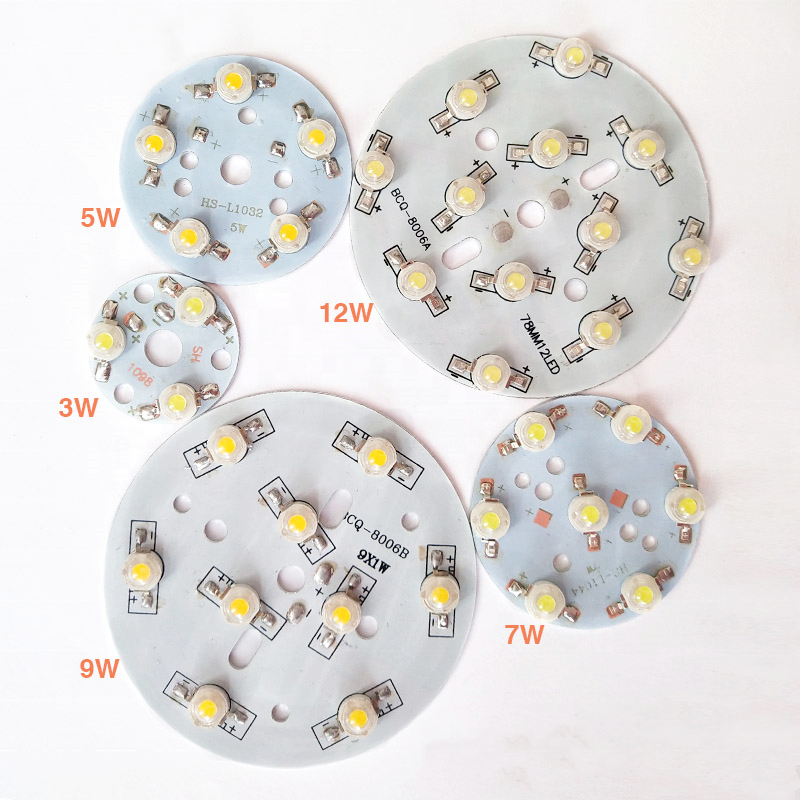
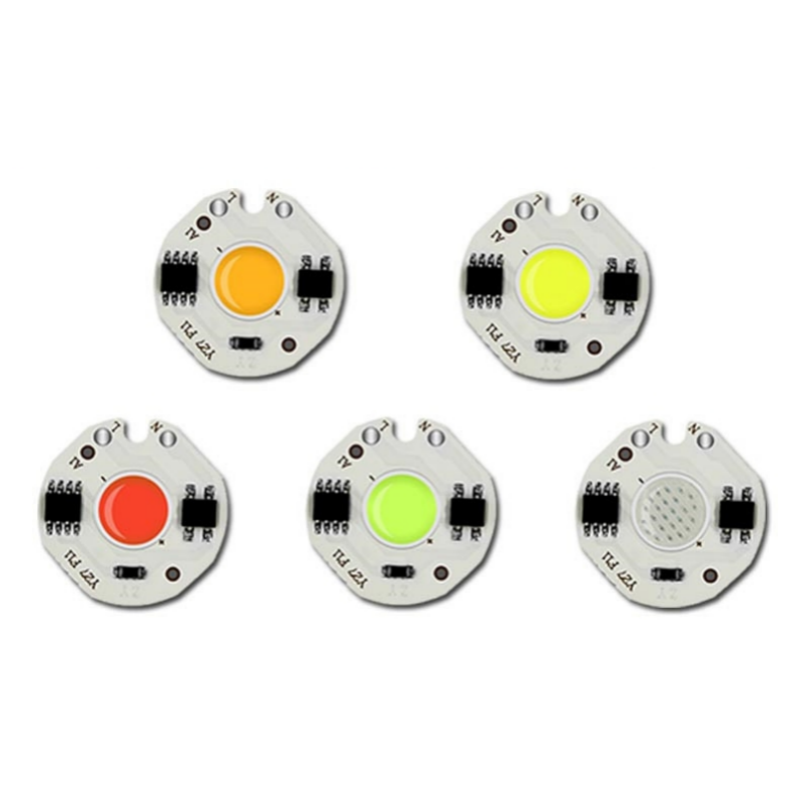
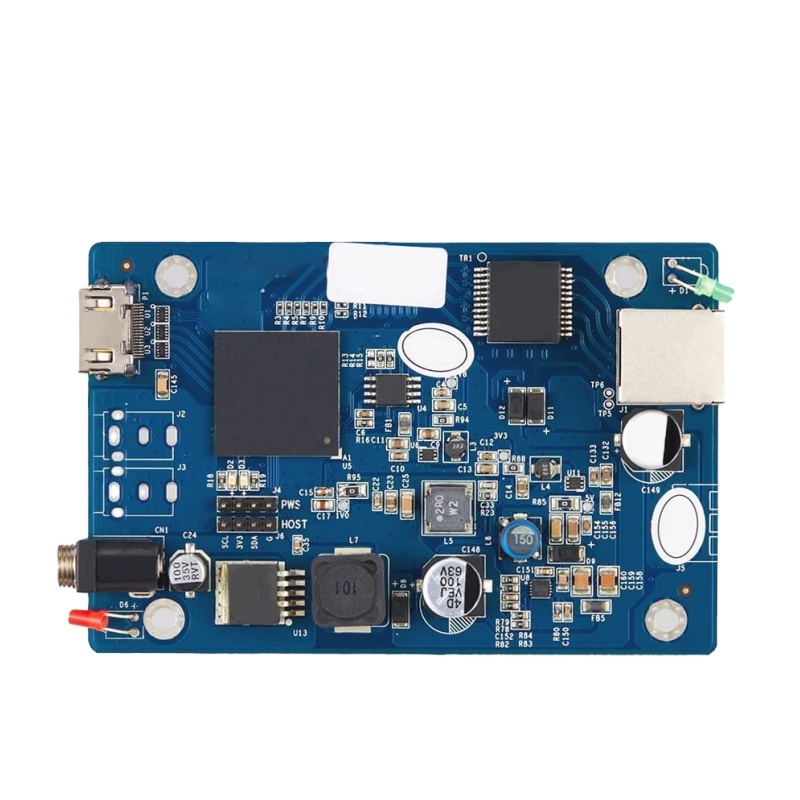
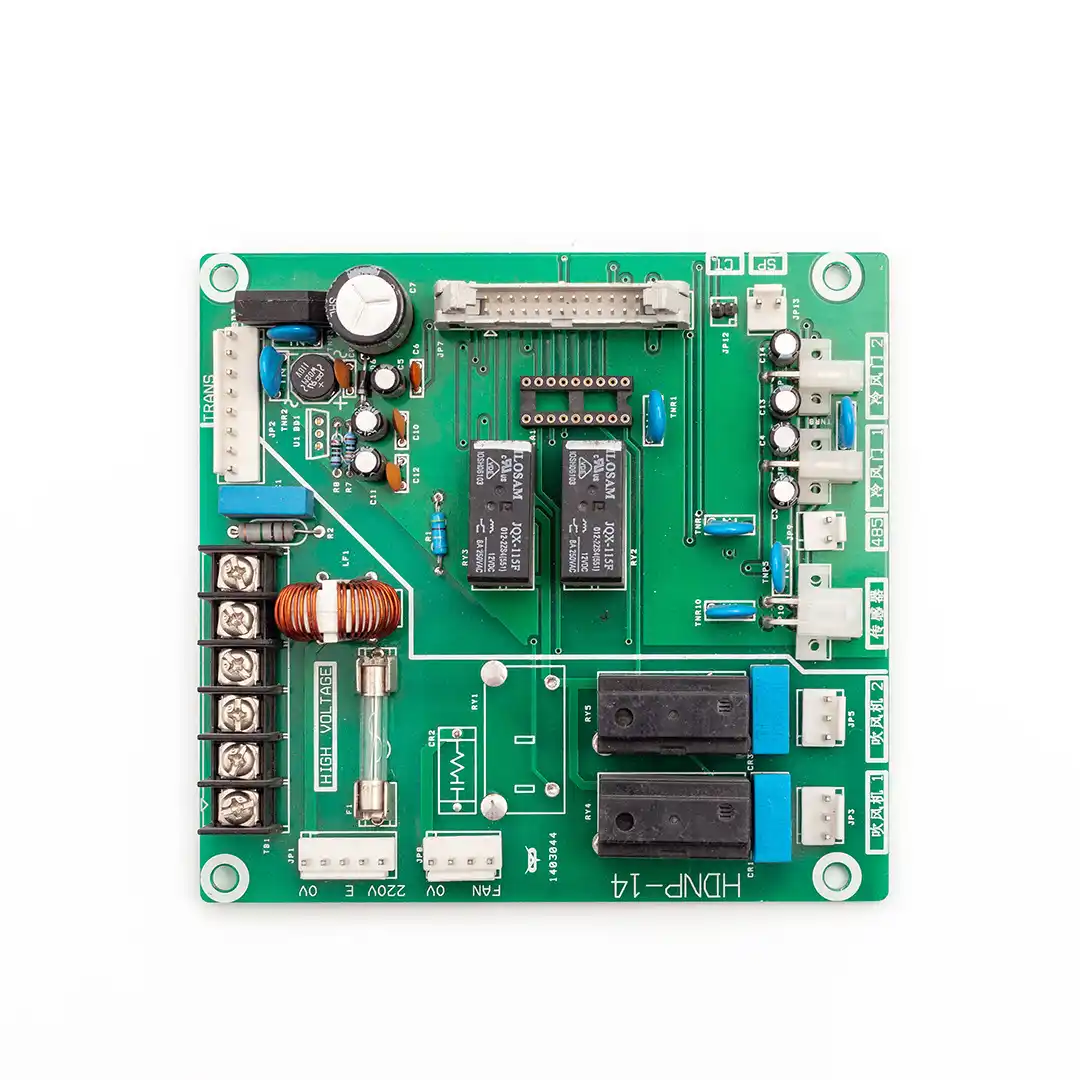
We eliminate multi-vendor friction by producing bare PCBs (1-12+ layers), SMT/DIP PCBAs, aluminum core heatsink boards, flexible circuits (FPCs), and membrane interfaces under one roof.
Rapid Prototyping Flexibility
Low MOQ structures from 5 pieces enable dynamic engineering validation without locking up significant working capital, allowing agile hardware revision cycles for cutting-edge projects.
The Single-Source Advantage: Cohesive Mechatronic Delivery
Hardware development delays usually trace back to fragmentation: a sheet metal shop in Slavonski Brod, a bare PCB fabricator in Western Europe, a membrane overlay printer in Asia, and a separate assembly house doing hand-soldering. If connector tolerance stacks do not align, or if the membrane switch tail length is off by 3mm, the entire manufacturing schedule stalls.
Shenzhen VUKO Electronics Co., Ltd. consolidates this entire physical stack. We fabricate the multi-layer FR4 or metal-core carrier boards, source authentic components through direct franchise relationships, assemble boards through automated SMT pick-and-place lines, test assemblies with Automated Optical Inspection (AOI) and flying-probe electrical systems, and mate them with custom-printed, sealed matrix membrane switch covers. Osijek OEMs receive completely integrated, pre-tested human-machine interface assemblies ready to slide directly into their final product housings.
Accelerate Your HMI Project in Osijek
Submit your vector artwork, technical schematics, or Gerber packages to our engineering desk. Receive a comprehensive Design for Manufacturability (DFM) assessment and an itemized production quote within 24 business hours.