High-Performance Hardware Ecosystem
Complete product portfolios manufactured in our state-of-the-art Shenzhen facility, supporting Baltic engineering teams from prototype validation (MOQ 5 pcs) to mass OEM manufacturing.
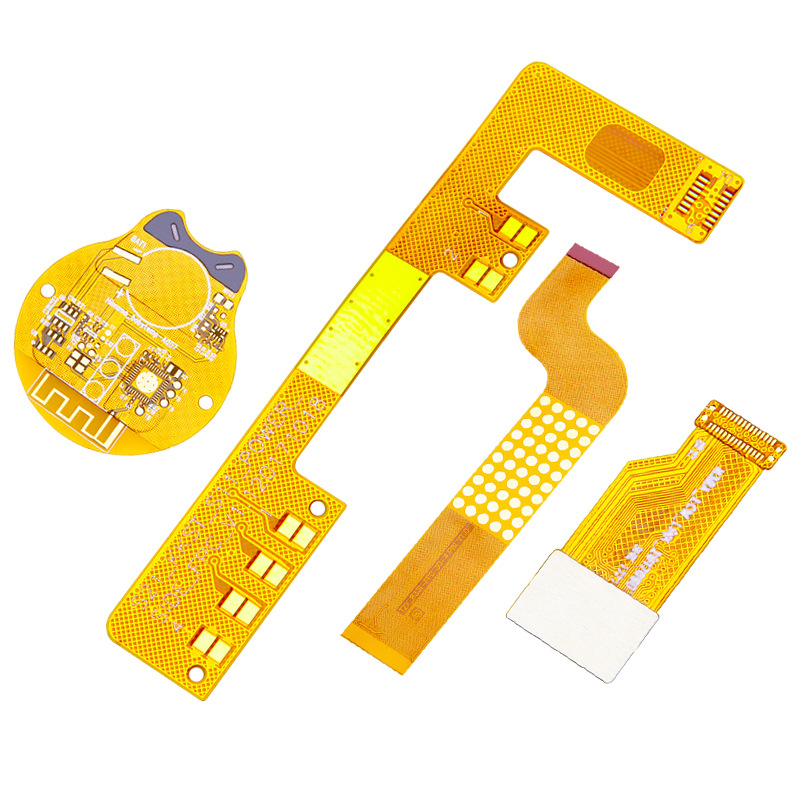
High Temp Resistant FPC Flexible PCB
PI substrate, bendable flex circuit engineered for extreme industrial automation and medical machinery operating under thermal swings.
Inspect Technical Specs →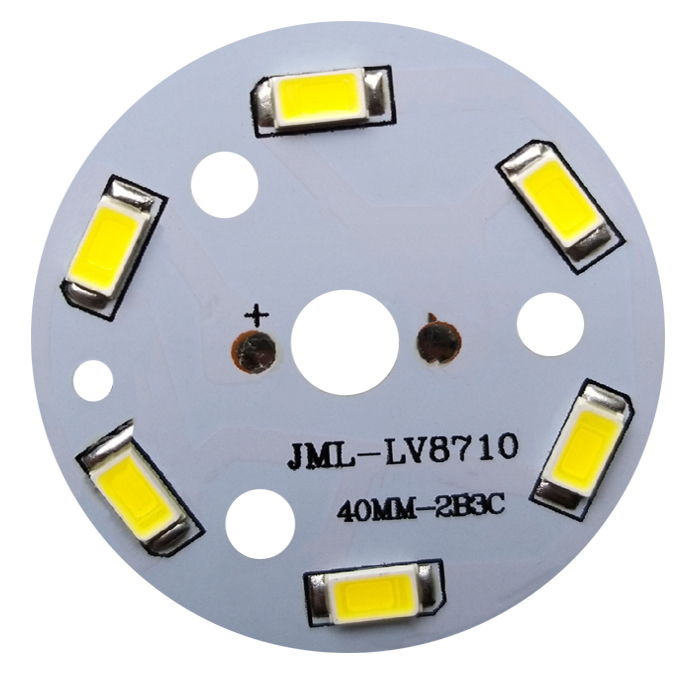
5730 SMD LED Light PCB Board
FR-4 round substrate available from 3W to 18W ratings, providing high-lumen, flicker-free driver compatibility for industrial indicators.
Inspect Technical Specs →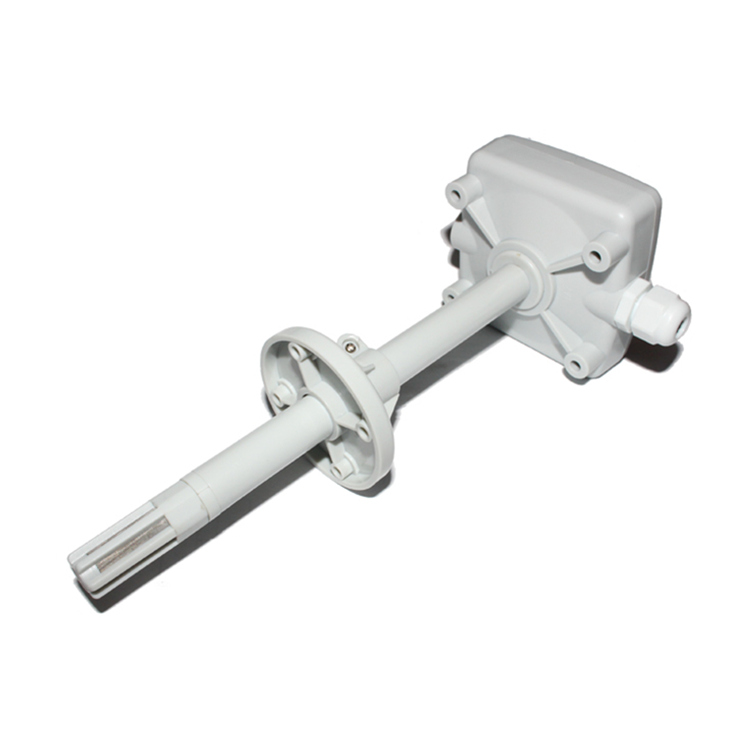
Duct Humidity Sensor Housing
Durable, weather-sealed enclosure designed for environmental telemetry, industrial ductwork, and cleanroom air monitoring in Narva plants.
Inspect Technical Specs →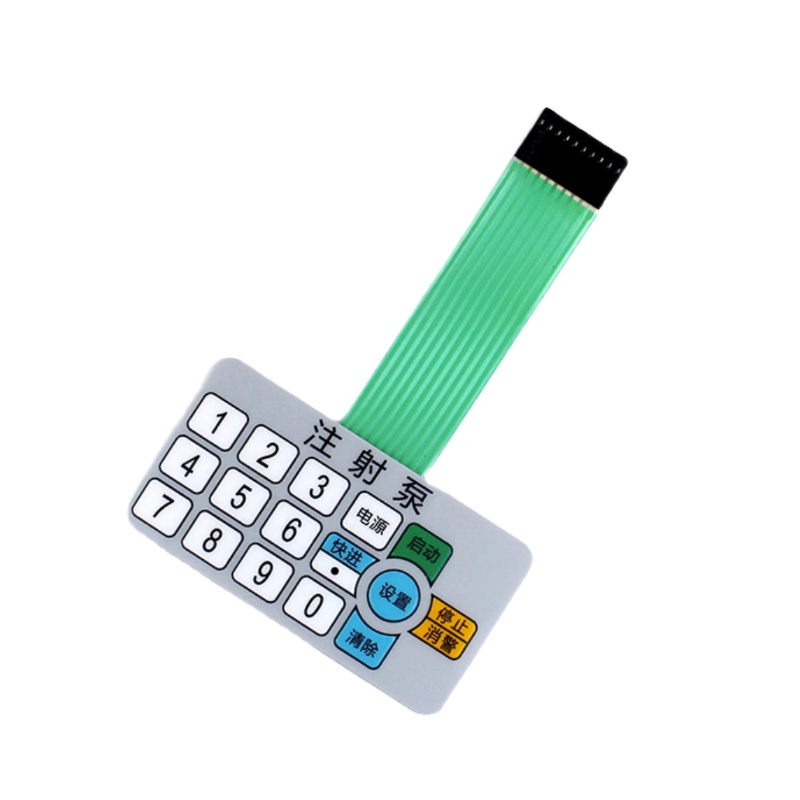
Tactile LED Membrane Switch Keypad
Integrated SMD LEDs, snap-acting stainless steel domes, and IP67 waterproof overlay barrier engineered for sterile and washdown environments.
Inspect Technical Specs →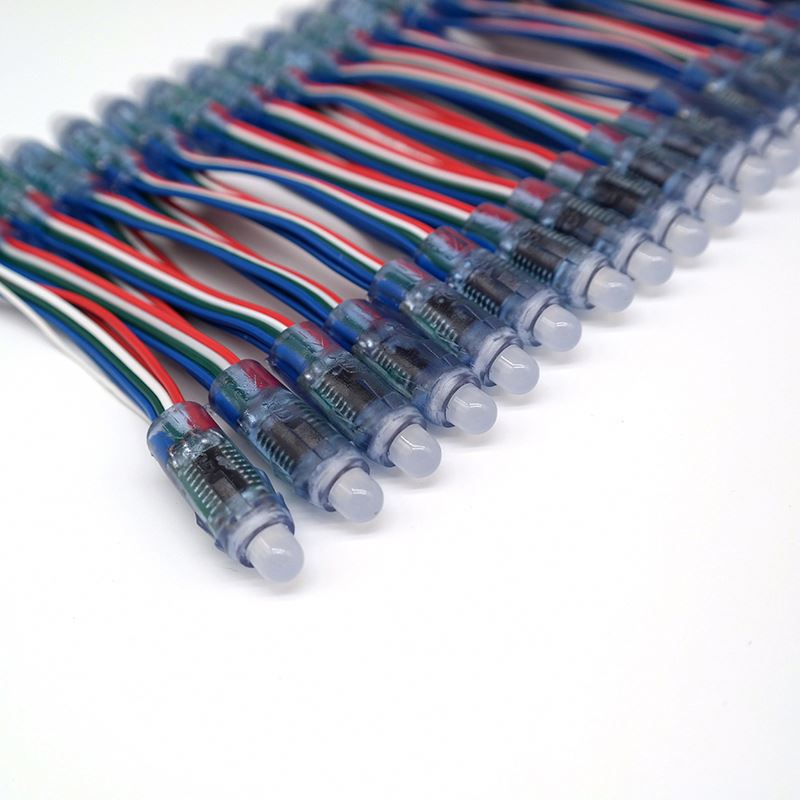
12mm RGB Waterproof LED String
5V, 12V, and 24V addressable full-color sealed nodes delivering sub-zero silicone encapsulation for outdoor industrial signals.
Inspect Technical Specs →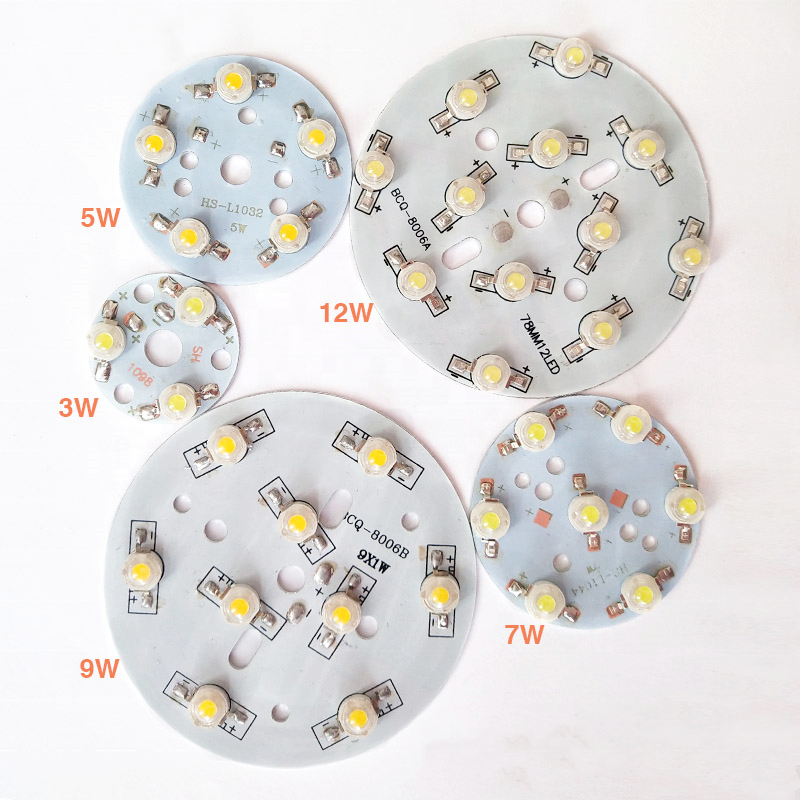
Circular Aluminum LED PCB Board
1.0–3.0 W/m·K dielectric conductivity with 0.5oz to 3oz finished copper foil, minimizing junction heat in continuous lighting gear.
Inspect Technical Specs →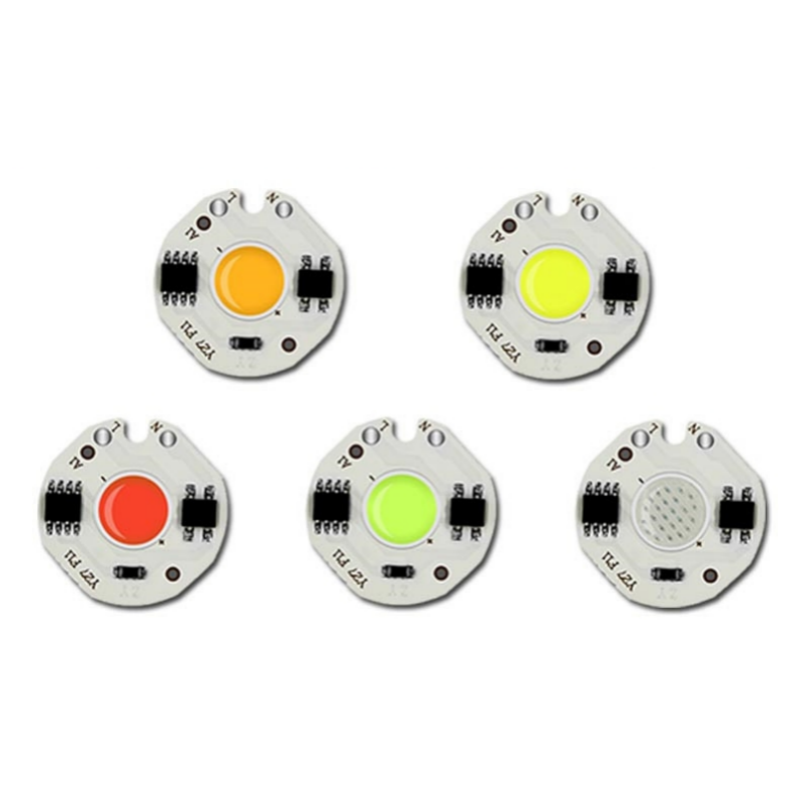
Driverless High-Power COB LED Chip
Direct 110V/220V AC input eliminating failure-prone electrolytic drivers; ideal for rugged machine vision and spotlighting.
Inspect Technical Specs →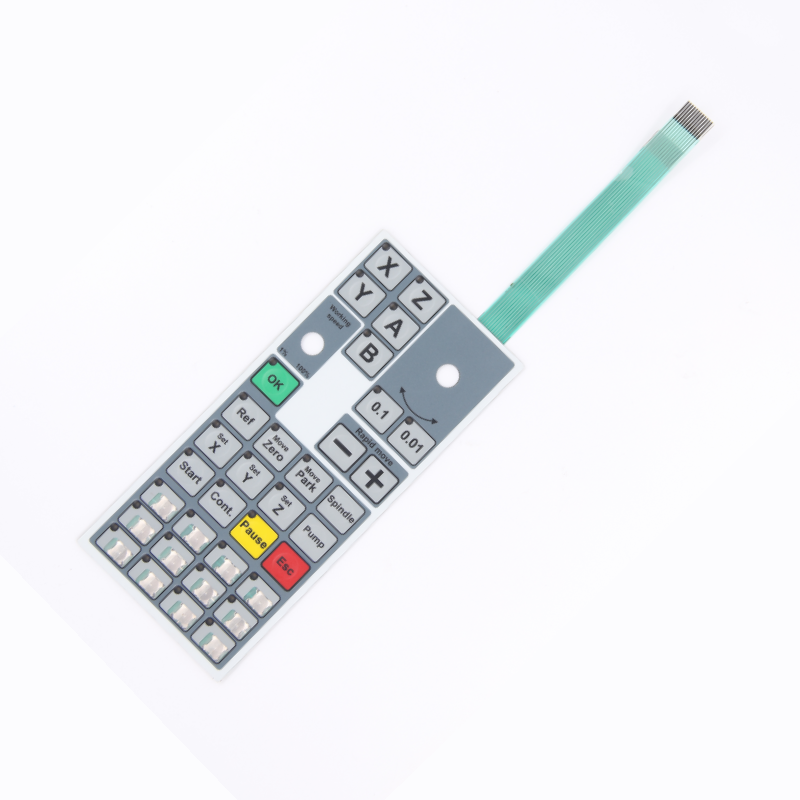
Custom PET/PC Membrane Switch Panel
Finely screen-printed conductive silver traces, anti-scratch Autotex texturing, and custom embossed graphic branding with FFC/FPC tails.
Inspect Technical Specs →Precision Multi-Layer Architecture for Harsh Operational Contexts
A membrane keypad is not merely a graphic skin; it is a multi-tier, hermetically sealed electro-mechanical system. For equipment deployed in Eastern Estonia's Ida-Viru industrial belt, resilience against chemical vapors, temperature shocks, and heavy cycle rates starts at the molecular layer.
Graphic Overlay & Surface Shield
Utilizing high-grade biaxially oriented polyethylene terephthalate (PET, e.g., MacDermid Autotex XE) or optical-grade polycarbonate (PC). Autotex PET provides unmatched mechanical flex life (>5 million flex cycles) and superior resistance against harsh industrial solvents, grease, fuels, and alkaline sanitizers.
Structural Acrylic Adhesive Layer
Bonding the graphic layer to the mechanical switches using high-shear 3M 467MP, 468MP, or 300LSE transfer adhesives. Formulated to resist shear displacement during rapid finger actuation across thermal differentials ranging from Baltic winter lows of -30°C to enclosure highs of +85°C.
Dome Retainer & Actuation Layer
Houses nickel-plated or gold-plated SUS 301 stainless steel tactile metal domes. Engineered actuation curves (280g to 450g) deliver crisp tactile snap feedback even when operators wear heavy industrial work gloves, eliminating false actuations and operator fatigue.
Vented Static Spacer Layer
Die-cut polyester insulation designed with precision internal micro-vent channels. These vents route air displacement between switch cavities horizontally, preventing pressure differentials caused by barometric changes or altitude variations from triggering inadvertent switch closures.
Conductive Circuit & Carbon Overcoat
Micro-screen-printed polymer thick film (PTF) high-purity silver paste circuits protected by conductive carbon ink caps over contact pads. The carbon coating prevents electrochemical silver migration and galvanic oxidation under humid or high-voltage DC operating conditions.
Rear Mounting Seal & Integration Tail
Heavy-duty lamination connecting directly to the host chassis or enclosure via customized perimeter gasket beads, achieving verified IP65, IP67, or IP68 water/dust ingress barriers. Tail exits with standard 1.0mm, 1.27mm, or 2.54mm pitch Female/Male CrimpFlex or ZIF connectors.
| Electrical / Mechanical Parameter | Standard Specification | High-Reliability Industrial Grade | VUKO Validation Method |
|---|---|---|---|
| Loop Operating Voltage | ≤ 35 V (DC) | 0.5 V to 50 V (DC) | Dielectric Breakdown Proof (ASTM D149) |
| Operating Loop Current | 1 mA to 100 mA | Up to 200 mA peak | Current Density & Rise Time Profiling |
| Contact Resistance | < 100 Ω (dependent on trace length) | < 10 Ω (using FPC Copper Tail) | 4-Wire Kelvin Resistance Measurement |
| Switch Actuation Life | 1,000,000 actuations | > 5,000,000 actuations (SUS Domes) | Pneumatic Actuator Cycling Rigs |
| Operating Temperature | -10°C to +60°C | -40°C to +85°C (Baltic Sub-Zero) | Dual-Chamber Thermal Cycling (IEC 60068) |
| ESD Shielding Breakdown | 1.5 kV static discharge | Up to 15 kV (Full Aluminum/Copper grid) | Electrostatic Gun Discharge (IEC 61000-4-2) |
| Ingress Protection (Sealed Surface) | IP54 standard dust protection | IP67 / IP68 Continuous Immersion | Submersion & High-Pressure Water Jet Test |
Mission-Critical Applications Driving Narva’s Industrial Transformation
As Estonia balances its legacy heavy industrial power with digitalized high-tech manufacturing, robotics, and export-driven machine-building, robust physical controls remain the definitive frontline between operator and hardware.
Thermal Energy & Heavy Processing Equipment
Narva’s strategic role as the heart of Estonia's power generation infrastructure requires Human-Machine Interfaces capable of enduring pervasive particulates, chemical combustion by-products, and mechanical resonance without contact oxidation.
- Full hermetic perimeter isolation preventing conductive soot ingress
- Stainless steel SUS tactile domes preventing erratic high-vibration triggers
- Heat-stabilized PET films rated up to 105°C operating temperatures
Factory Automation & Robotic Teach Pendants
The rise of automated metalworking, plastic injection, and logistics robotics in Narva Industrial Park demands handheld operator panels that survive repetitive drops, lubricant immersion, and continuous actuation.
- Ergonomic key embossing (rim, pillow, or dome) for blind operator locating
- Integrated surface-mount micro-LEDs for immediate circuit status feedback
- Seamless integration with rigid FR4 backer boards or custom molded enclosures
Forestry, Maritime & Cold-Chain Telematics
Electronics engineered for Narva’s transport hubs, border terminals, and nearby Baltic ports must function seamlessly across extreme winter freezing events without plastic cracking or adhesive failure.
- Sub-zero acrylic adhesives (3M 300LSE) formulated against frost peeling
- Autotex XE outdoor-grade UV barrier preventing yellowing and micro-fissures
- Internal humidity barriers avoiding internal circuit condensation shorts
Emerging Technology Trends in Baltic Hardware Engineering
Modern European electronics procurement requires moving away from fragmented sourcing. Device developers in Narva and the wider Nordic-Baltic region are leveraging three key manufacturing convergences.
1. Unified Membrane-Plus-PCBA Sub-Assemblies
Rather than procuring membrane switches, custom circuit boards, and mounting plates from three distinct suppliers, OEMs are standardizing on integrated front-panel assemblies. We mount SMT components, microcontrollers, passive filtering, and display windows directly onto a single Rigid-Flex or PCB backplane, significantly lowering assembly labor in Narva factories.
2. Light Guide Film (LGF) Uniform Backlighting
Legacy designs relying on discrete bulky LEDs often suffer from hotspotting and localized glare. Modern operator devices for dark industrial cabins or control centers in Narva utilize ultra-thin (0.125mm) micro-etched Light Guide Films (LGF), side-lit by precision SMD LEDs to achieve completely balanced, low-power illumination across logos and icons.
3. Rigorous EMI/RFI Shielding Integration
With high-frequency variable speed drives (VFDs) and wireless IoT sensors ubiquitous in Ida-Viru facilities, human-interface keypads serve as prime points for radiated electro-magnetic interference or ESD ingress. Integrating continuous copper foil or selective silver-printed ground grids provides attenuation exceeding 40dB from 30MHz to 1GHz.
Shenzhen Manufacturing Strength Delivering Directly to Narva
Combining the world's most dynamic electronics supply ecosystem in Shenzhen with certified quality processes, strict IP protection, and direct air freight to Estonia.
True Turnkey Integration
We do not stop at graphic overlays. Bare PCB fabrication (1-12+ layers), SMT PCBA, FPC flexible tails, aluminum LED boards, and full BOM kitting under one roof eliminates multi-vendor finger pointing.
24-Hour DFM Technical Audit
Our senior engineering group conducts comprehensive Design-for-Manufacturability checks within 24 hours of receiving your Gerber, CAD, and Vector art files, catching layout and trace errors prior to tooling.
Agile Prototyping (MOQ: 5 pcs)
Accelerate your NPI (New Product Introduction) cycles in Narva without tying up capital. Small-batch prototyping starts at just 5 pieces before scaling seamlessly to volume mass production.
Rapid Baltic Freight Corridors
Established express courier connections (DHL, FedEx, UPS) directly from Shenzhen to Tallinn Airport (TLL) and onward regional freight to Narva ensure delivery within 3 to 5 business days after inspection.
Frequently Asked Questions by Estonian Hardware Engineers & Buyers
Clear, direct answers regarding technical tolerances, Baltic climate validation, customs compliance, and supply chain protocols.
What design files and specifications are required to receive an official DFM review and quotation?
To initiate a comprehensive engineering review, please supply:
1. Graphic Overlay Artwork: Vector files in Adobe Illustrator (.AI), CorelDraw (.CDR), or Vector PDF, with specified Pantone (PMS) or RAL color codes, window tinting opacities, and embossing profiles.
2. Circuit & Mechanical Stack-up: AutoCAD (.DXF/.DWG) or Gerber RS-274X files detailing circuit trace geometry, pin-out schematics, connector tail pitch (e.g., 2.54mm or 1.0mm ZIF), and overall dimensional tolerances.
3. Environmental Requirements: Operating temperature ranges, IP rating expectations (e.g., IP65 vs. IP67), and UV or chemical exposure parameters.
How do your membrane switches perform in Narva’s harsh winter operating temperatures (-25°C or lower)?
Standard commercial membrane keypads can experience acrylic adhesive embrittlement, silver ink micro-cracking, and sluggish dome rebound in freezing conditions. For devices destined for Ida-Virumaa outdoor deployment, we implement specialized cold-climate engineering:
We specify 3M 300LSE or 467MP cold-temperature acrylic adhesives which maintain peel adhesion down to -40°C. For the circuit, we blend high-flexibility conductive silver paste with ductile polymer carriers to eliminate fracture during flexing, and utilize Autotex XE UV-resistant polyester that will not become brittle under cyclical sub-zero exposure.
Can you manufacture membrane keypads with integrated SMT LEDs and rigid support backers?
Yes. We routinely assemble ultra-thin surface-mount devices (0603, 0805, or 1206 packages) including single-color, bi-color, or RGB LEDs, current-limiting resistors, and light sensors directly into the switch circuit layer using conductive epoxy bonding and UV encapsulant protection.
Furthermore, we can laminate the switch directly onto custom CNC-milled FR-4, aluminum, or acrylic backer plates, equipped with threaded press-fit studs (PEM nuts) for rapid drop-in assembly into Narva production lines.
How are shipments managed into Estonia, and what customs documentation is provided?
All export orders shipped to Estonia are accompanied by comprehensive commercial invoices with precise HS code classifications (typically 8537.10 or 8536.50), detailed packing lists, and Certificates of Conformity (CoC).
Our products comply fully with EU RoHS Directive 2011/65/EU and REACH regulations. Shipments clear customs efficiently through express carriers (DHL Express, FedEx Priority, or UPS) via Tallinn or Helsinki air hubs, with deliveries arriving at Narva facilities within 3-5 business days from Shenzhen dispatch.
What is your minimum order quantity (MOQ) and lead time for custom tooling and prototypes?
We support agile product development with a prototyping MOQ starting at just 5 pieces. Our prototype tooling process utilizes precision laser cutting and digital overlay printing, reducing NPI tooling expenses and allowing fast design iterations.
Prototype delivery typically requires 8 to 12 working days following mechanical drawing approval. For production runs (from 200 to 50,000+ units), custom hard steel tooling and screen printing dies are completed in 12 to 15 working days.
What electrical and tactile quality inspections are executed prior to dispatch?
Zero defective switches leave our factory. Every membrane switch batch undergoes 100% automated electrical verification using computerized harness testers to verify open/short circuits, loop resistance, and insulation breakdown resistance (>100MΩ at 100V DC).
Tactile domes are audited using automated force-displacement load cell test rigs to ensure strict conformity with tactile ratio and snap force requirements. Visual parameters (color accuracy via spectrophotometer against Pantone standards, window optical transmission, and registration accuracy) are audited under ISO Class 7 cleanroom lighting.
Accelerate Your Human-Interface Hardware Project
Send your CAD drawings, Gerber files, or graphic sketches to VUKO’s engineering desk. Our cross-functional technical team will audit your files, optimize your stack-up for Baltic operational conditions, and return a comprehensive DFM quotation within 24 hours.