Featured Assemblies & Interconnect Capabilities
Rigorous manufacturing standards tailored for industrial control, optical instruments, and demanding biomedical enclosures within the Upper Rhine innovation triangle.
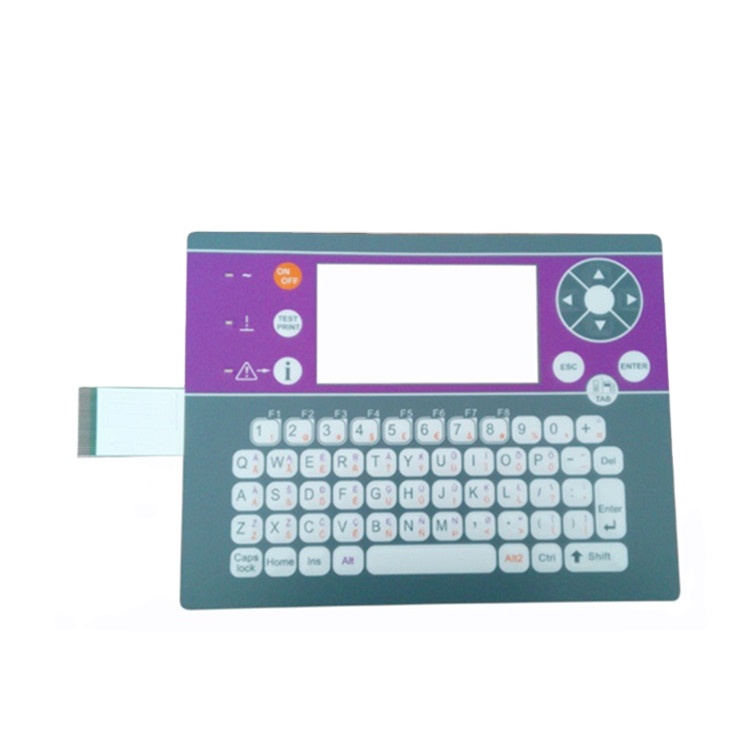
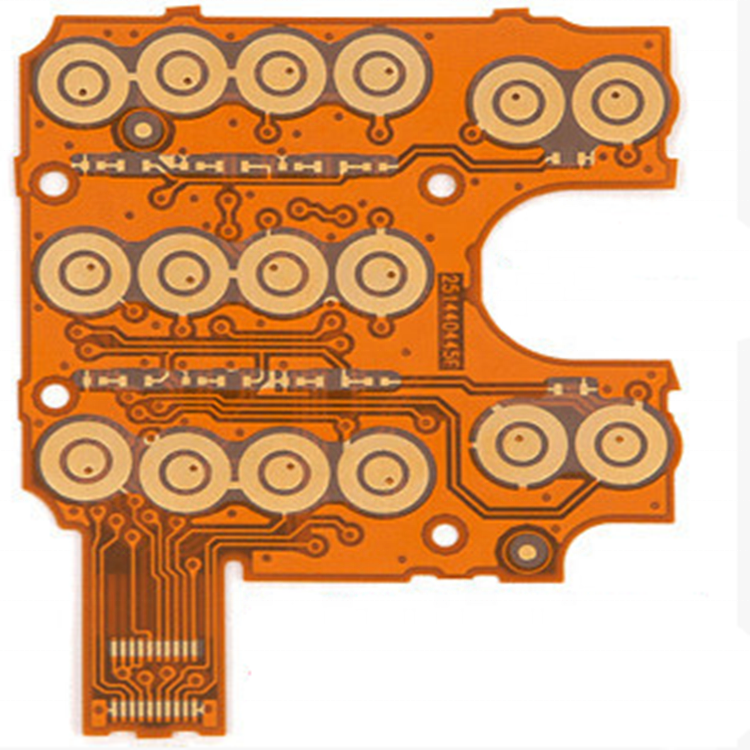
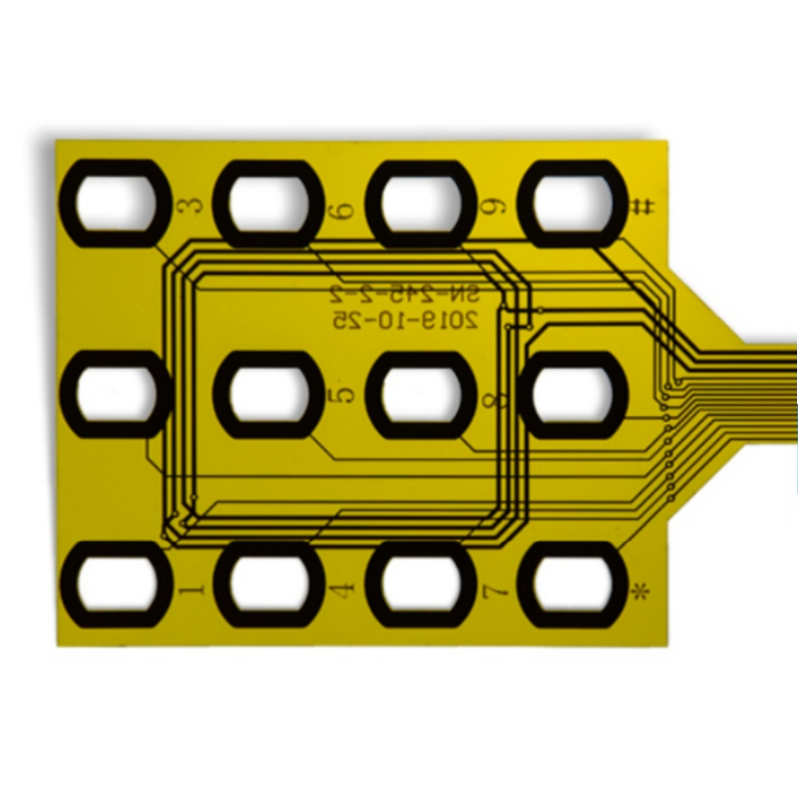
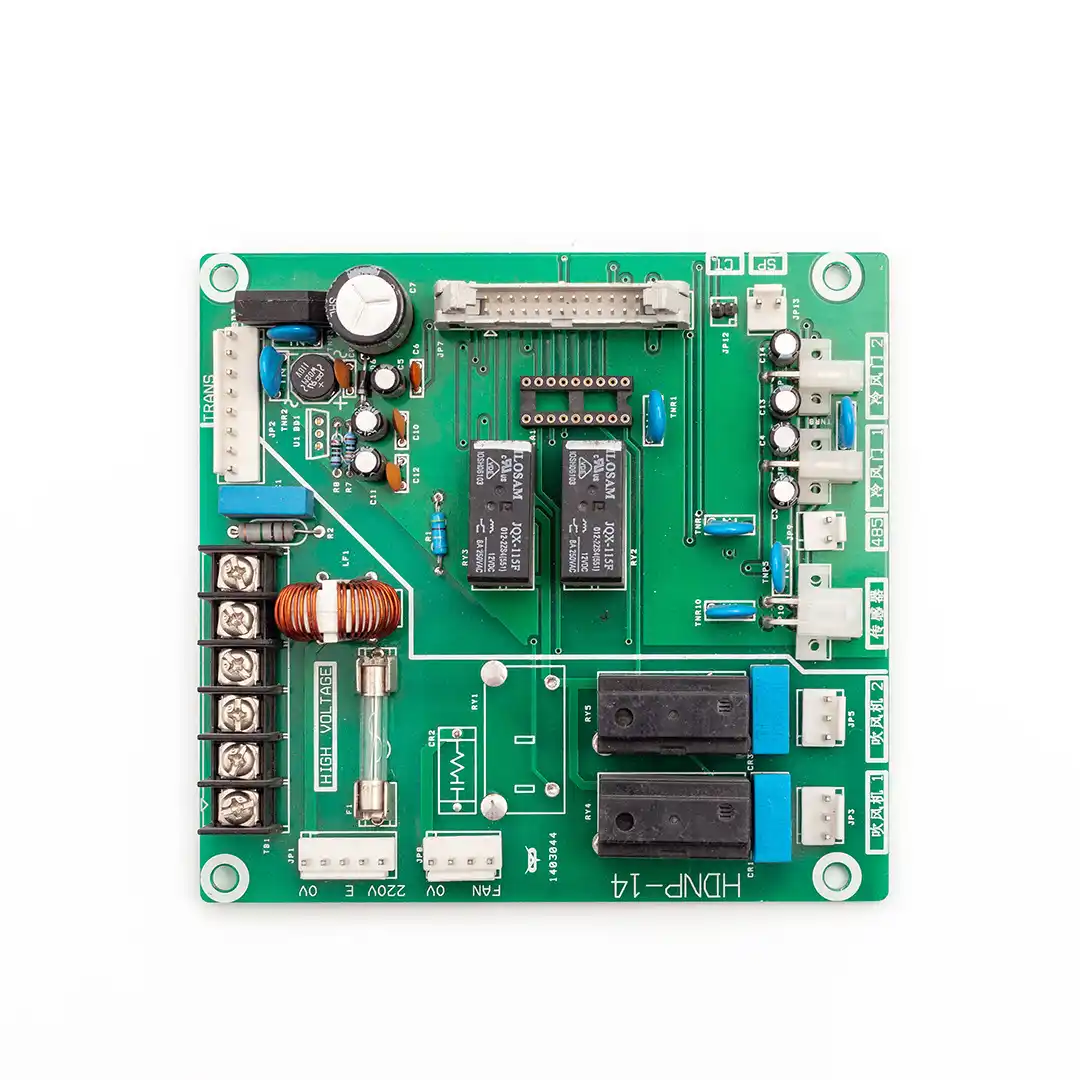
Precision HMI Engineering for the Basel Life Sciences & Industrial Cluster
The Basel-Stadt and Basel-Landschaft economic zones, alongside the wider BioValley region spanning Switzerland, Germany, and France, form the epicenter of European pharmaceutical development, medical diagnostics, laboratory automation, and high-precision instrument manufacturing. For Original Equipment Manufacturers (OEMs) and contract development organizations operating in Basel, the Human-Machine Interface (HMI) is a critical system boundary where mechanical reliability, user ergonomics, and chemical resilience must intersect without compromise.
Membrane switch assemblies deployed in this sector face environmental challenges distinct from standard consumer electronics. In pharmaceutical cleanrooms, medical diagnostics laboratories, and microfluidic processing lines, equipment undergoes daily sanitization with harsh sterilizing chemicals—including isopropyl alcohol (IPA), hydrogen peroxide vapor (VHP), sodium hypochlorite, and glutaraldehyde. Standard interface surfaces degrade rapidly under these conditions, leading to cosmetic crazing, graphic dissolution, adhesive failure, and internal conductive trace oxidation. Our engineered membrane switch assemblies address this by utilizing biaxially oriented polyethylene terephthalate (PET) substrate films, such as Autotex XE and Autoflex, formulated to maintain optical transparency and mechanical seal integrity under sustained sterilization protocols.
Material Stack Architecture & IP67 Sealing for Contamination-Free Environments
To satisfy the strict contamination standards of GMP-compliant facilities across the Swiss market, human-machine interfaces must eliminate dirt traps, particulate shedding, and microbial ingress crevices. Our design methodology incorporates complete perimeter environmental gaskets, micro-venting membranes, and solvent-free acrylic adhesives (such as 3M 467MP, 468MP, or 3M 300LSE for low surface energy powder coatings). This creates an impenetrable barrier against fluid ingress, certified to IP65, IP67, and NEMA 4X configurations.
| Performance Specification | Standard Commercial Grade | Basel Diagnostic & Lab-Grade (VUKO Standard) | Compliance & Verification Standard |
|---|---|---|---|
| Overlay Polymer | Standard Polycarbonate (PC) | Textured Chemical-Resistant Hardcoated PET | DIN 42 115 Part 2 (Chemical Resistance) |
| Actuation Tactile Feedback | Polyester Dome / Non-tactile | Gold/Nickel Plated Stainless Steel Snap Domes | ASTM F1578 (Over 1,000,000 Cycles) |
| Circuit Conductor Options | Screen-printed Silver Ink | Polyimide FPC / Copper-etched / Silver with Carbon overcoat | IPC-6013 Class 2/3 (Flex Circuits) |
| Perimeter Gasketing | Standard Acrylic Adhesive | Hermetic Closed-cell Foam & 3M 200MP/300LSE | IEC 60529 (IP67 Ingress Protection) |
| Dielectric Breakdown | < 500 V DC | > 1,500 V DC Isolation Layer | ASTM D149 Dielectric Strength Test |
Furthermore, in environments subject to electromagnetic noise—such as automated centrifuge units, spectroscopy analyzers, and high-frequency surgical generators—unshielded switch circuits can experience false actuations or radiate unintentional emissions. We integrate comprehensive EMI/RFI shielding systems using vacuum-deposited aluminum foils, solid carbon prints, or selective ITO (Indium Tin Oxide) windows that integrate directly into the grounding busbar without sacrificing display window clarity or tactile responsive feel.
Localized Application Scenarios in the Basel Region
Tailored HMI and interconnect configurations engineered to solve real-world technical demands across regional high-tech clusters.
Medical Diagnostics & In-Vitro Testing
Precision pipetting stations, automated microplate readers, and point-of-care analyzers requiring non-porous graphic overlays that withstand daily chemical wipedowns with 70% ethanol and sodium hypochlorite, ensuring contamination-free operation in regulated biosafety cabinets.
Pharmaceutical Cleanroom Terminals
Flush-mounted human-interface keypads for Grade A and B cleanrooms. Engineered with flush embossing, anti-glare display windows, integrated status SMD LEDs, and anti-microbial surface properties to prevent bacterial accumulation in continuous aseptic manufacturing areas.
High-Precision Robotics & Weighing Systems
Micro-gram analytical balances and industrial inspection systems requiring tactile snap domes with distinct feedback (250g to 450g actuation force) to ensure operators receive verified sensory confirmation even when wearing heavy nitrile or neoprene gloves.
Localized Development Trends Shaping HMI Manufacturing in Switzerland
The manufacturing landscape for electromechanical interfaces in Switzerland is evolving alongside trends in digitization and regulatory compliance. Three key industry developments directly influence how membrane switch assemblies and peripheral circuits are sourced by engineering teams in Basel:
1. Convergence of Capacitive Touch and Physical Tactile Snap Domes
Pure glass touchscreens are common in consumer hardware, but analytical instruments in Basel often demand hybrid operation. Diagnostic operators require physical tactile confirmation for mission-critical sequences—such as sample ejection, cycle start, and emergency abort—while using swipe capacitive sliders for fluid parameter adjustments. The combination of embedded capacitive sensors behind high-performance polyester overlays alongside gold-plated metal domes delivers reliable sensory feedback alongside intuitive operation.
2. Transition from Silver-Printed PET Circuits to Copper-Clad Polyimide (FPC)
As life sciences instruments incorporate more sensors into smaller footprints, traditional screen-printed silver paste circuits encounter limits with fine-pitch traces and component soldering. Sourcing has shifted toward Polyimide Flexible Printed Circuits (FPC) with immersion gold (ENIG) surface finishes. FPC cores enable ultra-dense trace routing (under 0.1mm width/spacing), accommodate surface-mount resistors, LEDs, and active microcontrollers directly within the keypad tail, and completely eliminate silver migration risks under high-humidity conditions.
3. European Supply Chain Resilience and Near-Zero Prototyping Latency
With R&D cycles accelerating in biotechnology hubs like Allschwil and Basel Innovation Park, engineering teams can no longer afford 8-week turnaround times for prototype iterations. The procurement standard requires low-MOQ rapid prototyping (5 to 10 units) delivered within 5–7 working days, backed by comprehensive Design for Manufacturability (DFM) support before fabrication begins. Turnkey sourcing spanning bare FPC, SMT assembly, and custom graphic laminations under one roof significantly mitigates multi-tier supplier communication risks.
Why Swiss OEMs & Global Engineers Partner with VUKO
Combining Shenzhen’s complete electronics supply ecosystem with strict industrial QC processes, verified by Alibaba.com and protected by international trade assurance.
24h Comprehensive DFM Review
Every engineering package (Gerber, mechanical DWG/DXF, BOM) undergoes a pre-production check by experienced engineers. We review footprint clearances, trace spacing, dome venting channels, and component lifecycles to catch errors before metal is cut.
Full Turnkey BOM Sourcing
Direct supply partnerships across Shenzhen ensure verified procurement of ICs, high-precision passives, miniature LEDs, and specialized connectors. We help mitigate supply delays by flagging long lead-time or end-of-life components early, with verified drop-in alternatives.
Rigorous Pre-Ship Testing
Every assembled interface undergoes full automated testing: 100% electrical continuity verification, contact resistance checks, tactile actuation force profiling, insulation resistance inspection, and optical verification for overlay aesthetics and backlighting uniformity.
Low Prototyping MOQ (From 5 Pcs)
Engineered for agile R&D cycles. Validate form-fit-function prototypes, execute clinical beta trials, and iterate human factors designs without the high minimum order quantities typical of traditional Tier-1 contract manufacturers.
Frequently Asked Questions by Basel Engineering & Sourcing Teams
Clear, definitive technical and commercial answers addressing file preparation, regulatory requirements, logistics, and quality assurance.
What engineering documentation is required for an exact HMI and membrane switch quote?
1. Vector artwork for the graphic overlay (Adobe Illustrator .AI, PDF, or EPS) detailing Pantone/RAL color codes, surface texturing, and transparent/tinted display window coordinates.
2. Mechanical layout drawings (AutoCAD DXF or DWG) defining outline tolerances, dome positioning, tail egress, embossing profiles, and total stack thickness.
3. Circuit artwork (Gerber RS-274X for FPC/PCB substrates or pinout schematics for silver-printed polyester circuits).
4. Bill of Materials (BOM) detailing embedded LEDs, connectors (e.g., Nicomatic, Amphenol, Molex), and specific adhesive backing requirements (e.g., 3M 467MP, 468MP, 300LSE).
How do you ensure graphic overlays survive hospital and cleanroom disinfectant wipe-downs?
Can VUKO produce hybrid assemblies integrating both rigid PCBA and flexible membrane tails?
What electrical and tactile quality verification checks are conducted prior to export?
• 100% automated electrical continuity, short-circuit, and loop resistance testing.
• Dielectric isolation testing (typically tested at 500V to 1500V DC breakdown).
• Actuation force and tactile snap ratio measurement via force-displacement gauges to verify tactile uniformity across all keys.
• Automated Optical Inspection (AOI) for overlay registration, LED illumination, and graphic fidelity.
• Environmental seal testing under vacuum chamber immersion to verify IP65/IP67 ingress ratings where specified. Full inspection certificates are provided with shipments.
What are the standard lead times and express shipping options to Basel, Switzerland?
Ready to Accelerate Your Instrument Interface Engineering?
Upload your Gerber files, BOM, and mechanical drawings for a free Design for Manufacturability (DFM) review and pricing estimate from our senior technical engineering team within 24 hours.
Inquire Now