High-Reliability Thermal Substrates & Turnkey Hardware Components
Engineered to mitigate thermodynamic failure, maintain structural integrity under persistent vibration, and streamline electro-mechanical assembly cycles.
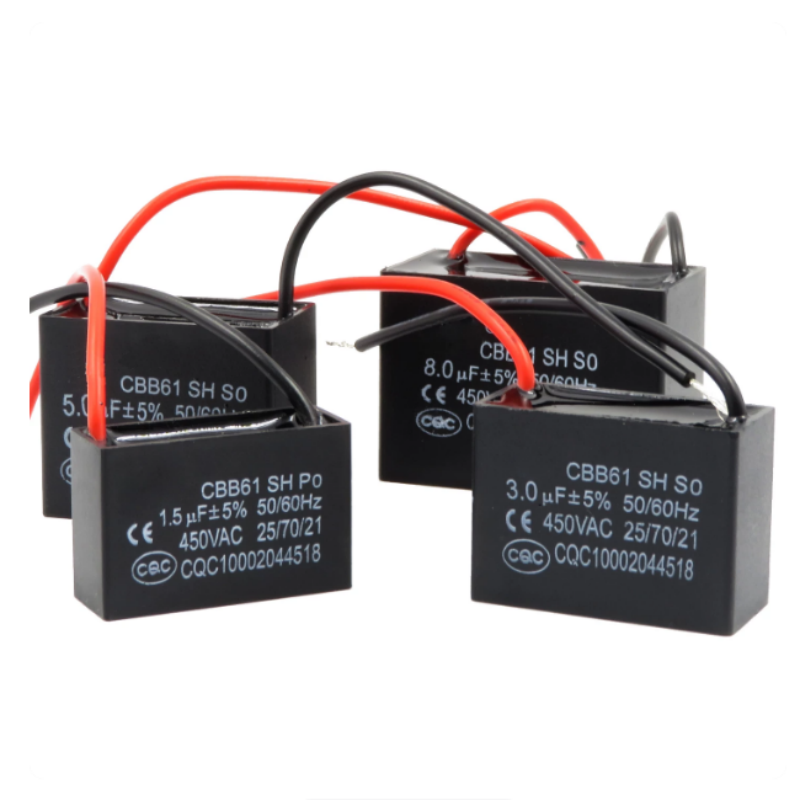
CBB61 450VAC Fan Starting Capacitor 1.2uF–5uF
Low-loss metallized polypropylene film dielectric offering 450VAC endurance, flame-retardant epoxy casing, and stable microfarad regulation for HVAC motors.
Get a Quote
Low MOQ Fast Turn FPC Prototype & Custom Flex Circuits
Single/double-sided flexible printed circuits built with premium DuPont polyimide films, tailored for dynamic bending cycles in tightly packaged assemblies.
Get a Quote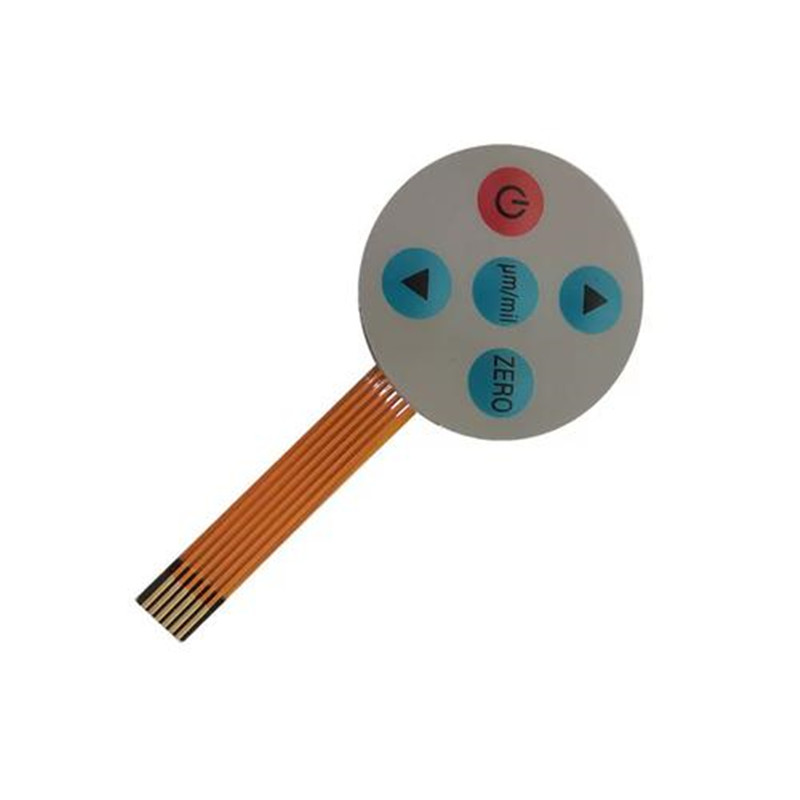
FPC Tail Membrane Switch Keypad for IoT Enclosures
IP65-sealed front tactile overlays with precision stainless steel dome arrays, conductive silver routing, and custom graphic silkscreen finishes.
Get a Quote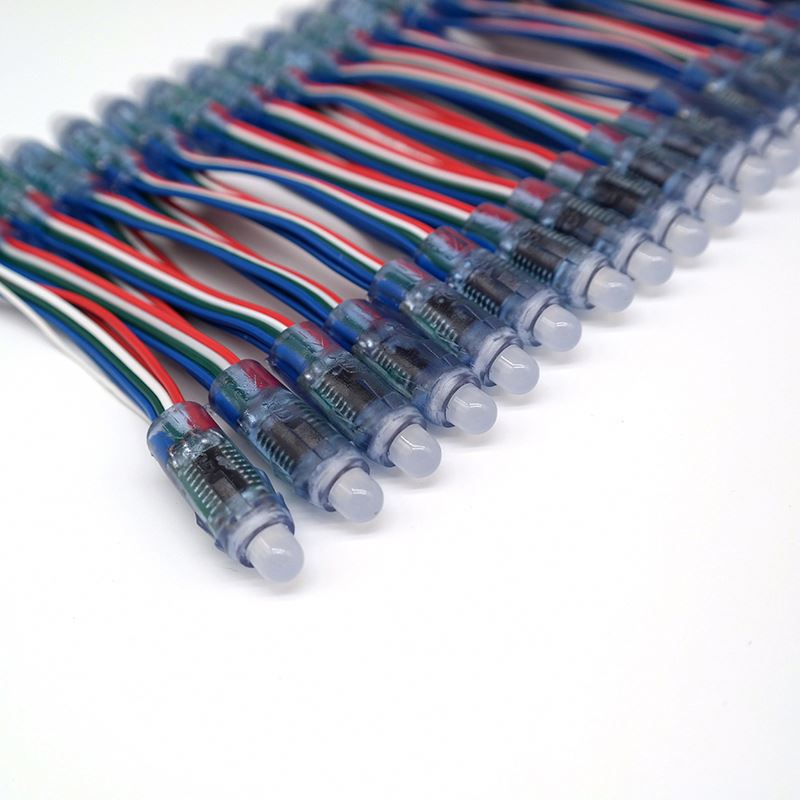
12mm Full Color RGB Waterproof LED String Lights
5V/12V/24V addressable multi-color LED modules encased in IP68 silicone potted shells, engineered for architectural and commercial sign illumination.
Get a Quote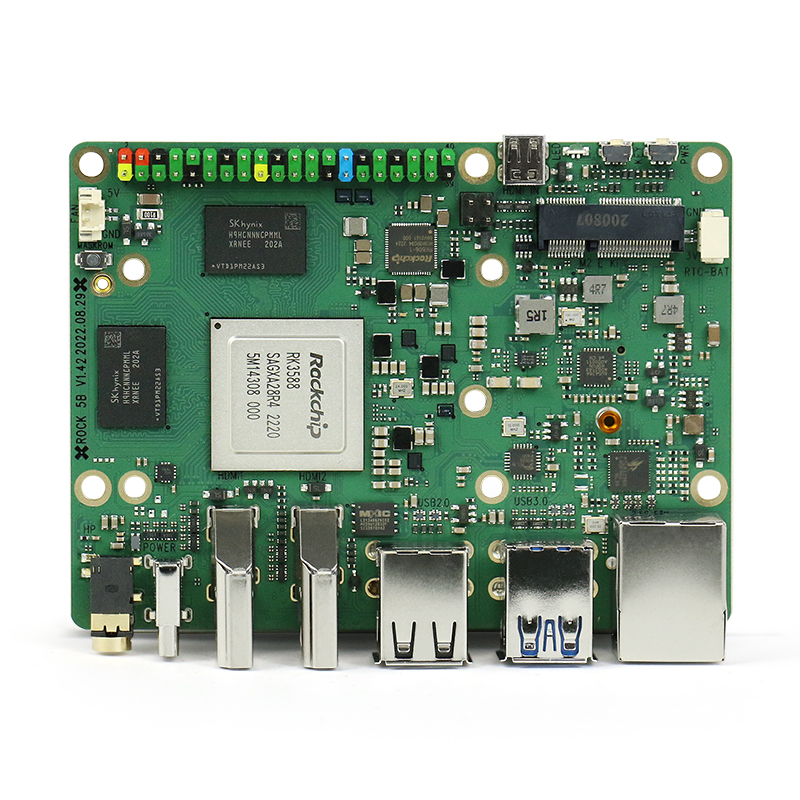
Rock 5 Model B Octa-Core RK3588 SBC
64-bit high-compute edge architecture featuring 8GB/16GB LPDDR4X, 8K video pipelines, PCIe 3.0 expansion, and Wi-Fi 6E connectivity for industrial AIoT gateways.
Get a Quote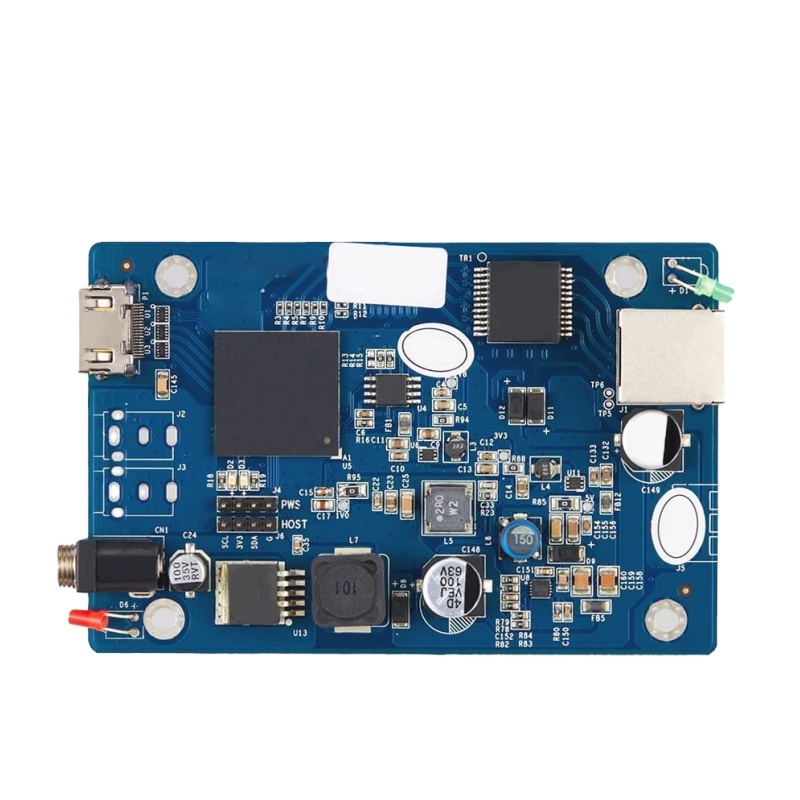
High Reliability Turnkey PCBA SMT & DIP Manufacturing
Complete electronic manufacturing service offering multi-stage automated optical inspection (AOI), X-ray BGA verification, and comprehensive in-circuit functional testing.
Get a Quote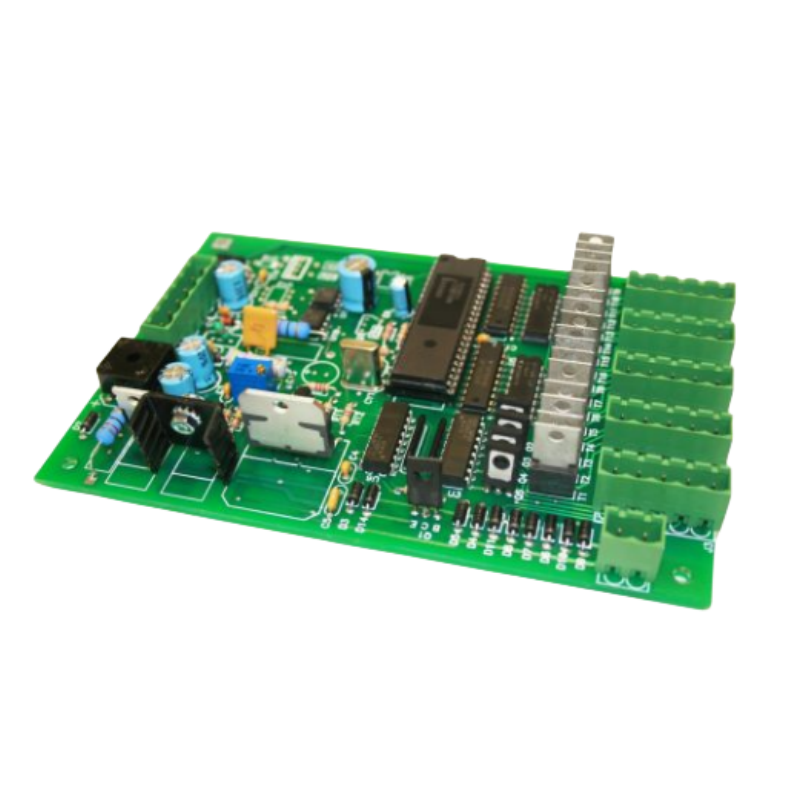
OEM PCBA One-Stop Board Assembly & SMT Soldering
High-speed pick-and-place precision for fine-pitch passives down to 01005, conformal coating line applications, and multi-stage turnkey BOM kitting.
Get a Quote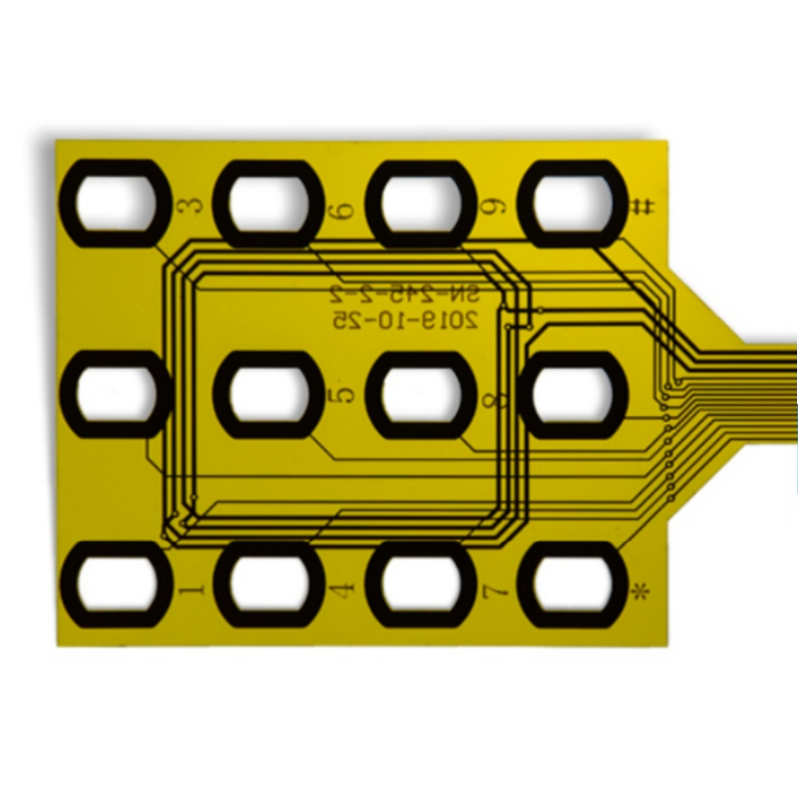
Custom Multilayer FPC with Polyimide Stiffeners & ENIG
Electroless nickel immersion gold plating, high-temperature bond plies, FR4/stainless steel stiffener laminations, and tight-tolerance laser profiling.
Get a QuoteEngineering Metal Core PCBs: Thermodynamic Principles & Stack-Up Optimization
As electronic packaging densities escalate across contemporary high-power conversion modules and ultra-bright solid-state arrays, conventional FR-4 epoxy-glass laminates encounter profound thermodynamic limitations. FR-4 exhibits an isotropic bulk thermal conductivity hovering around a negligible 0.25 to 0.3 W/m·K. When subjected to power component junction losses exceeding 5 to 10 Watts per square centimeter, standard glass-epoxy substrates inevitably manifest acute localized thermal stagnation. This drives semiconductor die temperatures past maximum threshold levels (typically 125°C to 150°C), triggering catastrophic MTBF collapse via accelerated Arrhenius degradation mechanisms.
To overcome this bottleneck, specialized Metal Core Printed Circuit Board (MCPCB) architectures replace the thick dielectric matrix with an integrated thermodynamic structural system. A high-performance MCPCB consists of three functionally bonded strata: a high-purity copper foil circuit layer, an ultra-thin thermally optimized polymer-ceramic dielectric layer, and an aluminum or copper structural baseplate. The primary engineering metric governing this design is transient thermal impedance (Zth), defined by the spatial dissipation equation:
Our aluminum-backed laminates utilize proprietary ceramic-filled polymers delivering verified dielectric conductivities between 1.0 W/m·K and 8.0 W/m·K, paired with dielectric breakdown strengths outperforming 4 kV to 6 kV AC. In extreme heat-flux applications, such as high-density GaN-based power supplies or concentrated LED optics, direct-to-copper pedestal configurations (Direct Thermal Path - DTP) bypass the dielectric layer altogether under the central thermal pad. This drops junction-to-heatsink thermal resistance to near zero, unlocking maximum electrical efficiency and extended lifespan under rigorous operating regimes.
Substrate Alloy Classifications: 5052 vs. 6061 Aluminum & OFHC Copper
Material selection for the base plate requires balancing thermodynamic transfer characteristics, tensile yield strength, and post-machining dimensional tolerances. Our manufacturing facility in Shenzhen supplies three distinct metallic foundation classes tailored for industrial OEMs:
| Base Alloy Type | Thermal Conductivity (Base) | Tensile Strength (MPa) | Fabrication Machinability | Primary Industrial Application |
|---|---|---|---|---|
| Aluminium 5052-H32 | 138 W/m·K | 210 – 260 | Excellent for V-scoring, punching & shearing | Automotive exterior lighting, standard luminaires, domestic driver circuits |
| Aluminium 6061-T6 | 167 W/m·K | 290 – 310 | Superior for multi-axis CNC routing & counterbore drilling | Aerospace structural heat sinks, high-vibration avionics, robotic power drives |
| Copper C11000 (OFHC) | 386 – 398 W/m·K | 220 – 280 | Requires specialized carbide tooling & diamond sawing | High-flux laser diode arrays, RF power amplifiers, military motor drives |
Localized Industrial Applications Across the Greater Bristol & South West Cluster
The West of England region, anchored by Bristol, represents one of Europe's premier advanced engineering, aerospace, and clean-growth innovation corridors. From the aerospace legacy institutions at Filton to the expanding high-tech hardware and clean energy R&D hubs across Aztec West, Temple Quarter, and the Severnside industrial belt, the demand for precision thermal-management electronics continues to accelerate. As Bristol advances toward its ambitious Net Zero industrial framework, regional original equipment manufacturers (OEMs) and contract electronics manufacturers (CEMs) require dependable, internationally certified MCPCB export pipelines that integrate seamlessly into mission-critical applications.
Aerospace & Defence (Filton Corridor)
Avionics power supplies, high-flux cabin emergency illumination, actuator motor drives, and airborne telemetry instrumentation requiring vibration-proof 6061-T6 aluminum substrates certified to withstand severe thermal cycling from -55°C to +125°C without dielectric micro-cracking.
Electric Vehicle & Green Mobility
Heavy-current onboard chargers (OBC), high-efficiency DC-DC buck/boost converters, and battery thermal management modules deployed in commercial and passenger EV platforms being prototyped in regional mobility incubators.
Offshore & Renewables (Severn Estuary)
Harsh-environment marine monitoring units, offshore wind power control electronics, and utility-scale solar microinverters designed with conformal coated, high-breakdown dielectric MCPCBs that resist saline atmospheric corrosion and thermal stress.
Smart Port Logistics & Architectural Lighting at Avonmouth and Bristol Docks
Beyond aerospace and automotive research, Bristol’s busy maritime logistics hubs at the Port of Bristol and Avonmouth Docks rely heavily on high-power solid-state industrial luminaires. High-bay floodlighting, harbor navigation indicators, and cold-storage facility arrays demand round-the-clock operation under extreme humidity and moisture exposure. Standard circuit boards commonly suffer trace delamination and LED junction thermal droop under such settings. Our metal core boards, sealed with hydrophobic, highly reflective white solder masks (reflectivity > 88%) and treated with corrosion-resistant lead-free HASL or ENIG coatings, maintain uniform lumen maintenance and reduce maintenance overhead across wide maritime infrastructures.
Emerging Procurement Trends & Regulatory Mandates in the South West UK
Hardware procurement practices across Bristol and Gloucestershire are undergoing a structural shift driven by modern supply-chain resilience models, environmental traceability directives, and digital file compliance. Procurement directors and Lead Hardware System Engineers are prioritizing several core criteria when auditing global export partners:
Transition to Near-Zero Dielectric Failure
UK buyers increasingly require 100% Spark Testing and automated Hi-Pot proof testing at 3000V AC to eliminate micro-void pinholes in dielectric layers, guaranteeing compliance with BS EN 62368-1 electrical safety standards for consumer and industrial electronics.
Full RoHS, REACH & UKCA Certification
Post-Brexit product certification rules require that all metal-core boards and kitted turnkey BOM parts provide verifiable, lot-traceable compliance dossiers demonstrating absolute restriction of hazardous substances, supporting frictionless UKCA marking.
Rapid Prototype to Mass Production Continuity
Hardware incubators across the South West want to avoid transferring tooling between prototype shops and mass fabricators. Providing rapid-turn samples (from 5 pcs) on the exact same production lines as volume production eliminates re-qualification risks.
Why Tier-1 Hardware Developers Partner with VUKO Electronics
Headquartered in the epicenter of the global hardware ecosystem in Shenzhen, Shenzhen VUKO Electronics Co., Ltd. serves as a reliable one-stop electronics manufacturing partner for OEMs, design houses, and electronics distributors across the UK and internationally. Rather than forcing clients to coordinate across disconnected PCB etching facilities, discrete component suppliers, and SMT assembly lines, VUKO consolidates the entire delivery chain under a single ISO 9001 certified roof.
Alibaba Verified Supplier
Independently audited onsite with full Trade Assurance order safeguards protecting overseas capital transactions from placement through to destination arrival.
Strict Multi-Gate Quality Control
Every board undergoes flying probe E-testing, automated optical inspection (AOI), solder paste inspection (SPI), and X-ray inspection for complex multi-layer or BGA assemblies.
Comprehensive DFM Engineering
Our senior engineers review your Gerber RS-274X, drill files, and BOM data within 24 hours to flag thermal trace bottlenecks, creepage distances, and obsolete silicon components before production starts.
Flexible Minimum Order Quantities
Democratizing custom electronics production with low prototype MOQs starting from just 5 pieces, scaling frictionlessly to tens of thousands of units for production builds.
Frequently Asked Questions by Bristol Hardware Buyers
Essential guidance covering technical tolerances, surface finishes, international logistics, and testing documentation.
What specific manufacturing files are required to quote and fabricate custom Metal Core PCBs?
How do you verify electrical insulation between the circuit traces and the conductive metal base?
Which surface finish is best suited for aluminum MCPCBs destined for marine or industrial settings in Bristol?
What typical shipping lead times and freight channels apply for deliveries to Bristol and the South West?
Can VUKO handle SMT assembly and component procurement on metal core boards?
How does VUKO protect overseas transactions and ensure intellectual property security?
Accelerate Your Hardware Build with Proven Thermal Engineering
Transfer your Gerber packages, BOM kitting files, and mechanical specifications directly to our engineering desk. Receive an in-depth Design for Manufacturability (DFM) review and clear commercial quotation within 24 hours.
Get a Quote