Export Lineup for David, Chiriquí & Regional Industrial Buyers
Explore turnkey thermal electronics, human-machine interface assemblies, and sensor integration hardware ready for agile prototyping and containerized volume export.
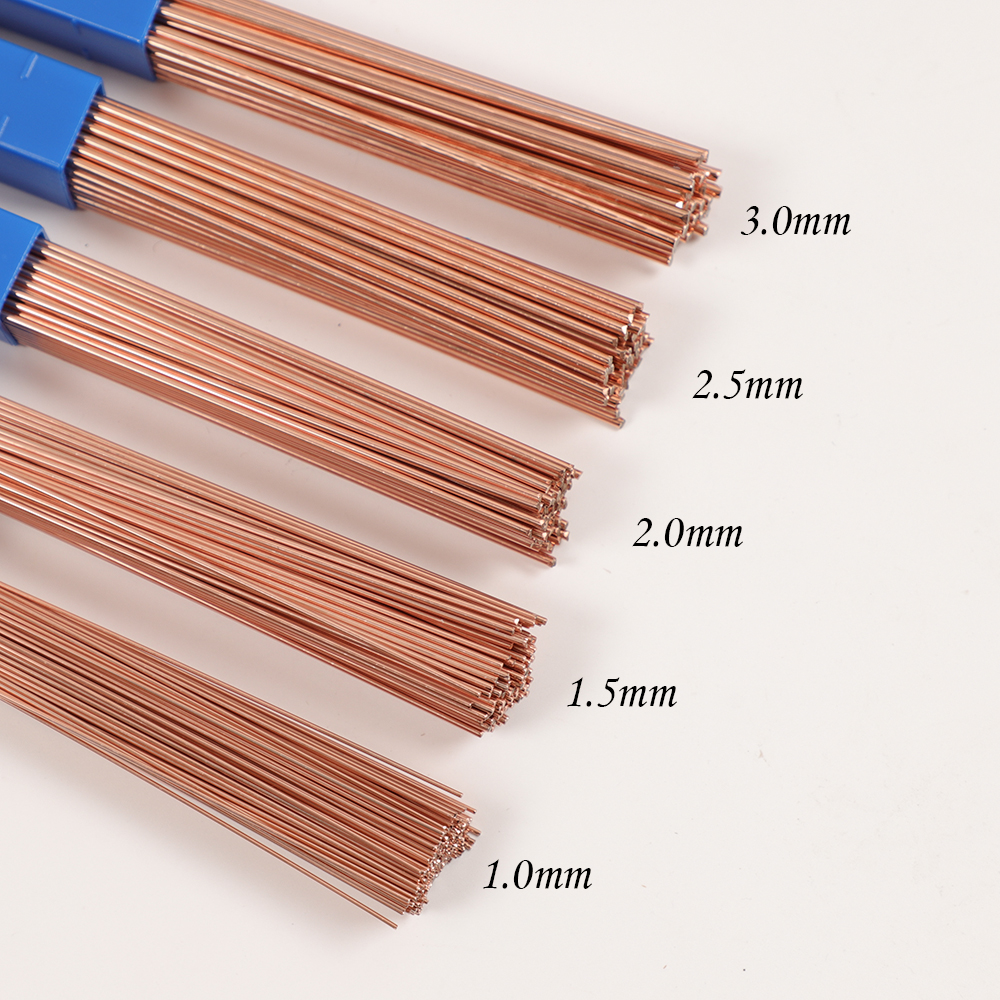
Brass Welding Rod Phosphorus Copper Soldering Electrode (50cm)
View Specifications →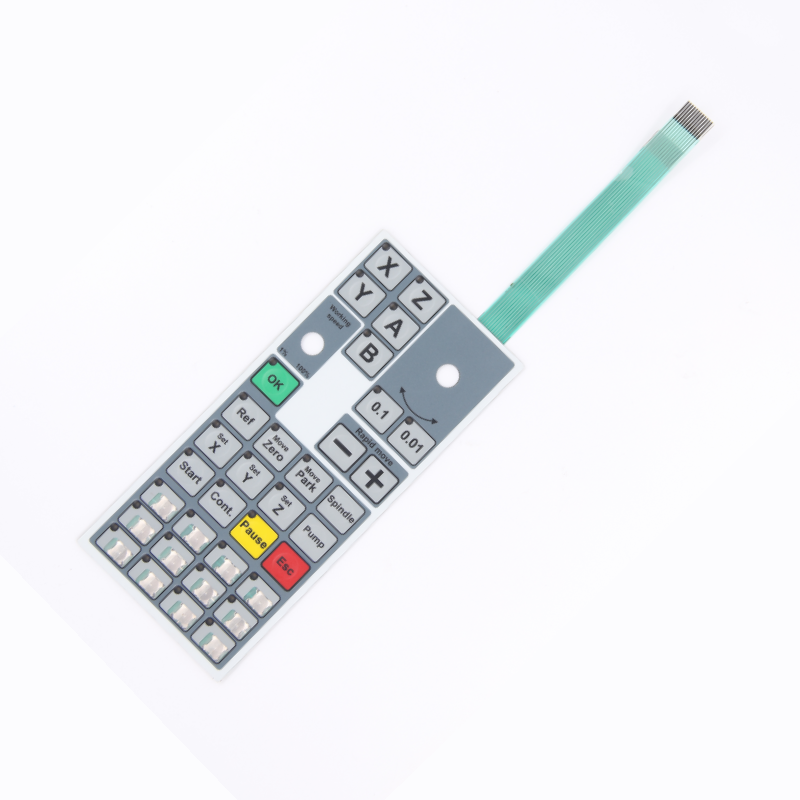
Custom Membrane Switch, PET/PC Flexible Keypad & FPC Tail
View Specifications →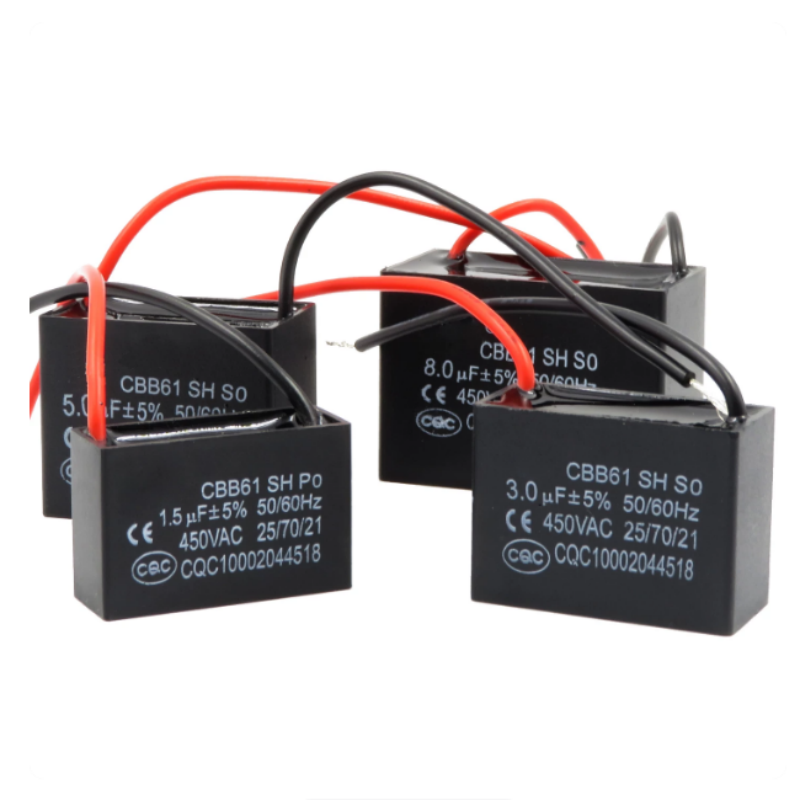
CBB61 450VAC Fan Starting Capacitor 1.2uF–5uF for HVAC & Range
View Specifications →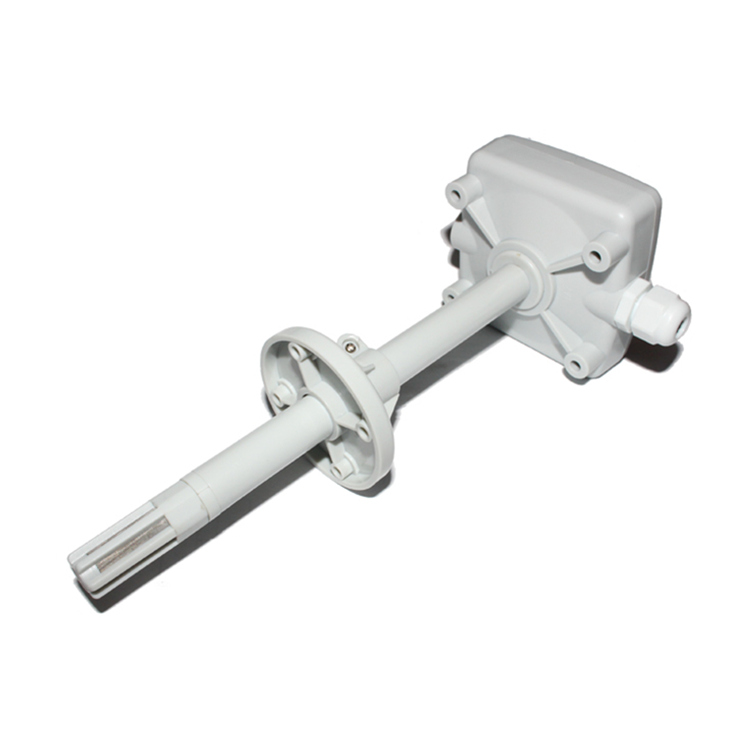
Smart Duct-Type Humidity Sensor Housing for Climate Monitoring
View Specifications →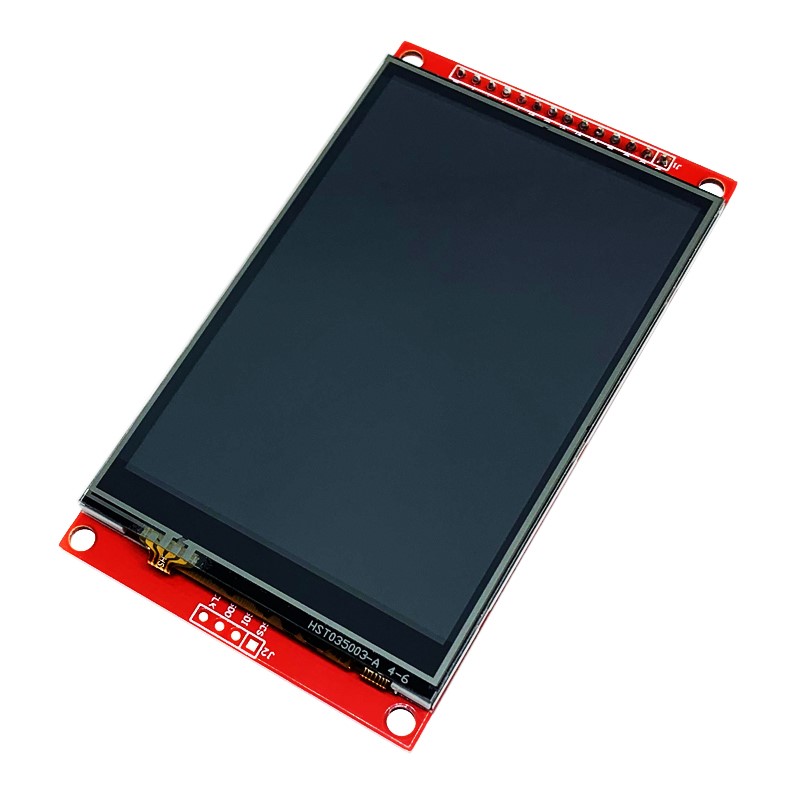
3.5 Inch TFT LCD Module 320x480 SPI Serial Screen ILI9488
View Specifications →
Waterproof Membrane Switch Touch Panel Keypad for Appliances
View Specifications →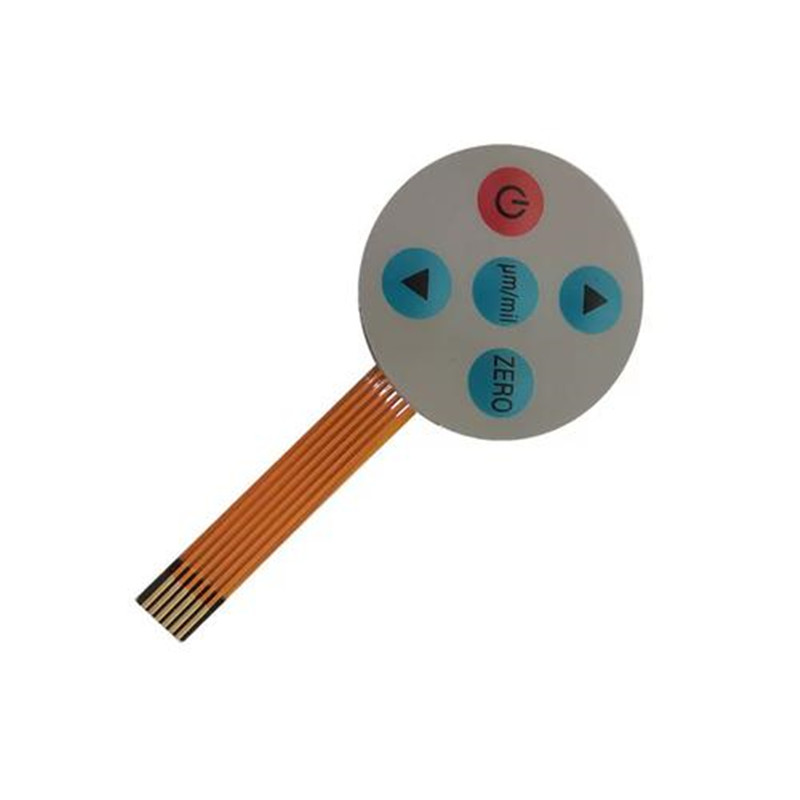
FPC Tail Flexible Circuit Membrane Keypad for Industrial IoT
View Specifications →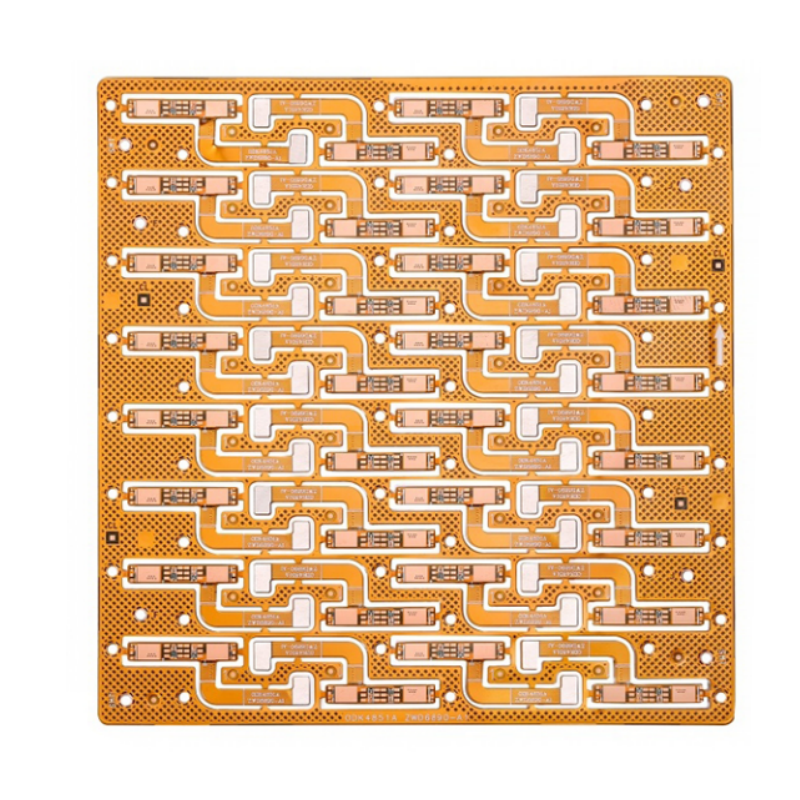
Turnkey Flexible PCB SMT Assembly & OEM PCBA Service
View Specifications →Engineering Metal Core PCBs for the Agro-Industrial & Energy Transition Hub of David
David, the capital of Chiriquí province and the economic engine of Western Panama, represents one of Central America's most dynamic regional industrial hubs. Positioned strategically along the Inter-American Highway corridor near the Paso Canoas border terminal, David acts as the vital logistics, processing, and agricultural distribution center connecting Panama with Costa Rica and greater Central America. As regional operations upgrade from basic assembly to high-efficiency industrial infrastructure, the demand for resilient power electronics, advanced horticulture lighting, solar power generation converters, and cold-chain automation hardware has surged exponentially.
However, the local microclimate of Chiriquí—characterized by persistent ambient temperatures exceeding 32°C (90°F), relative humidity commonly reaching 85% to 95% during the prolonged wet season, and elevated levels of electrical grid transients—imposes extreme mechanical and thermal stresses on solid-state electronics. Standard FR-4 substrate printed circuit boards, which feature an extremely poor dielectric thermal conductivity of approximately 0.25 W/m·K to 0.30 W/m·K, rapidly suffer from localized thermal accumulation (heat trapping), catastrophic thermal runaways, delamination, and rapid lumen depreciation in high-power lighting systems. To meet the stringent duty cycles required by David's industrial cold-storage packing facilities, commercial aquaculture pumping stations, and solar-plus-storage microgrids, equipment designers must transition directly to engineered Metal Core PCBs (MCPCBs).
Physical Composition & Thermal Dynamics of Metal Core Substrates
Unlike standard rigid boards, an engineered Metal Core PCB is composed of three interconnected layers optimized for unidirectional, vertical thermal dissipation:
1. Circuit Layer (Copper Foil): Typically utilizing rolled annealed (RA) or electro-deposited (ED) copper ranging from 1 oz (35 μm) up to 6 oz (210 μm). For high-amperage applications such as industrial brushless DC (BLDC) motor drivers and central solar PV inverters in David, heavy copper weight ensures minimal I²R resistive power dissipation and uniform current distribution.
2. Thermally Conductive Dielectric Prepreg: The single most critical engineered layer of the entire stack. This dielectric comprises a high-Tg polymer matrix densely filled with sub-micron ceramic particles (such as Aluminum Oxide Al²O³ or Boron Nitride BN). It combines high electrical insulation (with breakdown voltage >3.0 kV to 6.0 kV AC) with thermal conductivity ranging from 1.0 W/m·K up to 8.0 W/m·K, drastically compressing thermal resistance (θjc).
3. Base Metal Plate (Heat Sink Core): Most commonly alloyed from Aluminum 5052 or 6061 (thermal conductivity ~138–167 W/m·K) for optimal mechanical stiffness, flatness, and weight ratio; or pure Copper C1100 (thermal conductivity ~385–400 W/m·K) for ultra-high concentrated heat flux devices like COB LED arrays and automotive radar transceivers.
| Substrate Architecture | Thermal Conductivity (W/m·K) | Dielectric Breakdown (kV/mm) | Glass Transition (Tg) | Coefficient of Thermal Expansion (CTE) | Primary Use Case in David Market |
|---|---|---|---|---|---|
| Standard FR-4 Glass Epoxy | 0.25 – 0.35 | 14 – 18 | 130°C – 150°C | 14 – 17 ppm/°C (X/Y) | Low-power logic boards, small IoT sensors, display backplanes |
| Standard Aluminum MCPCB (1.0 W) | 1.0 – 1.5 | > 25 | 130°C | 22 – 24 ppm/°C | Indoor commercial LED fixtures, downlights, residential fans |
| High-Thermal Aluminum MCPCB (3.0 W) | 3.0 – 4.2 | > 35 | 150°C – 180°C | 18 – 21 ppm/°C | High-bay cold storage lighting, agricultural solar street lighting |
| Ultra-Performance MCPCB (5.0–8.0 W) | 5.0 – 8.0 | > 42 | > 180°C (Ceramic) | 16 – 19 ppm/°C | Industrial VFDs, central solar inverters, stadium architectural floods |
| Direct Thermal Path Copper (DTP-Cu) | ~385 – 400 (Direct) | N/A (Exposed Pad) | N/A (Solid Copper) | 16.5 ppm/°C | Automotive LED headlights, laser modules, high-current battery chargers |
Localized Industrial Application Scenarios in David & Western Panama
Shenzhen VUKO Electronics engineers and exports custom Metal Core PCBs specifically tuned to the operating demands of key economic sectors across David, Boquete, Puerto Armuelles, and the border logistics hub of Paso Canoas:
Agro-Industrial Cold Chain & Processing
From coffee processing wet mills in Boquete to beef, banana, and citrus packaging plants in David, refrigerated holding facilities demand IP65-sealed LED luminaires that resist condensation, cyclic chilling down to -25°C, and corrosive cleaning agents. Our aluminum MCPCBs maintain stable solder joints under thermal cycling.
Solar Irrigation & Off-Grid Power Inverters
Chiriquí's agricultural lowlands feature rapid installation of decentralized solar photovoltaic water pumping and battery energy storage systems (BESS). Heavy copper (3 oz to 5 oz) aluminum-backed boards pull destructive heat away from switching MOSFETs and IGBTs operating under sustained equatorial solar irradiance.
Highway Logistics & Marine Transport
Operating near the Port of Pedregal and handling heavy transit traffic on the Pan-American Highway, commercial trucking fleets, heavy machinery, and marine vessels require ruggedized auxiliary LED lighting, vehicle controllers, and vibration-proof DC-DC converters resistant to salt spray, humidity, and mechanical shock.
Market Dynamics & Emerging Procurement Trends in David
Three primary macro factors are currently reshaping electronics procurement in Western Panama:
1. Strict Energy Efficiency Compliance & Tariff Pressures: Electricity costs in Panama remain among the highest in the region. Municipalities across David and Chiriquí are aggressively replacing mercury-vapor and high-pressure sodium street lamps with smart LED fixtures equipped with photocell dimming. Because fixtures are exposed to direct sunlight followed by torrential downpours, luminaires built on 1.0 W/m·K boards fail within 18 months due to solder junction fatigue. Local procurement contracts now increasingly specify minimum 3.0 W/m·K dielectric performance, 2 oz copper minimums, and ENIG (Electroless Nickel Immersion Gold) or Lead-Free HASL surface finishes.
2. Consolidation of BOM Sourcing & Mechatronic Integration: OEM manufacturers, industrial integrators, and repair service centers in David face significant shipping overhead when coordinating across multiple suppliers. There is a decisive move toward partnering with comprehensive manufacturers who provide bare MCPCB fabrication alongside full turnkey SMT assembly, silicone or membrane switch human-machine interface (HMI) panels, and passives kitting under a single unified bill of materials (BOM).
3. Resilience Against Humid Oxidation & Galvanic Corrosion: Standard anti-oxidation coatings like bare OSP (Organic Solderability Preservatives) frequently degrade during transpacific transit or storage in David's unconditioned warehouses. Purchasing managers now systematically mandate White High-Reflectivity Soldermask (>88% reflectance, UV non-yellowing) and conformal coating (polyurethane or silicone base) to shield copper traces from galvanic corrosion caused by sustained tropical condensation.
Why Global Buyers and Panamanian Engineers Choose VUKO Electronics
Located in the heart of Shenzhen's elite electronics manufacturing hub, Shenzhen VUKO Electronics Co., Ltd. provides Panamanian enterprises and international OEMs with an end-to-end industrial manufacturing bridge. Unlike trading intermediaries, we operate specialized production and surface-mount technology (SMT) lines certified under ISO 9001 and compliant with international UL 94V-0 flammability and RoHS non-hazardous materials directives.
Our core advantages tailored for the David market include:
• Rigorous Pre-Production DFM Verification: Every Gerber package, drill layer, and mechanical milling profile is scrutinized by seasoned CAM engineers within 24 hours. We verify trace creepage distances, dielectric breakdown safety margins, V-scoring clearances, and panelization layouts to prevent assembly delays.
• Turnkey Component Kitting & Counterfeit Elimination: We maintain direct franchised distributor relationships for switching ICs, high-flux LEDs (Lumileds, Cree, Osram, Bridgelux), connectors, and passive components, safeguarding your boards against counterfeit components and unexpected factory line halts.
• Flexible Prototyping to Full Container Scaling: Whether you require 5 sample boards for bench testing a solar pump controller in Chiriquí or 50,000 panelized boards for regional infrastructure deployment, our facilities offer low barrier-to-entry prototyping backed by automated high-speed Panasonic and Yamaha SMT placement lines.
• Comprehensive Quality Control & Traceability: Every bare MCPCB undergoes automated optical inspection (AOI) for trace defects and flying-probe / bed-of-nails electrical testing for shorts and opens. Turnkey assemblies receive automated solder paste inspection (SPI), thermal profile reflow verification, and full functional bench testing prior to moisture-barrier anti-static packaging.
Frequently Asked Questions for David & Latin American Buyers
Key technical, logistics, and compliance considerations when importing custom Metal Core PCBs into Western Panama.
What specific design files and documentation are required to quote an MCPCB project?
How does high relative humidity in Chiriquí affect surface finish selection?
What logistics routes and Incoterms are recommended for shipments to David, Panama?
Can VUKO produce curved, round, or custom-milled aluminum PCB profiles for retrofit fixtures?
What payment mechanisms and buyer protections are available for new Panamanian clients?
How do you verify the dielectric breakdown voltage of Metal Core PCBs before dispatch?
Accelerate Your Thermal Hardware Deployment in David
Partner directly with Shenzhen VUKO Electronics for factory-direct Metal Core PCB fabrication, comprehensive turnkey SMT assembly, and guaranteed on-spec export delivery. Send your Gerber files and BOM today for an engineer-led review and quotation within 24 hours.
Contact Us