Featured PCB Assemblies, Components & Control Hardware
Explore our top industrial-grade electronic components, flexible circuits, and turnkey assembly offerings engineered to withstand challenging tropical operating environments and rigorous export standards.
Engineering Rigor for Heredia’s Technology & Life Sciences Ecosystem
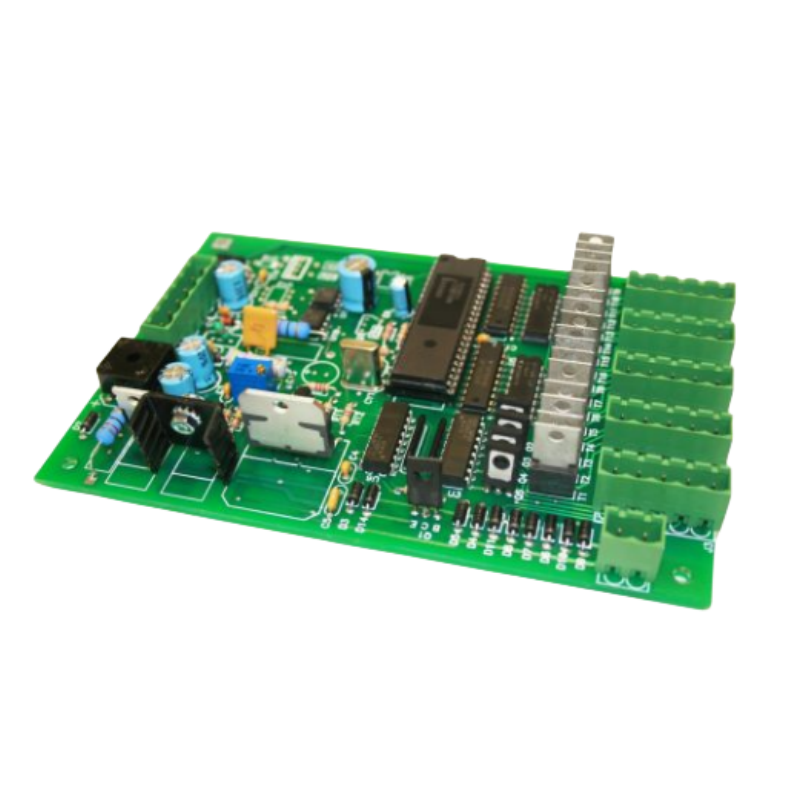
The province of Heredia stands at the beating heart of Central America's Silicon Valley. Anchored by major industrial parks such as America Free Zone (AFZ), Global Park, and UltraPark, Heredia hosts an unmatched concentration of multinational medical device corporations, aerospace design centers, industrial automation OEMs, and contract engineering facilities. In this high-velocity manufacturing climate, printed circuit board assemblies (PCBAs) serve not merely as structural substrates, but as mission-critical backbones where zero failure tolerance, thermal stability, and tight component tolerances dictate brand viability.
Shenzhen VUKO Electronics Co., Ltd. bridges the gap between advanced Chinese manufacturing velocity and the stringent procurement protocols mandated by Heredia’s Free Trade Zone (Zona Franca) enterprises. By integrating bare-board fabrication, automated surface-mount assembly (SMT), precision flexible circuits (FPC), and membrane human-machine interfaces (HMI) under a unified Quality Management System, VUKO eliminates the friction, supply chain fragmentation, and traceability vulnerabilities frequently encountered when splitting fabrication across disparate vendors.
Conquering Environmental Stress: Tropical Climates & High-TG Substrates
A distinctive technical challenge encountered by electronic equipment deployed in Heredia and Central America is relative humidity (RH). Average ambient humidity across Costa Rica’s Central Valley frequently exceeds 75% to 85% during the rainy season. High ambient moisture accelerates electro-chemical migration (ECM), dendritic copper growth across tightly spaced traces, and premature leakage current between conductive pads. When specifying circuit boards for Heredia deployments, conventional low-TG FR-4 laminates can become vulnerable to moisture uptake and micro-delamination during wave soldering or high-vibration operation.
To mitigate these environmental vectors, VUKO implements High-TG laminates (TG 170°C to 180°C) utilizing base materials from industry leaders such as Shengyi (S1000-2/S1170) and Isola. High-TG materials display significantly lower Z-axis coefficient of thermal expansion (CTE), maintaining via barrel integrity across extreme thermal transitions. Furthermore, for outdoor smart agriculture sensors, water treatment monitors, and factory automation controllers deployed in the Central Valley, we apply state-of-the-art selective conformal coatings—including modified acrylics, polyurethanes, and thin-film silicones certified to IPC-CC-830 standards—to provide an impervious dielectric barrier against humidity, airborne contaminants, and sulfur gases.
Micro-Pitch Assembly & Multi-Tier Inspection Protocols
Modern design layouts arriving from Heredia engineering desks often feature compact, dense real estate: fine-pitch Ball Grid Arrays (BGA down to 0.4mm pitch), 0201/01005 passive resistors and capacitors, quad-flat no-leads (QFN) packages with exposed thermal ground pads, and flexible interconnects. Manufacturing these designs without solder bridges, voiding, or tombstoning demands strict process control:
Our production facilities in Shenzhen employ Japanese high-speed pick-and-place lines running Yamaha and Panasonic equipment, paired with fully automated 3D Solder Paste Inspection (SPI). 3D SPI evaluates solder volume, height, and offset in real time prior to component placement, intercepting more than 75% of potential assembly anomalies before the board enters the 10-zone nitrogen-purged reflow oven. Following reflow, assemblies pass through 3D Automated Optical Inspection (AOI) and high-resolution automated X-ray inspection (AXI) to evaluate solder ball alignment, intermetallic thickness, and void percentages underneath BGA balls, ensuring all solders comply with IPC-A-610 Class 2 or Class 3 aerospace and medical device thresholds.
Localized Application Scenarios Across Heredia
From cleanroom diagnostic equipment in Free Trade Zones to robust industrial control panels in local food processing facilities, our hardware is customized for specific local deployments.
Medical Devices & Bio-Instrumentation
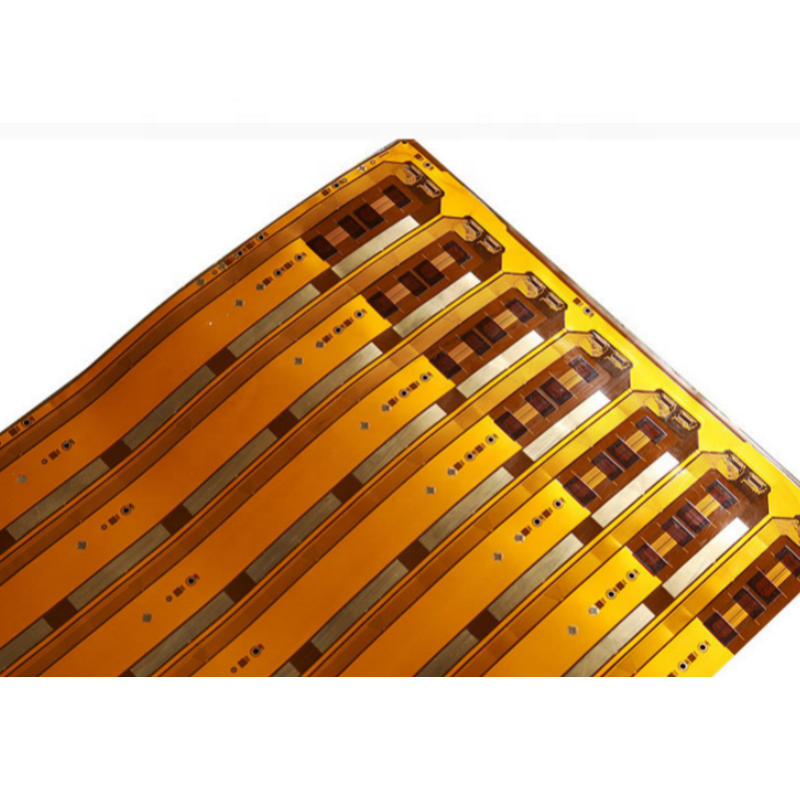
Heredia represents a global capital for life sciences. We supply custom polyimide flexible circuits (FPCs), multi-layer rigid-flex boards, and miniature sensor sub-assemblies for surgical devices, catheter monitoring systems, and clinical laboratory analyzers requiring strict material trace verification.
Cleanroom HMI & Machine Control
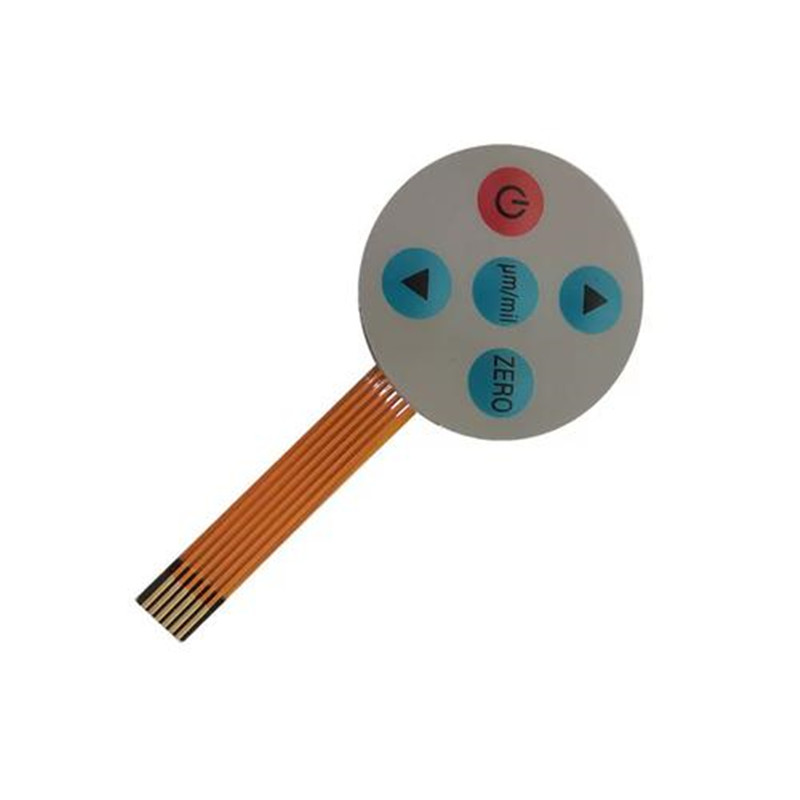
Pharmaceutical and clean-manufacturing plants in America Free Zone demand sealed operator interfaces. Our polyester and polycarbonate membrane keypads with metal dome tactile feedback feature IP65/IP67 ingress ratings, resisting routine chemical wipe-downs, isopropyl alcohol, and sanitizers.
Smart Agro-Tech & Climatic Monitoring
Central Valley coffee plantations and agricultural research facilities deploy remote telemetry hubs. We provide low-power micro-controller PCBAs integrated with wireless transceivers, conformal-coated power boards, and sensor interfaces configured to endure heavy tropical downpours.
Renewable Energy & High-Power Lighting
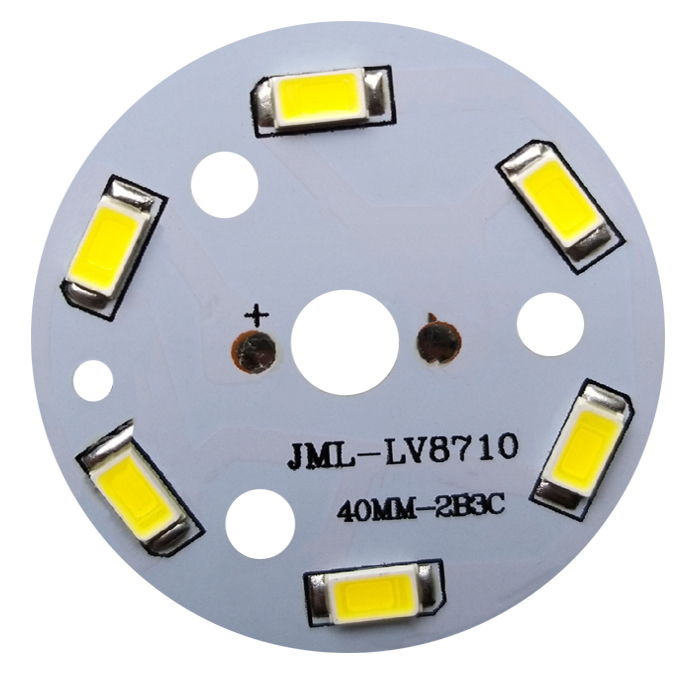
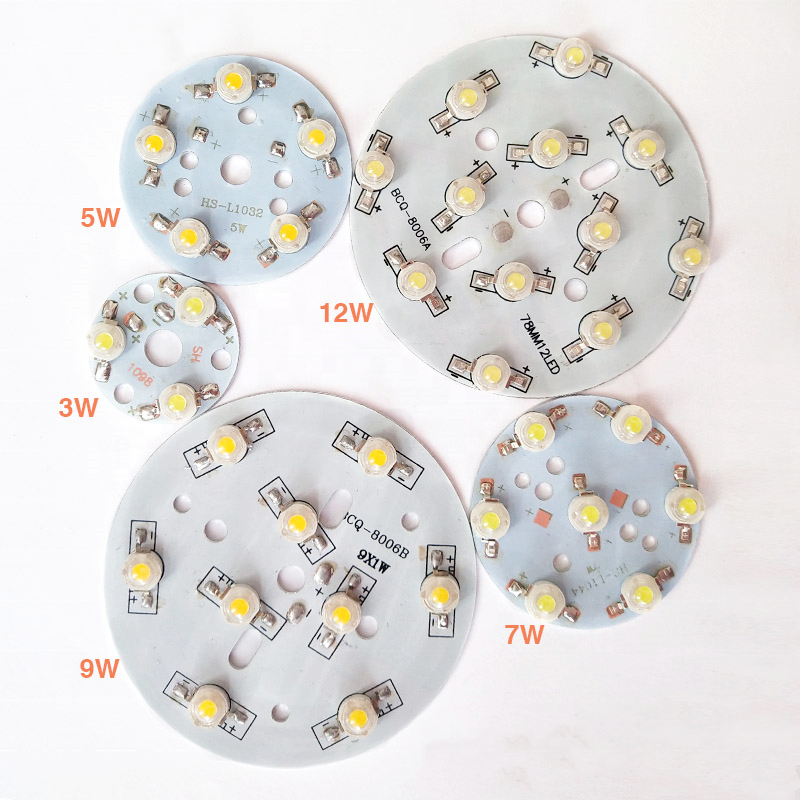
Costa Rica's world-leading renewable electrical grid creates strong demand for high-efficiency inverter circuits, smart EV charger controllers, and aluminum metal-core PCBs (MCPCBs) delivering 1.0–5.0 W/m·K thermal dissipation for architectural and municipal LED infrastructure.
Heredia Sourcing Trajectory: What Hardware Leaders Expect (2025–2030)
Hardware product managers and supply chain directors across Costa Rica are navigating shifting tariff dynamics, rapid nearshoring mandates, and accelerated prototype cycles.
1. Agile High-Mix, Low-to-Medium Volume (HMLV)
Unlike massive consumer electronics factories requiring hundreds of thousands of identical boards, Heredia’s R&D centers prioritize nimble iteration. Engineering teams require seamless sample fabrication from 5 units for rapid design verification testing (DVT) with quick transitions to 5,000-unit pilot runs without punitive re-tooling charges or minimum order penalties.
2. Full-Turnkey BOM Component Risk Hedging
Global semiconductor allocations and erratic lead times have taught procurement managers that bare PCB suppliers are not enough. Heredia facilities increasingly choose turnkey PCBA providers that deliver active BOM scrubbing, proactive identification of end-of-life (EOL) components, and authorized sourcing of alternative active/passive parts directly via Shenzhen's component ecosystem.
3. SJO Air-Freight & Free Zone Compliance
Speed to market relies on seamless air logistics via Juan Santamaría International Airport (SJO). Procurement workflows mandate clean customs documentation, export commercial invoices categorized with correct HS codes, and standardized packaging (vacuum sealing, humidity indicator cards, anti-static shielding) to facilitate smooth Free Zone customs clearance.
Direct Advantages of Partnering with Shenzhen VUKO Electronics
Leveraging our geographic base in the heart of Shenzhen alongside 14+ years of global OEM export experience to deliver engineering transparency and manufacturing precision.
Engineer-Led DFM in 24h
Before any copper is etched, our front-end engineers conduct a comprehensive Design for Manufacturability (DFM) review, inspecting annular rings, trace-to-edge tolerances, aspect ratios, and solder bridge risks to prevent costly project respins.
Complete Interconnect Stack
We supply the complete electro-mechanical spectrum under one purchase order: rigid multilayer PCBs (up to 32 layers), FPC flexible printed circuits, rigid-flex configurations, aluminum LED substrates, and custom tactile membrane switch panels.
Traceable BOM Procurement
Eliminate gray-market component hazards. Our dedicated supply chain unit purchases active ICs and passive passives strictly through franchised distributors and verified manufacturers, with full Certificate of Analysis (CoA) traceability available.
Trade Assurance & QC Assurance
All projects are supported by 100% electrical testing (flying probe or dedicated bed-of-nails fixture), AOI optical inspection, X-ray inspection for hidden solder joints, and the option for Alibaba Trade Assurance order protection.
Frequently Asked Questions for Heredia PCB Buyers
Key technical, regulatory, and logistics answers compiled specifically for procurement officers and engineering leads ordering from Costa Rica.
What design files and documentation are required to quote bare PCBs and PCBA turnkey assemblies?
Can VUKO ship directly to Free Trade Zones (Zonas Francas) in Heredia such as AFZ or Global Park?
How do you ensure circuit board reliability against Costa Rica's high ambient humidity?
What is your minimum order quantity (MOQ) for prototypes and low-volume production?
How do you manage component shortages, lead-time spikes, or obsolete active components on our BOM?
What quality testing is performed on populated boards before dispatch?
Can VUKO produce custom human-machine interfaces and membrane switches for medical devices?
What payment terms and order safeguards are available for international orders?
Accelerate Your Next Electronics Project in Heredia
Connect with our engineering review team today. Send your Gerber files and Bill of Materials for a comprehensive Design for Manufacturability (DFM) assessment and formal pricing analysis within 24 hours.