Engineered Component Solutions
High-Reliability HMIs, Sub-Assemblies & Sensors
Engineered for direct integration into Žilina’s rigorous industrial automation, automotive electronics, and harsh-environment manufacturing platforms.
Technical Whitepaper
PET Graphic Overlays in Modern Harsh-Environment HMIs
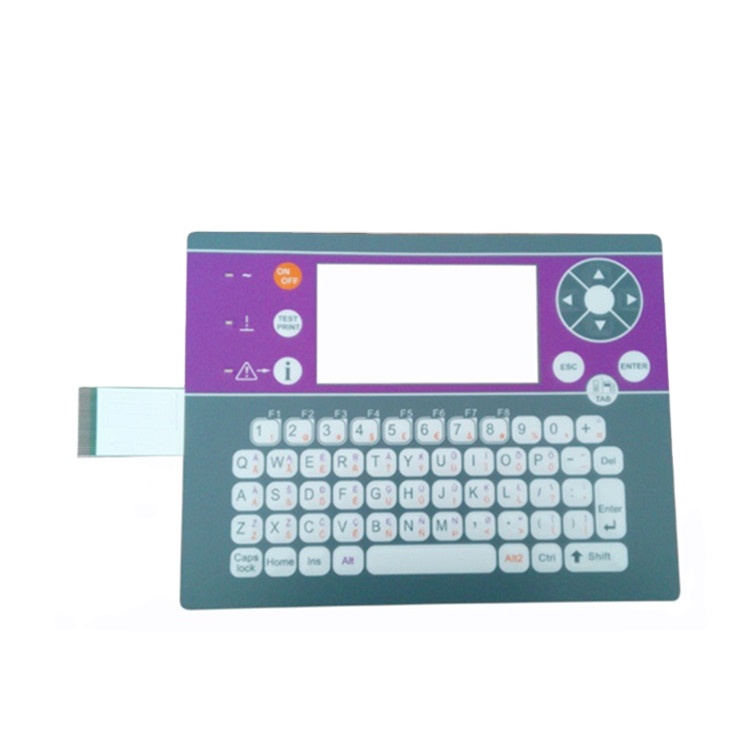
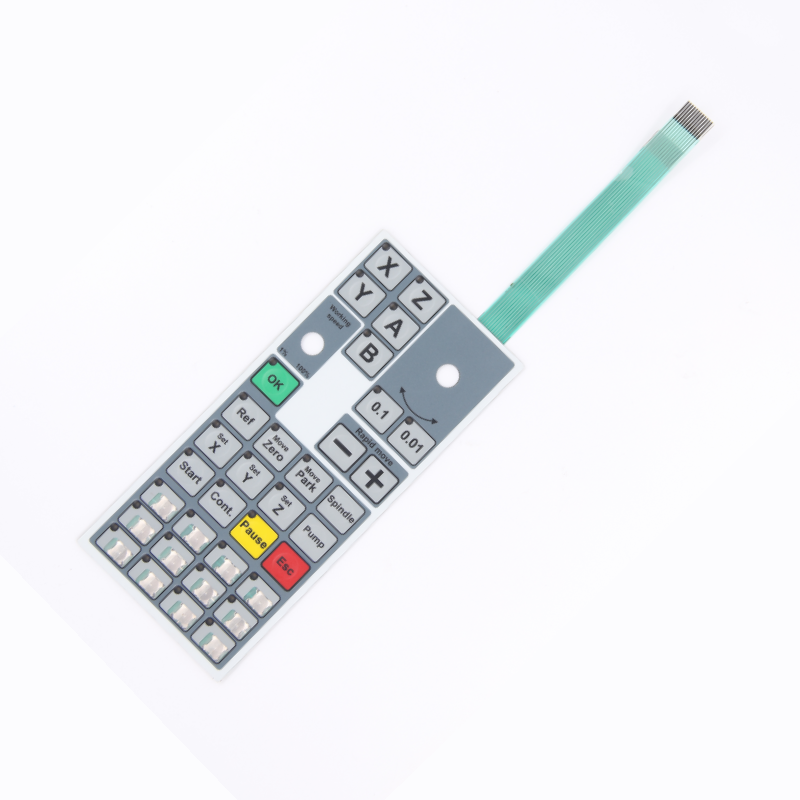
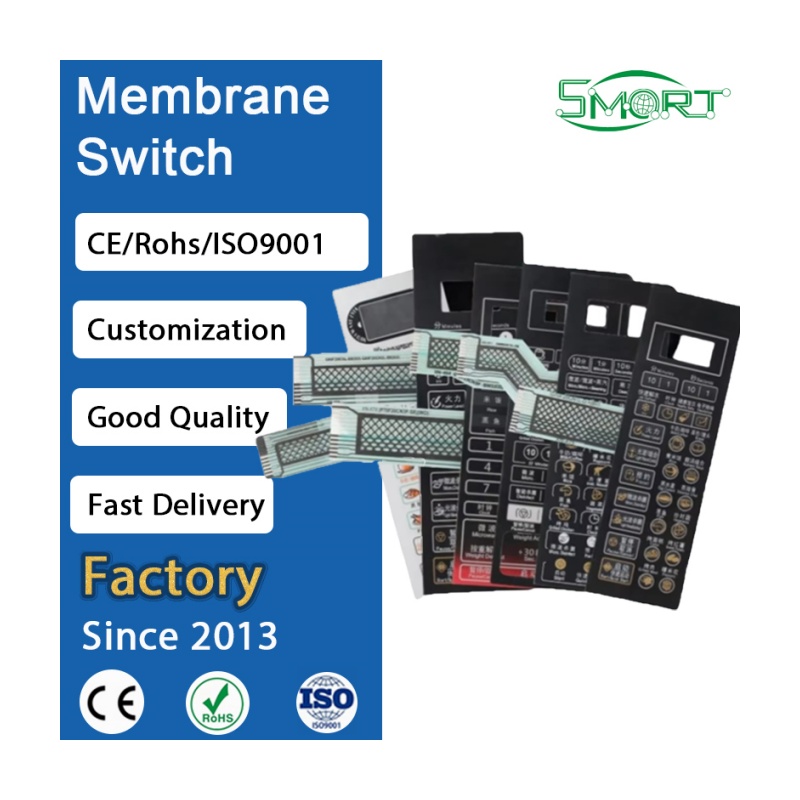
Polyester (PET, biaxially oriented polyethylene terephthalate) has superseded polycarbonate (PC) and polyvinyl chloride (PVC) as the material of choice for demanding front-panel user interfaces across Central and Eastern Europe's advanced manufacturing corridor. In high-cycling industrial deployments, human-machine interface panels face chemical degradation, aggressive sanitation protocols, airborne hydrocarbons, and mechanical fatigue. Polyethylene terephthalate films—such as industry-standard Autotype Autotex and Melinex—deliver an unmatched flex-life exceeding five million actuations without micro-cracking or hinge embrittlement.
>5.0M
Switch Actuation Cycles
IP67
Ingress Protection Rating
100%
AOI & E-Tested Continuity
24h
DFM Engineering Turnaround
Material Performance Specification: PET vs. Alternative Substrates
When selecting graphic overlays for critical control systems, hardware engineers must weigh chemical resistance, tensile modulus, switch rebound dynamics, and environmental flammability ratings. Below is an engineering comparison matrix illustrating why PET remains the authoritative benchmark for manufacturing facilities in the Žilina industrial basin:
| Performance Characteristic | Polyester (PET - Biaxially Oriented) | Polycarbonate (PC) | Polyvinyl Chloride (PVC) |
|---|---|---|---|
| Mechanical Flex Life (Actuations) | > 5,000,000 tactile operations | < 100,000 before embrittlement | < 50,000 (Low elastic recovery) |
| Chemical & Solvent Resistance | Impervious to alcohols, fuels, aliphatic solvents | Degrades rapidly with ketones & esters | Moderate; degrades under organic solvents |
| Operating Temperature Threshold | -40°C to +105°C continuous | -40°C to +125°C heat deflection | -10°C to +60°C maximum |
| Embossing Retention Under Temperature | Superior memory recovery (Rim/Pillow) | Poor thermoform memory over heat cycles | Prone to creep and thermal collapse |
| Optical Clarity & Window Textures | UV-selective clear windows; anti-glare | High transparency; scratch-prone surface | Cloudy tint; yellowing risk under UV |
Sub-Surface Printing & Adhesive Engineering
Longevity in harsh operating environments depends heavily on sub-surface reverse screen and high-definition digital hybrid printing. By depositing conductive silver tracks, dielectric insulation barriers, and Pantone-matched UV curable inks on the reverse face of the PET sheet, the design ensures graphic legends, brand iconography, and conductive traces never encounter physical abrasion, chemical spills, or direct environmental weathering.
Adhesion integrity is guaranteed through custom-specified 3M high-performance acrylic adhesive systems (such as 3M 467MP, 3M 468MP, or 3M 300LSE for low surface energy powder-coated chassis). These structural adhesive spacers accommodate thermal expansion differentials while hermetically sealing internal circuits against humidity, high-pressure washdowns, and fine particulates.
Žilina Industrial Applications
Tailored HMI Engineering for Regional Slovakian Sectors
Žilina serves as the northwestern nucleus of Slovakia's manufacturing ecosystem, demanding industrial controls that bridge high automation with reliable human-machine operation.
Automotive Tier-1 & Tier-2 Assemblies
Žilina is situated at the center of Slovakia's automotive cluster. Our PET graphic overlays power in-cabin secondary controls, factory diagnostic programming consoles, battery management interfaces, and automated guided vehicle (AGV) navigational panels requiring rugged, tactile feedback and strict flame-retardant compliance.
Heavy Industrial & Mechanical Engineering
Engineering plants throughout the Váh River Valley manufacture heavy machine tools, material-handling systems, and automated sorting infrastructure. These environments subject operators' panels to metal filings, cutting fluids, and mineral greases. Our IP67-rated PET panels prevent liquid ingress and ensure tactile dome switches retain rapid reset capability.
Smart Grid, Energy & Heating Systems
Slovakia’s ongoing clean energy transformation relies on smart thermal power monitors, biomass heating management units, and sub-station switchboards. We manufacture UV-stabilized, non-yellowing PET graphic overlays with anti-glare display windows specifically tuned for uninterrupted outdoor and industrial sub-station use.
Medical & Laboratory Diagnostic Electronics
Regional medical device manufacturers in the Žilina region depend on antimicrobial hard-coated PET overlays for diagnostic panels, patient monitors, and chemical testing enclosures. The non-porous structure tolerates daily sanitation using hospital-grade isopropyl alcohol and sodium hypochlorite disinfectants.
Industry Outlook 2025–2030
Future Trends in Human-Machine Interfaces Across Slovakia
The industrial landscape in Slovakia is transitioning rapidly from traditional hardware fabrication to automated, cyber-physical manufacturing systems aligned with EU Industry 4.0 initiatives. This transition is generating three major structural shifts in graphic overlay and membrane switch procurement:
1. Capacitive Touch & Optical Integration
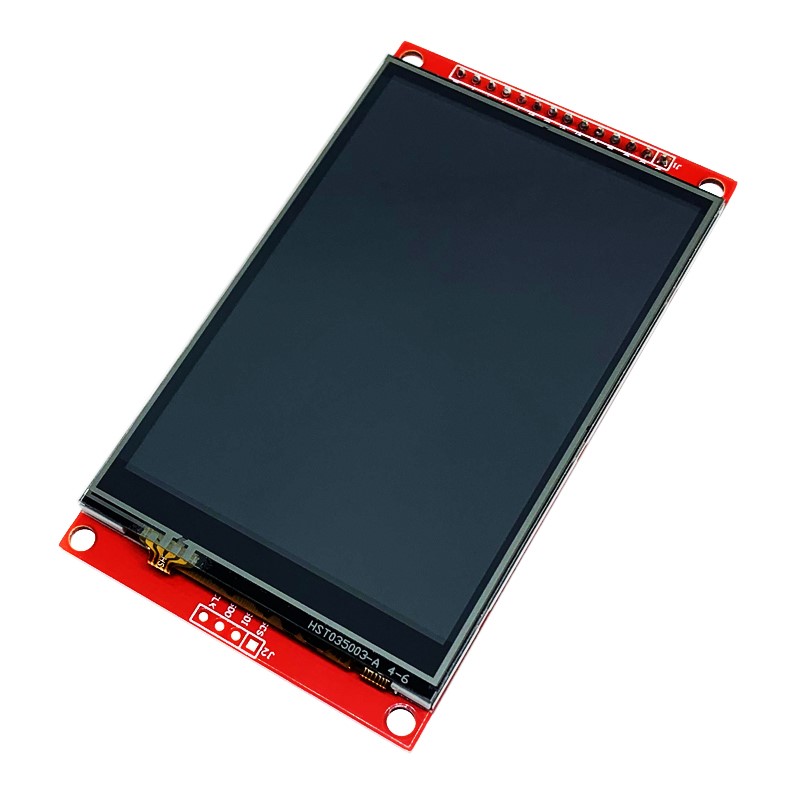
Mechanical keypads are converging with solid-state capacitive sensing arrays. Designers integrate transparent ITO circuits and precision-cut dead-front display windows behind PET films to achieve flush, unified HMI dashboards that support both TFT LCD displays and LED indicators.
2. Turnkey HMI Box-Build Integration
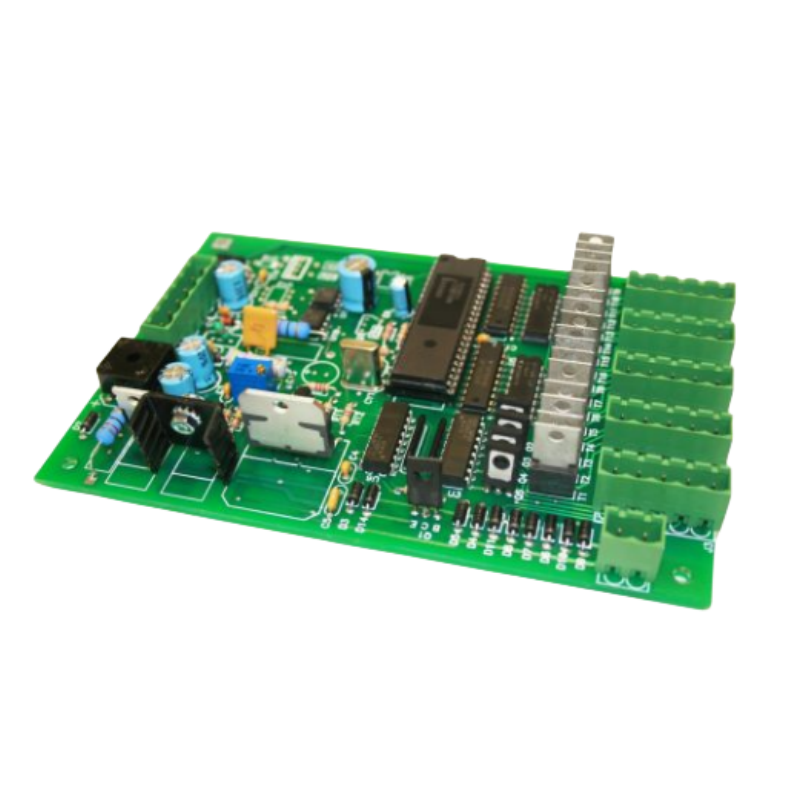
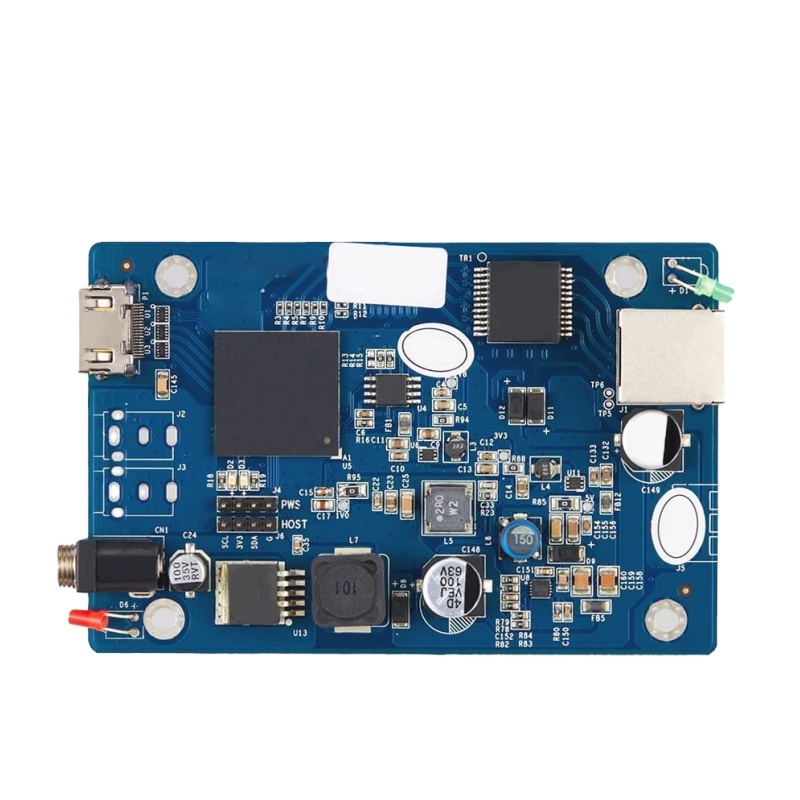
Procurement teams in Žilina increasingly reject fragmented supply chains where overlays, PCBs, cable harnesses, and metal enclosures are sourced separately. Sourcing shifts toward integrated providers that combine custom PET overlays, PCB assembly, FPC interconnects, and full functional testing in one package.
3. Green Supply Chain & Compliance
With strict European Green Deal and RoHS/REACH compliance frameworks governing Slovak assembly lines, overlays must guarantee zero halogen contamination, compliant acrylic glues, and sustainable lamination processes that eliminate volatile organic compound (VOC) outgassing.
Manufacturing Excellence
Why European OEMs Source Directly from VUKO
Leveraging Shenzhen’s unmatched electronics component cluster with dedicated direct-to-Slovakia express freight logistics and responsive engineering support.
Rapid 24-Hour DFM Engineering
Every CAD drawing, Gerber bundle, and BOM is reviewed within 24 hours by experienced electronics engineers. We catch key-travel spacing flaws, trace clearance errors, and material-layer incompatibilities before tooling cuts commence, eliminating costly prototyping delays.
Rigorous QA: AOI & Flying Probe
Every circuit layer and assembled PCBA undergoes full optical and electrical inspection. We deploy automatic optical inspection (AOI), high-voltage isolation insulation testers, contact loop resistance checks, and switch actuation force curve verifications to ensure 100% field reliability.
Low MOQ: Prototypes from 5 Pieces
We support innovative engineering teams in Žilina through agile new product introduction (NPI). Prototype batches begin from just 5 pieces with full digital laser cutting, enabling thorough real-world enclosure validation before scaling into cost-optimized mass production runs.
Complete One-Stop Electronics Ecosystem
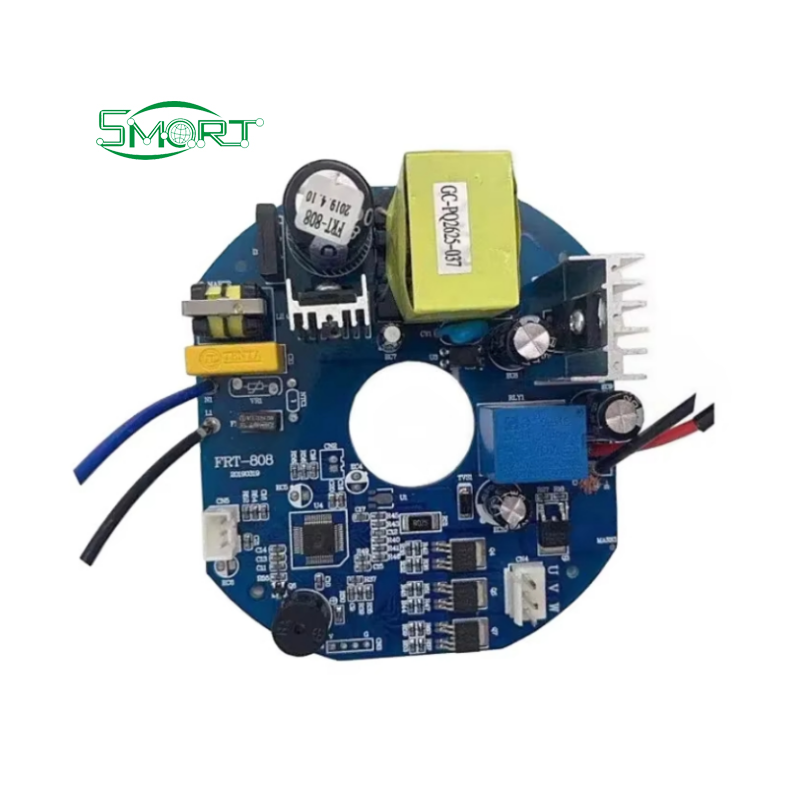
From bare FR4/metal-core PCBs and component sourcing to SMT pick-and-place assembly, flexible printed circuits (FPC), and hermetically sealed PET membrane keyboards—eliminate middleman markup by partnering directly with a unified manufacturer in Shenzhen.
Procurement Guidance
Frequently Asked Questions by Žilina Buyers
Clear answers regarding shipping, engineering requirements, trade protections, and technical integration.
What engineering design files are required to initiate a quote for a custom PET graphic overlay?
To prepare an accurate manufacturing quote and comprehensive DFM analysis, our engineering team requires:
- Graphic Artwork: Vector files (.AI, .CorelDRAW, or production-ready .PDF) detailing all Pantone (PMS) or RAL color specifications, line widths, and display window cutouts.
- Mechanical Enclosure Drawing: Dimensional drawings (.DWG, .DXF, or .STP) detailing outer edge tolerances, mounting cutouts, key embossing height/profiles (pillow or rim), and connector tail egress positions.
- Electrical Circuit Schematic: If the overlay integrates a flexible membrane switch or capacitive array, provide the pinout mapping, connector pitch (e.g., 2.54mm or 1.0mm ZIF), and contact rating requirements.
How does VUKO manage air freight logistics, import clearance, and lead times to Žilina, Slovakia?
We regularly ship directly to facilities across Slovakia—including Žilina, Bratislava, Trnava, and Košice. We provide door-to-door express delivery via DHL, FedEx, and UPS Express with typical transit times of 3 to 5 business days from our Shenzhen factory to Žilina. All shipments are accompanied by precise commercial invoices, packing lists with TARIC/HS tariff classifications, and Certificates of Origin to streamline European customs entry under standard Slovak VAT and import procedures.
Can our engineering team order low-volume prototypes before approving mass tooling?
Yes. We actively encourage an initial pilot build of 5 to 50 units for functional validation. For low-volume prototyping, we deploy state-of-the-art digital UV flatbed printing and high-precision CNC laser or plotter cutting. This workflow eliminates custom steel rule die costs, allowing Slovakian engineers to adjust graphic layouts, key actuation travel, and connector fit before investing in mass production tooling.
How are financial transactions and quality standards protected for overseas purchasers?
Orders can be placed via Alibaba Trade Assurance, which provides comprehensive escrow payment protection, production tracking, and on-time shipment guarantees. Additionally, we provide standard international wire transfers (T/T). Quality is guaranteed through our ISO 9001 certified manufacturing protocols, 100% electrical testing for open/short circuits, adhesion peel tests in accordance with ASTM standards, and RoHS/REACH compliance certifications provided with every batch.
What tactile switch configurations and LED backlighting options are available?
We provide stainless steel tactile metal domes ranging from 6mm to 20mm with actuation forces spanning 180g to 500g, delivering crisp tactile feedback even when operated by technicians wearing heavy industrial safety gloves. Backlighting can be accomplished using ultra-thin surface-mount (SMD) side-firing LEDs embedded directly within the polyester spacer layer, electroluminescent (EL) foils, or custom fiber-optic diffusion plates designed for minimal battery consumption.