Sensor Telemetry
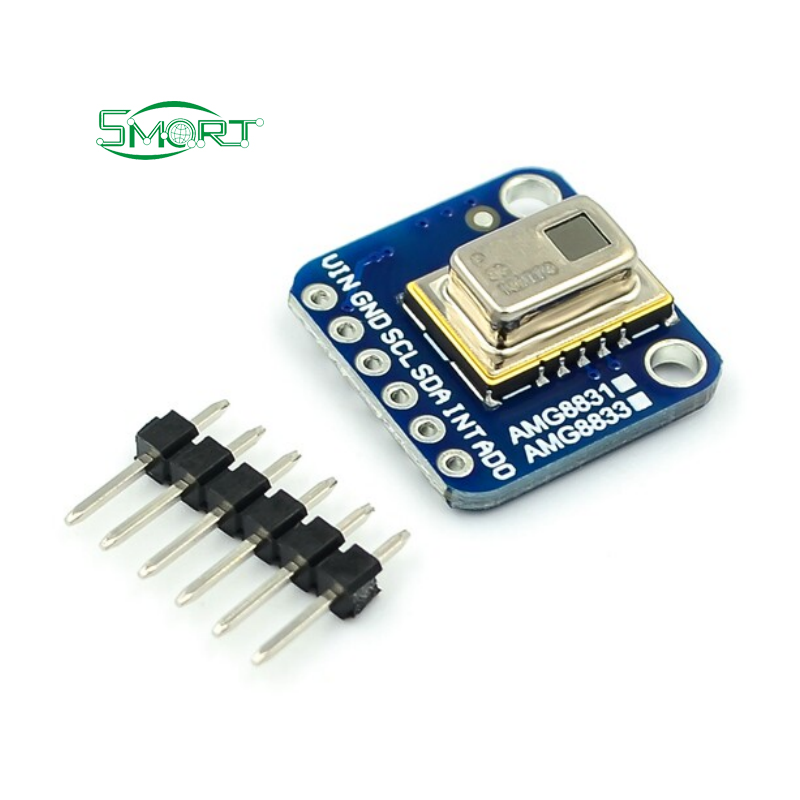
GY-AMG8833 8x8 Infrared Thermal Imager Array Sensor Module
I2C interface, non-contact temperature detection, ideal for predictive heat mapping in industrial switchgear and automation hubs.
View SpecificationPrecision-manufactured bare boards, custom user-interfaces, thermal elements, and populated modules meeting demanding international IPC and ISO standards.
I2C interface, non-contact temperature detection, ideal for predictive heat mapping in industrial switchgear and automation hubs.
View Specification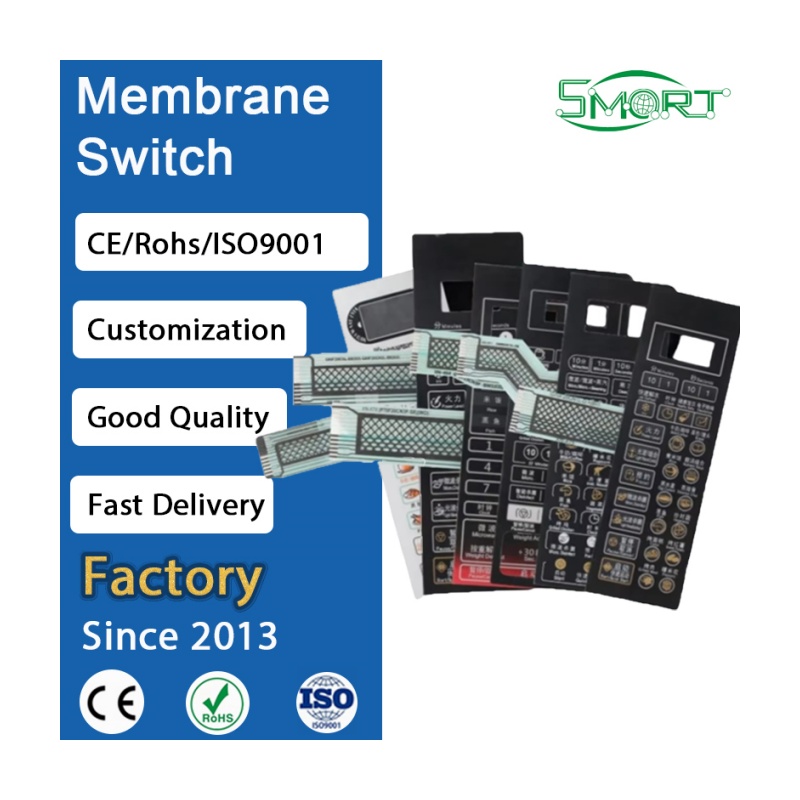
IP65/IP67 rated front interfaces with integrated tactile metal domes, graphic overlays, and moisture-resistant flex circuitry tails.
View Specification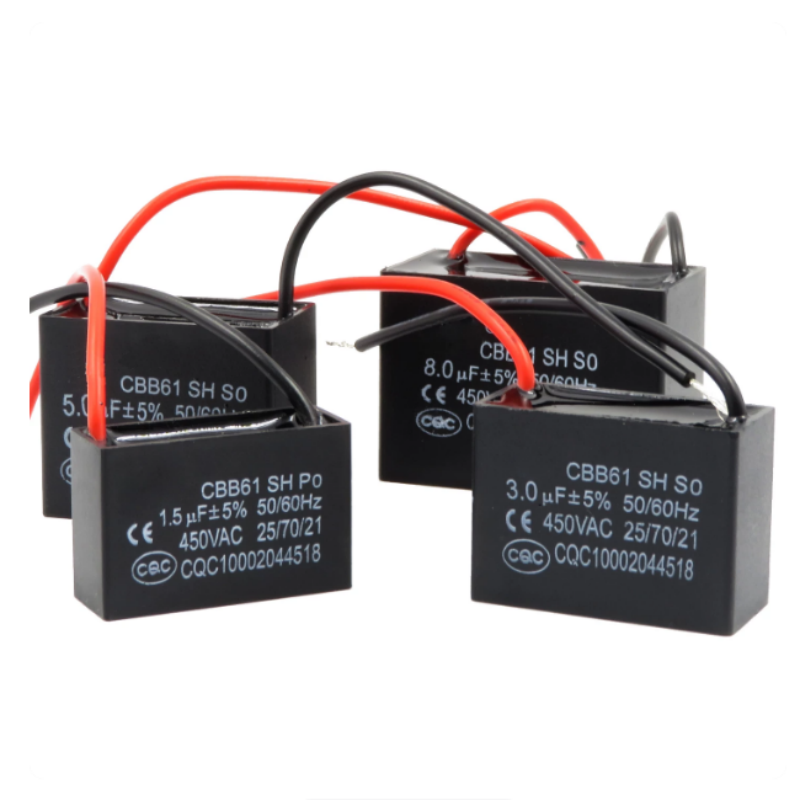
High insulation resistance, self-healing metallized polypropylene dielectric for industrial ventilation and motor drives.
View Specification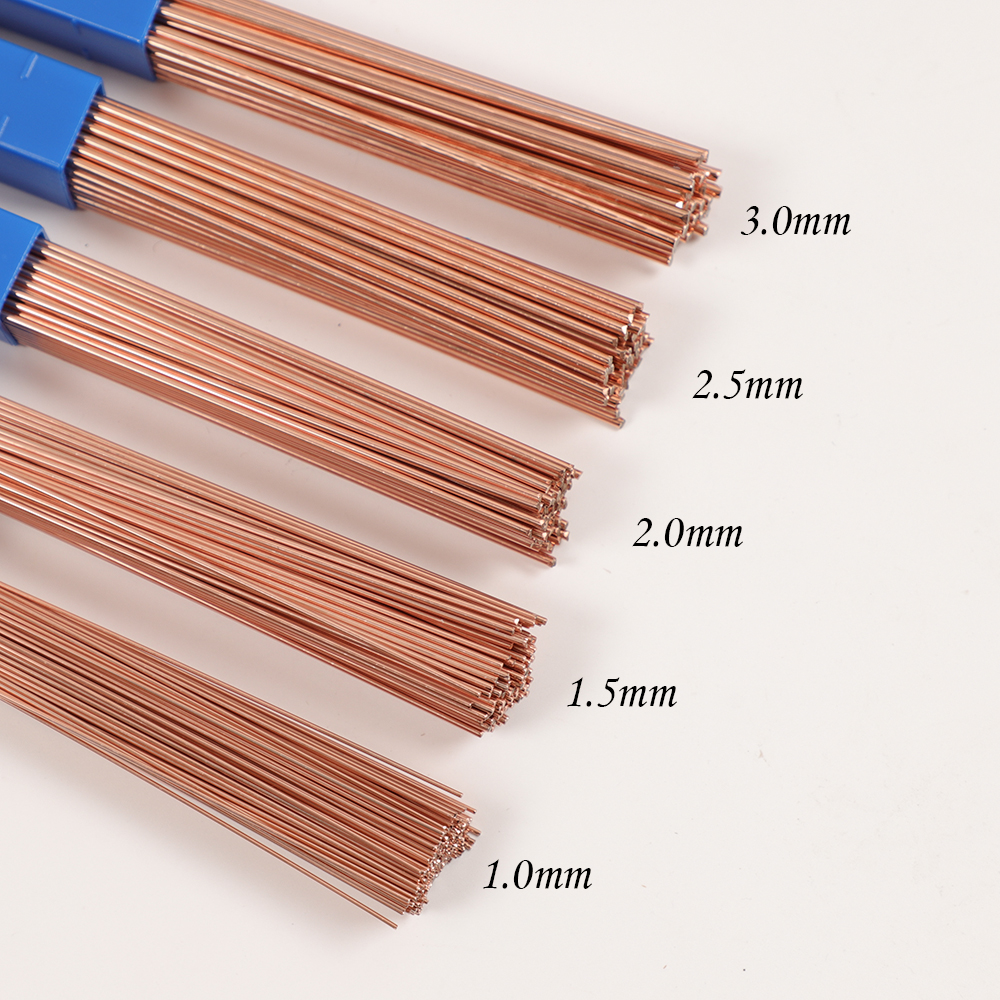
Specialized bonding alloy for high-conductivity thermal copper pads, ground planes, and specialized heavy-busbar interconnects.
View Specification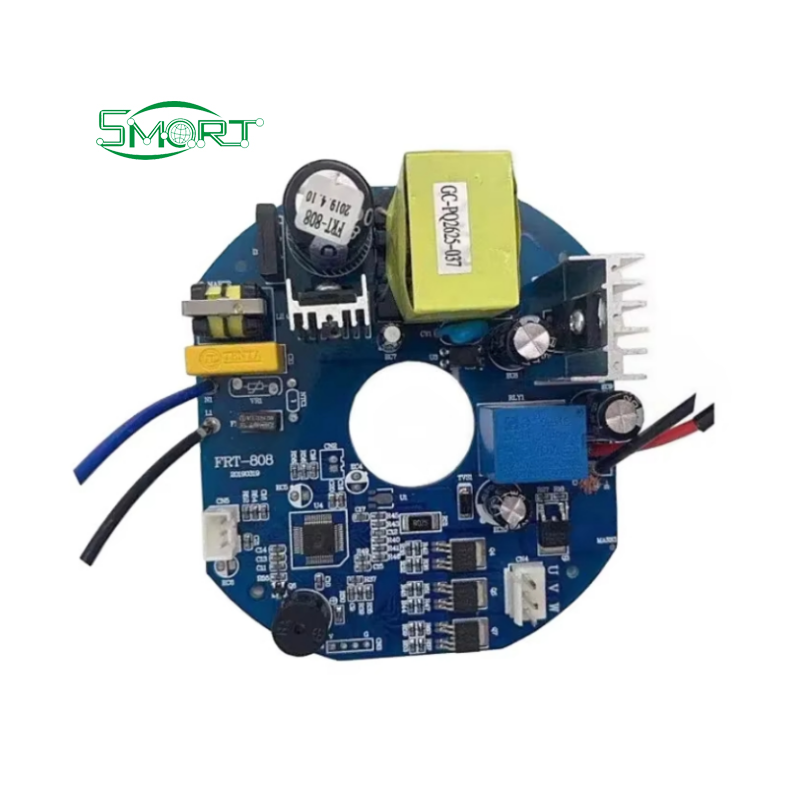
Optimized thermal layout, 1 oz to 3 oz copper options, integrated microcontroller driver circuits with AOI and functional validation.
View Specification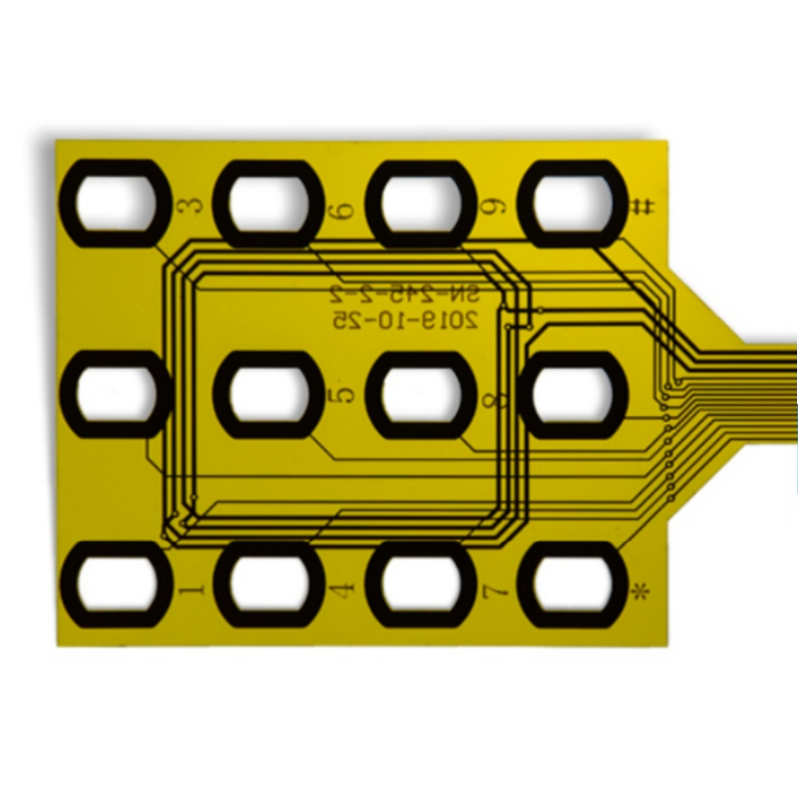
Polyimide core, ENIG surface finish, selective stiffeners (FR4/Steel), tailored for continuous dynamic flexing and space-limited housings.
View Specification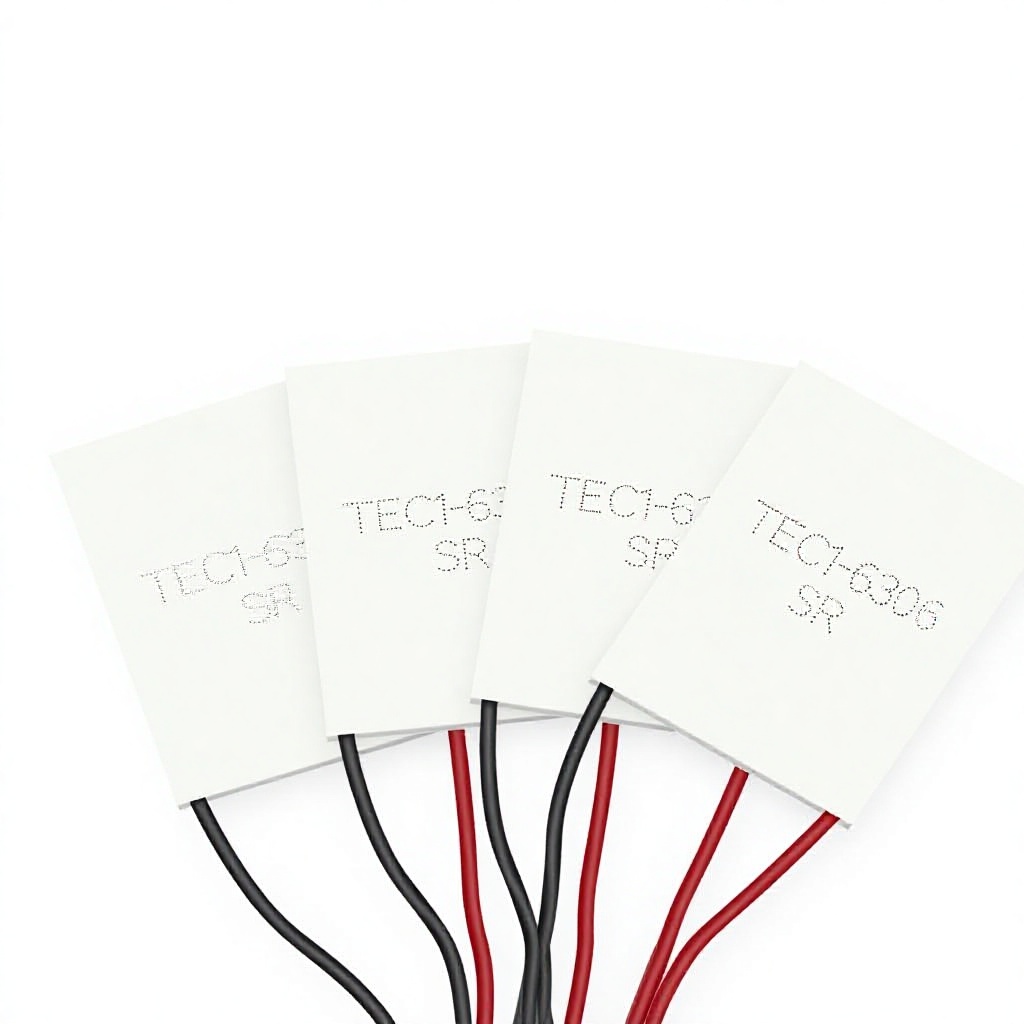
Solid-state active cooling for laser sensors, analytical enclosures, and localized semiconductor thermal equalization.
View Specification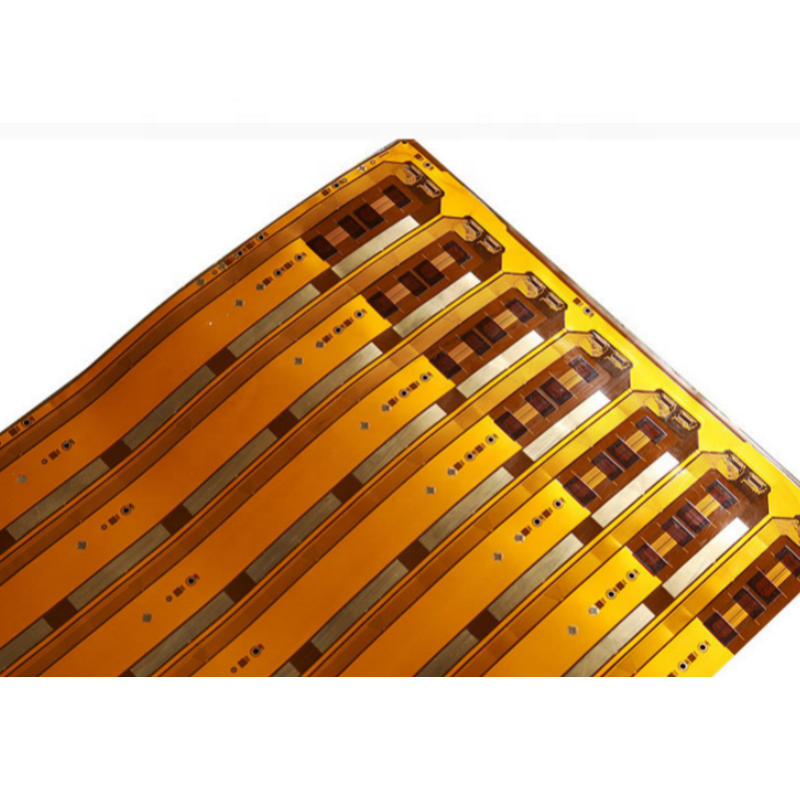
Quick-turn DFM engineering review, single/double/multilayer prototypes delivered with flying probe verification in rapid lead times.
View SpecificationDifferdange, recognized historically as a cornerstone of Luxembourg’s steel and metallurgical powerhouses (Chiers, Differdange rail works, and modern ArcelorMittal facilities), is experiencing an intense structural transformation into advanced mechatronics, smart construction robotics, green transition technologies, and automated logistics. As industrial equipment shifts toward distributed sensing, edge telemetry, and vibration-resistant electronic control, standard rigid FR-4 boards joined by wire harnesses and plastic ribbon cables are experiencing catastrophic failure rates caused by thermal cycling, sustained electromagnetic interference (EMI), and mechanical shock.
A true rigid-flex circuit board is not merely an assembly of flexible circuits plugged into rigid panels; it is a unified, heterogeneously bonded monolith. By interleafing adhesiveless Polyimide (PI) flex cores between rigid FR-4 or High-Tg laminates, rigid-flex circuits eliminate mechanical connectors, solder wire interfaces, and bulky terminal strips. For engineering procurement managers and hardware design teams operating within Differdange, the transition to custom rigid-flex PCBs delivers direct mechanical reliability gains, reduction of housing footprints up to 60%, and pristine signal integrity across high-speed industrial Fieldbus, Ethernet/IP, and differential sensor protocols.
The operational environment in southern Luxembourg’s heavy machine architectures requires resilient dielectric properties. Below is our standard multi-layer rigid-flex stack-up specification benchmarked for continuous vibration and thermal variations from -40°C to +135°C:
| Layer Segment | Substrate / Core Material | Dielectric Constant (Dk @ 1GHz) | Standard Thickness | Local Industrial Engineering Advantage |
|---|---|---|---|---|
| Rigid Outer Layers (1 & 4+) | Shengyi S1000-2M / IT-180A (High Tg 170-180°C FR-4) | 4.4 – 4.6 | 0.2mm – 1.6mm (Configurable) | High glass transition temperature prevents Z-axis barrel cracking during wave and reflow soldering. |
| Flex Inner Core (L2 - L3) | Adhesiveless Polyimide (DuPont Pyralux / Shengyi PI) | 3.2 – 3.4 | 12.5µm – 50µm (0.5 – 2 mil) | Eliminates acrylic adhesive layer issues; vastly improves dynamic bend radius and thermal aging stability. |
| Flexible Coverlay | Polyimide Film + Thermoset Epoxy / Acrylic Adhesive | 3.5 | 25µm film / 25µm adhesive | Impervious to industrial lubricants, hydraulic mist, and atmospheric humidity typical in metal processing plants. |
| Bondply / No-Flow Prepreg | Polyimide or Low-Flow FR-4 Prepreg (Tg 170°C) | 4.0 – 4.2 | 50µm – 100µm | Strict resin rheology control prevents excess resin overflow onto the dynamic flexing bend zone. |
| Selective Stiffeners | FR-4, Stainless Steel (SUS304), or Polyimide Plate | N/A (Mechanical) | 0.1mm – 1.5mm | Provides localized zero-flex planar rigidity under dense SMT fine-pitch BGAs, QFNs, and power switching MOSFETs. |
In Differdange automated steel processing cradles, overhead crane sensors, and automated sorting rail shuttles, high-frequency kinetic movement causes repetitive flexural strain. A common failure in lower-grade flex assemblies is copper trace cold-work hardening and subsequent tearing. Our Shenzhen manufacturing lines implement rolled-annealed (RA) copper foils rather than electro-deposited (ED) foils within the bend segments. RA copper features horizontally elongated, grain-aligned microstructures that endure millions of continuous flex cycles at bend ratios of 10× stack-up thickness without impedance degradation or resistive micro-fissures.
Direct implementations where rigid-flex reliability, membrane interface integrity, and high-current PCBAs solve critical physical challenges.
Differdange's metallurgy requires thermal mapping and telemetry instrumentation located mere inches from heavy extrusion and blast furnaces. Rigid-flex harnesses combined with our GY-AMG8833 thermal imagers and peltier cooling substrates deliver localized edge telemetry without cable burnout or connection vibration fatigue.
Next-generation automated material handling facilities in the Greater Region utilize articulating robotic arms. Traditional circular cables break under rotational torque. By replacing wire harnesses with multi-tier dynamic rigid-flex loops, robotic knuckles preserve high-speed CAN, Ethernet, and multi-axis encoder feedback.
Differdange's aggressive decarbonization targets demand high-efficiency brushless DC motor controllers and sub-station power conditioners. Our heavy copper rigid-flex boards and BLDC controller assemblies combine multi-phase high-current busbar tracks with micro-pitch gate driving circuitry on a single zero-connector footprint.
Emerging regulatory, technological, and logistical standards transforming Luxembourgish and European procurement criteria.
As edge AI processors migrate into rugged industrial enclosures, boards demand 0.4mm micro-BGA pitch routing. Differdange system integrators are transitioning from standard through-hole rigid-flex to staggered micro-vias, laser blind/buried vias, and Any-Layer HDI rigid-flex technology, enabling complex multi-core computing within ultra-compact IP67 sealed enclosures.
Under Luxembourg's national sustainability initiatives and stringent European REACH/RoHS Directives, industrial electronics must guarantee non-hazardous formulations and recyclable substrate options. Our chemical plating processes exclusively employ halogen-free laminates, Lead-Free HASL, and pristine Electroless Nickel Immersion Gold (ENIG) ensuring zero toxic leaching across decades of operation.
Differdange R&D centers require agile prototyping during feasibility stages without committing to high tooling investments. By bridging rapid Shenzhen DFM iteration and automated component kitting with rapid DHL/FedEx air freight directly into Findel Airport and southern Luxembourg rail terminals, supply teams achieve prototype cycles in under 7 business days.
Combining over 14 years of certified export manufacturing, integrated BOM procurement, and holistic multi-layer fabrication under one roof.
Onsite-verified manufacturing facilities, Trade Assurance order escrow, and complete audit trail transparency for foreign purchasing officers.
Zero-cost 24-hour design rule review verifying stack-up balance, transition radiuses, annular rings, and solder mask expansion tolerances.
Direct partnerships with authorized semiconductor distributors, flagging discontinued or long-lead ICs with qualified pin-to-pin alternatives.
Multi-stage electrical testing, cross-section micro-etching validation, solderability testing, and UL 94V-0 flammability certification.
Unified fabrication of bare boards, SMT populated PCBA, custom graphic overlay membrane switches, and active cooling accessories.




Targeted technical and commercial answers addressing customs, file standards, lead times, and reliability specifications.
We routinely ship to Differdange and southern Luxembourg (Esch-sur-Alzette, Belval, Sanem) using express air courier freight via DHL, FedEx, and UPS. Typical transit time from our Shenzhen logistics terminal to your facility door is 3 to 5 business days. Quick-turn rigid-flex prototypes can be fabricated in as little as 5 to 7 days, allowing Luxembourgish hardware teams to receive fully tested bare boards or assembled prototypes in approximately 10 to 12 calendar days from final DFM sign-off.
For custom rigid-flex fabrication, please supply standard Gerber files (RS-274X) or ODB++ packages that explicitly distinguish between the rigid outline, flexible transitions, and stiffener boundaries. In your layer stack-up drawing, note the exact dielectric core thicknesses, coverlay cutouts, and target impedance lines (e.g., 50Ω single-ended, 90Ω/100Ω differential pairs). If you require turnkey SMT assembly (PCBA), additionally provide the Bill of Materials (BOM) with manufacturer part numbers (MPNs) and the Centroid/Pick-and-Place (X-Y) coordinate file.
Yes. We understand that advanced industrial mechatronics projects often require iterative prototyping before scaling. Our Minimum Order Quantity (MOQ) starts at just 5 pieces for custom rigid-flex and flexible circuit boards. We apply the same automated AOI optical inspection, E-test verification, and material certification standards to a 5-piece pilot order as we do for large production runs exceeding 50,000 units.
Rigid-flex delamination is typically caused by moisture absorption in polyimide or excessive resin bleed from mismatched prepregs. We eliminate this by utilizing exclusively high-Tg (170°C+) halogen-free rigid laminates, adhesiveless rolled-annealed polyimide cores, and specialized no-flow/low-flow prepregs with tailored resin flow indices. Furthermore, all flex panels undergo controlled baking prior to lamination and packing in vacuum-sealed anti-static shielding with desiccant indicators to ensure flawless reflow soldering at 260°C peak temperatures.
European clients can issue purchase orders covered under Alibaba Trade Assurance, which guarantees complete payment protection, transparent shipment milestones, and refund security. We provide complete commercial documentation with correct HS codes (such as HS 8534.00 for printed circuits) compliant with Luxembourg Customs (Administration des Douanes et Accises). Payments can be conducted through international T/T wire transfer, Trade Assurance escrow, or corporate L/C arrangements.
Send your Gerber files, mechanical outline, or complete BOM today. Our senior fabrication engineers will perform a thorough DFM and stack-up review within 24 hours.