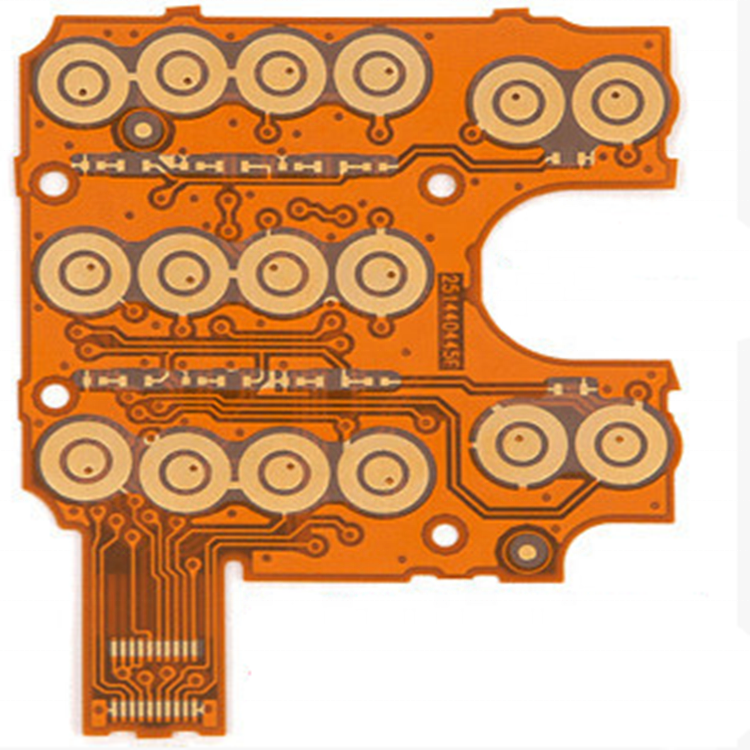
Integrated Hardware Stack
Specialized Interconnects & Industrial Assembly Products
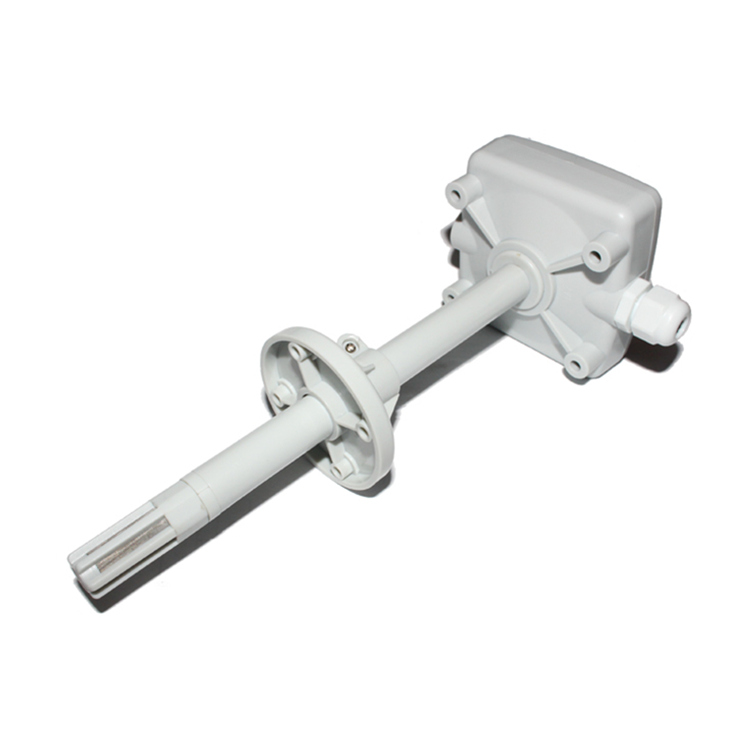
Precision-engineered polyimide substrates, thermal management cores, sealed membrane keypads, and telemetry enclosures engineered to withstand the demanding marine conditions across Guadalcanal, Malaita, and the Western Province.
14+
Years Exporting Verified Track Record
≤ 24h
DFM Engineering Review Turnaround
1-16L
Rigid-Flex Multilayer Stack Capabilities
100%
AOI & Flying Probe E-Test Coverage
Engineering Authority
Rigid-Flex Engineering Architecture for Island & Maritime Conditions
Comprehensive design-for-manufacturability parameters addressing severe humidity, airborne salt spray, and remote off-grid reliability challenges across the South Pacific archipelago.
Addressing Interconnect Vulnerabilities in Humid Marine Climates
Standard electronic hardware deployed within tropical maritime territories like the Solomon Islands confronts accelerated degradation. Relative humidity frequently exceeding 85% to 95%, combined with dense airborne sodium chloride particles, initiates galvanic corrosion and conductive anodic filament (CAF) formation within standard FR-4 assemblies and ribbon-cable connectors.
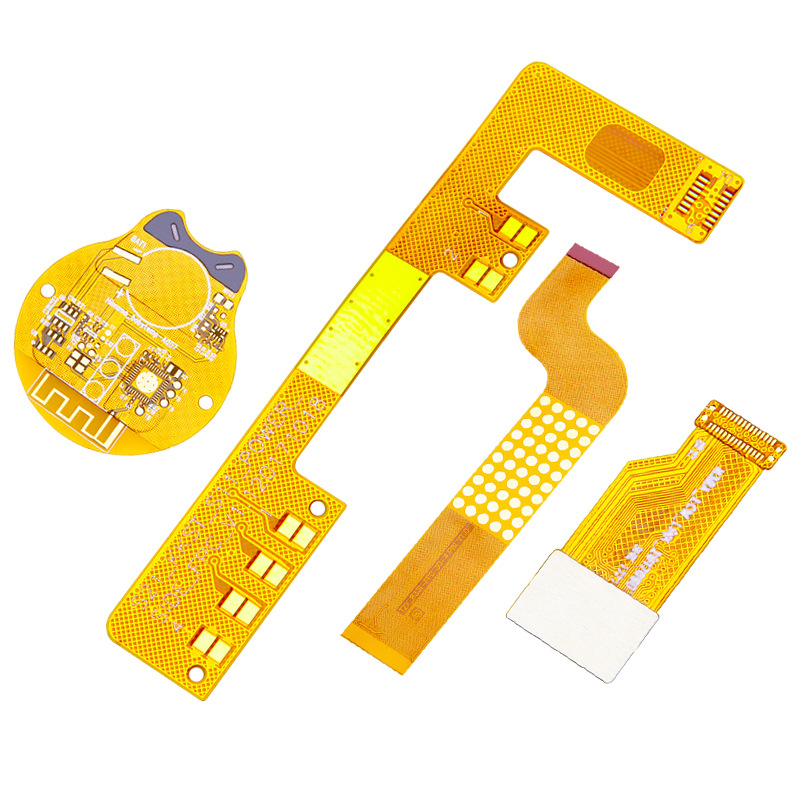
Shenzhen VUKO Electronics engineers hybrid Rigid-Flex Printed Circuit Boards that completely eliminate discrete mechanical board-to-board wire harnesses, crimped pins, and unsealed ribbon headers. By consolidating polyimide (PI) flex sub-assemblies directly between multi-layer FR-4 glass-epoxy panels, the flex layers serve as a continuous structural interconnect. This monolithic topology hermetically seals the electrical traces within adhesiveless polyimide dielectric covers, terminating moisture ingress vectors at the metallurgical interface.
| Performance Characteristic | Conventional Rigid + Cable Assembly | VUKO High-Reliability Rigid-Flex Assembly |
|---|---|---|
| Atmospheric Salt Fog Resistance | Connector pin oxidation within 6–12 months | Hermetic adhesiveless PI with ENIG / Immersion Silver |
| Mechanical Vibration Stress | Connector fret corrosion & intermittent open circuits | Dynamic bend radius resilience (>100,000 bend cycles) |
| Enclosure Volumetric Footprint | Requires clearance for wiring looms & strain relief | Reduces spatial package envelope by up to 60% |
| Weight Optimization | Heavy copper wire strands & nylon terminal blocks | Ultralight thin-core copper foils (1/3 oz to 1 oz ED/RA) |
| Assembly SMT / Insertion Defect Rates | Higher risk of human wiring & manual harness faults | 100% automated surface mount assembly (SMT) with zero crimp errors |
To ensure complete resistance against tropical delamination, our fabrication uses polyimide flex cores featuring a glass transition temperature (Tg ≥ 260°C) alongside high-performance modified epoxy or polyimide coverlays. Every production batch targeting Solomon Islands maritime projects undergoes thorough ionic contamination testing, Automated Optical Inspection (AOI), and precise high-potential impedance verification.
Localized Deployments
Critical Application Scenarios Across the Solomon Islands
How specialized flex-rigid circuit boards and rugged human-machine interface assemblies empower sovereign infrastructure, industrial operations, and marine telecommunications.
Off-Grid Solar Microgrids & Remote Inverters
Throughout rural communities in Malaita and Western Province, distributed solar photovoltaic minigrids demand high-efficiency inverters and battery management systems (BMS). Our rigid-flex designs integrate high-current FR-4 gate driver power zones directly with vibration-dampened flex logic sensing arrays, preventing mechanical connection failure caused by diesel backup harmonic resonance.
Commercial Tuna Vessel Marine Telemetry
The offshore fishing sector operating out of Noro requires constant real-time satellite telemetry, AIS tracking, and sonar electronics. Compact rigid-flex architectures enable miniature, IP67-rated waterproof sensor buoys and navigation transceivers that survive constant exposure to rolling waves, physical impact, and corrosive ocean spray without joint degradation.
Honiara Port & Industrial Coastal Automation
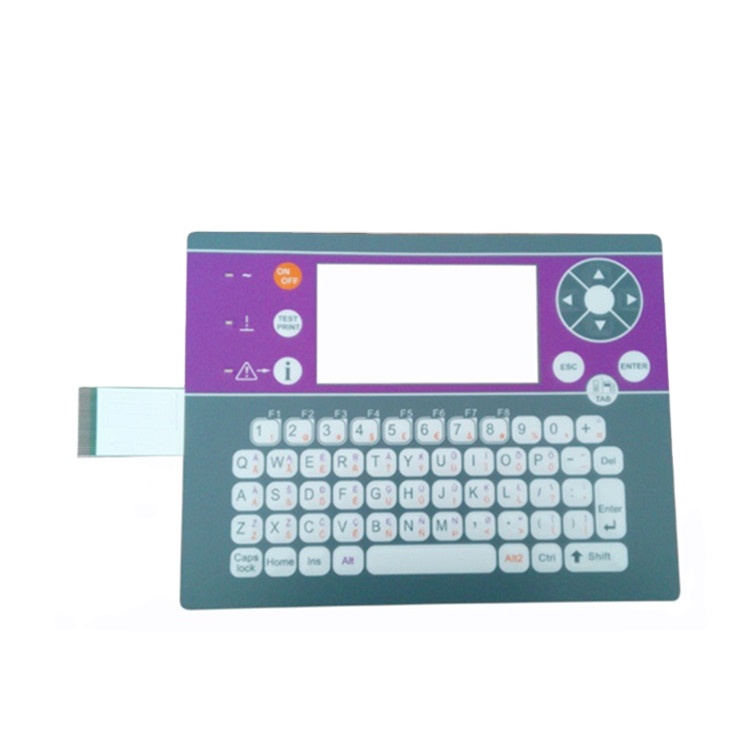
Material handling cranes, refrigerated container monitoring systems, and stevedoring machinery at the Port of Honiara experience intensive tropical moisture and heat. Sealed metal-dome tactile membrane keypads paired with robust polyimide flexible leads provide dependable human-machine interaction (HMI) that shields sensitive microcontrollers from dust and saltwater intrusion.
Strategic Trajectory
Emerging Industrial Trends Shaping Solomon Islands Electronics
Key technological, infrastructural, and regulatory factors driving the regional transition toward ruggedized, low-maintenance hardware.
Decentralization of Rural IoT Telecommunications
Following the deployment of regional subsea fiber-optic connectivity and the rollout of satellite networks across the Pacific, low-power remote IoT nodes are proliferating across outer Solomon islands. These self-contained units monitor micro-climate conditions, sea-level changes, forestry health, and coastal meteorological shifts.
Because maintaining remote nodes across isolated island geography involves high logistics costs, engineering teams require hardware with a Minimum Mean Time Between Failures (MTBF) exceeding seven years. Fabricating through single-piece rigid-flex technology reduces the physical points of failure seen with wired connectors, making it the preferred topology for mission-critical environmental monitoring.
Renewable Hybridization & Climate-Resilient Storage
National power development programs emphasize replacing diesel power plants with utility-scale and off-grid solar-battery storage combinations. These complex conversions demand power conversion units that manage wide temperature swings without loss of efficiency.
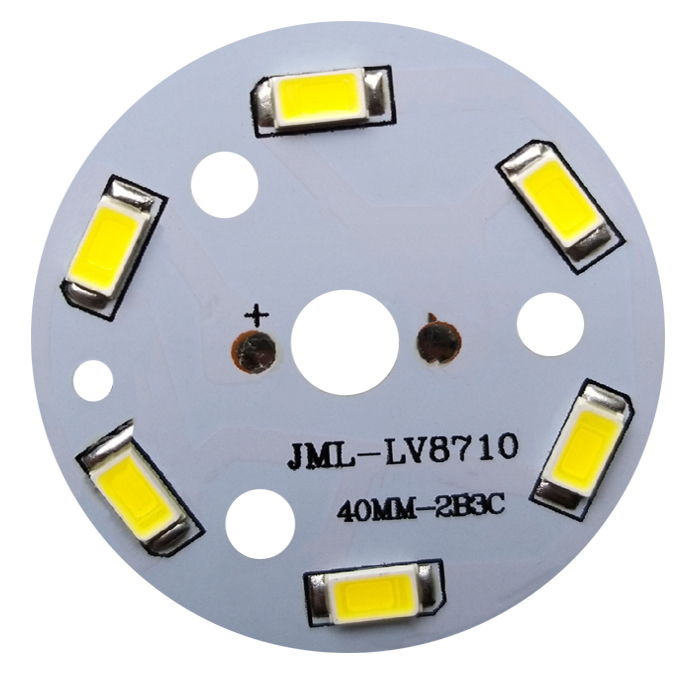
By pairing high-thermal-conductivity metal-core aluminum substrates (1.0 to 5.0 W/m·K) with high-density polyimide rigid-flex control logic, engineers can achieve rapid heat transfer away from high-stress MOSFETs and IGBTs. This thermal protection prolongs the functional life of power supplies operating inside un-airconditioned tropical enclosures.
Factory Capabilities
Shenzhen VUKO Electronics: Turnkey Manufacturing Advantages
Direct from our manufacturing hub in Shenzhen to your Pacific project site, combining comprehensive component sourcing with rigorous multi-stage quality assurance.
Onsite-Verified & Trade Assurance Backed
With over 14 years exporting on Alibaba.com as an onsite-verified manufacturer, every production run is supported by Trade Assurance order protection, guaranteeing complete compliance with agreed specifications and on-time international dispatch.
Complete BOM Turnkey Component Sourcing
Located in the heart of Shenzhen's supply chain, we procure verified genuine active semiconductors, passive chips (down to 01005 / 0201), ruggedized industrial connectors, and thermal materials, mitigating counterfeits and screening out obsolete components before SMT production.
Rapid 24-Hour DFM Engineering Feedback
Before copper imaging begins, our CAM engineers conduct an exhaustive Design for Manufacturability (DFM) review. We identify insufficient trace spacing, solder mask slivers, unanchored flex annular rings, and thermal footprint issues to ensure a smooth transition from prototype to volume production.
Rigorous Quality Testing Protocols
Assemblies undergo flying probe electrical testing, automated optical inspection (AOI), X-ray BGA verification, high-potential dielectric voltage checks, and functional testing matching client-supplied test jigs. All circuit boards adhere to RoHS criteria with UL 94V-0 certified flame retardancy.
Specialized PCB Cloning & Legacy Re-Engineering
For obsolete marine instrumentation and discontinued equipment with unavailable schematics, our engineering lab offers comprehensive board cloning, recovering circuit schematics, tracing inner-layer pathways, and updating BOMs with modern components.
Adaptive Production Volumes (MOQ from 5 Pcs)
Whether verifying quick-turn prototypes with an initial 5-piece sample run or fulfilling scheduled high-volume manufacturing batches, our flexible production line balancing accommodates early-stage R&D through to mass field replacement needs.
Procurement Guidance
Frequently Asked Questions for Solomon Islands Buyers
Clear, direct answers regarding shipping logistics, design file handoffs, anti-humidity packaging, and payment protections.
Q1: How are fragile rigid-flex and SMT assemblies packaged for transport to Honiara?
Every shipment is vacuum-sealed inside multi-layer electro-static discharge (ESD) moisture barrier bags (MBB) containing military-grade silica desiccant packs and humidity indicator cards. They are then cushioned within reinforced, double-walled corrugated export cartons built to handle transshipment handling and tropical heat during air or sea freight transit.
Q2: What specific files are required to produce rigid-flex circuit boards?
Please provide Gerber RS-274X or ODB++ data files specifying inner/outer trace layers, NC drill files, coverlay opening layers, stiffener drawings (FR-4/PI/Stainless Steel), layer stack-up definitions indicating flex regions, and an IPC-D-356 netlist. For assembled turnkeys (PCBA), include your complete Bill of Materials (BOM) with manufacturer part numbers and centroid (pick-and-place) coordinate files.
Q3: Can VUKO apply conformal coatings to guard against airborne salt fog?
Yes. We offer automated precision conformal coating using high-grade silicones, acrylics, and polyurethane polymers. We can also provide complete potting and encapsulation services, meeting IPC-CC-830 standards to ensure continuous operation across marine environments.
Q4: What international delivery options and transit timelines are available for Solomon Islands?
For urgent prototype builds, we ship via DHL Express, FedEx, or UPS air courier directly to Henderson International Airport (HIR) in Honiara, with typical transit taking 5 to 9 business days. For volume manufacturing runs, we provide sea-freight consolidation into the Port of Honiara or Noro Port, coordinating full customs documentation and Certificate of Origin paperwork.
Q5: What is the Minimum Order Quantity (MOQ) for custom rigid-flex and membrane switches?
Our standard prototype production threshold begins at just 5 pieces. This low minimum allows local engineering teams and overseas contractors to validate mechanical fit and signal integrity in the field before committing capital to full production volumes.
Q6: How are foreign transactions protected against procurement risks?
All international orders can be processed through Alibaba.com Trade Assurance. This escrow protection safeguards your payment, monitors the production timeline, and holds funds until your order has passed quality standards and tracking shows the consignment is in transit.
Launch Your Rigid-Flex Engineering Project Today
Connect with our Shenzhen engineering headquarters. Submit your Gerber files, schematics, or BOM for an exhaustive, complimentary DFM review and quotation delivered within 24 hours.