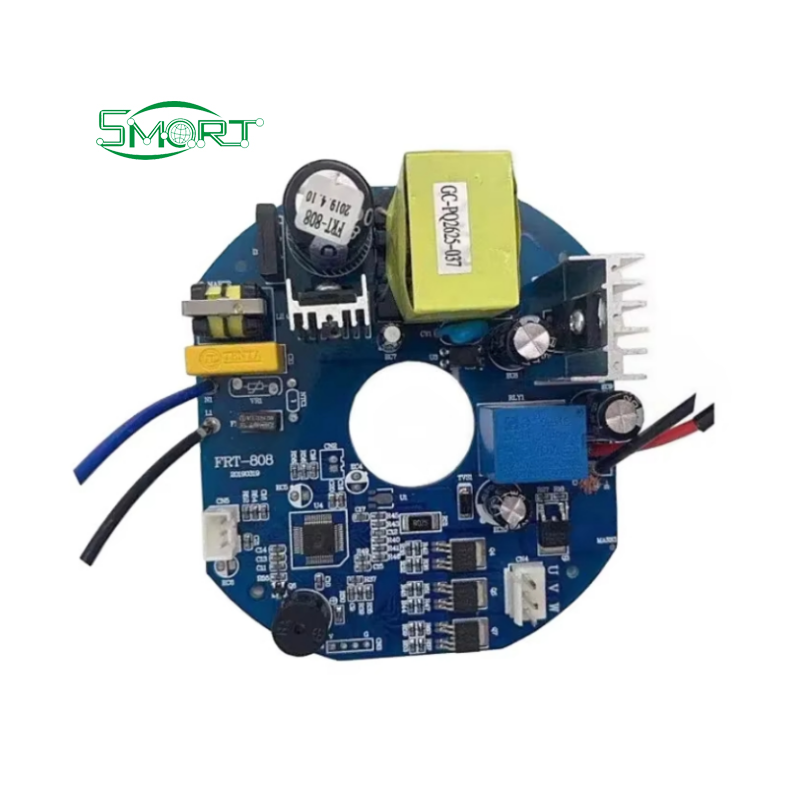
Engineered SMT & PCBA Lineup
High-Precision Electronics & Hardware Products Ready for Daugavpils
Deploy dependable turnkey hardware solutions configured to your exact bill of materials, enclosure footprints, and functional test specifications.
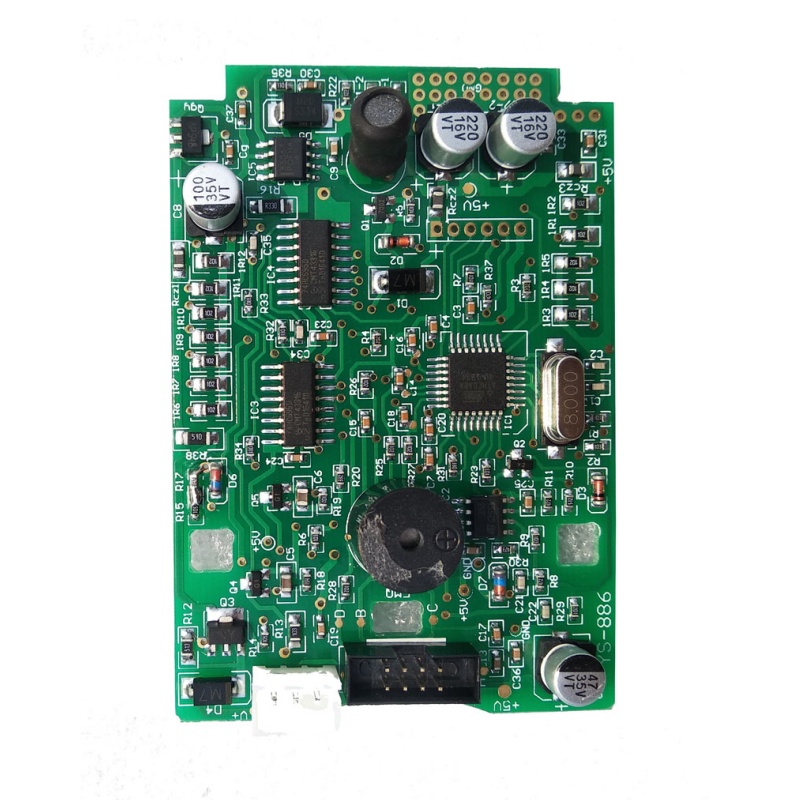
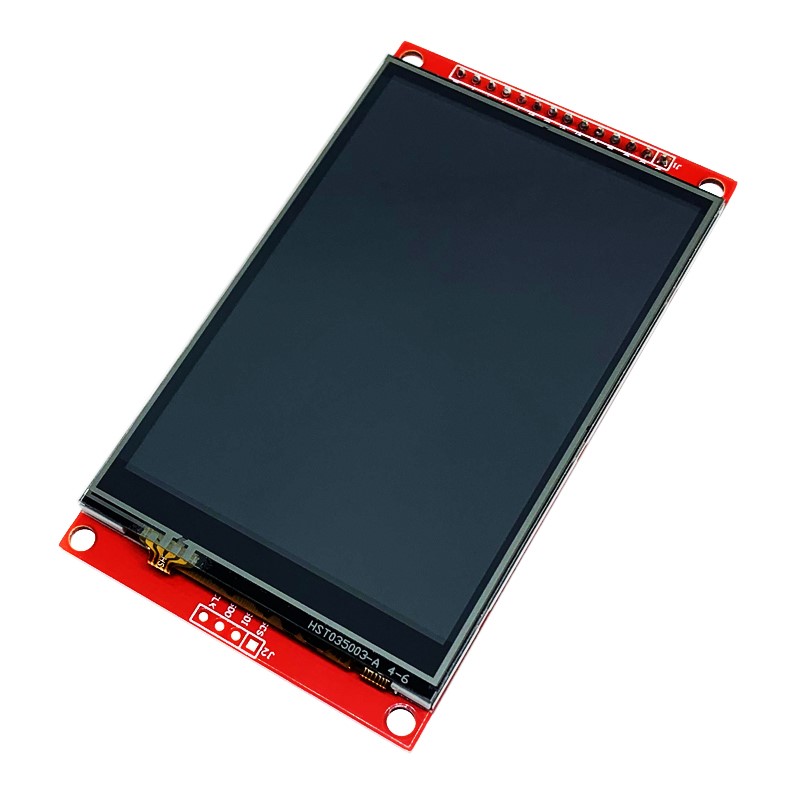
Comprehensive Technical Report: High-Yield SMT Stencil Engineering for Daugavpils
As the premier industrial and railway logistics nexus in the Latgale region of Latvia, Daugavpils is experiencing a calculated technological shift. The local manufacturing ecosystem, historically anchored in heavy engineering, metal processing, optical cable production, and rail equipment, is actively pivoting toward intelligent industrial automation, edge Internet of Things (IoT) monitoring systems, and modernized railway signalling electronics. At the core of this transition lies the requirement for absolute accuracy during the initial phase of electronics surface mount manufacturing: solder paste deposition.
Industry data indicates that more than 60% of all surface mount assembly defects—including non-wetting opens, solder bridging, tombstoning, and voiding under bottom-terminated components (BTCs like QFN and BGA packages)—trace directly back to inconsistent solder paste printing. Shenzhen VUKO Electronics Co., Ltd. serves Daugavpils engineering enterprises, research institutes, and OEM assemblers with laser-cut stainless steel stencils, electroformed ultra-fine pitch screens, and step-up/step-down hybrid stencils engineered to achieve repeatability within ±2 µm tolerances.
Aperture Aspect Ratio & Nanocoating Physics
To eliminate print defects when deploying micro-pitch components such as 0201 passives, 0.4 mm pitch wafer-level chip scale packages (WLCSP), and high-density connectors common in contemporary telemetry units, stencil aperture geometry must respect fundamental physical boundary conditions:
Area Ratio > 0.66
The surface area of the aperture opening divided by the area of the inside aperture walls must remain above 0.66 to prevent paste retention caused by wall shear friction.
Nano-Clear Sputtering
Hydrophobic and oleophobic organosilicon coatings bond on the stencil bottom and walls, reducing paste sticking and minimizing underside wipe cycles by up to 60%.
Multi-Level Stepped Foils
Micro-milled or additive electroformed step-down zones (e.g., 100 µm for fine-pitch QFN and 150 µm for robust terminal blocks) on a single unified frame.
By leveraging specialized fiber-laser cut equipment operating with sub-micron motion tables, our stencils exhibit clean cut profiles with natural trapezoidal tapers (diverging 1 to 2 degrees toward the substrate side). This ensures rapid, clean separation between paste bricks and metal walls during the printer peel-off stroke.
Engineering Matrix: Stencil Technology Trade-offs for Baltic OEMs
When selecting fabrication parameters for production runs in Daugavpils facilities, balancing throughput, cost, and aperture fidelity is crucial. The table below delineates key operational attributes:
| Stencil Fabrication Process | Typical Thickness Range | Aperture Wall Smoothness | Positional Accuracy | Recommended Industrial Application |
|---|---|---|---|---|
| Standard Laser-Cut SUS304 | 0.08 mm – 0.25 mm | Ra 0.8 – 1.2 µm | ± 7 µm | Prototyping, through-hole hybrid assemblies, high-power drivers |
| Laser-Cut + Electropolishing | 0.06 mm – 0.20 mm | Ra 0.3 – 0.5 µm | ± 4 µm | Automotive electronic modules, medical monitoring instruments |
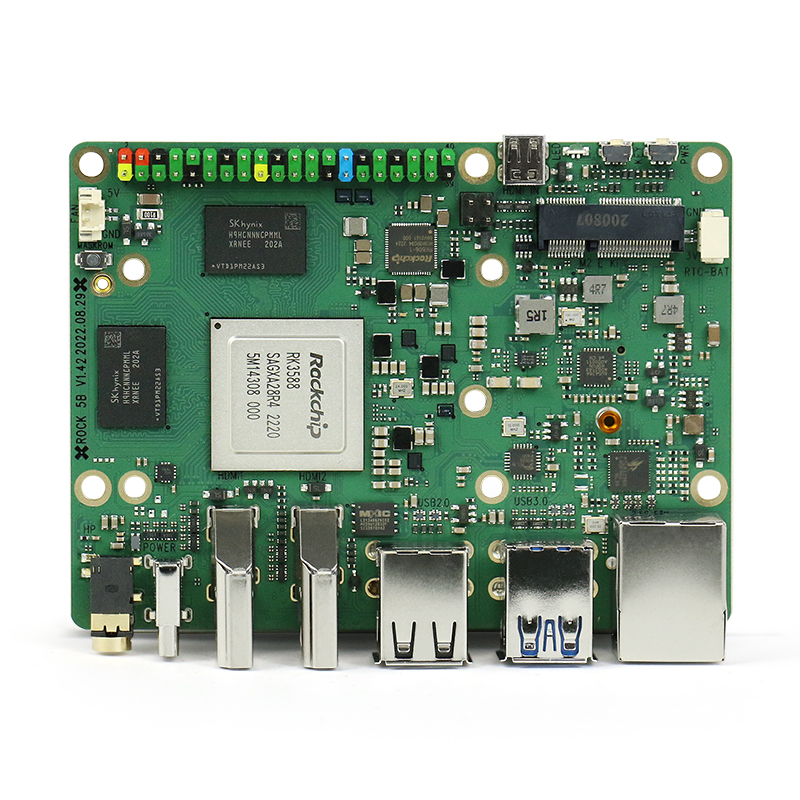
| Laser-Cut + Micro-Nanocoating | 0.05 mm – 0.15 mm | Ra < 0.2 µm (liquid contact angle > 110°) | ± 3 µm | Ultra-dense IoT sensors, 0.4 mm pitch BGA, Rockchip SBC platforms |
| Electroformed Pure Nickel | 0.03 mm – 0.12 mm | Molecularly smooth (~0.1 µm) | ± 2 µm | High-rel avionics, ultra-fine pitch interconnects, flip-chip SMT |
Localized Applications Across Daugavpils Manufacturing Sectors
Hardware fabrication in eastern Latvia requires resilience against wide operational temperature swings (-30°C in winter to +35°C in summer), rigorous mechanical vibration across railway and logistics transit, and compliance with the European Union's CE, RoHS, and WEEE directives. VUKO supplies turnkey services aligned directly with these localized application contexts:
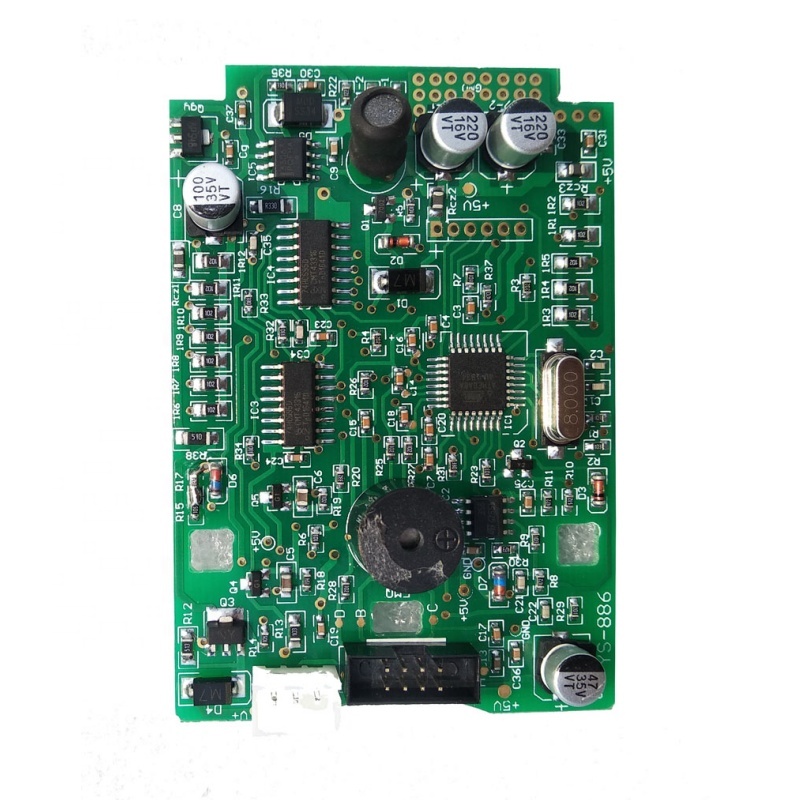
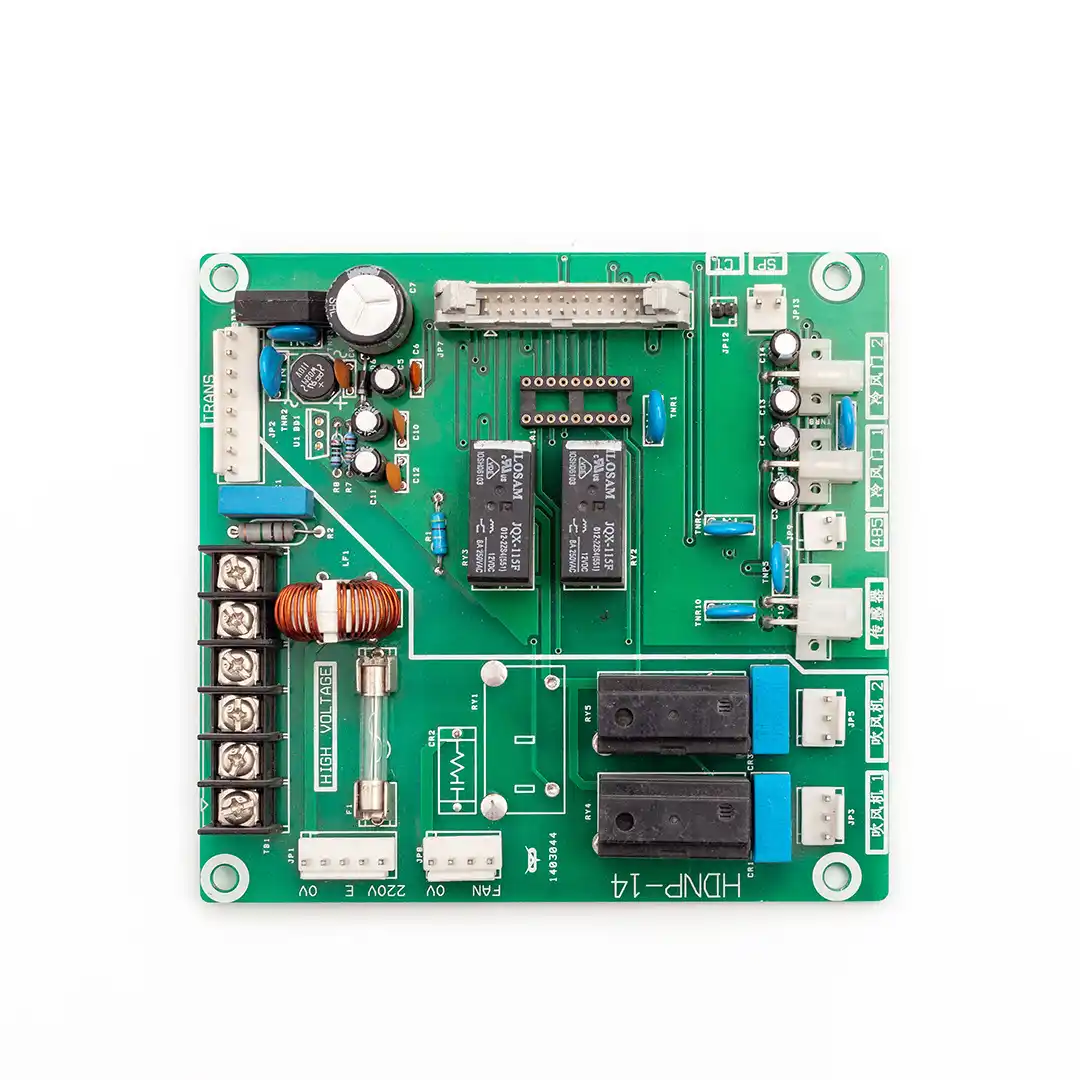
1. Railway Electronics & Telemetry Infrastructure: Daugavpils Locomotive Repair Plant (DLRR) and regional rolling-stock support facilities consistently upgrade control panels, trackside axle-counting sensors, and onboard diagnostic instrumentation. PCB assemblies in these applications demand heavyweight copper (2 oz to 4 oz) to withstand inductive surges, alongside step-up stencils that supply sufficient paste volumes to large power relays without bridging adjacent signal micro-traces.
2. Fiber-Optic Transceiver & Industrial Networking Modules: Given the city's legacy in specialized optical cable manufacturing, newer ventures develop ruggedized Ethernet switches and media converters. These high-speed digital boards utilize multi-layer impedance-controlled FR4 laminates (such as High-Tg Shengyi S1000-2M or Isola), matched with electropolished laser stencils to prevent solder bridges across micro-BGA escape channels.
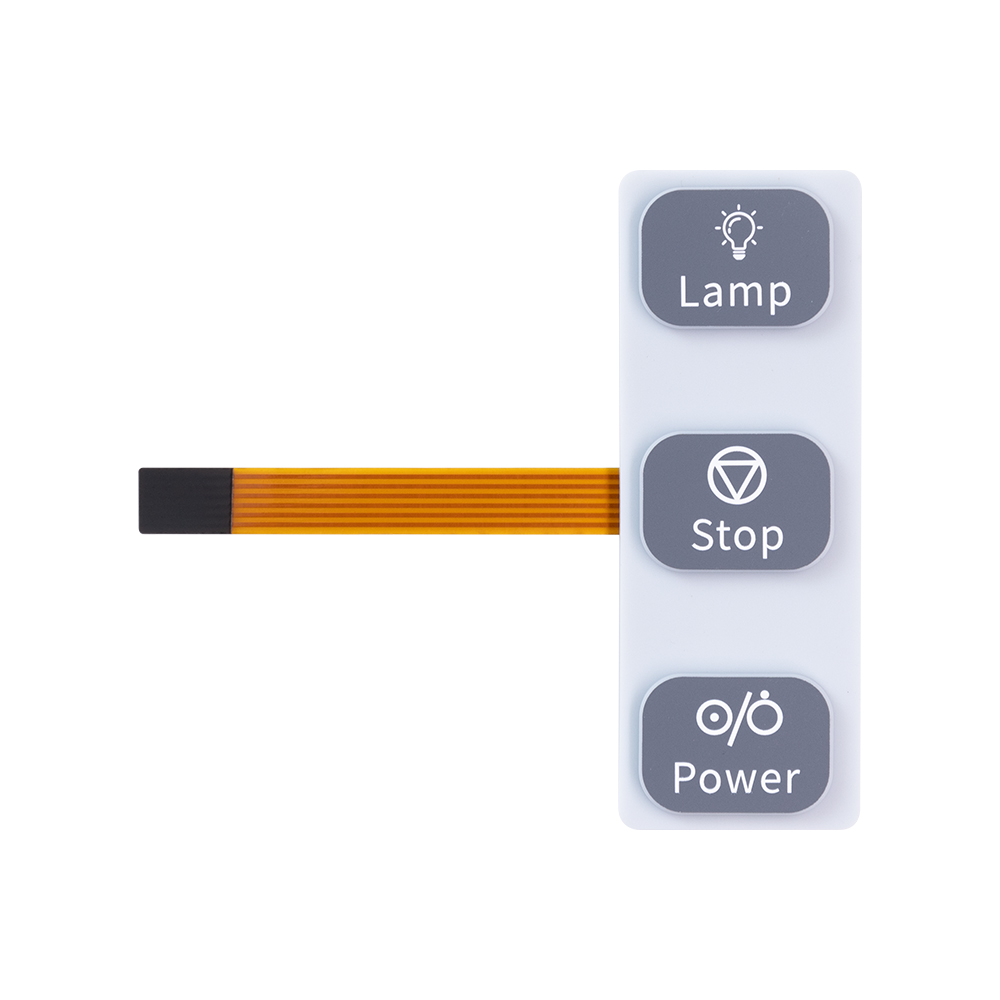
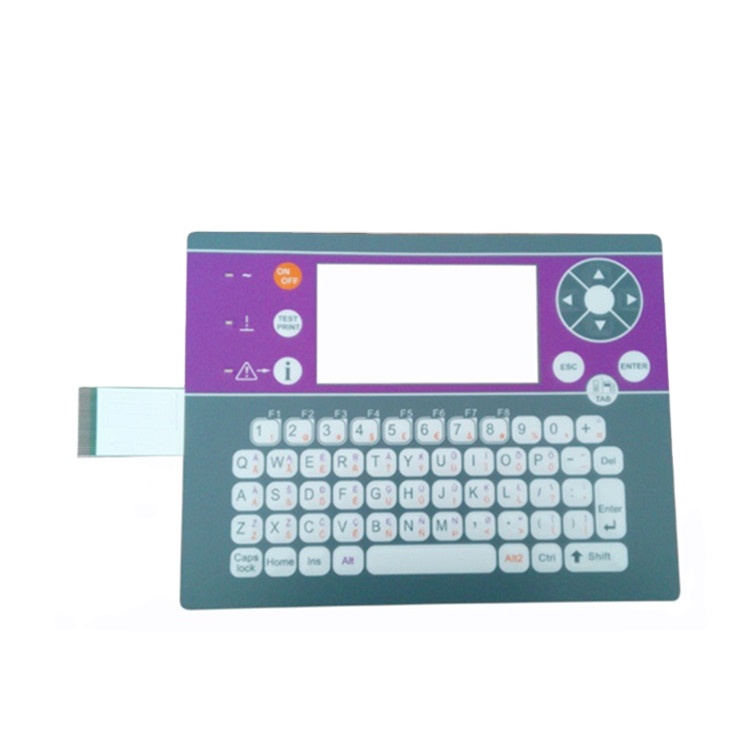
3. Heavy-Duty Industrial Controls and Sealed Operator Panels: Agricultural and industrial machinery operating in Latgale's severe weather demands ingress-protected user controls. We integrate IP67 waterproof graphic overlays, embossed tactile metal-dome membrane switches with silver-printed flexible circuitry, and rigid aluminum MCPCB LED backlights, delivering complete human-machine interface assemblies tested in environmental burn-in chambers.
Emerging Trends: Industry 4.0 & Regional Re-Shoring in Latgale
Recent developments in European supply-chain resilience have prompted Latvian technology firms to strengthen direct supplier ties with verified manufacturers capable of handling rapid NPI (New Product Introduction). Rather than ordering bare foils, local manufacturers in Daugavpils increasingly mandate turnkey solutions: simultaneous laser stencil delivery, genuine components kitting via authorized global distributors (Mouser, Digi-Key, Element14, alongside audited Asian franchises), high-speed SMT assembly, and complete functional test bench verification.
Concurrently, the rapid adoption of BLDC motors across ventilation, agricultural robotics, and automated guided vehicles (AGVs) in Baltic distribution centers has generated sharp demand for high thermal conductivity aluminum-backed boards (1.0 to 5.0 W/m·K) and custom FPC flexible wiring harnesses that replace bulky hand-soldered wire bundles.
Why Daugavpils Purchasing Managers & Engineers Partner with VUKO Electronics
Based in Shenzhen—the central node of global hardware component manufacturing—Shenzhen VUKO Electronics Co., Ltd. eliminates intermediate markups while ensuring full compliance with European engineering standards. Our factory advantages include:
Holistic Engineering & DFM Review
Every Gerber, solder paste layer (Paste Mask), and BOM is inspected by experienced CAM engineers within 24 hours. We flag thermal relief defects, insufficient aperture aspect ratios, and footprint pitch mismatches before cutting metal.
Traceable Component Procurement
Eliminate the risk of counterfeit components with our direct manufacturer sourcing channels. We cross-reference manufacturer part numbers (MPNs), verify date codes, and supply certificates of conformance upon request.
Low MOQ Starting at 5 Pieces
Supporting rapid product iteration and research testing for regional hardware startups and university engineering teams without prohibitive setup fees or excessive batch penalties.
Procurement Clarity
Frequently Asked Questions by Electronic Hardware Buyers in Daugavpils
Clear, direct answers regarding Gerber parameters, international air transit, tariff clearance, and quality assurance.
Q1: What data files are required to order an SMT stencil for local assembly lines?
To produce an exact stencil, send your RS-274X Gerber file package containing the Paste Mask layers (GTP/GBP), Copper layers (GTL/GBL), and Board Outline (GKO/GM1). Supplying the centroid / pick-and-place file allows our CAM team to optimize solder paste volume reductions beneath exposed ground pads of QFN and DPAK components.
Q2: How fast can stencils and assembled PCBA batches reach Latvia?
Standard laser stencils are cut, inspected, and framed within 24 hours of Gerber approval. Shipments are packaged in reinforced, vibration-damped wooden crates and dispatched via DHL Express, FedEx, or UPS Priority, arriving in Daugavpils within 4 to 6 business days.
Q3: Can you deliver step-up/step-down stencils for boards with mixed power and digital ICs?
Yes. Many industrial and railway assemblies combine heavy terminal blocks requiring a 160 µm or 180 µm paste height with dense micro-controllers requiring a 100 µm or 120 µm deposit. We chemically etch or high-speed CNC mill stepped cavities on a single foil with transition tapers of 1:10 to accommodate squeegee flexure.
Q4: How does VUKO verify aperture quality and wall smoothness before shipment?
Every stencil is processed through a dedicated ScanCAD or automated optical inspection (AOI) machine that checks 100% of apertures against the original vector artwork for coordinate deviation, aperture volume, missing cutouts, and edge burrs. A certified inspection certificate is included with your dispatch docs.
Q5: What payment safeguards exist for European trade compliance?
Orders can be processed directly via Alibaba Trade Assurance, securing initial payment milestones and guaranteeing on-time shipping and verified quality. We also accept corporate Wire Transfers (T/T), PayPal, and irrevocable Letters of Credit for high-volume repeat contracts.
Q6: Do you support framed, frameless, and universal mounting systems like ZelFlex or VectorGuard?
Yes. We manufacture standard glued mesh cast aluminum frames (e.g., 370×470 mm, 420×520 mm, 584×584 mm, 736×736 mm) as well as laser-perforated frameless foils custom-punched to fit ZelFlex, VectorGuard, and Alpha Tetra frameless tensioning systems commonly installed on Baltic pick-and-place lines.
Accelerate Your Hardware Production in Daugavpils Today
Connect with our senior engineering team for an instant DFM check, aperture area ratio optimization report, and transparent factory-direct pricing for your SMT stencils, PCBs, and turn-key PCBA builds.