Export Portfolio
Verified Circuit Solutions & Turnkey Assemblies for Oceania
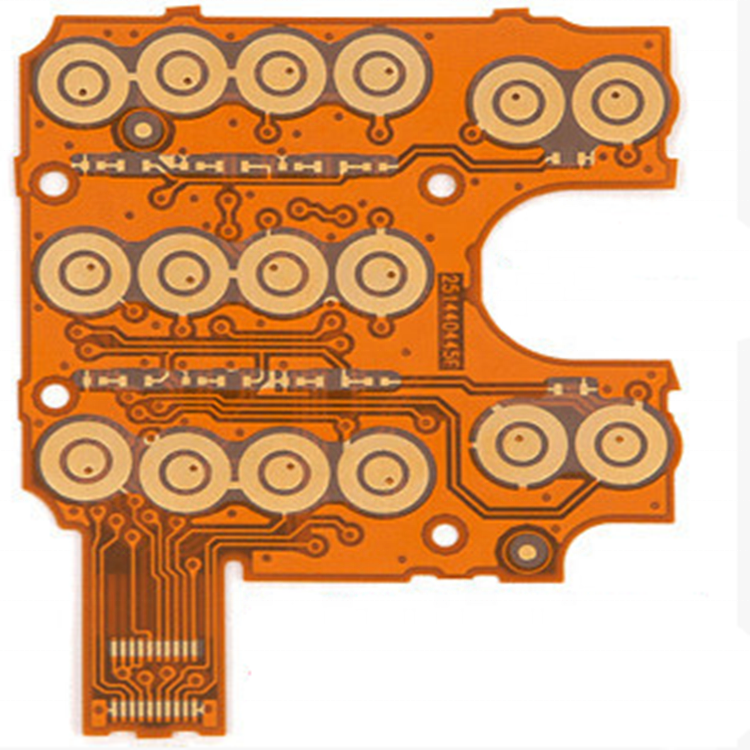
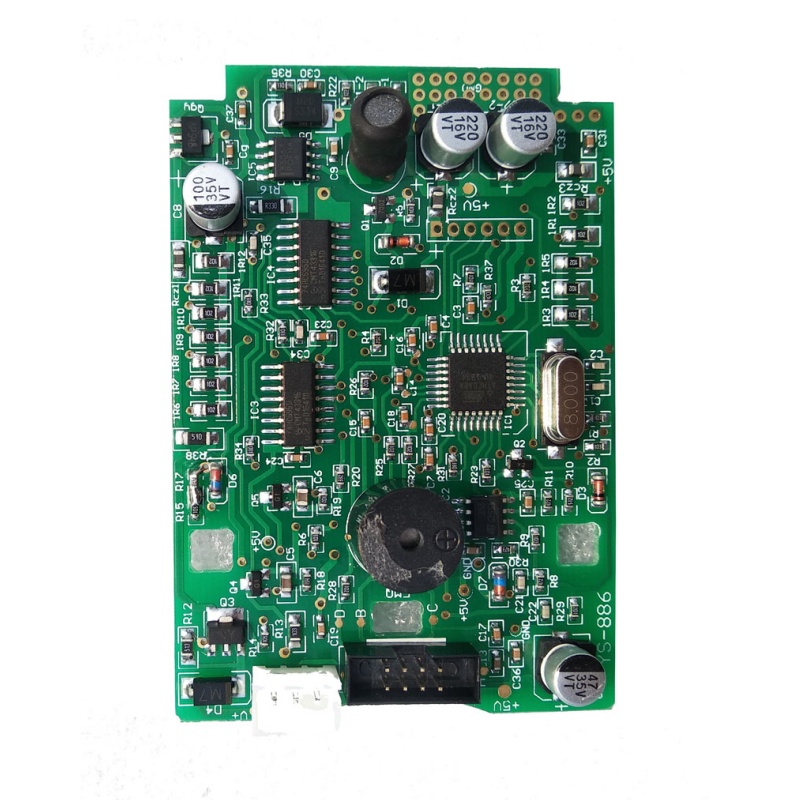
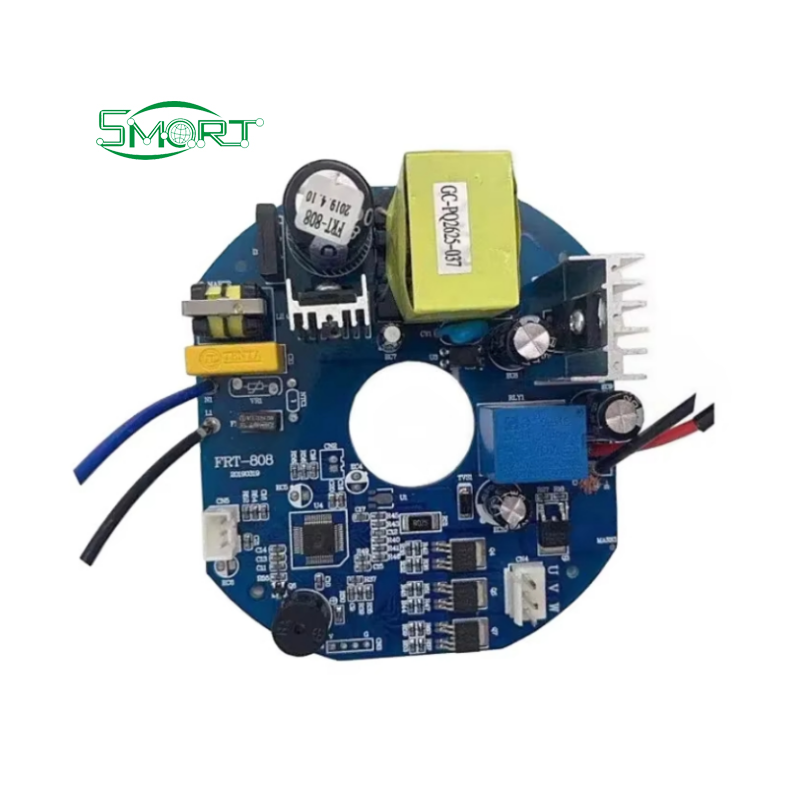
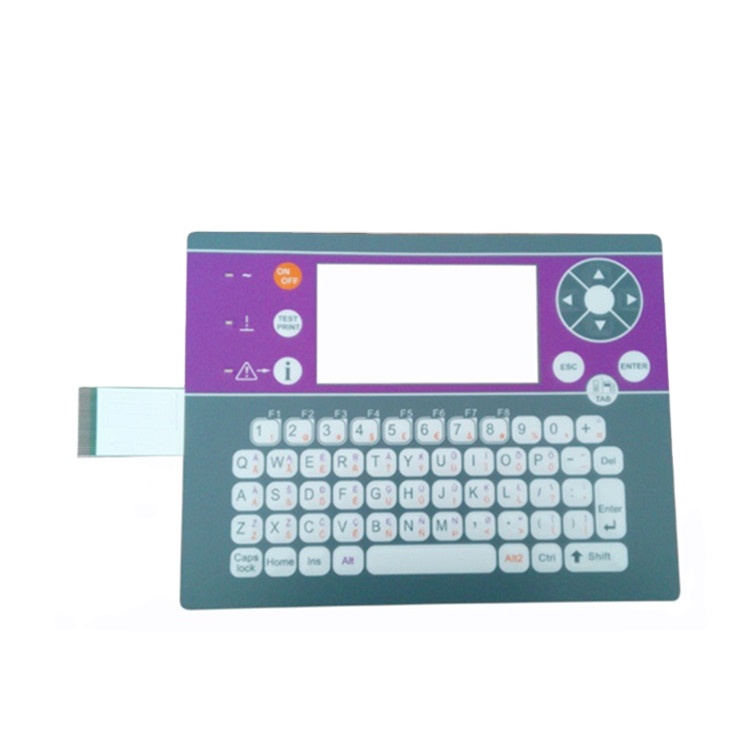
Manufactured under rigid IPC-A-610 Class 2/3 and ISO 9001:2015 controls, our high-density interconnects, heavy-copper motor drives, ruggedized flex circuits, and human-machine interface assemblies are engineered to withstand Australia's harshest physical and environmental extremes.
14+
Years Export Track Record to Oceania
< 24h
Engineering DFM & Quote Response Time
99.4%
First-Pass Yield (AOI + Functional E-Test)
5 Pcs
Low MOQ for Agile NPI Prototyping
Industry Analysis
The Strategic Realities of PCB Assembly Supply Serving Australia
The Australian electronic hardware development sector presents a uniquely demanding profile within the Asia-Pacific regional economy. Characterized by world-class systems engineering, advanced resource automation, and high-value research spin-offs, Australia's market heavily emphasizes high-reliability, low-to-medium volume, and high-mix (HMLV) production cycles over massive consumer runs. Consequently, engineering decision-makers from Sydney to Perth, Melbourne to Brisbane face a critical structural dilemma: domestic manufacturing overheads remain exorbitant for rapid-turn prototypes and scaling production, while random cross-border sourcing risks intellectual property friction, substandard solder joints, counterfeited ICs, and catastrophic failure in the outback.
Navigating the "Top 10 PCB Assembly Exporter" ecosystem serving Australia requires looking beyond promotional vanity metrics. Australian regulatory mandates require strict adherence to the Australian Communications and Media Authority (ACMA) Regulatory Compliance Mark (RCM), AS/NZS CISPR electromagnetic compatibility benchmarks, and rigorous RoHS / REACH environmental directives. A viable PCBA exporter must function not merely as a contract board stuffer, but as an embedded collaborative manufacturing partner capable of proactive Design for Manufacturability (DFM), complex Bill of Materials (BOM) life-cycle risk mitigation, and end-to-end component traceability.
Evaluating Cross-Border PCB Assemblers: The RCM & Operational Compatibility Matrix
To help design teams and procurement leads calibrate their supplier pipelines, this comparison matrix outlines how elite Tier-1 turnkey contract manufacturers stack up against generic brokerage platforms across critical delivery vectors:
| Evaluation Parameter | Specialized Strategic Exporters (e.g. VUKO) | Generic Commodity Aggregators | Domestic Australian Assemblers |
|---|---|---|---|
| Component Traceability | ✔ Direct OCM/Authorized Dist. (Digi-Key, Mouser, LCSC) | Open broker sourcing; risk of grey-market ICs | Strict compliance; substantial landed markup |
| DFM / DFA Engineering | ✔ Dedicated CAM review within 24h | Automated script checks; minimal human oversight | Comprehensive consultation; high engineering hourly rate |
| Extreme Heat / Desert Derating | ✔ High-Tg (TG170/180), Heavy Copper & Metal Core Options | Standard TG135-140 only unless penalized | Available on extended lead times |
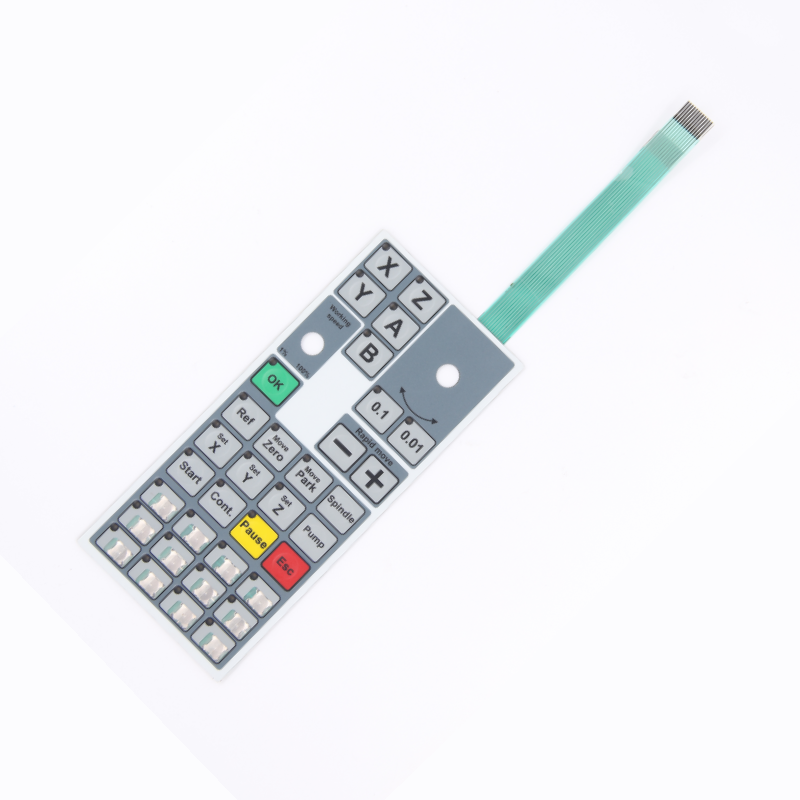
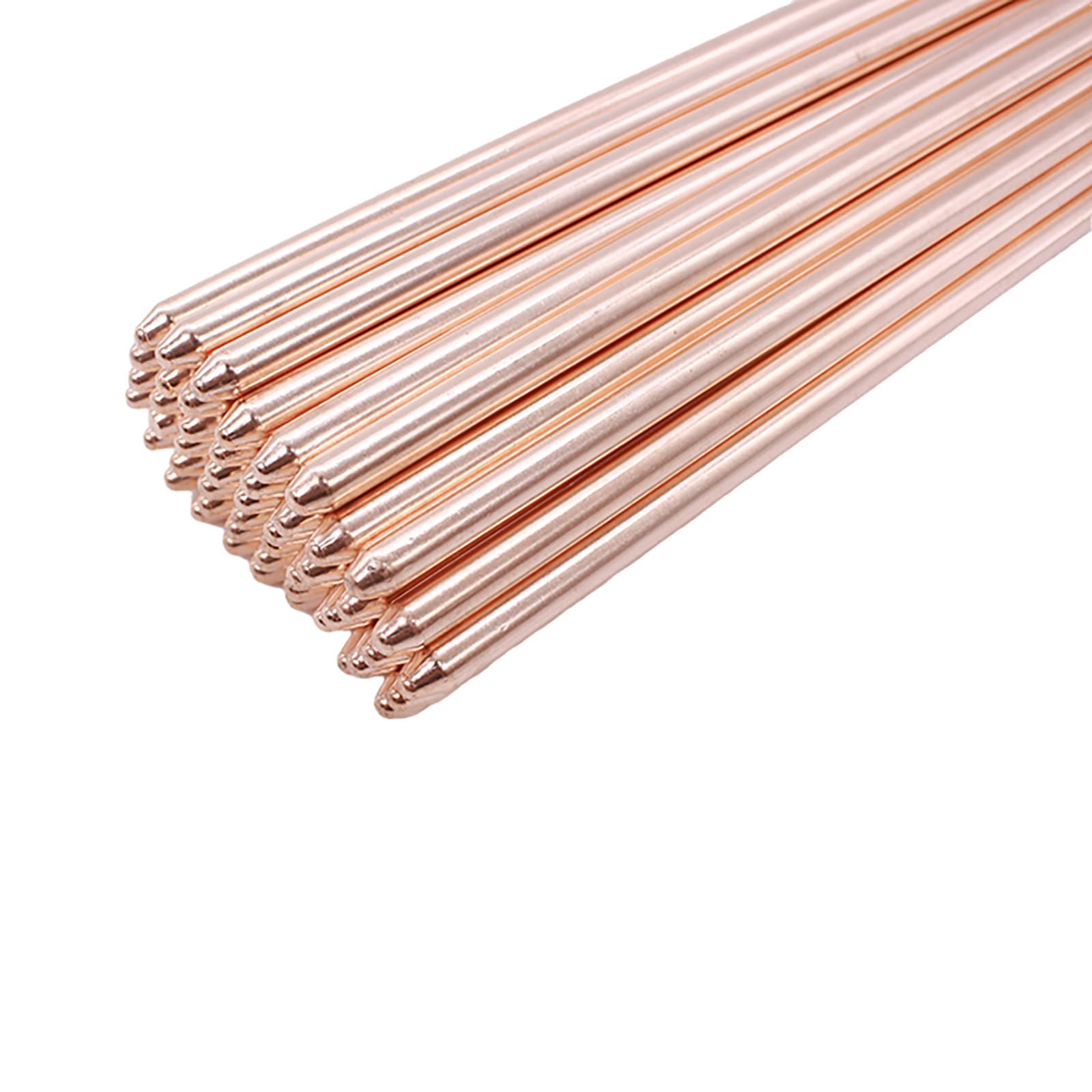
| HMI / Enclosure Integration | ✔ Integrated FPC, Membrane Keypads, Thermal Pipes | Bare board and standard SMT only | Relies on third-party fabrication vendors |
| Turnaround & Air Logistics | ✔ 3–5 Day Direct Air Cargo to SYD/MEL/BNE/PER | Standard freight consolidation (7–14 days) | Immediate domestic transit (1–2 days) |
Deployment Ecosystems
Tailored Engineering Scenarios Across Australia's Strategic Industries
Industrial hardware operating across the Australian continent encounters some of the planet’s most punishing environmental profiles. From the scorching thermal gradients and corrosive red dust of the Pilbara to the saline maritime conditions of Bass Strait, electronic assemblies must demonstrate unwavering mechanical and electrical integrity.
Mining Automation & Heavy Resource Telemetry
The Western Australian resource sector is globally recognized for deploying fully autonomous haulage fleets, drill automation, and remote edge computing nodes. PCBA solutions built for this space demand heavy copper construction (2oz to 4oz), high-Tg substrates (Tg ≥ 170°C) to withstand prolonged engine bay soak temperatures up to 85°C, and conformal silicone or polyurethane coatings (MIL-I-46058C compliant) to guard against pervasive ore dust and extreme vibrational harmonics.
Smart AgriTech & Remote Outback IoT
Covering pastoral runs spanning thousands of square kilometers across Queensland and New South Wales, remote soil moisture profilers, cattle biometric tags, and automated borehole pumps rely on LoRaWAN, NB-IoT, and satellite hybrid links. Assemblies require ultra-low parasitic leakage current, precision micro-BGA soldering for compact enclosures, and IP67 waterproof membrane switches with UV-stabilized Autotex polyester graphic overlays engineered against blistering solar radiation.
Renewable Microgrids & Utility-Scale Battery Storage
Australia boasts the highest penetration of rooftop solar per capita and rapid rollouts of utility-scale battery energy storage systems (BESS). Switching boards, inverter control subsystems, and BMS PCBA units incorporate integrated aluminum MCPCBs (1.5–5.0 W/m·K) to efficiently conduct heat away from MOSFETs, IGBTs, and gate drivers, eliminating premature thermal runaway in regional solar farms.
Precision Medical Devices & Point-of-Care Diagnostics
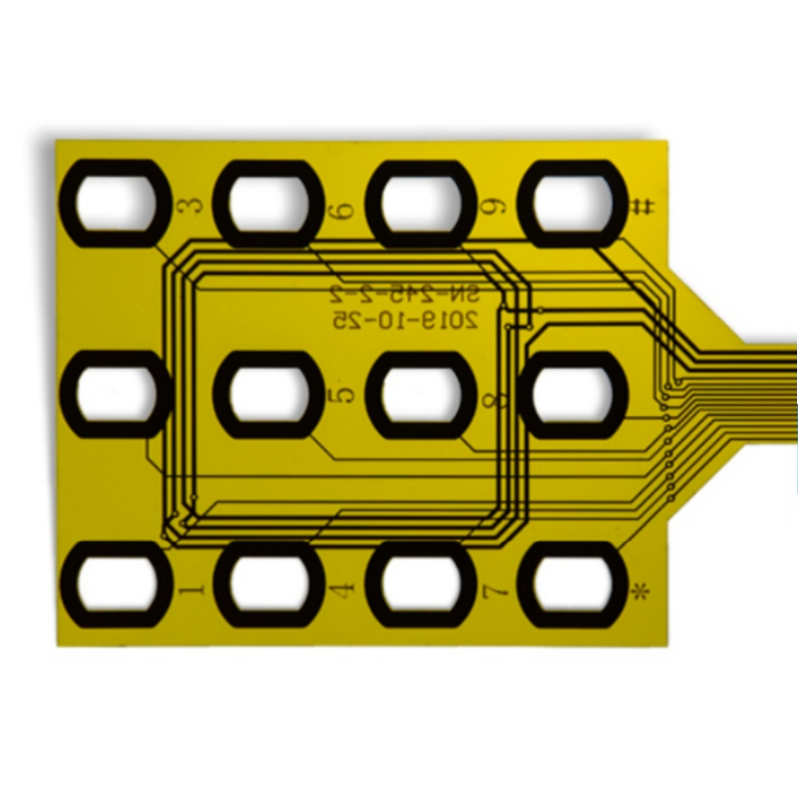
Emerging medical hardware clusters across Melbourne and Sydney develop advanced portable diagnostic tools and wearable ultrasound devices. These platforms necessitate multilayer Polyimide Flexible Printed Circuits (FPC) with stiffeners, enabling compact 3D folded geometry within handheld enclosures, backed by 100% Automated Optical Inspection (AOI) and X-ray validation (AXI) of concealed BGA voids.
Industry Horizon
Future Strategic Trends Driving Australian Hardware Manufacturing
1. Sovereign Industrial Capability & Hybrid Manufacturing Models
The Australian Federal Government's National Reconstruction Fund (NRF) has heightened focus on sovereign defense, medical, and energy autonomy. Rather than full reshoring—which remains constrained by domestic component fabrication limitations—Australian OEMs are adopting an agile hybrid strategy: sourcing rapid turnkey sub-assemblies, PCBA, and HMI panels from Shenzhen Tier-1 exporters while conducting final firmware flashing, box-build integration, and localized testing on Australian soil.
2. The Acceleration of Wide-Bandgap (GaN & SiC) Power Systems
With massive national investments in EV charging corridors and commercial electric conversions (including electrified underground mining equipment), traditional silicon switches are yielding to Gallium Nitride (GaN) and Silicon Carbide (SiC). This technological transition demands extreme-density circuit layouts, exceptionally low parasitic inductance, tight tolerance impedance matching, and specialized thermal heatsink assemblies capable of continuous operation at high switching frequencies.
3. Rigid-Flex Convergence for Rugged Handheld Electronics
Connectors and copper wiring harnesses represent the most common point of mechanical failure in high-shock industrial environments. Australian instrumentation engineers are systematically eliminating internal wiring bundles in favor of multilayer rigid-flex PCBs. Integrating polyimide flex cores directly between rigid FR4 sections dramatically increases mean time between failures (MTBF) while shrinking enclosure volumetric envelopes by over 40%.
Enterprise Distinction
Why Australian Buyers Choose Shenzhen VUKO Electronics
Backed by more than 14 years of dedicated export experience and Alibaba.com Onsite-Verified credentials, Shenzhen VUKO Electronics Co., Ltd. provides an integrated manufacturing architecture designed to solve the exact pain points encountered by Australian engineering and procurement teams.
End-to-End Multidisciplinary Manufacturing Under One Roof
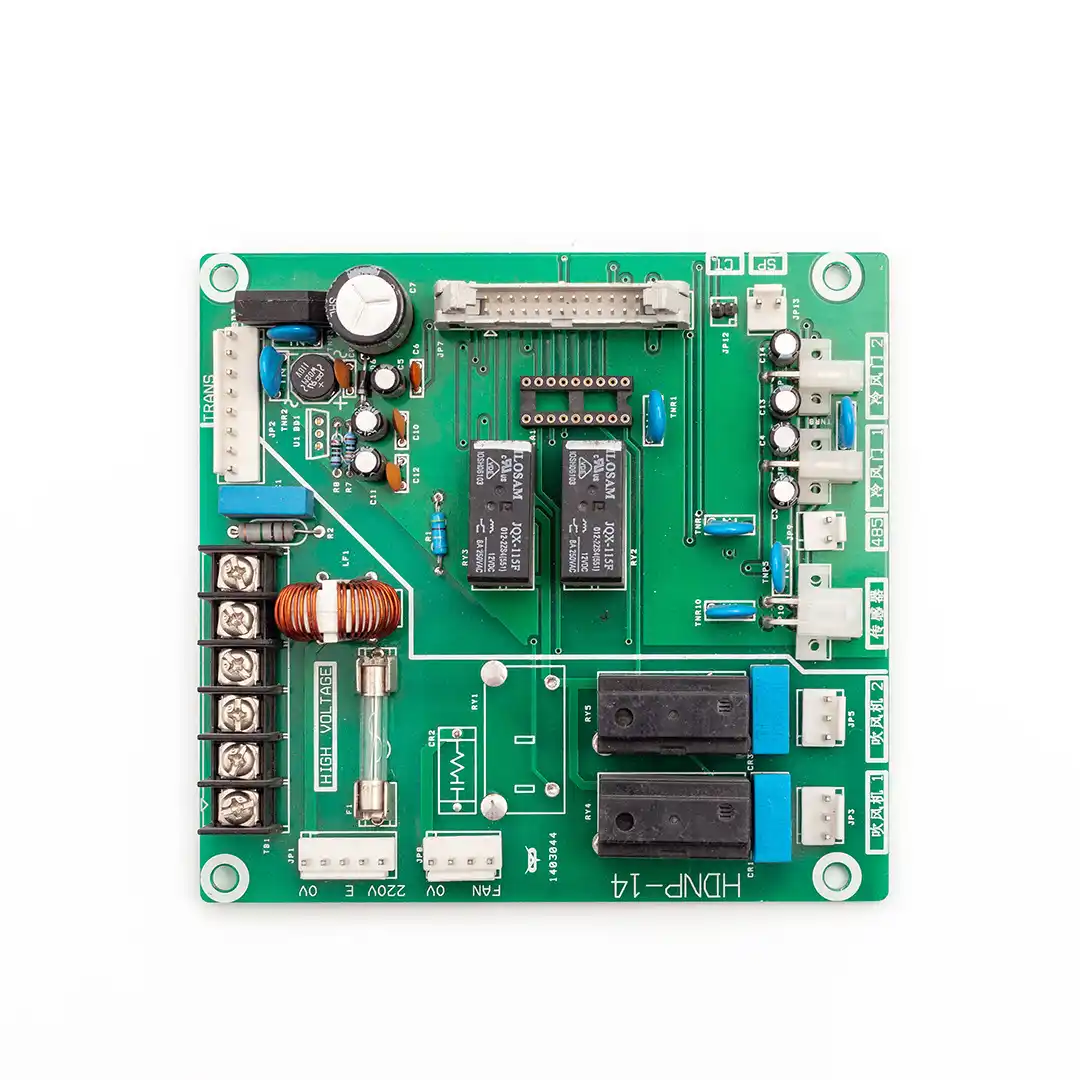
Unlike single-process factories, VUKO consolidates rigid bare board fabrication (1–12+ layers), turnkey SMT/DIP assembly, polyimide FPC, aluminum MCPCB, custom heat pipe cooling solutions, and industrial-grade IP65/IP67 membrane switches. This cohesive model ensures that mechanical overlays, flexible tails, and main controller PCBA match with zero dimensional or signal pinout discrepancies.
Proactive Engineering DFM & Genuine Component Assurance
Our engineering division conducts rigorous Design for Manufacturability (DFM) and Design for Assembly (DFA) audits within 24 hours of receiving your Gerber and BOM packages. We actively verify pad footprints, thermal relief geometries, trace clearances, and component lifecycle statuses. Every passive and semiconductor component is procured exclusively through traceable franchised distributors (including Digi-Key, Mouser, Element14, and original chipmakers), completely neutralizing the risk of counterfeit or reclaimed parts.
Prototyping Agility (5 Pcs MOQ) to Production Scale
We respect the iterative nature of modern hardware product development. Australian startups and high-mix OEMs can launch prototyping validation with an accessible MOQ of just 5 units. Once your pilot runs pass local field trials and RCM/CE testing, our high-speed automated SMT lines seamlessly ramp from small-batch pilot validation to full-scale volume runs without requalification delays.
Procurement Clarity
Frequently Asked Questions for Australian Hardware Buyers
Straightforward, technical answers regarding cross-border compliance, logistics timelines, import tariffs, and engineering processes.
How does VUKO assist our electronic hardware with ACMA RCM compliance?
While final Regulatory Compliance Mark (RCM) certification is legally registered by the local Australian Responsible Supplier, our manufacturing directly controls the engineering prerequisites. We guarantee strict adherence to your schematic's layout constraints, maintain controlled impedance traces (±10%), enforce lead-free RoHS-compliant chemical finishes (such as Lead-Free HASL or ENIG), utilize flame-retardant UL 94V-0 rated laminates, and provide complete material declarations and Certificates of Conformance (CoC) for your compliance folder.
What files and documentation are required to initiate a PCBA turnkey quotation?
For bare board fabrication, please supply standard RS-274X or ODB++ Gerber files including drill layers, stackup specifications, copper weights, and surface finish preferences. For turnkey PCBA, kindly include an itemized Bill of Materials (BOM) in Excel format with designated Manufacturer Part Numbers (MPN), approved second-source alternates, reference designators, and component package details. Supplementing this with XY Centroid (Pick-and-Place) coordinates and custom functional test instructions ensures an engineering review and itemized quote within 24 hours.
How are shipments delivered to major Australian capital cities and regional centers?
All finished goods are packaged in anti-static ESD shielding, sealed in vacuum moisture-barrier bags with desiccants, and packed in ruggedized export cartons. We dispatch regular shipments via direct express air couriers (DHL, FedEx, UPS) directly from Shenzhen to Sydney, Melbourne, Brisbane, Adelaide, and Perth with typical door-to-door transit times of 3 to 5 business days. For volume bulk orders, ocean freight consolidation to Port Botany or Port of Melbourne is readily arranged.
What customs duty or GST obligations apply when importing PCBAs into Australia?
Under the China-Australia Free Trade Agreement (ChAFTA), bare printed circuit boards (Harmonized System Code 8534.00) and assembled electronic circuit boards (HS Code 8537 / 8542 / 8543) typically enter Australia with a 0% customs duty rate when accompanied by standard trade origin documentation. The standard 10% Australian Goods and Services Tax (GST) is levied at the Australian border on import transactions exceeding AUD $1,000, which can generally be claimed as an input tax credit via your company's Business Activity Statement (BAS).
Can VUKO protect our intellectual property and supply chain continuity?
Intellectual property integrity is central to our OEM partnerships. We routinely execute bilateral Non-Disclosure Agreements (NDAs) prior to reviewing proprietary CAD data. Firmware binaries shared for IC programming are maintained on secure, isolated internal networks with role-restricted engineering access. Furthermore, our component sourcing desk actively alerts your team to impending End-of-Life (EOL) or excessive lead-time components on your BOM, recommending pin-compatible drops before assembly begins.
Ready to Accelerate Your Australian Hardware Development?
Send your Gerber files, BOM, or membrane switch drawings to our Shenzhen engineering team today. Experience unmatched DFM feedback, transparent pricing, and rapid sample turnarounds.