OEM Procurement Portfolio
Featured Rigid-Flex, Thermal & Electro-Mechanical Hardware
Fully qualified components and assemblies meeting Las Vegas high-duty cycling, extreme ambient desert temperature fluctuation, and ultra-compact architectural requirements.
Engineering Whitepaper
Architectural Engineering of High-Tg Multilayer Rigid-Flex Circuits
Solving volumetric space constraints, dynamic mechanical vibration, and 24/7 continuous thermal dissipation challenges for Las Vegas hardware developers.
Substrate Chemistry & Stack-Up Optimization
Standard FR-4 laminates suffer catastrophic delamination when exposed to continuous flexure and the intense thermal cycling typical of Southern Nevada electronic enclosures. We utilize adhesiveless polyimide (PI) base films down to 12.5µm paired with high-Tg (170°C–180°C) halogen-free epoxy glass prepregs. Eliminating modified acrylic adhesive layers directly prevents z-axis thermal expansion mismatch, securing through-hole plating integrity during reflow temperatures exceeding 260°C.
- Core Dielectric Adhesiveless Polyimide (1/2 mil to 2 mil)
- Copper Foil Type Rolled Annealed (RA) for dynamic flex
- Rigid Base Core High-Tg FR-4 (Tg ≥ 170°C, Td ≥ 340°C)
- Bonding Film Low-Flow / No-Flow Prepreg (e.g. 1080/106)
Transition Zone Integrity & Strain Relief
The rigid-to-flex boundary constitutes the most critical failure mode under physical shock or repeated cabinet maintenance. Shenzhen VUKO Electronics incorporates staggered coverlay interfaces where flexible coverlayers penetrate 1.0mm inside the rigid section, sealed with automated, controlled-dispense flexible epoxy strain-relief fillets. Traces crossing the transition line are designed perpendicular to the bend axis with teardrop fillets, avoiding stress concentrations.
- Transition Radius Staggered overlap ≥ 1.0 mm (40 mil)
- Strain Relief Bead Flexible Polyurethane / Epoxy Fillet
- Bend Ratio (Dynamic) 20:1 to 40:1 bend-to-thickness ratio
- Bend Ratio (Static) 10:1 minimum radius bend margin
High-Speed Signal & Impedance Control
For high-throughput multi-screen casino consoles, stage automation networks, and medical edge-sensors, controlling differential impedance within tight ±5% tolerances across flexible interconnects is vital. We deploy cross-hatched reference copper planes (e.g., 45-degree angle mesh) to preserve controlled 50Ω single-ended and 100Ω differential routing without compromising the structural flexibility or creating trace stiffening spots.
- Differential Impedance 100Ω ± 5% across flex jumpers
- Ground Shielding Silver film EMI shield / Hatched Cu
- Surface Finish ENIG (≥2u" Au), Immersion Silver, ENEPIG
- Microvia Plating Copper via fill (VIPPO compliant)
| Performance Specification | Standard Commercial PCB | VUKO High-Reliability Rigid-Flex | Vegas Application Advantage |
|---|---|---|---|
| Connector Interconnect Failures | Multiple board-to-board ribbon connectors | Monolithic continuous copper runs (Zero Connectors) | Eliminates pin fretting and contact oxidation in 24/7 EGMs |
| Volumetric Envelope Savings | Planar rectangular boards with 15–25mm clearance | 3D conformal folding (Up to 65% space reduction) | Enables ultra-slim interactive kiosks, slot toppers & wearables |
| Thermal Shock Tolerance (-40°C to +125°C) | Moderate (Prone to via barrel cracking) | IPC-6013 Class 3 Compliant (Pure adhesiveless PI) | Survives rapid cycling from desert heat to chilled casino floors |
| Vibration & Mechanical G-Shock | Susceptible to solder joint fatigue on headers | Rolled Annealed (RA) Copper > 100,000 bend cycles | Withstands concert stage rigging, moving lighting, & slot actuation |
| Assembly SMT / Insertion Steps | 3 to 5 discrete boards requiring manual harness plugging | Single-pass panelized SMT & AOI inspection | Lowers OEM assembly labor costs and eliminates wiring errors |
Regional Market Alignment
Serving the Unique Demands of the Las Vegas High-Tech Ecosystem
From the digital marvel of the Las Vegas Strip to advanced manufacturing in North Las Vegas and Henderson, our circuit architectures match Nevada's leading edge.
Casino Gaming Terminals & Interactive Consoles
Electronic gaming machine (EGM) manufacturers in Las Vegas face severe spatial restrictions behind curved OLED displays, tactile betting panels, bill validators, and coinless NFC card readers. Rigid-flex boards bridge button decks and main CPU chassis without bulky wiring bundles, offering native noise immunity against ambient static electricity discharge (ESD) generated by casino carpets and patron traffic.
Live Show Rigging, Kinetic Lighting & Sphere Stage Tech
Live production stages along the Strip and revolutionary venues like Sphere demand extreme dynamic flex resistance. Moving motorized lighting heads, robotic stage arms, and high-density wearable performer trackers endure continuous torsion. VUKO manufactures custom bookbinder flex loops and staggered multilayer flex jumpers with rolled annealed copper that eliminate conductor micro-cracking under intense stage acoustics and continuous rotational motion.
Desert Outdoor Signage & Autonomous Vehicle Testing
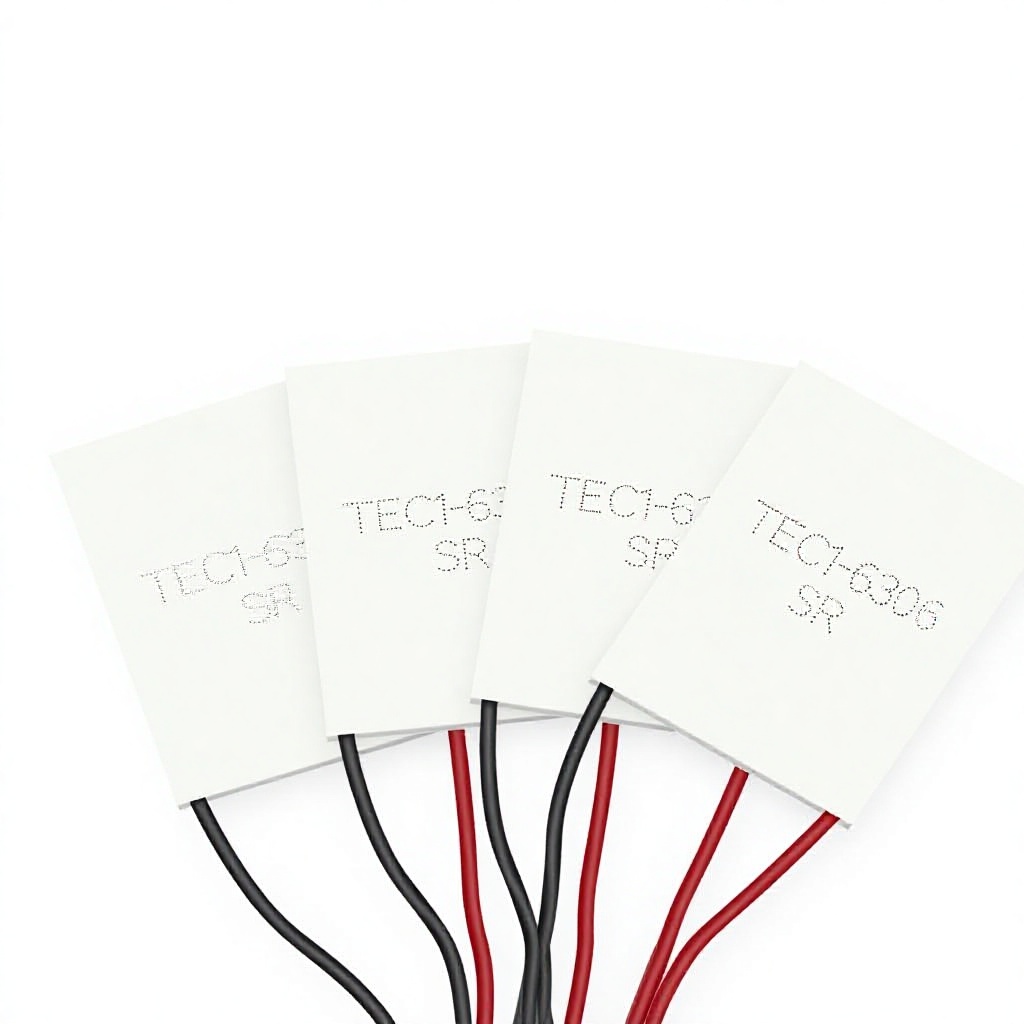
Southern Nevada's climate subjects exterior electronics to outdoor temperatures topping 115°F (46°C) alongside rapid evening thermal drops. In autonomous vehicle testing around the Apex Industrial Park and highway corridors, our rigid-flex sensor boards integrate heavy copper power runs and thermoelectric cooler (TEC) interfaces that maintain optical and LiDAR calibration without trace delamination or thermal impedance bottlenecks.
Future Industry Forecast
Technological Trends Reshaping Electronics Sourcing in Nevada
How converging requirements for high-density interconnects, haptic user interfaces, and desert-ready durability are defining next-generation RF-PCB procurement.
1. Convergence of HMI Panels with Flexible Backplanes
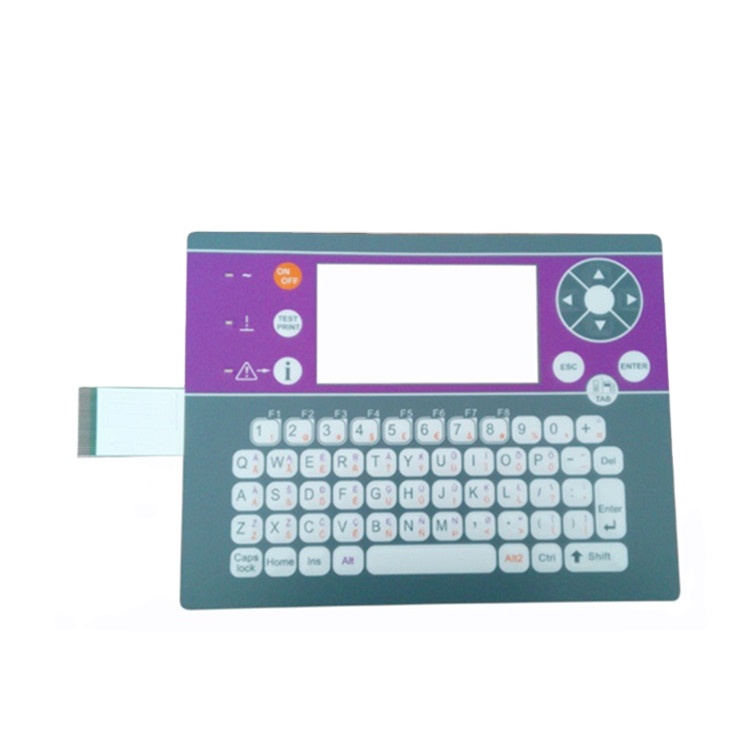
The days of separate graphic overlays connected via fragile ribbon tails to remote motherboards are vanishing. Modern gaming and medical hardware developers in Las Vegas are ordering unified assemblies: IP67-rated waterproof membrane switches and capacitive touch panels laminated directly onto rigid-flex assemblies. With surface-mount LEDs, buzzers, and microcontrollers populated directly on the rigid section of the HMI tail, OEM assembly is reduced to a single drop-in mechanical operation.
2. HDI (High Density Interconnect) Rigid-Flex Integration
As AI edge processors and high-speed camera sensors shrink, the demand for Any-Layer HDI with staggered microvias, laser-drilled blind and buried vias, and via-in-pad (VIPPO) technology within rigid-flex boards has increased by over 40% across Western US engineering firms. VUKO supports line/space tolerances down to 2.5 mil (0.065mm) and microvia diameters of 0.1mm, allowing direct routing of 0.4mm pitch BGA processors for real-time video analytics.
3. Supply Chain Resiliency & Full Turnkey Sourcing
Nevada hardware manufacturers are actively de-risking their vendor portfolios. Juggling bare board fabricators in one facility, overseas component brokers for BOM shortages, and third-party SMT assembly houses creates severe quality blind spots and finger-pointing when faults arise. The prevailing trend favors verified turnkey partners who conduct DFM verification, source hard-to-find active components, execute SMT placement, and perform in-circuit functional testing under one roof.
Stringent Quality Protocol
Precision 12-Step Manufacturing & Quality Assurance Flow
Every board built for the Las Vegas market is fabricated in our ISO 9001 certified facility and tested to stringent IPC Class 2 and Class 3 electronic assembly criteria.
PHASE 01
24h Comprehensive DFM
Gerber RS-274X, ODB++, and BOM audit. Cross-sectional trace-to-coverlay evaluation, impedance calculation, and BGA footprint verification before tooling.
PHASE 02
Laser Micro-Machining
UV and CO2 laser drilling of microvias down to 0.075mm; precision depth-controlled routing of flexible polyimide coverlays and no-flow prepregs.
PHASE 03
Plasma Hole Wall Cleaning
Advanced plasma desmear technology removes resin smear from hole walls and activates polyimide surface tension, guaranteeing 100% blister-free electroless copper plating.
PHASE 04
Vacuum Thermocompression
High-precision multi-opening vacuum press laminators ensure zero air entrapment, consistent dielectric thickness, and optimal squeeze-out control of no-flow prepregs.
PHASE 05
Automated Optical Inspection
Dual-track inner and outer layer AOI scans 100% of circuit layers prior to bonding, instantly detecting trace narrowing, hairline shorts, or copper voids.
PHASE 06
Noble Surface Metallization
ENIG (Electroless Nickel Immersion Gold), ENEPIG, or Immersion Silver surface finishing ensures gold planarity for fine-pitch 0201/01005 passives and BGA placement.
PHASE 07
Flying Probe & Fixture E-Test
High-voltage netlist electrical testing verifies 100% continuity and isolation resistance (up to 500V DC test), eliminating bare-board opens or leakage paths.
PHASE 08
Turnkey SMT & Functional Check
High-speed Yamaha/Panasonic SMT lines, 3D SPI (Solder Paste Inspection), 3D X-Ray for BGA solder joints, conformal coating, and programming before vacuum anti-static packing.
Why Partner With Us
Shenzhen VUKO Electronics Co., Ltd. Competitive Strengths
Headquartered at the epicentre of the world's most versatile electronics ecosystem, bridging agile Shenzhen manufacturing with American engineering expectations.
14+ Years Export Credibility
Onsite-verified manufacturer with over a decade of continuous gold supplier track records on Alibaba.com, backed by Trade Assurance order payment protection.
Flexible Low MOQ From 5 Pcs
We empower startup innovation and custom industrial projects with prototype runs starting from just 5 pieces, scaling smoothly to thousands of mass production panels.
BOM Component Kitting
Full turnkey sourcing through authorized franchise distribution channels (TI, ST, NXP, Analog Devices, Murata). Counterfeit prevention via strict incoming optical and microscopic verification.
Dedicated 24h Engineering Desk
Direct one-to-one communication with bilingual senior CAM and DFM engineers who understand Las Vegas project deadlines, schematics, and mechanical tolerances.
Procurement Guidance
Frequently Asked Questions by Las Vegas & Nevada Hardware Buyers
Clear, actionable answers addressing logistics, certifications, intellectual property, testing, and production lead times.
What specific Gerber and fabrication files are required for an accurate Rigid-Flex PCB quote?
For custom rigid-flex circuit boards, we require standard RS-274X Gerber files or ODB++ packages that clearly differentiate rigid layers from flexible layers. Specifically, your package should include:
1. Individual copper layer data showing rigid and flex boundaries.
2. Separate drill files for through-holes, blind/buried microvias, and slot routings.
3. Distinct coverlay opening files for the flex section and solder mask layers for the rigid section.
4. A comprehensive layer stack-up drawing specifying base dielectric thicknesses (polyimide core, copper weights, no-flow prepregs, and stiffener types such as FR-4 or stainless steel).
5. For assembled PCBA, please provide the complete Bill of Materials (BOM) with Manufacturer Part Numbers (MPNs) and the XY Centroid pick-and-place coordinate file.
How fast can prototype rigid-flex boards be shipped to Las Vegas, Nevada?
Typical quick-turn prototype lead times for a 2- to 6-layer rigid-flex board range from 7 to 9 working days for fabrication, depending on complexity and surface finish. Turnkey SMT assembly requires an additional 5 to 7 days once component sourcing is complete.
We coordinate express air shipments directly from Shenzhen to Las Vegas (Harry Reid International Airport - LAS) via DHL Express, FedEx Priority, or UPS Worldwide. Average transit time is 3 to 5 business days, with full commercial invoices and customs declarations pre-cleared to ensure zero unnecessary customs delays.
How do you ensure rigid-flex boards withstand the 24/7 operating cycle and high temperatures of casino consoles?
Casino terminals present a unique stress profile: internal cabinet temperatures routinely reach 50°C to 65°C in enclosed kiosks, operating without shutdown for years. To prevent microvia barrel cracking and dielectric breakdown, we deploy:
• Pure adhesiveless polyimide laminates that drastically lower z-axis thermal expansion (CTE) relative to copper.
• High-Tg (≥170°C) rigid cores and low-flow prepregs that resist thermal softening.
• Staggered transition zones coated with flexible epoxy strain relief to eliminate shear strain at the flex-to-rigid junction.
• 100% electrical continuity and isolation testing via flying probe or dedicated netlist bed-of-nails fixtures, alongside optional thermal shock stress testing (-40°C to +125°C cycling) prior to dispatch.
Do your rigid-flex and PCBA products meet North American compliance standards like UL 94V-0, RoHS, and FCC?
Yes. All circuit materials utilized in our facility carry valid UL 94V-0 flammability certification ratings, and our production lines are fully lead-free and compliant with the RoHS 3 (EU 2015/863) and REACH directives. When assembling boards destined for North American casino regulatory bodies (such as the Nevada Gaming Control Board or GLI certification) or commercial FCC Part 15 compliance, we provide full material lot traceability, Certificates of Conformance (CoC), and component authenticity verification sheets.
Can VUKO handle reverse engineering or cloning of legacy boards used in legacy amusement and gaming hardware?
Yes, we specialize in PCBA reverse engineering and schematic reconstruction for legacy industrial and gaming hardware where original CAD drawings or Gerber files are lost. By mailing physical sample boards to our Shenzhen engineering lab, we perform precision layer de-processing, trace scanning, schematic extraction, and BOM identification. We can then upgrade the obsolete design into a modern, highly reliable rigid-flex or multilayer FR-4 format using readily available electronic components.
How are financial transactions and intellectual property protected for US buyers?
We routinely sign legally binding Non-Disclosure Agreements (NDAs) with US clients before receiving confidential schematics, proprietary firmware, or mechanical DXF drawings. For payments, buyers can utilize Alibaba Trade Assurance, which safeguards escrow funds until the shipment is delivered and verified against agreed technical specifications. We also accept direct Wire Transfers (T/T), Letters of Credit (L/C), and secure PayPal for prototype transactions.