Featured Touch Keypad & Electronic Hardware Solutions
Precision-engineered user interfaces, rigid-flex interconnects, and high-spec assemblies ready for integration into ruggedized Australasian OEM applications.
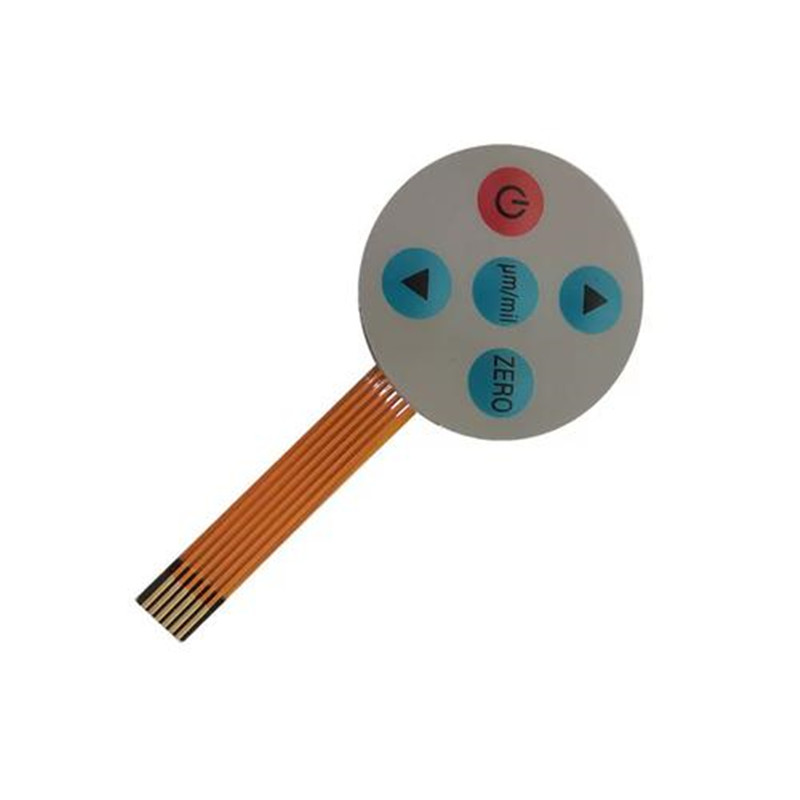
FPC Tail Membrane Switch Keypad, Custom Flexible Circuit Panel
Silk screen printed graphic overlay with high-density polyimide FPC connector tail. RoHS certified for commercial IoT sensing and outdoor telemetry enclosures.
Custom Waterproof Membrane Switch Touch Panel Keypad
Engineered with perimeter gasket adhesive sealing to defeat moisture ingress. Ideal for commercial food machinery, dishwashing systems, and dairy shed monitors.
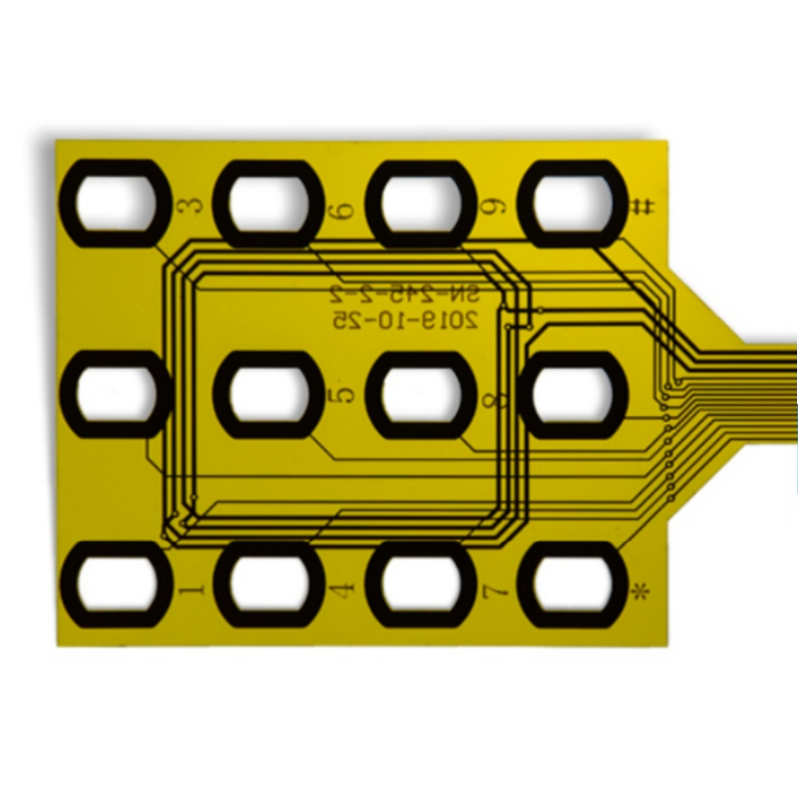
Custom FPC Flexible Printed Circuit, Single/Double/Multilayer
High-flexibility polyimide core with stiffeners, ENIG gold surface finish, and tight copper routing to support miniature wearable and compact handheld diagnostic tools.
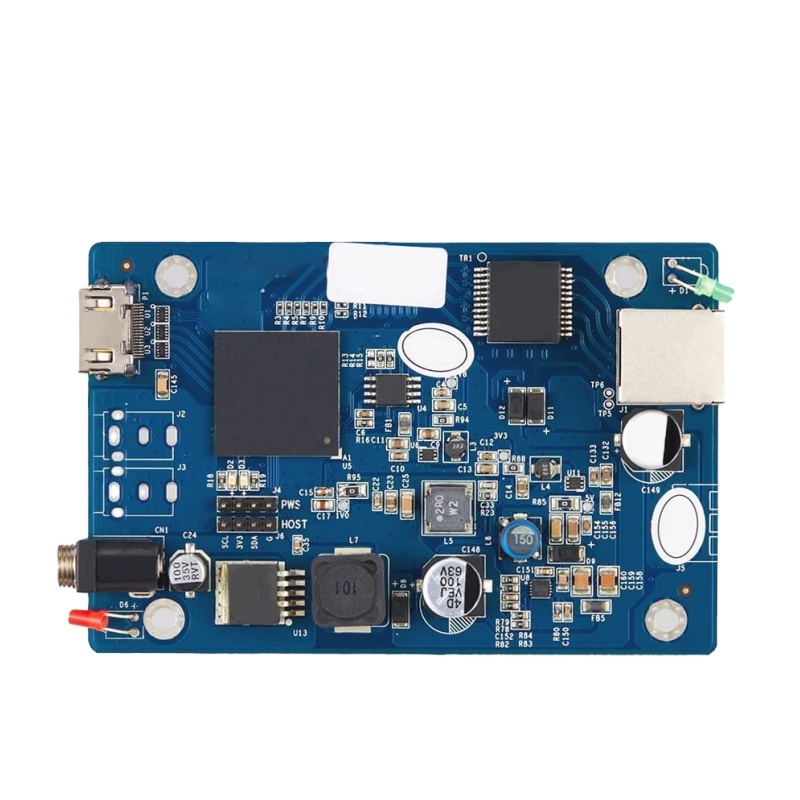
High Reliability PCBA Manufacturer Custom FR4 SMT/DIP
End-to-end electronic manufacturing services featuring automated SMT placement down to 01005 passives, BGA X-ray inspection, and comprehensive in-circuit functional testing.
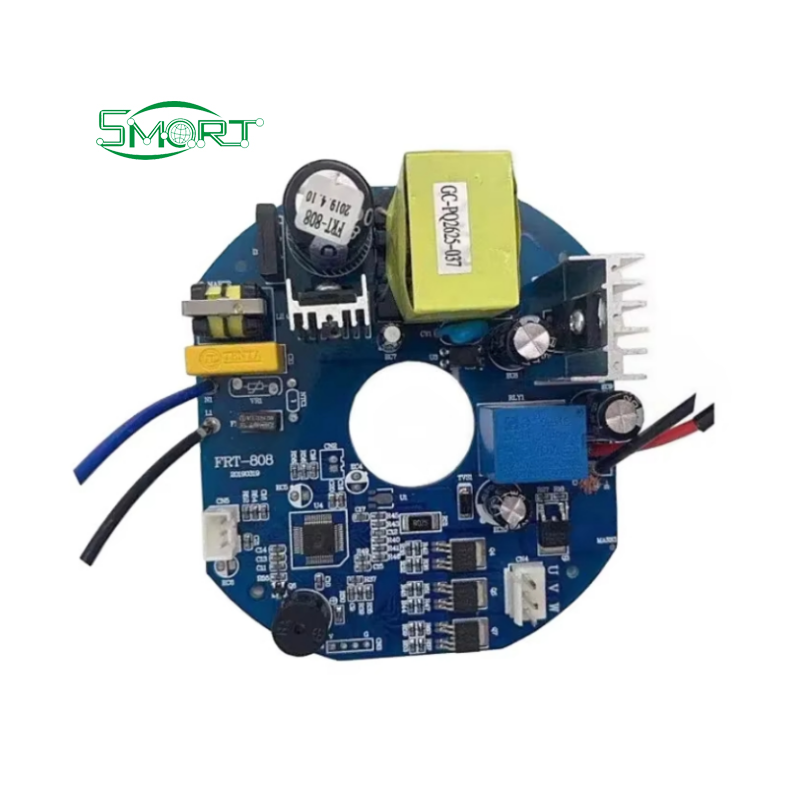
Smart Electronics BLDC Motor Controller PCBA 1oz Copper
High-efficiency sensorless brushless DC drive assembly. Features robust thermal heat sinking and surge protection designed for energy-efficient ventilation units.
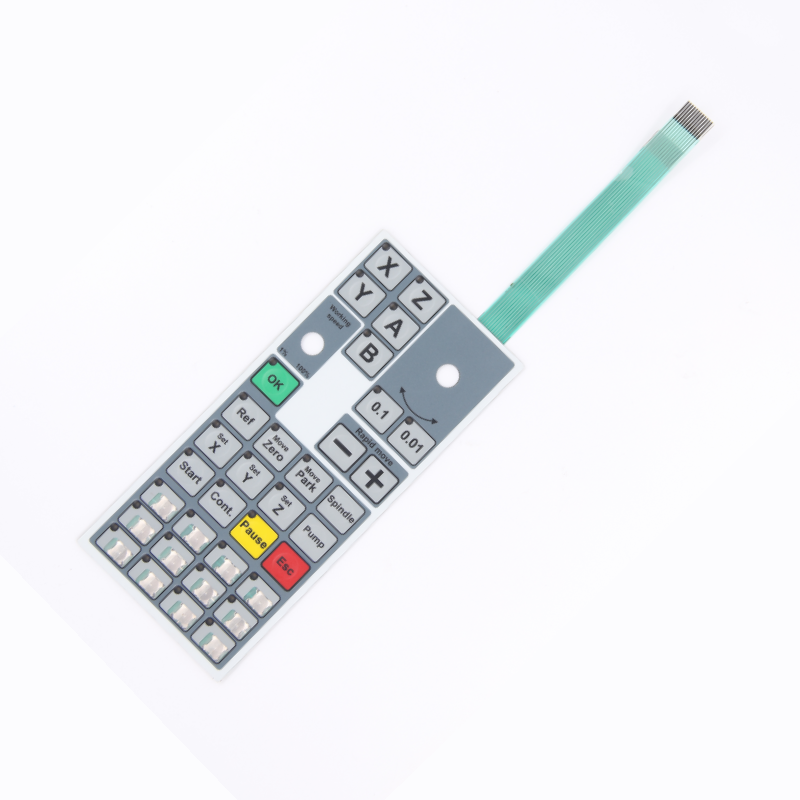
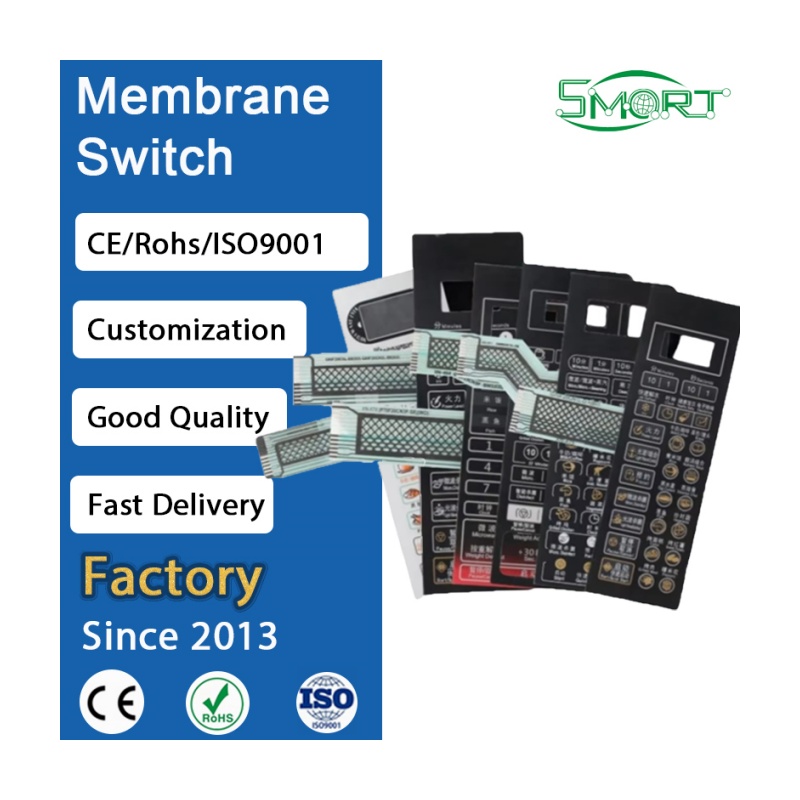
Custom Membrane Switch, PET/PC Flexible Keypad Silver Ink
Cost-effective high-volume membrane keypad utilizing conductive silver paste ink, UV gloss/matte texturing, and custom branding tailored for instrumentation panels.
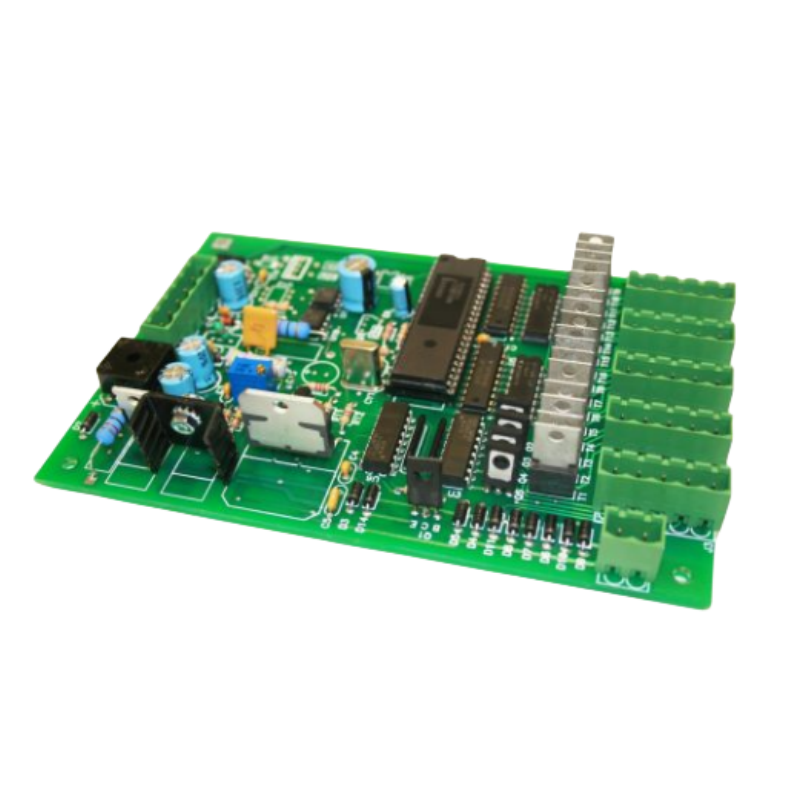
OEM PCBA One-Stop Circuit Board Assembly for Smart Electronics
Comprehensive turnkey PCBA service with full BOM component procurement, conformal coating options, firmware flashing, and final enclosure box-build packaging.
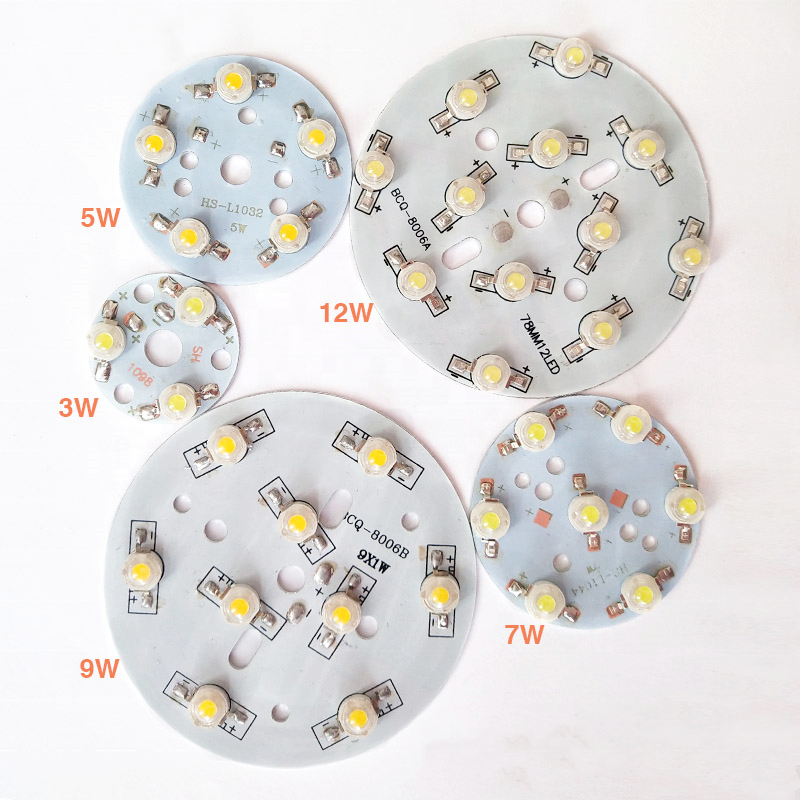
Custom Circular Aluminum LED PCB / PCBA 0.5oz–3oz Copper
Dielectric thermal conductivity from 1.0 to 5.0 W/m•K. Provides rapid heat dissipation for high-output marine deck lights, agricultural grow lamps, and architectural floods.
Architecting Resilient Touch Keypads for New Zealand Industry
Hardware procurement teams across the Auckland region—spanning R&D centers in Albany, Penrose, East Tamaki, and Highbrook—face distinct environmental stressors when specifying human-machine interfaces (HMIs).
Sub-Surface Graphic Printing
Using high-grade Autotex® XE textured polyester and Sabic Lexan™ polycarbonate films, graphic legends are screen-printed on the second surface (underneath the overlay film). This guarantees that abrasive cleaners, dairy wash chemicals, high-pressure steam, and abrasive dust never degrade the visual icons or functional legends over millions of actuations.
Environmental Ingress Protection (IP65–IP68)
Coastal salinity around the Hauraki Gulf and intensive washdowns in Waikato processing plants require impervious sealing. We utilize automated adhesive gasket die-cutting using genuine 3M™ 467MP, 468MP, and VHB acrylic foam adhesives to deliver hermetically sealed perimeter barriers, locking out moisture, condensation, salt fog, and chemical detergents.
Tactile Feedback & Actuation Dynamics
For critical applications where operator confirmation is mandatory, our panels incorporate nickel-plated or gold-plated stainless steel snap domes (actuation forces ranging from 220g to 450g). This crisp physical click ensures operators wearing thick industrial work gloves receive unambiguous tactile confirmation, preventing costly double-taps or missed inputs.
HMI Technology Selection Matrix for Auckland Hardware Engineers
Choosing between conventional silver-printed membrane keypads, capacitive touch sensors, and rigid-flex assemblies determines lifecycle longevity and assembly overhead.
| Architecture Type | Actuation Mechanism | Typical Lifetime | Moisture / Washdown | Tooling / NRE | Best Auckland Application |
|---|---|---|---|---|---|
| Tactile Metal Dome Membrane | Stainless steel snap dome (220–400g) | 1,000,000 to 5,000,000 cycles | • IP65–IP67 | Low to Moderate | Agri-tech machinery, industrial pump controllers, security panels |
| Capacitive Touch PET Panel | Solid-state projected capacitance | Virtually unlimited (no moving parts) | • IP68 (Seamless flat face) | Moderate | Smart home appliances, cleanroom MedTech, luxury yacht consoles |
| FPC Tail / Rigid-Flex Backed | SMD LED + Dome on Polyimide/FR4 | 3,000,000+ cycles | • High resistance to vibration | Moderate to High | Aviation avionics, marine navigation, compact telemetry pods |
| Silicone Rubber Keypad Integration | Conductive carbon pill / tactile snap | 500,000 to 2,000,000 cycles | • IP65 with wraparound bezel | Moderate (compression mold) | Handheld barcode scanners, field survey equipment, mining radios |
Technical Insight: While standard screen-printed silver ink circuits are ideal for cost-sensitive high-volume deployments, harsh environments subject to continuous thermal cycling benefit from copper-clad polyimide (FPC) inner layers, eliminating the risk of silver migration under high relative humidity.
Localized Implementation Across New Zealand’s Core Sectors
From the vibrant innovation hubs in Auckland Central to pastoral operations across the North Island, custom human-machine interfaces must withstand specific operating realities.
Marine & Coastal Navigational Electronics
Auckland’s thriving maritime ecosystem requires touch panels that resist corrosive salt mist, 100% relative humidity, and harsh UV exposure. We supply UV-stabilized Autotex XE polyester overlays laminated to marine-grade silicone keypads that prevent yellowing, embrittlement, and optical haze on deck-mounted fishfinders, radar consoles, and anchor winches.
Agricultural Tech & Dairy Processing Automation
New Zealand’s dairy automation innovators depend on washdown-rated user panels installed inside milking sheds and processing vats. Our IP67-rated membrane switches resist caustic CIP (Clean-in-Place) washdown chemicals, lactic acid, and grease, offering high-durability tactile feedback that keeps dairy yield monitoring operational 24/7.
MedTech & Biomedical Diagnostic Hubs
The biomedical cluster surrounding the University of Auckland and Grafton innovation quarter demands zero-crevice, anti-microbial touch panels. We provide smooth, non-porous graphic overlays with antimicrobial silver-ion additives that withstand aggressive hospital disinfectants such as isopropyl alcohol, bleach, and quaternary ammonium solutions.
Commercial IoT & Building Automation
Modern commercial structures in Auckland’s CBD and smart residential projects throughout the region demand sleek, capacitive touch panels with integrated backlighting, dimming curves, and discrete dead-front graphics where icon graphics remain invisible until illuminated by embedded SMT LEDs.
Key Technological Trends Transforming Australasian Interface Design
As hardware development cycles accelerate across New Zealand, interface engineering is transitioning from standalone electromechanical switches toward hybrid smart surfaces.
Integration of Haptic Touch with Capacitive Sensing
Designers in Auckland are increasingly phasing out physical mechanical buttons in favor of flat glass or polycarbonate panels featuring capacitive sensor electrodes paired with ERM (Eccentric Rotating Mass) or LRA (Linear Resonant Actuator) haptic feedback drivers, simulating tactile clicks while preserving unbroken surface sealing.
Optical Bonding Over TFT Displays
Field equipment operating under intense Southern Hemisphere sunlight requires superior readability. Direct optical bonding of transparent touch switch layers onto color TFT-LCD displays eliminates the reflective internal air gap, cutting internal reflections by over 80% while enhancing impact resistance against accidental drop damage.
Direct-to-PCBA Rigid-Flex Convergence
To reduce bill-of-materials count and eliminate fragile ZIF connector terminations, hardware teams are pairing membrane switch overlays directly with rigid-flex printed circuit boards. The keypad tail integrates seamlessly as an extension of the internal motherboard, streamlining device assembly and minimizing production failure points.
Why Engineering Leaders Partner With Us as Their Primary Exporter
Headquartered in the heart of Shenzhen’s high-density electronics corridor, we eliminate intermediate trading markups, delivering factory-direct PCB fabrication, turnkey SMT assembly, and custom keypad manufacturing directly to Auckland doorsteps.
Comprehensive DFM Review in 24h
Every Gerber set, graphic overlay vector file, and BOM is thoroughly audited by seasoned production engineers. We verify trace/space clearances, dome actuation travel distances, tail pitch constraints, and panelization schemes before metal tooling or silkscreen exposure begins.
Rigorous Multi-Stage Quality Assurance
Our facilities follow strict ISO 9001 certified protocols. 100% of membrane switches undergo automated computer-controlled continuity, contact resistance, and actuation-force validation. Bare PCBs pass automated optical inspection (AOI) and flying-probe electrical checks, while assembled PCBAs undergo 3D SPI and X-ray testing.
Optimized Trans-Pacific Logistics
We handle export packing and streamlined air and ocean freight into Auckland International Airport (AKL) and Ports of Auckland. Orders include complete commercial documentation, HS code classifications, and RoHS/UL compliance certificates for rapid New Zealand Customs clearance.
Agile Prototyping (MOQ from 5 Pcs)
We empower kiwi hardware startups and engineering consultancies to test proof-of-concept units without prohibitive financial overhead. Rapid prototype runs begin from just 5 pieces, scaling frictionlessly to tens of thousands of units with guaranteed batch-to-batch repeatability.
Frequently Asked Questions by Auckland Buyers
Clear, practical answers addressing common engineering considerations, import taxes, testing procedures, and lead times for New Zealand manufacturers.
What files and specifications do we need to submit for an accurate quotation?
For membrane switches and graphic touch keypads, provide your vector artwork (Adobe Illustrator .AI, vector PDF, or CorelDraw) detailing PMS/RAL Pantone colors, embossed key areas, and window transparency requirements, accompanied by a 1:1 DXF/DWG mechanical drawing indicating tail pinouts, pitch, and connector types. For turnkey PCBA, send RS-274X Gerber files, an Excel BOM with exact manufacturer part numbers (MPNs), and pick-and-place XY centroid data.
How does our shipment clear New Zealand Customs, and what about GST/tariffs?
Electronic assemblies and membrane switch components imported into New Zealand generally fall under HS Code 8537.10 or 8534.00, attracting a 0% general tariff under standard New Zealand trade schedules. Goods valued above NZD $1,000 are subject to standard 15% GST and an import customs transaction fee (ICFE). We furnish compliant export packing lists and commercial invoices to ensure rapid, hassle-free customs processing through DHL, FedEx, or air cargo brokerages.
Can your membrane keypads survive direct sunlight and high UV radiation in New Zealand?
Yes. Due to New Zealand’s exceptionally high peak UV index, standard commercial polycarbonate can turn brittle and crack within 12 to 18 months of continuous outdoor exposure. For outdoor enclosures, we specify specialized Autotex XE or MacDermid Autotype UV-resistant textured polyester films, which have undergone accelerated weathering tests (ASTM G154) to ensure up to 10 years of outdoor service without micro-cracking, delamination, or color fading.
What are the standard production and shipping lead times to Auckland?
Rapid prototypes for custom membrane switches typically take 7 to 10 business days for tooling fabrication, color-matched silk screening, and assembly. Turnkey PCB assembly prototypes require 10 to 15 business days depending on component availability. Express air transit from Shenzhen to Auckland International Airport (via direct flights to AKL) takes approximately 3 to 5 business days, delivering completed production samples to your facility in under three weeks.