1 / 5

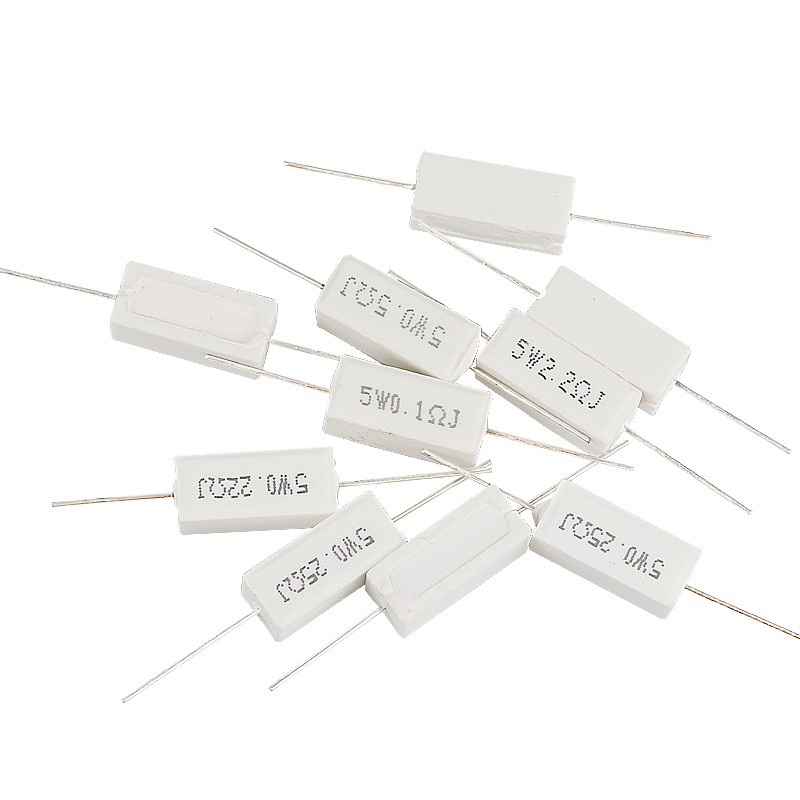
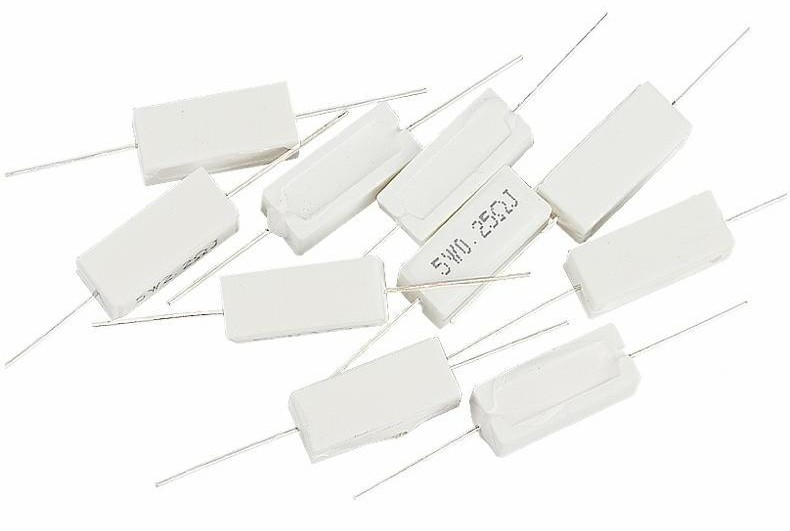
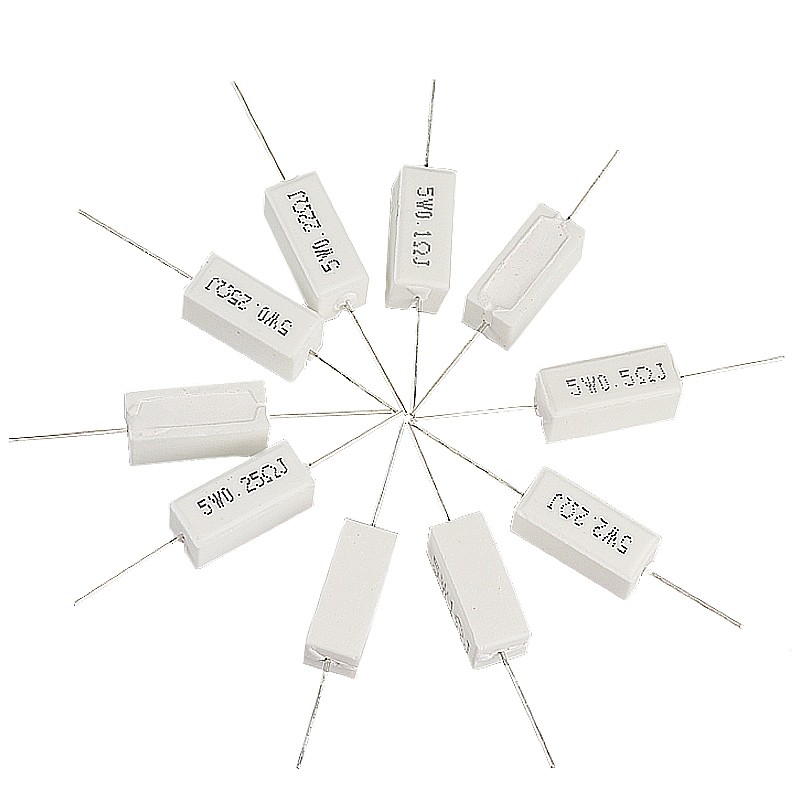
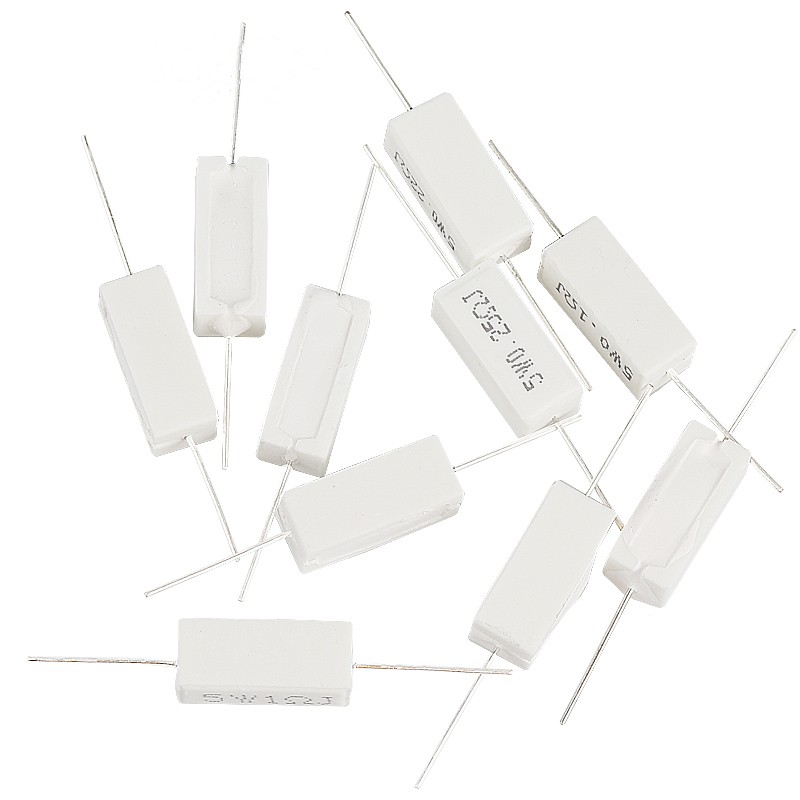
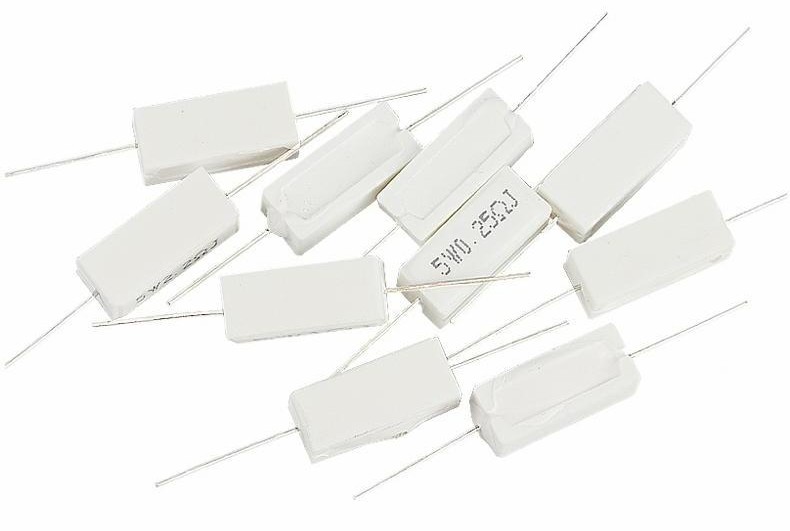
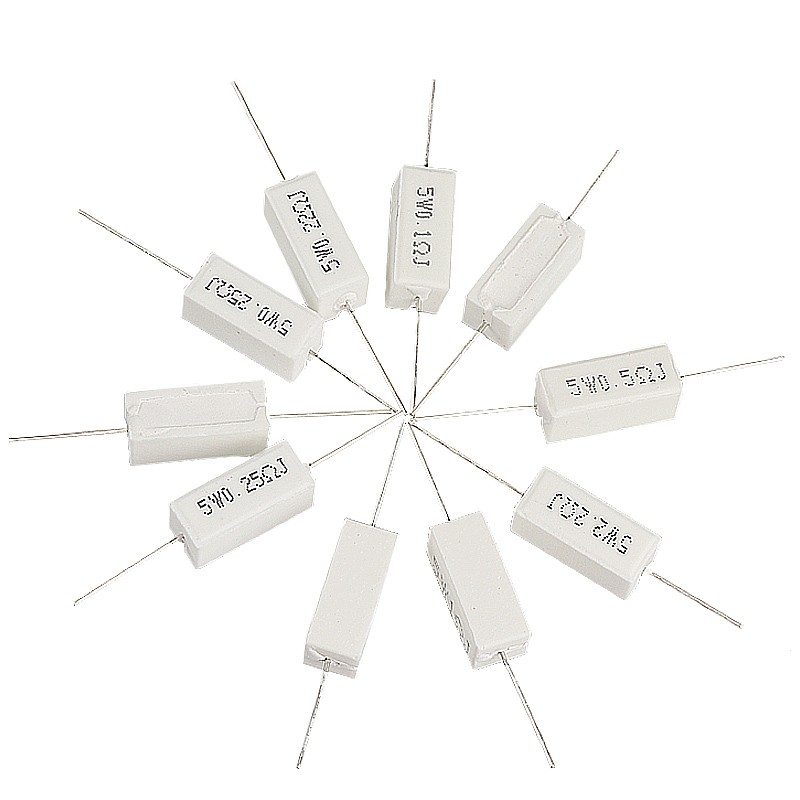
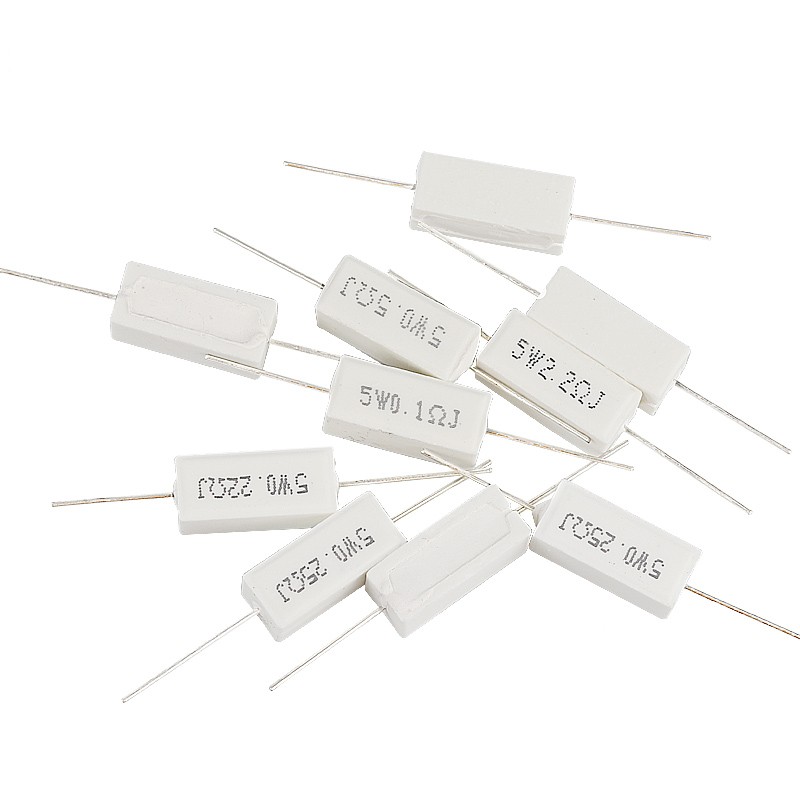
Cement resistor is a resistor sealed with fire-resistant clay, which means that the resistance wire is wound on a non alkaline heat-resistant ceramic component, protected and fixed with heat-resistant, moisture-resistant, and corrosion-resistant materials, and the wire wound resistance body is placed in a square ceramic frame, filled and sealed with special non combustible heat-resistant cement. There are two types of cement resistors: ordinary cement resistors and cement wire wound resistors. The appearance of the cement resistor is shown in the figure. Cement resistor is a type of wire wound resistor that belongs to high-power resistors and can allow larger currents to pass through. Its function is the same as a general resistor, but it can be used in high current situations, such as connecting in series with a motor to limit the starting current of the motor, and the resistance value is generally not large. Cement resistors have the characteristics of large size, shock resistance, moisture resistance, heat resistance, good heat dissipation, and low price, and are widely used in power adapters, audio equipment, audio frequency dividers, instruments, meters, televisions, automobiles, and other equipment.





Thank you for all your supports ! Welcome to contact us .