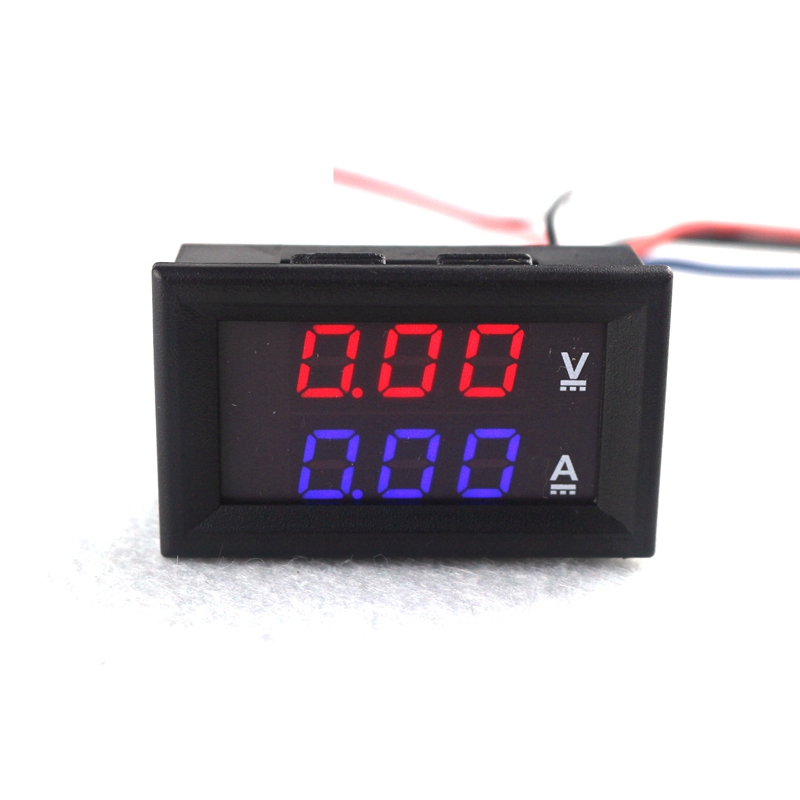
Integrated Hardware Stack
Engineered Products & Turnkey Switch Assemblies
Seamlessly integrating tactile human-machine interfaces, precision flex circuit tails, multi-layer rigid PCBs, and complete SMT/PCBA builds under one engineering roof.
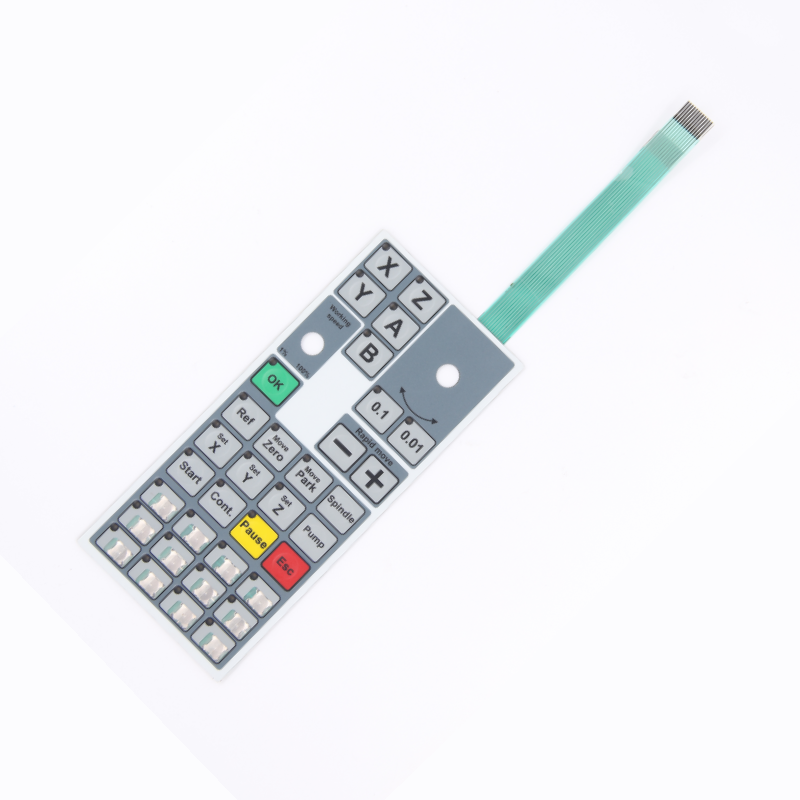
Shenzhen Factory Custom Membrane Switch, PET PC PVC Flexible Keypad, Silver Ink Circuit, FPC FFC Tail
Explore Specifications →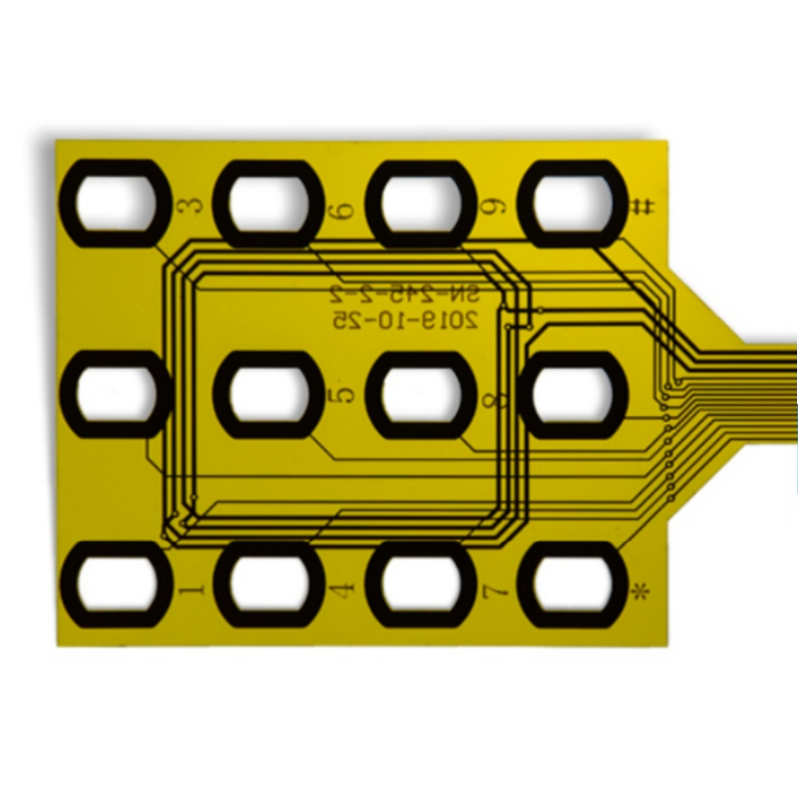
Custom FPC Flexible Printed Circuit, Single Double Multi Layer Flex PCB, Polyimide Stiffener, ENIG Surface
Explore Specifications →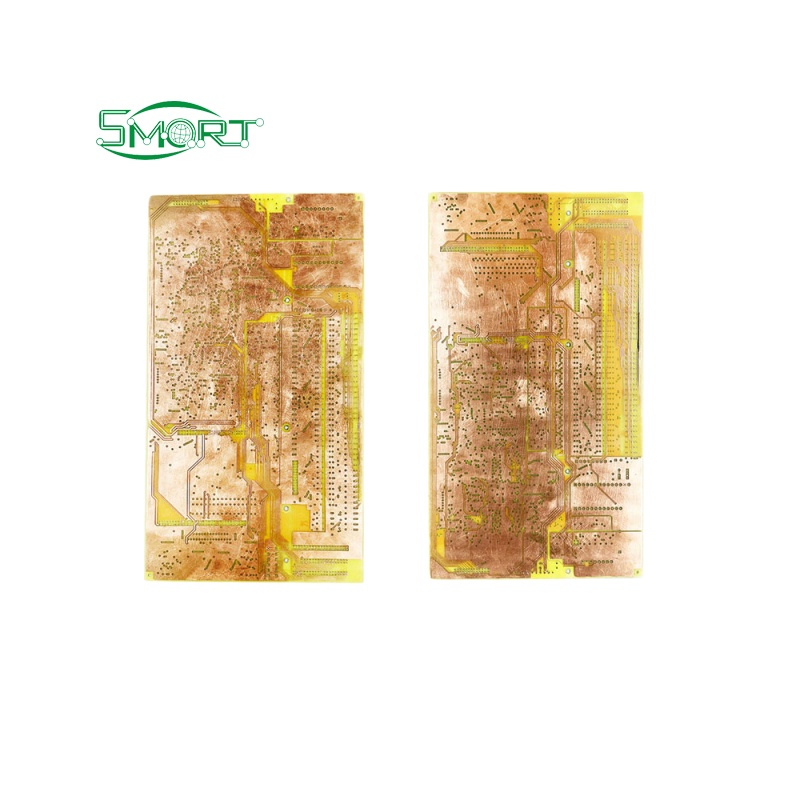
Smart Electronics Custom Multilayer PCB Board OEM Service FR4 Base Material 1oz Copper Custom Fabrication
Explore Specifications →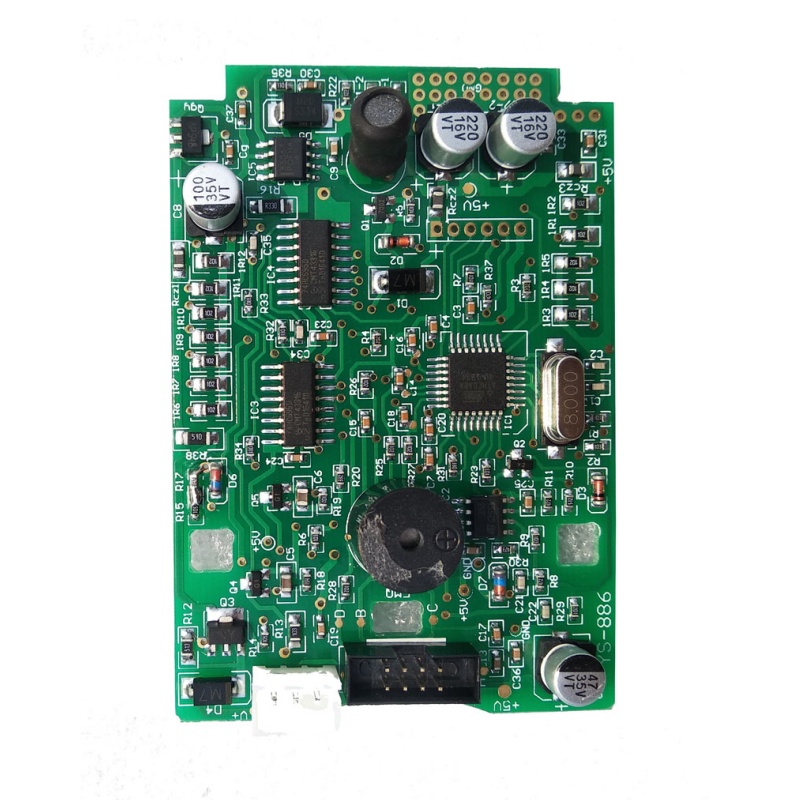
Custom Smart Device PCBA Assembly OEM PCB Board SMT Assembly for IoT Sensor Home Appliance
Explore Specifications →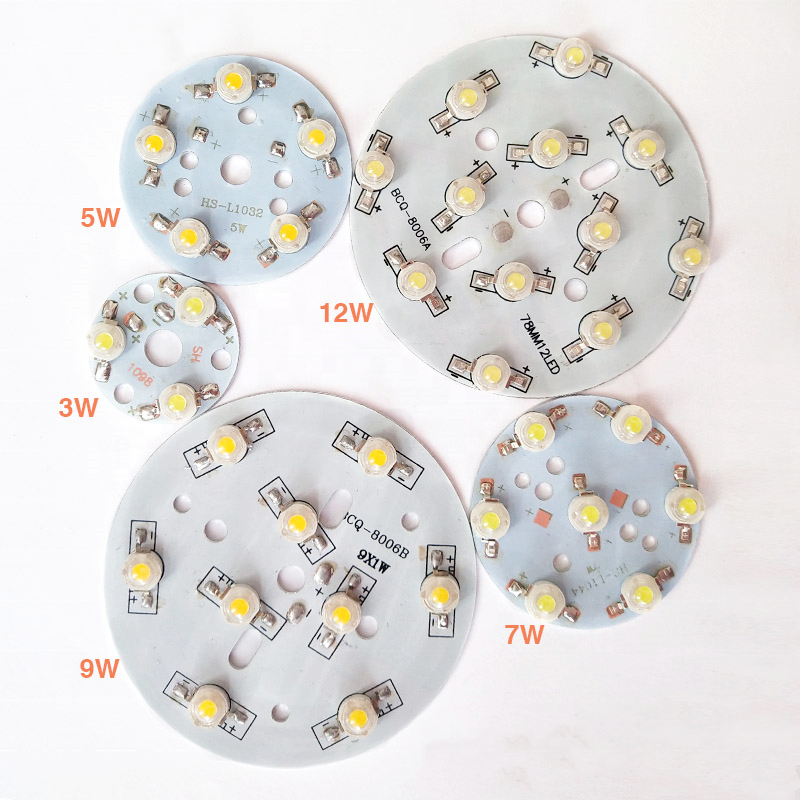
Custom Size Aluminum LED PCB PCBA Circular Bulb Lighting Board 0.5oz to 3oz Copper HASL OSP
Explore Specifications →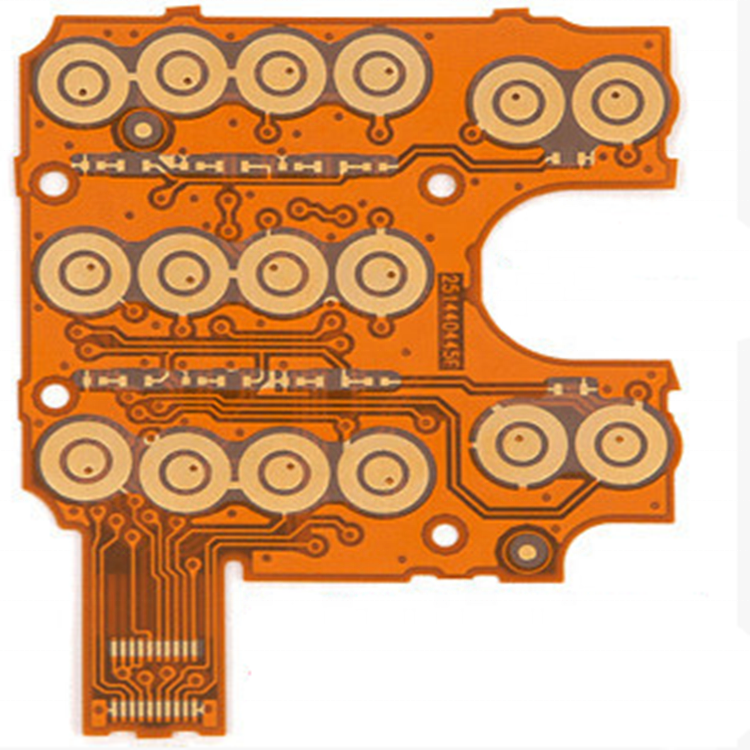
Shenzhen Factory Custom FPC FPCB Flexible PCB Board, Flexible Printed Circuit Tail for Membrane Switch
Explore Specifications →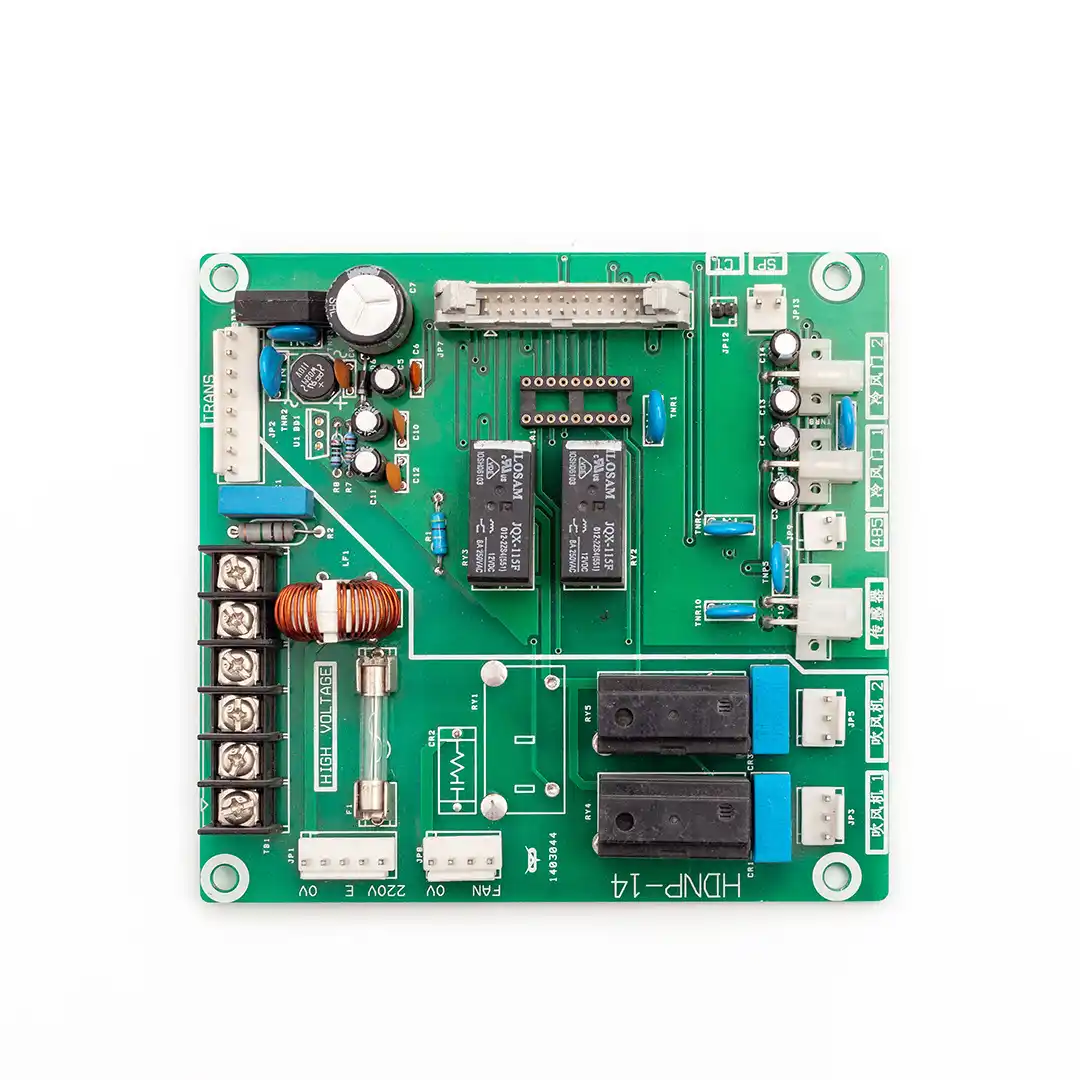
Custom PCBA Assembly OEM ODM One Stop SMT DIP PCB Assembly Service with Gerber BOM Components Sourcing
Explore Specifications →
14+
Years Exporting Excellence
≤ 24h
DFM Engineering Turnaround
1,000,000+
Tactile Actuation Lifecycles
IP65 / IP67
Environmental Seal Ratings
Engineering Excellence: Inside China's Premier Embossed Membrane Switch Manufacturing
In modern industrial electronics, medical diagnostics, laboratory instrumentation, and smart human-machine interfaces (HMI), the embossed membrane switch remains a foundational control medium. While software touchscreens dominate consumer mobile devices, industrial operators consistently demand uncompromising tactile confirmation, environmental ingress protection, chemical resistance, and mission-critical reliability. Sourcing from top-tier Chinese embossed membrane switch factories like VUKO Electronics delivers unprecedented engineering value by uniting graphic overlay chemistry, precision cold/hydroforming embossing dies, conductive trace screen-printing, and micro-SMT surface mount assembly under one strictly regulated production environment.
1. Tactile Embossing Methodologies: Cold Forming vs. Hydroforming & Hot Die Forming
The tactile response of an embossed membrane switch directly dictates user ergonomics and machine operation safety. Chinese state-of-the-art facilities leverage distinct embossing regimes based on substrate mechanical properties:
- Polyester (PET) Rim Embossing: Frequently deployed to frame active keys, display windows, or indicator LEDs. Cold mechanical stamping provides crisp edge definition without distorting optical transparency.
- Polydome (Pillowed) Graphic Forming: Thermally formed domes directly in the graphic overlay polyester layer. Polydomes deliver tactile snap ratios of 40% to 65% without requiring independent metal dome placement, creating cost-effective, silent, yet responsive actuations engineered for up to 3 million operational cycles.
- Metal Dome Integration with Pillow Embossing: By seating gold- or nickel-plated stainless steel domes (four-leg, triangular, or oblong configurations) beneath a gently domed graphic overlay, engineers achieve definitive snap actuation (forces from 220g to 500g) while safeguarding internal electrical switch points from moisture ingress and atmospheric oxidation.
2. Conductive Trace Deposition: Silver Migration Prevention & FPC Backers
Standard membrane keypads historically relied on screen-printed silver conductive pastes. However, under high-humidity conditions and continuous DC voltage bias, conventional silver inks can suffer from electro-migration dendritic shorts. Premier Shenzhen factories have eliminated this vulnerability through advanced manufacturing protocols. At VUKO Electronics, switch circuits are fortified using conductive polymer carbon over-printing across silver traces, high-density dielectric encapsulation, and increasingly, full migration toward Flexible Printed Circuit (FPC) copper sub-assemblies with immersion gold (ENIG) plating. FPC-backed membrane switches provide superior trace density, pitch down to 0.5 mm for high-pin count micro-controllers, and eliminate the connector termination breakage commonly seen in cheap flex tails.
Future Sourcing & Procurement Trends for Global OEM Buyers
Procurement directors and electronic hardware engineers operating in North America, Western Europe, and Australasia are navigating a shifting technological landscape. The procurement of embossed membrane switches is no longer an isolated mechanical buying process; it has converged completely with electronic hardware integration, optical display bonding, and unified supply chain governance.
1. HMI Convergence & In-Mold Electronics
Traditional multi-layer adhesive lamination is converging toward structural In-Mold Electronics (IME) and capacitive-touch integration. Embossed tactile keys are combined with back-printed capacitive sensor zones and active feedback haptics, creating sleek, continuous, crevice-free front panels demanded by sterile medical and food processing sectors.
2. Rigid-Flex & Turnkey PCBA Integration
OEM buyers are actively reducing vendor matrices. Instead of purchasing an overlay from a printer, an FPC tail from a flex shop, and an FR4 control board from a PCBA assembler, procurement teams contract single-source manufacturers capable of delivering completely populated, tested HMI modules with display integration, cable harnesses, and pre-flashed firmware.
3. Environmental Durability & Chemical Resistance
Global field environments demand resilience against aggressive hospital disinfectant sprays (isopropyl alcohol, bleach, quaternary ammonium), UV-degradation from outdoor sunlight, and extreme thermal cycling (-40°C to +85°C). Advanced hardcoated Autotex PET and polycarbonate substrates with anti-glare, anti-microbial treatments are standardizing specifications.
Sustainable Material Formulations and Low-VOC Printing
Global environmental mandates—including EU RoHS 3, REACH SVHC, and halogen-free directives—are driving Chinese tier-1 factories to adopt UV-curable dielectric inks, solventless pressure-sensitive adhesive transfer systems (such as high-performance 3M 200MP, 300LSE, and 467MP series), and recyclable packaging. Sourcing audits now systematically verify environmental compliances alongside dimensional verification and automated optical inspection (AOI) yields.
Why Partner With Shenzhen VUKO Electronics Co., Ltd.?
Located in the heart of Shenzhen's elite electronics corridor, Shenzhen VUKO Electronics Co., Ltd. provides an integrated manufacturing ecosystem that addresses the common bottlenecks global OEMs encounter when dealing with decentralized component supply chains.
Verified Manufacturing Authority
14+ years of verified international export history. Onsite audited by Alibaba.com, certified under ISO 9001 frameworks, and backed by Trade Assurance for guaranteed order and shipment protection.
Cross-Discipline Engineering Cohesion
Eliminate engineering disconnects. We fabricate bare PCBs (FR4, High-TG, Aluminum MCPCB), construct precision FPC circuits, execute SMT/DIP turnkey assembly, and print custom graphic overlays concurrently.
Low MOQ Prototyping (From 5 Pcs)
Fast-track hardware validation without onerous initial investments. We support agile prototyping runs from as low as 5 units, scaling effortlessly to millions of units in mass production.
24-Hour DFM & BOM Sourcing
Rapid quote response and comprehensive Design-for-Manufacturability (DFM) reviews within 24 hours. Full BOM procurement flagging lifecycle shortages or component obsolescence prior to line tooling.
Rigorous 100% Quality Assurance
Zero-defect philosophy encompassing automated optical inspection (AOI), flying probe testing, contact resistance mapping, snap-ratio tactile force testing, and environmental seal chamber validation.
Turnkey Reverse Engineering & Cloning
Legacy machine replacement support. Provide our engineering laboratory with working physical samples, and we reverse-engineer full Gerber data, schematics, overlay artwork, and updated BOMs.
Frequently Asked Questions for Embossed Membrane Switch Procurement
Key technical, commercial, and quality considerations compiled by VUKO Electronics' senior applications engineering group to streamline your sourcing workflow.
What engineering documentation is necessary to quote a custom embossed membrane switch?
To provide an accurate, rapid quotation within 24 hours, our engineering team requires:
- Graphic Overlay Artwork: Vector files (.AI, .CorelDraw, or high-precision .PDF) with color specifications defined via Pantone Solid Coated or RAL matching systems, precise key boundary dimensions, window transparencies, and embossing zones.
- Circuit Schematic & Tail Pitch: Pinout diagram, connector type (e.g., 2.54mm, 1.0mm, or 0.5mm ZIF), and contact circuit schematics (common bus or X-Y matrix).
- Mechanical Specifications: Total thickness build-up, rear adhesive type (3M 467MP, 3M 468MP, 3M 300LSE for low surface energy plastics), metal dome preferences (snap force, plating), and embedded LED quantities/colors.
How does graphic embossing impact switch lifespan and tactile actuation?
Embossing keys physically deforms the overlay material to create tactile travel or nest metal domes. Using high-grade biaxially oriented polyester (such as Autotex PET) allows over 1,000,000 to 5,000,000 tactile actuations without mechanical micro-cracking. Polycarbonate (PC) is suitable for low-cost, low-actuation panels, but PET is mandatory for high-reliability embossed keys subjected to frequent tactile actuation.
What is the difference between silver-printed circuits and FPC-backed membrane switches?
Screen-printed silver ink on PET film is cost-effective and suitable for large key layouts with moderate electrical traces. Flexible Printed Circuits (FPC) use copper etched onto polyimide (PI). FPC backers offer substantially lower loop resistance (<1 Ω vs. 20–100 Ω), allow micro-pitch surface mount LEDs/resistors without conductive epoxy failures, eliminate silver migration risks in harsh humid environments, and tolerate continuous mechanical flexing.
How does VUKO ensure ingress protection (IP65 / IP67) on embossed membrane switches?
Waterproof and dustproof sealing is achieved through a peripheral gasket adhesive ring surrounding the perimeter of the active switch matrix. Furthermore, the connector tail exit utilizes an S-curve or rear-exit sealed geometry to prevent capillary fluid ingress. Combined with chemical-resistant PET face materials, our assemblies easily achieve IP65 to IP67 ingress ratings for medical and outdoor marine use.
What is the typical prototyping and production lead time from your Shenzhen facility?
Rapid prototyping samples for custom embossed membrane switches typically require 7 to 10 working days, including tool manufacturing for embossing dies and screen-printing plates. Turnkey PCBA combined with membrane overlays generally ships in 15 to 20 working days depending on component availability. Expedited quick-turn runs can be scheduled upon project review.
How are overseas payments protected, and what warranty terms apply?
Orders can be executed via Alibaba.com Trade Assurance, providing end-to-end payment escrow, shipment scheduling assurance, and product quality verification. We also accept standard T/T and commercial L/C terms. All shipments undergo 100% electrical continuity and tactile actuation testing, covered by VUKO's quality warranty and direct engineering support.
Ready to Build Your Custom HMI Interface?
Initiate your DFM review with our senior electronics and membrane engineering group. We evaluate your artwork, optimize circuit layouts, and supply competitive direct-factory pricing within 24 hours.
Contact Us