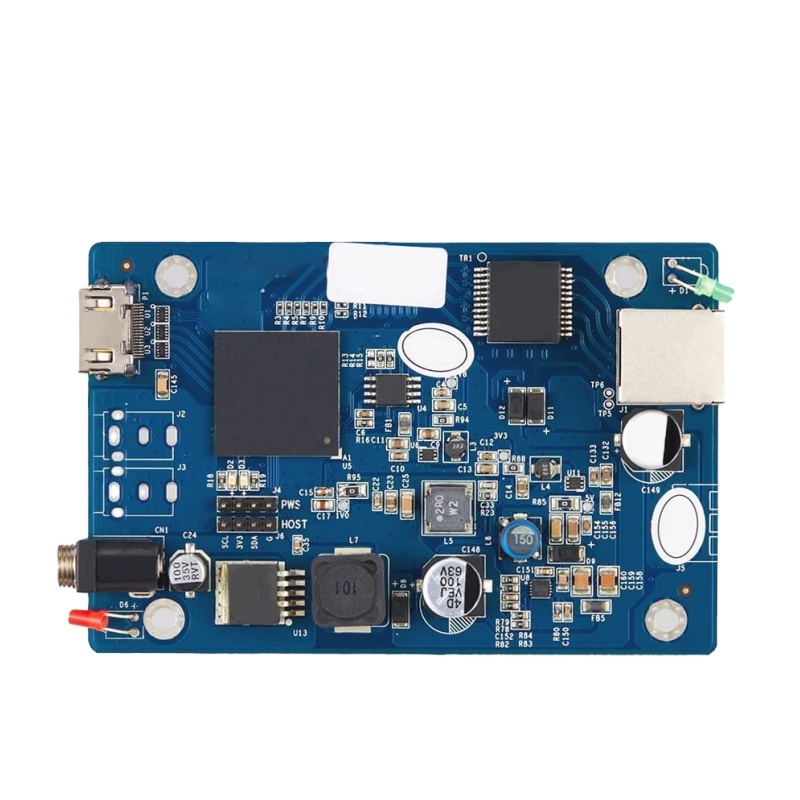
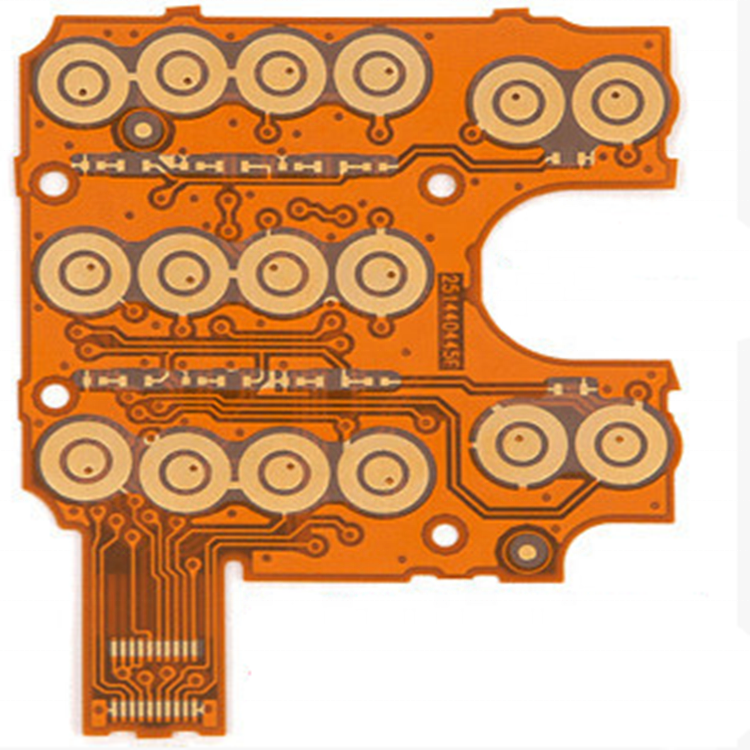
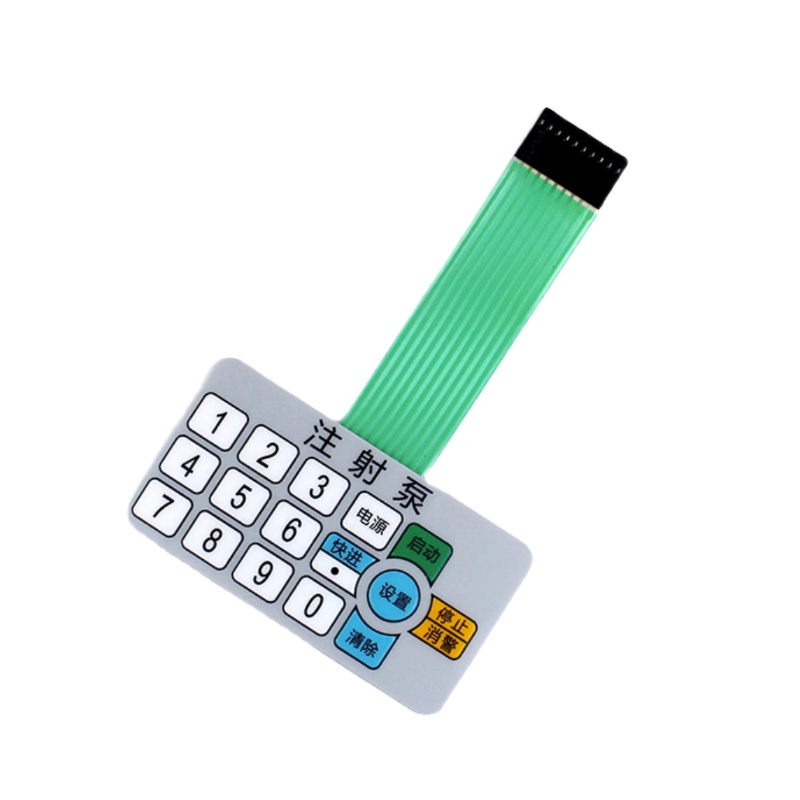
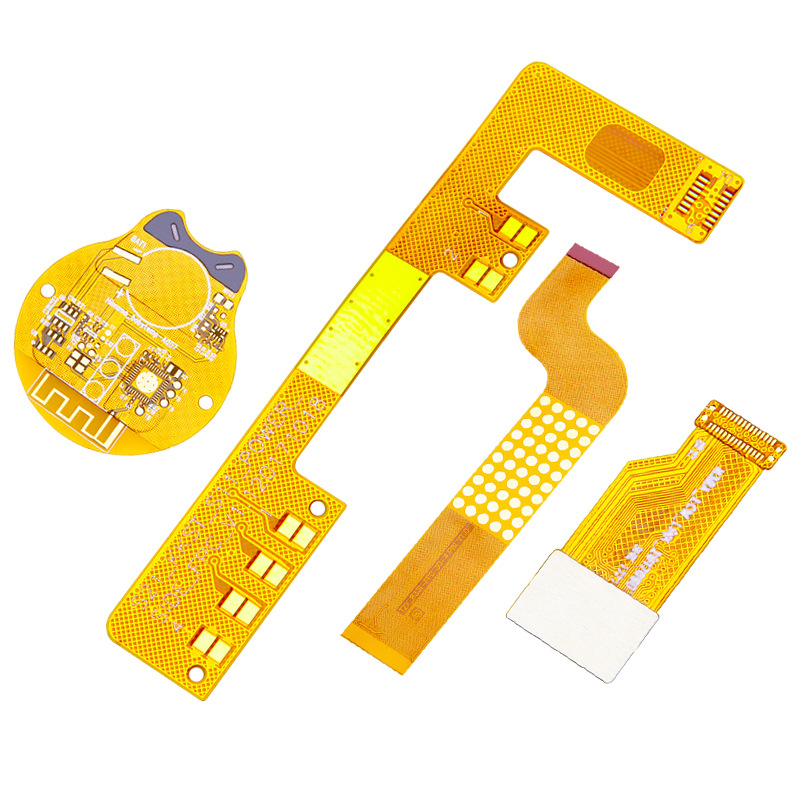
Featured Interface Assemblies & Turnkey Solutions
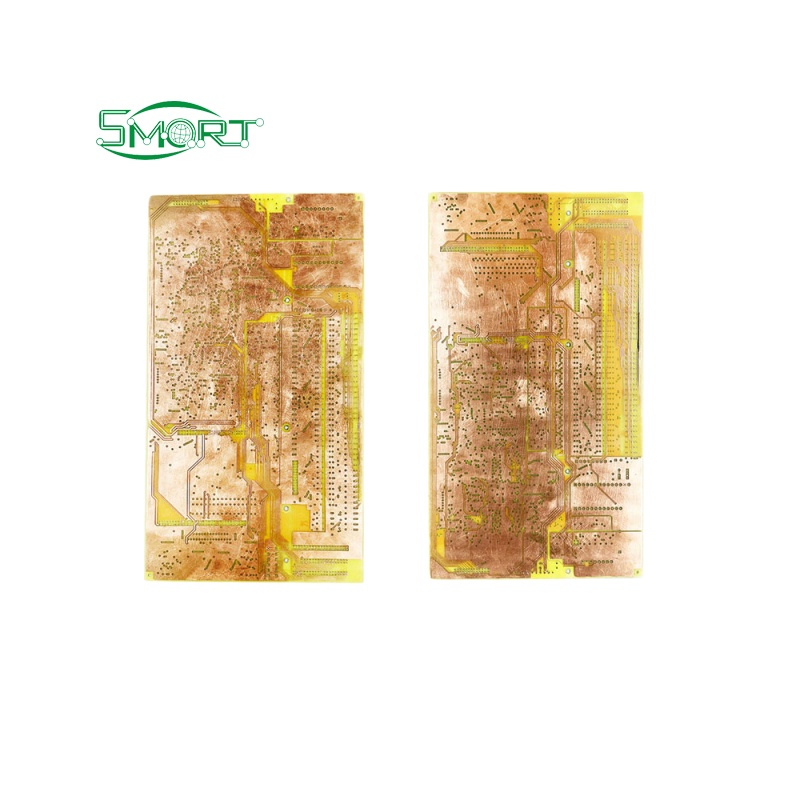
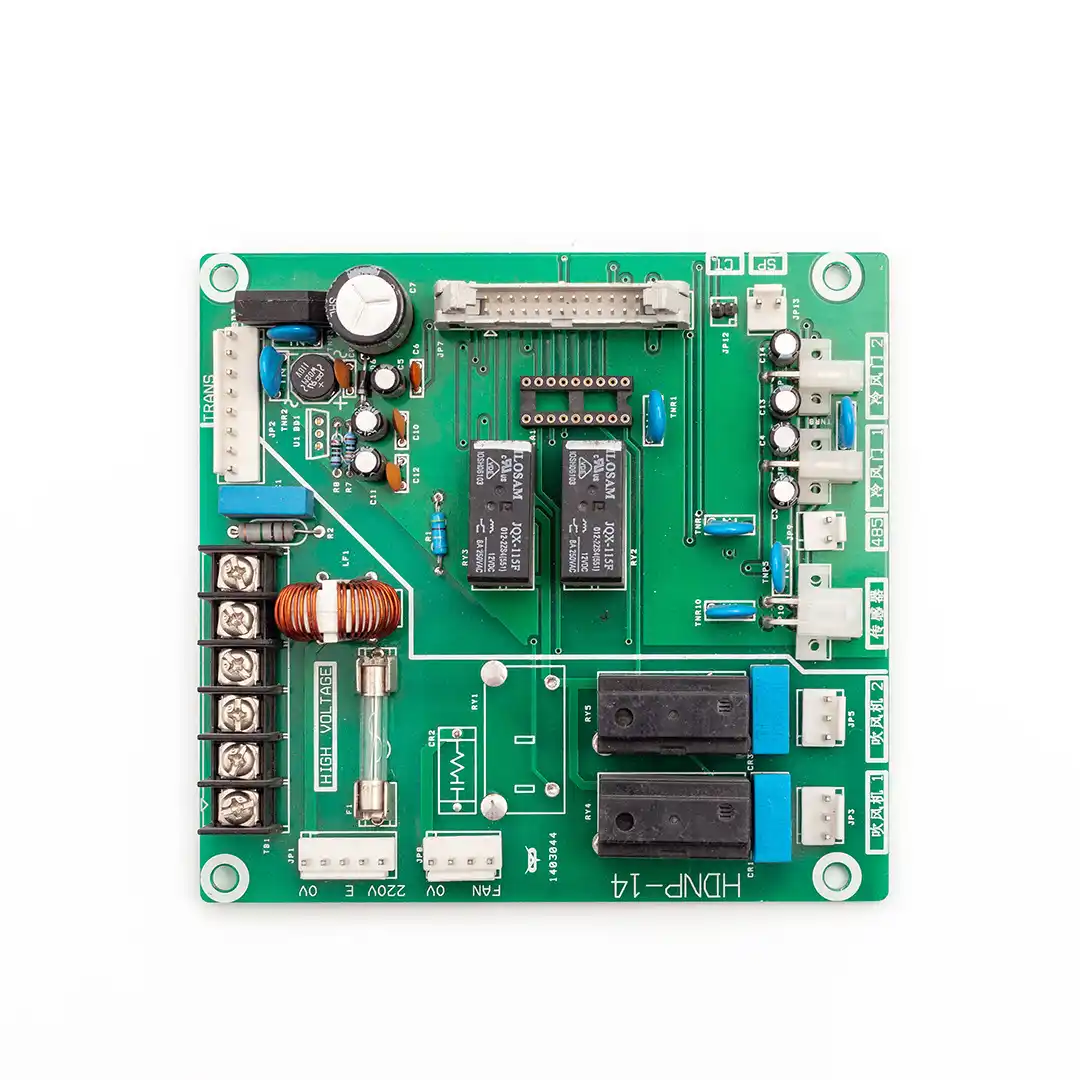
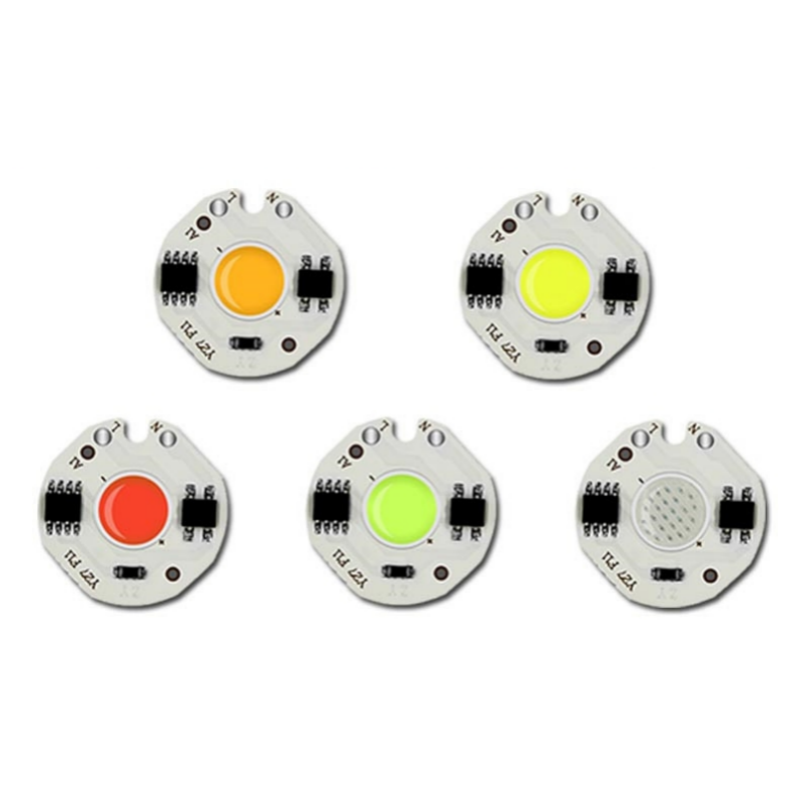
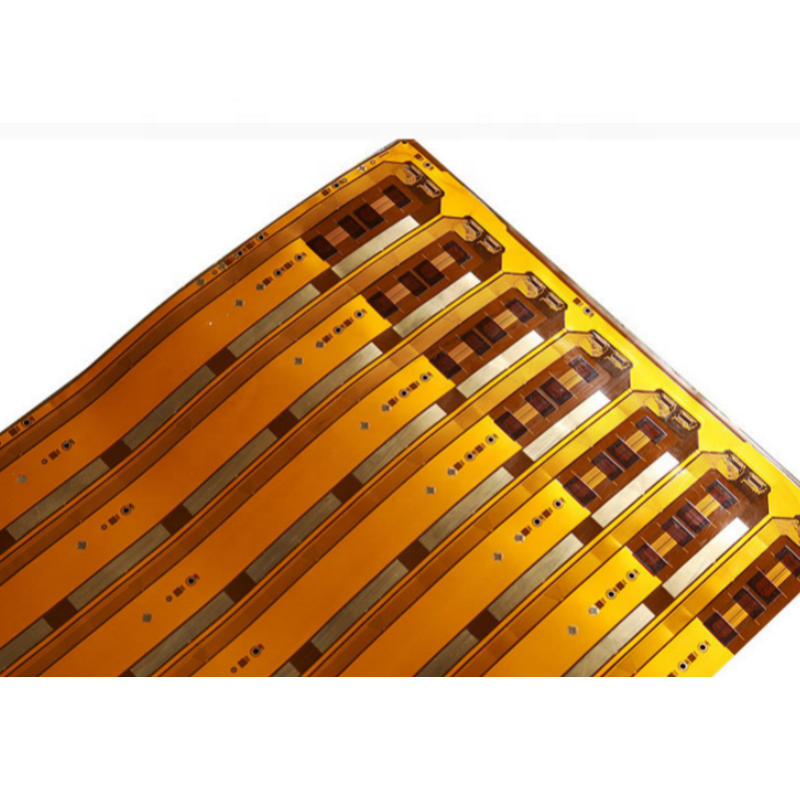
Direct OEM/ODM production lines bridging custom graphic interface fascias with high-reliability flexible printed circuits and surface-mount assemblies.
14+
Years Export Track Record
<24h
Engineering DFM Turnaround
100%
E-Test & AOI Optical Verification
5 Pcs
Flexible Rapid Prototyping MOQ
Engineering Graphic Overlays: Substrate Science and Mechanical Endurance
An authoritative breakdown of polymer selection, printing processes, environmental resistance, and tactical integration for global procurement managers.
In modern electronic equipment manufacturing, a graphic overlay (also known as a front panel fascia, interface nameplate, or membrane graphic plate) is vastly more than a cosmetic skin. It represents the critical physical barrier between human operation and complex electronics. Serving simultaneously as an aesthetic faceplate, an environmental vapor seal, and a tactile switch matrix, custom graphic overlays must withstand mechanical cycling, aggressive chemical agents, thermal extremes, and UV degradation. For original design manufacturers (ODMs) and procurement engineers auditing China's manufacturing ecosystem, selecting a supplier requires deep scrutiny into material chemistry, cleanroom screen printing capabilities, and structural lamination methods.
Design Tip: True durability begins with second-surface (reverse) printing. By screen printing inks on the interior side of transparent polymeric films, the external substrate body shields all colors, icons, and metallized traces from direct physical friction, solvent cleaning, and operator contact wear.
Autotype Polyester (PET)
The benchmark material for flexural lifespan exceeding 5,000,000 actuations. Polyester offers exceptional resistance to petrochemicals, harsh industrial cleaning reagents, and high cyclic flexure without embrittlement. Ideal for membrane keypads, clinical monitors, and outdoor marine interfaces.
Lexan Polycarbonate (PC)
Celebrated for mechanical dimensional stability, optical transparency, and flame-retardant performance (UL 94V-0 available). Polycarbonate provides crisp, clean embossed profiles for rim or pillow tactile keys, making it the preferred substrate for indoor consumer appliances and diagnostic dashboards.
UV-Stabilized Hardcoats
Outdoor field deployments demand specialized chemical coatings. UV-inhibited texturing prevents yellowing, hazing, and photo-oxidation under continuous direct sunlight exposure, while anti-glare and anti-scratch surface treatments maintain readability across outdoor smart terminals.
Substrate Comparative Engineering Matrix
| Performance Characteristic | Polyester (PET - e.g., Autotex) | Polycarbonate (PC - Lexan) | Acrylic / PMMA Overlays |
|---|---|---|---|
| Mechanical Flexural Life | > 5,000,000 cycles (Superior) | ~ 100,000 cycles (Moderate) | Rigid Only (Zero Flexure) |
| Chemical / Solvent Resistance | Resistant to alcohols, acids, cleaners | Degraded by harsh hydrocarbons | Good, sensitive to aromatic ketones |
| Embossing Retention at High Temp | Requires thermo-hydroforming | Excellent cold-forming characteristics | Not formable (Machined edges) |
| Dielectric Strength | 15–20 kV/mm | 14–18 kV/mm | 15–20 kV/mm |
| Optical Window Clarity | Selective texturing achieves >91% | Inherently high (>90%) | Exceptional optical transmission (>93%) |
| Target Applications | Medical ICU, Petrochemical, Heavy Duty | Consumer Electronics, Test Gear | Display protection lenses, Instruments |
Future Procurement & Technological Trends in Interface Manufacturing
How evolving human-machine interfaces are transforming Chinese export supply chains and procurement criteria for 2025 and beyond.
1. Hybrid Capacitive & In-Mold Electronics (IME)
Procurement is shifting away from purely mechanical dome switches toward capacitive touch sensing integrated directly beneath the overlay. In-mold structural electronics marry printed functional silver circuitry directly with thermoformed resin, slashing component counts, eliminating water ingress paths, and delivering ultra-thin, contoured automotive and appliance consoles.
2. Antimicrobial & Bio-Compatible Medical Coatings
Following stringent post-pandemic clinical regulations, hospitals and medical equipment builders mandate graphic overlays infused with active silver-ion antimicrobial agents. These continuous-action coatings inhibit 99.9% of bacterial colonization and survive aggressive isopropyl alcohol, bleach, and quaternary ammonium wipe-down regimens without optical degradation.
3. Unified Turnkey PCBA + FPC + Overlay Integration
Global buyers increasingly reject segmented multi-vendor supply chains. Sourcing graphic overlays from separate printers while contracting PCB fabrication and SMT assembly to distinct third parties creates pinout tolerance mismatches and finger-pointing during field failures. The consolidated standard mandates turnkey delivery: graphic overlay, flexible tails, backer PCB, and soldered SMT components certified as one tested module.
Shenzhen VUKO Electronics: Engineering Prowess & Factory Advantages
Headquartered at No. 403, Shangshuijing Complex Building, Jihua Road, Shenzhen, VUKO delivers direct engineering synergy across the complete electronics stack.
Pre-Manufacturing DFM Audits
Every engineering package (Gerber RS-274X, drill files, CAD, AI, and BOM) undergo a rigorous 24-hour design-for-manufacturability audit to catch trace clearances, aperture mismatches, and adhesive channel failures before tooling.
Precision Adhesive Sourcing
We work directly with genuine 3M converting systems (3M 467MP, 468MP, VHB) and high-tack acrylic adhesives engineered for specific substrates, ranging from powder-coated die-cast housings to low-surface-energy (LSE) molded plastics.
Multi-Tier Substrate Cleanrooms
Overlay printing, optical filter masking, and dust-free adhesive lamination are conducted in positive-pressure cleanroom workshops to ensure zero particulate contamination beneath clear LCD/LED display windows.
Turnkey In-House Assembly
From bare FR4/Aluminum PCBs and bendable PI flexible circuits to automatic SMT component placement, through-hole soldering, and membrane switch bonding, your subassembly is constructed and tested under one unified roof.
100% Quality Verification
Every batch undergoes flying-probe electrical continuity testing, automated optical inspection (AOI) for circuit integrity, key actuation force testing, and life-cycle mechanical stress assessments to guarantee zero defect leakage.
Risk-Free Trade Assurance
Supported by 14+ years of export expertise, our operations are fully verified on-site by international rating agencies and backed by secure payment programs ensuring punctual delivery and strict IPC specification adherence.
Frequently Asked Questions for Graphic Overlay & HMI Sourcing
Crucial technical answers to streamline quotation cycles, tooling setup, and quality verification.
What specific engineering files are required to quote custom graphic overlays and membrane keypads?
To provide a detailed DFM analysis and quotation within 24 hours, our engineering team requires:
- Vector Graphic Files: Adobe Illustrator (.AI), CorelDRAW (.CDR), or Vector PDF containing distinct layers for artwork, cut lines, display windows, and embossing zones with specified Pantone or RAL color codes.
- Mechanical Drawings: 2D/3D CAD drawings (DXF, DWG, STEP) outlining overall dimensional tolerances, cutouts, corner radiuses, and adhesive boundary dimensions.
- Circuit & Electrical Data (if integrated): Gerber RS-274X, schematic netlist, pinout diagrams, connector pitch (e.g., 1.0mm or 2.54mm), LED drive specifications, and metal dome actuation force ratings (e.g., 280g, 350g, 420g).
How do you achieve an IP65 or IP67 waterproof seal with a custom graphic overlay?
Achieving ingress protection against dust and pressurized water jets requires a closed-loop perimeter gasket design. VUKO engineers incorporate a continuous boundary channel using closed-cell acrylic foam adhesive (such as 3M 467MP or specialized 3M VHB bonding tapes) that isolates the internal tactile switch matrix, LEDs, and conductive silver traces from environmental entry points. Furthermore, tail exits are routed through inner baffles or sealed with silicone potting to block capillary moisture migration.
What are the trade-offs between Screen Printing and Industrial Digital Printing for overlays?
Screen Printing: Ideal for high-volume production, precise Pantone color matching, metallic pigments, heavy conductive silver traces, and high-opacity solid block backgrounds. It delivers thicker ink deposits that resist backlight bleed-through.
Digital Printing: Cost-effective for rapid prototyping, short batches, and intricate photographic gradients without setup fees for physical screens. For complex programs, VUKO employs hybrid manufacturing: digitally printing color graphics while screen printing conductive traces, light-blocking masks, and selective adhesive patterns.
Digital Printing: Cost-effective for rapid prototyping, short batches, and intricate photographic gradients without setup fees for physical screens. For complex programs, VUKO employs hybrid manufacturing: digitally printing color graphics while screen printing conductive traces, light-blocking masks, and selective adhesive patterns.
How does VUKO solve adhesive failure on powder-coated or low-surface-energy (LSE) enclosures?
Standard pressure-sensitive adhesives often peel or lift when applied to textured powder coatings, polypropylenes, or die-cast metals. We specify high-tack modified acrylic transfer tapes, including 3M 300LSE and 3M 9472LE, which chemically wet-out rough and low-surface-energy polymers. Our engineers calculate thermal expansion coefficients to ensure adhesive layers maintain shear strength under broad temperature cycles ranging from -40°C to +105°C.
What is your rapid prototyping capacity and minimum order quantity (MOQ)?
To facilitate hardware iteration and design validation, our standard prototype MOQ begins at just 5 pieces for custom PCBs, flexible circuits, and membrane switch overlays. Functional prototypes can be delivered in as fast as 3 to 7 working days, allowing engineering teams to conduct real-world mechanical fit, optical clarity, and actuation feedback tests before authorizing volume hard tooling.
Ready to Engineer Your Custom Human-Machine Interface?
Download our complete manufacturing design rules, material selection guides, and hardware specification catalogs. Our Shenzhen engineering hub is ready to analyze your technical design package today.
Get Catalog