Featured OEM HMI & Electronics Manufacturing Portfolio
Our integrated facilities produce complete user interface ecosystems, combining custom surface-mount LED membrane panels with robust PCB assembly, precision FPC routing, and turnkey sensor integration.
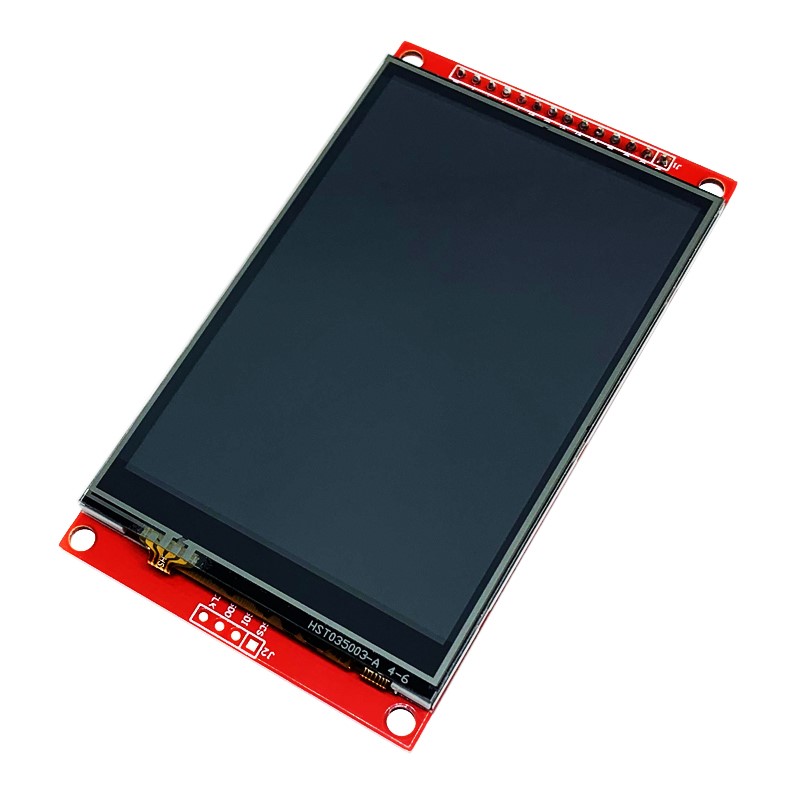
3.5 Inch TFT LCD Display Module 320x480 SPI Serial Screen ILI9488 ILI9486
View Technical Specs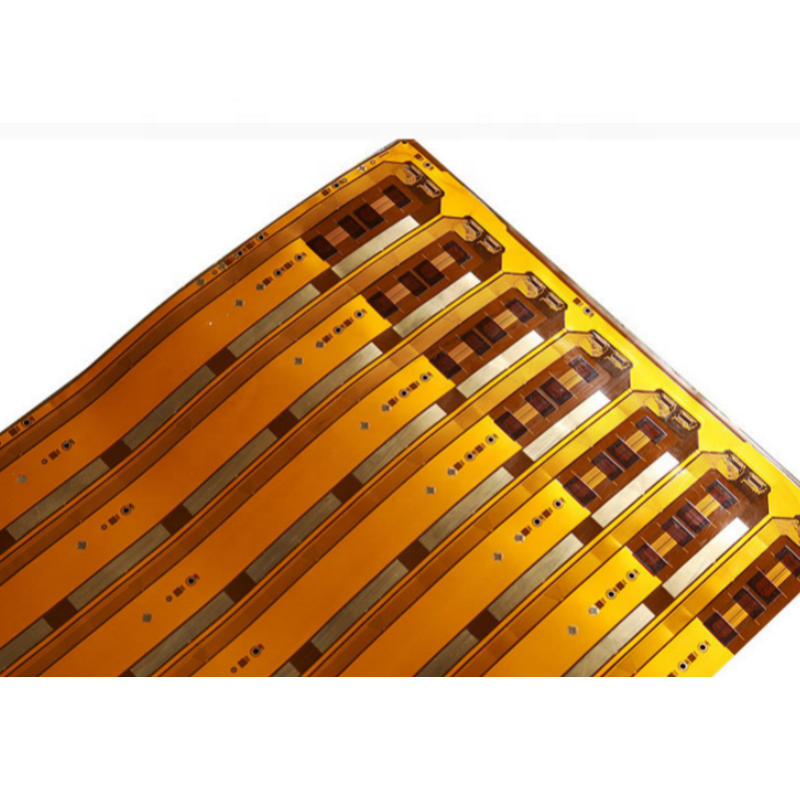
Low MOQ Fast Turn FPC Prototype, Custom Flex PCB Single/Double Sided Board
View Technical Specs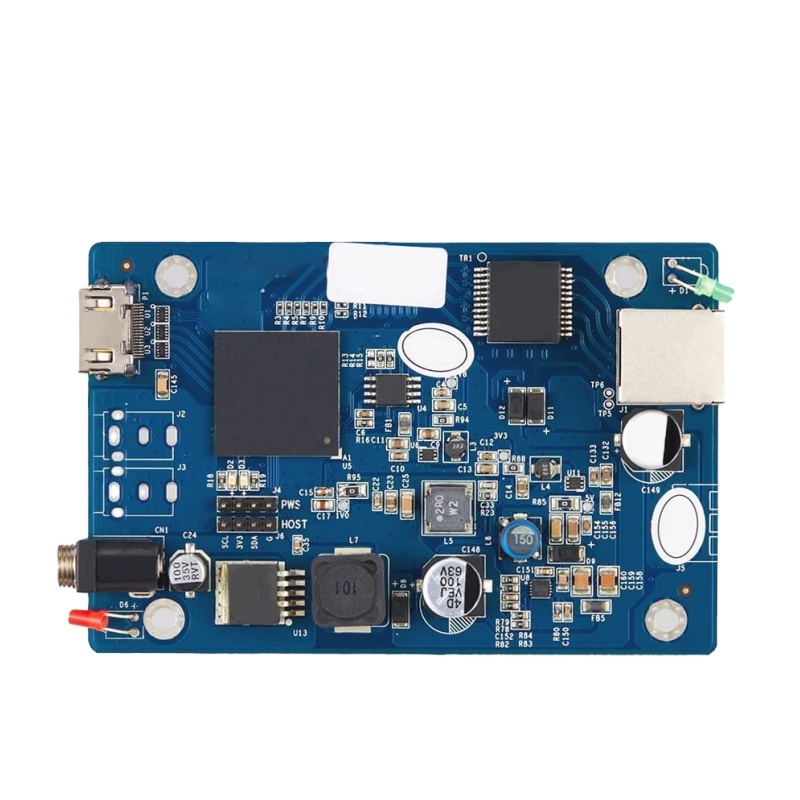
High Reliability PCBA Manufacturer Custom FR4 Assembly SMT DIP Turnkey EMS
View Technical Specs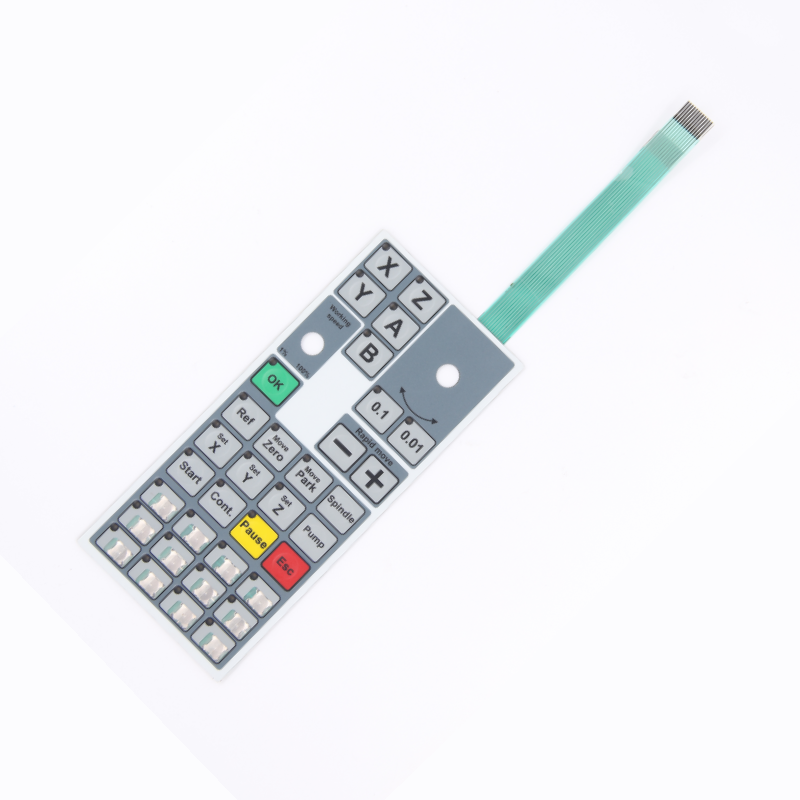
Custom Membrane Switch, PET PC Flexible Keypad, Silver Ink Circuit & LED Window
View Technical Specs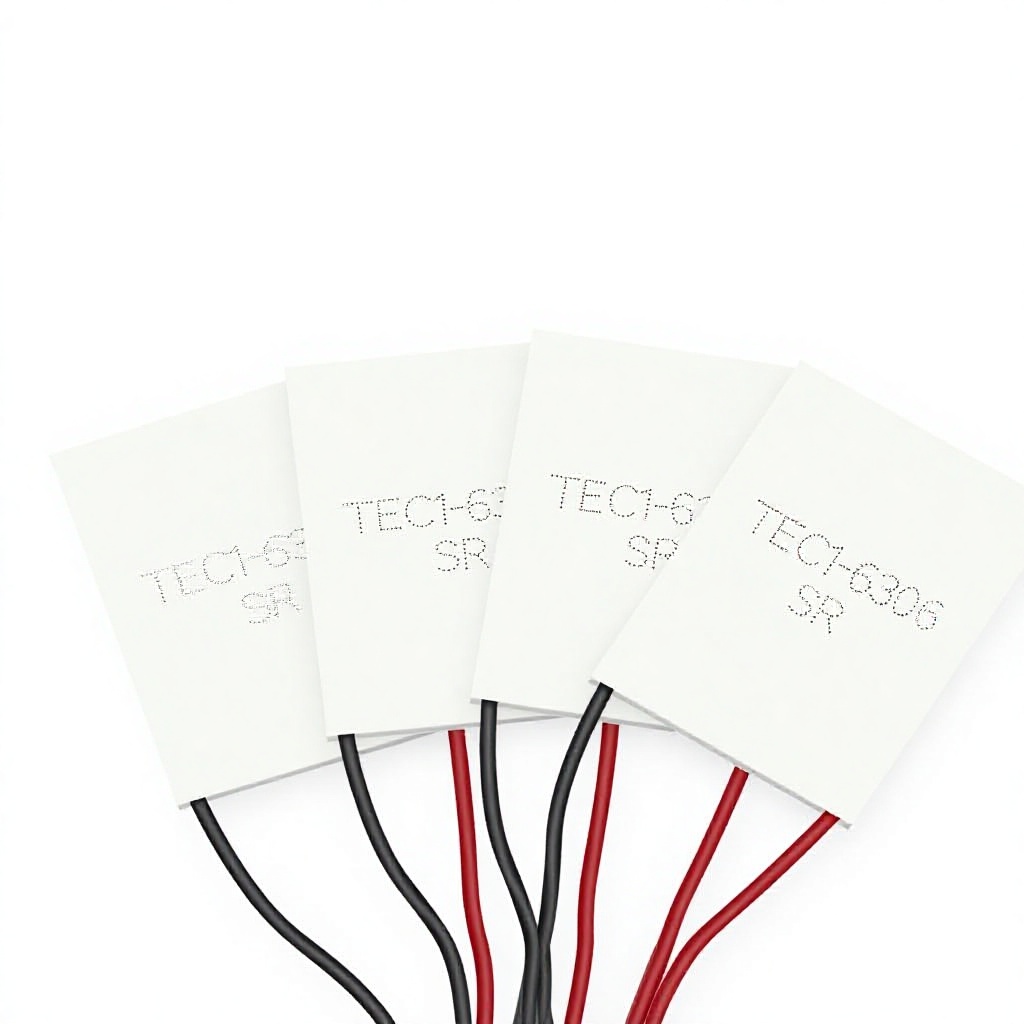
TEC1-12702 Thermoelectric Cooler 40x40mm Peltier Cooling Module DC 5-24V
View Technical Specs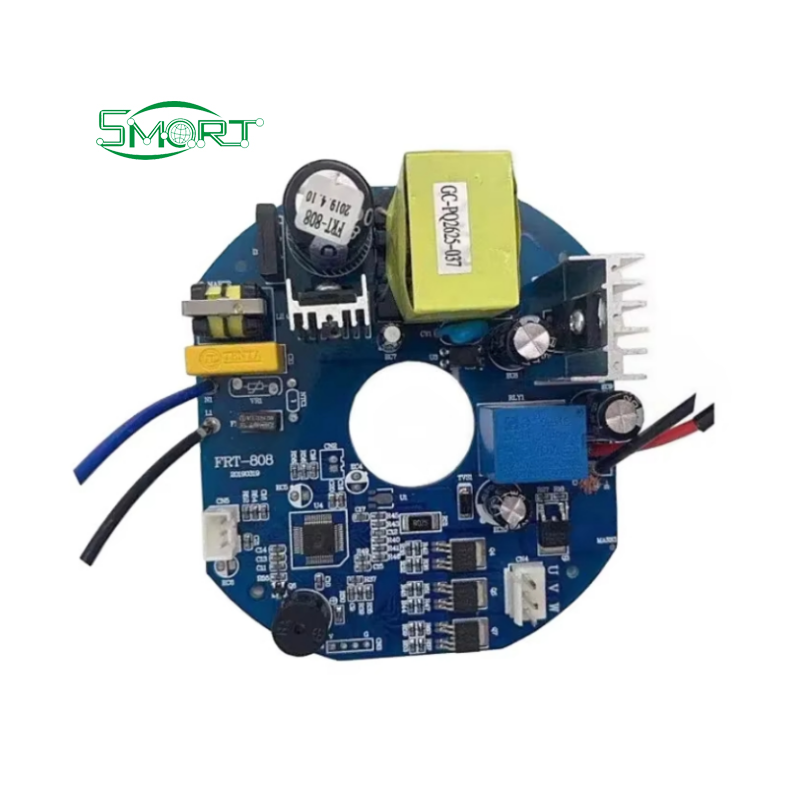
Smart Electronics BLDC Ceiling Fan Controller PCBA Custom 1 oz Copper Assembly
View Technical Specs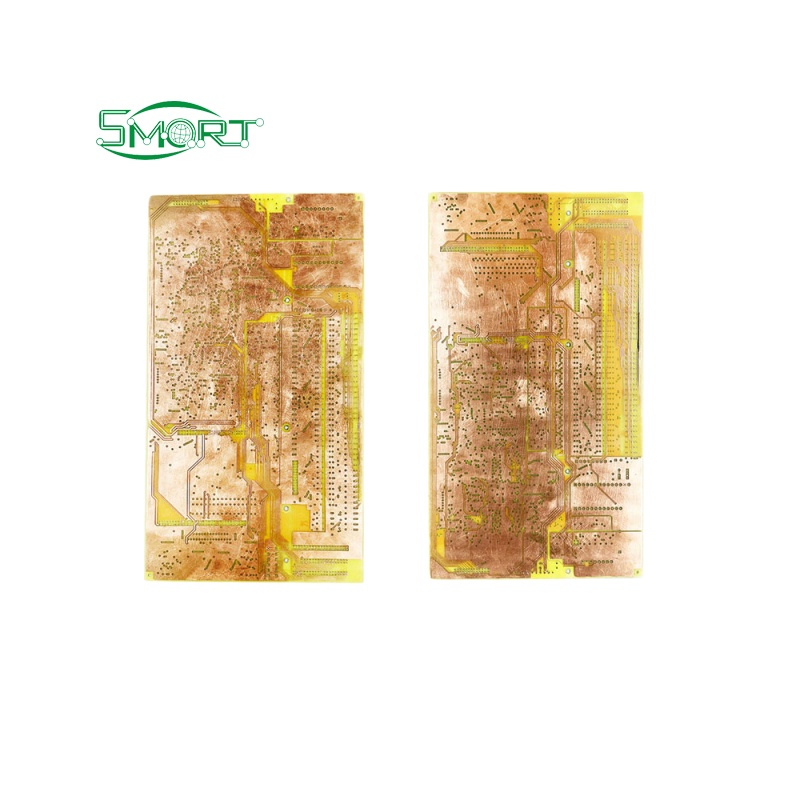
Custom Multilayer PCB Board OEM Service FR4 Base 1oz Copper Fabrication
View Technical Specs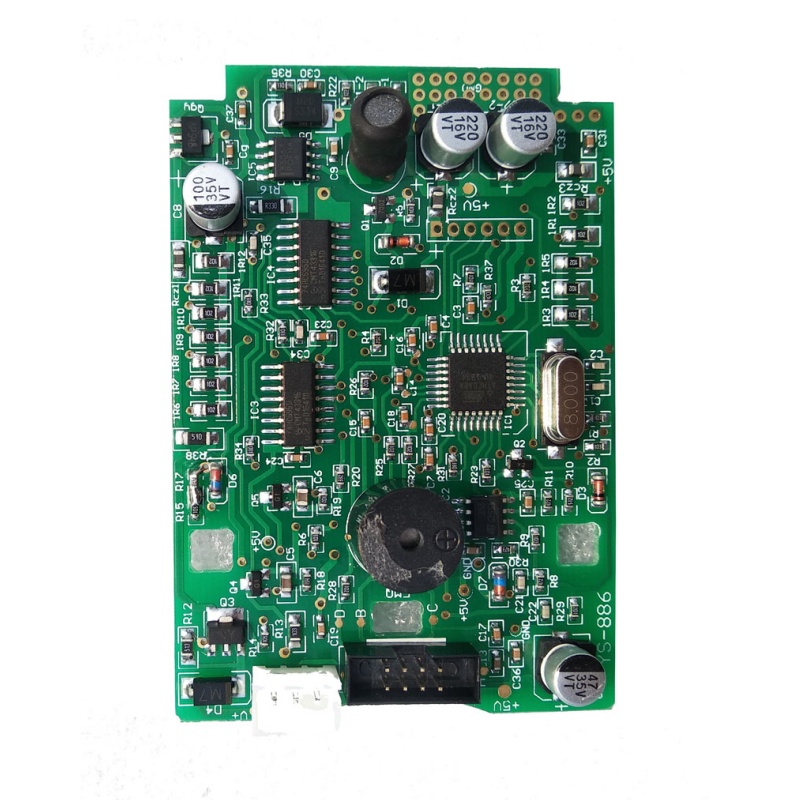
Custom Smart Device PCBA Assembly OEM SMT Production for IoT Appliance
View Technical SpecsEngineering Overview: Modern LED Membrane Switch Manufacturing in China
Human-Machine Interface (HMI) design has advanced significantly beyond simple mechanical push-buttons. Today's industrial, medical, and high-performance commercial equipment demands low-profile, hermetically sealed, chemically inert, and tactilely responsive control panels. At the intersection of printed electronics and surface-mount electro-optics stands the modern LED membrane switch.
A high-reliability LED membrane switch is not merely a screen-printed graphic film; it is a complex multi-layer optoelectronic assembly. It integrates graphic overlays engineered from biaxially oriented polyethylene terephthalate (PET) or polycarbonate (PC), precision-stamped metal tactile domes (stainless steel with selective nickel or gold plating), conductive circuit traces printed with nanosilver flake inks or etched copper on polyimide (FPC), and micro-miniature surface-mount device (SMD) LEDs bonded directly into flexible substrates. Sourcing these sub-assemblies requires partner factories that offer cleanroom lamination, micro-dispensing conductive adhesives, automated high-speed SMT placement, and environmental testing.
Technical Design Consideration: While silver-printed PET conductors offer lower tooling costs for mass production, dynamic flex tail interfaces or harsh vibration profiles benefit substantially from flexible printed circuits (FPC) or rigid-flex backing boards. As an end-to-end Shenzhen contract manufacturer, VUKO provides both conductive silver PET printing and copper-clad FPC bonding with equal precision.
Silver-Migration Mitigation
We deploy dielectric encapsulation layers and carbon overprinting over all silver ink traces to eliminate electromigration caused by humidity and electric field gradients.
IP65 / IP67 Sealing Rims
Continuous perimeter gasket designs utilizing 3M 200MP and 300LSE acrylic adhesives prevent liquid ingress, harsh disinfectants, and particulate contamination from reaching internal contacts.
Reliable Tactile Domes
Precision-calibrated snap domes (actuation forces ranging from 220g to 450g) deliver crisp tactile feedback with operating lifespans verified beyond 1,000,000 cycles.
Industrial-Grade Specification Standards
Compare the mechanical, electrical, and optical parameters configured across our Shenzhen manufacturing lines.
| Parameter / Feature | Standard PET Silver Printed | FPC / Copper-Clad Polyimide | Rigid PCB Backed (FR4) |
|---|---|---|---|
| Trace Resistance | < 1.0 Ω / cm (trace width > 0.5mm) | < 0.05 Ω / cm (1 oz copper) | < 0.01 Ω / cm (standard FR4) |
| LED Mounting Technology | Conductive Epoxy + UV Encapsulation | Reflow SMT / Low-temp Soldering | Standard SMT Reflow (SAC305) |
| Contact Bounce Duration | ≤ 5 ms | ≤ 2 ms | ≤ 1 ms |
| Operating Voltage / Current | ≤ 35V DC, ≤ 100mA max | ≤ 50V DC, ≤ 500mA max | Up to 250V AC / DC, > 2A achievable |
| Dielectric Breakdown Voltage | ≥ 1,500 V DC | ≥ 2,500 V DC | ≥ 3,000 V DC |
| Operating Temperature | -20°C to +65°C | -40°C to +85°C (Industrial) | -40°C to +105°C (High-TG) |
| Actuation Life Expectancy | > 1,000,000 actuations | > 3,000,000 actuations | > 5,000,000 actuations |
Strategic Sourcing Guide: Future Procurement Trends in Membrane Switches
Procurement directors and supply chain engineers evaluating Chinese manufacturing hubs are navigating shifts in labor automation, localized component supply chains, and technical convergence. When sourcing LED membrane switches and integrated panels, four distinct procurement trends have emerged:
1. HMI Subsystem Consolidation
Global OEMs are moving away from sourcing graphic overlays, metal domes, bare PCBs, and cable harnesses from separate vendors. Consolidating the full PCBA, display, and switch assembly under one roof reduces dimensional tolerance stack-up and eliminates cross-vendor defect disputes.
2. Light Guide Film (LGF) Backlighting
Bulky, non-uniform discrete LEDs are increasingly replaced by edge-lit Light Guide Films (0.125mm to 0.25mm thickness). LGF technology provides uniform luminescence across key legends and brand logos using significantly fewer surface-mount diodes, cutting power draw by up to 60%.
3. Capacitive & Tactile Hybrids
Medical and laboratory equipment procurement teams are specifying hybrid control surfaces: capacitive sliders and touch zones for variable parameter tuning, combined with tactile metal domes for safety-critical power and emergency shutdown commands.
4. Sustainable Polymer Substrates
Compliance with RoHS 3, REACH, and evolving EU circular economy directives is driving procurement toward halogen-free polyimide, recyclable PET carrier matrices, and non-toxic aqueous screen-printing chemistries that maintain dimensional stability across thermal cycling.
Why Partner with Shenzhen VUKO Electronics Co., Ltd.
Located in the heart of Shenzhen's Bao'an and Longgang industrial clusters, Shenzhen VUKO Electronics Co., Ltd. leverages the world's most concentrated electronics supply chain. Rather than operating merely as a print shop, we are an engineering-driven turnkey contract manufacturer capable of bridging bare boards, surface-mount assembly, flexible circuitry, and user interface panels under one roof.
Onsite-Verified & Alibaba Trade Assurance
Operating with full third-party facility audits, comprehensive export documentation, and Alibaba Trade Assurance payment and on-time shipment guarantees for total buyer risk mitigation.
Rapid Prototyping & Low MOQ
Start with prototype batches as low as 5 pieces for pilot runs and design verification testing (DVT). Scale seamlessly into high-volume reel-to-reel and automated panelized production.
Integrated BOM Sourcing
Complete procurement support across discrete passives, specialized controllers, STMicroelectronics/Microchip MCUs, TFT LCDs, Peltier elements, and custom silicone elastomeric keypads.
Frequently Asked Questions for B2B Buyers
Direct technical answers to clarify engineering parameters, tooling expectations, and lead times before placing your order.
What design files are required to generate an accurate quotation and DFM report?
For custom LED membrane switches, we require: (1) Vector artwork files (Adobe Illustrator .AI, CorelDraw .CDR, or vector .PDF) specifying graphic overlay colors (Pantone or RAL codes), window translucency, and embossing outlines; (2) Mechanical drawings (.DXF, .DWG, or .STP) detailing exterior dimensions, key center-lines, tail exit locations, and cutouts; (3) Schematic or Gerber files (RS-274X) for the circuit layer mapping trace continuity, pinouts, and LED polarity/resistor networks; and (4) A comprehensive Bill of Materials (BOM) for any integrated electronic hardware.
How do you prevent LED solder joint fatigue on flexible PET substrates?
Because traditional PET films cannot withstand SAC305 reflow soldering temperatures (~250°C), we employ isotropic conductive silver epoxies or low-temperature eutectic pastes applied via automated micro-dispensing equipment. Following LED component placement (0603, 0805, or side-firing packages), joints undergo precision thermal curing followed by a specialized secondary UV-curable structural epoxy encapsulation dome. This potting jacket locks the LED in place, neutralizing shear stress and preventing fracture during repeated keypad flexing.
What are the differences between metal dome tactile feedback vs. polydome embossing?
Polydomes (polyester domes) are formed directly into the graphic overlay or circuit layer via thermal embossing. They offer a softer acoustic click, lower unit tooling costs, and moderate lifespans (~500,000 actuations). In contrast, stainless steel metal domes (nickel or gold-plated) provide an immediate, crisp snap with tactile ratios typically between 40% and 60%, lower contact resistance (< 1 Ω), and extended operating lives exceeding 1,000,000 to 5,000,000 actuations across wide temperature extremes (-40°C to +85°C).
How is electrostatic discharge (ESD) and electromagnetic interference (EMI) handled?
To shield internal sensitive microcontrollers from static shock up to 15kV to 25kV, we integrate a dedicated shielding layer directly beneath the graphic overlay. This can take the form of a solid silver-printed grid, a full aluminum foil laminate, or a conductive carbon coating connected to an independent chassis ground trace within the tail connector, safely dissipating static discharge away from internal logic lines.
What is the standard tooling lead time and prototype turnaround?
Standard engineering DFM review and digital color proofs are returned within 24 hours of file submission. Precision laser-cut or rapid-tooled prototype samples typically dispatch in 7 to 10 working days. Following prototype sign-off, full steel-rule hard tooling dies and mass production runs usually require 15 to 20 working days depending on quantity, overlay embossing complexity, and component supply chains.
Can you integrate custom backlighting using Light Guide Film (LGF)?
Yes. When discrete LEDs cause localized "hot-spotting" or when legends require uniform illumination across wide surface areas, we engineer thin Light Guide Film (LGF) layers. By positioning side-firing micro SMD LEDs along the perimeter of a micro-etched optical-grade polycarbonate film, light is uniformly refracted upward solely through key symbols, text legends, and dead-front status icons without light bleeding into adjacent graphics.
Ready to Build Your Custom LED Membrane Switch Assembly?
Upload your drawings, schematic schemata, and BOM requirements. Our engineering team in Shenzhen will complete a design-for-manufacturability (DFM) assessment and provide a transparent quotation within 24 business hours.
Send an Inquiry