High-Reliability PET Switches & Integrated Electronics
Explore our turnkey product lineup manufactured inside cleanroom facilities, merging tactile tactile membrane interfaces, flexible printed circuitry (FPC), and robust thermal subassemblies.
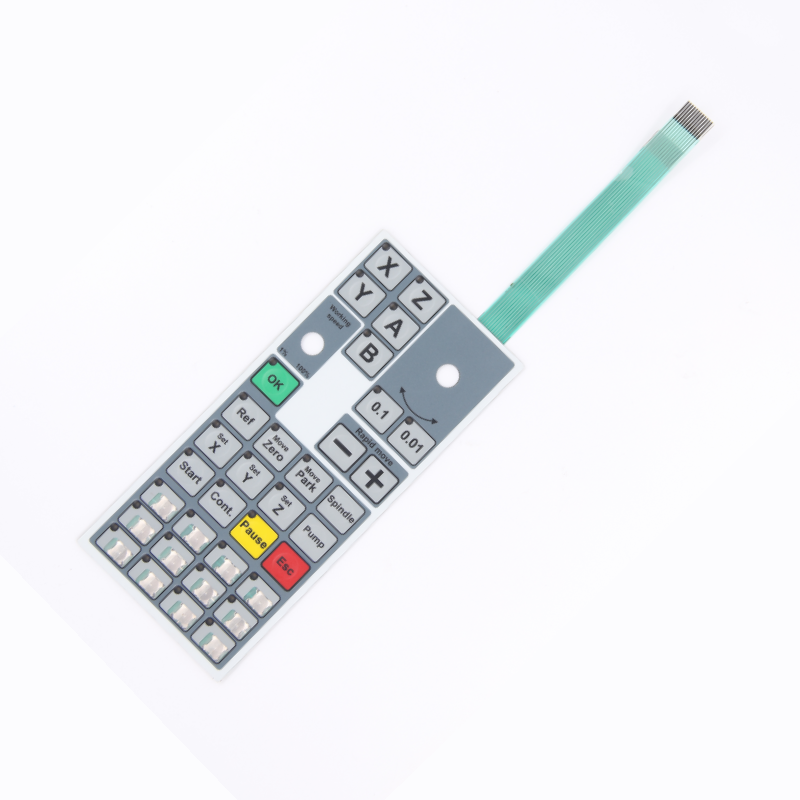
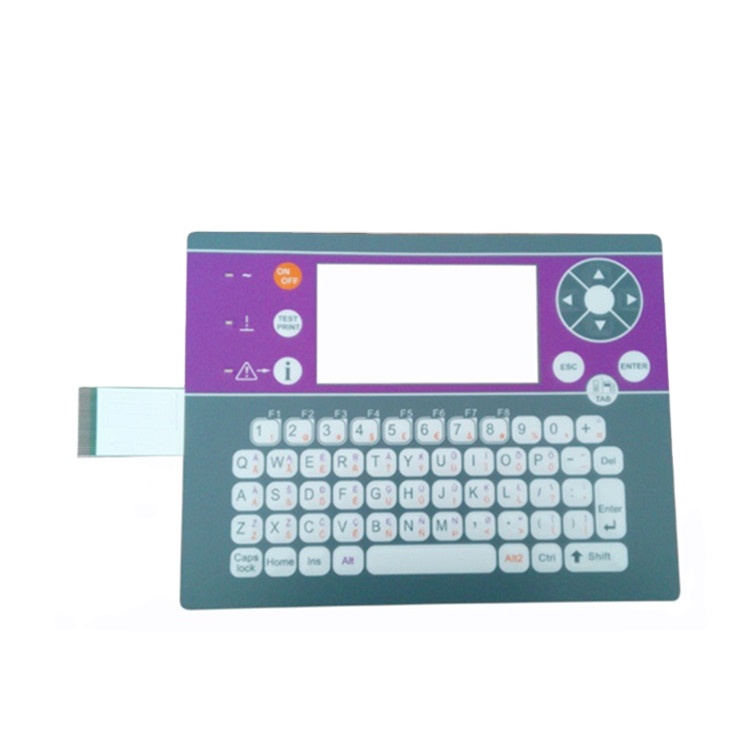
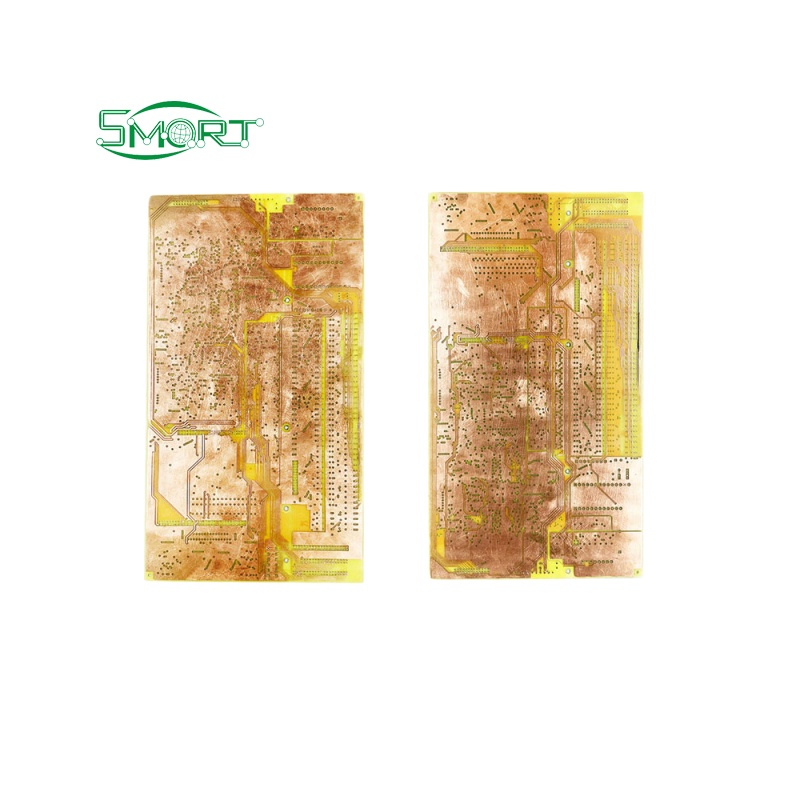
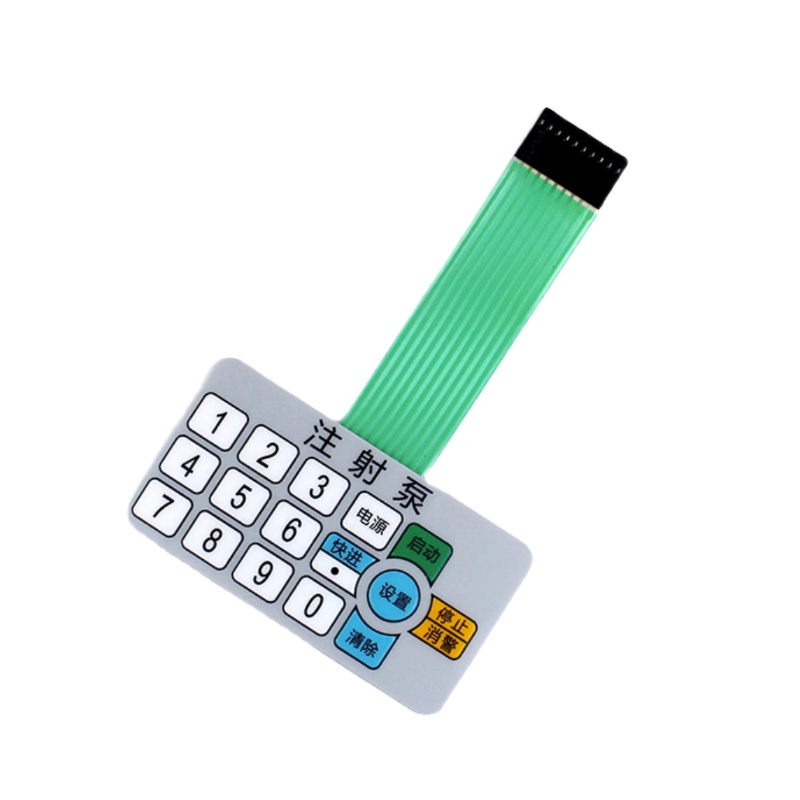
PET Membrane Switch Technical Architecture & Substrate Selection
Decoupling material physics, contact bounce, and dielectric endurance for global hardware developers.
Why Polyethylene Terephthalate (PET) Dominates High-Duty Cycles
While Polycarbonate (PC) is common for entry-level graphic overlays due to printing ease and low cost, biaxially-oriented PET (such as Autotype Autoflex or Toray) is essential for any dynamic actuating layer. PET demonstrates superior flexural fatigue endurance, withstanding over 5 million switch actuation flex cycles without developing micro-cracks or plastic creep.
Chemically, PET exhibits unmatched inertness against harsh solvents, clinical disinfectants (isopropyl alcohol, bleach, glutaraldehyde), and hydrocarbon fuels. When specifying overlays for surgical suites or petrochemical terminals, our engineering team coats the top PET layer with anti-microbial, anti-glare, and UV-resistant textures to prevent yellowing and embrittlement.
Conductive Silver Traces vs. FPC Backer Architecture
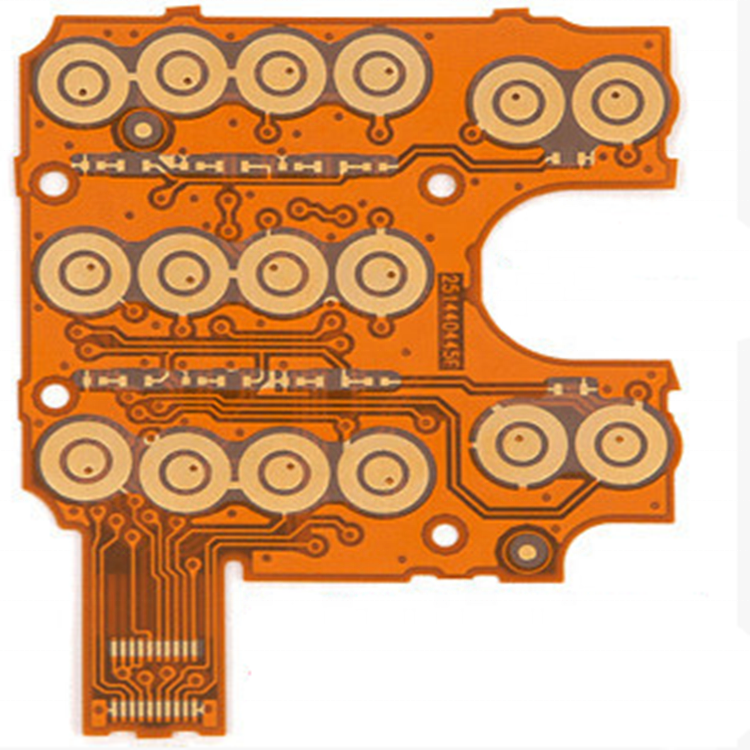
Our screen-printed circuitry employs high-purity micro-flake polymer thick film (PTF) silver paste, backed by dielectric insulation cross-overs. For ultra-dense traces, miniature 0402 surface-mount LEDs, or harsh vibration footprints, Shenzhen VUKO integrates Flexible Printed Circuit (FPC) copper-clad polyimide substrates into the membrane switch stack.
FPC backer integration lowers trace loop resistance from >50 Ω down to <1 Ω, preventing signal degradation across long tail routing. Furthermore, our selective potting and 3M 467MP/468MP laminated adhesive perimeters yield true IP67 / NEMA 4X waterproof boundaries, eliminating ingress risks during high-pressure washdowns.
| Engineering Parameter | PET (Autoflex / Toray) Membrane | Polycarbonate (PC) Membrane | FPC Polyimide Backer Hybrid |
|---|---|---|---|
| Flexural Fatigue Life | > 5,000,000 actuations | ~ 100,000 actuations (embossed) | > 10,000,000 actuations |
| Chemical & Solvent Resistance | Excellent (Alcohols, Acetone, Acids) | Poor (Attacked by ketones & esters) | Superior Industrial Resistance |
| Switch Loop Resistance | 10 Ω – 100 Ω (depending on trace run) | 10 Ω – 100 Ω (silver ink) | < 1.0 Ω (Rolled Annealed Copper) |
| Contact Bounce Time | ≤ 5 ms (Nickel-plated metal dome) | ≤ 5 ms (Tactile metal dome) | ≤ 1 ms (Snap dome or tactile switch) |
| Operating Temperature | -40°C to +85°C continuous | -20°C to +60°C continuous | -40°C to +105°C continuous |
| Dielectric Strength | > 15,000 V/mil | ~ 10,000 V/mil | > 20,000 V/mil |
Emerging Procurement Trends & Next-Gen HMI Evolutions
Strategic analysis for enterprise procurement teams navigating supply stability, tactile feedback demands, and edge integration.
BOM Consolidation & Turnkey Box-Build
Global Tier-1 OEMs are shifting away from fragmented sourcing where graphic overlays, bare PCB motherboards, and cable harnesses are purchased from discrete vendors. Procuring unified, factory-tested assemblies directly from Shenzhen VUKO eliminates tolerance mismatch errors, consolidates customs tariffs, and compresses prototype-to-volume lead times by up to 35%.
Capacitive Touch & Haptic Integration
The standard mechanical click is merging with projected capacitive (PCAP) sensing directly printed on PET films. Modern interfaces leverage embedded controller ICs that recognize touch, slide, and gloved input through solid plastic enclosures, augmented by low-power piezo or eccentric rotating mass (ERM) haptic feedback motors for ergonomic confirmation.
Integrated Optical Backlighting & EMI Shielding
High-brightness white and RGB micro-LEDs (side-firing and top-mount) are now integrated inside thin spacer cavities using laser-cut optical diffuser films and light guide plates (LGP). Integrated aluminium foil or printed carbon grid shielding layers dissipate ESD charges up to 15kV, shielding sensitive microcontroller inputs against industrial magnetic transients.
Why Global Buyers Partner with Shenzhen VUKO Electronics
Leveraging Shenzhen's advanced electronics ecosystem to deliver uncompromising quality, full turnkey agility, and rapid engineering iteration.
Alibaba Onsite-Verified
14+ consecutive years as an audited, verified exporter with Trade Assurance payment protection, safeguarding your capital from Gerber upload to delivery.
Exhaustive QC & Testing
100% automated optical inspection (AOI), flying probe electrical continuity verification, switch actuation curve logging, and IP67 immersion stress checks.
Full-Stack Capabilities
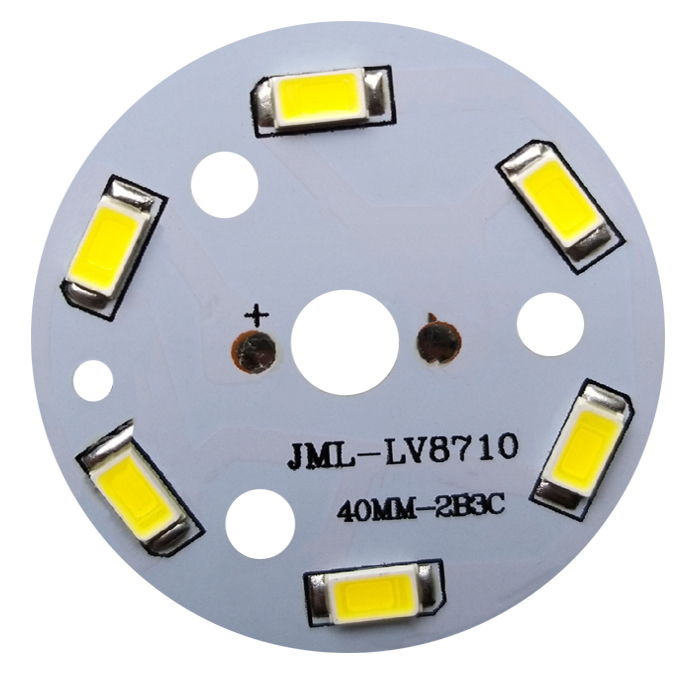
One single point of contact covering rigid FR4 boards, high-TG HDI, flexible FPC tails, aluminum thermal MCPCB, and precision custom membrane keypads.
Prototyping from 5 Pcs
Supportive low-barrier MOQ starting at just 5 units for quick-turn engineering samples, backed by dedicated 24-hour bilingual engineering support.
Frequently Asked Questions on Membrane Switch Sourcing
Everything your sourcing and quality assurance teams need to evaluate tooling, electrical verification, and compliance.
What design files and documentation are required for a customized PET membrane switch quote?
To produce an exact engineering review and quotation within 24 hours, our engineering department requires:
1. Graphic Overlay Vector Files: Adobe Illustrator (.AI), CorelDRAW (.CDR), or high-precision vector PDF specifying PMS/RAL color codes, embossed key boundaries, and clear/tinted window dimensions.
2. Circuit Artwork & Schematic: Gerber files (RS-274X), DXF, or CAD drawings detailing trace pinout pitch (typically 1.0mm, 1.27mm, or 2.54mm), LED polarities, and tail dimensions.
3. Mechanical Stack-up Spec: Required adhesive backing (e.g., 3M 467MP, 3M 468MP, or 3M 300LSE for low surface energy plastics), metal dome actuation force (250g to 450g), and ingress sealing requirements (IP65 vs IP67).
What is your minimum order quantity (MOQ) and sample lead time?
Unlike rigid industrial mass-producers, Shenzhen VUKO accommodates engineering R&D teams with rapid-prototyping minimum order quantities starting from just 5 to 10 pieces. Initial prototype batches typically complete production within 7 to 10 working days following DFM approval, enabling hardware verification before committing to high-volume steel dies.
How does VUKO prevent silver migration in humid or high-voltage operating conditions?
Silver migration occurs when electrolytic moisture and DC potential gradients cause silver ions to create conductive dendrites across adjacent traces. We mitigate this through three proven engineering layers: (1) Enforcing conservative trace spacing guidelines (≥0.75mm pitch), (2) Applying double-cured polymer dielectric overcoats that encase all silver conductors, and (3) Printing carbon paste conductor tabs over contact pads and tail termination fingers to guard against atmospheric oxidation.
Can surface mount LEDs and discrete components be integrated onto the membrane circuit?
Yes. We integrate miniature SMD components (including 0603 and 0805 single/bi-color LEDs, current-limiting chip resistors, and photodiodes) directly onto our PET circuits using conductive structural epoxy adhesive. The component joints are reinforced with UV-cured encapsulation domes to prevent shear stress during keypad embossing or dynamic flex movements.
What certifications and compliance reports accompany mass shipments?
Every production lot adheres strictly to ISO 9001:2015 quality standards. Materials are verified compliant with RoHS Directive 2011/65/EU and REACH (EC 1907/2006). Flammability ratings adhere to UL 94V-0 or UL 94VTM-2 depending on the substrate. Formal certificates of conformance (CoC), full dimension inspection reports, and electrical resistance test logs are provided with customs dossiers.