Featured Assemblies & Specialized Hardware Solutions
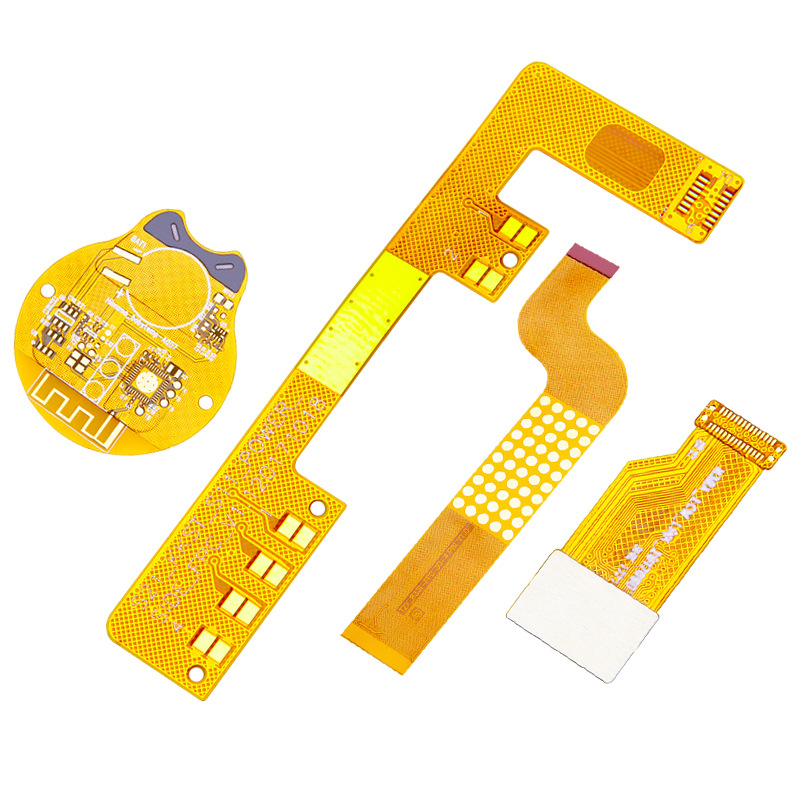
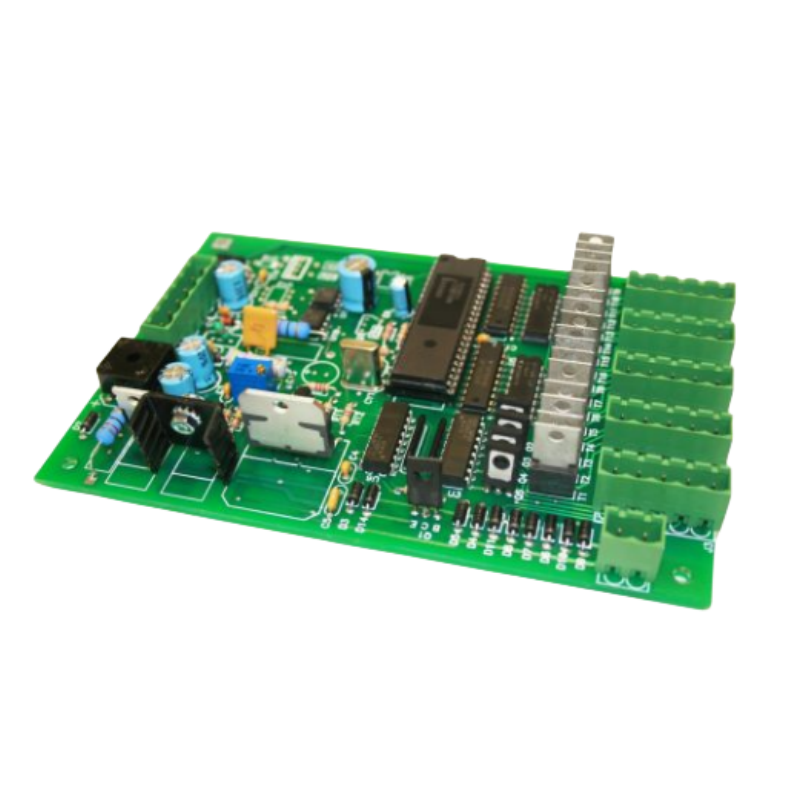
From rugged Lexan/polycarbonate front panels to turn-key flexible circuits and complete surface-mount PCBA packages, explore our verified manufacturing capabilities.
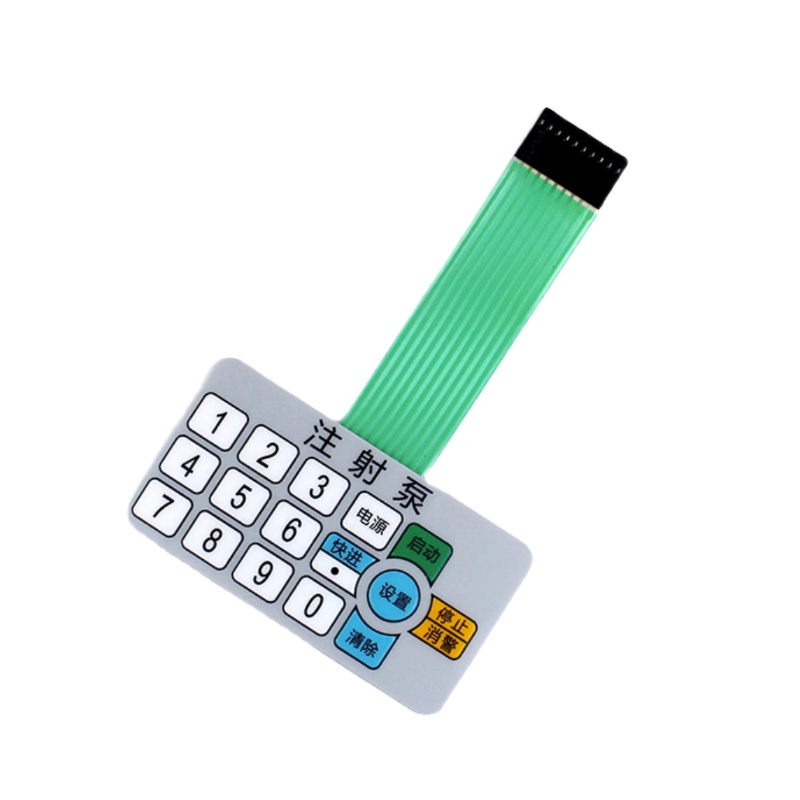
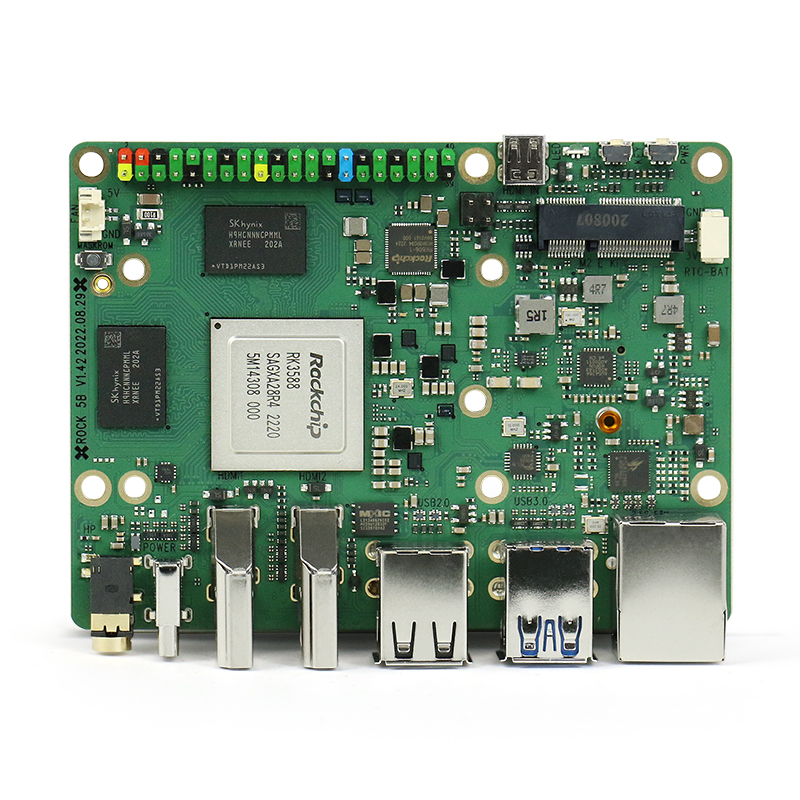
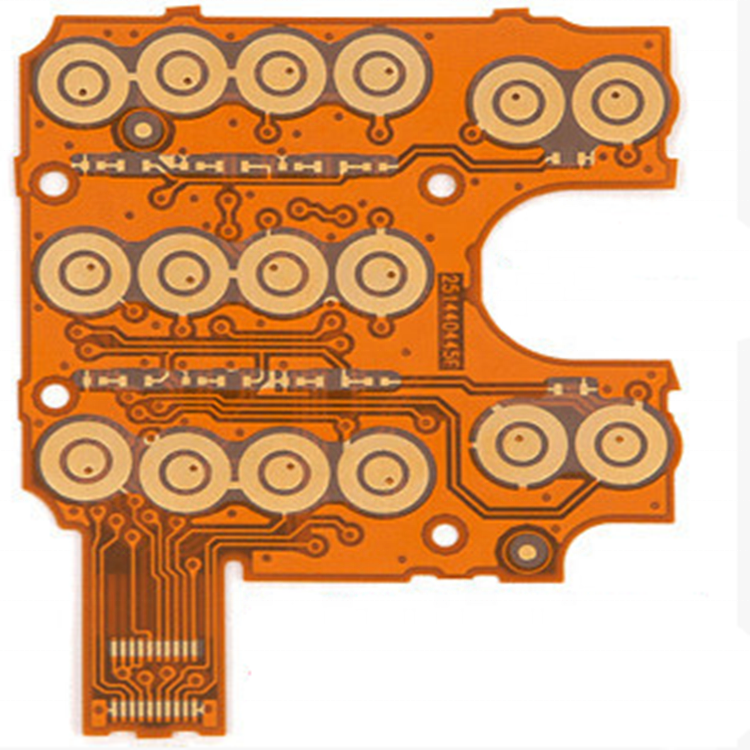
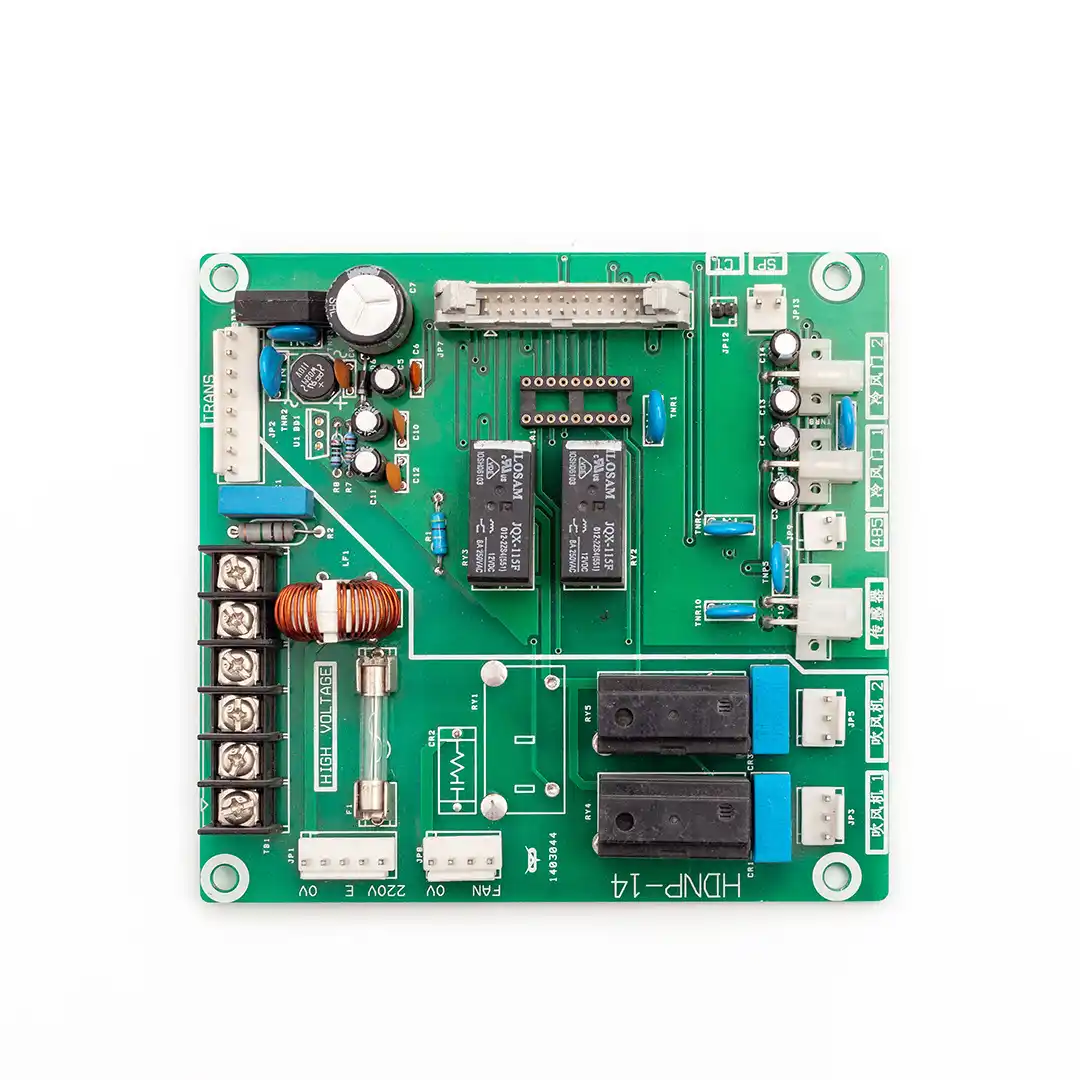
Engineering Polycarbonate Graphic Overlays for Harsh Operating Cycles
A deep dive into why polycarbonate (PC/Lexan) remains the premier substrate for human-machine interfaces across clinical, industrial automation, and avionics sectors.
In high-reliability Human-Machine Interface (HMI) design, the graphic overlay represents both the visual brand touchpoint and the primary physical barrier guarding delicate inner circuitry against ingress, caustic cleansers, and abrasive wear. Engineered polycarbonate films—most notably SABIC Lexan™ 8010, HP92W, and 8B35—exhibit an exceptional strength-to-density ratio, dimensional stability over broad thermal bands (-40°C to +125°C), and class-leading optical clarity for transmissive display readouts.
Unlike surface-printed faceplates where legends degrade after repeated finger friction, our cleanroom facility implements sub-surface screen printing (second-surface printing). In this architecture, high-adhesion solvent or UV-curable inks are laid down on the underside of the clear polycarbonate sheet. The substrate itself serves as a sacrificial armor shield: even if the external top layer encounters mechanical scratching, industrial spills, or abrasive washdowns, the underlying graphic iconography, dead-front indicators, and branding remain completely intact.
| Evaluation Parameter | Polycarbonate (PC / Lexan) | Polyester (PET / Autotex) | Acrylic (PMMA) |
|---|---|---|---|
| Tensile Strength & Impact | Extreme impact resistance; virtually shatterproof | High tensile strength; tear resistant | Brittle upon mechanical point impact |
| Tactile Dome Flex Life | Approx. 100,000 to 300,000 cycles | > 5,000,000 continuous actuations | Not suitable for tactile embossing |
| Dielectric Strength | Approx. 30–35 kV/mm (Excellent insulator) | Approx. 20–25 kV/mm | Approx. 18–20 kV/mm |
| Thermal Range (Continuous) | -40°C to +125°C (Glass transition ~145°C) | -40°C to +85°C | -20°C to +70°C |
| Chemical / Solvent Resistance | Vulnerable to aromatic ketones; upgraded via hardcoats | High resistance to harsh cleaning agents & oils | Moderate; easily clouded by alcohols |
| Flame Retardancy Ratings | UL 94V-0, UL 94V-2 available (Self-extinguishing) | UL 94HB (Slow burning) | UL 94HB |
To address the classical trade-off between polycarbonate's unmatched impact resistance and its susceptibility to aggressive chemical solvents (such as MEK or concentrated isopropyl alcohol used in sterile medical environments), our engineering laboratory applies nanocomposite siloxane and polyurethane hardcoats. These selectively crosslinked coatings achieve surface pencil hardness up to 3H while maintaining structural flexure for perimeter rim embossing and tactile key feedback.
Global Sourcing Trends & Next-Generation Overlay Technologies
Anticipating supply-chain shifts and technical disruptions helps global procurement directors safeguard margins and eliminate lifecycle obsolescence risks.
Why Top Global Brands Partner With Us
Shenzhen VUKO Electronics Co., Ltd. blends over a decade of overseas OEM/ODM manufacturing capability with high-level cleanroom production, fast DFM turnaround, and verified supply chain transparency.
Frequently Asked Questions for Sourcing Directors
Everything you need to know about tooling lead times, mechanical tolerances, embossing styles, and custom layer stacks.
We standardly stock polycarbonate films from 0.125 mm (0.005"), 0.175 mm (0.007"), 0.25 mm (0.010"), 0.38 mm (0.015"), up to 0.5 mm (0.020") and 0.76 mm (0.030"). Thinner foils (0.175 mm to 0.25 mm) are optimal for tactile dome key travel, while thicker variants provide structural reinforcement for heavy-duty front bezel fascias.
For low-surface-energy (LSE) materials like polypropylene, polyethylene, or textured powder-coat finishes, we recommend 3M 300LSE adhesive transfer tape. For smooth die-cast aluminum or smooth plastics, high-shear acrylic formulations such as 3M 467MP (0.05 mm) or 3M 468MP (0.13 mm) offer exceptional temperature and UV resistance.
We offer precision CNC-milled thermoforming embossing including: Rim (perimeter) embossing, Pillow (pad) embossing, Dome embossing for metal snap domes, and Braille/tactile locator dots. Key travel heights can range between 0.3 mm and 0.8 mm depending on material thickness and cycle lifetime specifications.
We utilize selective texturing and selective gloss clearing. While the main body of the overlay can possess a velvet, matte, or fine-brushed scratch-resistant texture, LED indicator and LCD readout areas are printed with selective clear window varnish or tinted transparent colors (smoke, green, amber, red) for high-contrast viewing.
Prototype samples with laser-cut profiling and digital second-surface printing typically require 3 to 5 business days after artwork approval. Production runs requiring hard steel die-cut tooling, selective texture silkscreens, and embossing take 8 to 12 working days, protected under Trade Assurance delivery guarantees.
Yes. In addition to printing the polycarbonate graphic faceplate, we regularly mount them directly to CNC-milled aluminum brackets, injection-molded ABS/PC bezels, or sheet-metal chassis, with integrated threaded studs, metal snap-domes, and connectorized FPC tails ready for final drop-in installation.