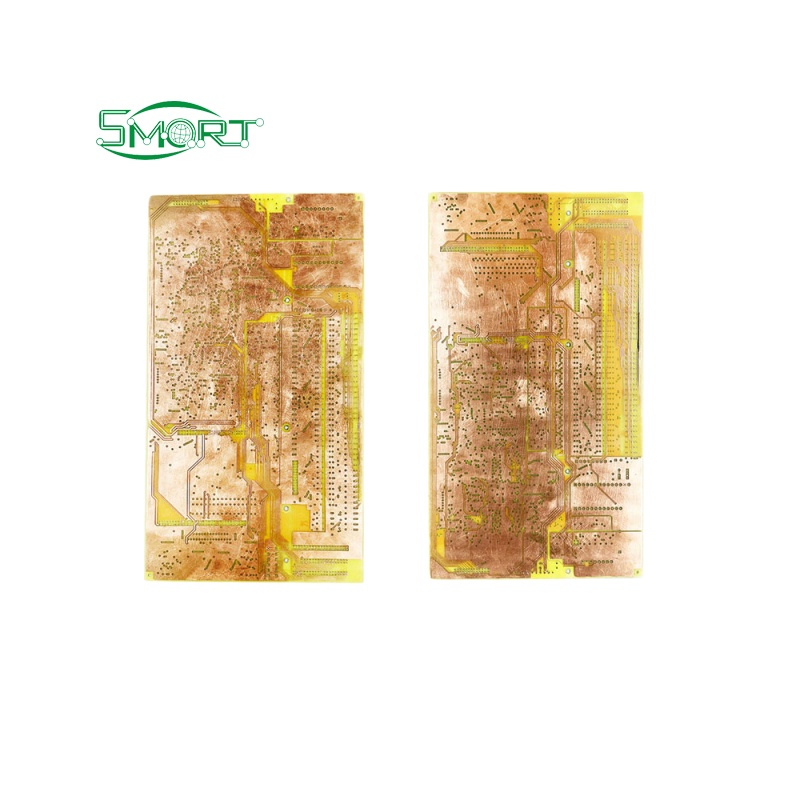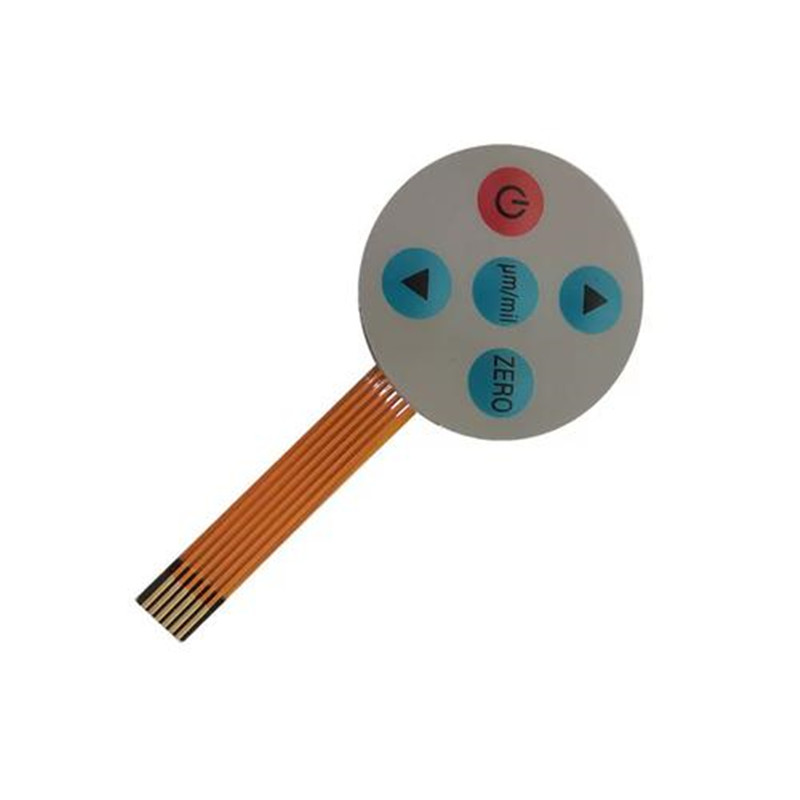
Alibaba.com Onsite-Verified Supplier Trade Assurance Order Protection [email protected]
🇺🇸 English🇩🇪 Deutsch 🇪🇸 Español🇫🇷 Français 🇵🇹 Português🇮🇹 Italiano 🇷🇺 Русский🇯🇵 日本語 🇰🇷 한국어🇸🇦 العربية 🇹🇷 Türkçe🇳🇱 Nederlands
Engineering Authority • ISO 9001 / UL 94V-0 Certified

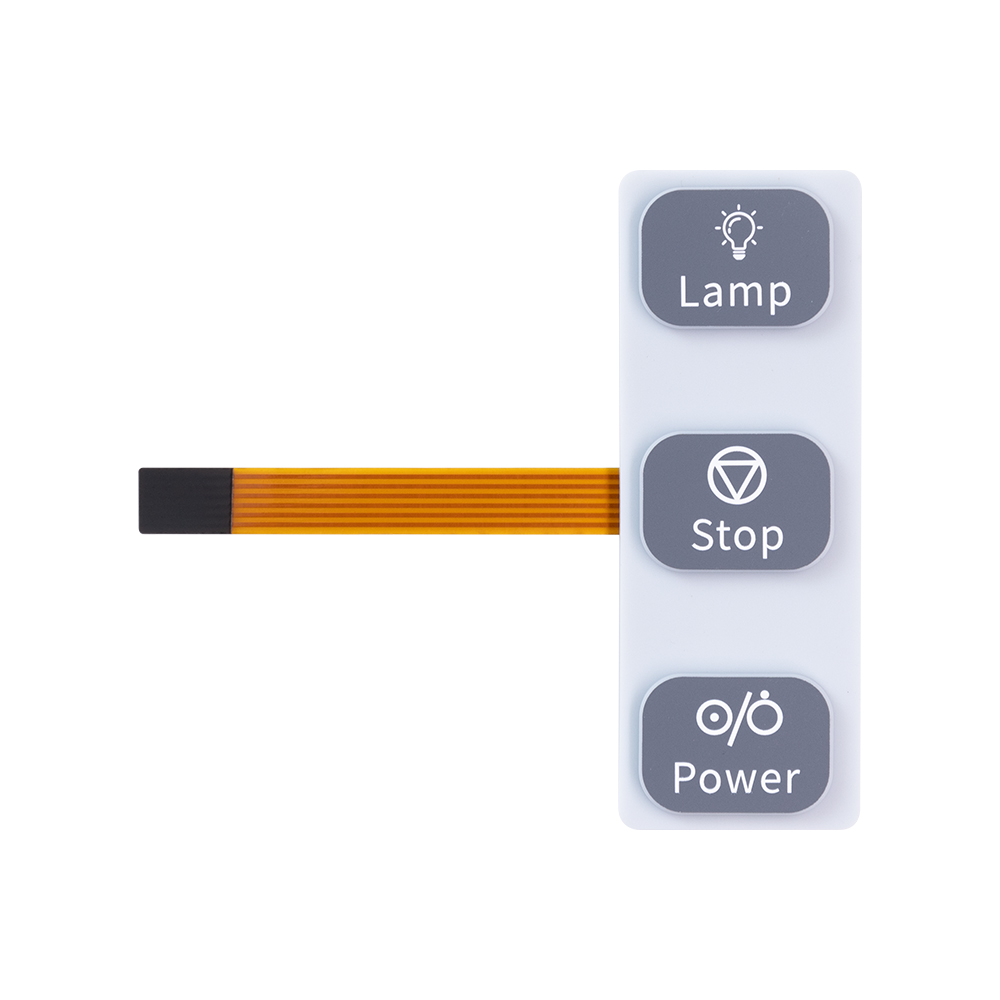
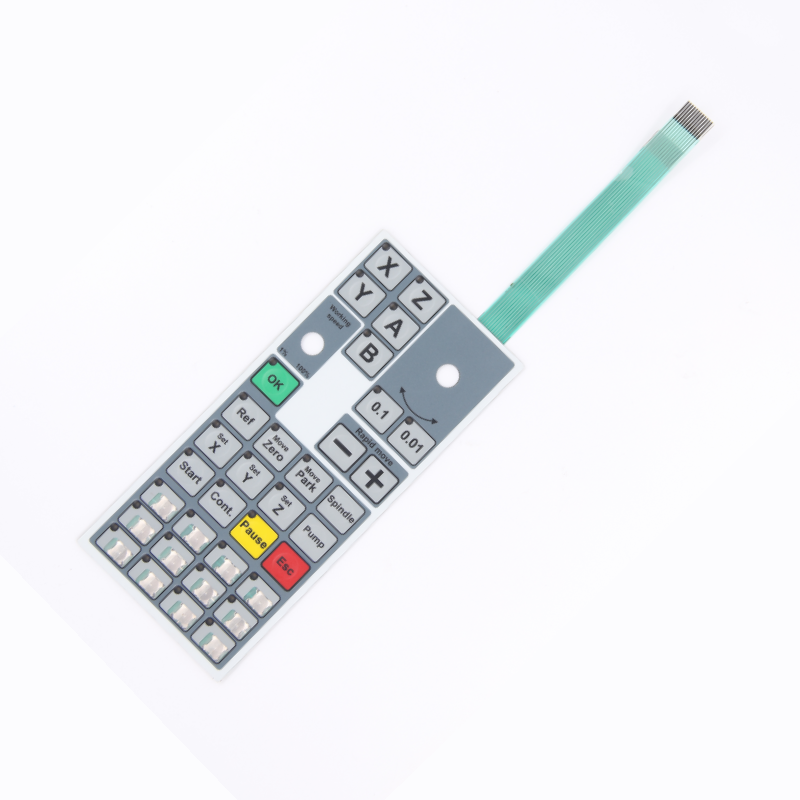
China Wholesale Flexible Membrane Keypad Manufacturers & Suppliers

Direct Industrial Factory Engineering: Precision-Engineered Custom FPC Assemblies, Tactile Polyimide/PET Switching Arrays, and Turnkey Human-Machine Interface Solutions for Global OEMs.

Industrial Showcase & Custom Assemblies

Featured Electronic Interfaces & Hardware Assemblies

From single-unit rapid prototyping to high-volume multi-layer SMT integration, explore our top-tier HMI panels, PCBA platforms, and sub-assemblies built to rigid automotive, medical, and industrial standards.
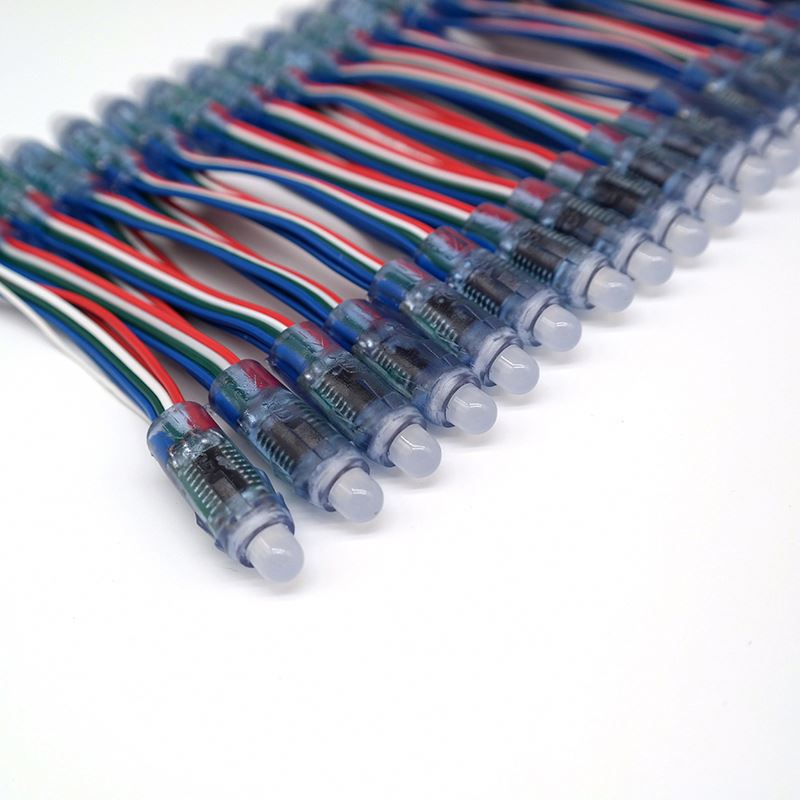
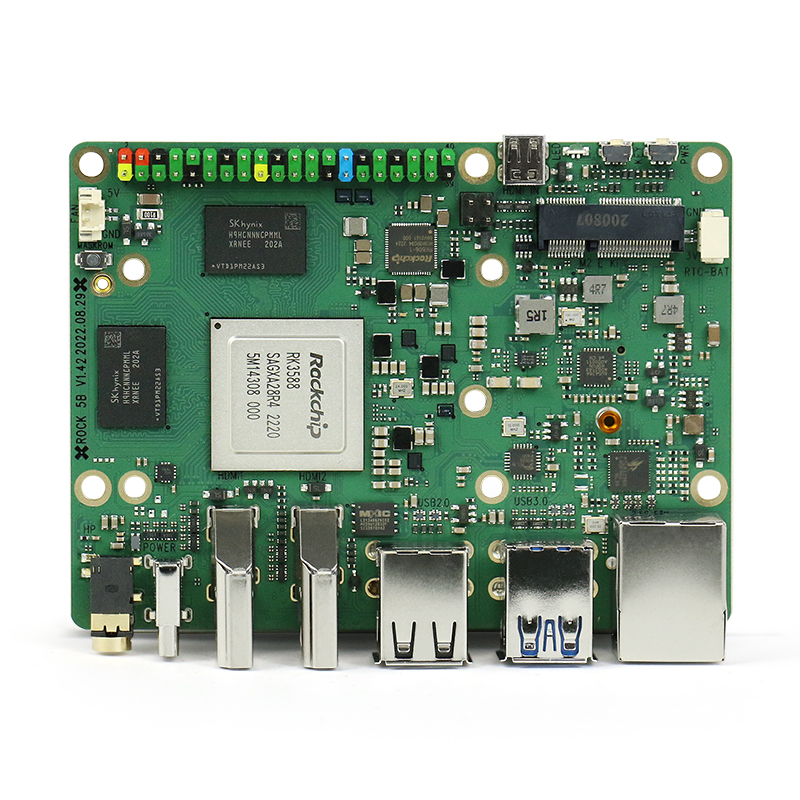
14+
Years International OEM Export Excellence
1,000,000+
Switch Tactile Life Actuation Testing Cycles
< 24h
Guaranteed Engineering DFM Review Turnaround
5 Pcs
Ultra-Low MOQ for Rapid NPI Prototyping
Technical Whitepaper & Engineering Standards

Engineering Architecture of Modern Flexible Membrane Switches

Human-Machine Interfaces (HMI) have evolved beyond passive graphical overlays into dense, ruggedized electro-mechanical subsystems engineered for demanding electromagnetic and chemical environments.

Multi-Layer Stack-Up: Sub-Micron Material Selection

A dependable flexible membrane keypad relies on mechanical stability and electrochemical resistance. Our production lines utilize premium optical-grade Autotex® polyester (PET) and Lexan® polycarbonate (PC), laminated using 3M 467MP/468MP acrylic adhesive transfer tapes.

Unlike standard screen-printed carbon contacts, our specialized FPC tail membrane switch designs leverage etched polyimide flex layers. Copper tracks electroplated with immersion gold or electrolytic nickel eliminate the risk of trace silver migration under high relative humidity (>85% RH) and voltage bias.

Sub-Surface Silk-Screen & UV Digital Graphic Overlays
Stainless Steel Metal Domes (Tripod, Four-Leg, Oblong)
Continuous Internal RFI/EMI Shielding Ground Planes
Zero-Insertion-Force (ZIF) & Crimp Clincher Pin Outlines
Send an Inquiry

Critical Engineering Tolerances

Operating Voltage ≤ 35V DC / 100mA
Contact Resistance (FPC) < 1.0 Ω (Sub-Ohm Available)
Contact Resistance (Silver PET) < 50 Ω (Dependent on length)
Insulation Resistance ≥ 100M Ω @ 100V DC
Dielectric Withstand 250 Vrms (50-60Hz / 1 min)
Actuation Force Window 150g to 450g (±30g)
Ingress Protection Rating Hermetic IP65 / IP67 / IP68
Operating Thermal Envelope -40°C to +85°C Continuous
Market Intelligence & Future Roadmaps

Future Procurement & Technological Trends in Membrane Switches

As industrial equipment transitions toward Industry 4.0 and compact medical electronics multiply, strategic sourcing executives must adapt to rapid technological shifts occurring throughout the Chinese manufacturing corridor.

1. Convergence of Capacitive Touch & Tactile Hybridization

Traditional mechanical switching is increasingly blended with projected capacitive (PCAP) sensing electrodes on the same flexible PET substrate. Sourcing trends highlight single-board solutions where high-touch primary commands utilize tactile metal domes, while secondary sliders, wheels, and wake-up functions leverage solid-state capacitive fields protected beneath chemical-resistant, zero-crevice glass or polycarbonate panels.

2. Migration from Silver-Paste to Etched Copper FPC

With industrial operating cycles lengthening from 3 to 10+ years, hardware engineers are replacing conductive polymer thick film (PTF) silver printing with rolled-annealed etched copper on Polyimide (FPC). Copper circuits eradicate trace oxidation, withstand severe dynamic bending radii, support SMT surface soldering of ultra-miniature 0201 LEDs and microcontrollers, and provide significantly lower trace impedance.

3. Antimicrobial Overlays & Clinical Cleanability

Post-pandemic procurement standards mandate that graphic overlays applied to patient monitors, pharmaceutical pumps, and cleanroom consoles incorporate non-migratory silver-ion antimicrobial chemical agents. Embedded during PET film extrusion, these surfaces resist bacterial colonization (staphylococcus, E. coli) while withstanding repeated washdowns with aggressive solvents like bleach, isopropanol, and MEK.

Selection Criteria Silver Printed PET Switch Etched Copper FPC Switch Rigid FR4 Backed Membrane
Trace Impedance Medium to High (10 – 100 Ω) Ultra-Low (< 0.5 Ω) Ultra-Low (< 0.1 Ω)
Bending & Flexibility Moderate (Risk of silver micro-fracture) Exceptional Dynamic Flex Life Rigid / Non-Flexible Substrate
Component Density (SMT) Limited (Requires conductive epoxy bonding) High (Reflow Solderable passives, ICs, LEDs) Maximum (Complete PCBA Integration)
Tooling & Prototyping Cost Lowest (Silk screen printing films) Moderate (Photolithography masks) Moderate (Drill & routing profiles)
Environmental Durability Standard Commercial / Indoor Equipment Mission-Critical, Aerospace & Automotive Heavy Machinery / High Vibration
End-to-End Shenzhen Ecosystem

Shenzhen VUKO Electronics: Enterprise Manufacturing Advantages

Strategically headquartered in the heart of Shenzhen’s electronic manufacturing center, we combine agile engineering design with industrial-scale fabrication to compress lead times and safeguard product quality.

Comprehensive One-Stop Ecosystem

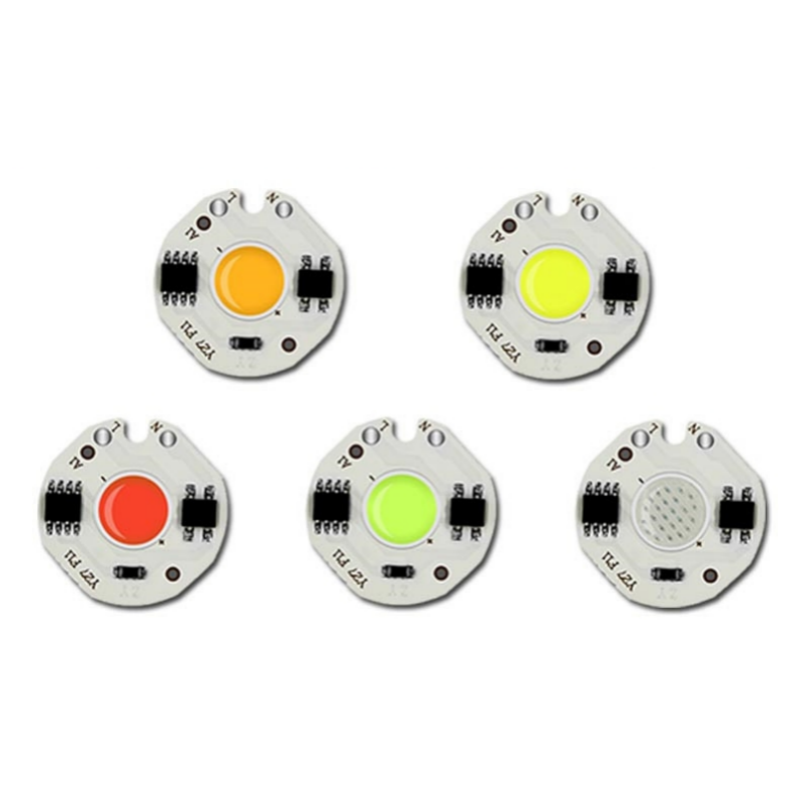
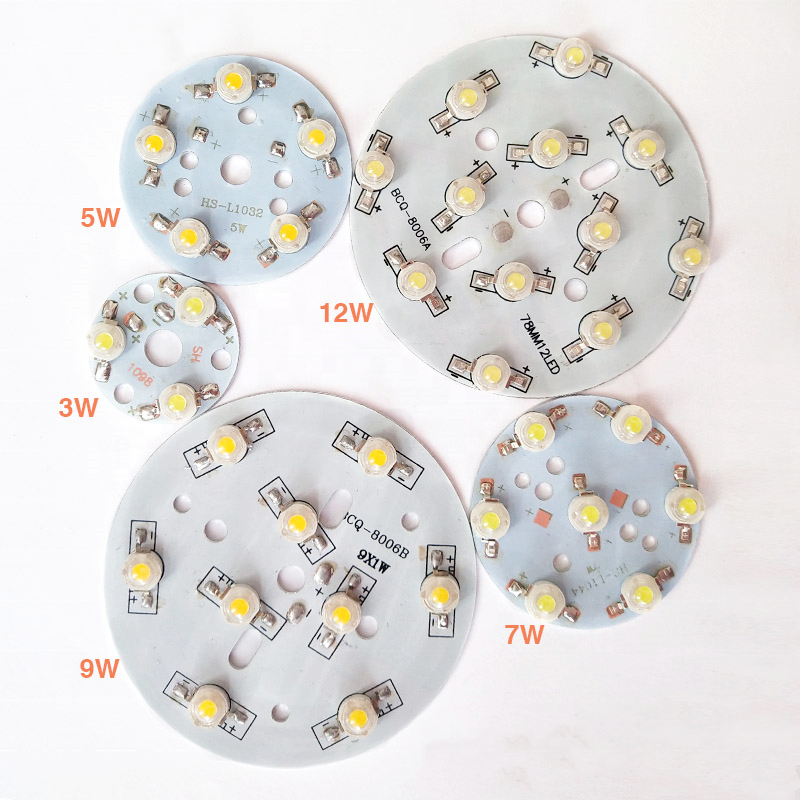
No more cross-supplier finger-pointing. We manage everything under one roof: bare multi-layer PCB fabrication, turnkey SMT/DIP placement, custom FPC production, metal core MCPCB boards, screen-printed membrane keypads, and consolidated BOM component sourcing.

DFM Review Within 24 Hours

Before production begins, our engineering team thoroughly reviews your Gerber files, vector artwork, key spacing, dome cavities, tail routing, and bill of materials (BOM), resolving trace clearance, dielectric strength, and footprint mismatches early.

Comprehensive Quality Testing

Reliability is validated through automated flying probe testing, optical AOI, loop-resistance profiling, key actuation force measurement, and environmental cycling (-40°C to +85°C), ensuring full RoHS compliance and UL 94V-0 flammability ratings.

Flexible Scaling: From 5-Piece Prototypes to Mass Production

We support agile hardware development with a 5-piece prototype MOQ, paired with the automated SMT lines and high-speed lamination presses needed to scale seamlessly to tens of thousands of units per month under Trade Assurance payment protection.

Addressing Sourcing & Technical Questions

Flexible Membrane Keypad Procurement FAQ

Direct answers to core electrical, mechanical, and logistical questions frequently raised by design engineers and procurement teams.

What specific CAD design files are required to receive a full DFM check and rapid quotation?
To provide an accurate engineering review and price quote within 24 hours, please share:
  • Graphic Overlay Files: Vector files (.AI, .CorelDRAW, .PDF, or .DXF) showing exact PMS/RAL color callouts, key embossing dimensions, and window transparency cutouts.
  • Circuit Schematics / Layouts: Gerber files (RS-274X) or 1:1 vector line files defining circuit routing, pitch, pinouts, and tail exit coordinates.
  • Mechanical Specifications: Stack-up layer drawings, overall thickness, dome preferences (metal dome vs. polydome), rear adhesive choices (e.g., 3M 467MP, 468MP, or 3M 300LSE for low surface energy plastics), and termination type (e.g., female housing, solder tabs, ZIF connector).
How does a Polyimide FPC tail compare to a screen-printed Silver Ink PET circuit?
Silver-printed PET circuits use conductive ink cured onto polyester films. While economical for high-volume commercial electronics, their trace resistance is higher (often 10–50 Ω), and silver migration can occur under severe moisture and continuous DC bias. In contrast, etched copper on Polyimide (FPC) delivers ultra-low loop resistance (<1 Ω), supports SMT reflow soldering of 0402/0201 passives, integrated circuits, and miniature reverse-mount LEDs, and maintains mechanical trace integrity across millions of sharp flexure cycles.
How do you achieve reliable IP65, IP67, or IP68 waterproof ratings on custom keypads?
We achieve high ingress protection using a continuous perimeter adhesive ring surrounding the active circuit array, bonding the top overlay directly to the rear mounting plane. For IP67 and IP68 underwater immersion or high-pressure spray designs, we apply closed-cell expanded acrylic foam tapes (such as 3M VHB), integrate rear-breathing moisture-blocking venting membranes, and seal the tail exit path using specialized UV-curing potting epoxies.
Can you integrate backlighting into thin-profile membrane switches?
Yes. We offer three primary backlighting methods based on your thickness and power requirements:
  • Embedded SMT LEDs: Tiny surface-mount LEDs placed into spacer windows to illuminate key icons, ring boundaries, or status indicators.
  • Side-Lit Light Guide Films (LGF): Micro-etched optical-grade films (0.125mm to 0.25mm) that distribute light evenly from perimeter LEDs across key icons with minimal current draw.
  • Electroluminescent (EL) Lamps: Phosphor layers printed across the panel that provide ultra-thin, uniform light emission across large surface areas.
What tactile feedback options are available, and what life cycle can we expect?
We support four primary actuation options:
  • Stainless Steel Metal Domes: Provide crisp snap feedback with actuation forces between 180g and 450g, offering an operating life exceeding 1,000,000 cycles. Available with nickel or gold plating.
  • Embossed Poly-Domes: Thermo-formed polyester switch bubbles formed directly into the graphic overlay or circuit sheet, delivering softer tactile response and lasting up to 500,000 actuations.
  • Non-Tactile Flat Switches: Flat construction requiring minimal travel (0.1mm to 0.4mm), commonly paired with audio/visual buzzer feedback on industrial touchscreens (exceeding 3,000,000 cycles).
  • Silicone Rubber Overlays: Molded elastomer keys placed over internal metal domes to deliver smooth travel feel, backlit translucent keytops, and custom button profiles.
What are your typical prototype and production lead times, and what is the minimum order quantity?
Our minimum order quantity (MOQ) starts at just 5 pieces for rapid prototyping and initial engineering runs. Prototyping lead times typically run 5 to 9 business days depending on tooling complexity. Full production batches generally ship in 12 to 18 business days after sample approval. We accept secure payments via Alibaba Trade Assurance, wire transfer (T/T), and other standard international terms.

Ready to Engineer Your Custom Membrane Interface?

Send your drawings, CAD files, or BOM sheets directly to our engineering team. We'll return a thorough DFM review, stack-up recommendation, and quotation within 24 hours.