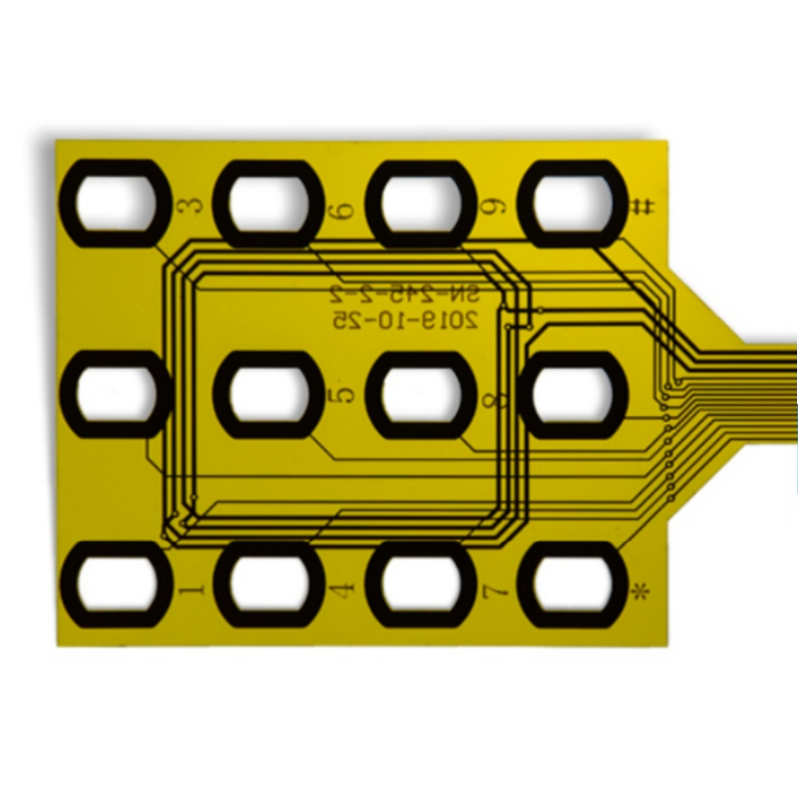
Custom FPC Flexible Printed Circuit, Single Double Multi Layer Flex PCB, Polyimide Stiffener, ENIG Surface
Designed for compact front-panel assemblies, featuring immersion gold pads and rigid polyimide stiffeners for reliable interconnectivity.
Explore eight core industrial hardware modules engineered in Shenzhen for mission-critical instruments, automated consoles, medical equipment, and harsh outdoor environments.
Designed for compact front-panel assemblies, featuring immersion gold pads and rigid polyimide stiffeners for reliable interconnectivity.
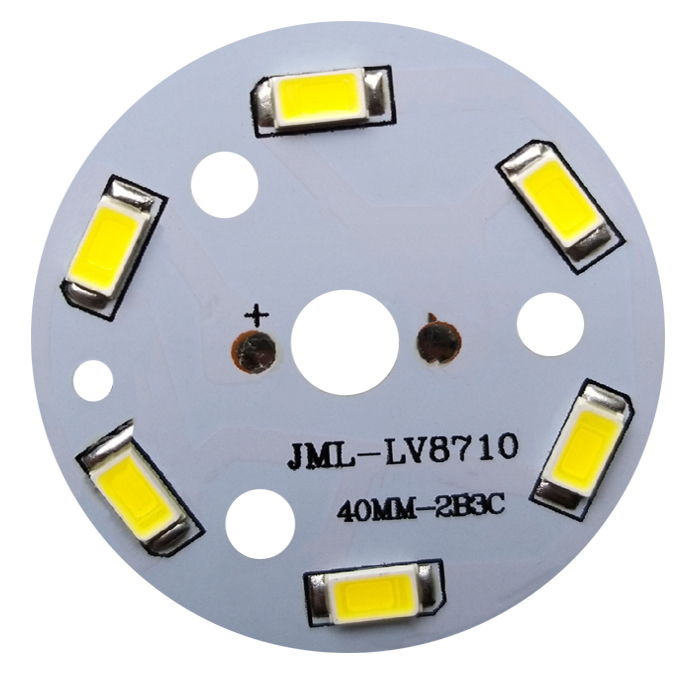
High-lumen circular backplate array engineered for panel status indicators, backlit legends, and uniform illumination fields.
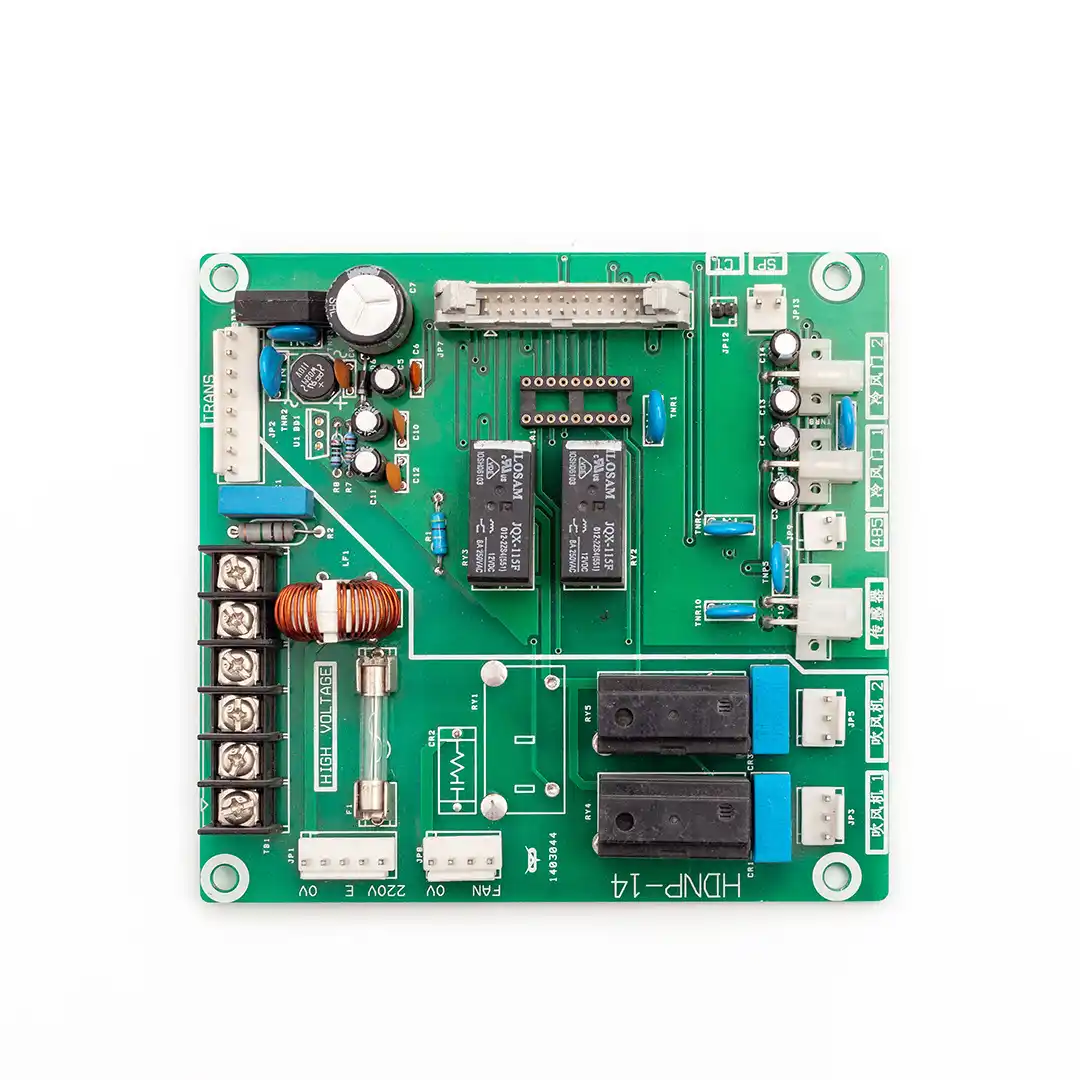
Complete panel integration backend combining micro-placement SMT, component sourcing, firmware flashing, and functional verification.
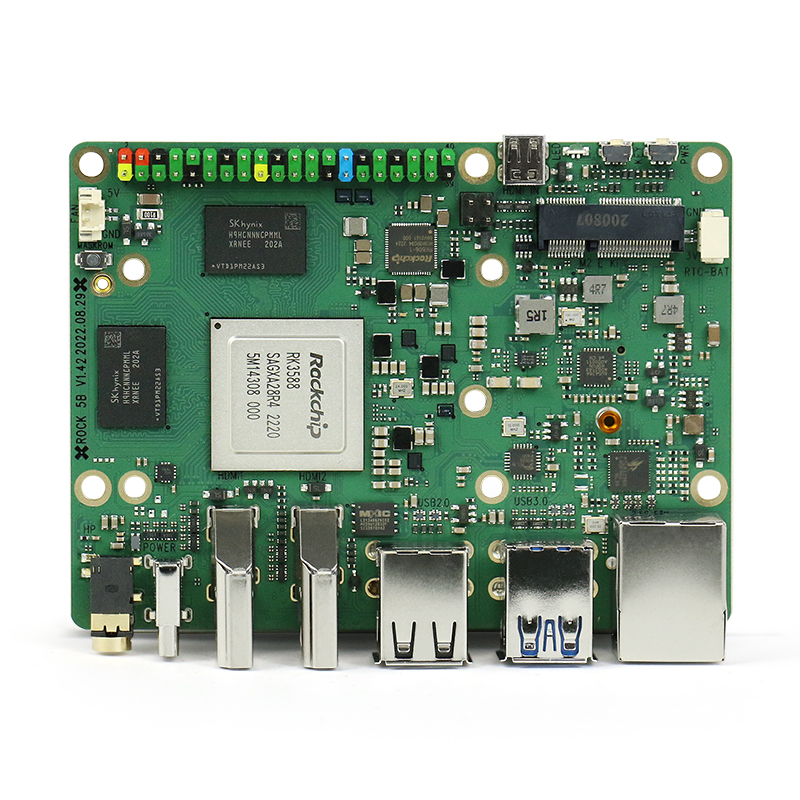
Edge-computing host platform ideal for smart graphical interactive terminals, multi-display HMI panels, and industrial computing.
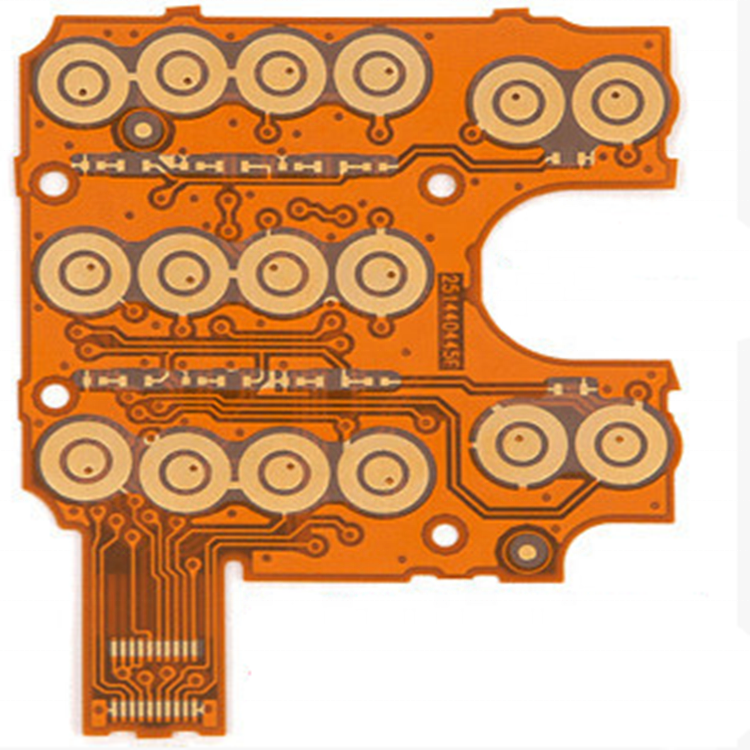
High-flex interconnect tails tailored specifically for tactile membrane keypads, multi-key matrix inputs, and display ribbons.
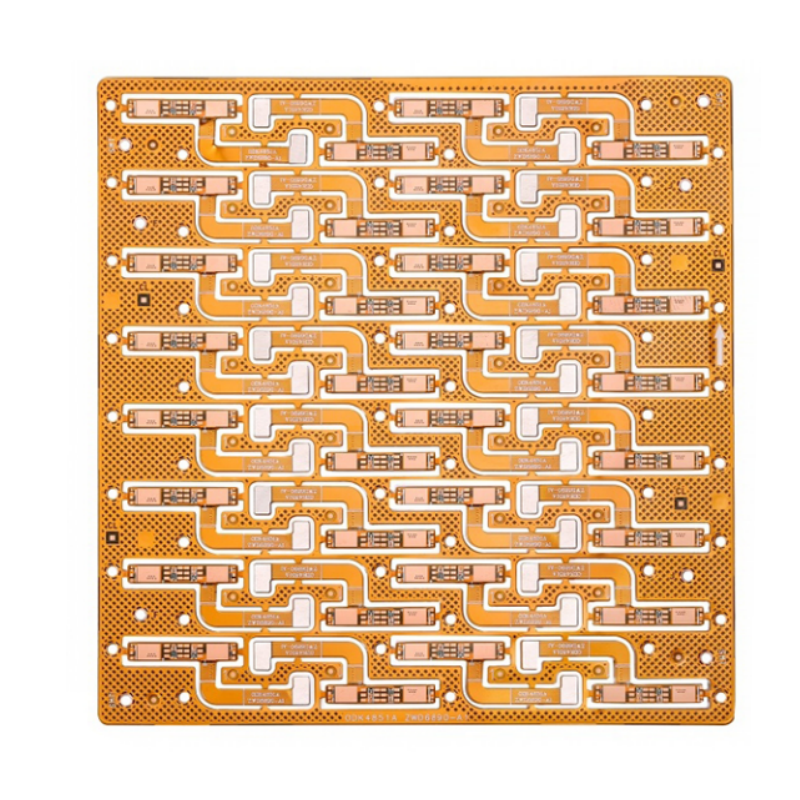
Ultra-thin flex substrate assembled with precision surface-mount LEDs, resistors, and connectors for slim graphic fascia mounting.
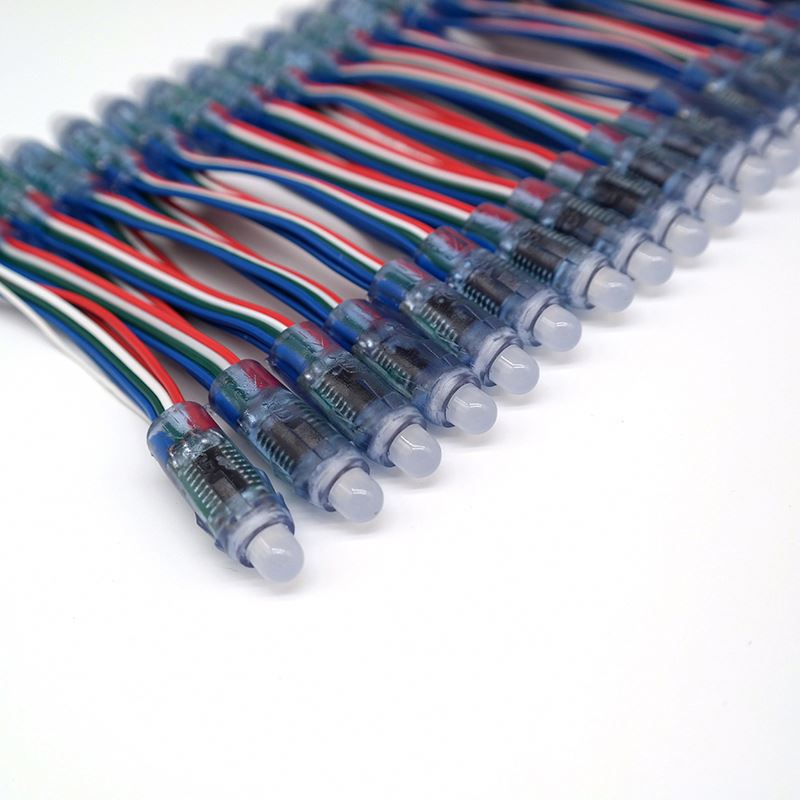
Sealed ambient indicator module suitable for industrial perimeter alarms, edge lighting, and outdoor environmental status matrices.
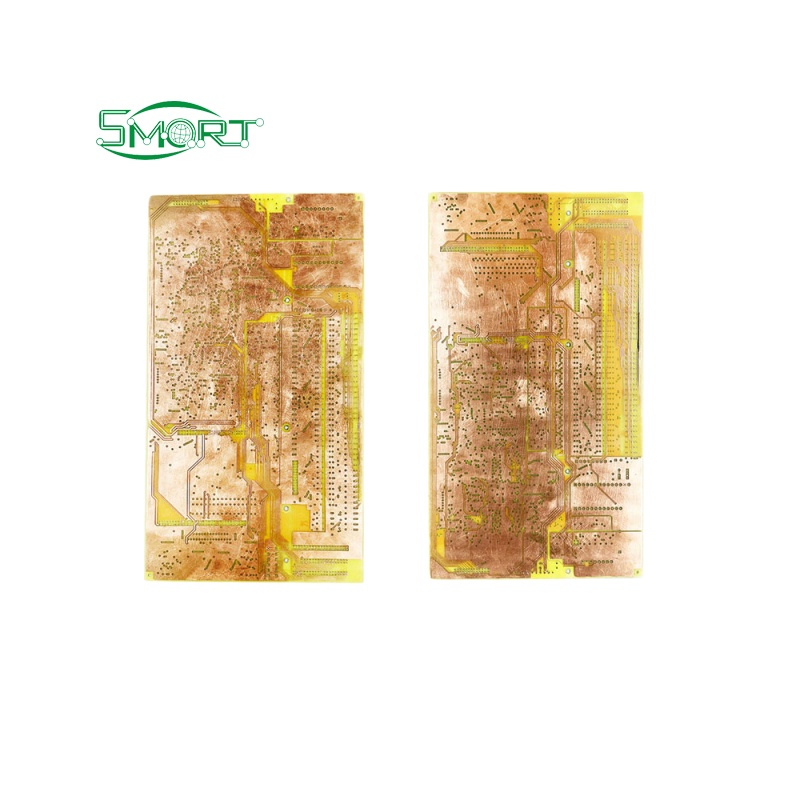
Rigid support motherboard serving as structural sub-paneling and circuitry backplane behind custom printed front fascia units.
In modern industrial equipment, medical analyzers, and defense electronics, the front panel is no longer a superficial decorative plate. It serves as an integrated mechanical, optical, and electrical barrier guarding mission-critical internal electronics.
Graphics are applied to the second surface of transparent films (Autotype polyester or Lexan polycarbonate), ensuring ink cannot be scratched, chemically degraded, or eroded by heavy solvent wipe-downs.
Integration of stainless steel metal snap domes (tripod, round, or four-legged) with actuation forces ranging from 250g to 450g, offering audible snap feedback and cycle lifespans exceeding 1,000,000 presses.
By implementing closed-loop continuous adhesive gaskets using 3M 467MP, 468MP, or VHB structural bonding tapes, front panels form an impervious barrier against dust, moisture ingress, salt spray, and jet cleaning.
Embedded aluminum foil, printed carbon/silver mesh, or ITO conductive coatings provide complete shielding against high-voltage static discharges and RF interference up to 60 dB across industrial bands.
| Performance Parameter | Autotex Textured Polyester (PET) | Lexan Optical Polycarbonate (PC) | Anodized Aluminum (AL5052/6061) |
|---|---|---|---|
| Flexural Fatigue Life | > 5,000,000 cycles (Superior for Keypads) | > 100,000 cycles (Prone to stress cracking) | Rigid Support (Zero flexure) |
| Chemical / Solvent Resistance | Exceptional (Resistant to alcohols, oils, bleaches) | Moderate (Attacked by ketones and hydrocarbons) | High (Sealed anodic layer withstands fuels) |
| Operating Temperature | -40°C to +85°C continuous | -40°C to +120°C high heat resistance | -60°C to +200°C broad aerospace range |
| Optical Display Windows | Optically clear windows with anti-glare finish | Water-clear transparency (92% transmission) | CNC milled open aperture with stepped bezel |
| Best Application Scenario | Frequent button actuation, medical consoles | Graphic overlays with high impact strength | Rugged military, server rack units, rail control |
Global supply chain managers, hardware architects, and OEM product directors are transforming panel procurement strategies to navigate smart HMI integration and strict compliance mandates.
Traditional purely mechanical switchboards are rapidly merging into hybrid structures where projected capacitive touch (PCAP) sensors and TFT LCD screens are optically bonded behind treated polyester faceplates with custom tinted dead-front windows.
OEM buyers are migrating away from fragmented multi-vendor models (buying graphics from printers, sheet metal from machinists, and electronics from SMT houses) in favor of one-stop tier-1 partners providing fully assembled and tested sub-systems.
Rising regulatory pressures require front panels to withstand harsh biocidal disinfectants in clinical theaters, UV aging in EV chargers, and extreme thermal shock in outdoor industrial control stations.
Combining deep Shenzhen electronics supply chain integration with certified ISO 9001 and UL manufacturing standards, Shenzhen VUKO delivers uncompromised reliability from rapid prototype to high-volume assembly.
Integrated processing lines uniting raw graphic printing, die-cutting, laser profiling, bare PCB production, FPC fabrication, SMT assembly, and mechanical integration under one roof.
Dedicated production engineers evaluate artwork registration, key embossing depths, circuit impedance, thermal relief, and adhesive clearances within 24 hours of receiving design files.
Every single batch undergoes automated optical inspection (AOI), actuation force curve validation, 100% flying-probe circuit continuity testing, and environmental thermal testing.
Ultra-low MOQ starting at just 5 pieces for initial engineering validation, backed by multi-line automated production capacity capable of scaling to over 500,000 units monthly.
Expert engineering answers to critical inquiries raised by global procurement specialists, electrical designers, and mechanical system integrators.
To deliver an exhaustive engineering quotation, we require two datasets: Graphic Artwork and Mechanical/Electrical CAD. For graphic overlays, provide vector files in Adobe Illustrator (.AI), CorelDRAW (.CDR), or high-resolution vector PDF indicating Pantone matching system (PMS) or RAL color codes, embossed key boundaries, and clear window zones. For underlying circuit boards and backplates, furnish 2D/3D mechanical drawings (DXF, DWG, STEP) alongside Gerber RS-274X files, BOM components lists, and tail pinout diagrams.
Color fidelity is strictly governed under calibrated D65 standard lighting booths utilizing X-Rite spectrophotometers. During initial prototyping, physical color chips ("first-article drawdowns") are prepared, measured, and archived alongside exact ink mixing formulas (UV and solvent-based formulations). In subsequent production runs, batch variances are constrained within ΔE < 1.0, eliminating visible discrepancies between panels manufactured years apart.
Achieving IP67 sealing requires holistic edge sealing architecture. We utilize closed-cell acrylic foam adhesives (such as 3M VHB series) or customized die-cut unsupported acrylic adhesives (3M 467MP/468MP) positioned with a minimum unbroken border width of 3.0mm around the outer edge. The circuit tail egress is routed through an internal labyrinth venting chamber or backside cutouts equipped with waterproof breathable ePTFE membrane filters to equalize pressure fluctuations without permitting liquid ingress.
Yes. Depending on profile constraints and illumination uniformity targets, we offer three main backlighting methods: (1) Discrete SMT side-firing micro-LEDs placed within spacer cavities, (2) Ultra-thin optical fiber weave meshes driven by high-efficiency edge LEDs providing thin, heatless, even illumination, and (3) Precision laser-etched light guide plates (LGP) integrated directly into the sub-panel stack for bright, daylight-readable switch legends.
Every single manufactured unit is subjected to rigorous quality verifications: 100% electrical continuity and contact resistance verification via automated bed-of-nails or flying probe testers; insulation resistance checks (typically > 100MΩ at 250V DC); tactile snap dome actuation profiling (verifying peak force, click ratio, and tactile feel); cross-hatch ink adhesion testing (ASTM D3359); and surface solvent wipe endurance tests utilizing isopropyl alcohol, MEK, and clinical disinfectants.
Collaborate directly with our Shenzhen engineering specialists. Get comprehensive DFM feedback, material stack recommendations, rapid prototyping schedules, and production quotations within 24 hours.